

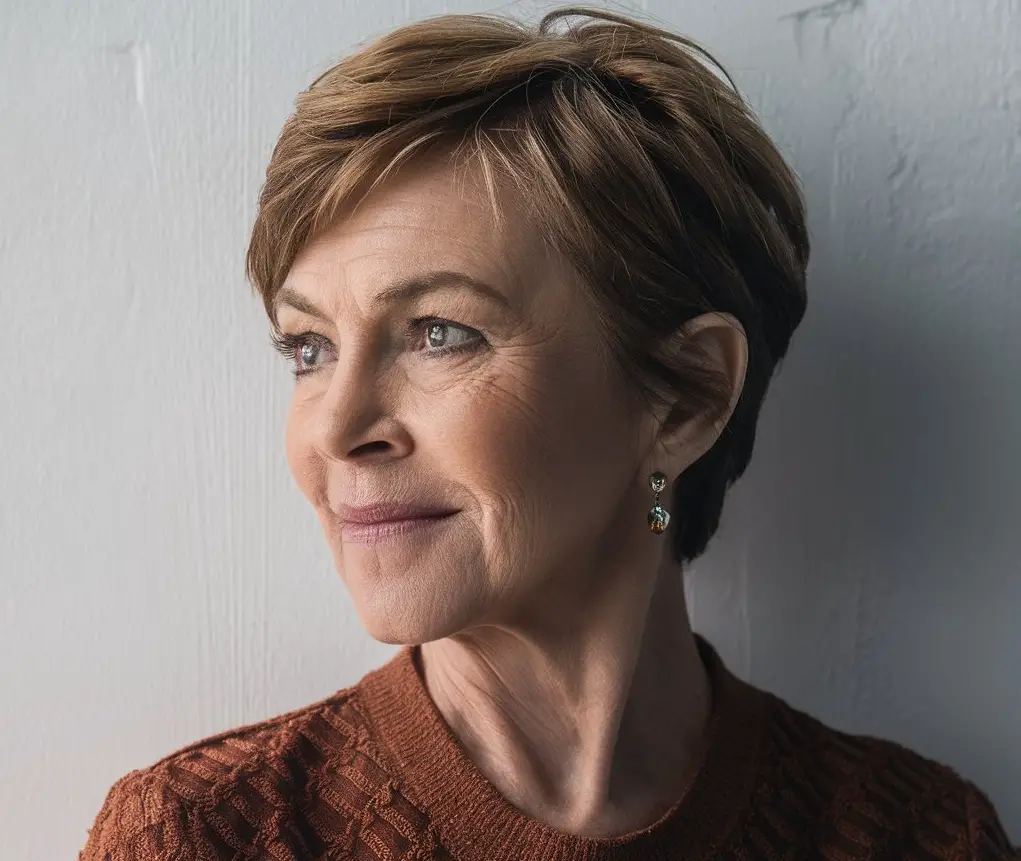
Finding the right haircut after 50 marks a significant moment in personal style evolution. Your hair has been through decades of styling, coloring, and changing textures, and now it deserves a cut that works with its current state rather than against it. The good news? This stage of life often brings a clearer sense of personal style and the confidence to wear what truly suits you.
Hair changes naturally as we age, with shifts in texture, thickness, and color becoming more noticeable. These transformations don’t mean settling for boring or outdated styles. Instead, they open doors to cuts specifically designed to enhance mature hair’s unique qualities. Modern hairstyling offers countless options that add movement, create volume, and frame your face beautifully while being easy to maintain.
The key lies in choosing cuts that complement your lifestyle, face shape, and hair’s natural tendencies. Whether you prefer wash-and-go simplicity or enjoy spending time on styling, there’s a perfect cut waiting. Let’s explore the best haircut options that help women over 50 look and feel their absolute best, from understanding hair changes to specific style recommendations and maintenance tips.
Understanding Your Hair at 50 and Beyond
Hair undergoes fascinating transformations as we mature, and understanding these changes helps you make informed styling decisions. Most women notice their strands becoming finer and drier, while some experience increased coarseness, particularly in gray areas. These shifts happen gradually but become more pronounced around menopause when hormonal changes affect hair follicles directly.
Changes in Texture and Thickness
The diameter of individual hair strands typically decreases with age, creating an overall appearance of thinner hair even when follicle count remains stable. This thinning affects how hair responds to products and styling techniques you’ve used for years. Previously thick hair might suddenly feel limp, while fine hair can become almost weightless. Recognizing these changes allows you to adjust your approach rather than fighting against nature.
Many women also discover their hair developing new wave patterns or losing previous curl definition. Straight hair might develop unexpected kinks, while curly hair sometimes relaxes into looser waves. These texture shifts result from changes in the hair follicle shape itself, influenced by genetics and hormonal fluctuations.
Working with Gray Hair
Gray strands possess a different structure than pigmented hair, often feeling coarser and more resistant to styling. This coarseness actually offers advantages – gray hair typically holds styles better and adds natural texture to cuts. The key lies in proper hydration and using products specifically formulated for gray or silver tones.
Some women notice gray hair growing in different directions than their original hair, creating interesting natural movement. Smart cuts work with these growth patterns rather than trying to force uniformity. A skilled stylist can identify these patterns and create a cut that uses them to add volume and interest.
Face Shape Considerations
Facial features often soften with age, and the right haircut can enhance this natural evolution. What worked perfectly at 30 might not complement your features at 50 or beyond. Consider how your face has changed – perhaps your jawline has softened or your cheekbones have become more prominent.
The goal isn’t to hide these changes but to create balance and harmony. Cuts with strategic layering around the face can highlight your best features while creating flattering shadows where desired. Think about proportion too – very short cuts can make features appear larger, while extremely long styles might drag features downward.
Hair Health Priorities
Healthy hair always looks better than damaged hair, regardless of the cut. At this stage, prioritizing hair health means choosing gentle color treatments, reducing heat styling frequency, and investing in quality care products. Regular trims become even more important as damaged ends can make any style look unkempt.
Scalp health deserves attention too. Many women experience increased scalp sensitivity or dryness with age. Gentle cleansing routines and scalp treatments can improve overall hair appearance from the roots. Consider incorporating scalp massage into your routine to stimulate circulation and promote healthy growth.
Understanding these fundamental changes in your hair creates the foundation for choosing cuts that truly work. Rather than viewing these shifts as limitations, see them as opportunities to explore styles specifically designed to enhance mature hair’s unique characteristics.
Classic Short Cuts That Flatter
Short haircuts offer incredible freedom and style options for women over 50, combining easy maintenance with sophisticated appeal. These cuts work particularly well with the natural changes in hair texture and density that come with age. The beauty of going shorter lies in how these styles can instantly refresh your appearance while requiring minimal daily effort.
Pixie Cuts for Mature Women
The pixie cut has evolved far beyond its traditional form, now offering countless variations to suit different face shapes and hair types. Modern pixies incorporate longer pieces around the face for softness while maintaining the classic short back and sides. This versatility makes them ideal for women seeking a dramatic change without sacrificing femininity.
What makes pixies particularly suitable for mature hair? They work brilliantly with thinning hair by creating the illusion of fullness through strategic cutting techniques. The shorter length means less weight pulling hair down, allowing natural volume to shine through. Additionally, pixies showcase facial features beautifully, drawing attention to eyes and cheekbones.
Texture plays a crucial role in pixie success. Women with naturally straight hair benefit from razored ends that create movement, while those with wavy or curly hair can work with their natural texture for an effortlessly tousled look. The key lies in finding the right balance between structure and softness.
Layered Bobs
The bob remains a timeless choice, but modern interpretations include sophisticated layering that adds dimension and movement. These aren’t your grandmother’s helmet-shaped bobs – today’s versions feature graduated layers, asymmetrical lines, and textured finishes that keep them fresh and contemporary.
Layered bobs solve multiple challenges common to mature hair. The layers create volume where needed while removing excess weight that can drag hair down. Strategic layering around the crown adds height, while face-framing pieces provide a flattering effect. The length – typically falling between the chin and shoulders – offers versatility without requiring extensive styling time.
Consider how different bob variations work with your lifestyle:
Stacked Bob: Shorter in back with gradual lengthening toward the front, creating natural lift at the crown
Textured Bob: Incorporates choppy layers throughout for movement and modern edge
Blunt Bob: Clean lines offer sophistication, particularly effective for thicker hair
Angled Bob: Longer front pieces create a slimming effect while maintaining easy care
Textured Crops
Textured crops represent the perfect middle ground between super-short pixies and traditional short cuts. These styles typically feature slightly longer length on top with shorter sides, creating opportunities for various styling options. The texture element – achieved through point cutting, razoring, or strategic layering – adds interest and movement.
These cuts excel at working with, rather than against, natural hair characteristics. Fine hair appears fuller thanks to the textured finish, while thick hair becomes more manageable with weight removal. The versatility allows for different styling approaches – sleek and polished for formal occasions or tousled and casual for everyday wear.
Maintenance Tips for Short Styles
Short cuts require regular upkeep to maintain their shape, typically needing trims every 4-6 weeks. This frequency might seem demanding, but the time saved on daily styling often compensates for salon visits. Between appointments, the right products make all the difference in keeping your style looking fresh.
Lightweight styling products work best with short cuts. Heavy creams or oils can weigh down carefully crafted layers and make fine hair appear flat. Instead, opt for volumizing mousses, texture sprays, or light-hold pomades that enhance without overwhelming. A small amount goes a long way with shorter styles.
Nighttime care matters too. Short hair can develop awkward bedhead more easily than longer styles. Using a silk or satin pillowcase reduces friction and helps maintain your style overnight. For persistent cowlicks or unruly sections, a quick spritz of water and reshape with fingers usually does the trick.
The beauty of short cuts lies in their ability to make you look polished with minimal effort. They frame the face beautifully, require less product and styling time, and often make hair appear thicker and healthier. Most importantly, they project confidence and modernity, proving that style has no age limit.
Medium Length Options for Versatility
Medium length hair offers the sweet spot between short and long styles, providing countless possibilities for women over 50. This length range – typically falling between the shoulders and collarbone – delivers maximum versatility while remaining manageable. You can wear it up for elegance, down for casual sophistication, or styled in numerous ways to suit different occasions.
Shoulder-Length Layers
Shoulder-length cuts with well-placed layers create movement and body without requiring extensive daily styling. This length works particularly well for women transitioning from longer hair who aren’t quite ready for a dramatic chop. The layers add dimension and prevent the hair from looking heavy or shapeless.
The magic happens in how layers are cut and positioned. Long layers starting below the chin maintain weight and movement, while shorter layers around the crown add lift where mature hair often needs it most. Your stylist can customize the layering pattern based on your hair’s natural tendencies – adding more layers for thick hair to reduce bulk, or using minimal layering on fine hair to preserve density.
Face-framing layers deserve special attention at this length. Pieces that gently curve around the face create a softening effect without hiding your features. These layers can start at various points – some women prefer them beginning at the cheekbones, while others like them starting closer to the chin. The placement depends on your face shape and personal preferences.
What about maintenance between salon visits? Shoulder-length layers grow out gracefully, typically needing professional attention every 8-10 weeks. This timing allows you to maintain the shape while giving your budget a break compared to shorter styles. Regular conditioning treatments keep the ends healthy and prevent the scraggly appearance that can plague medium-length hair.
Lobs with Movement
The long bob, affectionately known as the lob, has become a modern classic for good reason. This cut typically grazes the collarbone or sits just above it, offering more length than a traditional bob while maintaining a structured shape. For mature hair, lobs provide an ideal canvas for creating movement through various cutting techniques.
Movement in a lob comes from strategic texturizing rather than heavy layering. Point cutting creates soft, piece-y ends that move naturally. Slide cutting adds gentle graduation throughout the length. These techniques work together to prevent the blunt, heavy look that can age medium-length hair. The result? Hair that swings and moves with you rather than hanging limply.
Styling a lob opens numerous possibilities. Air-drying with a texturizing product creates an effortless, beachy look. Blow-drying with a round brush adds polish and volume. Curling iron or flat iron techniques can create waves, curls, or sleek straight styles. This versatility means you can change your look based on mood or occasion without committing to a completely different cut.
Shag Cuts for Volume
The modern shag has undergone a sophisticated transformation from its 1970s roots. Today’s versions feature more controlled layering and refined finishing techniques that create volume without chaos. For women dealing with thinning hair or lack of body, a well-executed shag can be transformative.
Shag cuts incorporate layers throughout the entire head, not just around the face or crown. This comprehensive layering approach creates natural volume and movement from roots to ends. The layers are typically cut at various lengths, creating a lived-in texture that looks effortless. Fine hair particularly benefits from this technique as the layers create an illusion of thickness.
Styling Techniques
Success with medium-length cuts often depends more on styling technique than on products. Understanding how to work with your hair’s natural tendencies saves time and frustration while achieving better results.
For volume at the roots, try flipping your head upside down while blow-drying. This technique lifts hair away from the scalp and creates natural body. Once hair is about 80% dry, flip back up and finish styling with a round brush. This method works for all medium-length cuts but proves particularly effective for lobs and layered styles.
Creating movement and texture requires the right approach to heat styling. Instead of curling every section in the same direction, alternate directions for a more natural, undone look. Leave the very ends out of the curling iron for a modern finish. This technique prevents the overly styled appearance that can date medium-length hair.
Product application matters too. Rather than applying products all over, concentrate them where needed most. Volume products go at the roots, smoothing serums focus on mid-lengths, and texturizing sprays target the ends. This targeted approach prevents product buildup that can weigh down medium-length hair.
Medium-length cuts offer remarkable adaptability for changing needs and preferences. They provide enough length for updos and ponytails while remaining short enough for easy care. Most importantly, they frame the face beautifully and can be customized to enhance your best features while working with your hair’s natural characteristics.
Longer Styles That Work
Longer hair on women over 50 challenges outdated notions about age-appropriate styling. Many women maintain beautiful long hair well into their later years, proving that length has less to do with age and more to do with hair health, lifestyle, and personal preference. The secret lies in choosing the right type of long style and maintaining it properly.
Long Layers for Softness
Long hair without layers can appear heavy and drag facial features downward – concerns that become more pronounced with age. Strategic layering transforms long hair from a potential burden into a flattering asset. These layers should start no higher than the jawline to maintain length while adding essential movement.
The key difference between youthful long layers and those designed for mature hair lies in their placement and execution. Rather than choppy, disconnected layers popular with younger women, mature hair benefits from seamless blending. These flowing layers create gentle movement without sacrificing the elegance that longer hair provides. They also help disguise any thinning areas by creating visual fullness through movement.
How do you know if long layers suit your hair type? Thick hair absolutely requires them to prevent a heavy, triangular shape. Fine hair needs careful consideration – too many layers can make it appear thinner, while too few leave it looking limp. The solution often involves long, subtle layers that maintain as much density as possible while still providing movement.
Your stylist should consider your hair’s natural wave pattern when cutting long layers. Straight hair might need more dramatic layering to avoid looking flat, while wavy or curly hair requires careful attention to prevent excessive volume in the wrong places. Each layer should enhance your hair’s natural movement rather than fighting against it.
Face-Framing Techniques
The area around your face matters most in any hairstyle, but this becomes especially true with longer lengths. Well-designed face-framing can lift your features, create flattering shadows, and draw attention to your best assets. These pieces shouldn’t be confused with dated “face-framing layers” from decades past – modern techniques create a much more sophisticated effect.
Consider starting face-framing pieces at different points based on your facial features. Beginning them at cheekbone level highlights great bone structure. Starting closer to the chin can create a slimming effect. Some women prefer a gradual progression from shorter pieces near the face to longer lengths in back, creating a seamless blend.
Texture in face-framing pieces makes a significant difference. Razor cutting creates wispy, soft edges that move naturally. Point cutting offers a more controlled but still soft finish. The technique chosen should complement your hair’s natural texture and your styling preferences. Wispy pieces require less styling effort but might not suit very thick hair, while more defined pieces work better for those who enjoy heat styling.
Managing Longer Hair
Long hair requires commitment, particularly as hair naturally becomes drier and more fragile with age. However, proper care routines can keep longer lengths looking healthy and vibrant. The investment in care pays off with hair that moves beautifully and maintains its shine.
Deep conditioning becomes non-negotiable with long hair over 50. Weekly treatments help combat dryness and maintain elasticity. Focus these treatments on mid-lengths and ends where damage accumulates. The scalp needs different care – lighter products that won’t weigh down roots while still providing necessary moisture.
Protective styling helps maintain length and health. Loose braids for sleeping prevent tangling and breakage. Silk scrunchies cause less damage than regular elastics. When wearing hair up during the day, vary the position to avoid breakage in the same spots. These small changes make a significant difference in maintaining healthy long hair.
Heat styling requires extra caution with longer lengths. Always use heat protectant products and keep tools at moderate temperatures. Consider air-drying when possible or using roller sets for volume without direct heat. When you do use hot tools, work in sections and avoid repeated passes over the same area.
When to Keep Length
Deciding whether to maintain long hair involves honest assessment of several factors:
Hair Health: If your hair maintains thickness, shine, and strength, length remains an option
Lifestyle: Active lifestyles might find long hair cumbersome, while others enjoy styling versatility
Maintenance Commitment: Long hair demands time and care – ensure you’re willing to provide both
Personal Style: Some women feel most themselves with flowing locks regardless of age
The decision ultimately comes down to what makes you feel confident and beautiful. Long hair can absolutely look stunning on women over 50 when it’s healthy, well-maintained, and styled appropriately. The outdated rule about cutting hair short after a certain age holds no merit when long hair is kept in excellent condition.
Regular trims every 8-12 weeks keep long hair looking fresh. This might seem counterintuitive when maintaining length, but removing damaged ends prevents breakage from traveling up the hair shaft. Small, frequent trims actually help you maintain length better than waiting too long between cuts.
Styling Solutions for Timeless Hair
The right styling approach transforms any haircut from basic to beautiful, and this becomes even more important as hair changes with age. Understanding which techniques and products work best for mature hair saves frustration and helps achieve consistently polished results. Smart styling doesn’t mean spending hours in front of the mirror – it means working efficiently with the right methods.
Products That Help
Product selection can make or break your styling success. Mature hair typically needs different formulations than younger hair, focusing on hydration, volume, and protection without heaviness. The overwhelming array of options in beauty aisles becomes manageable when you understand what your specific hair needs.
Volumizing products deserve a prominent place in your styling arsenal. Root-lifting sprays applied to damp hair create elevation without stickiness. Volumizing mousses distribute easily through hair and provide hold without crunchiness. The application technique matters as much as the product – concentrate these formulas at the roots where lift is needed most, avoiding the ends where they might cause dryness.
Leave-in treatments address multiple concerns simultaneously. Look for lightweight formulas that provide heat protection, moisture, and frizz control. Many modern leave-ins also include ingredients that protect hair color and add shine. Apply these products to damp hair from mid-length to ends, using any excess on your hands to smooth over the surface layer.
Has your trusted styling cream stopped working as well? Hair’s changing needs might require formula adjustments. What worked perfectly five years ago might now feel too heavy or insufficient. Don’t hesitate to experiment with new products, starting with sample sizes when possible. Your hair’s requirements evolve, and your product choices should follow suit.
Heat Styling Considerations
Heat styling remains a valuable tool for achieving polished looks, but mature hair requires more careful handling. The key lies in using heat strategically rather than daily, and always with proper protection. Modern heat tools offer temperature controls that help minimize damage while still achieving desired results.
Lower temperatures often work just as effectively as high heat settings. Fine or damaged hair rarely needs temperatures above 300°F, while thicker, coarser hair might require up to 350°F. Start with lower settings and increase only if necessary. This approach preserves hair health while still allowing you to create beautiful styles.
Blow-drying techniques can add significant volume and smoothness when done correctly. The key steps for optimal results:
Section Properly: Work with 2-inch sections for better control and more even results
Use Tension: Keep hair taut with a brush while drying to create smoothness
Cool Shot: Finish each section with cool air to set the style and add shine
Direction Matters: Dry roots in the opposite direction from natural growth for added lift
Creating Volume
Volume remains one of the biggest styling challenges for mature hair, but several techniques can create impressive fullness. The foundation starts during washing – clarifying shampoos used weekly remove product buildup that weighs hair down. Lightweight conditioners applied only to ends preserve natural body at roots.
Velcro rollers provide volume without direct heat damage. Use them on slightly damp hair with a volumizing product, then finish with a blow dryer on medium heat. The rollers create lift at the roots and smooth shape through the lengths. This technique works particularly well for special occasions when you want extra polish.
Teasing or backcombing, when done correctly, adds instant volume without visible damage. Use a fine-tooth comb and work in small sections at the crown. Gentle strokes create lift without the aggressive ratting that damages hair. Smooth the top layer carefully to hide any teasing underneath. A light mist of hairspray helps maintain the volume throughout the day.
Low-Maintenance Routines
Not everyone enjoys elaborate styling routines, and beautiful hair shouldn’t require hours of effort. Developing a streamlined routine that works with your lifestyle ensures you’ll actually maintain your style between salon visits.
Air-drying techniques have evolved beyond simply letting hair dry naturally. Apply a styling cream or mousse to damp hair, then twist sections and pin them loosely to your head. Once hair is completely dry, release the pins and finger-comb for natural waves with volume. This method works while you complete morning tasks, requiring no active styling time.
For those who prefer even simpler approaches, the right cut makes all the difference. Discuss your styling preferences honestly with your stylist. A cut that requires extensive daily styling won’t work if you prefer wash-and-go simplicity. Better to choose a style that looks good with minimal effort than to fight against a high-maintenance cut.
Dry shampoo extends time between washes while adding texture and volume. Modern formulas don’t leave visible residue when applied correctly. Spray at the roots before bed, allowing the product to absorb oils overnight. In the morning, massage your scalp and brush through for refreshed, voluminous hair.
Making Your Choice Count
After exploring various haircut options and styling techniques, the path forward becomes clearer. The perfect haircut for you balances multiple factors – your hair’s natural characteristics, lifestyle demands, and personal style preferences. No single cut works for every woman over 50 because each person brings unique needs and desires to the salon chair.
Take time to honestly assess your daily routine and styling commitment. Beautiful hair shouldn’t feel like a burden or require skills you don’t possess. Whether you choose a wash-and-go pixie, versatile medium length, or maintained long layers, the style should enhance your life rather than complicate it. Your hairstylist can help translate your vision into reality, but only if you communicate openly about your needs, limitations, and goals for your hair.
Frequently Asked Questions
Q: How often should women over 50 get their hair cut?
A: Short styles typically need trimming every 4-6 weeks to maintain their shape, while medium lengths can go 6-8 weeks between cuts. Long hair benefits from trims every 8-12 weeks to prevent split ends from traveling up the hair shaft.
Q: Will going shorter automatically make me look younger?
A: Not necessarily. The right cut for your face shape, hair texture, and personal style matters more than length alone. Some women look more youthful with shorter styles, while others appear more vibrant with longer hair that’s well-maintained.
Q: Should I avoid certain hair colors after 50?
A: Hair color choices depend more on skin tone and personal preference than age. Many women find that slightly lighter shades create a softening effect, but there’s no universal rule about avoiding specific colors.
Q: Can thin hair look good in longer styles?
A: Yes, with the right cutting techniques and care routine. Long layers that maintain density, regular protein treatments, and volumizing products can help thin hair look fuller at any length.
Q: What’s the biggest mistake women make with hair after 50?
A: Holding onto outdated styles that no longer suit their current hair texture or lifestyle. Hair changes with age, and styles should evolve accordingly for the most flattering results.
Q: How do I find a stylist who understands mature hair?
A: Look for stylists with experience working with your age group and hair type. Ask for consultations before committing to a cut, and observe their other clients’ results. Word-of-mouth recommendations from women with similar hair often prove valuable.
Q: Is it true that women shouldn’t have long hair after a certain age?
A: This outdated rule has no basis in modern styling. Healthy, well-maintained long hair can look beautiful at any age. The decision should be based on hair condition, lifestyle, and personal preference rather than arbitrary age limits.
Q: What if I regret cutting my hair short?
A: Hair grows approximately half an inch per month, so even dramatic cuts aren’t permanent. Many women find that trying shorter styles gives them confidence to experiment. If you’re nervous, consider cutting incrementally rather than making a dramatic change all at once.

