

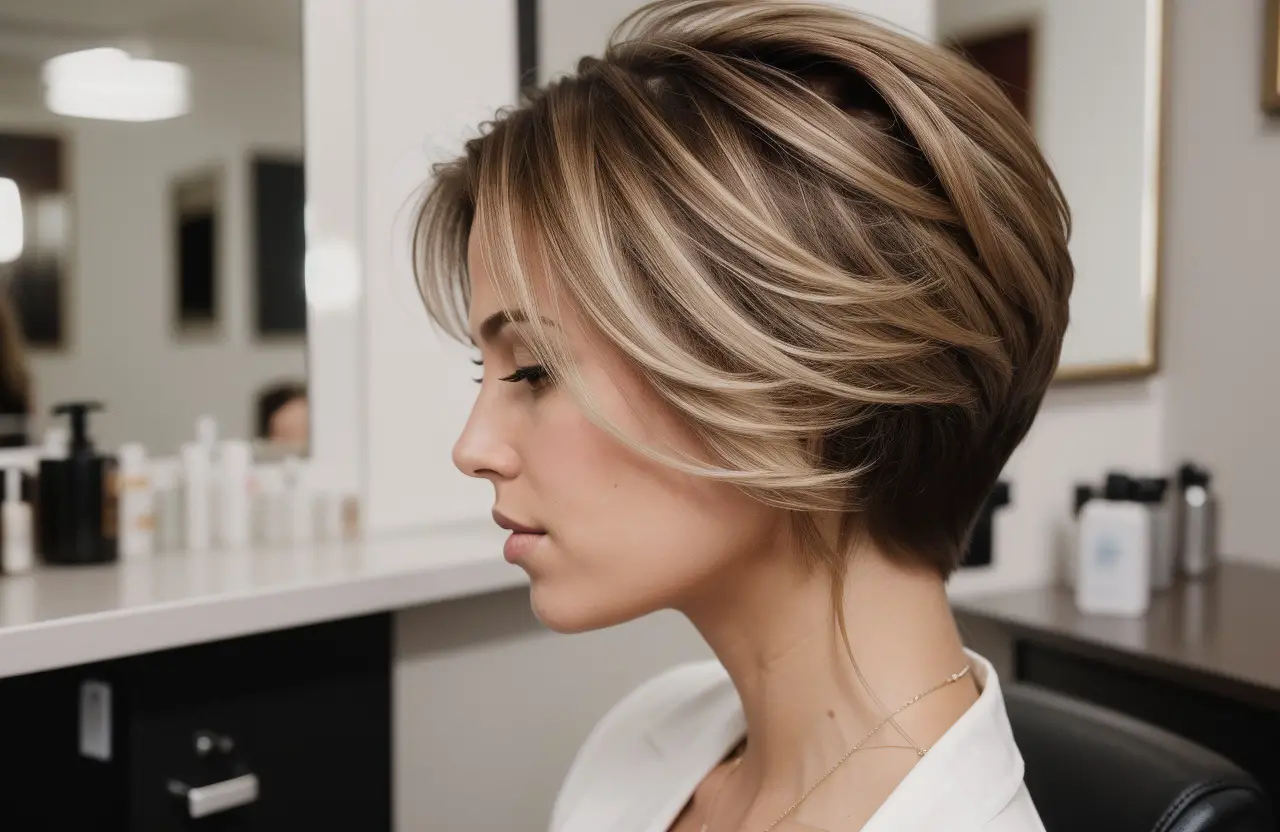
Short hair has officially entered its golden era, and balayage technique has transformed the way women approach color for cropped styles. This hand-painted highlighting method creates soft, natural-looking dimension that works beautifully on pixies, bobs, and everything in between. The technique adapts to any base color, from the darkest brunette to platinum blonde, making it accessible for women who want subtle enhancement or dramatic transformation.
The beauty of balayage on shorter lengths lies in its ability to add movement and depth without overwhelming the cut itself. Traditional foil highlights often create harsh lines on short hair, but the freehand painting approach of balayage produces graduated color that flows seamlessly from root to tip. This softer transition particularly flatters face-framing layers and textured cuts, giving your style that lived-in, effortlessly chic appearance that requires minimal upkeep.
Whether you’re considering your first color service or looking to refresh your current look, balayage offers versatility that grows out gracefully and requires fewer salon visits than traditional highlighting methods. The following sections will guide you through everything from selecting the perfect shade combination to maintaining your new color at home, helping you achieve that sun-kissed dimension that transforms short hair into a true style statement.
What Makes Balayage Different on Short Hair
The fundamental difference between balayage and traditional highlighting becomes even more pronounced on shorter lengths. While foils create uniform streaks from root to tip, balayage artists paint color directly onto hair sections, controlling exactly where lightness appears. This precision matters significantly when working with limited length, as every inch of color placement affects the overall look.
Traditional highlights vs balayage technique
Standard foil highlights involve saturating entire sections of hair with lightener, creating consistent ribbons of color throughout. This method works well for longer hair where blending happens naturally through movement and layering. Short styles, however, display every line and stripe more prominently. Balayage solves this visibility issue by allowing colorists to paint strategically, concentrating lighter tones where natural sun exposure would occur.
The painting motion itself differs dramatically from foiling. Your stylist uses a sweeping technique (balayage literally means “to sweep” in French) that deposits varying amounts of product along each section. Some areas receive heavier saturation for brighter results, while others get just a whisper of color for subtle dimension.
How short hair changes the application
Working with shorter lengths requires adjusted techniques and specialized knowledge. The limited canvas means colorists must maximize impact within a smaller area. They often use shorter brushstrokes and work with thinner sections to create more detailed placement.
Sectioning patterns also shift with shorter cuts. Rather than the horizontal sections common with longer hair, stylists frequently use diagonal or radial patterns that follow the hair’s natural growth and styling direction. This approach creates color that moves naturally with your specific cut rather than fighting against it.
Processing time typically decreases with shorter applications since there’s less hair to work through. However, the precision required often means your appointment won’t necessarily be shorter – your colorist spends that saved processing time perfecting placement instead.
Why it creates dimension
The magic happens through strategic contrast. By painting lighter pieces around the face, crown, and ends, balayage creates an illusion of movement and fullness that shorter cuts sometimes lack. Dark roots gradually lighten toward the tips, mimicking how hair naturally lightens from sun exposure.
This graduated effect adds visual interest to one-length cuts like blunt bobs or precision pixies. The varying tones trick the eye into seeing layers and texture that might not exist in the actual cut. For women with fine hair, this dimensional color can make strands appear thicker and more voluminous.
The technique particularly excels at enhancing natural wave patterns or curl formations in shorter styles. Light catches differently on each painted section, emphasizing bends and curves that might otherwise go unnoticed.
Color placement strategies
Strategic placement transforms good short haircuts into great ones. Around the hairline, delicate pieces of balayage create a face-brightening effect that works like makeup, illuminating features and softening angles. This frontal placement proves especially flattering for women who wear their short hair pushed back or tucked behind ears.
Crown placement addresses common concerns about flat-looking roots on shorter styles. By adding lighter pieces through the top sections, colorists create lift and body that lasts between salon visits. The key lies in avoiding uniform placement – irregular, organic patterns look most natural.
For pixie cuts, concentration often focuses on the longer top sections, leaving sides and nape areas darker for contrast. Bob lengths might feature heavier balayage through the ends, creating that coveted “dipped” effect that adds weight and movement to the bottom of the cut. Each placement strategy depends on your specific cut architecture and styling preferences.
Maintenance advantages
The grow-out phase proves significantly more manageable than with traditional highlights. Since balayage starts slightly away from the scalp and blends seamlessly, you won’t see harsh demarcation lines as your hair grows. This natural root area means you can stretch appointments to every 10-12 weeks rather than the typical 6-8 week schedule for foil highlights.
Touch-ups focus primarily on refreshing existing color rather than complete reapplication. Your colorist might add a few new pieces or adjust toning, but the foundation remains intact for months. This approach saves both time and money while maintaining beautiful results.
The lower maintenance particularly benefits women with faster-growing hair or those who prefer less frequent salon visits. You can confidently schedule appointments around your lifestyle rather than racing to cover obvious roots. Even as the color grows out completely, the soft transition means your hair still looks intentional rather than neglected.
Which Short Haircuts Work Best with Balayage
Different short haircuts showcase balayage in unique ways, and understanding these relationships helps you maximize your color investment. The interaction between cut architecture and color placement can dramatically alter your style’s overall impact. Some cuts naturally lend themselves to bold color stories, while others benefit from subtle, strategic highlighting.
Pixie cuts and balayage placement
Pixie cuts offer exciting possibilities for balayage application despite their minimal length. The typically longer top sections provide the primary canvas for color work, creating contrast against shorter, often darker sides and back sections. This natural separation allows for bold color choices without overwhelming the overall look.
Placement typically concentrates on the fringe area and crown, where hair has the most length and movement. Sweeping lighter tones through these sections adds instant sophistication to even the most casual pixie styles. The contrast between light tops and dark sides creates an edgy, modern aesthetic that photographs beautifully.
Textured pixies with choppy, piece-y styling benefit from scattered balayage placement throughout the longer sections. Each separated piece catches light differently, creating depth and visual interest. This technique works particularly well for women who style their pixies with wax or pomade, as the product separation emphasizes the color variation.
For growing-out pixies, balayage helps bridge awkward length transitions. Strategic color placement can disguise uneven sections and add shape during those in-between phases. The technique essentially provides visual structure while your actual cut catches up to your desired length.
Bob variations and color distribution
The classic bob provides an ideal foundation for balayage techniques, with enough length for gradual color transitions yet short enough to maintain easy styling. Chin-length bobs showcase color beautifully when balayage concentrates on the bottom third of the hair, creating weight and movement at the ends.
Graduated or stacked bobs benefit from color placement that emphasizes the cut’s angles. Lighter pieces through the shorter back sections prevent the style from looking too heavy, while face-framing highlights around the longer front sections brighten the overall look. This distribution creates continuity from back to front despite the length variation.
A-line bobs work wonderfully with diagonal balayage placement that follows the cut’s natural angle. Starting with subtle color at the shorter nape area and gradually increasing intensity toward the longer front sections creates a cohesive flow. This technique particularly flatters women who wear their bobs sleek and straight.
Consider how you typically part your hair when discussing placement with your colorist. Center parts might benefit from symmetrical color distribution, while deep side parts could feature heavier balayage on the larger section. Your daily styling routine should inform color placement decisions.
Lob styles and blending techniques
The lob (long bob) offers the most versatility for balayage application among shorter cuts. With length typically falling between chin and shoulders, there’s ample room for sophisticated color gradation. The added length allows for more traditional balayage techniques while still maintaining the low-maintenance benefits of shorter hair.
Blending becomes crucial with lob-length balayage. The transition from dark roots to lighter ends needs enough space to appear gradual rather than striped. Most colorists recommend starting the lightest pieces at least 2-3 inches from the scalp on lobs, allowing for that seamless melt effect.
Lived-in color looks particularly stunning on lob lengths. This approach involves painting balayage in irregular patterns that mimic natural sun-lightening, with some pieces starting higher than others. The result appears effortless and beachy, perfect for women who prefer undone, casual styling.
Face-framing becomes even more important with longer bob lengths. Strategic placement of lighter pieces around the face creates a spotlight effect that flatters all skin tones. These money pieces, as stylists call them, can be adjusted in width and intensity based on your preferences and facial features.
Asymmetrical cuts and strategic coloring
Asymmetrical cuts provide unique opportunities for creative balayage placement. The inherent imbalance of these styles calls for thoughtful color distribution that enhances rather than competes with the cut’s drama. Heavier color on the longer side can emphasize the asymmetry, while balanced placement creates harmony.
The shorter side of asymmetrical cuts often features minimal balayage, perhaps just a few face-framing pieces for continuity. This restraint prevents the color from overwhelming the precision of the cut. The longer side becomes the showpiece, with more elaborate color work that draws attention to the length difference.
Undercut styles with longer tops benefit from bold balayage choices since the colored sections remain clearly separated from the shorter areas. This clear distinction allows for more adventurous color without looking overwhelming. Some women even opt for fashion colors in their balayage when working with asymmetrical cuts.
Strategic color can also soften extreme asymmetry for women who want a more subtle effect. By placing balayage thoughtfully on both sides, colorists can create visual balance while maintaining the cut’s essential character.
Texture considerations
Your hair’s natural texture significantly influences how balayage appears on short cuts. Straight hair displays color placement most clearly, showing every painted section and transition. This visibility means placement must be especially precise on straight, short styles to avoid looking spotted or uneven.
Wavy textures benefit from balayage’s dimension-building properties:
Natural Movement: Waves create shadows and highlights naturally, which balayage enhances
Bend Emphasis: Color catches on the curves of each wave, creating dynamic visual interest
Texture Enhancement: Strategic placement can make waves appear more defined and bouncy
Styling Versatility: Looks beautiful both air-dried and heat-styled
Curly hair requires adjusted techniques for optimal results. The spring factor means hair appears shorter when dry than when stretched during coloring. Experienced colorists account for this shrinkage, placing color where it will be most visible once curls reform. The natural variation in curl patterns means balayage can look different each day, adding to its appeal.
Coily and kinky textures showcase balayage differently than looser patterns. The tight curl formation means color often appears as beautiful highlights throughout rather than obvious streaks. This natural blending effect creates stunning dimension while maintaining the integrity of the curl pattern.
How to Choose Your Balayage Colors
Selecting the right balayage shades for your short hair involves more than picking a color you like from a photo. The interplay between your natural base, skin undertones, and lifestyle all factor into creating a custom color that looks naturally stunning. Short hair amplifies color choices since the shades sit closer to your face, making thoughtful selection even more crucial.
Skin tone matching
Your skin’s undertones provide the foundation for choosing flattering balayage shades. Cool undertones (pink or blue hints in your skin) generally harmonize with ashy blondes, cool browns, and icy platinum tones. These cooler shades create harmony rather than competition with your complexion.
Warm undertones (golden or peachy hints) pair beautifully with honey blondes, caramel browns, and golden highlights. These sun-kissed tones enhance the natural warmth in your skin, creating a healthy, radiant appearance. The shorter your hair, the more these warm tones will reflect onto your face, brightening your overall look.
Neutral undertones offer the most flexibility, working well with both warm and cool balayage shades. This versatility means you can choose based on personal preference or seasonal changes rather than strict color rules. Many women with neutral undertones enjoy switching between cooler winter shades and warmer summer tones.
Testing potential shades against your skin before committing helps predict the final effect. Hold color swatches near your face in natural light to see how different tones interact with your complexion. Your colorist should perform this comparison during consultation, adjusting formulas based on what you observe together.
Base color considerations
Your starting point determines how dramatic or subtle your balayage can be. Darker bases offer the most contrast potential, allowing for striking dimension with caramel, honey, or even blonde pieces. This high contrast creates maximum visual impact on short styles where every color variation shows clearly.
Medium brown bases provide balanced options. You can go lighter for noticeable dimension or stay within a few shades of your natural color for subtle enhancement. This flexibility makes medium bases ideal for first-time balayage clients who want to test the waters without dramatic change.
Blonde bases require different approaches. Rather than traditional lightening, blonde balayage might involve lowlights or shadow roots to create dimension. Some blondes opt for reverse balayage, adding darker pieces for contrast and depth. This technique prevents blonde hair from looking flat or one-dimensional in shorter cuts.
Previously colored hair needs special consideration. Your colorist must account for underlying pigments and potential chemical reactions. Virgin hair typically lifts more predictably, while previously processed hair might require adjusted formulas or techniques. Honesty about your color history prevents disappointing results.
Red and auburn bases deserve special mention. These warm bases work beautifully with copper, strawberry blonde, or golden balayage pieces. The warmth already present in red hair means cooler tones often look unnatural, so staying within the warm family usually yields better results.
Cool vs warm tones
The temperature of your balayage significantly impacts your overall appearance. Cool tones include ash blonde, pearl, mushroom brown, and violet-based shades. These colors create a sophisticated, modern look that works particularly well with edgy short cuts like choppy pixies or blunt bobs.
Warm tones encompass golden blonde, honey, caramel, and copper shades. These inviting colors add softness to short styles and create a youthful, approachable appearance. Warm balayage particularly flatters women who spend time outdoors, as it mimics natural sun-lightening.
Mixing temperatures within one balayage application adds complexity. Your colorist might paint cooler pieces underneath with warmer tones on top, creating depth without obvious contrast. This technique works especially well on layered short cuts where different sections become visible during movement.
Seasonal preferences often influence temperature choices. Many women prefer cooler tones during winter months when skin tends to be paler, switching to warmer shades as summer tans develop. Short hair makes these seasonal changes more noticeable and impactful.
Subtle vs bold contrast
The degree of contrast between your base and balayage dramatically affects your style’s overall impact. Subtle balayage stays within 2-3 shades of your natural color, creating gentle dimension that enhances without overwhelming. This approach works beautifully for professional settings or women who prefer understated elegance.
Bold contrast jumps 4 or more shades from your base, creating dramatic dimension visible from across a room. This high-impact approach transforms short cuts into statement styles. Dark brunettes going for blonde balayage or light blondes adding deep lowlights exemplify this bold approach.
Your lifestyle should influence contrast decisions. High contrast requires more maintenance to keep looking fresh, while subtle variations grow out almost imperceptibly. Consider your commitment level to salon visits and home care when choosing contrast levels.
Short hair amplifies contrast effects. What might look subtle on long hair can appear quite dramatic on a pixie or bob. Your colorist should show you examples of different contrast levels on similar hair lengths to set realistic expectations.
Seasonal color adjustments
Adapting your balayage seasonally keeps your color fresh and relevant throughout the year. Spring might call for brightening existing pieces with glosses or toners, adding luminosity after darker winter months. These adjustments require minimal processing while creating noticeable freshness.
Summer typically inspires lighter, brighter balayage that mimics natural sun-lightening. Your colorist might add extra face-framing pieces or lighten existing balayage by one shade. These summer adjustments complement tanned skin and casual, beachy styling.
Fall transitions often involve:
Toning Adjustments: Adding warmth through golden or copper toners
Shadow Roots: Deepening the base color for contrast against lighter pieces
Dimension Building: Adding lowlights to create richness and depth
Gloss Treatments: Enhancing shine as hair tends to be drier after summer
Winter color stories lean toward cooler, more sophisticated tones. Icy blondes, ash browns, and pearl highlights create beautiful contrast against winter wardrobes. These cooler shades also complement the paler skin tones common during colder months.
Remember that seasonal adjustments don’t require complete color overhauls. Simple toning services or gloss treatments can shift your balayage’s temperature or intensity without additional lightening. This approach maintains hair health while keeping your color current and fresh-looking.
What to Expect During Your Salon Visit
Walking into your balayage appointment with realistic expectations sets the stage for satisfaction with your results. The process differs from standard color services in timing, technique, and immediate results. Short hair appointments might be quicker than long hair services, but the precision required means you should still plan for a substantial time commitment.
Consultation process
Your appointment begins with an in-depth consultation where you and your colorist establish goals and realistic outcomes. Bring inspiration photos, but be prepared to discuss how those looks might translate to your specific hair length, texture, and base color. Short hair often can’t achieve the exact same effects as longer styles, so flexibility helps.
Your colorist will assess your hair’s current condition, checking for damage, previous color, and overall health. This evaluation determines what’s safely achievable in one session versus what might require multiple appointments. Compromising hair integrity for immediate results never pays off, especially with shorter styles where damage is highly visible.
Discussion should cover maintenance expectations and lifestyle factors. Do you heat style daily? How often can you realistically return for touch-ups? Your answers help determine the best placement and color choices for sustainable results. Colorists appreciate honesty about your routine rather than idealistic promises.
Pricing conversations happen during consultation too. Balayage pricing varies based on hair thickness, desired result complexity, and colorist experience level. Short hair typically costs less than longer lengths, but intricate placement or color correction can increase prices. Understanding costs upfront prevents appointment-day surprises.
Application timeline
The actual painting process begins after your consultation concludes and your colorist mixes custom formulas. Unlike traditional highlights where foils go in systematically, balayage application appears more artistic and free-form. Your colorist might work in seemingly random patterns, building the overall effect gradually.
For short hair, expect the painting process to take 30-45 minutes depending on thickness and desired coverage. Your colorist paints freehand, using various brush sizes and techniques to create different effects. Smaller brushes create precise, delicate highlights while larger brushes produce bold, sweeping color.
Processing time varies based on your starting level and desired lift. Darker hair going significantly lighter needs longer processing, sometimes up to 45 minutes. Your colorist monitors the lightening process, checking sections periodically to gauge development. This vigilance prevents over-processing while achieving maximum lift.
Some salons use heat to accelerate processing, though this isn’t always necessary. The decision depends on your hair’s condition and the products being used. Trust your colorist’s judgment about whether heat will benefit or potentially damage your hair.
After reaching the desired lift, your hair gets rinsed and shampooed before toning. This toning step transforms brassy yellow tones into beautiful finished shades. The toner processes for 5-20 minutes depending on the formula and desired result.
Sectioning techniques for short hair
Short hair requires modified sectioning approaches compared to longer lengths. Rather than horizontal sections working from bottom to top, colorists often use radial sections emanating from the crown. This technique follows the hair’s natural growth patterns, creating color that moves organically with your style.
Precision becomes paramount with limited length. Your colorist might work with sections as thin as 1/8 inch to create delicate, natural-looking highlights. These micro-sections allow for detailed placement that makes a significant impact despite the shorter canvas.
The way you typically wear your hair influences sectioning decisions. If you always part on the left, sections might concentrate there for maximum visibility. Women who frequently change their part benefit from more evenly distributed sections that look good from multiple angles.
Cowlicks and growth patterns receive special attention during sectioning. Your colorist works with these natural quirks rather than against them, placing color where it will fall naturally when styled. This consideration prevents awkward color placement that fights your hair’s natural tendencies.
Processing differences
Short hair processes differently than longer lengths due to increased porosity at the ends and potential heat from the scalp. The ends of shorter cuts often endure more frequent styling and environmental exposure, making them more porous and quick to absorb color. Your colorist accounts for this variation, possibly applying product differently to roots versus ends.
Body heat from your scalp can accelerate processing on very short styles. This warmth means the color nearest your head might develop faster than expected. Experienced colorists anticipate this effect, adjusting timing or application to achieve even results.
The viewing angle changes with short hair too. Your colorist must consider how the color will look from all directions, not just face-forward. They might have you stand and move around during processing to check development from various angles.
Environmental factors in the salon affect processing as well. Air conditioning or heating can alter development times, as can humidity levels. Your colorist should monitor these variables, adjusting processing time as needed rather than following rigid formulas.
Initial results vs settled color
Fresh balayage often looks different than it will after a few washes. The toner used to perfect your color might appear slightly darker or more vibrant initially. This intensity softens over the first week as excess pigment releases, revealing the true color underneath.
Your hair might feel different immediately after processing. The lightening process opens the hair cuticle, potentially creating a slightly rougher texture temporarily. This sensation improves with proper home care and conditioning treatments. Most women notice their hair feeling normal again within a week or two.
The contrast between your natural color and balayage might seem stark at first, especially if you’ve chosen bold placement. Your eyes need time to adjust to the new dimension and movement in your hair. What seems dramatic on day one often feels perfectly natural by week two.
Styling plays a huge role in how your balayage appears. Your colorist should demonstrate how different styling techniques showcase the color:
Smooth Styles: Show clean color lines and precise placement
Textured Styling: Blends colors for a more diffused effect
Wavy Looks: Create shadows that enhance dimension
Piecy Separation: Emphasizes individual colored sections
Take photos in different lighting throughout the first week. Natural daylight, indoor lighting, and flash photography all reveal different aspects of your new color. These variations are normal and part of balayage’s dynamic appeal.
How to Maintain Your Balayage at Home
Protecting your investment in beautiful balayage requires intentional home care tailored to processed hair’s specific needs. Short hair might mean less hair to maintain, but the color sits closer to environmental stressors and styling tools. The right routine preserves vibrancy while keeping your hair healthy between salon visits.
Color-safe product selection
Switching to color-safe products immediately after your balayage service protects your investment from premature fading. Sulfate-free shampoos clean without stripping color molecules from the hair shaft. These gentler formulas maintain the toner’s integrity, keeping brassiness at bay for weeks longer than regular shampoos would allow.
Purple shampoos deserve a place in your routine if your balayage includes blonde or light tones. These pigmented cleansers neutralize yellow tones that develop naturally over time. Start with once-weekly use, adjusting frequency based on how quickly warmth returns to your color. Over-use can deposit too much purple, creating an ashy or gray cast.
Deep conditioning treatments become non-negotiable with processed hair. The lightening process creates porosity that requires regular moisture infusion to maintain smoothness and shine. Weekly masks or treatments keep your short style looking polished rather than dry or frizzy. Focus application on the lighter sections where processing was heaviest.
Leave-in treatments provide ongoing protection between washes. Look for products with UV filters to prevent sun-induced fading and heat protectants if you style with hot tools. Lightweight formulas work best for short hair, providing protection without weighing down your style or making roots appear greasy.
Washing frequency recommendations
Extending time between washes preserves color vibrancy and reduces overall maintenance. Short hair often appears oilier faster than long hair since natural oils travel the shorter distance from scalp to ends more quickly. Strategic approaches help manage this without daily washing.
Dry shampoo becomes your best friend for stretching wash days. Apply it before bed on clean hair to prevent oil buildup rather than waiting until hair looks greasy. This preventive approach works particularly well for shorter styles where oil becomes visible quickly. Focus application at the roots, working in sections for even distribution.
When you do wash, water temperature matters significantly. Hot water opens the cuticle, allowing color molecules to escape. Lukewarm water cleans effectively while keeping the cuticle relatively closed. That final cool rinse everyone recommends really does help seal the cuticle for enhanced shine and color retention.
Co-washing (conditioner-only washing) works well for some hair types between regular shampoo sessions. This method removes light buildup while depositing moisture, particularly beneficial for the processed portions of your balayage. Not everyone’s scalp tolerates co-washing, so experiment to find your ideal routine.
Heat styling adjustments
Heat styling requires modified approaches to prevent damage and color fading on balayaged hair. Lower temperatures achieve results without excessive damage – try reducing your tool settings by 25-50 degrees from your pre-color routine. Short hair needs less heat exposure to achieve desired styles anyway.
Always apply heat protectant before using any hot tools. These products create a barrier between your hair and direct heat, reducing damage and color fade. Spray formulas work well for overall protection, while creams or serums provide targeted protection for the lightest, most vulnerable sections.
Air drying whenever possible gives your hair a break from heat exposure. Short cuts often dry quickly naturally, making air drying more practical than with long hair. Experiment with styling products designed for air drying to achieve polished looks without heat.
When you do heat style, work quickly and efficiently. Short hair shouldn’t need multiple passes with flat irons or prolonged blow drying. If you find yourself repeatedly going over sections, your tools might not be hot enough, ironically causing more damage from extended exposure than proper temperature would.
Touch-up scheduling
Establishing a maintenance schedule keeps your balayage looking fresh without over-processing. Most women with short balayaged hair benefit from salon visits every 10-12 weeks. This timeline allows for root growth that looks intentional rather than neglected while maintaining the overall color story.
Toning appointments between full balayage services refresh color without additional lightening. These quicker, less expensive services neutralize brassiness and adjust tone seasonally. Many salons offer express toning services perfect for lunch-break refreshers.
Root shadowing or smudging extends time between appointments by softening the line between natural growth and processed hair. This technique works particularly well for short styles where roots become visible quickly. Adding shadow roots during one appointment might let you stretch the next visit by several weeks.
Communication with your stylist about growth patterns helps optimize scheduling. Some women’s hair grows faster than average, requiring more frequent appointments. Others might find they can stretch appointments longer, especially if they’ve chosen subtle contrast that grows out softly.
Consider these maintenance timeline factors:
Growth Rate: Faster growth needs more frequent touch-ups
Contrast Level: Higher contrast shows roots more obviously
Lifestyle Factors: Sun exposure and swimming accelerate fading
Styling Habits: Frequent heat styling might require more regular toning
Hair Health: Damaged hair might need strengthening treatments between color services
Growing out gracefully
The beauty of balayage lies partly in its graceful grow-out phase. Unlike traditional highlights with obvious demarcation lines, balayage fades naturally into your base color. This organic progression means you can choose to maintain the look indefinitely or let it grow out completely without awkward transitions.
If you decide to grow out your balayage, strategic trimming helps maintain shape while removing the lightest ends gradually. Regular dustings every 4-6 weeks slowly eliminate processed hair while keeping your short style looking intentional. This gradual approach prevents the dramatic change that comes with cutting all colored hair at once.
Some women choose to reverse-balayage during the grow-out phase, adding lowlights that blend processed and natural hair. This technique creates seamless transitions while you return to your natural color. The process might take several appointments but results in beautiful, dimensional color throughout the transition.
Glossing treatments during grow-out add shine and blend lines without committing to new color. These semi-permanent treatments deposit minimal pigment while smoothing the cuticle for enhanced light reflection. Regular glosses every 6-8 weeks can make growing out hair look healthy and intentional.
Patience pays off during the grow-out process. Short hair means you’ll return to your natural color faster than with long hair, typically within 6-12 months depending on your growth rate and starting point. Maintaining healthy hair throughout the transition ensures your natural color looks its best when fully grown in.
Final Thoughts on Your Balayage Journey
Short hair and balayage create a perfect partnership that delivers maximum style impact with manageable maintenance requirements. This hand-painted technique transforms simple cuts into dimensional masterpieces that catch light, create movement, and frame your face beautifully. Whether you’ve chosen subtle sun-kissed pieces or bold contrast that makes a statement, your new color adds personality and polish to your shortened style.
The investment you’ve made in professional balayage pays dividends through months of gorgeous, low-maintenance color that grows out gracefully. By following proper home care routines, scheduling regular toning appointments, and working with your stylist to adjust placement seasonally, you’ll maintain that fresh-from-the-salon brilliance longer. Your short balayaged style will continue turning heads and boosting your confidence every time you catch your reflection, proving that sometimes the best things really do come in smaller packages.
Frequently Asked Questions
Q: Can I get balayage on a pixie cut that’s less than 2 inches long?
A: Yes, skilled colorists can apply balayage to pixie cuts with even minimal length. The technique focuses on the longer top sections, creating beautiful dimension through strategic placement on available length.
Q: How much does balayage typically cost for short hair?
A: Prices generally range from $100-$300 for short hair balayage, depending on your location, salon level, and desired complexity. Short hair usually costs less than longer lengths due to reduced product use and application time.
Q: Will balayage damage my fine, short hair?
A: When performed by an experienced colorist using quality products, balayage causes minimal damage. The technique actually involves less processing than traditional highlights since color doesn’t saturate entire sections from root to tip.
Q: How long does the balayage process take for bob-length hair?
A: Expect to spend 2-3 hours at the salon for initial balayage on bob-length hair. This includes consultation, application, processing, toning, and styling.
Q: Can I balayage my short hair if it’s been previously colored with box dye?
A: Previous box dye requires careful consideration and possibly corrective color before balayage. Always disclose your complete color history during consultation so your colorist can plan accordingly.
Q: What’s the difference between balayage and ombré on short hair?
A: Balayage creates scattered highlights throughout your hair for natural dimension. Ombré produces a gradual fade from dark roots to light ends, which needs more length to achieve the gradient effect.
Q: How often should I use purple shampoo on my short blonde balayage?
A: Start with once weekly and adjust based on how quickly yellow tones return. Short hair might need more frequent purple shampoo use since ends receive more environmental exposure.
Q: Can I swim in chlorinated pools with balayaged hair?
A: Swimming is possible with precautions. Wet your hair with clean water first, apply leave-in conditioner for protection, and rinse immediately after swimming. Consider wearing a swim cap for extended pool time.
Q: Is it possible to do balayage touch-ups at home between salon visits?
A: Professional balayage requires technical skill and specialized products best left to trained colorists. At-home attempts rarely achieve desired results and often require expensive correction.

