


Your 20s feel invincible. You bounce back from a late night out, your skin forgives the occasional slip-up, and wrinkles feel like a concern that belongs to someone else’s decade. That ease is real — but it won’t last forever without some help behind the scenes.
Here’s something most women don’t realize until it’s a little too late: collagen production starts declining around age 25, at roughly 1% per year. That doesn’t mean you’ll suddenly look older overnight, but it does mean the habits you build right now are quietly writing the script for how your skin reads at 40 and beyond.
The good news? You don’t need a complicated 12-step routine or a shelf full of expensive serums to stay ahead of the curve. What you need are a few well-chosen habits, applied consistently. Below are nine tips — backed by dermatologists — that can genuinely protect your skin now and well into your future decades.
- 1. Sunscreen Is Non-Negotiable, Every Single Day
- 2. A Gentle Cleanser — Nothing More, Nothing Less
- 3. Start Retinol Early — But Start Slow
- 4. Moisturize Daily — Even Oily Skin Needs It
- 5. Stop Tanning
- 6. Add a Vitamin C Serum to Your Morning Routine
- 7. Take Care of the Eye Area
- 8. Sleep, Stress, and Sugar All Matter
- 9. Don't Overdo Exfoliation
- Your Skin at 20 Is a Long-Term Investment
- Frequently Asked Questions
1. Sunscreen Is Non-Negotiable, Every Single Day

If there’s one thing dermatologists agree on unanimously, it’s this: up to 90% of visible skin aging comes from UV exposure. That includes those mornings you drive to work, sit by a window, or pop outside for a coffee run. The sun doesn’t wait for beach days to do its damage.
The standard recommendation is a broad-spectrum SPF 30 or higher, worn every day — yes, even in winter, even on cloudy days, even when you’re mostly indoors. UV rays pass through glass and through cloud cover without much trouble. A moisturizer with SPF built in works perfectly if you’re looking to keep your routine simple. Just make sure it’s actually SPF 30 and not one of those “hint of SPF” formulas that barely counts.
Don’t forget your neck and the backs of your hands. These areas age visibly and are chronically under-protected.
2. A Gentle Cleanser — Nothing More, Nothing Less

Stripping your skin with harsh cleansers is one of the most common mistakes women in their 20s make. Over-cleansing, especially with foaming formulas that leave your face feeling tight and squeaky, damages the skin barrier — the protective layer that keeps moisture in and environmental stressors out.
A mild cleanser matched to your skin type (gel or foaming for oily skin, cream or lotion for dry or sensitive) is all you need, morning and night. If your skin feels dry or irritated after washing, that’s a sign your cleanser is too aggressive.
3. Start Retinol Early — But Start Slow
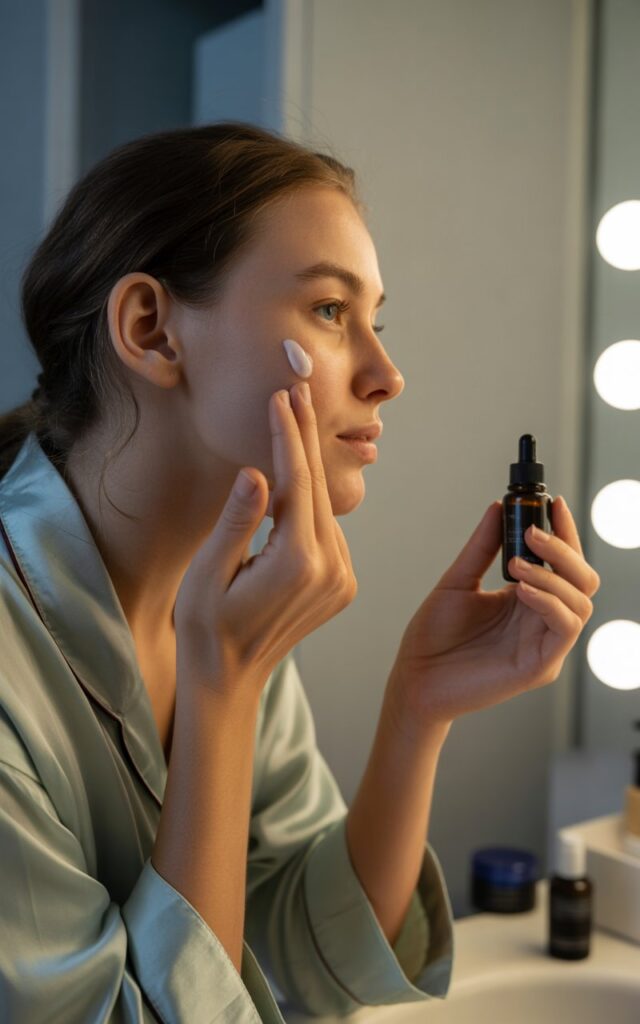
Retinol (vitamin A) is one of the most research-backed ingredients in all of skincare. It speeds up cell turnover, stimulates collagen, and fades early discoloration — making it both preventive and corrective at the same time. Your 20s are a great time to begin.
The key is starting with a low concentration, used once or twice a week at night, and building up gradually as your skin adjusts. Going too fast with retinol causes redness and peeling that can put women off it entirely, which is a shame because the long-term payoff is real. If you’re on any form of birth control or planning a pregnancy, check with your doctor first, as retinol is not safe to use during pregnancy.
4. Moisturize Daily — Even Oily Skin Needs It
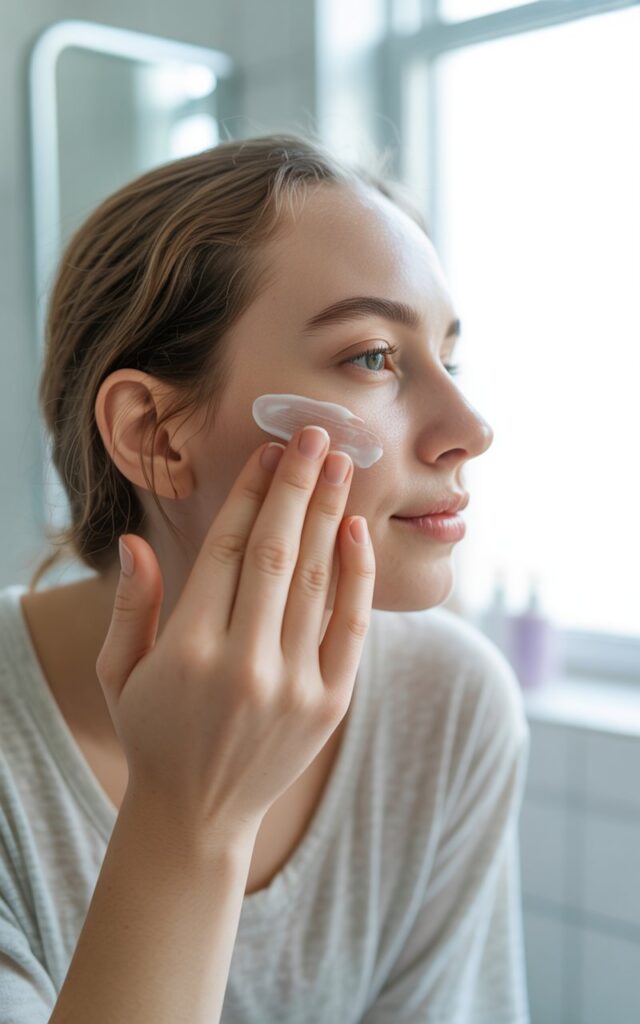
Moisturizing is not just for dry skin types. Every skin type benefits from daily hydration because a well-hydrated skin barrier simply functions better — it defends against environmental damage, heals faster, and holds onto its elasticity longer.
Look for a moisturizer with hyaluronic acid, niacinamide, or ceramides. These ingredients support the skin barrier and hold water in the skin rather than just sitting on the surface. Apply to slightly damp skin for better absorption. Your morning moisturizer can easily double as your SPF vehicle if you choose one with built-in sun protection.
5. Stop Tanning

Tanning — whether from UV beds or extended sun exposure — is one of the most damaging things you can do for your skin’s long-term health. It causes wrinkles, brown spots, discoloration, and significantly raises your lifetime skin cancer risk. Dermatologists are unequivocal on this point: there is no safe tan from UV exposure.
If you love the look of bronzed skin, self-tanner and spray tans are genuinely good options today. The formulas have come a long way and can look completely natural with a little practice. Your future skin will be grateful for the swap.
6. Add a Vitamin C Serum to Your Morning Routine
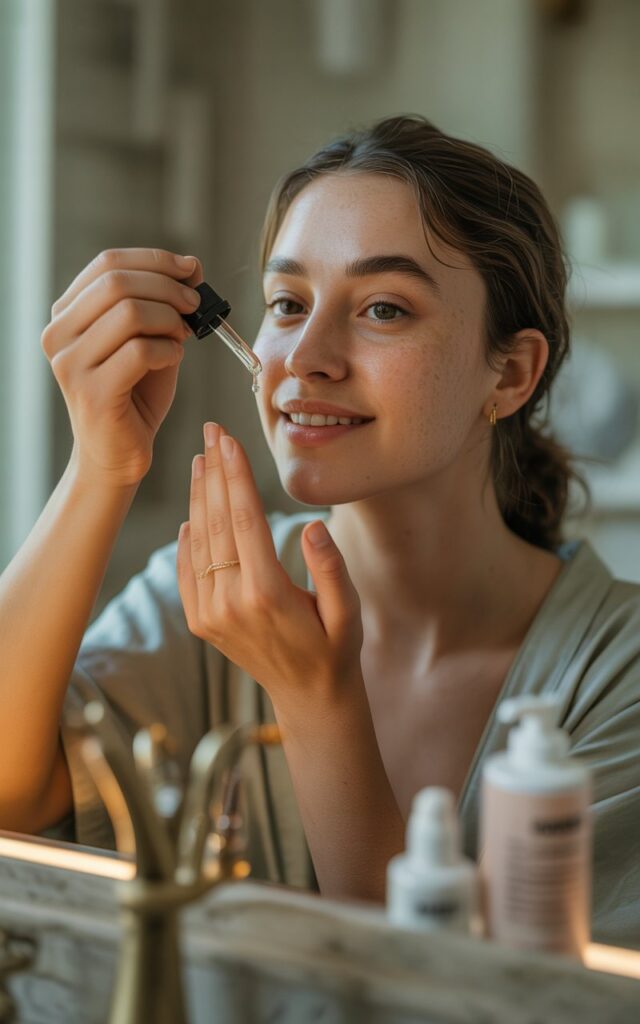
Vitamin C is an antioxidant, which means it neutralizes the free radicals generated by sun exposure, pollution, and other environmental stressors before they can break down collagen. Used in the morning under sunscreen, it essentially doubles your skin’s defense against daily damage.
It also brightens skin tone over time and helps with early hyperpigmentation. Look for a stable form of vitamin C — L-ascorbic acid is the most studied, though it can be irritating at high concentrations. If your skin is sensitive, a formula with magnesium ascorbyl phosphate or ascorbyl glucoside tends to work better.
7. Take Care of the Eye Area
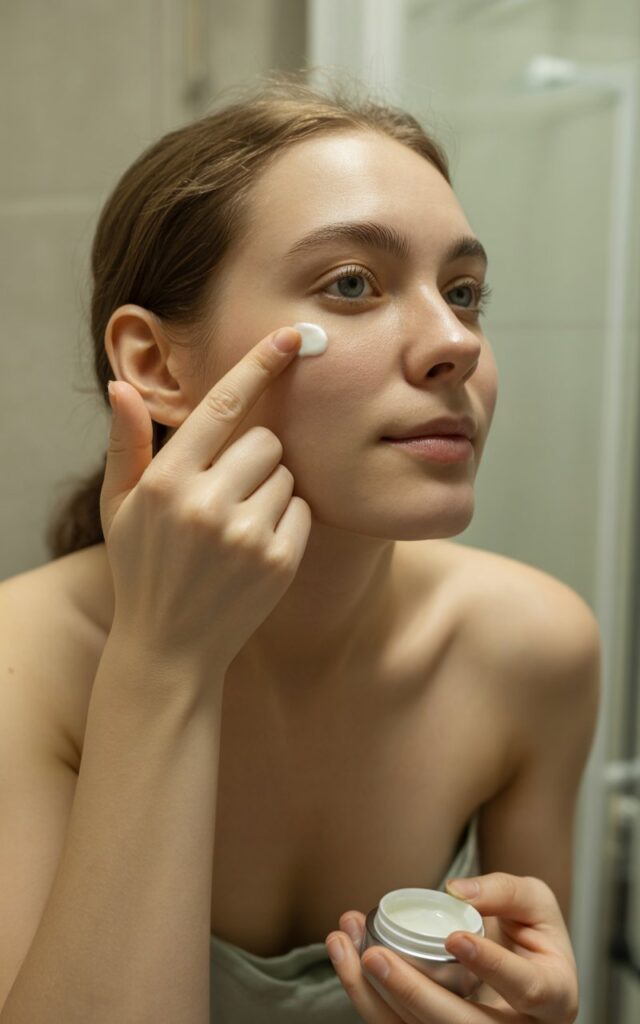
The skin around your eyes is the thinnest on your face. It loses elasticity faster than anywhere else, and it’s often the first area where fine lines become visible. A dedicated eye cream isn’t just a marketing gimmick — the formulas are genuinely designed for a thinner, more delicate surface than the rest of your face products are meant for.
Apply eye cream with your ring finger (the weakest finger, so you naturally use a lighter touch) by gently patting rather than rubbing. Wear sunglasses outside to reduce squinting, which deepens crow’s feet over time. These are small habits that add up over the years.
8. Sleep, Stress, and Sugar All Matter

Skincare doesn’t end with what goes on your face. Sleep is when your body does most of its cellular repair work, including in the skin. Consistently sleeping fewer than 7 hours raises cortisol levels, and elevated cortisol breaks down collagen. Most dermatologists recommend 7–9 hours as the target.
Chronic stress has a similar effect on collagen through the same cortisol pathway. Regular exercise, time outdoors, and basic stress management practices all count as skin care in the broader sense.
Sugar is worth paying attention to too. High sugar intake contributes to a process called glycation, where sugar molecules attach to collagen fibers and make them stiff and prone to breaking. Limiting added sugars — particularly from sweetened drinks — is one of the more underrated ways to protect your skin from the inside out.
9. Don’t Overdo Exfoliation
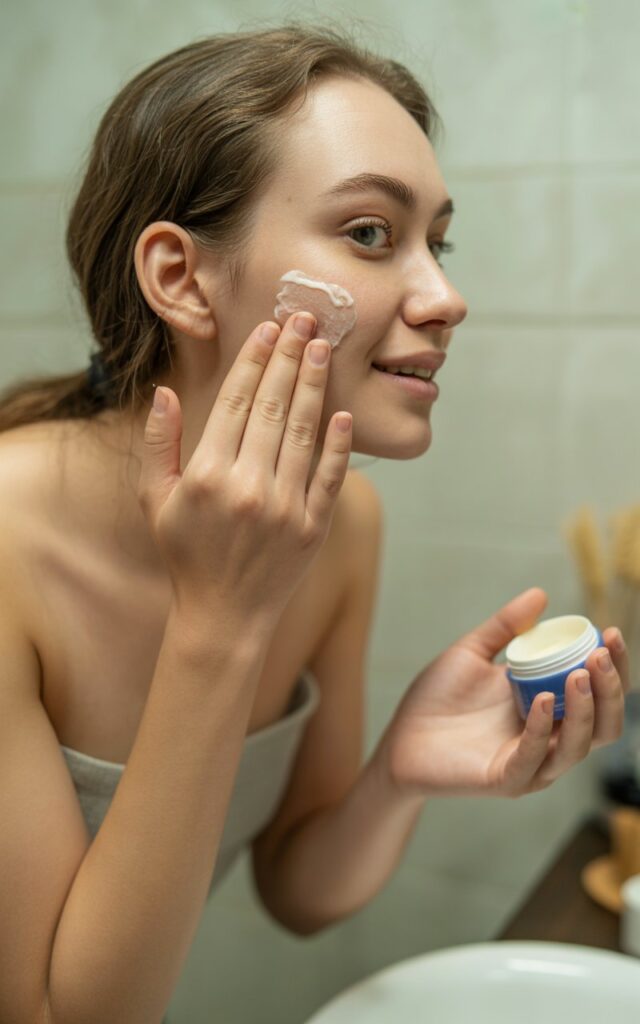
Exfoliating products got a huge moment on social media, and a lot of women started using them far too often as a result. Overusing exfoliants — whether physical scrubs or chemical acids like AHAs and BHAs — damages the skin barrier, leading to irritation, sensitivity, and even allergic reactions to products that never bothered your skin before.
Once or twice a week is plenty for most skin types. If you use a retinol, be careful about using strong acids on the same nights, since layering active ingredients can overwhelm the skin. The goal is consistent, moderate use — not aggressive, frequent treatment.
Your Skin at 20 Is a Long-Term Investment
Aging is natural, and there’s nothing wrong with how your skin will look in 10, 20, or 30 years. But making a handful of smart choices right now — a daily SPF, a gentle routine, a few targeted ingredients — genuinely shifts the trajectory. The women who look radiant in their 40s are usually the ones who started caring for their skin in their 20s, not the ones who launched into aggressive treatments after damage was already done.
None of this has to be complicated or expensive. A cleanser, a moisturizer with SPF, a vitamin C serum in the morning, and a retinol a few nights a week covers most of what the research actually supports. Everything else is refinement. Start with the basics, stay consistent, and let the years work in your favor.
Frequently Asked Questions
Q: What is the single most important skincare habit in your 20s?
A: Daily sun protection. UV exposure accounts for up to 90% of visible skin aging, and wearing a broad-spectrum SPF 30 or higher every day — including cloudy days and winter months — is the most effective thing you can do to prevent premature wrinkles, dark spots, and skin damage.
Q: Is retinol safe to start using in your 20s?
A: Yes, and it’s actually a great time to begin. The key is starting with a low concentration, using it just once or twice a week, and gradually increasing frequency as your skin gets used to it. Retinol is not safe during pregnancy, so check with your doctor if that’s relevant to your situation.
Q: Does oily skin still need moisturizer?
A: It does. Skipping moisturizer with oily skin can actually make oil production worse, as the skin compensates for dehydration. A lightweight, non-comedogenic formula with hyaluronic acid or niacinamide hydrates without adding heaviness or congesting pores.
Q: How often should you exfoliate in your 20s?
A: Once or twice a week is enough for most skin types. Over-exfoliating strips the skin barrier, which leads to sensitivity, irritation, and increased vulnerability to environmental damage. If you’re using a retinol regularly, exfoliate less frequently on other nights.
Q: Can diet actually affect how your skin ages?
A: Yes. High sugar intake contributes to glycation, a process that damages collagen and makes it prone to breaking down faster. A diet with plenty of antioxidant-rich fruits and vegetables, healthy fats, and limited added sugar supports skin health from the inside. Staying well hydrated also keeps skin looking plumper and more resilient.
Q: Does getting a tan really age your skin that much?
A: It does. Any tan from UV exposure — whether from the sun or a tanning bed — represents DNA damage in the skin. Over time, this leads to wrinkles, brown spots, uneven texture, and a substantially higher risk of skin cancer. Self-tanner is a safe, practical alternative that has none of those downsides.
Q: What does vitamin C do for the skin and when should you apply it?
A: Vitamin C is an antioxidant that neutralizes free radicals from UV exposure and pollution before they can break down collagen. It also helps even out skin tone over time. It’s best applied in the morning, under your sunscreen, so it can work as an extra layer of protection against daily environmental damage.
Q: How does sleep affect skin aging?
A: Sleep is when most cellular repair happens in the body, including in the skin. Consistently poor sleep raises cortisol levels, and chronically elevated cortisol breaks down collagen. Aiming for 7–9 hours a night is one of the most practical — and free — things you can do for your skin long-term.
Q: Is an eye cream actually necessary in your 20s?
A: The skin around the eyes is the thinnest and most delicate on the face, and it tends to show aging earlier than other areas. A light eye cream formulated for that zone can help, especially when applied gently with a ring finger rather than rubbed in. Pairing it with daily sunglasses to reduce squinting outdoors is just as helpful.

