

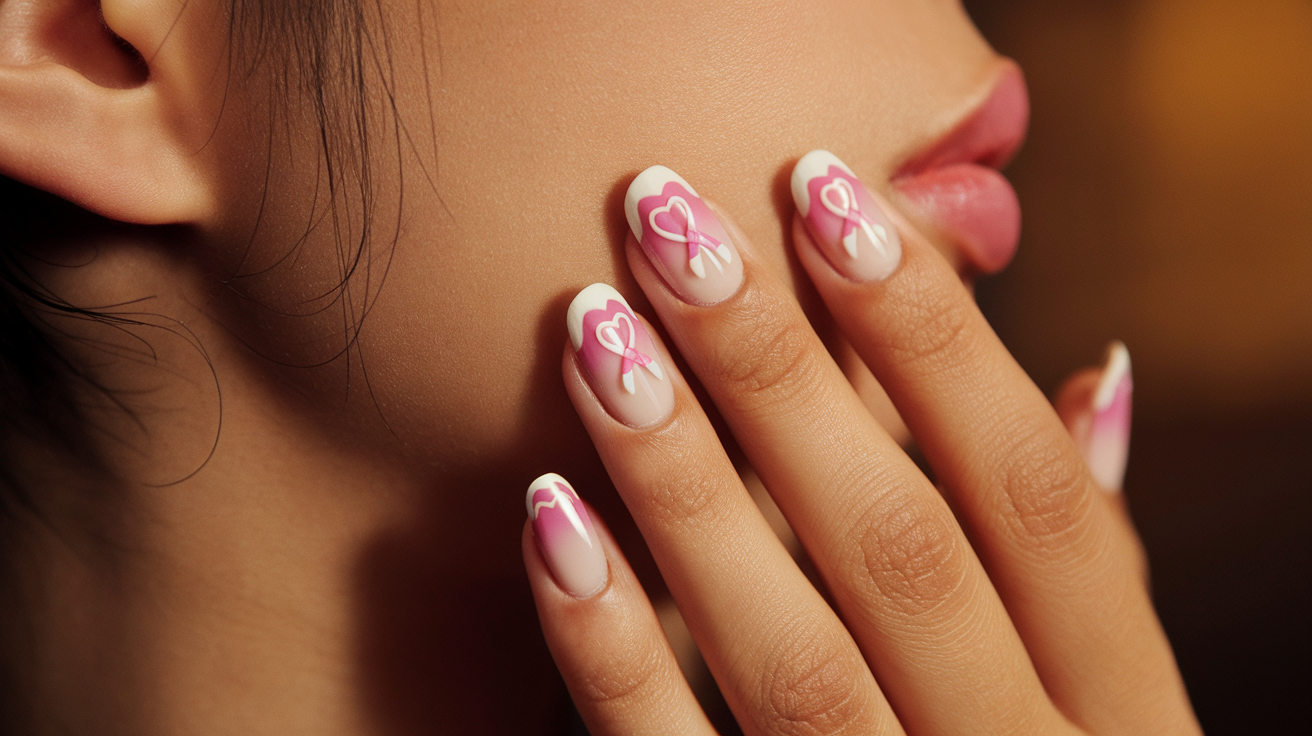
Korean beauty standards have transformed nail care into an art form that balances sophistication with simplicity. Unlike bold Western trends that come and go with each season, Korean nail designs focus on timeless elements that complement natural beauty rather than overpower it. This approach has created a distinctive aesthetic that women worldwide have adopted, making these styles permanent fixtures in nail salons from Seoul to New York.
The secret behind Korean nail designs lies in their versatility and wearability. These styles work equally well in professional settings, casual outings, or special occasions. Rather than following fleeting trends that require constant updates, Korean nail art emphasizes clean lines, subtle colors, and meticulous attention to detail. This philosophy creates manicures that look fresh weeks after application and never appear dated in photos years later.
In the following sections, we’ll explore six Korean nail designs that have proven their staying power. From minimalist approaches that highlight natural nail beauty to subtle artistic touches that add personality without overwhelming, these styles offer something for every woman seeking polished, refined nails. Each design reflects the Korean beauty philosophy of enhancing rather than masking, creating looks that feel both contemporary and classic.
What Makes Korean Nail Designs So Timeless?
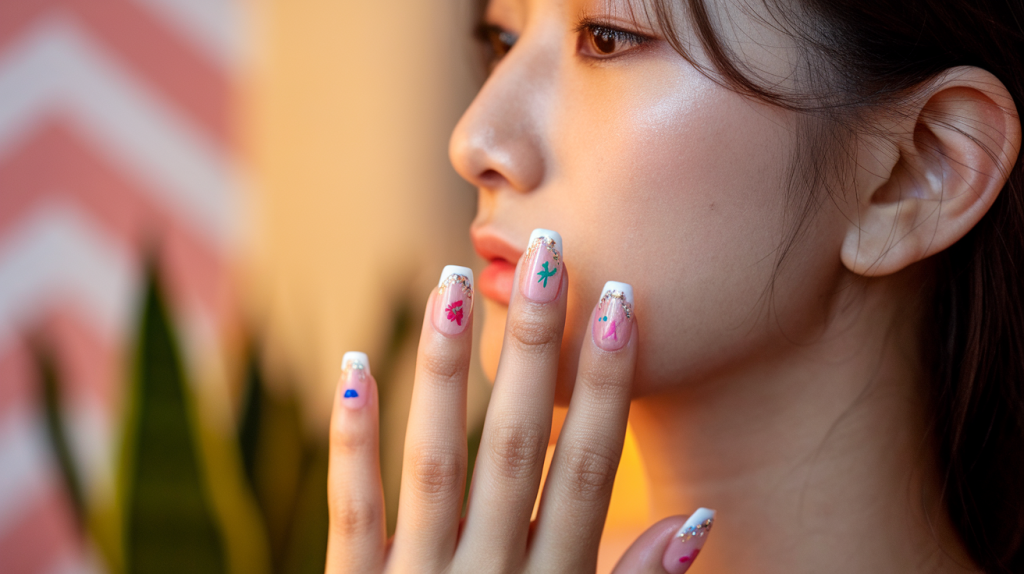
Korean nail designs have earned their reputation for longevity through a unique combination of cultural values and practical considerations. The emphasis on nail health over dramatic transformations means these styles work with your natural nails rather than against them. This approach creates sustainable beauty routines that don’t damage nail beds or require excessive maintenance between appointments.
Minimalist Aesthetic Appeal
The foundation of Korean nail art rests on the principle that less truly is more. Where Western trends might pile on glitter, rhinestones, and complex patterns, Korean designs achieve elegance through restraint. A single delicate line or perfectly placed dot can create more visual impact than elaborate artwork covering the entire nail.
This minimalist approach translates into designs that never overwhelm an outfit or clash with changing fashion trends. You can wear the same nail style with a business suit on Monday and a cocktail dress on Saturday without feeling mismatched. The subtlety allows your personality to shine through rather than letting your nails dominate the conversation.
Focus on Nail Health and Natural Beauty
Korean nail culture prioritizes the condition of your actual nails over temporary decoration. Regular cuticle care, proper hydration, and strengthening treatments form the foundation of any good manicure. This health-first mentality means choosing designs and products that protect rather than damage.
Many Korean nail designs specifically accommodate shorter nail lengths, recognizing that not everyone can maintain long extensions. The styles work beautifully on natural nails of any shape or size, making them accessible to women who prefer practical lengths for typing, childcare, or other daily activities. This inclusivity has helped these designs spread globally.
Versatility for Different Occasions
One manicure serving multiple purposes saves both time and money. Korean nail designs excel at this versatility, transitioning seamlessly from workplace to weekend. The neutral color palettes and understated patterns mean you won’t need to rush for a nail change before important meetings or family gatherings.
Consider how a soft pink gradient works equally well for a job interview or a first date. The adaptability extends to seasonal changes too – these designs look appropriate whether you’re wearing sandals in summer or boots in winter. This year-round appeal eliminates the pressure to constantly update your nail look with changing seasons.
Quality Over Complexity
Korean nail artists focus on perfecting simple techniques rather than attempting increasingly complicated designs. The emphasis on clean application, smooth finishes, and long-lasting results creates manicures that maintain their beauty for weeks. Details that might seem minor – like perfectly straight French tips or evenly blended gradients – receive meticulous attention.
Classic French Tips with a Korean Twist
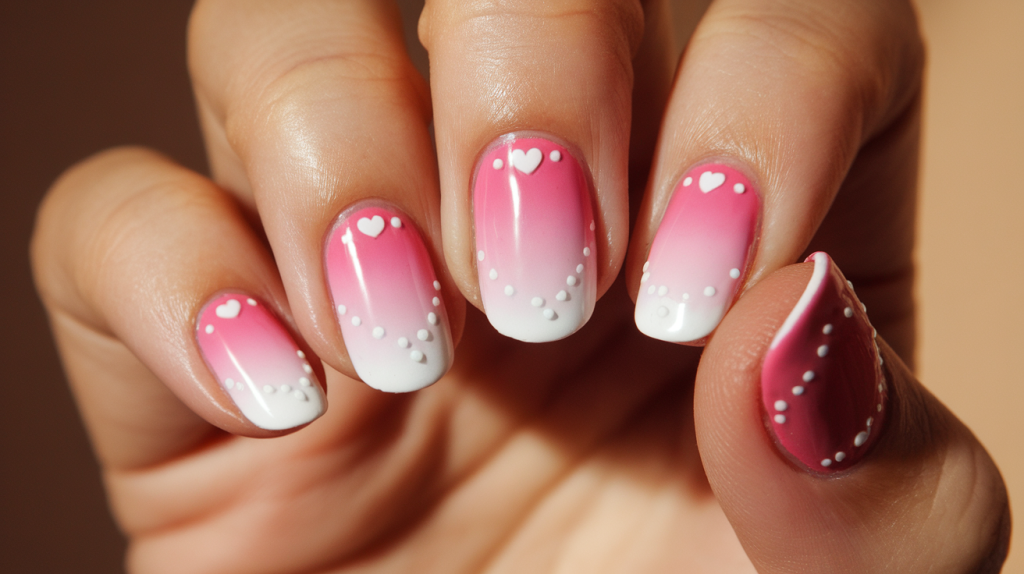
The traditional French manicure gets a sophisticated update through Korean interpretation. Rather than the stark white tips and pink bases that defined the original style, Korean versions favor softer contrasts and more delicate proportions. This reimagined classic has become a staple in Seoul’s nail salons and continues spreading internationally.
Thin, Delicate Lines Instead of Thick Tips
Korean French tips typically measure just 1-2 millimeters, creating an incredibly refined appearance. This thin application requires steady hands and precise technique, but the results look far more elegant than chunky traditional tips. The delicate line follows the natural curve of your nail, enhancing rather than obscuring its shape.
Application matters significantly with these ultra-thin tips. Professional nail artists often use specialized thin brushes or even toothpicks to achieve the perfect line width. The key lies in consistent pressure and smooth, confident strokes rather than tentative dabbing motions.
Women with shorter nails particularly benefit from this scaled-down approach. Traditional thick French tips can make short nails appear stubby, but thin Korean-style tips actually create an elongating effect. The subtle definition draws the eye upward without overwhelming the nail bed.
Negative Space Variations
Modern Korean nail art frequently incorporates negative space into French tip designs, leaving portions of the natural nail visible. This technique might involve creating tips that don’t extend fully across the nail or leaving small gaps that form geometric patterns. The exposed nail becomes part of the design rather than simply a base to cover.
These negative space elements add contemporary flair while maintaining the classic French foundation. Popular variations include diagonal tips that angle across the nail, double French tips with parallel lines, or tips that fade into transparency at the edges. Each approach offers a fresh perspective on familiar territory.
Colored Tip Alternatives
While white remains popular, Korean French manicures often feature unexpected tip colors. Soft pastels like lavender, mint, or peach create gentle contrast without harsh lines. Some designs use colors just slightly darker than the base for an almost invisible French effect that reveals itself only in certain lighting.
The color choices typically stay within specific palettes: here are some popular combinations:
Nude Base: Pairs beautifully with dusty rose, taupe, or café au lait tips
Pink Base: Works with coral, burgundy, or gold tips for subtle warmth
Clear Base: Allows any tip color to shine, from navy to emerald
White Base: Reverses the traditional French with colored tips standing out dramatically
Shape Preferences for This Style
Korean French tips look stunning on various nail shapes, though certain forms particularly complement the style. Oval and almond shapes remain most popular, as their gentle curves echo the delicate aesthetic. These shapes also provide an ideal canvas for the thin tip lines without creating harsh angles.
Square nails with slightly rounded corners offer another excellent option. The shape provides clear definition for tip placement while avoiding the severe look of completely square edges. Short square nails with thin French tips create an especially modern, clean appearance that many professional women prefer.
The key consideration involves proportion – the tip width should scale appropriately with nail length and shape. Longer nails can handle slightly wider tips without looking unbalanced, while very short nails benefit from the thinnest possible application.
The Signature Gradient or Ombre Effect
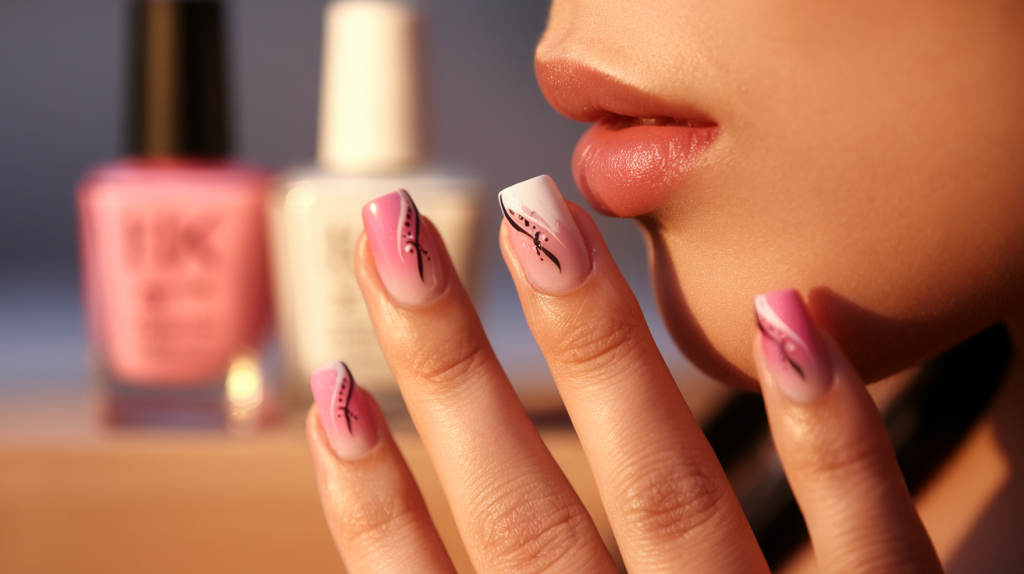
Gradient nails have become synonymous with Korean nail art, offering a dreamy transition between colors that looks both sophisticated and romantic. This technique creates depth and dimension on nails without requiring complex patterns or embellishments. The soft blending of shades has made gradient nails a go-to choice for women seeking something special yet wearable.
Soft Color Transitions
The hallmark of Korean gradient nails lies in their incredibly smooth color transitions. Rather than obvious bands of color, the shades melt into each other creating an almost airbrushed effect. Achieving this seamless blend requires patience and specific techniques that Korean nail artists have perfected over years.
The sponge method remains most popular for creating gradients. A makeup sponge dabbed with overlapping polish colors transfers onto the nail in soft layers. Multiple thin applications build opacity gradually while maintaining the gentle transition. Between each layer, slight overlapping ensures no harsh lines form.
Some artists prefer the brush technique for even softer results. Using a nearly dry brush to pull color upward or downward creates whisper-soft gradients. This method takes more practice but produces incredibly natural-looking fades that appear to emerge from within the nail itself.
The gradient typically starts darker at the tips and lightens toward the cuticle, though reverse gradients have gained popularity too. Starting light and deepening toward the tips creates an unexpected twist that catches attention without screaming for it.
Popular Color Combinations
Korean gradient designs favor specific color pairings that have stood the test of time. Pink to white remains the ultimate classic – reminiscent of naturally healthy nails with enhanced tips. This combination works on every skin tone and never appears dated.
Purple to pink gradients offer slightly more color while maintaining femininity. The cool-to-warm transition creates visual interest that photographs beautifully. Similarly, peach to pink provides warmth that complements most wardrobes without clashing.
For those preferring neutral options, beige to brown gradients deliver sophistication. These earth-toned combinations work particularly well in professional settings where bright colors might feel inappropriate. The subtle shift between shades adds dimension without drawing excessive attention.
Seasonal variations keep the gradient fresh throughout the year. Spring calls for coral to yellow sunshine blends, summer loves mint to sky blue ocean-inspired combinations, autumn welcomes rust to gold warm tones, and winter sparkles with silver to pale blue icy effects.
Application Techniques
Professional results require understanding the nuances of gradient application. Starting with a good base coat prevents staining and creates a smooth surface for blending. White or nude base colors help brighter gradient shades pop, while clear bases allow for more subtle effects.
The key to perfect gradients involves working quickly while polish remains wet enough to blend. Having all materials ready – polishes opened, sponge pieces cut, cleanup brush prepared – prevents rushing that leads to messy results. Each nail should be completed individually rather than doing all base coats first.
Cleanup makes the difference between amateur and professional-looking gradients. A small brush dipped in acetone removes excess polish from skin and cuticles. This step should happen before the top coat, as dried polish becomes harder to remove cleanly.
Why This Style Suits All Nail Lengths
Gradients possess unique versatility in flattering every nail length. On long nails, the extended canvas allows for dramatic color journeys from base to tip. Multiple colors can blend across the length creating rainbow effects or complex transitions.
Short nails benefit equally from gradient designs. The vertical color movement actually creates an elongating illusion, making stubby nails appear longer. Keeping darker colors at the tips and lighter shades near the cuticle enhances this lengthening effect.
The gradient technique also camouflages imperfections that solid colors might highlight. Uneven nail lengths become less noticeable when soft color transitions draw the eye along the nail rather than across. Similarly, minor chips or growth at the base blend into the gradient rather than creating obvious demarcation lines.
Women with damaged or weak nails find gradients particularly forgiving. The technique works beautifully over strengthening treatments or while growing out breaks. The artistic effect distracts from any underlying nail issues while they heal.
Minimalist Single-Color Perfection
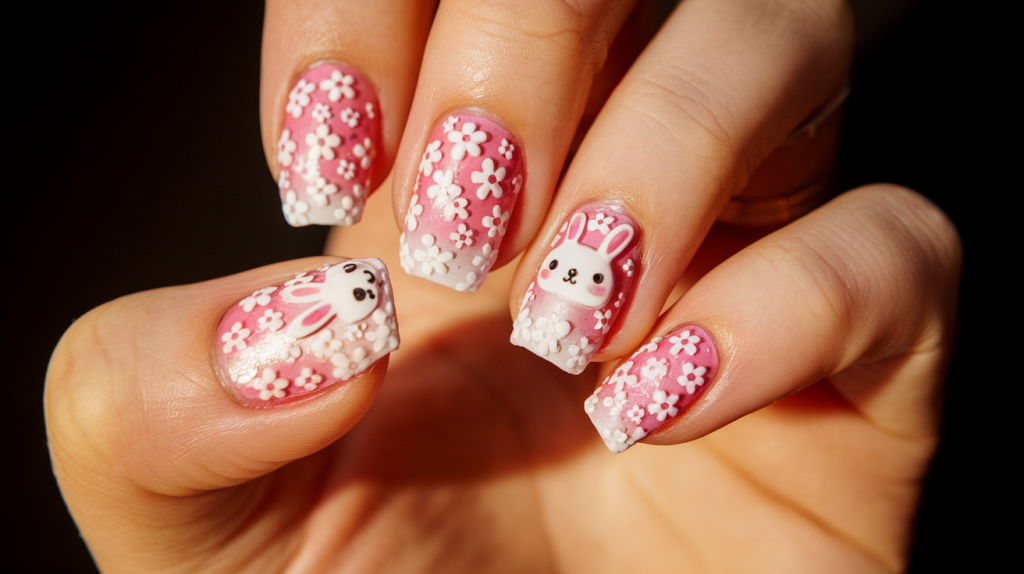
The power of a flawlessly applied single color manicure exemplifies Korean nail philosophy at its finest. This seemingly simple approach actually requires exceptional skill to execute properly. When done right, single-color nails project confidence, sophistication, and attention to detail that elaborate designs might obscure.
The “Clean Girl” Nail Aesthetic
This aesthetic celebrates natural beauty enhanced rather than hidden. The nails appear healthy, glossy, and impeccably groomed without obvious intervention. Achieving this look requires more than simply painting nails one color – it demands perfection in every aspect of nail care.
Cuticle work forms the foundation of the clean girl nail look. Korean nail care dedicates significant time to pushing back, trimming, and moisturizing cuticles until they virtually disappear. The nail bed appears to extend endlessly, creating an elongated, elegant canvas for color.
The polish application itself follows specific protocols. Three thin coats typically work better than two thick ones, building opacity gradually while maintaining smoothness. Each coat must dry completely before the next application to prevent bubbling or dragging.
Between the color and top coat, many Korean nail artists apply a smoothing layer. This additional step fills any microscopic imperfections, creating a glass-like finish. The final top coat seals everything with brilliant shine that lasts.
Best Polish Finishes
Different finishes create distinct moods while maintaining minimalist sophistication. Cream finishes remain most popular, offering full opacity with subtle shine. These polishes forgive minor application errors better than other finishes while providing classic elegance.
Jelly finishes have gained tremendous popularity in Korean nail salons recently. These translucent polishes build slowly to create depth while maintaining see-through quality. The finish resembles tinted glass, allowing natural nail variations to show through attractively.
Sheer polishes provide the ultimate barely-there look. One or two coats add just a hint of color while letting natural nails shine through. This finish works particularly well for women who want polished nails without obvious color.
Nude and Neutral Selections
Selecting the perfect nude requires understanding your skin’s undertones. Korean nail philosophy emphasizes finding shades that extend naturally from your hands rather than contrasting sharply. Cool undertones pair beautifully with pink-based nudes, warm undertones glow with peach or yellow-based options, while neutral undertones can wear virtually any nude shade.
The “your nails but better” shades have become signature Korean choices. These colors – typically one or two shades darker or lighter than your natural nail bed – create enhancement without obvious color. Popular options include “mannequin” beige, “ballet slipper” pink, and “café latte” brown.
Beyond traditional nudes, Korean nail trends include unexpected neutrals:
Sage Green: Offers earthiness while remaining understated
Dusty Blue: Provides coolness without brightness
Mauve Gray: Combines purple and gray for sophisticated depth
Mushroom Brown: Delivers warmth without appearing orange
Maintaining the Glossy Look
The mirror-like shine characteristic of Korean single-color manicures requires specific maintenance strategies. Daily cuticle oil application prevents dryness that dulls polish appearance. The oil should be massaged into the nail and surrounding skin, maintaining flexibility that prevents chips.
Quick-dry top coat reapplication every three days refreshes shine while extending manicure life. This maintenance layer fills small scratches and seals any tiny chips before they become noticeable. The process takes minutes but adds days to your manicure’s pristine appearance.
Hand care plays an often-overlooked role in maintaining beautiful single-color nails. Regular moisturizing keeps skin supple, preventing hangnails and rough patches that detract from polished nails. Korean hand care routines often include overnight masks or gloves filled with rich creams.
Protecting nails during daily activities preserves the flawless finish. Wearing gloves while cleaning, using tools rather than nails to open things, and being mindful during potentially damaging activities maintains the manicure’s perfection.
Delicate Nail Art Accents
Strategic placement of minimal nail art creates maximum impact in Korean nail design. Rather than covering every nail with patterns, this approach selects one or two accent nails for decoration while keeping others simple. The contrast between decorated and plain nails adds interest without overwhelming the overall look.
Simple Line Work and Dots
The most enduring Korean nail art involves basic geometric elements executed with precision. Single lines running vertically, horizontally, or diagonally across nails create striking effects with minimal effort. These lines might be straight, curved, or wavy, but always remain thin and deliberate.
Dot patterns offer another timeless option. A single dot placed near the cuticle or tip adds subtle interest. Multiple dots arranged in patterns – flowers, hearts, or abstract designs – build complexity while maintaining simplicity. The key lies in consistent dot size and strategic placement.
Creating perfect lines and dots requires proper tools. Striping brushes with long, thin bristles produce clean lines in one stroke. Dotting tools or even toothpicks create uniform circles. Many Korean nail artists make their own tools, cutting brushes to preferred angles or fashioning dotting implements from everyday items.
Color selection for line and dot art typically stays within the manicure’s color family. A pink base might feature slightly darker pink lines or white dots. This tonal approach maintains cohesion while adding visual texture.
Strategic Placement of Designs
Korean nail art philosophy dictates that placement matters as much as design itself. The ring finger traditionally receives the most decoration, as it naturally draws attention when hands rest or gesture. Some women prefer decorating thumb and ring finger, creating balance when hands are viewed together.
Asymmetrical placement has gained popularity, with different fingers receiving different levels of decoration. This approach might involve gradual design buildup from pinky to thumb, or alternating between decorated and plain nails. The unexpected arrangement keeps eyes moving across the manicure.
Placement within individual nails also requires consideration. Designs near the cuticle create grounding effects, while tip placement draws the eye upward. Center designs demand perfect execution as they become focal points. Off-center placement adds modern asymmetry that feels fresh and intentional.
Pearl and Gem Embellishments
Korean nail art uses embellishments sparingly for maximum elegance. Rather than covering nails with rhinestones, a single pearl or crystal makes a statement. These additions typically appear on accent nails only, maintaining overall restraint.
Size matters significantly with embellishments. Tiny gems – often just 1-2mm – integrate seamlessly into designs. Larger stones risk catching on clothing or appearing costume-like. The smallest sizes provide sparkle without bulk.
Placement techniques ensure embellishments stay secure. Quality nail glue applied precisely to the decoration’s base prevents lifting. Some artists create small wells in the polish to nest gems securely. A generous top coat layer seals everything, though careful application around raised elements prevents pooling.
Pearl embellishments particularly suit Korean aesthetic preferences. Their soft luster complements rather than competes with polish. Flat-backed pearls adhere better than round versions while maintaining elegant appearance. Colors typically stay within white, cream, or pale pink ranges.
Keeping It Subtle Yet Sophisticated
The balance between interesting and overwhelming requires careful calibration. Korean nail art succeeds by following the “one statement” rule – if nails feature bold color, art stays minimal; if art takes center stage, colors remain neutral.
Negative space plays a crucial role in sophisticated nail art. Leaving breathing room around designs prevents cluttered appearances. This space might be clear polish, natural nail, or solid color, but its presence allows designs to shine without competition.
Tonal art – designs in shades similar to the base color – creates texture without loudness. White designs on nude bases, or gold on bronze, add dimension visible up close while appearing solid from distance. This subtlety rewards closer inspection without demanding attention.
The final consideration involves lifestyle integration. Korean nail art should enhance daily life, not complicate it. Designs that interfere with typing, childcare, or other activities get eliminated regardless of beauty. Practicality and elegance must coexist for truly timeless appeal.
The Jelly or Glass Nail Trend
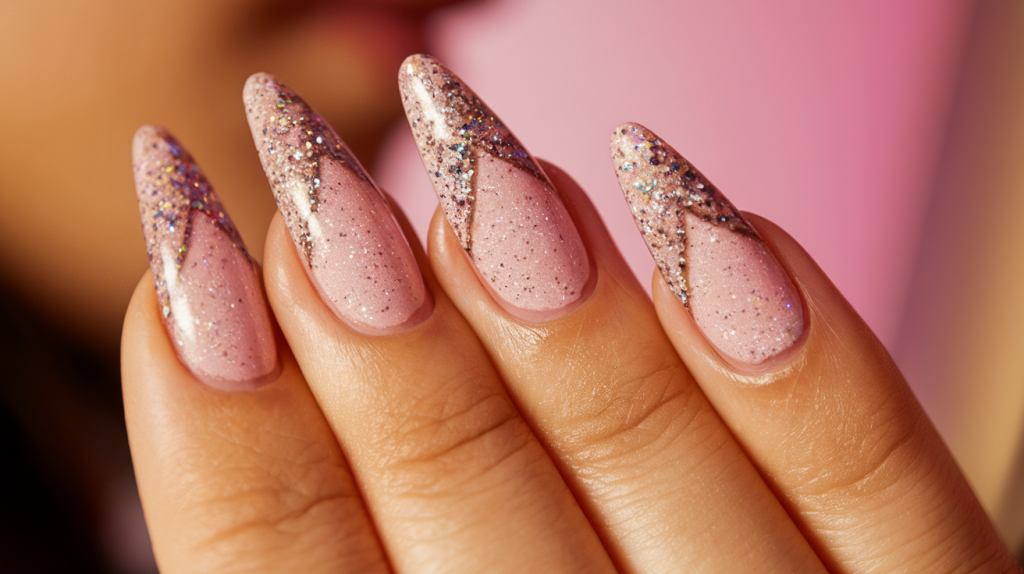
Translucent, glossy nails reminiscent of stained glass windows have become a defining element of Korean nail culture. This trend celebrates transparency and light play, creating nails that seem to glow from within. The jelly nail effect combines nostalgia for ’90s beauty with modern application techniques.
Translucent Polish Appeal
The attraction to translucent polish stems from its ability to look both natural and enhanced simultaneously. Unlike opaque colors that mask the nail completely, jelly polishes allow natural variations to contribute to the overall effect. Each person’s unique nail bed color influences the final appearance, creating truly personalized results.
Jelly polishes build gradually with each coat, allowing complete control over opacity. One coat provides the barest hint of color, while five or six coats approach near-opacity while maintaining translucent quality. This flexibility means one polish bottle serves multiple looks depending on application.
The translucent nature of jelly polish creates unique interactions with light. Natural sunlight makes nails appear to glow, while artificial lighting creates different color effects. This chameleon quality keeps jelly nails interesting throughout different settings and times of day.
The forgiving nature of jelly polish makes it perfect for DIY applications. Small mistakes blend into the translucent finish rather than standing out starkly. Streaks become less visible, and minor imperfections disappear into the overall effect. This accessibility has contributed significantly to the trend’s popularity.
Layering Techniques
Creating perfect jelly nails involves specific layering strategies. Starting with clean, well-prepped nails ensures the translucent effect shows beautifully. Any ridges or imperfections will show through, so buffing and smoothing become essential first steps.
Base coat selection impacts the final look significantly. Clear base coats maintain maximum transparency, while tinted bases add subtle color depth. Some artists use white base coats under bright jelly colors to make them pop, though this sacrifices some transparency.
The actual color application requires patience between coats. Each layer must dry completely to prevent dragging or patchiness. Thin coats work better than thick ones, building color slowly while maintaining smooth finish. Most jelly manicures require three to five color coats for ideal depth.
Top coat application can transform jelly nails dramatically. Standard top coats provide shine while maintaining transparency. However, special effects top coats – those with subtle shimmer or color-shifting properties – create magical effects over jelly bases. The translucent color allows these special effects to integrate seamlessly rather than sitting on top.
Color Choices That Work Best
Certain colors excel in jelly formulations, creating effects impossible with standard polish. Red jelly polish creates a “cherry candy” effect that’s both playful and sophisticated. The color resembles tinted glass or hard candies, adding sweetness without childishness.
Pink jelly shades range from barely-there rose to vibrant fuchsia. These colors enhance natural nail pink tones while adding vibrancy. The translucent quality prevents even bright pinks from appearing harsh or artificial.
Unexpected colors like yellow, green, and blue create striking jelly effects:
Lemon Yellow: Creates sunshine nails that seem to capture light
Mint Green: Provides freshness reminiscent of sea glass
Sky Blue: Offers serenity while maintaining interest
Lavender Purple: Delivers romance without excessive sweetness
Brown and nude jelly polishes provide sophisticated alternatives. These shades create a “your nails but glossier” effect perfect for professional settings. The transparency prevents these colors from appearing flat or boring.
Durability and Maintenance
Jelly manicures typically last longer than standard polish applications. The multiple thin layers create a flexible shield that resists chipping better than fewer thick coats. The translucent nature also makes minor chips less noticeable, extending wearable time.
Maintenance involves protecting the high-gloss finish characteristic of jelly nails. Regular top coat reapplication every few days refreshes shine while sealing any micro-cracks. Quick-dry top coats work well, though traditional formulas often provide superior glass-like finish.
The translucent nature of jelly polish means growth at the nail base blends better than with opaque colors. This forgiveness extends time between full manicures. Many women simply add another coat of jelly polish over grown-out areas rather than completely redoing their nails.
Perfect Occasions for This Look
Jelly nails suit virtually any occasion due to their versatile nature. Professional settings appreciate the polished appearance without bold color statements. The translucent quality reads as groomed rather than decorated, fitting conservative dress codes.
Special events benefit from jelly nails’ unique light-catching properties. Wedding photography captures the dimensional quality beautifully. Evening events see jelly nails seeming to glow under ambient lighting. The effect photographs exceptionally well, avoiding the flat appearance some polishes create on camera.
Casual daily wear might be where jelly nails truly shine. The low-maintenance nature suits busy lifestyles, while the interesting visual effect prevents boredom. Whether typing at computers, playing with children, or running errands, jelly nails maintain their appeal without requiring constant attention.
Seasonal transitions work seamlessly with jelly nails. The same translucent pink might read as spring fresh in March and summer sweet in July. This adaptability eliminates the need for constant polish changes as seasons shift.
Your Timeless Nail Journey
These six Korean nail designs have earned their permanent place in beauty culture by prioritizing elegance over trends and quality over quantity. Each style offers a different approach to nail beauty while maintaining the core Korean philosophy of enhancement rather than disguise. Whether you gravitate toward the clean simplicity of single colors or the artistic expression of subtle embellishments, these designs provide frameworks for creating manicures that will look as fresh years from now as they do today.
The true beauty of Korean nail design lies not in following rigid rules but in understanding the principles behind them. Minimalism, quality application, nail health, and versatility guide every choice. By incorporating these values into your nail care routine, you create a sustainable approach to beauty that transcends fleeting fads. Your nails become a reflection of thoughtful self-care rather than impulsive trend-following, resulting in a polished appearance that never goes out of style.
Frequently Asked Questions
Q: How long do Korean nail designs typically last compared to regular manicures?
A: Korean nail designs often last 2-3 weeks or longer because of the emphasis on thin, multiple coats and quality top coats. The minimalist approach with less bulk also reduces chipping and peeling.
Q: Can I achieve Korean nail designs at home without professional tools?
A: Yes, many Korean nail designs work well for DIY application. Simple tools like toothpicks for dots, tape for clean lines, and makeup sponges for gradients can create professional-looking results with practice.
Q: What nail shape works best for Korean nail designs?
A: Oval and almond shapes are most popular, but Korean designs work on any shape. The key is keeping nails well-groomed with smooth edges, regardless of whether they’re short and square or long and stiletto.
Q: Do Korean nail designs require special types of nail polish?
A: While Korean brands offer excellent formulas, any quality polish works for these designs. The technique matters more than the brand – focus on thin coats, proper drying time, and good top coats.
Q: How do I maintain the glossy finish characteristic of Korean nails?
A: Apply cuticle oil daily, reapply top coat every 3-4 days, and protect your hands during cleaning tasks. Regular hand moisturizing also helps maintain the overall polished appearance.
Q: Are Korean nail designs suitable for short nails?
A: Absolutely. Many Korean designs specifically cater to shorter, natural nail lengths. Thin French tips, subtle gradients, and minimal art actually make short nails appear longer and more elegant.
Q: What’s the main difference between Korean and Western nail art styles?
A: Korean nail art emphasizes subtlety, nail health, and wearability, while Western styles often favor bold statements and dramatic effects. Korean designs typically use less product and decoration while achieving sophisticated results.
Q: How often should I change my Korean nail design?
A: Most Korean designs last 2-3 weeks comfortably. You can extend wear with maintenance, but removing and reapplying every 3 weeks allows your nails to breathe and prevents yellowing.

