

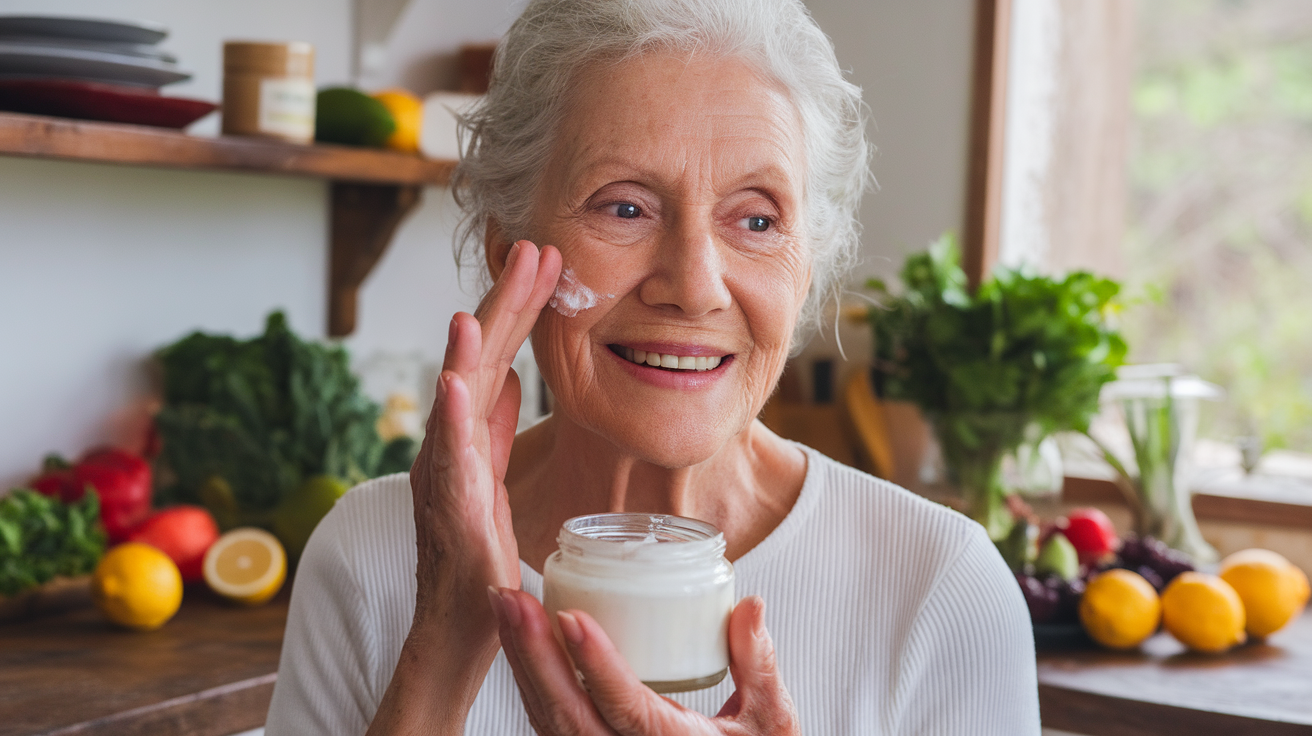
Your grandmother’s bathroom cabinet probably held more skincare wisdom than any modern beauty counter. Those simple glass jars and homemade concoctions she swore by weren’t just nostalgic remedies – they contained powerful ingredients that science now confirms can transform aging skin. While today’s beauty industry pushes expensive serums and complex chemical formulas, the most effective anti-aging solutions might already be sitting in your kitchen pantry.
The beauty secrets passed down through generations worked because they relied on natural ingredients that genuinely nourish and repair skin. Women from previous eras understood that healthy, youthful-looking skin came from consistent care using gentle, time-tested methods. They didn’t have access to dermatologists or luxury creams, yet many maintained beautiful complexions well into their later years through these simple practices.
The following sections reveal five powerful anti-aging secrets your grandmother probably knew, each one backed by both tradition and modern understanding of how skin ages. These natural approaches cost pennies compared to commercial products, yet they deliver visible results when used regularly. Keep reading to discover how honey, rose water, facial oils, egg whites, and oatmeal can become your most trusted allies in maintaining youthful, radiant skin.
The Magic of Honey and Milk Masks
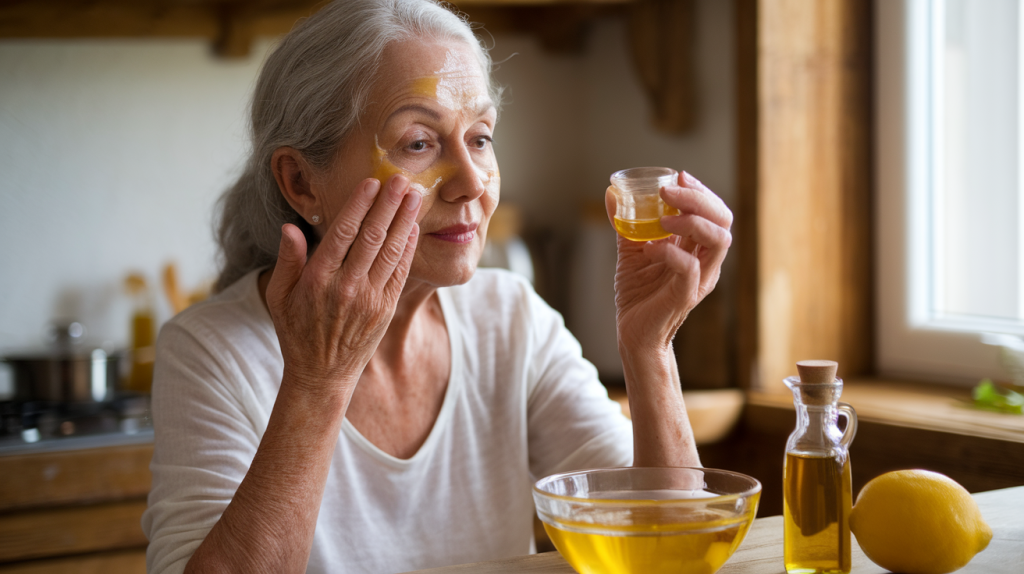
Ancient Egyptian queens weren’t wrong about their legendary milk and honey baths. This combination creates one of nature’s most powerful anti-aging treatments, offering deep hydration and gentle exfoliation that expensive creams struggle to match. The secret lies in how these two ingredients work together to repair and rejuvenate mature skin at the cellular level.
Why honey works for aging skin
Raw honey contains over 200 beneficial compounds that directly address signs of aging. Its natural humectant properties draw moisture from the air into your skin, plumping fine lines and creating that dewy glow associated with youth. The enzymes present in unprocessed honey gently dissolve dead skin cells without the harsh scrubbing that can damage delicate mature skin.
The antibacterial properties of honey also help prevent the small infections that can accelerate aging. As we get older, our skin becomes more vulnerable to bacteria that cause inflammation and breakdown of collagen. Regular honey applications create a protective barrier while encouraging the growth of new, healthy skin cells.
How milk proteins benefit mature skin
Milk brings its own arsenal of anti-aging benefits to this powerful combination. The lactic acid naturally present in milk acts as a gentle chemical exfoliant, removing the dull, dead skin cells that accumulate more quickly as we age. This reveals the fresher, younger-looking skin underneath without causing irritation or redness.
The proteins and fats in whole milk penetrate deeply to nourish skin that’s becoming thinner with age. These nutrients help rebuild the skin’s natural moisture barrier, which weakens over time and leads to dryness, sensitivity, and accelerated aging. Regular use of milk-based treatments can actually strengthen this barrier, making your skin more resilient against environmental damage.
Making your own honey-milk treatment
Creating an effective honey-milk mask requires just a few simple steps and ingredients you likely already have. Start with two tablespoons of raw, unfiltered honey – the cloudy kind that hasn’t been processed or heated. Add one tablespoon of whole milk or cream, choosing organic if possible for maximum nutrient content. Mix these together until you achieve a smooth, slightly runny consistency that will spread easily on your face.
For enhanced benefits, consider adding a teaspoon of plain yogurt, which contains additional lactic acid and probiotics that support skin health. Some women also include a drop of vitamin E oil or a pinch of turmeric for extra anti-aging power. The key is keeping the recipe simple enough to prepare fresh each time, as homemade masks don’t contain preservatives.
Temperature matters more than you might think. Slightly warming the mixture (never hot) helps the ingredients penetrate better and feels wonderfully soothing on tired skin. Test the temperature on your wrist first to avoid any discomfort or burning.
Application techniques for best results
The way you apply your honey-milk mask determines how well it works. Begin with completely clean skin, using warm water to open your pores. Pat your face dry gently, leaving it slightly damp to help the mask adhere better. Using clean fingers or a soft brush, apply the mixture in upward strokes, following the natural contours of your face.
Pay special attention to areas where aging shows first – around the eyes (avoiding direct contact with eyes), the forehead, and laugh lines around the mouth. Leave the mask on for 15-20 minutes, during which time you might feel a slight tightening sensation. This is normal and indicates the ingredients are working to firm your skin.
Remove the mask with lukewarm water and a soft cloth, using gentle circular motions that provide additional light exfoliation. Follow immediately with your regular moisturizer to lock in the benefits. Most women see best results using this treatment twice weekly, though those with sensitive skin might prefer once weekly application.
Rose Water as Your Daily Tonic
Rose water held a permanent place on vanity tables for centuries, and your grandmother likely splashed it on her face every morning without fail. This fragrant water isn’t just pleasant-smelling – it contains powerful compounds that fight multiple signs of aging while being gentle enough for the most sensitive skin. Modern research confirms what generations of women discovered through experience: rose water might be the single most versatile anti-aging ingredient in nature.
What makes rose water special for aging skin
The secret behind rose water’s effectiveness lies in its unique combination of vitamins, minerals, and antioxidants extracted from rose petals during the distillation process. These compounds work together to neutralize free radicals – unstable molecules that break down collagen and accelerate aging.
Rose water naturally balances your skin’s pH level, which tends to become more alkaline with age. When pH levels shift, skin becomes more prone to dryness, irritation, and bacterial growth. By maintaining the slightly acidic environment your skin prefers, rose water helps preserve its natural protective barrier and youthful appearance.
The anti-inflammatory properties prove especially valuable for mature skin, which often becomes more reactive and prone to redness. Regular use calms irritation, reduces puffiness, and minimizes the appearance of broken capillaries that become more visible as skin thins with age. This soothing effect extends beneath the surface, helping prevent the chronic inflammation that speeds up the aging process.
Additionally, rose water contains natural oils that provide light hydration without clogging pores. This makes it ideal for women whose skin has become combination with age – oily in some areas while dry in others. The astringent properties help tighten pores that may have become enlarged over time, creating a smoother, more refined skin texture.
How to use rose water properly
Incorporating rose water into your daily routine requires understanding when and how to apply it for maximum benefit. Most women achieve best results using it twice daily as a toner after cleansing but before applying serums or moisturizers.
Pour a small amount onto a cotton pad or reusable cloth and sweep gently across your face and neck in upward motions. Avoid rubbing or pulling the skin, especially around the delicate eye area. Some women prefer misting rose water directly onto their faces using a spray bottle, which provides an instant refresh while preserving the skin’s natural oils. Allow the rose water to air dry for about 30 seconds before applying other products. This gives the beneficial compounds time to absorb while the slight dampness helps your moisturizer penetrate more effectively.
Throughout the day, keep a small spray bottle handy for quick touch-ups. A light mist over makeup won’t disturb it but will revive tired-looking skin and provide a subtle glow. This proves particularly helpful during dry winter months or in air-conditioned environments that dehydrate skin.
Creating your own rose water at home
Making rose water at home ensures you’re getting pure, preservative-free product while saving considerable money. Select organic roses whenever possible, as conventional roses often contain pesticides that you don’t want on your skin. Deep red or pink roses typically produce the most fragrant and beneficial rose water, though any untreated roses will work.
The simmering method offers the simplest approach: place one cup of fresh rose petals in a pot with two cups of distilled water. Bring to a gentle simmer, then reduce heat to the lowest setting. Cover and let it simmer for 20-30 minutes until the petals lose their color. Strain the liquid through a fine mesh or cheesecloth into a sterilized glass bottle.
For a more concentrated version, try the distillation method. Place a heat-safe bowl in the center of a large pot, surrounding it with rose petals and just enough distilled water to cover them. Invert the pot lid and fill it with ice. As you simmer the mixture, steam will condense on the cold lid and drip into the bowl, creating pure rose water. Store your homemade rose water in the refrigerator where it will keep for up to one month. The cool temperature also feels wonderful on skin and helps reduce morning puffiness.
When to apply rose water for maximum benefit
Here are the optimal times to use rose water for anti-aging benefits:
Morning wake-up: Spray immediately after waking to refresh skin and prepare it for cleansing
Post-cleansing: Use as a toner to remove any remaining impurities and balance pH
Before bed: Apply after evening cleansing to support overnight skin repair
Mid-day refresh: Mist over makeup when skin feels tired or dry
After sun exposure: Spray liberally to calm and cool sun-stressed skin
Timing your rose water application around your skin’s natural repair cycles maximizes its effectiveness. The morning application helps protect against daily environmental damage, while evening use supports the intensive repair work your skin performs while you sleep.
Some women find that using rose water before applying face masks helps the active ingredients penetrate better. Others mix a few drops into their foundation for a dewy, youthful finish. Experiment with different application times to discover what works best for your skin’s unique needs and daily routine.
The Power of Facial Massage with Natural Oils
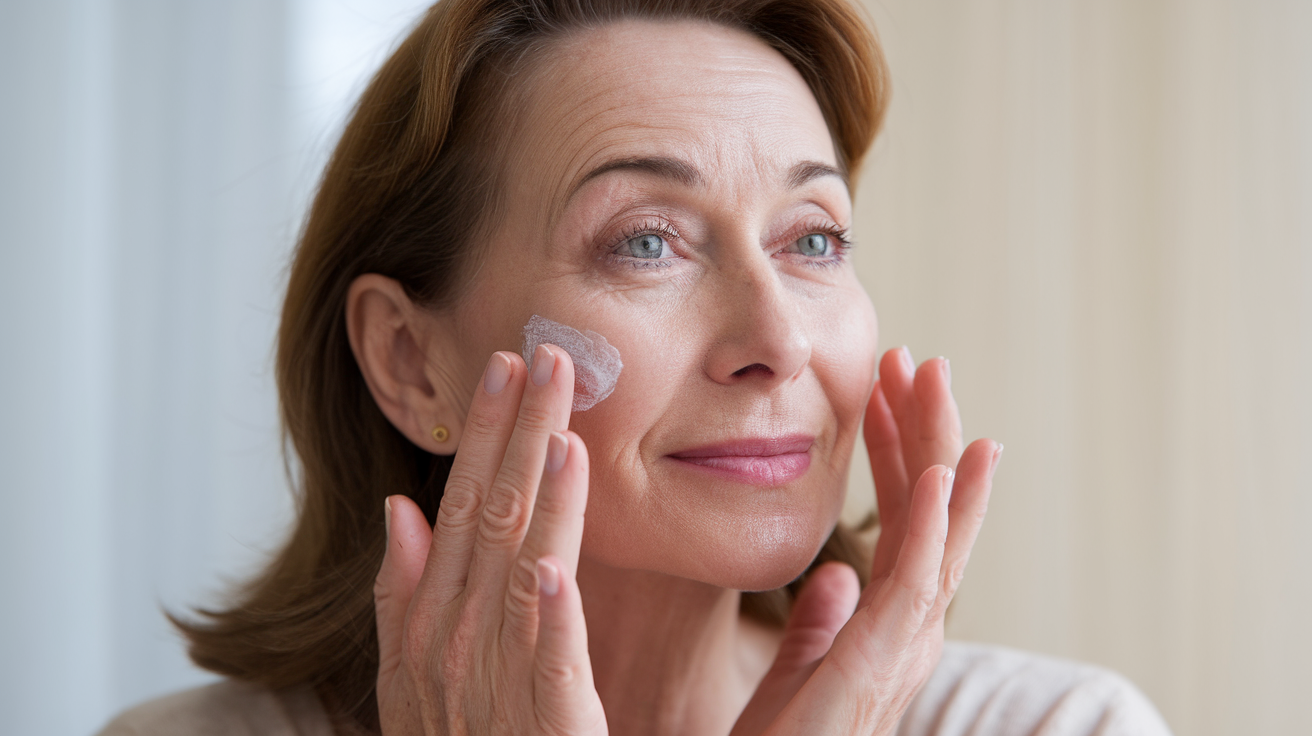
Your grandmother’s nightly ritual of massaging her face with oil wasn’t just about removing makeup – she understood something that expensive spa treatments now charge hundreds of dollars to provide. Regular facial massage with natural oils stimulates blood flow, encourages lymphatic drainage, and delivers nutrients directly to aging skin cells. This simple practice can visibly reduce wrinkles, restore firmness, and create that healthy glow typically associated with much younger skin.
Which oils work best for mature skin
Not all oils suit aging skin equally well. Your grandmother probably reached for whatever she had available, but certain oils offer superior anti-aging benefits due to their molecular structure and nutrient content. Choosing the right oil for your skin type and concerns makes a significant difference in the results you’ll see.
Rosehip seed oil stands out as particularly beneficial for mature skin due to its high concentration of vitamin A and essential fatty acids. This lightweight oil absorbs quickly and helps stimulate collagen production while fading age spots and improving skin texture. The natural retinoic acid content provides similar benefits to prescription retinoids but without the irritation many women experience with synthetic versions.
Argan oil, rich in vitamin E and antioxidants, works wonderfully for women whose skin has become drier with age. Its unique composition allows it to penetrate deeply while still feeling light on the skin. Regular use helps restore elasticity and reduces the appearance of fine lines, particularly around the eyes and mouth where skin tends to show age first. The oil’s natural anti-inflammatory properties also help calm the redness and irritation that often accompanies mature skin.
Jojoba oil closely mimics your skin’s natural sebum, making it ideal for women experiencing the combination skin common during hormonal changes. Despite being an oil, it actually helps regulate oil production while providing deep moisture where needed. This balancing effect proves especially valuable for women dealing with adult acne alongside aging concerns.
Basic massage techniques that reduce wrinkles
The technique you use matters as much as the oil you choose. Proper facial massage works with your skin’s natural structure to encourage lifting and tightening rather than stretching or pulling. Always begin with clean hands and about a teaspoon of your chosen oil warmed between your palms.
Start at the center of your forehead, using gentle circular motions with your fingertips to work outward toward your temples. This movement helps smooth horizontal forehead lines while encouraging drainage of fluid that causes puffiness. Move down to the eye area, using your ring fingers (which apply the least pressure) to tap gently around the orbital bone. Never pull or drag the delicate skin here – instead, use light tapping motions that stimulate circulation without causing damage.
For the cheeks and jawline, use upward sweeping motions from the chin toward the ears. This lifting action counteracts the downward pull of gravity that contributes to sagging. Place your fingers at the corners of your mouth and sweep upward toward your temples, repeating this motion five to ten times. This specifically targets laugh lines and helps maintain the firmness of your cheek area.
The neck deserves equal attention, as it often shows age before the face. Use long, sweeping strokes from your collarbone up to your jawline, always moving upward and outward. This not only helps prevent neck wrinkles but also encourages drainage of lymph nodes that can cause a puffy or undefined jawline.
How often to massage your face
Consistency matters more than duration when it comes to facial massage. A five-minute massage performed nightly delivers better results than a 30-minute session done occasionally. Most women notice improvements in skin texture and firmness after about two weeks of regular practice, with more dramatic results appearing after a month.
Daily massage works well for most skin types, particularly if you keep sessions brief and gentle. Women with very sensitive or reactive skin might prefer every other day to avoid overstimulation. Pay attention to how your skin responds and adjust frequency accordingly. Signs of over-massage include increased sensitivity, breakouts, or a feeling of rawness.
Morning massage can help reduce overnight puffiness and create a smooth base for makeup application. Keep morning sessions lighter and shorter – about two to three minutes focusing on lymphatic drainage. Save deeper, more thorough massage for evening when your skin has time to absorb the oil and recover overnight.
Common mistakes to avoid
Many women unknowingly sabotage their facial massage efforts through improper technique or timing. Using too much pressure ranks as the most common error, especially around the delicate eye area. Your touch should feel pleasant and relaxing, never painful or uncomfortable. If you see red marks or feel soreness afterward, you’re applying too much force.
Massaging dry skin without adequate oil creates friction that can stretch and damage skin over time. Always use enough oil to allow your fingers to glide smoothly. If the oil absorbs completely during massage, add a few more drops rather than continuing on dry skin.
Neglecting to cleanse before massage means you’re potentially pushing dirt, makeup, and bacteria deeper into pores. This can lead to breakouts and irritation that make skin look older rather than younger. Always start with a clean face, even if you’re doing a morning massage.
Using downward motions goes against the natural lifting effect you’re trying to achieve. Every stroke should move upward and outward, working against gravity’s pull. Think of facial massage as a gentle workout for your face – you’re training the muscles and skin to maintain a lifted, youthful position.
Egg White Masks for Instant Lifting
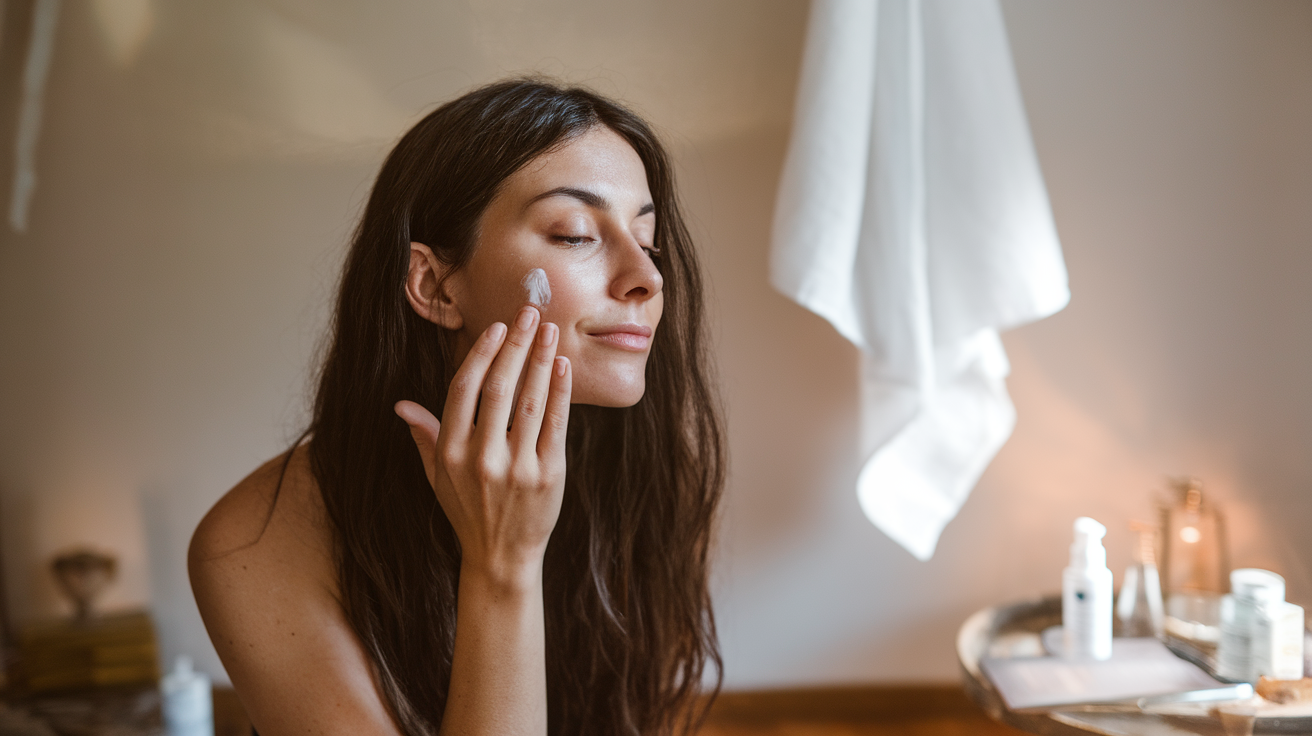
That carton of eggs in your refrigerator contains one of nature’s most effective instant face-lifting treatments. Your grandmother knew that egg whites could tighten sagging skin within minutes, creating a temporary but impressive lifting effect for special occasions. Beyond the immediate results, regular use of egg white masks provides lasting benefits by delivering proteins directly to aging skin cells and stimulating collagen production.
How egg whites tighten sagging skin
Egg whites contain albumin, a protein that contracts as it dries, creating an immediate tightening sensation on your skin. This temporary effect can last several hours, making egg white masks perfect for events when you want to look your absolute best. The tightening action also helps minimize the appearance of enlarged pores, creating a smoother skin texture.
But the benefits extend far beyond surface tightening. The proteins in egg whites penetrate the skin to support its structural framework. As we age, our skin loses protein at an accelerating rate, leading to sagging and loss of firmness. Regular application of egg white masks helps replenish these proteins, gradually improving skin’s elasticity and resilience.
Egg whites also contain lysozyme, an enzyme with natural antibacterial properties. This helps keep skin clear while the astringent qualities remove excess oil that can make mature skin look dull. The combination of tightening, nourishing, and clarifying actions makes egg whites particularly effective for women dealing with multiple aging concerns simultaneously.
Proper preparation methods
Creating an effective egg white mask starts with selecting the right eggs. Fresh, organic eggs provide the highest nutrient content and reduce exposure to hormones or antibiotics that might irritate sensitive skin. Room temperature eggs work better than cold ones, as they whip more easily and spread more smoothly on skin.
Separate the white from the yolk completely, as even a small amount of yolk will prevent the white from creating that characteristic tightening effect. Use a clean bowl and whisk to beat the egg white until it becomes slightly frothy – about 30 seconds of vigorous whisking. This incorporates air that helps the mask dry evenly and enhances the lifting effect.
Some women achieve better results by adding a few drops of lemon juice, which provides additional astringent properties and helps brighten age spots. Others prefer adding a teaspoon of honey for extra moisture, particularly if their skin tends toward dryness. Keep additions minimal to preserve the egg white’s tightening properties.
Adding beneficial ingredients
While plain egg white works wonderfully alone, strategic additions can address specific aging concerns. A pinch of corn starch or rice flour creates a thicker consistency that stays in place better, especially helpful for targeting specific areas like crow’s feet or forehead lines. These powders also provide gentle exfoliation as you remove the mask.
For enhanced anti-aging benefits, consider these combinations based on your skin’s needs. Add a few drops of vitamin E oil if your skin feels particularly dry or shows signs of sun damage. Mix in a small amount of mashed avocado for deep nourishment, though this will reduce the tightening effect slightly. A drop or two of tea tree oil helps if you’re dealing with adult acne alongside aging concerns.
Ground oatmeal makes an excellent addition for sensitive skin that needs gentle exfoliation. The oatmeal’s soothing properties counteract any potential irritation from the egg white while still allowing the tightening benefits to work. Use just enough to create a paste-like consistency that spreads easily but doesn’t run.
Application technique affects your results significantly. Apply the mask in thin, even layers using upward strokes. Focus on areas where sagging is most noticeable – the jawline, neck, and around the eyes (avoiding direct contact with eyes). Some women prefer applying multiple thin layers, allowing each to dry partially before adding the next. This creates a stronger tightening effect but requires more time.
Safety considerations and skin types
Not everyone should use egg white masks, and understanding the risks helps prevent adverse reactions. Women with egg allergies obviously need to avoid this treatment entirely. Even without a known allergy, it’s wise to patch test on a small area of skin before applying to your entire face.
The strong astringent properties that make egg whites effective can also cause problems for certain skin types:
Very dry skin: May experience increased flaking or irritation
Sensitive skin: Could develop redness or stinging sensations
Rosacea-prone skin: The tightening effect might trigger flare-ups
Active acne: While antibacterial, the protein can sometimes clog pores
Frequency matters for safety and effectiveness. Using egg white masks more than twice weekly can over-dry your skin, leading to increased oil production and potential breakouts. Most women achieve optimal results with once-weekly application, adjusting based on how their skin responds.
Always use fresh eggs and prepare masks immediately before application. Never save leftover mask mixture, as raw egg can harbor bacteria when stored improperly. Remove the mask after 15-20 minutes maximum – leaving it on longer doesn’t increase benefits but can cause excessive dryness and irritation.
Proper removal technique prevents damage to delicate aging skin. Use lukewarm water and a soft cloth, gently loosening the dried mask rather than peeling or scrubbing it off. Follow immediately with a hydrating toner and rich moisturizer to replenish any moisture lost during the tightening process.
Oatmeal Scrubs for Gentle Exfoliation
The same oatmeal that nourished your grandmother’s body from the inside also fed her skin from the outside. This humble grain provides one of the gentlest yet most effective exfoliation methods for mature skin, removing dead cells without the harsh abrasion that can damage thinning skin. Unlike modern scrubs with sharp particles or strong acids, oatmeal works through a combination of mild mechanical and chemical exfoliation that respects your skin’s increasingly delicate nature.
Why oatmeal works differently than harsh scrubs
Oatmeal contains natural saponins, soap-like substances that cleanse without stripping essential oils from aging skin. These compounds lift away dirt and dead cells while actually adding moisture – a crucial difference from typical exfoliants that leave skin feeling tight and dry. The soft, rounded texture of ground oats provides just enough friction to polish skin without creating micro-tears that can lead to inflammation and accelerated aging.
The beta-glucan in oatmeal forms a fine film on your skin that penetrates deep into pores while simultaneously creating a protective layer on the surface. This dual action helps maintain moisture levels during exfoliation, preventing the dryness and irritation that often follows traditional scrubbing. For mature skin that’s already dealing with decreased oil production, this moisture-preserving quality proves invaluable.
Avenanthramides, unique antioxidants found only in oats, provide anti-inflammatory benefits that calm redness and irritation. These compounds become especially important as skin ages and becomes more reactive to environmental stressors. Regular oatmeal exfoliation actually helps reduce overall skin sensitivity over time, unlike harsh scrubs that can make skin increasingly reactive with repeated use.
Creating the perfect oatmeal blend
The key to an effective oatmeal scrub lies in achieving the right texture – fine enough to avoid scratching but coarse enough to provide gentle exfoliation. Start with plain, unflavored oatmeal (instant, rolled, or steel-cut all work). Grind it in a blender or food processor until you achieve a consistency similar to coarse flour. Some particles should remain visible for gentle physical exfoliation.
For a basic scrub, mix two tablespoons of ground oatmeal with enough warm water to create a paste. The warmth helps release the beneficial compounds while making application more pleasant. Let the mixture sit for a minute to allow the oats to soften slightly, which enhances their soothing properties.
The consistency should be thick enough to stay on your face without dripping but thin enough to spread easily. If it’s too thick, add water a few drops at a time. If too thin, add more ground oatmeal. Fresh preparation ensures maximum potency of the active compounds, so make only what you’ll use immediately.
How frequently to exfoliate mature skin
Mature skin requires a delicate balance between removing dead cells and preserving the protective barrier that becomes more fragile with age. Over-exfoliation can trigger inflammation that accelerates aging, while under-exfoliation allows dead cells to accumulate, creating a dull, rough texture that accentuates fine lines.
Most women with mature skin benefit from oatmeal exfoliation once or twice weekly. Start with once weekly application and observe how your skin responds over several weeks. Signs that you can increase frequency include persistent dullness, rough texture, or products not absorbing well. Indicators that you should reduce frequency include redness, sensitivity, or a tight feeling that persists after moisturizing.
Season and climate affect how often you should exfoliate. During winter months when skin tends to be drier, you might need to reduce frequency or add more moisturizing ingredients to your oatmeal blend. Summer’s increased oil production and sun exposure might allow for slightly more frequent exfoliation, though never more than three times weekly.
Pay attention to how your skin feels 24 hours after exfoliation. It should feel smooth and soft, not sensitive or raw. If you notice increased dryness or irritation the day after using your oatmeal scrub, extend the time between applications or adjust your recipe to be more gentle.
Your skin’s needs can change based on hormonal fluctuations, stress levels, and overall health. What works perfectly one month might need adjustment the next. Stay flexible and responsive to these changes rather than sticking rigidly to a schedule that no longer serves your skin’s current condition.
Combining oatmeal with other natural ingredients
Strategic combinations enhance oatmeal’s already impressive benefits while addressing specific aging concerns. These additions should complement rather than overpower the gentle nature of oatmeal, maintaining its status as a mild but effective treatment suitable for mature skin.
Honey and oatmeal create a powerful anti-aging combination:
Yogurt addition: Plain yogurt’s lactic acid provides mild chemical exfoliation that complements oatmeal’s physical action
Mashed banana: Adds potassium and vitamins that nourish aging skin while increasing moisture
Almond oil: Provides vitamin E and essential fatty acids that support skin repair
Green tea: Cooled green tea instead of water adds antioxidants that fight free radical damage
Chamomile tea: Creates a especially soothing blend for sensitive or irritated skin
When adding ingredients, maintain oatmeal as the primary component – at least 60% of your mixture. This ensures you retain the gentle exfoliating action while gaining additional benefits. Too many additions can dilute oatmeal’s effectiveness or create a mixture that’s difficult to rinse away.
Application technique maximizes results from your customized blend. Apply to damp skin using gentle circular motions, spending extra time on areas with rough texture or visible congestion. Avoid the delicate eye area unless you’ve ground the oatmeal to an extra-fine powder. Leave the mixture on for 5-10 minutes after massaging to allow the beneficial compounds to penetrate.
Removal requires patience to avoid undoing the gentle work of your treatment. Use lukewarm water and a soft cloth, rinsing thoroughly to remove all traces of oatmeal. Any residue left behind can dry and potentially cause irritation. Pat skin dry gently and immediately apply your regular skincare products while skin is still slightly damp for maximum absorption.
Your Timeless Beauty Routine Starts Today
These five grandmother-approved secrets prove that effective anti-aging skincare doesn’t require expensive products or complicated procedures. By incorporating honey and milk masks, rose water toning, facial massage with oils, egg white treatments, and gentle oatmeal exfoliation into your regular routine, you’re giving your skin exactly what it needs to maintain its youthful appearance naturally. The wisdom passed down through generations continues to work because these simple ingredients address the fundamental needs of aging skin – hydration, nourishment, gentle exfoliation, and protection.
Starting your natural anti-aging journey requires nothing more than a trip to your kitchen and a commitment to consistency. Choose one or two techniques that appeal most to you and practice them regularly for at least a month before adding others. Your skin will tell you what’s working through improved texture, increased radiance, and that healthy glow that no amount of makeup can replicate. Trust in the same simple ingredients that kept your grandmother’s skin beautiful throughout her life – they’re waiting to work their magic for you too.
Frequently Asked Questions
Q: Can I use these natural treatments if I have sensitive skin?
A: Most of these ingredients work well for sensitive skin, especially oatmeal and rose water which actually calm irritation. Start with patch testing any new ingredient on a small area first. If your skin reacts well, begin with diluted versions and shorter application times, gradually building up as your skin adjusts.
Q: How long before I see results from these natural anti-aging methods?
A: Immediate effects like the tightening from egg whites or the glow from honey masks appear right away. For lasting improvements in fine lines, texture, and firmness, expect to see noticeable changes after 2-4 weeks of consistent use. More dramatic results typically appear after 2-3 months of regular application.
Q: Can I combine different treatments on the same day?
A: Yes, but space them out appropriately. For example, use rose water as a morning toner, do an oatmeal scrub in the evening, followed by facial massage with oil. Avoid using multiple masks or exfoliating treatments on the same day as this might irritate your skin.
Q: Should I stop using my regular skincare products when trying these natural methods?
A: These natural treatments complement rather than replace your existing routine. Continue using your regular cleanser, moisturizer, and sunscreen. Think of these grandmother’s secrets as special treatments that enhance your basic skincare regimen.
Q: What’s the best age to start using these anti-aging treatments?
A: Prevention works better than correction, so starting these gentle, natural treatments in your late 20s or early 30s can help maintain youthful skin longer. However, women of any age can benefit from these techniques, as they address multiple skin concerns beyond just aging.
Q: How do I store homemade skincare preparations?
A: Most of these treatments work best when prepared fresh for each use. Rose water can be stored in the refrigerator for up to one month in a sterilized glass container. Never store egg white masks or anything containing fresh dairy. Dry ingredients like ground oatmeal can be prepared in advance and stored in an airtight container.
Q: Can men use these same anti-aging techniques?
A: Absolutely. While this article focuses on women, these natural ingredients work equally well for men’s skin. Men might prefer to skip the rose water if they find the scent too floral, but all other treatments provide the same anti-aging benefits regardless of gender.
Q: Are these treatments safe to use during pregnancy?
A: Most of these natural ingredients are safe during pregnancy since they’re food-based and applied topically. However, always consult your healthcare provider before starting any new skincare routine while pregnant. Some women experience increased skin sensitivity during pregnancy and might need to adjust application times or frequencies.

