

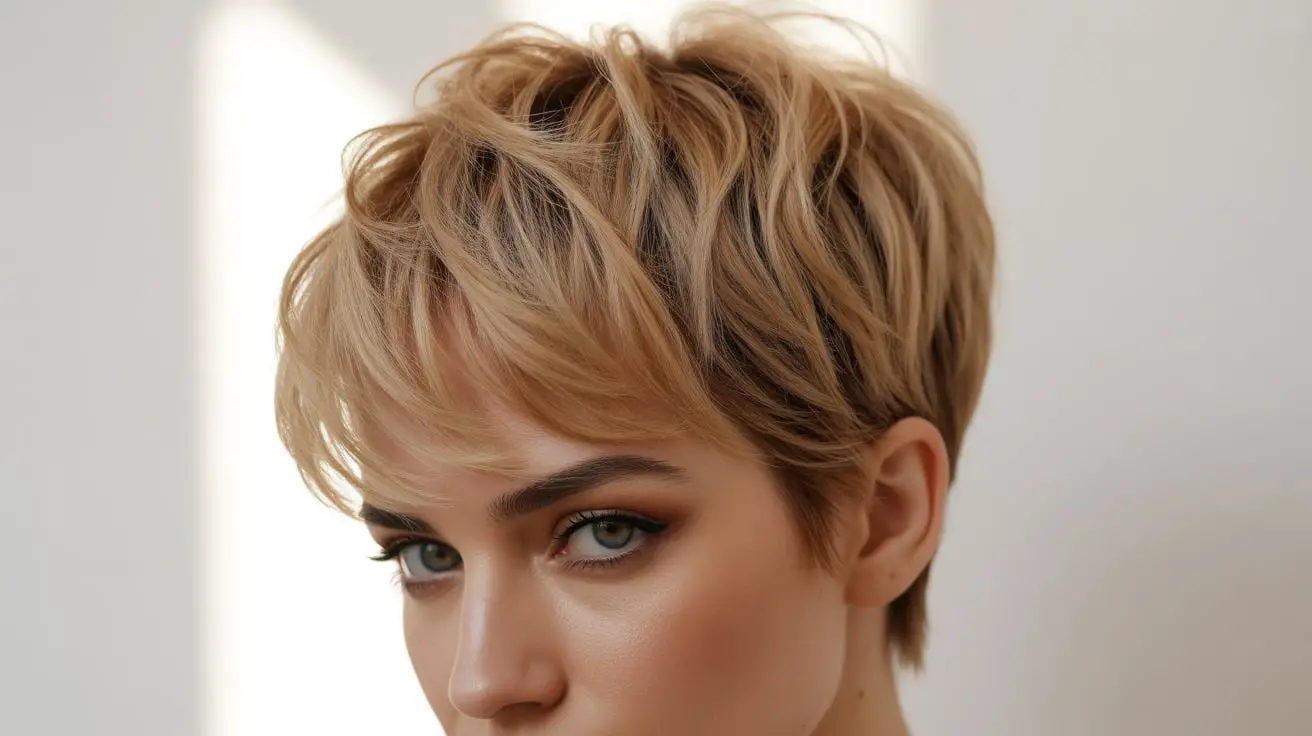
Short hair has a way of transforming your entire appearance in minutes. A pixie cut strips away the weight of long locks and replaces it with something airy and manageable. The wispy variation takes this concept further by adding feathered, delicate layers that create movement and softness around your face.
This particular cut works beautifully across different hair textures and face shapes. The lightness comes from strategic layering and texturizing techniques that remove bulk while maintaining structure. You’ll find yourself spending less time on morning routines while achieving a polished, modern look that feels effortless.
Let’s share here what makes these cuts so appealing, how to adapt them for your specific hair type, the styling methods that keep them looking fresh, what to communicate to your stylist, and the maintenance routines that extend your salon results.
What Makes a Pixie Cut “Wispy”?
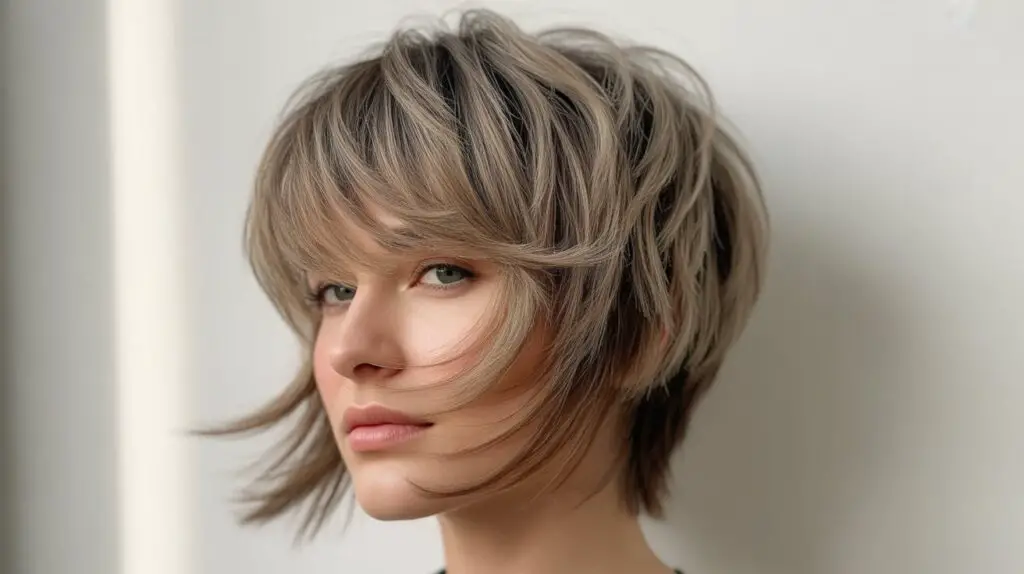
The texture and layering technique separate wispy pixies from their more structured counterparts. Traditional pixie cuts often feature blunt edges and geometric shapes that create sharp, defined lines. A wispy version softens everything through feathering and point-cutting methods that leave ends thin and scattered rather than solid and uniform.
Defining Characteristics of Wispy Texture
The hallmark of this style lies in its deliberately thinned-out ends. Your stylist achieves this through razoring or texturizing shears that remove density without sacrificing too much length. The result creates separation between individual strands, allowing light to pass through and giving an almost see-through quality at the perimeter. This transparency makes the cut appear less severe and more feminine than standard pixie variations.
The Difference Between Traditional and Wispy Pixies
Standard pixie cuts rely on clean lines and solid perimeters. They create strong shapes with clear boundaries between different sections. Wispy versions blur these boundaries intentionally. Where a classic pixie might have a distinct line at the nape or temples, the wispy approach feathers everything out gradually. Think of it as the difference between drawing with a marker versus watercolors – one gives you crisp lines, the other creates soft transitions.
How Wispy Layers Create Movement
Movement happens when hair doesn’t all fall the same way. The varied lengths in a wispy cut mean different pieces catch air and light differently as you move. Shorter interior layers lift away from your head while longer perimeter pieces fall softly around your face and neck. This creates dimension that makes thin hair look fuller and thick hair feel lighter. The disconnection between layers also prevents that dreaded helmet shape that can plague shorter cuts.
Face-Framing Elements
What sits around your face matters most in any short hairstyle. Wispy pixies typically incorporate longer, textured pieces near your cheeks and jawline. These sections get heavily layered and thinned to create that signature feathered effect. Some versions include slightly longer pieces at the temples or sideburns that can be tucked behind ears or left to frame your face. The wispy nature of these sections prevents them from looking heavy or overwhelming your features.
The nape area also gets special attention. Rather than a blunt horizontal line, wispy cuts taper down gradually with irregular, broken edges. This creates a softer, more natural hairline that grows out more gracefully than sharp perimeters.
Why Wispy Pixies Work for Different Hair Types
Your natural hair texture influences how this cut will behave daily. Understanding these relationships helps you set realistic expectations and choose the right variation for your specific needs.
Fine Hair Benefits
Women with fine hair often struggle to create volume with longer styles. This cut solves that problem by removing weight that pulls strands down. The wispy layering adds visual bulk through texture and separation. When you have less actual hair, creating the illusion of more becomes easier with shorter lengths and strategic cutting.
Fine hair also holds shape better in shorter lengths. The lightness of wispy layers won’t collapse under their own weight the way longer fine hair tends to do by mid-day. You’ll find your style maintains its lift and movement from morning until evening without constant touch-ups.
Thick Hair Considerations
Dense, thick hair benefits from the bulk removal that wispy techniques provide. Without proper thinning, a pixie on thick hair can puff out into an unflattering shape. The texturizing and razoring that create wispy ends remove interior weight while keeping enough hair to maintain coverage. This prevents that sparse, over-thinned look while still achieving the light, airy feel you’re after.
Your stylist might use a combination of techniques – thinning shears on interior sections, point-cutting on the perimeter, and razoring for the wispiest pieces. This multi-method approach manages thick hair’s tendency to overwhelm short styles.
Curly and Wavy Hair Adaptations
Natural texture adds another dimension to wispy pixies. Curly hair already has built-in movement and volume, so the cut focuses more on shape and curl pattern than creating artificial texture. Your stylist will likely cut it dry to see exactly how each curl falls. The wispy effect comes from selective thinning that prevents a triangular silhouette.
Wavy hair might be the ideal texture for this style. The natural bend creates separation between strands without much effort. Your waves enhance the feathered appearance of wispy layers, making everything look intentionally tousled. You’ll need minimal styling to achieve that fresh, just-got-out-of-bed look that’s actually quite difficult to create with straight hair.
Straight Hair Styling
Straight hair shows every cut line clearly, which means precision matters more. The wispy effect must be created entirely through cutting technique since your hair won’t naturally separate and move the way textured hair does. Your stylist needs to be skilled at point-cutting and slide-cutting to achieve those feathered ends without visible chop marks.
You’ll need to add texture through styling products and techniques. Sea salt sprays, texturizing creams, and light pomades help create separation and piecey-ness. Some women with straight hair prefer to add slight waves with a small curling iron or flat iron to enhance the wispy nature of their cut.
Texture Requirements
Do you need naturally textured hair to wear this style? Not at all. However, you do need to be willing to work with your hair type rather than against it. Straight-haired women will spend more time styling to achieve the wispy look. Those with texture can often shake and go with minimal product. Both can wear the style successfully – the difference lies in daily effort required.
How to Style Your Wispy Pixie for Maximum Freshness
The right styling routine keeps your cut looking intentional rather than messy. These techniques work with the wispy layers to create that fresh, light appearance.
Daily Styling Basics
Start with slightly damp hair – not soaking wet, not bone dry. Towel-dry until just moist to the touch. Apply a small amount of lightweight mousse or styling cream, focusing on roots and mid-lengths. Avoid overloading the ends, which should maintain their wispy, separated quality.
Use your fingers instead of a brush for most of your styling. Scrunching and lifting at the roots creates volume without smoothing away the texture you want to keep. If you must use a tool, choose a wide-tooth comb or your fingers to rake product through.
Product Recommendations
Less is more with wispy cuts. Heavy products weigh down the delicate layers and eliminate that airy quality. Look for lightweight formulations specifically labeled for fine or short hair:
Texturizing Spray: Creates separation and grip without crunchiness or weight.
Lightweight Mousse: Adds volume and hold while keeping hair touchable and soft.
Dry Shampoo: Refreshes second-day hair and adds grit that enhances texture.
Finishing Cream: Defines individual pieces without making hair look wet or greasy.
Sea Salt Spray: Adds beach-like texture that works beautifully with wispy layers.
Quick Styling Techniques
For volume at the crown, flip your head upside down while blow-drying. Direct heat toward roots while scrunching with your free hand. This takes less than three minutes and creates lift that lasts all day. Once dry, flip back up and use your fingers to direct pieces where you want them.
Piecey definition comes from pinching small sections between your fingers with a tiny bit of pomade or wax. Take random pieces around your face and twist them slightly. This enhances the feathered, wispy quality and prevents the style from looking too perfect or stiff.
Creating Volume at the Roots
Root lift products applied to damp hair before drying make a significant difference. These come in spray, mousse, or powder form. Apply them directly to your scalp in sections, then massage with your fingertips. The friction activates the product while stimulating your scalp.
Blow-drying against your natural growth pattern – the direction your hair wants to fall – creates instant volume. If your hair parts on the left, blow-dry it toward the right at first. Once dry, let it fall back into place. This creates built-in lift without teasing or backcombing.
Maintaining the Wispy Effect
The feathered, separated ends that define this style can clump together throughout the day, especially in humid conditions. Keep a small amount of dry texturizing spray in your bag for quick refreshing. A few spritzes and finger-scrunching revives the wispy quality in seconds. Avoid touching your hair constantly though – natural oils from your hands can cause clumping and flatness.
What to Ask Your Stylist for the Perfect Wispy Pixie
Communication with your stylist determines whether you leave the salon thrilled or disappointed. These specific terms and requests help you both get on the same page.
Key Terms to Use During Consultation
Tell your stylist you want a “textured pixie with feathered layers” or a “soft, wispy short cut.” These phrases signal that you’re not looking for geometric precision or blunt edges. Mention that you want “separation at the ends” and “movement throughout.” Ask for “point-cutting” or “razor work” on the perimeter to create those soft, irregular edges.
Show photos of cuts you like, but be realistic about how your hair differs from the model’s. If you have thick, straight hair and the photo shows fine, wavy hair, discuss how the cut will need adjustment. Ask your stylist what modifications would work best for your specific texture and face shape. This conversation prevents unrealistic expectations.
Length Specifications
Pixie cuts range from very short to nearly bob-length. Specify where you want length to hit. Do you want your ears fully exposed or partially covered? Should the nape be close-cropped or left longer with wispy ends? What about the top – do you want enough length to create significant height, or do you prefer a flatter, more uniform silhouette?
Many women find the sweet spot to be about two to three inches on top, graduating to shorter around the sides and back. This provides styling versatility without becoming difficult to manage. The wispy layers work throughout this length, creating that light, feathered effect at every level.
Layering Techniques to Request
Ask for “disconnected layers” rather than blended, graduated ones. Disconnection creates the movement and texture that makes wispy pixies work. Your stylist should use multiple cutting techniques – shears for the base shape, thinning shears for bulk removal, and point-cutting or razoring for the wispy ends.
Request extra texturizing around your face and at the perimeter. These are the areas people notice most, so this is where the wispy quality matters most. The interior can remain slightly denser to provide support and shape, but those visible outer layers should be feathered and soft.
Customizing for Your Face Shape
Different face shapes benefit from adjusted proportions. Round faces look great with height on top and close sides. Longer faces need width at the sides with less height. Square faces soften with wispy, longer pieces around the jawline. Discuss your specific concerns with your stylist – maybe you want to minimize a prominent forehead or balance a pointed chin. The wispy nature of this cut can be customized to address these issues through strategic length placement.
Maintaining Your Wispy Pixie Between Salon Visits
Short cuts grow out faster than you might expect. These maintenance tips keep you looking fresh between professional trims.
Trim Frequency Recommendations
Plan for salon visits every four to six weeks. This might seem frequent, but short cuts lose their shape quickly as hair grows. The wispy layers that look so good when fresh can become bulky and unflattering even half an inch longer. Regular trims maintain the light, airy quality you’re after.
If budget or time constraints make monthly visits difficult, ask your stylist which areas need the most frequent attention. Often, the nape and sides require trimming sooner than the top. Some salons offer quick “cleanup” appointments between full cuts at reduced prices.
At-Home Touch-Up Tips
You can maintain some aspects of this cut yourself between appointments, though major cutting should be left to professionals. Thinning shears can refresh overly bulky areas if you’re comfortable using them. Work in small sections, taking out tiny amounts at a time. Never cut with regular scissors – they create blunt lines that contradict the wispy aesthetic.
Trimming the nape area if you have steady hands and a good mirror setup can extend time between salon visits. Use small hair-cutting scissors and point-cut vertically into the hairline to maintain that soft, broken-up edge. Go slowly and err on the side of cutting too little rather than too much.
Color Maintenance for Enhanced Dimension
Color adds depth that enhances the wispy layers. Highlights or lowlights create dimension that makes texture more visible. Even if you stick with your natural color, a gloss treatment adds shine that shows off the cut’s shape and movement. Discuss maintenance-friendly color options with your stylist – pixies grow out quickly, so choose something that doesn’t require constant root touch-ups.
Babylights – very fine, delicate highlights – work beautifully with wispy cuts. The subtle dimension they create complements the soft, feathered quality of the layers. This technique also grows out gracefully, meaning you can extend time between color appointments.
Heat Styling Precautions
Short hair is newer growth, which means it’s healthier than the ends of long hair. However, daily heat styling can still cause damage. Always use heat protectant spray before blow-drying or using hot tools. Keep heat settings moderate – you don’t need extreme temperatures to style short hair.
Air-drying works well for many wispy pixies, especially on textured hair. Apply your styling products to damp hair, scrunch and shape with your fingers, then let it dry naturally. This preserves hair health while achieving that effortless, fresh look.
Product Routines
Establish a simple routine you can maintain consistently. Overthinking and changing products constantly prevents you from finding what works best. A basic routine might include: lightweight shampoo and conditioner, leave-in treatment on damp hair, texturizing spray for styling, and dry shampoo for refreshing between washes.
Wash frequency depends on your hair type and lifestyle. Many women find that short hair needs washing more frequently because scalp oils are more visible when hair lies close to the head. Others discover they can extend time between washes by using dry shampoo strategically. Experiment to find your ideal schedule.
Looking Fresh and Light Every Day
You’ve learned what creates that signature wispy texture and how to maintain it. The beauty of this particular style lies in its adaptability – working across different hair types while remaining manageable and modern. With the right cut, products, and minimal styling effort, you can achieve that effortlessly chic look that seems to define the women who wear it best.
Short hair represents freedom from lengthy styling routines and heavy products. The wispy variation adds softness that prevents the harsh edges some women fear with pixie cuts. Whether you’re making the leap from long hair or refreshing an existing short style, this approach offers a fresh perspective on classic short cuts. Your morning routine simplifies while your style remains current and flattering.
Frequently Asked Questions
Q: How long does it take to style a wispy pixie cut each morning?
A: Most women spend 5-10 minutes on daily styling. This includes applying product to damp hair, quick blow-drying with your fingers, and possibly defining a few pieces with pomade. Some texture types can simply air-dry with product for an even faster routine.
Q: Will my hair need to be a certain length before getting this cut?
A: You can transition from any length, though very long hair might benefit from a gradual shortening process. Your stylist can take you from shoulder-length to pixie in one appointment, but some women prefer to try a bob first to adjust to shorter hair before committing to the full pixie.
Q: Do wispy pixies work on women over 50?
A: Absolutely. This style can be incredibly flattering on mature women because the soft, feathered layers provide a gentle frame for the face. The key is customizing the length and layers for your specific features rather than copying a style from someone decades younger.
Q: Can I still put my hair in a ponytail or clips?
A: Most pixie cuts are too short for traditional ponytails. However, you can use small clips, headbands, or bobby pins to create different looks. Some women with longer pixie variations can clip back the longer top sections, though the sides and back remain too short to pull back.
Q: How much does this cut typically cost at a salon?
A: Prices vary widely based on location and salon type, but expect to pay the same as you would for any women’s haircut at your chosen salon. Short cuts don’t typically cost less than long cuts despite using less time and product – the skill level required is actually higher.
Q: What happens if I don’t like it after cutting off all my hair?
A: Hair grows back, though the process takes time. Short cuts grow about half an inch per month on average. If you’re uncertain, try a longer pixie variation first. You can always go shorter, but you can’t add length back immediately. Consider trying clip-in hair extensions designed for short hair if you need length for a special event.
Q: Does this style work for women with very curly or kinky hair?
A: Yes, with the right cutting approach. Your stylist should cut curly hair while dry to see exactly how each curl forms. The wispy effect comes from selective thinning and shaping rather than heavy texturizing. Curly pixies create beautiful, dimensional shapes that showcase your natural texture.
Q: Will I need special products I don’t already have?
A: Probably not. Most women can work with lightweight versions of products they already use – mousse, texturizing spray, and a finishing cream or pomade. The main difference is choosing formulas specifically for short or fine hair that won’t weigh down the wispy layers.
Q: How do I keep the back looking neat when I can’t see it?
A: Regular trims every 4-6 weeks prevent the back from becoming shaggy or losing shape. Between appointments, ask a friend or partner to check the nape area occasionally. You can also use a handheld mirror to check the back yourself in your bathroom mirror.
Q: Can I color my hair with this cut, or will it damage the style?
A: Color works beautifully with wispy pixies. In fact, dimensional color often enhances the textured layers by making them more visible. Choose low-maintenance color techniques that don’t require frequent root touch-ups, since short cuts grow out quickly and you’ll be trimming off colored ends sooner than with long hair.

