

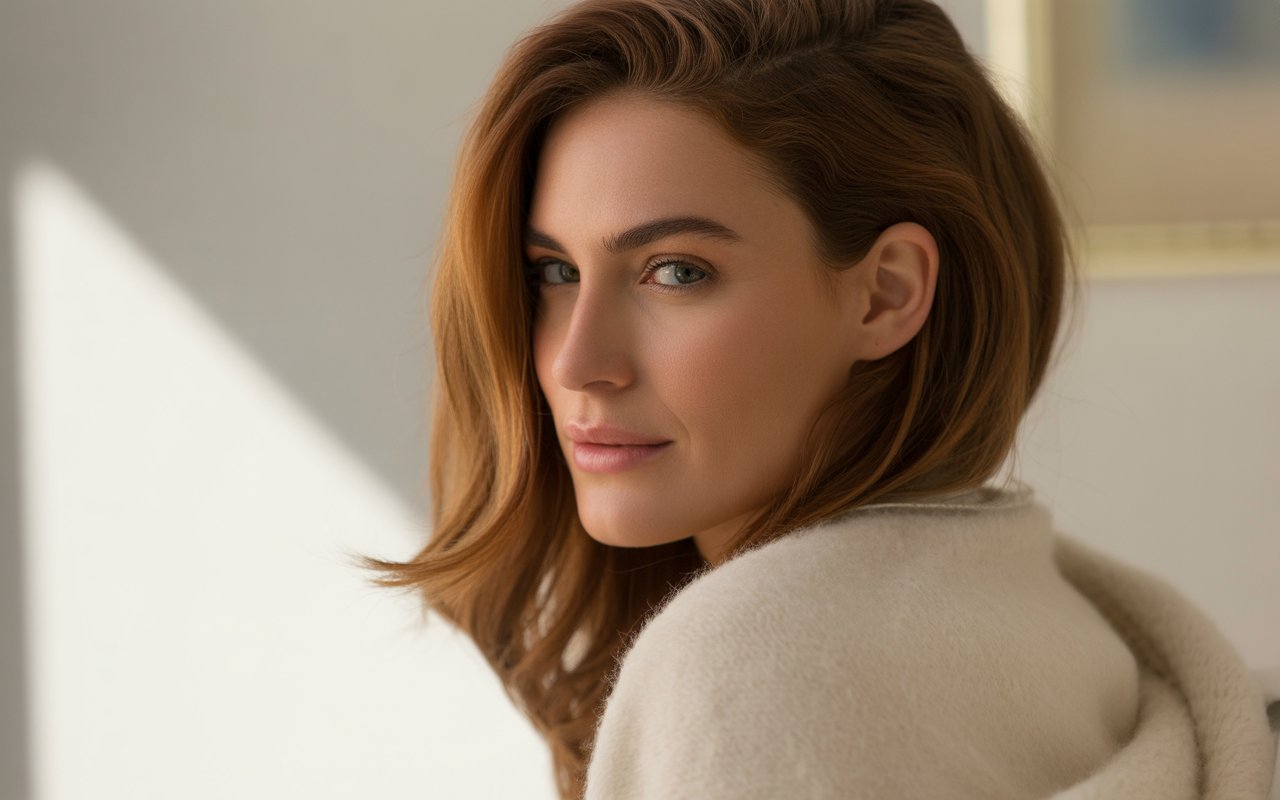
Toffee brown hair has quietly become the most requested color in salons across the country, and for good reason. This rich, multidimensional shade strikes the perfect balance between warm caramel undertones and cooler chocolate notes, creating a color that feels both luxurious and completely wearable. Unlike the stark contrasts of previous hair color trends, this particular shade offers something different – a sophisticated warmth that seems to flatter virtually everyone who tries it.
The beauty of this color lies in its versatility and how naturally it complements various skin tones and personal styles. While blonde highlights dominated for years and bold fashion colors had their moment, women are now gravitating toward shades that look expensive yet effortless. This warm brown tone delivers exactly that, offering the richness of darker hair with enough warmth to catch the light beautifully, creating movement and dimension that single-process colors simply can’t match.
What you’ll discover in the following sections is everything you need to know about this coveted shade – from understanding what makes it so special to learning how to achieve and maintain it perfectly. Whether you’re considering a dramatic change from your current color or simply looking to refresh your look with something new, this comprehensive guide will walk you through every aspect of making toffee brown work for you. Keep reading to find out why women everywhere are falling for this gorgeous hair color trend.
What Makes Toffee Brown Hair So Special
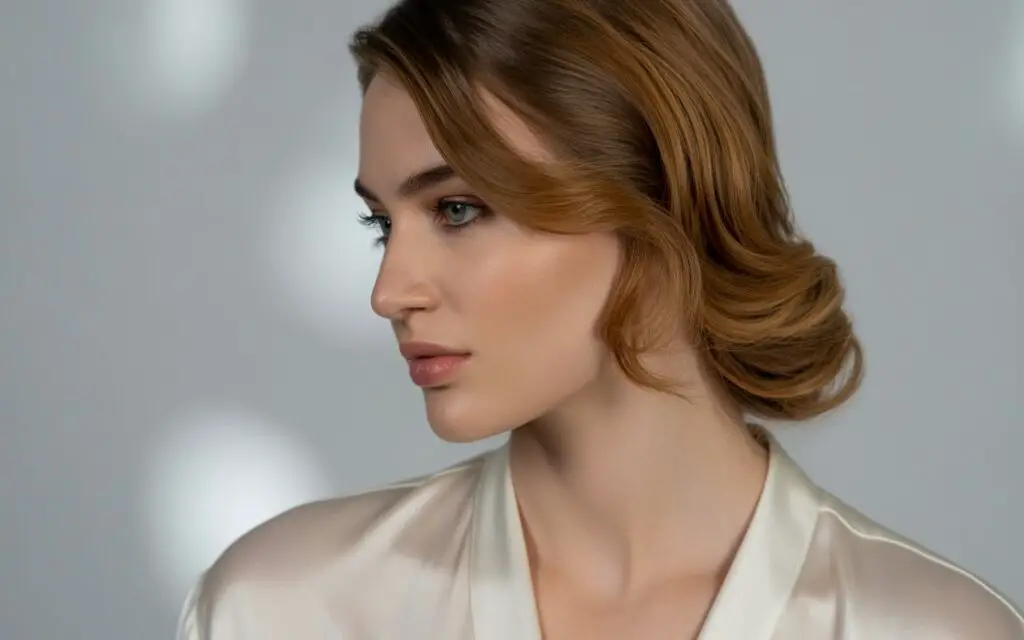
The magic of toffee brown lies in its complex formulation that combines multiple tones to create depth and richness. Unlike flat, single-process browns that can look dull or lifeless, this shade incorporates subtle highlights and lowlights that mimic the way natural hair catches light. The result is a color that appears to shift and change depending on lighting conditions, sometimes revealing golden ribbons, other times showing cooler espresso depths.
The perfect balance of warm and cool tones
Getting the temperature just right is what sets this shade apart from ordinary browns. Your colorist will typically blend warmer caramel and honey tones with cooler ash and mushroom undertones, creating a balanced shade that avoids looking too brassy or too mousy. This careful calibration means the color works harmoniously with both warm and cool skin undertones, which partially explains its universal appeal.
The placement of these tones matters just as much as the colors themselves. Warmer pieces are often concentrated around the face and through the mid-lengths, where they create a brightening effect similar to how the sun would naturally lighten hair. Cooler tones at the roots and underneath sections add depth and prevent the overall look from appearing too light or one-dimensional. This strategic placement creates movement that makes hair look thicker and healthier.
How it complements different skin tones
Fair-skinned women find that toffee brown adds warmth without washing them out, unlike darker browns that can create too stark a contrast. The golden undertones in this shade bring out rosy complexions beautifully while the deeper notes prevent the hair from competing with pale skin. For those with pink undertones, the neutral balance of this color helps counteract any redness without looking ashy.
Medium skin tones particularly shine with this hair color, as it creates the perfect frame for the face without overwhelming natural coloring. The warmth in the shade picks up golden or olive undertones in the skin, creating a harmonious look that appears completely natural. Women with this skin tone often find they need less makeup when sporting this hair color, as it naturally enhances their features.
The dimensional color depth
What really distinguishes this shade from standard browns is the incredible dimension achieved through careful color layering. Professional colorists typically use a combination of techniques including balayage, foiling, and glossing to build the color’s complexity. Each strand might have several different tones painted or woven through it, creating a three-dimensional effect that photographs beautifully and looks stunning in person.
The depth comes not just from color variation but from the way light interacts with the different tones. Glossier sections reflect light differently than matte areas, creating visual interest that keeps the eye moving. This is why this particular shade tends to make hair look fuller and more voluminous – the interplay of light and shadow created by the dimensional coloring gives the illusion of more hair.
Natural-looking results
Perhaps the greatest appeal of this shade is how convincingly natural it appears. While fashion colors and extreme highlights can look obviously processed, a well-executed toffee brown looks like you could have been born with it. The color mimics the way hair naturally lightens and darkens with sun exposure and aging, incorporating the kind of subtle variations that occur in virgin hair.
This natural appearance extends to how the color grows out. Because the shade typically involves keeping roots close to their natural color while gradually lightening through the lengths, regrowth is far less obvious than with traditional highlights or single-process colors. Many women find they can go longer between salon visits without developing an obvious line of demarcation, making this shade as practical as it is beautiful. The seamless blend means you won’t have that harsh root line that demands immediate attention every few weeks.
Who Should Consider This Shade
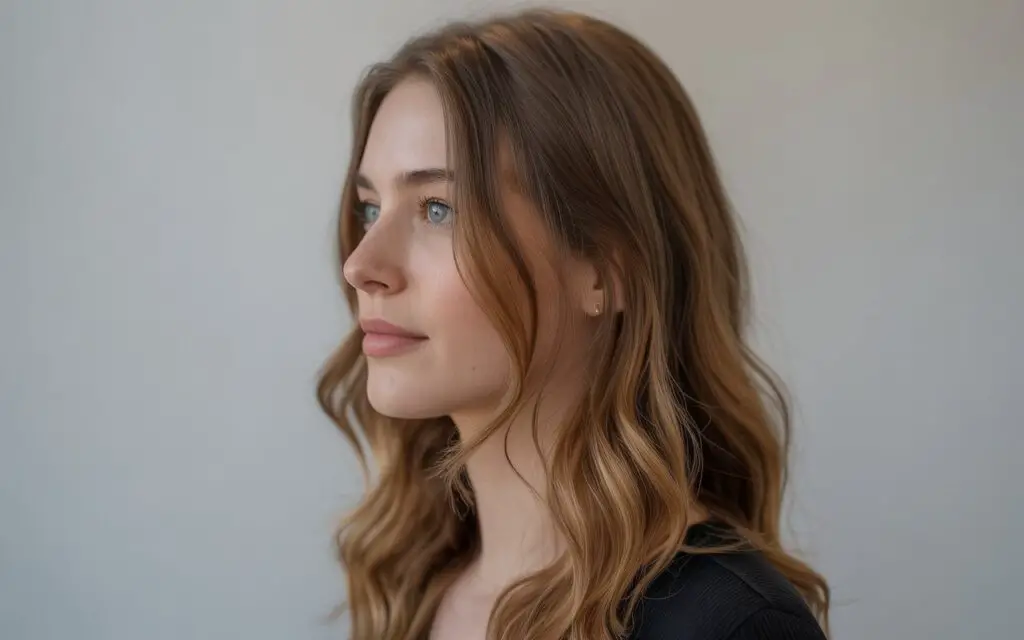
Not every hair color works for every person, but toffee brown’s versatility makes it an option worth considering for a surprisingly wide range of women. Understanding whether this shade aligns with your skin tone, lifestyle, and maintenance preferences will help you decide if it’s the right choice for your next salon visit.
Best skin tones for toffee brown
While this color’s balanced undertones make it broadly flattering, certain skin tones particularly come alive with this shade. Women with warm undertones – those who look best in gold jewelry and earth tones – find that the caramel notes in this color enhance their natural glow. The warmth doesn’t overwhelm though, thanks to the cooler brown base that keeps everything grounded and sophisticated.
Cool-toned complexions benefit from the versatility of this shade as well. The key for cooler skin tones is ensuring the formula leans slightly more toward the mushroom and ash notes while still maintaining enough warmth to avoid looking flat. A skilled colorist can adjust the formula to include more beige and taupe tones, creating a version that harmonizes beautifully with cooler complexions without losing the signature richness of the shade.
Neutral skin tones have the most flexibility with this color, able to wear versions that lean either slightly warm or cool. These lucky individuals can typically wear the shade exactly as it appears in inspiration photos without needing significant formula adjustments. If you’re unsure about your undertone, look at the veins in your wrist – green indicates warm, blue suggests cool, and a mix of both means you’re likely neutral.
Hair textures that work well
Fine hair particularly benefits from the dimensional nature of toffee brown. The multiple tones create an illusion of thickness and body that single-process colors can’t achieve. Light reflects off the various shades differently, making each strand appear fuller. Women with thin hair often report that this color makes their hair look noticeably more voluminous, especially when styled with waves or curls that showcase the dimension.
Thick, coarse hair also wears this shade beautifully, though for different reasons. The richness of the color helps tame the appearance of overly voluminous hair by creating cohesion through color. The darker base with lighter pieces throughout breaks up the density visually, making thick hair appear more manageable and polished.
Curly and wavy textures showcase this shade’s dimension naturally. Each curl or wave catches light differently, allowing the various tones to reveal themselves as the hair moves. The color’s complexity means that even when curly hair is worn in its natural state without much styling, it still looks polished and intentional.
Lifestyle considerations
Your daily routine and styling habits should factor into your decision about whether this shade suits your life. If you’re someone who rarely heat styles or spends minimal time on hair care, this color’s natural-looking finish means it still looks great with minimal effort. Air-dried hair in this shade appears intentionally tousled rather than neglected.
Professional women appreciate how this color reads as polished and put-together in office settings without seeming high-maintenance or attention-seeking. It strikes that perfect balance between interesting and appropriate, making it ideal for those in conservative work environments who still want to feel current and stylish.
Consider these practical factors when deciding if this shade fits your lifestyle:
Time commitment: Expect 2-3 hours for initial coloring, with touch-ups every 8-12 weeks
Budget planning: Initial color service ranges from $150-$400 depending on starting point and salon
Styling routine: Works with both minimal styling and more elaborate looks
Product needs: Requires color-safe shampoo and occasional toning treatments
Active women and busy mothers often choose this shade because it photographs well without perfect styling, looks appropriate for everything from school pickup to dinner out, and maintains its beauty even when you’re too busy for regular blowouts. The forgiving nature of the grow-out means you won’t look unkempt if you need to push your salon appointment back a few weeks.
Maintenance requirements
Understanding the upkeep involved helps set realistic expectations. This shade typically requires less maintenance than platinum blonde or fashion colors but more than keeping your natural color. Most women find the maintenance level completely manageable once they establish a routine.
Root touch-ups depend largely on how different your natural color is from the finished look. Those starting with medium brown hair might only need appointments every 10-12 weeks, while those with very dark or very light natural hair might prefer visiting every 6-8 weeks to maintain seamless blending. The good news is that because this color incorporates dimension and typically keeps roots darker, regrowth appears more natural than with solid colors.
Between salon visits, you’ll need to invest in quality products designed for color-treated hair. Sulfate-free shampoos prevent premature fading, while weekly masks keep hair healthy and shiny. Purple shampoo isn’t usually necessary with this shade, but a glossing treatment every few weeks can help maintain the shine and richness that makes this color so appealing.
How to Achieve the Perfect Toffee Brown
Creating this coveted shade requires more than simply applying one color all over your head. The process involves careful consideration of your starting point, strategic color placement, and often multiple techniques working together to achieve that signature dimensional look.
Professional coloring process
Your colorist will likely begin with a thorough consultation, examining your current hair color, condition, and discussing your maintenance preferences. They’ll consider factors like your hair’s porosity, previous chemical treatments, and natural undertones to formulate the perfect recipe for your specific hair. This personalized approach is why achieving this shade at home rarely matches professional results.
The actual coloring process often happens in stages. First, if you’re starting with very dark hair, your colorist might need to lighten certain sections to create a canvas for the warmer tones. This isn’t about going blonde – it’s about lifting the hair just enough to allow the caramel and honey tones to show through. The lifting process is carefully controlled to maintain hair health while achieving the necessary base for the final color.
Next comes the color application itself, which typically involves multiple formulas applied strategically throughout your hair. Your colorist might paint lighter pieces around your face using a balayage technique, weave traditional highlights through the crown for brightness, and apply a darker base color to the roots and underneath sections. This multi-pronged approach creates the complex, lived-in look that defines this shade. The entire process can take anywhere from two to four hours depending on your starting point and hair length.
Starting points from different base colors
If you’re beginning with naturally dark brown or black hair, achieving this shade requires patience and possibly multiple appointments. Your colorist will need to gradually lighten your hair while maintaining its integrity. They might start by adding subtle caramel highlights in your first appointment, then build on that foundation in subsequent visits. This gradual approach prevents damage and allows for adjustments along the way to ensure you’re happy with the direction.
Starting from blonde hair actually presents its own challenges. While you might think lighter hair would make the process easier, going darker requires careful attention to avoid ending up with flat, muddy brown. Your colorist will likely use a technique called reverse balayage, adding darker pieces throughout while maintaining some lighter sections for dimension. They’ll also need to fill your hair with warm tones first to prevent the final color from appearing too cool or ashy.
Medium brown starting points often have the smoothest transition to this shade. Your natural color provides the perfect base, requiring only strategic lightening in certain areas to add those characteristic ribbons of warmth. This is typically a one-appointment transformation, though you might return for a gloss treatment a few weeks later to perfect the tone.
Previously colored hair, especially if it’s been box-dyed or has multiple colors throughout, requires extra expertise. Your colorist might need to perform color correction first, evening out the existing tones before beginning the transformation. This could mean removing old color, filling porous sections, or using specialized techniques to ensure even results:
Color removal: Gently lifting artificial pigments without damaging hair
Filling formulas: Adding missing undertones to create proper color foundation
Strand testing: Checking how hair responds before full application
Bonding treatments: Strengthening hair during the lightening process
Highlighting and lowlighting techniques
The magic really happens in how your colorist combines different techniques to build dimension. Balayage creates those sun-kissed pieces that look naturally lighter, with the color painted on freehand for a soft, gradual effect. This technique works particularly well for adding face-framing brightness and creating movement through the lengths.
Traditional foils might be used in the crown area or wherever more dramatic lightness is desired. Foils allow for more controlled lightening and can achieve brighter results than balayage alone. Your colorist might use foils to create ribbons of lighter color that peek through when your hair moves, adding to the multi-dimensional effect.
Lowlights are just as crucial as highlights in achieving authentic-looking color. These darker pieces, usually in shades of chocolate or espresso, are woven throughout to create depth and prevent the overall color from looking too light or uniform. Lowlights are especially important at the roots and underneath sections, where they create the shadow that makes the lighter pieces pop.
Color formulation basics
The exact formula for your perfect shade will be unique to you, but understanding the basics helps you communicate with your colorist. The base color typically falls in the level 5-6 range (medium to light brown), with highlights reaching level 7-8 (dark to medium blonde) and lowlights dropping to level 4-5 (medium to dark brown).
Tones are equally important as levels. Your colorist will likely use a combination of gold, caramel, and chocolate tones, carefully balanced to avoid unwanted red or orange. They might add violet to neutralize unwanted yellow, or green to counteract red – these corrections happen behind the scenes but are crucial for achieving that perfect toffee shade.
The final step often involves a gloss or toner applied over everything to unify the color and add incredible shine. This gloss might be clear for pure shine, or it might contain subtle tones to perfect the overall temperature of your hair. Many salons now offer glossing services between full color appointments to maintain that fresh-from-the-salon shine and keep the tone exactly where you want it.
Styling Tips for Toffee Brown Hair
Once you’ve achieved your perfect shade, knowing how to style it properly will make the difference between hair that looks good and hair that looks absolutely stunning. The right techniques and tools can enhance the dimension in your color, making those carefully placed tones really sing.
The way you style this particular shade can completely transform how the color appears. Straight hair shows off the precise placement of highlights and lowlights, creating a sleek, expensive look. Waves and curls, on the other hand, allow the different tones to intermingle, creating an almost holographic effect as the hair moves. Understanding how different styling methods interact with your color helps you make the most of your investment.
Best haircuts to showcase the color
Long layers work beautifully with this shade because they create movement that allows the dimensional color to reveal itself. Each layer catches light differently, showing off the various tones your colorist carefully placed. The layers don’t need to be dramatic – even subtle layering through the lengths creates enough variation to showcase the color’s complexity.
Blunt bobs and lobs make this shade look particularly expensive and polished. The clean lines of these cuts create a beautiful canvas for the color, while the shorter length means the hair maintains incredible shine and health. When you add subtle waves to a blunt cut in this color, the contrast between the structured shape and the soft color creates a sophisticated look that works from day to evening.
Shag cuts and their modern variations pair wonderfully with this shade’s lived-in quality. The textured layers and piece-y ends mirror the color’s dimensional nature, creating an effortlessly cool aesthetic. This combination works especially well for women who prefer a more relaxed, undone styling approach.
Heat styling techniques
When using hot tools, the key is enhancing your color’s dimension without causing damage. Always start with a heat protectant – but choose one that won’t dull your color’s shine. Lightweight serums or sprays work better than heavy creams that can make this shade appear flat.
For waves that show off your color’s complexity, try wrapping sections around a large-barrel curling iron, leaving the ends out for a modern finish. Alternate the direction of each curl, then gently brush through with your fingers rather than a brush. This creates the kind of lived-in waves that make the different tones in your hair dance together beautifully.
Straightening can be just as effective for showcasing this shade, particularly if your colorist used a precise placement technique. Use your flat iron at a lower temperature than you might with darker hair – the lighter pieces in your hair are more fragile. Pass through each section just once or twice, following with a cool shot from your blow dryer to seal the cuticle and amplify shine.
Product recommendations
The right products can make this color look more expensive and maintain its richness between salon visits. Start with your shampoo and conditioner – look for formulas specifically designed for color-treated hair that promise to maintain warmth. Avoid anything labeled for blonde hair, as these often contain violet pigments that can dull the warm tones in your color.
Styling products should enhance shine without weighing hair down. Here’s what works particularly well with this shade:
Lightweight oils: Applied to damp hair for shine without greasiness
Texture sprays: For piece-y definition that shows color dimension
Shine mists: Used as a finishing touch for glass-like gloss
Leave-in treatments: To maintain hair health and color vibrancy
Weekly treatments make a noticeable difference in how this color looks. Glossing masks designed for brunettes can refresh your color between salon visits, adding back some of the warmth that naturally fades over time. These aren’t the same as toning treatments – they deposit just enough pigment to maintain richness without dramatically changing your shade.
Daily care routines
Your everyday routine impacts how long this color stays beautiful. Washing every other day or less frequently helps maintain the color’s vibrancy – dry shampoo becomes your best friend. When you do wash, use lukewarm water rather than hot, as high temperatures open the cuticle and allow color molecules to escape.
The way you dry your hair matters too. Whenever possible, let your hair air dry to about 80% before using heat tools. This reduces overall heat exposure while still allowing you to style for polish. If you must blow dry from wet, use a lower heat setting and keep the dryer moving constantly to prevent concentrated heat damage to those lighter pieces.
Night-time care shouldn’t be overlooked. Sleeping on a silk or satin pillowcase reduces friction that can rough up the cuticle and dull your color’s shine. If your hair is longer, loosely braiding it or securing it in a soft scrunchie prevents tangling that could lead to breakage of those delicate highlighted sections.
Maintaining Your Toffee Brown Color
The longevity and vibrancy of your new shade depend largely on how well you maintain it between salon visits. With the right approach, you can keep your hair looking freshly colored for weeks longer than you might expect.
Color-safe washing routine
The products you use and how you use them make an enormous difference in color retention. Sulfate-free formulas are non-negotiable – sulfates strip color molecules from your hair, causing premature fading and dullness. Look for shampoos that specifically mention color protection and warmth preservation.
Your washing technique matters as much as your products. Focus shampoo primarily on your scalp and roots, allowing the suds to cleanse the lengths as they rinse away. This prevents over-cleansing the more porous, highlighted sections that are prone to fading. Conditioner should be concentrated on the mid-lengths and ends, where the hair needs the most moisture and protection.
Water temperature significantly impacts color longevity. Hot water opens the hair cuticle, allowing color molecules to escape, while cool water seals the cuticle and locks in color. That doesn’t mean you need to suffer through cold showers – wash with lukewarm water and finish with a cool rinse. This final cool blast also adds incredible shine by smoothing the cuticle flat.
Touch-up schedules
Establishing a regular salon schedule helps maintain this color’s beauty without letting it fade too far between appointments. Most women find that visiting every 8-10 weeks keeps their color looking fresh, though this varies based on how quickly your hair grows and how much contrast exists between your natural color and the finished look.
Between full color services, consider booking glossing treatments every 4-5 weeks. These quick appointments refresh your color’s tone and shine without the commitment or cost of a full color service. Many salons offer express gloss services that take just 20-30 minutes but make a remarkable difference in how your color looks.
Root touch-ups can often be stretched by using temporary root coverage products. Colored dry shampoos or root touch-up sprays in a shade that matches your base color can camouflage regrowth for an extra week or two when you can’t make it to the salon. These products wash out with your next shampoo, making them perfect for special events or busy periods when salon visits aren’t possible.
Some women find that alternating between full color services and partial touch-ups helps maintain their look while managing costs. For instance, you might get a full balayage refresh every third visit, with simpler root touch-ups and glosses in between. Discuss this approach with your colorist to create a maintenance plan that works for your budget and lifestyle.
Home care between appointments
What you do at home impacts your color as much as what happens in the salon. Weekly masks formulated for color-treated hair help maintain moisture levels, which directly affects how your color looks. Dry, damaged hair appears dull regardless of how beautiful the color itself might be.
Consider incorporating these treatments into your routine:
Glossing masks: Once weekly to maintain shine and subtle tone
Protein treatments: Monthly to strengthen highlighted sections
Oil treatments: Bi-weekly for the ends to prevent dryness
Clarifying rinse: Monthly to remove product buildup that dulls color
Sun protection for your hair is often overlooked but crucial for maintaining this shade. UV rays fade hair color just like they fade fabric, particularly affecting those carefully placed lighter pieces. Use leave-in products with UV protection, or wear a hat during prolonged sun exposure. This is especially important during summer months or beach vacations.
Preventing brassiness
While this warm-toned shade isn’t as prone to unwanted brassiness as lighter colors, maintaining the perfect balance of warm and cool tones requires some attention. Environmental factors like chlorine, hard water minerals, and pollution can all cause your color to shift toward orange or yellow.
Installing a shower filter can make a surprising difference if you live in an area with hard water. These filters remove minerals and chlorine that can deposit on your hair, causing discoloration and dullness. They’re relatively inexpensive and can extend the life of your color significantly.
Swimming requires special precautions to protect your investment. Before entering a pool, wet your hair thoroughly with clean water and apply a leave-in conditioner. This creates a barrier that prevents your hair from absorbing as much chlorinated water. After swimming, rinse immediately and use a clarifying treatment specifically designed for swimmers to remove any chlorine or salt that might have penetrated your hair.
If you notice your color starting to shift toward unwanted orange or yellow tones, don’t reach for purple shampoo, which can turn this shade muddy or ashy. Instead, use a blue-based toning treatment designed for brunettes. These are gentler than purple shampoos and specifically formulated to neutralize orange tones while maintaining warmth. Use these treatments sparingly – once every two weeks is usually sufficient to maintain the perfect balance in your shade.
Making the Switch to Toffee Brown Hair
Making the switch to toffee brown hair represents more than just a color change – it’s choosing a shade that works with your lifestyle while making you feel polished and current. The initial investment in achieving this perfectly balanced color pays off in its versatility, wearability, and the confidence that comes from having hair that looks expensive and healthy every single day. Whether you’re drawn to its natural-looking dimension, its flattering warmth, or simply the fact that it photographs beautifully from every angle, this shade delivers on all fronts.
The journey from your current color to this coveted shade might take one appointment or several, but working with a skilled colorist who understands your hair’s unique needs ensures beautiful results that last. Once you’ve achieved your perfect version of this color, the maintenance routine becomes second nature – from choosing the right products to scheduling regular glossing treatments that keep your hair looking salon-fresh. The effort you put into caring for this shade rewards you with hair that looks effortlessly gorgeous, requiring less daily styling while always appearing intentionally beautiful.
Frequently Asked Questions
Q: How much does it typically cost to achieve toffee brown hair at a salon?
A: The initial coloring service usually ranges from $150 to $400, depending on your starting hair color, length, and salon location. Maintenance appointments every 8-10 weeks typically cost $80-$200.
Q: Can I achieve this color at home with box dye?
A: While box dyes labeled as toffee or caramel brown exist, achieving the signature multi-dimensional look requires professional techniques like balayage and custom color formulation that can’t be replicated with single-process home color.
Q: Will this shade work if I have gray hair?
A: Yes, toffee brown beautifully covers grays while the dimensional highlighting techniques can help blend any resistant grays naturally. Your colorist may need to adjust the formula to ensure complete coverage.
Q: How long does the coloring appointment take?
A: Plan for 2-4 hours for the initial appointment, depending on your starting color and hair length. Touch-up appointments usually take 1.5-2 hours.
Q: Does this color require bleaching?
A: If you’re starting with dark hair, some controlled lightening of certain sections is usually necessary to achieve the dimensional effect, but this isn’t the same as all-over bleaching.
Q: How often will I need root touch-ups?
A: Most women schedule touch-ups every 8-10 weeks, though you might stretch to 12 weeks since this color typically incorporates darker roots that grow out naturally.
Q: Can this shade damage my hair?
A: When done professionally with proper techniques and quality products, this color shouldn’t cause significant damage. The dimensional approach often means less processing than all-over lightening.
Q: What’s the difference between toffee brown and caramel brown?
A: Toffee brown typically has more depth with cooler undertones mixed with warm highlights, while caramel brown tends to be lighter overall with predominantly warm, golden tones throughout.

