

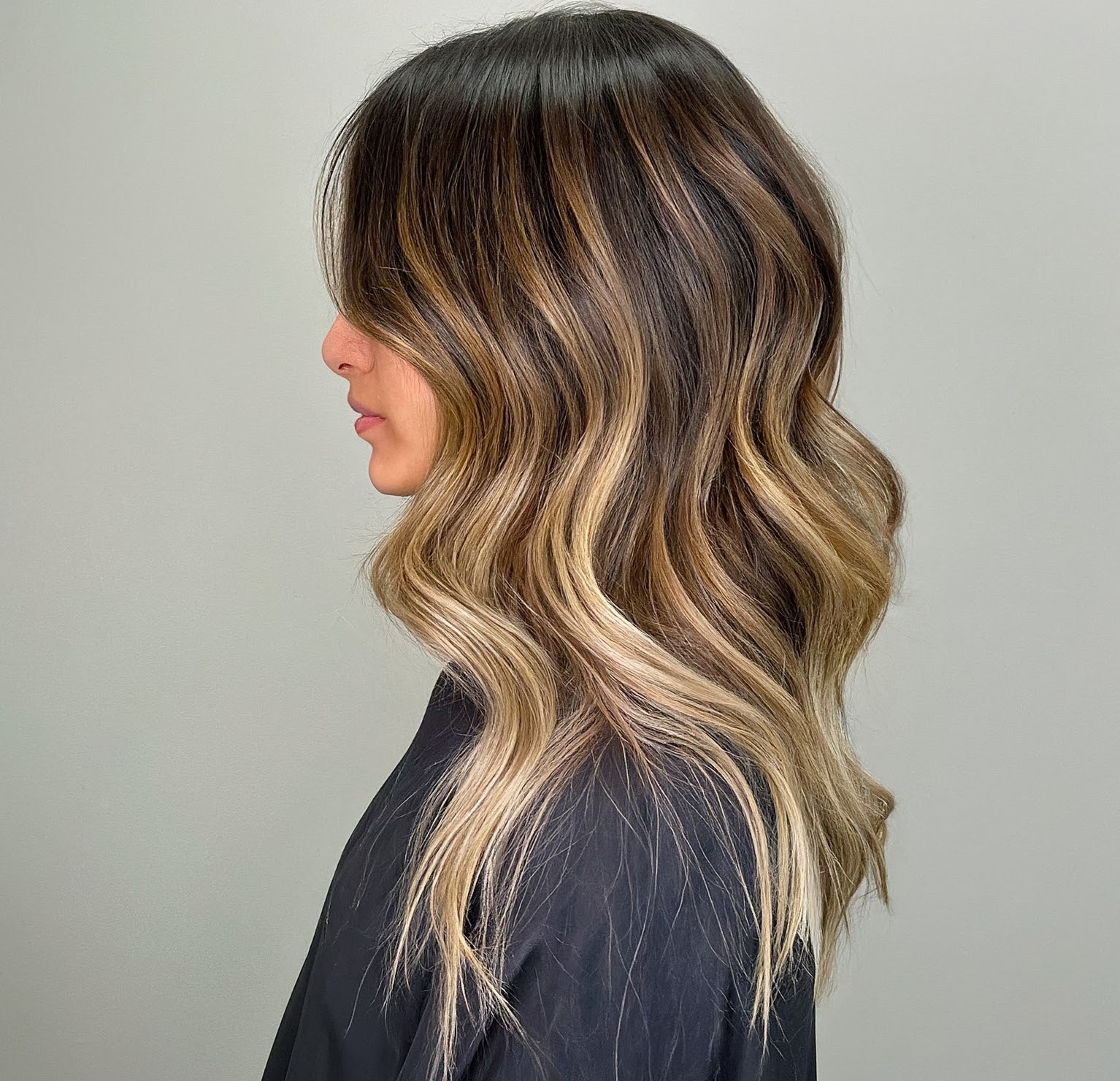
The modern woman searching for sophisticated hair color has likely noticed a shift in salon conversations. Traditional highlighting techniques that dominated salons for decades are giving way to something more refined and versatile. This evolution in hair coloring represents more than just a passing trend – it signals a fundamental change in how women approach their personal style and maintenance routines.
Gone are the days when achieving dimensional color meant sitting for hours with foils wrapped around every section of hair. Today’s busy professionals, mothers, and students need color solutions that work with their schedules rather than against them. The technique gaining momentum combines artistic application with practical benefits, creating results that grow out gracefully rather than leaving obvious regrowth lines after just a few weeks.
Throughout the following sections, you’ll discover the technical differences that set this coloring method apart from traditional approaches. We’ll examine the science behind seamless color blending, understand why so many women are making the switch, learn maintenance strategies that actually work, and look at the variations currently dominating salon requests. Keep reading to understand why this particular coloring technique has become the preferred choice for women seeking both sophistication and practicality.
- What Makes Balayage Ombré Different from Traditional Highlights?
- The Science Behind Perfect Color Blending
- Why Modern Women Choose This Technique Over Others
- How to Maintain Your Color Between Salon Visits
- This Year's Hottest Variations and Trends
- Your Hair Color Journey Starts Here
- Frequently Asked Questions
What Makes Balayage Ombré Different from Traditional Highlights?
The distinction between this modern coloring technique and conventional highlighting methods starts with the application process itself. Rather than wrapping sections in foil, colorists paint the lightener directly onto hair using specialized brushes and boards. This freehand approach gives stylists complete control over placement, allowing them to customize the pattern based on your face shape, hair texture, and personal preferences.
Hand-Painted Technique vs Foil Method
Traditional foil highlights create uniform strips of color from root to tip. Each section receives the same amount of product and processing time, resulting in consistent but sometimes artificial-looking stripes. The hand-painted approach works differently – colorists apply varying amounts of lightener at different points along the hair shaft, concentrating more product toward the ends while feathering it lightly near the roots.
This artistic application method requires significant skill and training. Your stylist essentially becomes a painter, using your hair as a canvas to create depth and dimension. The technique originated in France during the 1970s, where colorists sought to replicate the natural lightening that occurs when hair is exposed to sun and saltwater over time.
Natural Sun-Kissed Effect
The graduated color effect mimics how hair naturally lightens from environmental exposure. Think about how children’s hair often appears lighter at the ends after a summer spent outdoors – this technique recreates that organic progression artificially. The color appears to melt from darker roots into progressively lighter ends, creating a seamless transition that looks effortlessly natural.
Unlike the obvious demarcation lines that traditional highlights can create, this method produces soft, blended results. The color seems to emerge from within the hair rather than sitting on top of it. This subtlety appeals particularly to women in conservative professional environments where dramatic hair changes might not be appropriate.
Customization Possibilities
Every application can be completely unique based on individual preferences and hair characteristics. Your colorist might concentrate lighter pieces around your face to brighten your complexion, or place them strategically to add movement to one-length cuts. The technique adapts to curly, straight, fine, or thick hair textures equally well.
Women with darker base colors can opt for subtle caramel tones that add warmth without stark contrast. Those starting with lighter hair might choose platinum or pearl tones for an ice-queen effect. The gradient can be dramatic with a significant color difference between roots and ends, or subtle with just a few shades of variation.
Some variations worth considering include:
- Partial Application: Color applied only to the front sections framing the face
- Full Head Coverage: Comprehensive application throughout all hair sections
- Money Piece Emphasis: Concentrated lightening around the face for maximum impact
- Reverse Technique: Darker ends with lighter roots for an unexpected twist
Lower Maintenance Requirements
Perhaps the most appealing aspect for busy women is the reduced upkeep compared to traditional coloring methods. Because the color starts away from the scalp and gradually intensifies toward the ends, regrowth appears intentional rather than neglected. Many women can go four to six months between salon visits, compared to the six to eight week timeline for traditional highlights.
This extended timeline between appointments translates to significant time and financial savings over the course of a year. A woman who previously spent six hours annually in the salon chair for highlight touch-ups might reduce that to just two comprehensive appointments. The grow-out phase actually enhances the look rather than detracting from it, as the gradual fade creates even more natural-looking dimension.
The Science Behind Perfect Color Blending
Understanding the technical aspects of seamless color gradients helps explain why this technique produces such striking results. The process involves more than simply applying bleach – it requires knowledge of color theory, hair structure, and chemical interactions to achieve the desired outcome without damaging hair integrity.
Color Theory Basics
Professional colorists work with the color wheel to determine which tones will complement your natural base and skin undertones. Warm undertones in skin pair beautifully with golden, honey, and caramel shades, while cool undertones shine with ash, pearl, and platinum tones. The key lies in selecting colors that enhance rather than clash with your natural coloring.
The concept of depth and tone plays a crucial role in creating dimension. Depth refers to how light or dark the color appears, while tone describes the color’s warmth or coolness. Master colorists manipulate both elements to build complexity within the hair, using multiple shades to create richness that single-process color cannot achieve.
Lightening hair involves lifting the natural pigment, which exposes underlying warm tones. Depending on your starting color, these might be red, orange, or yellow. Your colorist must account for these undertones when formulating the lightener and any toners applied afterward. This scientific approach prevents unwanted brassiness and ensures the final result matches your vision.
Seamless Gradient Creation
The signature gradient effect requires precise product placement and timing. Colorists typically work in vertical sections, applying product more heavily toward the ends while using a lighter touch near the mid-lengths. They might use different processing times for various sections, removing product from some areas before others to create varied levels of lift.
The blending technique itself involves several specialized movements. Colorists use sweeping motions to feather the product upward, creating soft transitions between colored and natural hair. They might also use a technique called “backcombing” or “teasing” at the transition point, which helps diffuse the line between processed and virgin hair.
Hair Texture Considerations
Different hair textures require adjusted application techniques for optimal results. Fine hair processes faster and can become over-lightened easily, so colorists often use gentler formulas or shorter processing times. Coarse hair resists lightening and might need stronger products or multiple sessions to achieve the desired lift.
Curly and wavy textures present unique challenges and opportunities. The natural bends in textured hair can hide transition lines beautifully, but colorists must account for how the hair will look both straight and in its natural state. They often paint each curl individually to ensure even distribution and prevent patchy results.
Porosity – how readily hair absorbs and releases moisture – significantly impacts color results. Damaged or chemically treated hair has higher porosity and processes differently than virgin hair. Your colorist will assess your hair’s condition and adjust the formula accordingly, possibly incorporating bond-building treatments to maintain hair health during the lightening process.
Professional Application Techniques
The tools and products used make a substantial difference in achieving professional-quality results. Colorists use various brush sizes and shapes depending on the effect they’re creating – wider brushes for broad sweeps of color, smaller brushes for detailed work around the face. Some use boards or paddles to support the hair during application, while others prefer working freehand.
Product consistency matters tremendously. The lightener must be thick enough to stay where placed without bleeding into surrounding areas, yet fluid enough to blend smoothly. Professional formulas often include ingredients that help the product adhere to hair while providing conditioning benefits during processing. Many salons now use products containing bond-protecting technology to minimize damage during the lightening process.
Temperature and timing require careful monitoring throughout the service. Hair processes faster with heat, so colorists must account for body heat near the scalp and adjust their technique accordingly. They check the hair frequently during processing, looking for the perfect level of lift before moving to the toning stage.
Why Modern Women Choose This Technique Over Others
The shift toward this coloring method reflects changing priorities in women’s beauty routines. Today’s woman values efficiency, longevity, and versatility in her style choices. This particular technique addresses all three concerns while delivering results that look expensive and professionally maintained even months after the initial appointment.
Time-Saving Benefits
Consider the typical schedule of a working professional or busy parent. Finding three-hour blocks every six weeks for hair appointments becomes increasingly challenging. This coloring method’s extended maintenance schedule means fewer salon visits annually, freeing up valuable time for other priorities.
The application process itself, while initially time-consuming, ultimately saves time over the long term. A comprehensive initial appointment might take three to four hours, but the results last significantly longer than traditional methods. When you calculate total annual salon time, this approach typically requires 40-60% less time commitment than maintaining traditional highlights or single-process color.
Morning styling routines become simpler too. The built-in dimension means hair looks finished with minimal effort – a quick blow-dry or air-drying often suffices. Many women report spending less time on heat styling because the color variation creates visual interest that masks imperfect styling. This daily time savings compounds over weeks and months.
Cost-Effectiveness Long Term
Initial investment for this service typically exceeds the cost of traditional highlights, sometimes significantly. However, the extended time between appointments means lower annual hair color expenses for most women. A woman who previously spent $150 every six weeks on highlight touch-ups might pay $300-400 for this technique but only need service twice yearly.
Breaking down the numbers reveals the true savings:
- Traditional Highlights: 8-9 appointments annually at $150 = $1,200-1,350
- Modern Technique: 2-3 appointments annually at $350 = $700-1,050
- Annual Savings: $150-650 depending on frequency and pricing
Beyond direct service costs, fewer salon visits mean less money spent on transportation, parking, and time away from work. Product usage often decreases too, as the hair requires less frequent toning and fewer color-protecting treatments between appointments.
Versatility Across Hair Types
This coloring method adapts successfully to virtually every hair type and length. Short pixie cuts can incorporate subtle color variation around the face and crown. Shoulder-length styles benefit from movement and dimension that makes hair appear fuller. Long hair becomes a cascading waterfall of gradually lightening color.
Women with naturally gray hair find this technique particularly effective for blending away silver strands without committing to full coverage. The varied tones help camouflage gray regrowth between appointments. As more women opt to transition to their natural gray, this method provides a gentle way to grow out artificial color while maintaining a polished appearance.
The technique works across all ethnicities and hair textures. Asian hair, often resistant to lightening, can achieve beautiful caramel and honey tones. African American women can incorporate subtle burgundy or copper tones. Caucasian hair runs the full spectrum from subtle wheat tones to dramatic platinum ends.
Professional Appearance Maintenance
Corporate environments often have unspoken rules about appropriate appearance. This coloring technique strikes the perfect balance between personality expression and professional polish. The graduated effect appears intentional and expensive rather than grown-out or unkempt.
Video calls have become standard in many professions, making hair appearance more important than ever. This dimensional color looks flattering on camera, adding depth that prevents hair from appearing flat or one-dimensional on screen. The face-framing lighter pieces can actually improve how you appear in video meetings by brightening your complexion.
The technique ages gracefully as well. Unlike stark highlights that can appear harsh as women mature, this softer approach complements changing skin tones. Many women in their 40s, 50s, and beyond find this method more flattering than the highlighting techniques they used in younger years. The customizable nature means colorists can adjust placement and tone to suit each life stage.
How to Maintain Your Color Between Salon Visits
Extending the life of your professional color treatment requires strategic product choices and adjusted hair care routines. The right maintenance approach can add months to your color’s vibrancy while keeping hair healthy and manageable. Understanding which products and techniques work best helps protect your investment.
Product Selection Strategies
Your shampoo and conditioner choices significantly impact color longevity. Purple or blue-toned shampoos neutralize yellow and orange tones that develop in lightened hair over time. Using these products once or twice weekly maintains the cool tones your colorist created. Alternating with a gentle, sulfate-free shampoo prevents over-toning while protecting the hair’s natural oils.
Deep conditioning treatments become essential when hair has been chemically processed. Look for masks containing proteins and moisturizing ingredients like argan oil, shea butter, or keratin. These treatments rebuild hair structure damaged during lightening while sealing the cuticle to lock in color molecules. Apply weekly treatments focusing on the lighter ends where damage concentrates.
Heat protectant products serve double duty – preventing thermal damage while often containing UV filters that prevent sun-induced fading. Apply these before any heat styling, concentrating on the processed portions. Some formulas include color-depositing properties that refresh tones between salon visits.
Home Care Routines
Water temperature affects color retention more than most women realize. Hot water opens the hair cuticle, allowing color molecules to escape. Lukewarm water during washing and a cool rinse afterward helps seal the cuticle, trapping color inside. This simple adjustment can extend color life by weeks.
Washing frequency impacts color longevity significantly. Each shampoo session strips some color, so extending time between washes preserves your investment. Dry shampoo becomes invaluable for maintaining fresh-looking hair between washes. Apply it before bed to allow overnight absorption, waking to refreshed hair that needs no washing.
Protective Styling Methods
Certain styling choices minimize color fading and hair damage. Loose braids or soft buns prevent mechanical damage from friction against clothing and pillows. These styles also reduce the need for daily heat styling, preserving both color and hair health.
Silk or satin pillowcases reduce friction during sleep, preventing both tangles and color-stripping friction. If a specialty pillowcase isn’t feasible, wrapping hair in a silk scarf achieves similar protection. This small change particularly benefits the lighter, more fragile ends.
Swimming requires special precautions to protect processed hair. Chlorine and saltwater both strip color and dry out hair. Before swimming, wet hair thoroughly with clean water and apply a leave-in conditioner to create a barrier. Wearing a swim cap provides ultimate protection, though many women find this impractical. Post-swim, rinse immediately and apply a clarifying treatment to remove chemical residue.
Consider these protective measures for different activities:
- Exercise: Pull hair up to minimize sweat contact with lightened sections
- Sun Exposure: Wear hats or use UV-protection sprays during extended outdoor time
- Sleeping: Loosely tie hair up to prevent tangling and friction
- Harsh Weather: Apply leave-in treatments before exposure to wind or extreme temperatures
Touch-Up Timing
Recognizing when professional service is needed helps maintain optimal appearance. Unlike traditional highlights with obvious regrowth lines, this technique grows out gradually. Most women need professional service when the contrast between roots and color becomes less flattering, typically around four to six months.
Some women extend time between full services with strategic touch-ups. Your colorist might refresh just the face-framing pieces at the three-month mark, maintaining brightness where it matters most while allowing the rest to continue growing naturally. This approach costs less than full service while keeping the overall look fresh.
Root smudging or shadow roots can extend the grow-out period even further. These techniques involve applying a color close to your natural shade at the roots, creating an intentional gradient that grows out imperceptibly. Many colorists now incorporate this automatically, knowing it extends the time between necessary appointments.
This Year’s Hottest Variations and Trends
Current trends in gradient coloring push creative boundaries while maintaining wearability for everyday life. Social media influences these trends heavily, with new variations appearing monthly. Understanding which trends have staying power helps you make informed decisions about your next salon appointment.
Reverse Balayage Techniques
Traditional application lightens from midshaft to ends, but reverse techniques darken the ends while keeping roots lighter. This unexpected approach creates drama and edge while remaining surprisingly wearable. Women with naturally light hair find this particularly striking, as it adds depth without requiring frequent root touch-ups.
The application process for reverse techniques mirrors traditional methods but uses darker colors instead of lighteners. Colorists might incorporate rich chocolate browns, deep auburns, or even fashion colors like navy or purple. The gradient flows from light to dark, creating an ombré effect that defies expectations.
This variation particularly suits women seeking change without lightening damage. Depositing color causes less structural damage than lifting it, making this option ideal for those with compromised hair. The darker ends also create an illusion of fuller, thicker hair, benefiting those with fine or thinning textures.
Maintenance for reverse techniques often proves simpler than traditional lightening. Darker colors fade gradually and often beautifully, transitioning through various complementary shades. Regular glossing treatments refresh the color without requiring full reapplication.
Color Combination Trends
Multi-tonal approaches incorporate several colors within the gradient for complex, rich results. Rather than a simple blonde progression, colorists might weave in strawberry, honey, and platinum tones. These combinations create movement and depth impossible with single-color applications.
Fashion colors integrated into natural progressions gained popularity this year. Subtle hints of rose gold, lavender, or mint peek through natural tones, adding personality without overwhelming. These colors typically concentrate in specific sections, allowing easy removal if you tire of them.
The “lived-in” color trend emphasizes ultra-natural results that appear to have developed over time rather than in a salon chair. Colorists use multiple subtle shades close to your natural color, creating dimension visible only in certain lights. This understated approach appeals to women in conservative fields or those preferring subtle enhancement.
Face-Framing Options
Strategic placement around the face brightens complexions and emphasizes features. Money pieces – bold, face-framing highlights – create instant impact with minimal processing. These sections can be maintained independently, allowing the rest of the hair to grow naturally while keeping the face bright.
Curtain lights focus color at the hairline and temples, mimicking how sun naturally lightens these areas. This placement flatters nearly every face shape while requiring minimal product and processing time. The technique works particularly well for women wanting to test lighter colors without committing to full head processing.
Face-framing color can also correct and balance features. Lighter pieces near the cheekbones create width in narrow faces. Darker sections near the jawline can minimize width in round faces. Your colorist can customize placement to enhance your best features while minimizing areas of concern.
Seasonal Adaptations
Many women adjust their gradient colors seasonally, warming tones for fall and winter, cooling them for spring and summer. These adjustments need not require complete color changes – often a toning treatment suffices to shift the overall effect.
Summer variations often incorporate beachy, sun-kissed tones reminiscent of vacation hair. Colorists might add extra brightness around the face and surface layers where sun would naturally hit. These touches create a fresh, youthful appearance perfect for warm weather fashion.
Winter adaptations might deepen the root area while maintaining lighter ends, creating contrast that complements darker winter wardrobes. Rich caramel and toffee tones replace summer’s golden hues, providing warmth against winter’s cool palette. Some women add subtle burgundy or mahogany tones for holiday season drama.
Transitional seasons offer opportunities for dramatic changes or subtle refreshers. Spring might bring pastel washes over blonde ends, while fall introduces spicy coppers and auburns. These seasonal changes keep the look fresh and current without requiring complete color overhauls.
Your Hair Color Journey Starts Here
The evolution from traditional highlighting to modern gradient techniques represents more than a simple trend shift. This transformation reflects how contemporary women prioritize their time, money, and appearance in an increasingly demanding world. The ability to maintain sophisticated, expensive-looking color with fewer salon visits and less daily maintenance appeals to women across all lifestyles and professions.
Whether you’re a busy executive needing polish without constant upkeep, a creative professional wanting expressive color that still looks refined, or a mother juggling multiple responsibilities with limited salon time, this versatile technique adapts to your needs. The initial investment pays dividends through reduced maintenance requirements and extended wear that actually improves as it grows out. Your next salon appointment could mark the beginning of a simplified yet elevated approach to hair color that fits seamlessly into your modern life.
Frequently Asked Questions
Q: How long does the initial coloring appointment take?
A: The first appointment typically requires 3-4 hours depending on your hair length, thickness, and desired result. This includes consultation, application, processing, toning, and styling.
Q: Will this technique damage my hair more than regular highlights?
A: This method often causes less damage than traditional highlights because the product doesn’t saturate hair from root to tip. The concentrated application on mid-lengths and ends means less overall processing.
Q: Can I achieve this look if I have previously colored hair?
A: Yes, but your colorist needs to know your hair history. Previous color might affect processing time and final results. Sometimes a color correction session is necessary before achieving your desired look.
Q: How much should I expect to pay for this service?
A: Prices vary significantly by location and salon level, typically ranging from $150-500. Metropolitan areas and high-end salons charge more, but the extended wear time often makes the per-month cost comparable to or less than traditional highlighting.
Q: What’s the difference between balayage and ombré?
A: Balayage refers to the hand-painting application technique, while ombré describes the gradient effect from dark to light. Balayage ombré combines both – using the hand-painting technique to create the gradient effect.
Q: Can this technique cover gray hair?
A: While not specifically designed for gray coverage, the varied tones help blend gray naturally. Your colorist can adjust placement and tone selection to camouflage gray while maintaining the gradient effect.
Q: How do I know if my stylist is qualified to perform this technique?
A: Ask about specific training and request to see portfolio photos of their work. Many colorists receive specialized certification in these techniques. Don’t hesitate to consult with multiple stylists before committing.
Q: Is this suitable for short hair?
A: Absolutely. Short styles benefit from the dimension and movement this technique creates. Your colorist will adjust placement and intensity to complement your specific cut and length.

