

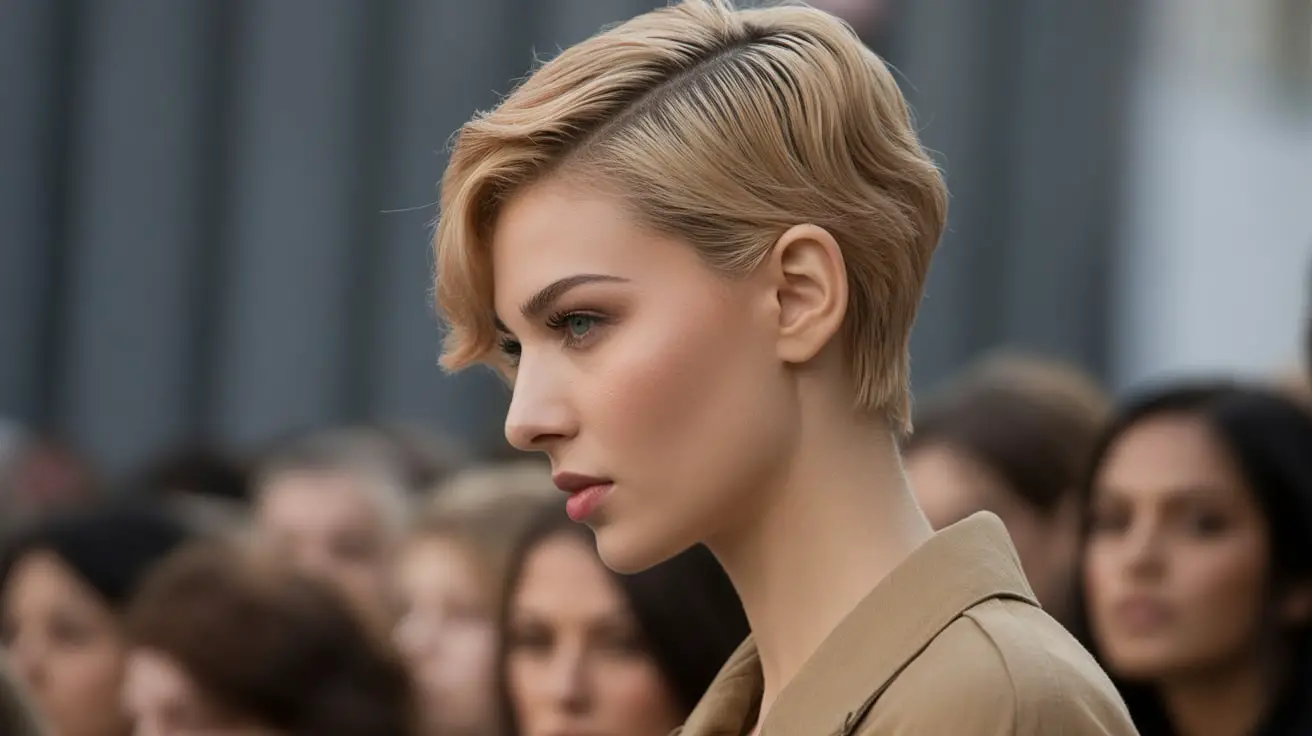
Short hair has held a special place in fashion history for decades. The pixie cut, with its cropped length and bold statement, first gained widespread popularity in the 1950s and has never truly left the spotlight. What makes certain pixie styles particularly special is their ability to look fresh and modern regardless of the passing years. These vintage versions carry a sophistication and refinement that contemporary interpretations often try to recreate.
The appeal of a vintage pixie lies in its precision and structure. Unlike some modern cuts that prioritize texture and deliberate messiness, classic pixies focus on clean lines and intentional shaping. This creates a polished appearance that works equally well in professional settings and casual environments. The cut frames the face beautifully while requiring minimal daily styling effort. Many women find that once they try a well-executed pixie, they never return to longer styles.
Let’s talk about what makes a pixie cut truly vintage, the specific variations that have stood the test of time, how to select the right version for your features, and the best ways to style and maintain this haircut. You’ll also learn why these particular styles continue to captivate women generation after generation.
What Defines a Vintage Pixie Cut?
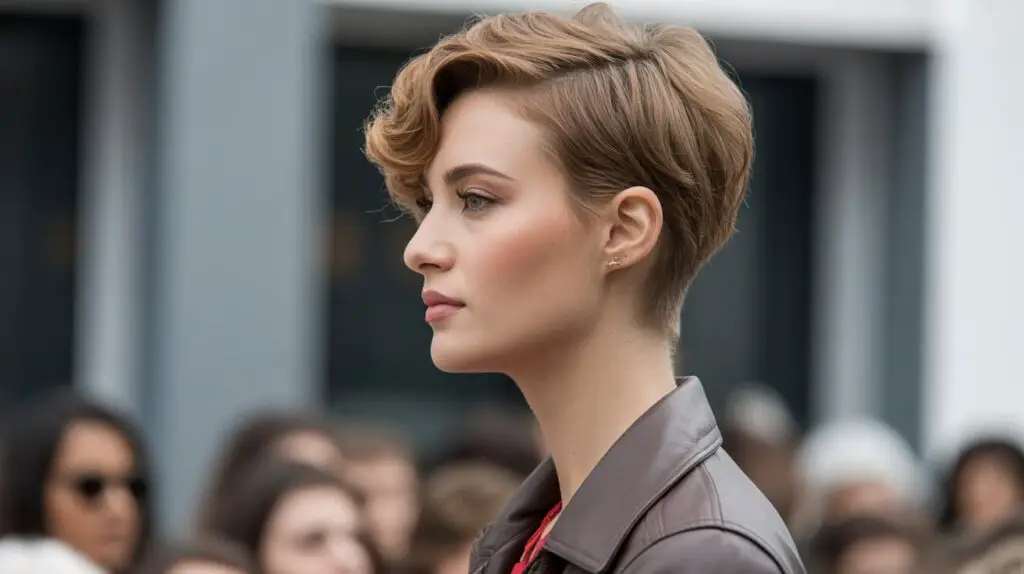
A vintage pixie carries distinct characteristics that separate it from contemporary short cuts. The foundation lies in precise cutting techniques that create structured shapes rather than choppy, randomized layers. These cuts follow the natural contours of your head while maintaining deliberate length variations throughout. The back typically sits close to the nape, while the top retains slightly more length for styling versatility.
Classic Characteristics and Features
The hallmark of a vintage pixie includes tapered sides that gradually blend into longer top sections. This creates dimension without the disconnected appearance common in modern styles. The perimeter follows clean lines rather than feathered or textured edges. You’ll notice that authentic vintage versions avoid the heavily layered look, instead favoring smooth transitions between different sections of hair.
Crown height plays a crucial role in achieving that classic appearance. The top section should have enough length to create lift and movement, typically ranging from one to three inches depending on your hair texture and desired volume. This allows for styling flexibility while maintaining the cut’s signature shape. The graduation from longer crown hair to shorter sides creates a flattering silhouette that enhances facial features.
How Vintage Pixies Differ from Modern Versions
Contemporary pixie cuts often emphasize texture, choppy layers, and deliberate asymmetry. They might feature undercut sections, extreme length differences, or intentionally messy styling. Vintage versions take a more refined approach, prioritizing elegance and polish over edginess. The cutting technique focuses on creating a cohesive shape that looks intentional and sophisticated.
Modern pixies frequently rely heavily on styling products and daily manipulation to achieve their look. Classic cuts, by contrast, fall naturally into place with minimal effort. This practical aspect made them particularly popular during eras when women had limited time for elaborate hair routines. The shape does the work, eliminating the need for extensive daily styling.
The Timeless Appeal of Structured Cuts
Structured pixies flatter a wide range of face shapes because of their precision. The carefully planned angles and proportions can highlight your best features while minimizing areas you’d prefer to downplay. This thoughtful approach to cutting creates a universally appealing result that transcends temporary trends.
The clean lines of vintage pixies photograph beautifully, which partially explains their enduring presence in fashion imagery. Whether captured in black and white or color, these cuts maintain visual interest through shape rather than relying on color techniques or texture. This simplicity proves surprisingly versatile across different styling contexts.
Key Elements That Make Them “Vintage”
Several specific features identify a pixie as vintage-inspired. The nape typically tapers to a point rather than being bluntly cut or shaved. Sideburns, if present, are kept feminine and short rather than extended or shaped into dramatic angles. The hairline around the ears is cleanly defined, creating a groomed appearance.
Length proportions follow traditional guidelines, with the longest sections rarely exceeding three inches. This keeps the overall silhouette compact and close to the head, maintaining the pixie designation rather than venturing into longer short-cut territory. The styling direction typically moves away from the face, opening up your features rather than covering them. These technical details combine to create that unmistakable vintage aesthetic that continues to appeal to women seeking timeless style.
Iconic Vintage Pixie Variations That Still Turn Heads
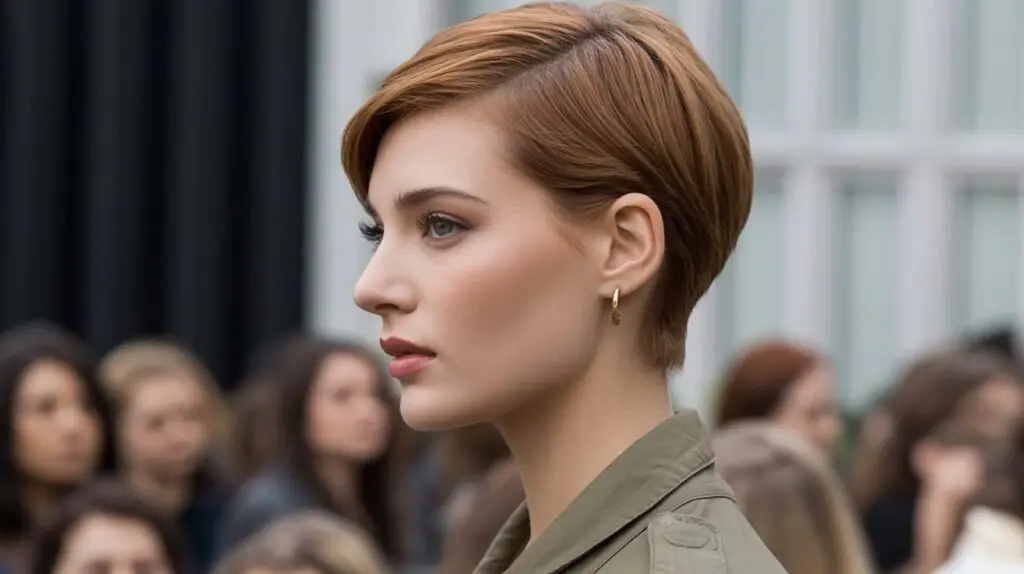
The beauty of vintage pixies lies in their surprising variety. While all share certain structural elements, different eras produced distinct interpretations that reflected the fashion sensibilities of their time. Understanding these variations helps you identify which version might work best for your personal style and hair characteristics.
The Classic 1960s Crop
This version revolutionized women’s hairstyling with its radical departure from the longer styles that dominated previous decades. The 1960s crop features extremely short sides and back, with slightly more length at the crown for subtle shaping. The cut sits very close to the head, creating a sleek, helmet-like shape that emphasizes facial features. Styling typically involves smooth, polished finishes rather than texture or volume.
The angular precision of this cut requires regular maintenance to preserve its shape. Your stylist will need to trim it every four to six weeks to prevent the silhouette from losing definition. This particular variation works exceptionally well for women with fine to medium hair density, as it doesn’t require substantial thickness to achieve the desired look.
The Textured 1980s Pixie
Moving into a different decade, pixie cuts gained more volume and movement. The 1980s interpretation introduced layers throughout the crown and sides, creating lift and dimension. While still maintaining the short overall length that defines a pixie, this version allows for more styling creativity. You can add height at the crown, sweep the longer pieces to one side, or create all-over texture.
This variation suits women with naturally wavy or thick hair particularly well. The built-in texture prevents the cut from appearing flat or lifeless. Modern adaptations of this style often reduce the extreme volume associated with the era while maintaining the layered structure that gives the cut its characteristic movement.
The Sleek Mod Cut
Drawing inspiration from the mod fashion movement, this pixie emphasizes geometric precision and glossy finishes. The cut features sharp angles and clean lines, often with a distinctive longer section that sweeps across the forehead. The sides and back remain quite short, creating dramatic contrast with the longer front pieces. This asymmetrical element adds visual interest while maintaining overall sophistication.
Achieving the signature shine requires proper hair care and styling techniques. Smooth, straight hair types naturally suit this variation, though other textures can achieve the look with appropriate products and tools. The angular nature of the cut particularly flatters women with oval or heart-shaped faces, as the lines create attractive framing.
The Feathered Vintage Style
Feathering techniques introduce softness to the pixie framework without sacrificing its fundamental structure. This approach uses point-cutting methods to create wispy, graduated ends that add movement and delicacy. The overall shape remains recognizably pixie-like, but the edges appear less severe than blunt-cut versions. This makes the style appear more approachable and feminine while retaining the practical benefits of short hair.
The feathered approach works across various hair textures and face shapes. The softened edges can minimize a strong jawline or balance out angular features. Styling typically involves finger-combing products through the hair to enhance the natural direction of the feathered pieces. This version requires less frequent trims than razor-sharp cuts, as slight growth doesn’t immediately compromise the intended appearance.
Romantic Soft Pixie Variations
Some vintage pixies prioritize softness over structure, creating a more romantic aesthetic. These versions maintain short length while incorporating curved lines and rounded shapes rather than angular geometry. The cutting technique creates a softer silhouette that appears less dramatic than other pixie interpretations. Length variations are graduated more gently, and the overall effect reads as delicate rather than bold.
This particular style particularly suits women who want the convenience of a pixie without the stark appearance of more structured versions. The softer approach flatters round faces by avoiding harsh lines that might emphasize facial curves. Natural texture enhances this variation, as slight wave or curl adds to the romantic quality. You’ll find this version requires moderate styling effort—more than the sleekest pixies but less than heavily textured interpretations.
How to Choose the Right Vintage Pixie for Your Face Shape
Selecting the most flattering pixie variation depends heavily on your facial structure. The same cut can look dramatically different on two women with different face shapes. Understanding your features helps you work with your stylist to customize a vintage pixie that enhances your natural assets.
Understanding Your Face Structure
Before choosing a specific pixie style, assess your face shape accurately. Pull your hair completely away from your face and examine the width of your forehead, cheekbones, and jawline. Notice whether your face is longer than it is wide, or roughly equal in both dimensions. Identify whether you have angular or rounded features, as this influences which cut elements will work best.
Take photos from multiple angles to share with your stylist during consultation. Images help communicate your facial proportions more clearly than verbal descriptions alone. Your stylist can use these references to suggest modifications to classic pixie styles that will specifically flatter your features. This collaborative approach produces better results than simply showing a photo of someone else’s haircut and requesting an identical copy.
Pixies for Oval Faces
Oval face shapes offer the most versatility for pixie cuts because of their balanced proportions. Nearly any vintage pixie variation can work well with this face shape. You can choose structured geometric cuts, soft romantic versions, or anything in between based on personal style preferences rather than concerns about proportion. The natural balance of an oval face means the haircut won’t need to correct or camouflage particular features.
That said, you can use your pixie to emphasize specific assets. If you love your cheekbones, ask your stylist to keep length at the crown while going shorter at the sides, creating vertical emphasis that draws attention upward. For highlighting your eyes, consider versions with longer pieces near the temples that can be swept forward slightly. The flexibility of working with an oval face shape allows for experimentation with different pixie interpretations.
Flattering Options for Round Faces
Round faces benefit from pixie cuts that add height and create the illusion of length. Avoid styles that add width at the sides, as this emphasizes roundness. Instead, choose versions with substantial volume at the crown and shorter, tapered sides. This vertical emphasis elongates your face shape visually. The classic 1960s crop works particularly well because it hugs the sides closely while maintaining crown height.
Consider these specific adjustments for round faces:
Side Length: Keep hair at the temples and sides quite short to prevent widening your face visually.
Crown Volume: Request extra layers at the top to create lift and height that lengthens your appearance.
Sideburn Area: Taper this section very short to create definition along your jawline rather than roundness.
Front Pieces: If including longer sections near the face, angle them diagonally rather than allowing them to swing forward at cheek level.
Overall Shape: Aim for a pixie that creates an oval illusion through strategic length placement rather than following your natural face contours exactly.
Angular Cuts for Square Faces
Square faces, characterized by a strong jawline and similar width at forehead and jaw, benefit from pixies that soften angular features. Avoid severely geometric cuts that mirror your facial angles, as this creates repetition rather than balance. Instead, choose versions with curved lines and softer edges. The feathered vintage style works particularly well, as the wispy texture provides contrast to angular bone structure.
Length near the jawline requires careful consideration. Going too short in this area can emphasize jaw width, while strategic length can actually soften this feature. Many women with square faces find that keeping some length at the nape and sides, with proper tapering, creates a more flattering effect than ultra-short crops. Your stylist can angle the cut to draw attention upward toward your eyes rather than emphasizing the lower face.
Heart-Shaped Face Considerations
Heart-shaped faces feature wider foreheads and narrower chins, creating an inverted triangle appearance. Pixie cuts can beautifully balance these proportions by adding width at the jawline while keeping the forehead area sleeker. The textured 1980s pixie works well because it allows for volume that can be directed to create width where needed. Avoid styles that add excessive height at the crown, as this can emphasize the wider forehead.
Side-swept longer sections work particularly well with heart-shaped faces. The diagonal movement across the forehead breaks up its width while the ends at jaw level add visual weight to the narrower lower face. You might also consider slightly longer lengths near the ears and nape compared to other face shapes, as this added volume balances your proportions effectively. Soft, curved lines generally prove more flattering than sharp, angular cuts for this face shape.
Styling and Maintaining Your Vintage Pixie
The practical realities of living with a pixie cut differ significantly from longer hairstyles. Understanding proper maintenance and styling techniques helps you keep your cut looking polished between salon visits. Most women find that once they master these basics, a pixie requires less daily time than their previous longer styles.
Daily Styling Techniques
Your morning routine with a pixie can be remarkably quick. Start with slightly damp hair for easiest manipulation. Apply a small amount of lightweight product, working it through with your fingers rather than a brush. The natural oils from your fingertips help control flyaways while distributing product evenly. For most vintage pixie variations, you’ll want to direct hair away from your face, following the cut’s intended movement.
A blow dryer becomes your primary styling tool. Use a small round brush for sections where you want lift, directing airflow from roots to ends. For sleeker versions, aim the dryer downward to smooth the cuticle and enhance shine. The entire process typically takes five to ten minutes once you’ve practiced the technique. On days when you’re rushed, a pixie often looks presentable with minimal intervention, unlike longer styles that might appear unkempt without proper styling.
Products That Work Best
Pixie cuts require different products than longer hair. Heavy creams and oils can quickly overwhelm the limited hair surface area, making your cut appear greasy. Instead, choose lightweight mousses, styling creams, or pomades that provide hold without residue. A volumizing spray at the roots helps maintain lift at the crown throughout the day. For shinier, sleeker pixies, a small amount of shine serum smoothed over the surface adds polish.
Dry shampoo becomes particularly useful between washes. Because pixies sit close to your scalp, they can show oil more quickly than longer styles. A light application of dry shampoo refreshes your cut and adds texture for easier styling. Experiment with different products to find combinations that work with your specific hair texture and the particular pixie variation you’re wearing.
Keeping the Shape Fresh
Regular trims are non-negotiable for maintaining a pixie’s intended shape. Most women need appointments every four to six weeks, though faster-growing hair might require more frequent visits. As the cut grows out, the proportions shift, and what once looked polished can appear unkempt. The sides and back particularly require attention, as they lose their tapered definition quickly.
Between salon visits, you can maintain neatness around the edges yourself if you’re comfortable with small trimmers. Many women clean up the nape and around the ears to extend time between appointments. However, avoid attempting to cut the actual style yourself, as proper pixie shaping requires professional training. The investment in regular maintenance proves worthwhile for keeping your cut looking intentional rather than neglected.
Growing Out Gracefully
Eventually, you might decide to grow your pixie longer. This process requires patience and strategic trimming. Work with your stylist to develop a growth plan that maintains a flattering shape at each stage. You’ll typically keep the back shorter while allowing the top and sides to lengthen gradually. This prevents the awkward mullet effect that can occur with unplanned pixie growth.
During the growing-out phase, experiment with styling techniques that work with transitional lengths. Headbands, small clips, and styling products help manage pieces that might otherwise stick out at odd angles. Accept that some stages of growth will look less polished than others. This temporary inconvenience represents the price of transitioning to a different length. Most women find the process takes nine to twelve months to reach a short bob length.
Color Choices That Enhance Vintage Appeal
Hair color significantly impacts how vintage or modern your pixie appears. Classic colors like natural brunette, blonde, or black tend to enhance the retro quality of vintage pixie cuts. These solid, single-process colors allow the cut’s shape to remain the focal point rather than competing with dramatic color variations. Rich, warm tones add dimension without requiring the highlighted or balayaged techniques common in contemporary coloring.
If you prefer color variety, consider subtle lowlights or highlights that add depth without creating stark contrast. Avoid chunky highlights or unnatural color placements that read as contemporary. Instead, choose colors only a few shades different from your natural tone, applied in fine sections throughout. This creates dimension while maintaining a sophisticated appearance appropriate to vintage styling. Gray coverage can be achieved through single-process color that looks natural and timeless rather than attempting to blend grays with highlights, which often appears more modern.
Why These Styles Never Fade
Certain haircuts transcend their original time periods to become truly timeless. Vintage pixies fall into this category because they satisfy multiple practical and aesthetic needs simultaneously. Understanding what makes these styles endure helps explain their continued popularity across generations of women.
The Psychology of Timeless Cuts
Humans respond positively to balanced proportions and intentional design. Vintage pixies satisfy these preferences through their carefully planned shapes and clean lines. The precision of these cuts appeals to our appreciation for order and structure. Unlike trend-driven styles that might look dated within a few years, well-executed vintage pixies avoid temporal markers that identify them with specific eras. This quality allows them to feel current regardless of surrounding fashion trends.
The confidence associated with wearing a pixie also contributes to its timeless appeal. Cutting your hair short requires a certain boldness that others perceive positively. This psychological aspect transcends specific decades, making the choice to wear a pixie feel consistently modern and self-assured. Women who choose these cuts often report feeling more authentically themselves, a sensation that doesn’t diminish with changing fashion cycles.
Versatility Across Decades
Vintage pixies adapt surprisingly well to different styling approaches without losing their fundamental character. You can style the same cut sleek and polished for professional environments, then add texture and movement for casual settings. This flexibility means one haircut serves multiple purposes, eliminating the need for dramatically different styles for various occasions. The cut works equally well with tailored business attire and relaxed weekend clothing.
Different styling products and techniques can shift the cut’s mood without changing its structure. A bit of pomade creates a polished, sophisticated look, while texturizing spray produces a more relaxed appearance. This adaptability helps vintage pixies remain relevant as styling preferences shift. The underlying cut stays constant while surface styling adjusts to current preferences, allowing the style to feel fresh across multiple decades.
Low Maintenance Appeal
Modern life moves quickly, and many women prioritize efficiency in their daily routines. Vintage pixies offer practical benefits that long hair cannot match. The minimal styling time required each morning proves invaluable for busy women juggling multiple responsibilities. Quick showers, fast drying times, and simple styling routines free up time for other priorities. This practical advantage never goes out of style.
The reduced need for extensive hair care products also appeals to women seeking simplified routines. A few key products replace the numerous serums, treatments, and styling aids that longer hair often requires. Less product use saves both money and time, practical benefits that remain consistently valuable regardless of fashion trends. The cut’s low-maintenance nature becomes increasingly attractive as women’s professional and personal lives grow more demanding.
Professional Yet Playful
Vintage pixies walk an interesting line between serious and fun. The structured nature of these cuts reads as polished and professional in workplace environments. The short length appears neat and controlled, qualities valued in many business settings. Simultaneously, the boldness of wearing short hair signals creativity and confidence. This dual nature makes vintage pixies appropriate for a remarkably wide range of contexts.
The ability to shift between these two presentations—professional and playful—without changing the actual cut adds to the style’s enduring appeal. Your haircut accommodates both sides of your personality without requiring you to choose between them. This versatility proves valuable throughout your life as your needs and circumstances evolve. The same pixie that works for corporate presentations translates seamlessly to social gatherings.
Confidence and Self-Expression
Choosing a pixie cut makes a statement about self-acceptance and confidence. These styles draw attention to facial features rather than hiding behind longer hair. Women who wear pixies typically project self-assurance, a quality that never goes out of fashion. The cut becomes part of your personal identity rather than a temporary style choice, creating a stronger connection between your appearance and your sense of self.
This deeper relationship with your haircut explains why many women who try pixies never return to longer styles. The cut becomes integrated into how you see yourself and how others perceive you. This psychological investment in the style contributes to its longevity, as women maintain their pixies across many years rather than treating them as temporary experiments. The confidence boost from wearing a pixie successfully persists regardless of changing trends, making the style perpetually relevant.
The Lasting Power of Classic Short Cuts
Short hair holds a special place in women’s style choices that longer lengths cannot replicate. The vintage pixie variations we’ve explored offer something rare in fashion: true timelessness. These cuts avoid the pitfalls of trendy styles that date quickly, instead providing a foundation that works across decades. Your choice to wear a classic pixie connects you to a long tradition of women who have found freedom, confidence, and style in shorter hair.
The technical precision of these cuts, combined with their practical benefits and psychological impact, explains their enduring popularity. Whether you choose the sleek mod cut, the textured variation, or a soft romantic interpretation, you’re selecting a style that has proven its worth across generations. These pixies continue to turn heads not because they’re shocking or unusual, but because they represent thoughtful design and confident self-expression. Your vintage-inspired pixie will serve you well, looking just as appropriate and stylish today as it would have decades ago—and as it will years from now.
Frequently Asked Questions
Q: How often should I trim my vintage pixie to maintain its shape?
A: You’ll need trims every four to six weeks to keep your pixie looking sharp. The sides and back grow out quickly, losing their tapered definition. Regular maintenance prevents your cut from appearing unkempt as it grows. Women with faster-growing hair might need appointments closer to every four weeks.
Q: Can I wear a vintage pixie if I have curly or wavy hair?
A: Yes, but choose your specific pixie variation carefully. The textured 1980s pixie and softer romantic versions work beautifully with natural wave or curl. Very tight curls might struggle with styles requiring sleekness. Discuss your hair texture with your stylist to find a vintage pixie that works with rather than against your natural pattern.
Q: Will a pixie cut make my face look rounder?
A: Not if you choose the right variation for your face shape. Pixies with height at the crown and shorter, tapered sides actually elongate round faces visually. Avoid styles that add width at ear level. Strategic length placement can make any face shape appear more oval and balanced.
Q: What’s the biggest difference between vintage and modern pixie cuts?
A: Vintage pixies emphasize structure, clean lines, and polished finishes. Modern versions often feature heavy texturing, disconnected lengths, and deliberately messy styling. Classic cuts rely on precise shaping that looks intentional with minimal styling effort, while contemporary pixies frequently require extensive product use and daily manipulation.
Q: How long does it take to style a pixie cut each morning?
A: Most women spend five to ten minutes styling their pixies daily. This includes applying product, blow-drying, and final shaping. Some sleeker versions require even less time. Compare this to longer styles that often need twenty to thirty minutes for proper styling. The time savings represents one of the major practical benefits of pixie cuts.
Q: Can I grow out a pixie gracefully if I change my mind?
A: Yes, with patience and strategic trimming. Work with your stylist to develop a growth plan that maintains shape at each stage. Keep the back shorter while allowing the top and sides to lengthen gradually. The process typically takes nine to twelve months to reach a short bob length. Some awkward phases are inevitable, but proper management minimizes them.
Q: What face shapes look best with vintage pixie cuts?
A: Oval faces have the most versatility and can wear any pixie variation successfully. Heart-shaped faces benefit from styles with width at the jawline. Square faces look great with softer, curved pixies that contrast angular features. Round faces need height at the crown and shorter sides. With proper customization, every face shape can find a flattering vintage pixie option.
Q: Do pixie cuts require special hair care products?
A: Yes, but fewer products overall than longer hair. Choose lightweight mousses, styling creams, or pomades rather than heavy products that overwhelm short hair. A volumizing spray, shine serum, and dry shampoo cover most daily needs. Avoid products designed for long hair, as they often contain ingredients that weigh down pixie cuts.
Q: Will cutting my hair into a pixie damage it?
A: No, cutting hair doesn’t damage it. In fact, removing old, potentially damaged ends often improves overall hair health. The regular trims required to maintain a pixie keep your hair in consistently good condition. You might notice your hair appearing thicker and healthier because damaged lengths are removed frequently.
Q: Can older women wear vintage pixie cuts successfully?
A: Absolutely. Vintage pixies often prove particularly flattering on mature women because the clean lines and polished appearance appear sophisticated and elegant. The cut draws attention to facial features and bone structure rather than highlighting hair texture changes that often occur with aging. Many women find that short hair becomes increasingly appealing as they get older because of its practical benefits and timeless sophistication.

