

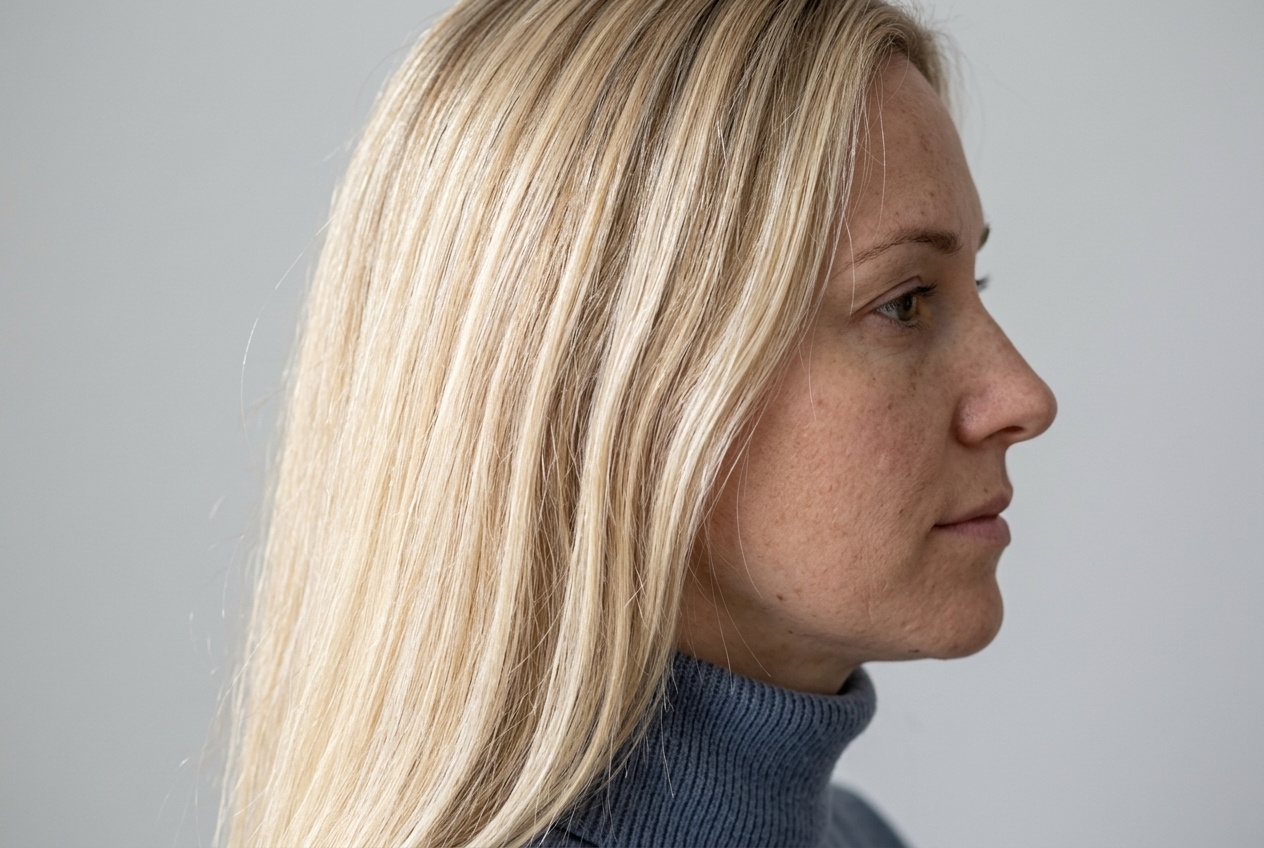
There’s a shade of blonde that manages to feel both soft and striking at the same time — warm enough to glow, cool enough to stay polished. It doesn’t lean too yellow, too icy, or too golden. It sits somewhere in between all of those, quietly outshining them all. Vanilla blonde is that sweet spot, and it’s been showing up in salons across the country for a reason.
What makes this hair color so appealing is how it works. Vanilla blonde sits between platinum and golden blonde, giving you a shade that isn’t stark white, not overly warm, but a creamy, luminous blend of both. It’s multi-tonal by nature, meaning even a single application picks up different reflects depending on the light. Women with fair, medium, or even deeper skin tones have found ways to wear it — it really does come down to how the color is customized with warmer or cooler undertones to suit your complexion.
The eight ideas below cover everything from full transformations to subtle additions, so whether you’re ready to go all in or just want to test the waters, there’s something here for you. Some of these styles are best done at a salon, others can be refreshed at home — and all of them deliver that bright, creamy finish that makes this color so sought-after right now.
- 1. Classic Full-Head Vanilla Blonde
- 2. Vanilla Blonde Balayage
- 3. Vanilla Blonde Highlights
- 4. Rooted Vanilla Blonde (Lived-In Look)
- 5. Vanilla Blonde Ombre
- 6. Golden Vanilla Blonde
- 7. Strawberry Vanilla Blonde
- 8. Vanilla Chai Blonde
- Which Skin Tone Does This Color Suit?
- How to Keep the Color Looking Fresh
- The Bright, Creamy Look Is Worth Getting Right
- Frequently Asked Questions
1. Classic Full-Head Vanilla Blonde
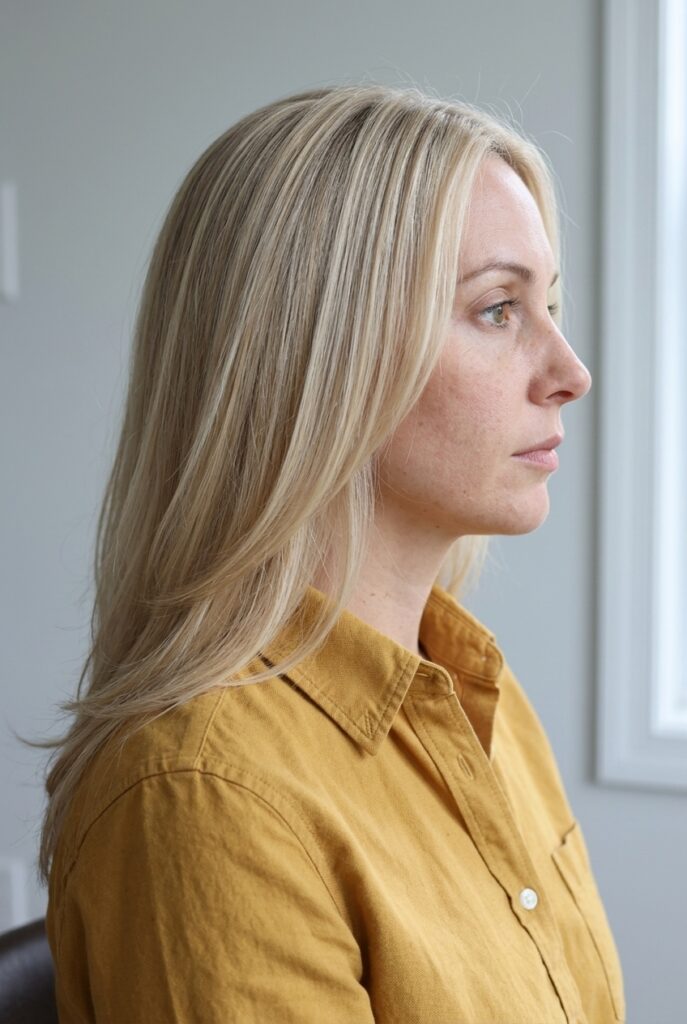
If you want the full effect, an all-over application of this color is the place to start. This works especially well for women with fair to medium skin tones, since the creamy softness of the shade naturally complements lighter complexions without washing them out. The result is a clean, bright look with just enough warmth to feel natural and just enough coolness to stay fresh.
For the best results with a full-head application, your colorist will likely pre-lighten your hair first and then tone it to that signature creamy finish. The toning step is what truly makes or breaks this color — too warm and it tips into yellow territory, too cool and you lose that soft, buttery quality that sets it apart from platinum or ash blonde.
2. Vanilla Blonde Balayage
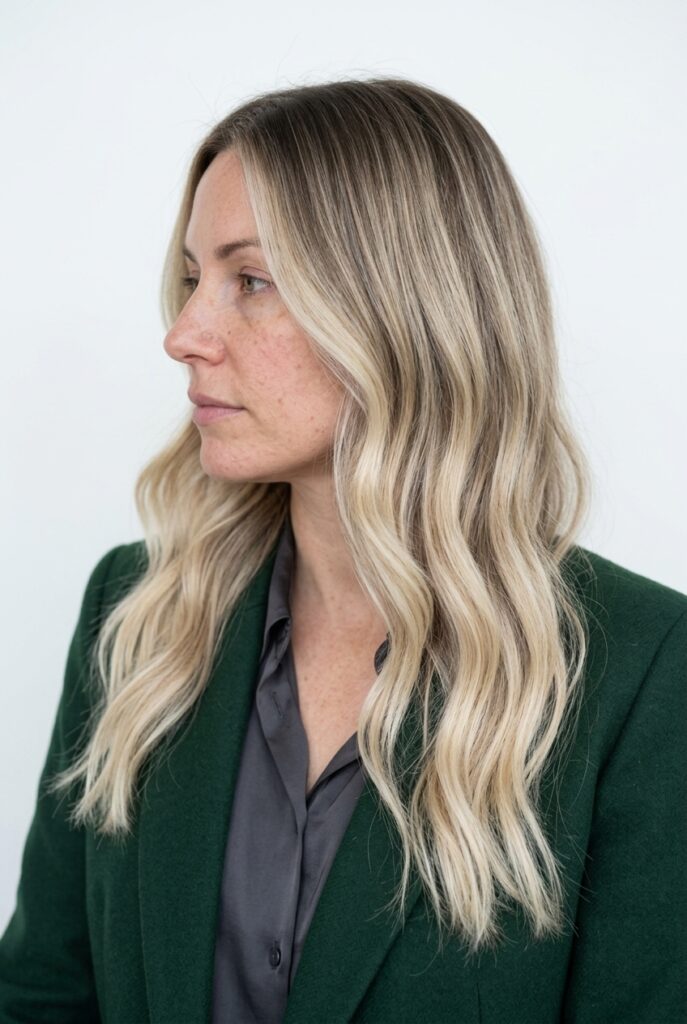
Balayage continues to be one of the most requested coloring techniques, and for good reason — it creates a gradient effect that looks like the sun did the work. When this hand-painted technique is applied using creamy, neutral blonde tones, the result is soft, dimensional, and almost effortlessly chic.
The beauty of this approach is that it grows out gracefully. Because the color is painted onto sections rather than applied root to tip, the regrowth line stays soft and blended. This makes it one of the lower-maintenance ways to wear lighter hair, with touch-ups typically needed every 10 to 12 weeks rather than every six. It works well on medium to long hair, where the gradient has space to develop naturally.
3. Vanilla Blonde Highlights
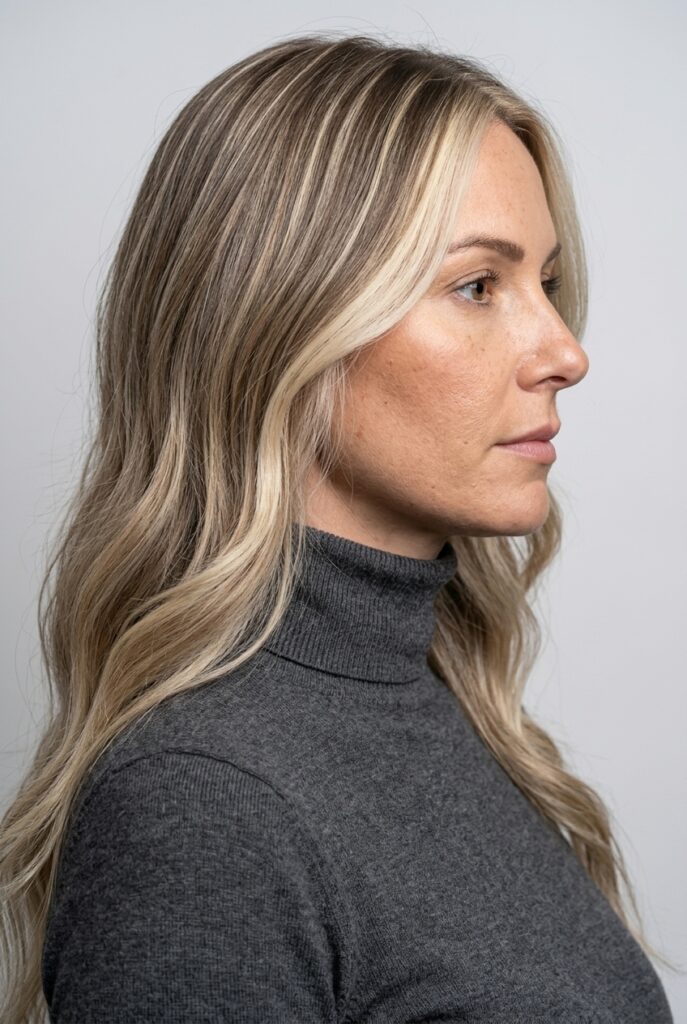
Not ready to go fully light? Adding highlights is a smart way to bring this color into your look without committing to a full transformation. You can go with face-framing pieces for a subtle brightening effect, opt for a full head of finer highlights, or blend both for a more layered result.
Highlights placed strategically around the face are particularly effective at brightening the complexion and drawing attention to your features. When those highlights carry a soft, creamy blonde tone rather than a stark white or overly golden one, the effect is clean and flattering across a wide range of skin tones. This is also a great starter option for women with darker hair who want to transition gradually.
4. Rooted Vanilla Blonde (Lived-In Look)
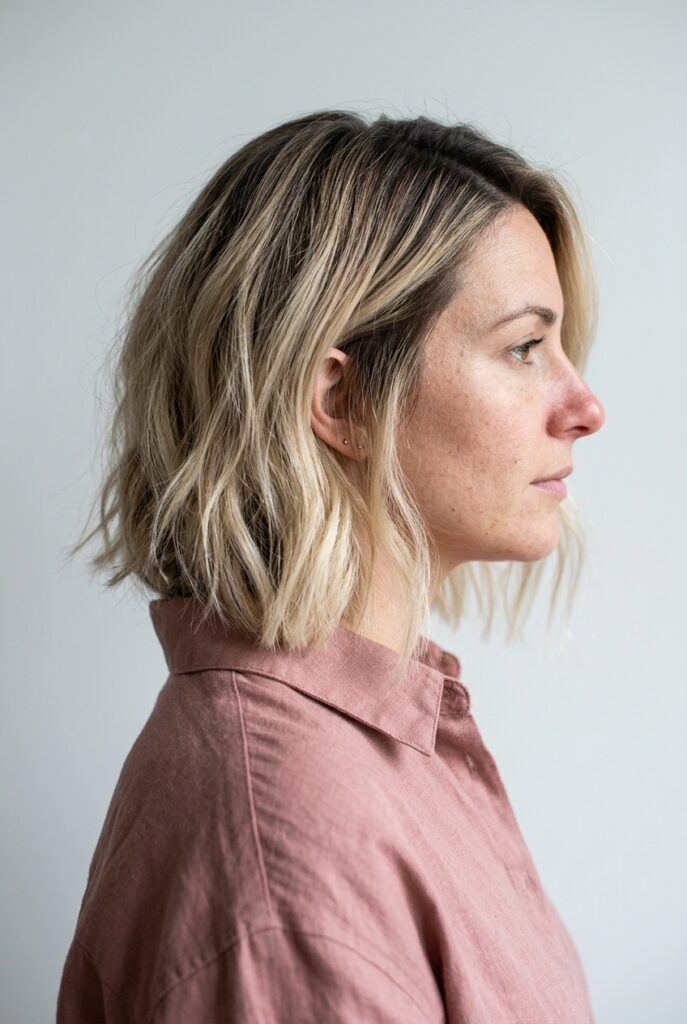
Rooted blonde is the version of this color that requires the least upkeep. The technique involves keeping your natural darker roots intact while lightening the mid-lengths and ends to a creamy blonde. The result looks intentional — like a grown-out color that was designed that way, not neglected.
This lived-in style works across hair lengths and is particularly flattering on women who prefer a natural, low-effort aesthetic. Because the roots stay close to your natural shade, you’re not racing to the salon every few weeks to prevent visible regrowth. Touch-ups every six to eight weeks are typically enough to keep the blend looking fresh.
5. Vanilla Blonde Ombre
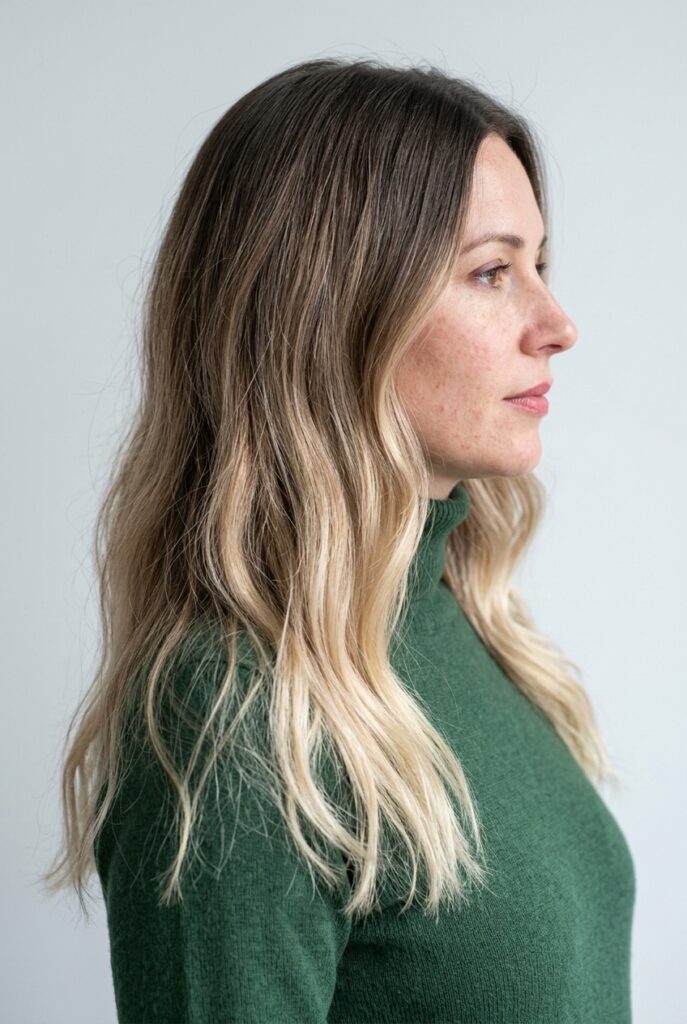
Ombre takes the rooted concept and pushes it further, creating a more dramatic shift from darker roots at the top to lighter, creamier ends at the bottom. The transition is gradual, flowing from your natural shade into that soft, creamy blonde without any harsh lines. When done well, it reads as a natural deepening of color from root to tip.
This style is low-maintenance in the same way rooted blonde is — your natural color at the top grows in without disrupting the overall look. It suits a variety of hair textures and lengths, though the gradient tends to look especially striking on longer hair where the full transition can be appreciated.
6. Golden Vanilla Blonde
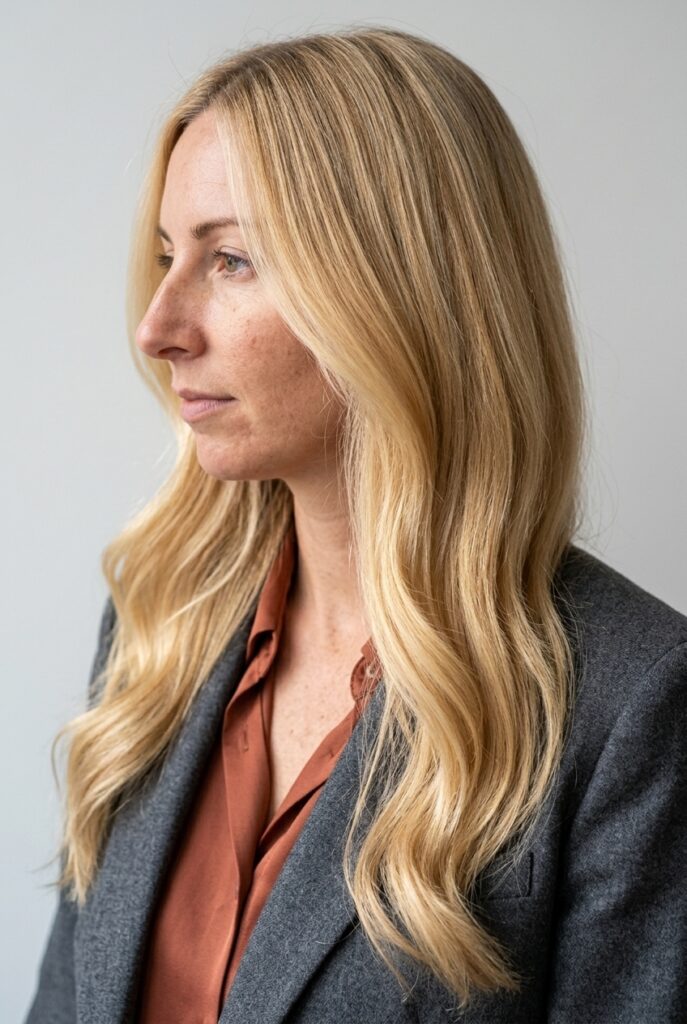
This variation leans slightly warmer than the classic version, pulling in golden tones that give the color more richness and radiance. It’s a particularly good match for women with warm undertones in their skin — think peachy, golden, or yellowish hues at the wrist — because the warmth in the hair mirrors the warmth in the complexion for a cohesive, glowing result.
Golden vanilla blonde works beautifully with beachy waves, sleek straight styles, and everything in between. It has a sun-drenched quality that feels effortless in the warmer months and luxurious in the cooler ones. If you’ve been drawn to honey blonde but want something a little softer and creamier, this is the middle ground worth asking your colorist about.
7. Strawberry Vanilla Blonde
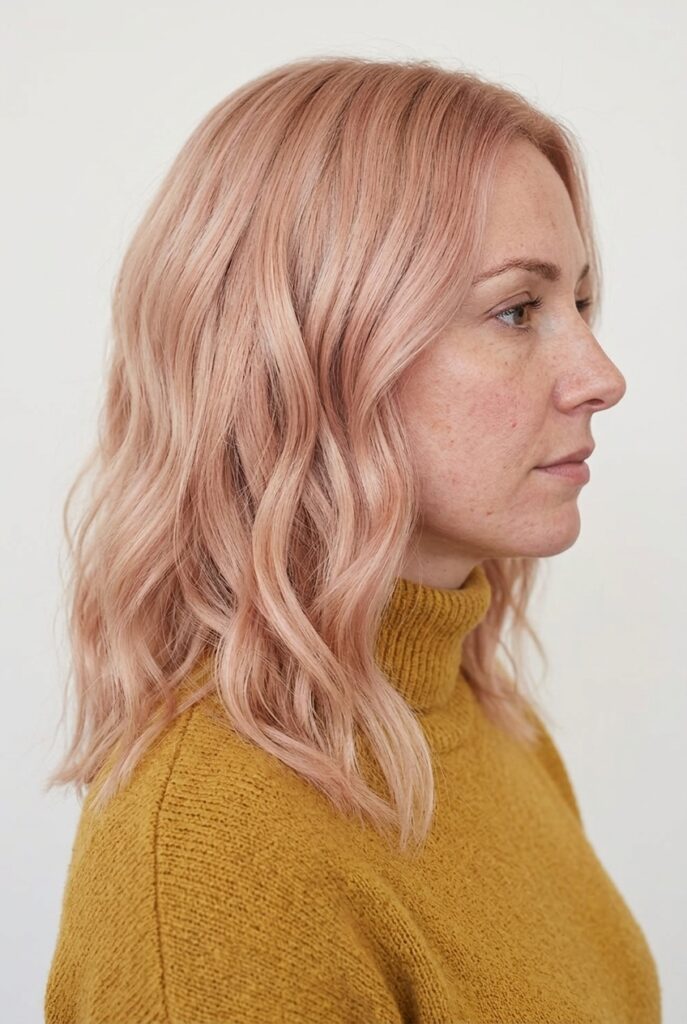
This is the coolest interpretation of the trend, and it’s genuinely unexpected. By blending a creamy blonde base with the faintest blush or pinkish undertone, you get a shade that reads as almost-neutral but carries a delicate warmth that catches the light in the most flattering way. It was notably created on a copper-red base, allowing just a hint of the underlying warmth to peek through the cooler toner on top.
The strawberry variation suits women who want something a little different — not quite a classic blonde, not quite a red, but a soft, feminine hybrid of both. It pairs particularly well with fair to medium complexions and looks especially gorgeous when styled with loose curls or waves that show off the color’s depth.
8. Vanilla Chai Blonde
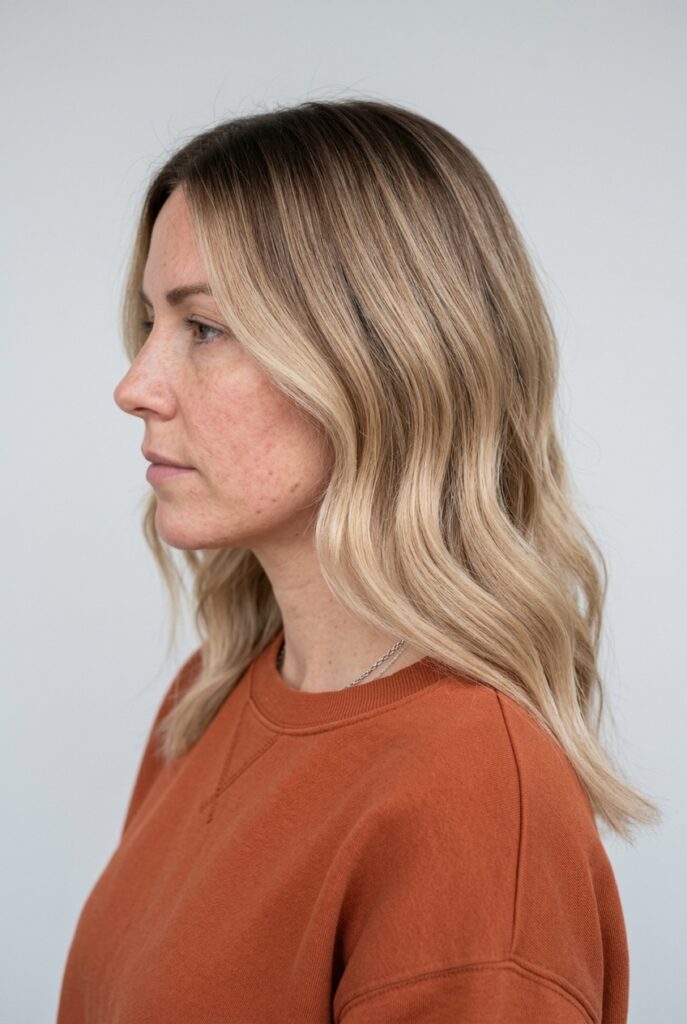
This version takes the rooted concept and adds a milky, warm quality to the lighter lengths — inspired, as the name suggests, by the look of cream swirled into a spiced latte. The roots stay soft brown, transitioning gradually to a warmer, creamy blonde at the ends. The effect is cozy, rich, and surprisingly versatile since the tone of the blonde can be adjusted to run warmer or cooler depending on your complexion.
Vanilla chai is one of those styles that flatters practically any skin tone, which is part of why it has become such a widely requested look. It’s warm without being brassy, bright without being jarring, and the grown-out root keeps maintenance to a minimum. For women who love the look of blonde hair but don’t want the upkeep of a full highlight or all-over color, this is one of the most wearable options available.
Which Skin Tone Does This Color Suit?
One of the things that makes this particular shade so appealing is how adaptable it is. The base color sits in a neutral zone — not purely warm, not purely cool — which gives colorists the flexibility to nudge it in either direction depending on your complexion. Women with cool undertones can have the blonde pulled slightly icier; women with warm undertones can have it leaned golden. For neutral undertones, a true neutral vanilla finish tends to work beautifully with no adjustment needed.
That said, fair to medium skin tones tend to have the most natural chemistry with this color. The creamy softness of the shade doesn’t overpower lighter complexions, and it adds a brightening quality that makes the overall look feel radiant rather than washed out. If you have a deeper complexion, a higher contrast version — like the rooted or ombre variation — tends to be more striking and flattering.
How to Keep the Color Looking Fresh
Lighter hair shows brassiness more than darker shades do, so maintaining the creamy, neutral quality of this color takes a bit of a routine. Purple shampoo is the core tool here — it neutralizes yellow and orange tones, keeping the blonde cool and clean. The key is not to overuse it; once or twice a week is usually plenty, and leaving it on for just a couple of minutes prevents the color from tipping too ashy.
Beyond purple shampoo, a few other habits make a real difference:
- Use sulfate-free shampoo for daily washing — it’s gentler on color-treated hair and slows fading.
- Apply a heat protectant before any heat styling. Lighter hair is more porous after lifting and is more vulnerable to color shift from heat.
- Deep condition weekly with a nourishing mask. Lightening processes can leave hair drier, and keeping moisture levels high preserves both the color and the health of your strands.
- Limit sun exposure when possible, or wear a hat on bright days. UV rays fade blonde tones and can introduce unwanted warmth over time.
Regular glossing treatments at the salon — even between full color appointments — are a great way to refresh the tone and add back the shine that makes this color look so vibrant.
The Bright, Creamy Look Is Worth Getting Right
This shade of blonde is one of those hair colors that rewards patience and good technique. Rushing the lightening process or skipping the toning step will push the result toward yellow or flat, which misses the whole point. When it’s done correctly — with proper pre-lightening and a well-chosen toner — the outcome is a hair color that looks almost impossibly luminous. Creamy, bright, multi-tonal, and soft all at once.
The eight approaches covered here give you a range of starting points depending on how dramatic a change you’re after, how much maintenance fits your lifestyle, and how light you want to go. Whether you choose a full transformation or a handful of well-placed highlights, the key is working with a colorist who understands how to calibrate the tone to your skin. Get that right, and you’ll have one of the most flattering, wearable shades of blonde available right now.
Frequently Asked Questions
Q: What exactly is vanilla blonde hair?
A: It’s a creamy, neutral shade of blonde that sits between platinum and golden blonde. It’s softer and warmer than platinum but cooler and less saturated than golden blonde, giving hair a multi-tonal, luminous finish.
Q: Does vanilla blonde work on dark hair?
A: Yes, but it typically requires multiple lightening sessions to get there. Dark hair needs to be pre-lightened to a pale yellow before a toner can bring it to a creamy blonde finish. A colorist can walk you through a timeline based on your starting shade.
Q: What’s the difference between vanilla blonde and platinum blonde?
A: Platinum is much cooler — almost white or icy — while this shade is warmer, softer, and more natural looking. It has a creamier quality that makes it feel less high-contrast and more wearable for a wider range of skin tones.
Q: How often do I need touch-ups?
A: It depends on the technique. A full all-over color typically needs a touch-up every 6 to 8 weeks. Balayage and rooted styles are lower maintenance, often lasting 10 to 12 weeks before a refresh is needed.
Q: Will this color look good on me if I have warm skin?
A: Yes. Women with warm undertones tend to look great with the golden variation of this color, which incorporates slightly warmer blonde tones that complement peachy or golden skin. Your colorist can adjust the formula to suit your complexion.
Q: What shampoo should I use to maintain this hair color?
A: A purple shampoo used one to two times per week will keep brassiness at bay. For everyday washing, a sulfate-free shampoo protects the color from fading too quickly.
Q: Can I get this color at home?
A: Simple refreshes and toning can be done at home, but the initial lightening and toning process is best handled by a professional. Getting the balance between warm and cool tones right is difficult without experience, and over-lightening at home can cause significant damage.
Q: Is vanilla blonde a high-maintenance color?
A: It depends on the version you choose. A full all-over color requires more frequent salon visits, while balayage, rooted, and ombre variations are much more forgiving as they grow out. All versions benefit from a consistent at-home routine using color-safe and toning products.
Q: What hair lengths suit this color best?
A: It works on all lengths. Short bobs and pixies look crisp and clean with a full-coverage application, while medium to long hair shows off gradient techniques like balayage and ombre more dramatically.

