

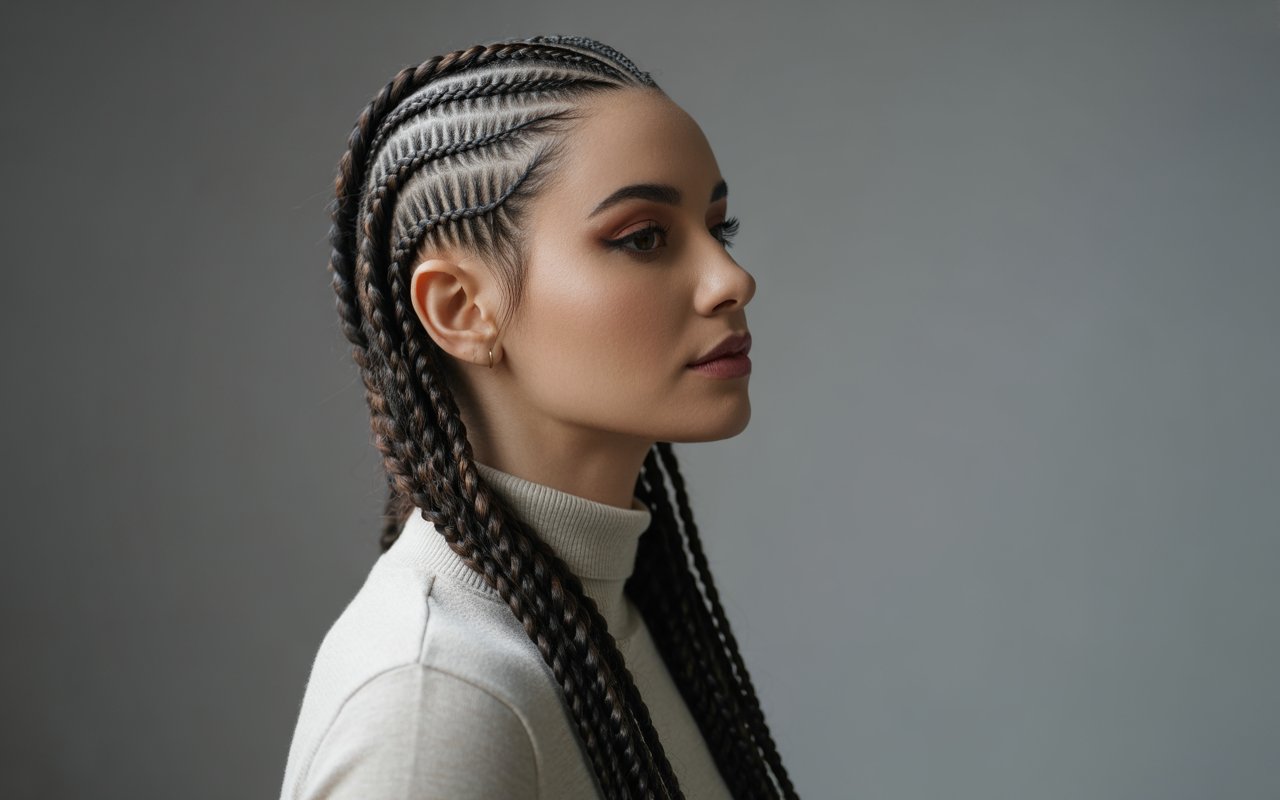
Cornrows represent far more than just a hairstyle for women around the world. These intricate braided patterns carry centuries of cultural significance while offering practical benefits that modern women appreciate. From protecting natural hair texture to creating stunning visual designs, cornrows provide versatility that few other styles can match.
The beauty of cornrows lies in their adaptability to different lifestyles and preferences. Whether you’re an athlete needing secure styling during workouts, a professional seeking polished looks for the office, or someone who simply wants beautiful hair with minimal daily maintenance, cornrows deliver on all fronts. They protect your natural hair from environmental damage while allowing creative expression through various patterns and designs.
Learning the proper techniques and maintenance strategies transforms cornrows from a simple protective style into a true art form. The following sections will guide you through everything from initial preparation to long-term care, helping you achieve professional-looking results that last. You’ll discover insider secrets that make the difference between cornrows that last days versus those that look fresh for weeks.
Understanding the Foundation of Cornrows
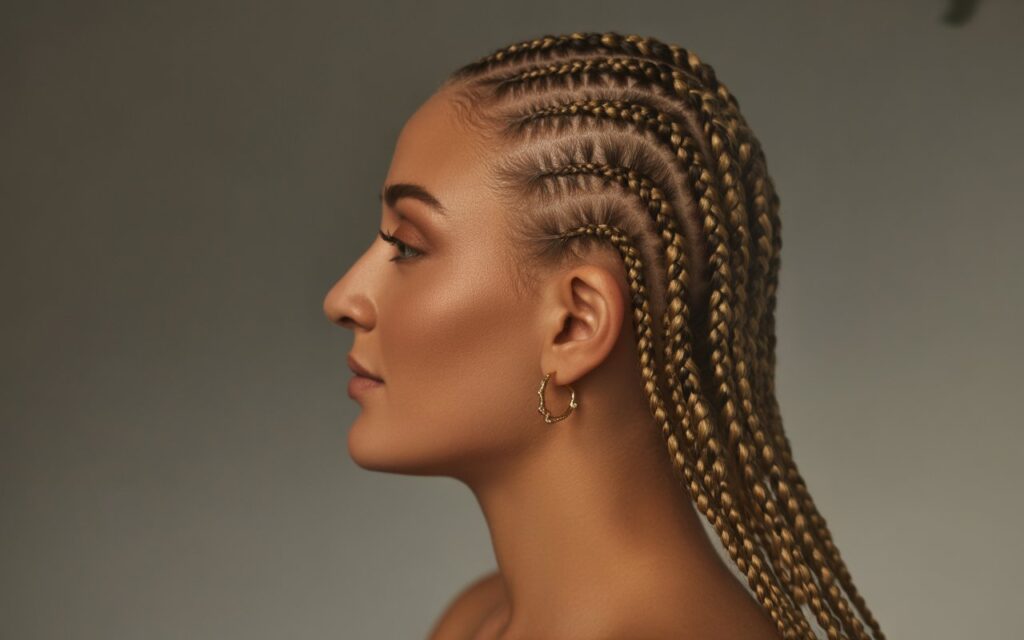
Cornrows differ significantly from other braiding techniques through their distinctive method of construction. Unlike traditional three-strand braids that hang freely, these styles sit flat against your scalp, creating raised rows that follow precise patterns. The technique involves continuously adding small sections of hair while braiding, which creates the characteristic raised appearance that gives the style its name.
The construction method provides exceptional durability compared to other protective styles. Because each braid connects directly to your scalp, the weight distributes evenly across your head rather than pulling from single anchor points. This distribution reduces tension on individual hair follicles, making cornrows gentler on your scalp than many assume.
Hair texture requirements
Contrary to popular belief, cornrows work with various hair textures, though some require different approaches. Naturally textured hair typically holds the style most easily due to its grip and ability to lock into place. However, women with straighter textures can achieve beautiful results using specific preparation techniques and products.
Fine or silky hair benefits from texturizing products applied before braiding begins. These products add grip without stickiness, helping braids stay secure. Women with extremely straight hair might consider light crimping at the roots or using braiding gel for additional hold. The key lies in creating enough texture for the braids to grip without causing damage.
Your hair’s current condition matters more than its natural texture. Healthy, well-moisturized hair of any type braids more successfully than damaged strands. Split ends, excessive breakage, or severe dryness can make braiding difficult and potentially harmful. Address these issues before attempting cornrows for best results.
Preparation steps for healthy cornrows
Proper preparation determines how long your style lasts and how healthy your hair remains throughout. Start your preparation routine at least one week before your braiding appointment or DIY session. This timeline allows you to address any hair concerns and ensure optimal conditions for styling.
Begin with a clarifying shampoo to remove product buildup that might prevent braids from gripping properly. Follow with a deep conditioning treatment focusing on moisture rather than protein, as overly protein-treated hair can become brittle during braiding. Allow the conditioner to penetrate for at least 30 minutes under a hooded dryer or warm towel.
Trimming split ends proves essential, as damaged tips can worsen during the braiding process. Even removing just a quarter-inch of damaged ends improves your results dramatically. After trimming, apply a leave-in conditioner throughout your strands, concentrating on the ends while avoiding the roots where product buildup could cause slippage.
Time investment and maintenance basics
Realistic expectations about time commitment help you plan appropriately for both installation and upkeep. Simple, straight-back cornrows on medium-length hair typically require 2-3 hours for completion. More intricate patterns or longer lengths can extend installation time to 4-6 hours or more.
Your lifestyle significantly impacts how long the style remains fresh. Active women who exercise frequently might notice loosening around the edges sooner than those with less physical activity. Swimming, excessive sweating, or frequent hair washing also affects longevity. Most women find their cornrows look best for 2-4 weeks with proper care.
The maintenance routine you establish from day one determines your style’s lifespan. Daily attention takes mere minutes but makes a substantial difference in appearance and hair health. This investment of time pays off through reduced daily styling needs and protected hair that grows healthier beneath the braids.
Regular touch-ups around your edges extend the overall style without complete reinstallation. Many women successfully maintain their look for 6-8 weeks by refreshing just the perimeter braids every 2-3 weeks. This approach maximizes your initial time investment while keeping your appearance polished.
Essential Pre-Braiding Hair Care Tips
The foundation of successful cornrows starts with intensely moisturized hair that can withstand the braiding process without breaking. Deep conditioning goes beyond regular conditioner application, penetrating the hair shaft to provide lasting hydration. This preparation proves especially crucial if your hair tends toward dryness or has undergone chemical processing.
Select conditioning treatments based on your specific hair needs rather than following generic recommendations. Protein-moisture balance plays a vital role here. Over-proteinated hair becomes brittle and snaps during braiding, while over-moisturized hair might feel mushy and fail to hold styles properly. Most women benefit from moisture-focused treatments the week before braiding, with light protein incorporated only if hair feels overly elastic.
Heat amplifies deep conditioning effectiveness significantly. Whether using a hooded dryer, steamer, or simple plastic cap with body heat, warmth opens the cuticle allowing deeper product penetration. Aim for 30-45 minute sessions, checking your hair’s response rather than following rigid timing. Your strands should feel soft but not limp, moisturized but not greasy.
Proper detangling techniques
Patient, methodical detangling prevents breakage that could worsen during braiding. Start with hair that’s damp, not soaking wet or completely dry. Apply a detangling product with good slip – this could be a specialized detangler, conditioner, or natural option like aloe vera gel mixed with water.
Work in sections, beginning from the ends and gradually moving toward the roots. This bottom-up approach prevents pushing tangles tighter and creating more knots. Use tools appropriate for your hair texture: wide-tooth combs for looser textures, denman brushes for medium textures, or your fingers for extremely delicate or tightly coiled hair.
Never rush through detangling, especially if you encounter stubborn knots. Forcing through tangles causes mechanical damage that weakens hair precisely where you need strength for braiding. If you meet resistance, add more product, use smaller sections, or try a different tool. Some knots respond better to finger detangling than combs.
Pay special attention to often-neglected areas like the nape and crown where tangles commonly hide. These sections experience more friction from clothing and pillows, making them prone to matting. Thoroughly detangling these areas prevents painful pulling during the braiding process.
Moisturizing strategies
Strategic moisturization before braiding creates the perfect balance: hair that’s hydrated enough to remain flexible but not so product-heavy that braids slip or look greasy. Layer your moisture using the LOC or LCO method – liquid, oil, cream or liquid, cream, oil – depending on what your hair prefers.
Scalp preparation methods
Your scalp’s health directly impacts how comfortable you’ll feel during and after braiding. Many women focus entirely on their hair while ignoring the scalp, leading to irritation, flaking, or excessive tightness. A healthy scalp tolerates the tension of braiding better and heals faster from any minor stress.
Gentle exfoliation removes dead skin cells and product buildup that could cause itching once your scalp becomes less accessible. Use a soft-bristled brush or your fingertips with a clarifying treatment to massage the scalp thoroughly. This process also stimulates blood flow, promoting healthier hair growth during your protective style period.
Consider applying a light scalp oil the night before braiding. Avoid heavy products that might make braiding difficult, opting instead for lightweight oils. This pre-treatment helps your scalp maintain moisture balance even as braiding temporarily reduces your ability to apply products directly.
Protective measures before braiding
Taking protective steps before installation prevents common issues that arise during extended wear. If your edges tend toward fragility, apply a strengthening serum specifically to your hairline the week before braiding. These targeted treatments fortify the hair most vulnerable to tension damage.
Some women benefit from taking hair vitamins or increasing their water intake before getting cornrows. While these measures won’t dramatically change your hair overnight, they support overall hair health and may improve how your hair responds to protective styling. Biotin, folic acid, and omega-3 supplements show particular promise for hair strength.
Creating a barrier between your hair and potential stressors helps maintain health throughout wear:
Edge Protection: Apply edge control cream or gel specifically designed for sensitive hairlines
Braid Spray Prep: Use a mixture of water and leave-in conditioner in a spray bottle for installation day
Tension Monitoring: Communicate with your braider about comfort levels during the process
Anti-Itch Preparation: Have tea tree or peppermint oil diluted and ready for any scalp irritation
Remember that speaking up about discomfort during braiding isn’t weakness – it’s protection. Braids should feel secure but never painful. Excessive tension causes traction alopecia, especially around hairlines and partings. A skilled braider can achieve lasting styles without creating pain or damage.
Mastering Different Cornrow Patterns and Styles
Straight-back cornrows remain the foundation of this versatile styling technique, offering timeless sophistication that works in any setting. This traditional pattern creates uniform rows running from your forehead to your nape, providing a clean, professional appearance. The simplicity of straight-backs makes them ideal for beginners while still allowing experienced braiders to showcase their precision and skill through perfectly spaced, even rows.
The beauty of this classic design lies in its adaptability to different hair lengths and thicknesses. Short hair can achieve neat, close-to-the-scalp rows that last for weeks, while longer hair offers options for creative endings – whether you prefer braids that stop at the nape or continue into long, flowing plaits. The number of rows you choose dramatically changes the overall look, with fewer, thicker braids creating a bold statement and numerous thin rows offering intricate detail.
Achieving perfectly straight rows requires careful sectioning before you begin braiding. Use a rattail comb to create clean parts from front to back, ensuring each section maintains consistent width throughout its length. This precision during the planning stage eliminates wonky or curved braids that can ruin the overall aesthetic. Take time with this step, as rushing through sectioning shows clearly in the final result.
Geometric and creative patterns
Moving beyond traditional straight rows opens up endless possibilities for artistic expression through geometric designs. These patterns transform your head into a canvas where triangles, diamonds, zigzags, and curves create visual interest that turns heads. Geometric cornrows require advanced planning and often benefit from sketching your design beforehand to ensure proper spacing and proportion.
Creating these intricate patterns demands steady hands and spatial awareness. Start with simpler geometric shapes before attempting complex designs. A basic diamond pattern at the crown or triangular sections at the temples introduces geometric elements without overwhelming difficulty. As your skills develop, you can incorporate multiple shapes that flow together seamlessly.
The key to successful geometric patterns lies in understanding how shapes interact with your head’s natural curves. What looks perfect on paper might need adjustment when applied to the rounded surface of your skull. Practice helps you anticipate these adjustments, learning how to modify angles and curves to maintain visual appeal from every viewing angle.
Side-swept variations
Side-swept cornrows offer a softer, more romantic alternative to traditional straight-back styles. These designs typically begin with braids angled across the head, creating movement and flow that flatters various face shapes. The asymmetrical nature of side-swept patterns adds visual interest while maintaining the practical benefits of protective styling.
This variation works particularly well for special occasions or when you want a style that transitions easily from day to night. The swept direction can emphasize your best features – sweeping away from a beautiful ear adorned with statement earrings or flowing toward one shoulder for an elegant profile. You can combine different braid sizes within the pattern, using thinner braids near the face and gradually increasing thickness as you move back.
Installing side-swept patterns requires adjusting your sectioning technique. Instead of straight parts from front to back, create diagonal sections that follow your desired sweep direction. The angle of these parts determines how dramatic the sweep appears, with steeper angles creating more noticeable movement. Maintain consistency in your angles throughout the pattern for a cohesive look.
Combining cornrows with other styles
Modern cornrow artistry often incorporates multiple techniques within a single style, creating unique looks that showcase versatility. Combining cornrows with loose braids, twists, or even leaving some hair unbraided opens up countless creative possibilities. These hybrid styles offer the protection of cornrows where needed while maintaining styling flexibility in other areas.
Popular combinations include cornrowing the sides while leaving the center as loose braids or creating a cornrowed base with feed-in braids extending from the ends. These mixed techniques allow you to enjoy the low-maintenance aspects of cornrows while still having hair to style differently for various occasions. The contrast between the flat, intricate cornrows and the dimensional free-hanging elements creates striking visual appeal.
When planning combination styles, consider how different techniques will age over time. Cornrows typically maintain their appearance longer than loose braids, so you might need to refresh certain sections before others. Design your style with this maintenance schedule in mind, placing longer-lasting techniques in areas that are harder to access or redo.
Choosing patterns for face shapes
Your face shape significantly influences which cornrow patterns will flatter you most. While personal preference always takes precedence, understanding how different designs interact with facial features helps you make informed styling choices. The placement of parts, the direction of braids, and even the thickness of rows can enhance your natural beauty when chosen thoughtfully.
Round faces benefit from patterns that add height and length. Straight-back designs with some lift at the crown or patterns that incorporate vertical elements create the illusion of elongation. Avoid styles that add excessive width at the sides, instead focusing on designs that draw the eye upward and back.
Square faces look stunning with patterns that soften angular features. Curved designs, side-swept patterns, or styles that incorporate rounded elements near the temples help balance strong jawlines. Adding some braids that frame the face at slight angles rather than severe straight lines creates a harmonizing effect.
Heart-shaped faces shine with patterns that add fullness around the jawline while minimizing width at the forehead. Consider designs that start with smaller sections at the front, gradually increasing in size toward the back. Side-swept patterns that begin narrow and fan out work particularly well for this face shape.
Oval faces enjoy the most versatility, as most patterns prove flattering. This balanced face shape allows you to experiment freely with geometric designs, straight-backs, or creative patterns without concern for correction or balance. Use this freedom to express your personality and try trend-forward designs that might prove challenging for other face shapes.
Professional Maintenance Secrets for Long-Lasting Cornrows
The way you protect your cornrows during sleep determines whether they stay fresh for days or weeks. Friction from pillowcases causes the most damage to braided styles, creating frizz and loosening carefully crafted rows. Your nighttime routine should focus on minimizing movement and maintaining moisture while you sleep.
Satin or silk materials provide the best protection for cornrows. Unlike cotton, these smooth fabrics allow your braids to glide across the surface without catching or creating friction. If purchasing silk pillowcases isn’t feasible, a satin bonnet or scarf offers similar benefits. Choose bonnets with elastic that isn’t too tight, as excessive pressure can create indentations in your style or cause headaches.
The way you position your protective covering matters as much as the material itself. For longer cornrows that extend past the nape, gather the ends gently and tuck them into your bonnet rather than letting them hang loose. This prevents tangling and maintains the neat appearance of your braid ends. If you find bonnets uncomfortable, try a silk or satin pillowcase combined with a loose silk scarf wrapped around your edges.
Some women prefer the “pineapple” method for styles with length, loosely gathering braid ends at the crown with a silk scrunchie. This technique keeps braids from being compressed while you sleep and can even add attractive volume to certain styles. Experiment with different protection methods to find what keeps your specific pattern looking its best.
Daily moisture routines
Maintaining proper moisture levels in cornrows requires a delicate balance. Too much product causes buildup and can make braids look dirty, while insufficient moisture leads to dry, brittle hair that breaks when you remove the style. Developing a consistent routine helps you find the sweet spot for your hair’s specific needs.
Morning moisture application works best when kept light and focused. Use a spray bottle filled with water and a small amount of leave-in conditioner, misting lightly over your braids. Focus on your scalp and the length of the braids rather than saturating the roots where product can accumulate. The goal is refreshing moisture, not drenching your style.
Natural oils play a crucial role in maintaining healthy cornrows. Light oils penetrate the braid structure without leaving residue. Apply these oils with fingertips directly to your scalp along the parts, then smooth any excess down the length of your braids. This method ensures moisture reaches both your scalp and hair without oversaturating any area.
Pay attention to how your hair responds to different moisturizing frequencies. Some women need daily moisture application, while others find every other day or twice weekly sufficient. Your environment, activity level, and hair’s natural characteristics all influence optimal moisture schedules. Adjust based on how your braids feel and look rather than following rigid rules.
Dealing with frizz and flyaways
Even the neatest cornrows eventually develop some frizz as your natural hair grows and responds to daily activities. Managing these flyaways without completely redoing your style extends the life of your braids significantly. The key lies in addressing frizz promptly before it becomes unmanageable.
A soft-bristled toothbrush or edge brush becomes your best friend for taming flyaways. Spray the brush lightly with holding spray or apply a tiny amount of edge control, then gently smooth escaped hairs back into the braid pattern. Work in the direction of the braid rather than against it to avoid creating more frizz. This technique works particularly well for baby hairs and edges that tend to escape first.
For frizz along the length of braids, try the smooth and tuck method. Apply a small amount of gel or mousse to your fingertips, then carefully smooth down the braid while gently tucking escaped hairs back under the pattern. This requires patience but can dramatically improve your style’s appearance without professional intervention.
When frizz becomes extensive, consider strategic touch-ups rather than complete reinstallation. Redoing just your edges or the most visible front braids refreshes your entire look. Many women successfully extend their style’s life by refreshing only the perimeter every two weeks while leaving the less visible middle and back sections intact for the full duration.
When to refresh or redo
Recognizing the optimal time to refresh or completely redo your cornrows prevents damage while maximizing your style investment. Several signs indicate when maintenance is needed, and learning to read these signals helps you maintain healthy hair beneath your protective style.
Your edges typically show wear first, with baby hairs escaping and the hairline braids loosening before the rest of your style. When you notice significant loosening around your hairline or feel your edges under stress from tightening braids, it’s time for at least a partial refresh. Ignoring these early warning signs can lead to traction alopecia or permanent hair loss.
New growth provides another clear indicator for refresh timing. When you have approximately half an inch of new growth, your braids may start lifting away from your scalp or feeling less secure. This growth is healthy and normal, typically occurring around the 3-4 week mark for most women. While some can extend wear beyond this point, others prefer to redo their style when significant growth appears.
Product buildup that doesn’t respond to gentle cleansing suggests it’s time for a complete redo. When your regular maintenance routine no longer keeps braids looking fresh, or you notice persistent itching despite proper care, your scalp needs a break. Listen to these signals rather than pushing for maximum wear time at the expense of hair health.
Consider your upcoming schedule when deciding between refreshing and complete reinstallation. If you have important events approaching, plan your maintenance accordingly. A partial refresh might suffice for another week or two, while complete reinstallation ensures your best appearance for special occasions.
Signs of damage to watch for
Vigilant monitoring for damage signs protects your hair’s long-term health while wearing cornrows. Early detection of problems allows intervention before permanent damage occurs, making regular inspection an essential part of your maintenance routine:
Persistent Soreness: Scalp tenderness lasting more than 2-3 days after installation indicates excessive tension
Visible Bumps: Small bumps along parts or around edges suggest follicle stress requiring immediate attention
Hair Breakage: Finding broken hairs on your pillow or clothing means braids are too tight or hair too dry
Thinning Edges: Noticeable reduction in edge density demands immediate style removal and treatment
Persistent Itching: Constant itching despite cleansing might indicate allergic reaction or severe dryness
Never ignore pain or discomfort in pursuit of longer wear. Temporary style preservation isn’t worth permanent hair damage. If you notice any combination of these warning signs, remove your braids promptly and give your hair recovery time before the next protective style.
Styling Cornrows for Different Occasions
Creating office-appropriate cornrow styles requires balancing personal expression with workplace expectations. The key lies in choosing patterns that project polish and professionalism while still showcasing the beauty of this traditional technique. Many workplaces have evolved to appreciate diverse hairstyles, but understanding how to style cornrows for conservative environments helps you navigate any professional setting confidently.
Neat, uniform patterns typically read as most professional in traditional office settings. Straight-back designs with medium-width braids offer a classic look that pairs beautifully with business attire. Keep the number of braids moderate – usually between 6 to 12 rows creates an elegant appearance without appearing too intricate or distracting during important meetings or presentations.
The way you finish your braids significantly impacts their professional appearance. For shorter cornrows that end at the nape, ensure the ends are sealed neatly and lie flat against your neck. Longer braids can be gathered into a low ponytail or bun, creating a sleek silhouette that complements blazers and button-down shirts. These gathered styles also prevent braids from falling forward during desk work.
Color choices in professional settings often lean conservative, but this doesn’t mean boring. If your workplace allows, consider subtle highlights woven through your natural color rather than bold contrasts. These understated color additions add dimension without drawing excessive attention. For very conservative environments, matching extensions to your natural color ensures your style focuses on the beautiful patterns rather than dramatic color changes.
Casual everyday styling
The versatility of cornrows truly shines in casual settings where you can experiment with accessories, styling variations, and creative finishing touches. Your everyday look can change dramatically simply by adjusting how you wear the same base pattern, making cornrows incredibly practical for busy lifestyles.
For running errands or casual outings, try different ways of gathering longer braids. A high ponytail creates a sporty vibe perfect for active days, while side-swept styles offer effortless elegance for lunch dates. Half-up styles work wonderfully when you want to show off intricate patterns while keeping hair from your face. These variations require mere seconds to achieve but completely transform your appearance.
Accessories elevate casual cornrow styles without requiring salon visits. Metallic hair cuffs slipped onto individual braids add instant glamour. Colorful string or thread wrapped around select braids introduces pops of color that you can change based on your outfit or mood. Even simple bobby pins in metallic finishes can create interesting accents when placed strategically along your parts.
Weather considerations influence casual styling choices too. Hot summer days call for styles that maximize airflow – consider pinning braids up in creative patterns or using decorative scarves as headbands. Cooler weather allows for leaving braids down, perhaps adding a stylish hat that complements your pattern without crushing the braids.
Special event transformations
Cornrows provide an excellent foundation for special occasion styling, offering stability that keeps elaborate looks intact throughout long events. Whether attending weddings, galas, or milestone celebrations, your braided base allows for creative updos and elegant transformations that would prove challenging with loose hair.
Formal events call for elevated styling that showcases the intricacy of your pattern while adding sophisticated elements. Consider creating sculptural updos by pinning braids into elegant shapes – roses, fans, or cascading waterfalls. These three-dimensional styles draw admiration while staying secure through hours of dancing and celebration. The firm foundation of cornrows means these elaborate styles require fewer pins and hold their shape better than traditional updos.
Adding temporary elements transforms everyday cornrows into special occasion masterpieces. Fresh flowers woven through braids create romantic looks for garden parties or beach weddings. Small pearls or crystals attached with clear elastic bands offer timeless elegance for formal affairs. These additions take patience to apply but create stunning results that photograph beautifully.
For maximum impact at special events, consider incorporating hair jewelry designed specifically for braided styles. Decorative chains that drape between rows, ornate clasps that gather braids elegantly, or statement pieces that crown your pattern all elevate your look. Choose pieces that complement your outfit’s metal tones for a coordinated appearance.
Accessorizing cornrows effectively
Strategic accessorizing allows you to refresh your cornrow style without salon visits, making this an economical way to maintain variety throughout your wear period. The key lies in choosing accessories that enhance rather than overwhelm your pattern, creating balanced looks that feel intentional rather than overdone.
Start with simple additions that make significant impact. Colored rubber bands at the base or ends of braids offer an easy way to incorporate trending colors or match specific outfits. Graduate to hair cuffs in various sizes – smaller ones for accent braids, larger statement pieces for focal points. These metallic accessories catch light beautifully and add movement to your style.
Beads deserve special consideration in cornrow accessorizing. While often associated with children’s styles, sophisticated bead choices create stunning adult looks. Select beads in materials like wood, metal, or glass rather than plastic for elevated appearance. Consider using beads sparingly as accents rather than loading every braid – this restraint creates more refined results.
Fabric accessories offer softer alternatives to metal additions. Silk scarves tied as headbands or woven through select braids add color and texture. During cooler months, thin ribbons in seasonal colors threaded through your pattern create festive touches without permanent changes. These fabric elements also provide protection from sun exposure during outdoor activities.
Seasonal adaptations
Each season presents unique challenges and opportunities for styling cornrows. Understanding how to adapt your approach ensures comfort and style year-round while protecting your investment in this protective style.
Summer demands attention to sun protection and moisture retention. The exposed scalp between braids becomes vulnerable to sunburn, making hats or scarves essential for extended outdoor time. Light, breathable accessories prevent overheating while protecting your skin. Increase your moisture routine during hot months when sun and chlorine from pools threaten to dry out your braids. Consider styles that lift braids off your neck during the hottest days.
Fall and winter introduce different concerns:
Static Control: Use anti-static spray on scarves and hats before wearing
Moisture Locking: Apply slightly heavier oils to combat heating system dryness
Hood Management: Choose coats with smooth hood linings to prevent frizz
Hat Selection: Opt for satin-lined winter hats or wear a silk scarf underneath
Spring’s unpredictable weather requires versatile styling approaches. Keep accessories handy for sudden rain showers, and consider water-resistant holding products during this damp season. The renewal feeling of spring also makes it perfect for trying new accessory colors or refreshing your look with bright additions that mirror blooming flowers.
Protecting Your Hair While Maximizing Style
Achieving beautiful cornrows while maintaining healthy hair requires understanding the delicate balance between style and protection. Your approach to installation, maintenance, and removal determines whether cornrows enhance your hair’s health or cause setbacks. This comprehensive guide has equipped you with professional techniques that prioritize both aesthetics and hair wellness.
The journey from preparation through styling demonstrates that successful cornrows demand attention to detail at every stage. By following these guidelines, you transform this ancient technique into a modern protective style that suits your lifestyle while promoting hair growth and health. Remember that the most stunning cornrows are those that leave your hair stronger and healthier than before installation.
Frequently Asked Questions
Q: How long should I wait between cornrow installations?
A: Give your hair at least 1-2 weeks of rest between installations. This break allows your scalp to recover and gives you opportunity to deep condition and assess your hair’s health before the next protective style.
Q: Can I wash my cornrows?
A: Yes, you should cleanse your scalp every 1-2 weeks while wearing cornrows. Dilute shampoo with water in an applicator bottle, focus on the scalp and parts between braids, then rinse thoroughly without disturbing the pattern.
Q: What’s the best way to stop cornrows from itching?
A: Apply diluted tea tree oil or witch hazel directly to itchy areas using a cotton swab. Avoid scratching, which can cause frizz and potentially damage your scalp. Regular cleansing and proper moisture balance prevent most itching.
Q: How do I know if my cornrows are too tight?
A: Pain, headaches, small bumps along parts, or difficulty sleeping indicate excessive tension. Properly installed cornrows should feel secure but comfortable immediately after completion. Any lasting pain requires prompt removal.
Q: Can I exercise with fresh cornrows?
A: Wait 2-3 days before intense exercise to allow your scalp to adjust. When you do work out, protect edges with a moisture-wicking headband and rinse sweat from your scalp afterward to prevent irritation and odor.
Q: Which products should I avoid while wearing cornrows?
A: Heavy creams, petroleum-based products, and anything containing alcohol should be avoided. These either cause buildup, dry out your hair, or make braids look greasy and attract dirt.
Q: How can I make my cornrows grow my hair?
A: Cornrows protect hair from manipulation, potentially improving retention. Support growth by maintaining moisture, avoiding excessive tension, taking hair vitamins, and removing the style before damage occurs.
Q: What’s the maximum time I should keep cornrows in?
A: Most professionals recommend 6-8 weeks maximum, though this varies by individual. Your hair’s growth rate, scalp sensitivity, and maintenance routine all factor into optimal wear time.
Q: Should I oil my scalp while wearing cornrows?
A: Light scalp oiling 2-3 times weekly helps maintain moisture and comfort. Use natural oils sparingly, focusing on the parts between braids rather than saturating the braided hair itself.

