

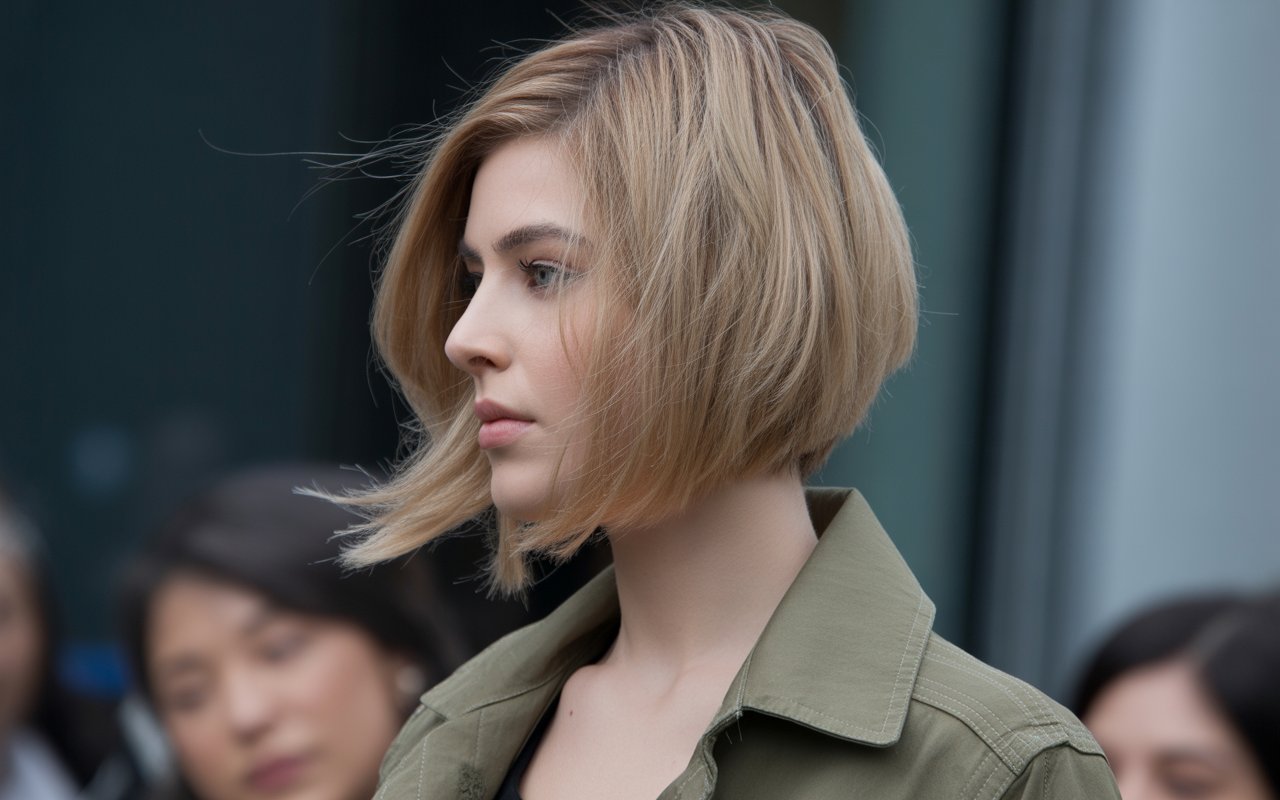
The layered lob has become one of the most requested haircuts in salons across the country, and for good reason. This versatile style sits perfectly between a traditional bob and longer hair, offering the best of both worlds. The strategic layers add movement and dimension that can transform even the finest hair into something that looks fuller and more dynamic.
Your hairstyle plays a significant role in how you present yourself to the world, and finding the right cut can make all the difference in your daily routine. The layered lob works with various face shapes and hair textures, making it accessible to women who want a fresh look without committing to dramatic length changes. Whether you have straight, wavy, or curly hair, this cut adapts beautifully to your natural texture while giving you multiple styling options.
We’ll walk through everything you need to know about this popular haircut, from understanding what makes it special to learning professional styling techniques. You’ll discover how to customize the cut to suit your personal style, maintain it properly, and determine if it fits your lifestyle. Let’s uncover all the details that will help you decide if this could be your next signature look.
What Makes the Layered Lob Special
The layered lob combines the sophistication of a bob with the versatility of longer hair, typically falling somewhere between your chin and shoulders. Unlike a traditional bob that often features a blunt, uniform length, this style incorporates graduated layers throughout the cut. These layers create texture and movement that prevent the hair from looking heavy or flat against your head.
Understanding the Basic Structure
The foundation of a great layered lob starts with proper length selection. Most stylists recommend keeping the front pieces slightly longer than the back, creating a subtle angle that frames your face beautifully. The layers themselves begin at different points depending on your hair’s natural characteristics. Fine hair benefits from layers that start higher up, while thick hair often looks best with layers concentrated toward the bottom half of the cut.
Face Shapes That Work Best
While this haircut suits most face shapes, certain variations work particularly well for specific features. Round faces benefit from longer layers that start below the chin, creating vertical lines that lengthen your appearance. Square faces look fantastic with soft, wispy layers around the jawline that soften angular features. Oval faces can experiment with virtually any variation, from dramatic layers to subtle texture. Heart-shaped faces shine with layers that add volume around the collarbone area, balancing a narrower chin.
The key lies in customizing the layer placement to complement your unique features. A skilled stylist will assess your face shape and adjust the cutting technique accordingly, ensuring the layers fall in the most flattering positions.
Hair Textures and How They Respond
Different hair textures react uniquely to layering techniques. Straight hair gains movement and body through carefully placed layers that prevent the style from looking too severe or flat. The layers create gentle bends and curves that add visual interest without requiring extensive styling.
Wavy hair naturally works wonderfully with this cut. The layers enhance your natural wave pattern, creating defined sections that move independently. This reduces bulk in areas where waves tend to bunch up while maintaining enough weight to prevent excessive frizz.
Curly hair requires a specialized approach to layering. The technique differs significantly from straight hair cutting methods, as curls spring up when cut. Each layer must account for this shrinkage factor. When done correctly, the result showcases beautiful spiral patterns with reduced triangle-shaped bulk at the bottom.
Length Variations to Consider
The beauty of this haircut lies in its adaptability to different length preferences. A shorter variation that grazes the jawline offers a bold, confident look that requires minimal styling time. This length works particularly well for women with fine hair, as the shorter length prevents the hair from being weighed down.
Medium-length versions that hit around the collarbone provide maximum versatility. You can easily pull the hair back into a small ponytail or bun when needed, yet it’s short enough to maintain that fresh, modern appearance. This length suits most hair types and offers numerous styling possibilities.
Longer interpretations that reach just past the shoulders blur the line between a lob and traditional long hair. These work beautifully for women transitioning from very long hair who aren’t ready for a dramatic change. The layers prevent the in-between stage from looking awkward or shapeless.
Styling Your Layered Lob Like a Pro
Creating salon-worthy styles at home becomes surprisingly manageable once you understand the techniques professionals use. The layered structure of this cut actually makes styling easier than you might expect, as the built-in texture does much of the work for you.
Essential Tools for Success
Your styling arsenal doesn’t need to be extensive, but having the right tools makes a noticeable difference. A medium-round brush helps create smooth, polished looks while adding volume at the roots. The barrel size should match your hair length – typically a two-inch diameter works well for most lob lengths.
A quality blow dryer with multiple heat settings protects your hair from damage while providing enough power to achieve your desired style. Look for models with a concentrator nozzle attachment that directs airflow precisely where you want it. This attachment helps smooth the hair cuticle and reduces frizz during the drying process.
For texture and waves, a one-inch flat iron proves surprisingly versatile. Beyond straightening, you can create soft bends, beachy waves, or polished curls with the right technique. Some women prefer a curling wand for wave creation, but the flat iron’s dual functionality makes it a practical choice for this particular cut.
Product Selection That Makes a Difference
The right products enhance your natural texture while protecting your hair from heat damage. Start with a lightweight heat protectant spray applied to damp hair before any heat styling. This creates a barrier between your hair and hot tools while often adding shine and smoothness.
Texturizing products work wonders with layered cuts. Sea salt sprays create that effortless, tousled appearance perfect for casual days. Apply to damp hair and scrunch gently, then either air dry or diffuse for enhanced texture. For a more polished look, a smoothing cream or lightweight oil applied to the mid-lengths and ends tames flyaways without weighing down your layers.
Consider your hair’s specific needs when selecting products:
Fine Hair: Volumizing mousse at the roots, lightweight texture spray through lengths
Thick Hair: Smoothing serum to control bulk, defining cream for the layers
Wavy Hair: Curl-enhancing cream, anti-humidity spray for frizz control
Straight Hair: Root lift spray, texturizing powder for added grip
Daily Styling Techniques
Your morning routine can be streamlined to under fifteen minutes with practice. After washing, apply your chosen products to towel-dried hair. Flip your head upside down and rough-dry until the hair reaches about 80% dryness. This technique adds natural volume without requiring excessive teasing or backcombing.
Switch to your round brush for the finishing touches. Section the hair horizontally, starting at the nape of your neck. Wrap each section around the brush and direct the dryer’s airflow down the hair shaft. This smooths the cuticle and creates shine. For the face-framing layers, direct them away from your face initially, then gently bend the ends under or flip them out depending on your preference.
Creating Different Looks
The versatility of this cut allows for multiple styles using the same basic technique foundation. For sleek and sophisticated occasions, focus on creating smooth, glossy finish. After blow-drying, run your flat iron through small sections, maintaining consistent tension. Finish with a light mist of shine spray for that glass-like appearance.
Textured, beachy waves suit casual settings perfectly. Apply sea salt spray to damp hair and twist small sections while blow-drying with a diffuser. Alternatively, braid damp hair loosely before bed and release in the morning for effortless waves. Touch up any flat spots with your curling iron or flat iron, creating random bends rather than uniform curls.
Is the Layered Lob Right for You?
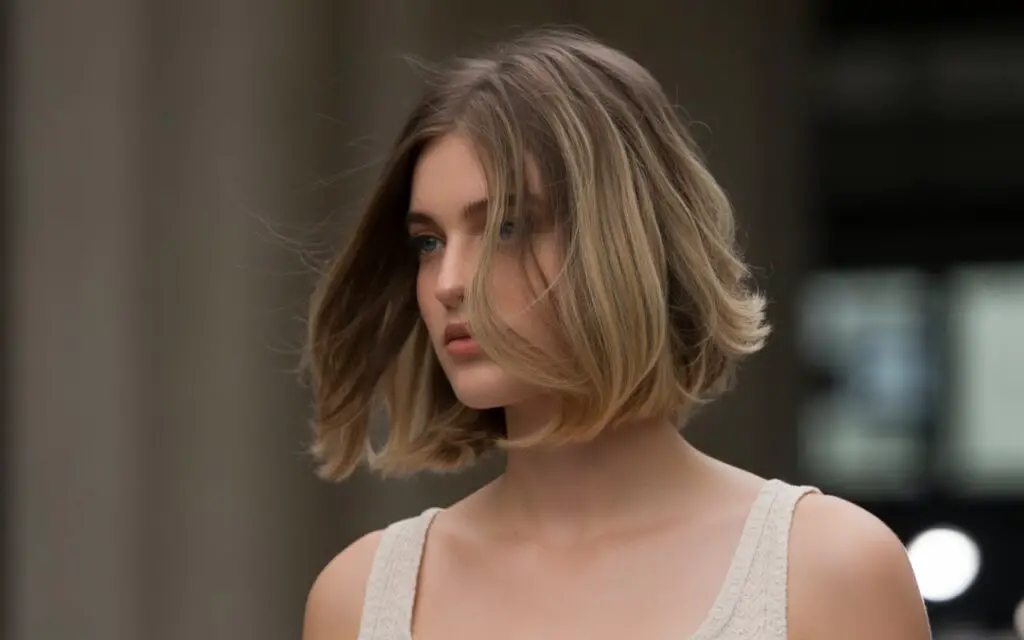
Before committing to any new haircut, considering how it fits into your daily life prevents disappointment and frustration. This particular style offers flexibility, but understanding the maintenance requirements helps you make an informed decision.
Evaluating Your Daily Routine
Think honestly about how much time you typically spend on your hair each morning. While this cut can look great with minimal styling, achieving that polished, put-together appearance usually requires at least ten to fifteen minutes of attention. If you regularly rush out the door with wet hair, this might not suit your lifestyle.
Consider your workplace environment too. Some professional settings appreciate the sophisticated look this cut provides, while creative fields might prefer the more relaxed, textured styling options. The good news? This haircut adapts to both scenarios with different styling approaches.
Understanding Maintenance Requirements
Regular trims keep this style looking fresh and prevent the layers from growing out awkwardly. Most stylists recommend scheduling appointments every six to eight weeks, though some women can stretch to ten weeks depending on their hair’s growth rate and texture. Between salon visits, you’ll need to maintain the style’s shape through proper washing and conditioning routines.
The frequency of washing depends on your hair type and lifestyle. Those with oily hair might need to wash every other day, while dry or curly hair types can often go three to four days between washes. Dry shampoo becomes your friend for extending time between washes while maintaining volume at the roots.
Heat styling isn’t mandatory but does help achieve certain looks. If you prefer to minimize heat damage, invest in high-quality tools with adjustable temperature settings. Use the lowest effective temperature for your hair type. Air-drying works well for naturally wavy or curly hair, though straight hair might look limp without some heat styling assistance.
Financial Considerations
Budget planning for this haircut extends beyond the initial cut. Factor in regular trims, quality styling products, and potentially new tools if you don’t already own them. The initial cut at a reputable salon typically costs more than a simple trim, as creating proper layers requires skill and time.
Product expenses vary based on your chosen brands and how frequently you style your hair. Professional-grade products often cost more initially but last longer due to their concentrated formulas. You might spend between $50-100 every few months on essential products like shampoo, conditioner, heat protectant, and styling aids.
Lifestyle Compatibility Check
Active lifestyles and this haircut can coexist beautifully. The length allows for ponytails during workouts, though some shorter layers might escape. Bobby pins or small clips easily secure these pieces. Swimmers should consider how chlorine or salt water affects their hair texture and factor in deep conditioning treatments.
Travel frequency matters too. This cut generally travels well, as most hotels provide hair dryers. Pack travel-sized versions of your essential products and a mini flat iron for touch-ups. The versatility means you can achieve different looks with minimal tools, perfect for packing light.
Weather in your area influences styling success. High humidity can cause carefully styled hair to lose its shape quickly. In these climates, anti-humidity products become essential, and you might prefer working with your natural texture rather than fighting it.
Customizing Your Layered Lob
Personalization transforms a standard haircut into something uniquely yours. Small adjustments to the basic template create dramatically different effects that reflect your personality and style preferences.
Adding Fringe Elements
Bangs or fringe can completely change the character of your layered lob. Side-swept bangs offer a soft, romantic touch that suits most face shapes. They blend seamlessly with face-framing layers, creating a cohesive look that doesn’t require perfect precision in styling. These work particularly well if you’re growing out shorter bangs or want the option to pin them back occasionally.
Curtain bangs have gained popularity for their versatility and low maintenance requirements. They part naturally in the center or slightly off-center, framing your face like curtains around a window. The gradual blend into your layers means growing them out won’t create an awkward phase. Style them with a round brush for a polished look or let them air dry for casual texture.
Blunt bangs make a bold statement when paired with this haircut. The contrast between the straight-across fringe and textured layers creates visual interest. This combination works best with straight or slightly wavy hair, as curly textures can make blunt bangs difficult to maintain. Consider your commitment level carefully, as blunt bangs require trimming every two to three weeks.
Color Techniques That Complement
Strategic color placement enhances the layered structure and adds dimension to your cut. Highlights woven through the layers create movement and make the texture more visible. Your colorist can place lighter pieces strategically to frame your face or add brightness where you need it most.
Balayage techniques work beautifully with this cut. The hand-painted color naturally follows the layer pattern, creating seamless dimension. The grow-out process looks intentional rather than neglected, making this a lower-maintenance color option. Sun-kissed pieces around the face brighten your complexion while deeper tones underneath add depth.
Single-process color can look stunning too. Rich, glossy colors like chocolate brown or deep auburn showcase the movement created by layers. The key lies in maintaining shine through regular glossing treatments and proper home care. Damaged, dull hair minimizes the impact of even the best cut.
Playing with Texture Variations
Your stylist can adjust cutting techniques to enhance or alter your natural texture. Razor cutting creates wispy, piece-y ends that move freely and create a softer overall appearance. This technique works well for thick hair that needs weight removed without creating harsh lines.
Point cutting adds texture while maintaining a more structured look. The scissors cut into the hair at an angle, creating subtle variation in length that prevents the ends from looking too blunt. This technique suits most hair types and creates natural-looking movement.
For those wanting more dramatic texture, disconnected layers create an edgier appearance. Rather than seamlessly blending, these layers have deliberate separation that adds visual interest. This approach requires confidence and works best with straight to wavy hair textures.
Seasonal Adjustments
Your haircut can evolve with the seasons through minor adjustments. Summer might call for shorter layers that feel lighter and dry quickly after swimming. Your stylist can remove weight without changing the overall length, creating an airier feel perfect for hot weather.
Winter often brings drier air that can make hair static-prone and flat. Adding subtle layers throughout creates more movement and prevents the hair from clinging to your head. Slightly longer lengths also provide more protection for your neck during cold weather while still maintaining the lob silhouette.
Consider how seasonal activities affect your styling needs. Beach vacations might inspire beachier, more textured layers that look great with minimal styling. Holiday party season could warrant more polished layers that hold formal styles well.
Maintaining Your Layered Lob
Proper maintenance keeps your haircut looking fresh between salon visits while preserving your hair’s health. Understanding the specific needs of layered hair helps you develop an effective care routine.
Establishing a Trimming Schedule
The growth pattern of layered hair differs from one-length cuts. As layers grow, they can lose their shape and begin looking shapeless or bottom-heavy. Most women find that scheduling trims every six to eight weeks maintains the cut’s integrity. Mark your calendar after each appointment to avoid accidentally letting too much time pass.
Between professional trims, you might notice individual pieces that seem to grow faster or stick out awkwardly. Resist the temptation to trim these yourself unless you have experience with hair cutting. One wrong snip can throw off the entire balance of your layers. Instead, smooth these pieces with styling products or pins until your next appointment.
Some stylists offer “dusting” services between full cuts. These quick appointments remove just the very ends, eliminating split ends without altering the overall shape. This option works well if your hair grows slowly or you’re trying to gain some length while maintaining healthy ends.
Home Care Essentials
Your washing routine significantly impacts how your layers look and behave. Concentrate shampoo application on your scalp and roots, allowing the suds to cleanse the lengths as you rinse. This prevents over-stripping natural oils from the more fragile ends of your hair. Conditioner should focus on mid-lengths to ends, avoiding the roots to prevent flatness.
Deep conditioning treatments once or twice weekly keep layers looking healthy and defined. Pay special attention to the shorter layers around your face, as these pieces often receive more heat styling and environmental exposure. Apply treatment products section by section to ensure even distribution.
The way you dry your hair affects its appearance for days. Aggressive towel rubbing causes frizz and disrupts the layer pattern. Instead, squeeze excess water gently with a microfiber towel or old t-shirt. These materials absorb water without roughing up the hair cuticle.
Protecting from Damage
Heat styling, while useful for achieving certain looks, can damage hair over time. Always use heat protectant products and keep tools at the lowest effective temperature. For reference, fine hair rarely needs temperatures above 300°F, while coarse hair might require up to 400°F.
Environmental factors also affect your hair’s condition:
Sun Exposure: UV rays can fade color and dry out hair
Chlorine: Strips natural oils and can alter hair color
Hard Water: Mineral buildup makes hair dull and difficult to style
Wind: Tangles layers and causes mechanical damage from friction
Consider protective measures like leave-in conditioners with SPF for sunny days, pre-swim treatments for pool time, and clarifying treatments if you have hard water. Silk or satin pillowcases reduce friction during sleep, preventing tangles and frizz in your layers.
Managing the Growing-Out Phase
Eventually, you might decide to grow out your layered lob into longer hair or transition to a different style. This process requires patience and strategic trimming. Rather than avoiding the salon entirely, work with your stylist to gradually adjust the shape while gaining length.
The key lies in maintaining the bottom perimeter while allowing upper layers to catch up. This might mean temporarily having less dramatic layers, but it prevents the dreaded “growing out” appearance. Regular micro-trims remove damage without sacrificing length gains.
During this transition, experiment with different styling techniques that disguise awkward lengths. Braids, updos, and creative pinning can camouflage pieces that don’t quite fit the current shape. Hair accessories like headbands or decorative clips serve both functional and fashionable purposes during this phase.
The Versatile Layered Lob
The layered lob offers an exciting opportunity to refresh your look without drastic changes. This versatile cut adapts to various styling preferences, from sleek and professional to textured and casual, giving you options for every occasion. The key to success lies in finding a skilled stylist who understands your hair type and lifestyle needs, then maintaining the cut through regular trims and proper home care.
Taking the plunge into a new haircut always requires some courage, but this particular style’s adaptability makes it a relatively safe choice for those ready for change. Whether you’re transitioning from long hair or trying to grow out a shorter cut, the layered lob provides an attractive middle ground that looks intentional and polished. With the right techniques and products, you’ll discover just how transformative this haircut can be for your overall appearance and confidence.
Frequently Asked Questions
Q: How long does hair need to be to achieve a layered lob?
A: Your hair should ideally be at least shoulder-length or longer before cutting into a lob. If you’re starting with a shorter bob, you’ll need to grow it out for a few months first to achieve the proper length for effective layering.
Q: Will a layered lob work with very fine, thin hair?
A: Yes, this cut actually works wonderfully for fine hair. The layers create an illusion of thickness and volume, especially when styled with volumizing products and proper blow-drying techniques. Your stylist will adjust the layering technique to avoid removing too much bulk.
Q: How often should I wash my layered lob?
A: Washing frequency depends on your hair type and lifestyle. Most women find washing every 2-3 days optimal, using dry shampoo between washes to refresh the roots. Over-washing can strip natural oils and make styling more difficult.
Q: Can I air-dry a layered lob and still have it look good?
A: Absolutely, especially if you have natural waves or curls. Apply a leave-in conditioner and texture-enhancing product to damp hair, then scrunch gently. Straight hair might need some heat styling for polish, but you can achieve great air-dried looks with the right products.
Q: What’s the difference between a regular lob and a layered lob?
A: A regular lob typically features a more uniform, blunt cut with minimal texture, while a layered version incorporates graduated lengths throughout. The layers add movement, reduce bulk, and create more styling versatility.
Q: How much does a layered lob typically cost at a salon?
A: Prices vary significantly based on location and salon level, typically ranging from $45-$200. Higher-end salons in major cities charge more, but the expertise often justifies the cost. Remember to factor in regular maintenance trims every 6-8 weeks.
Q: Can I pull a layered lob into a ponytail?
A: Most layered lobs allow for small ponytails or half-up styles, though some shorter layers might escape. The exact styling options depend on your specific length. Bobby pins help secure shorter pieces when you need everything pulled back.
Q: Will layers make my hair look thinner?
A: When done correctly, layers shouldn’t make hair appear thinner. Poor layering technique or over-thinning can create this problem, which is why choosing an experienced stylist matters. Properly executed layers actually create more volume and movement.

