

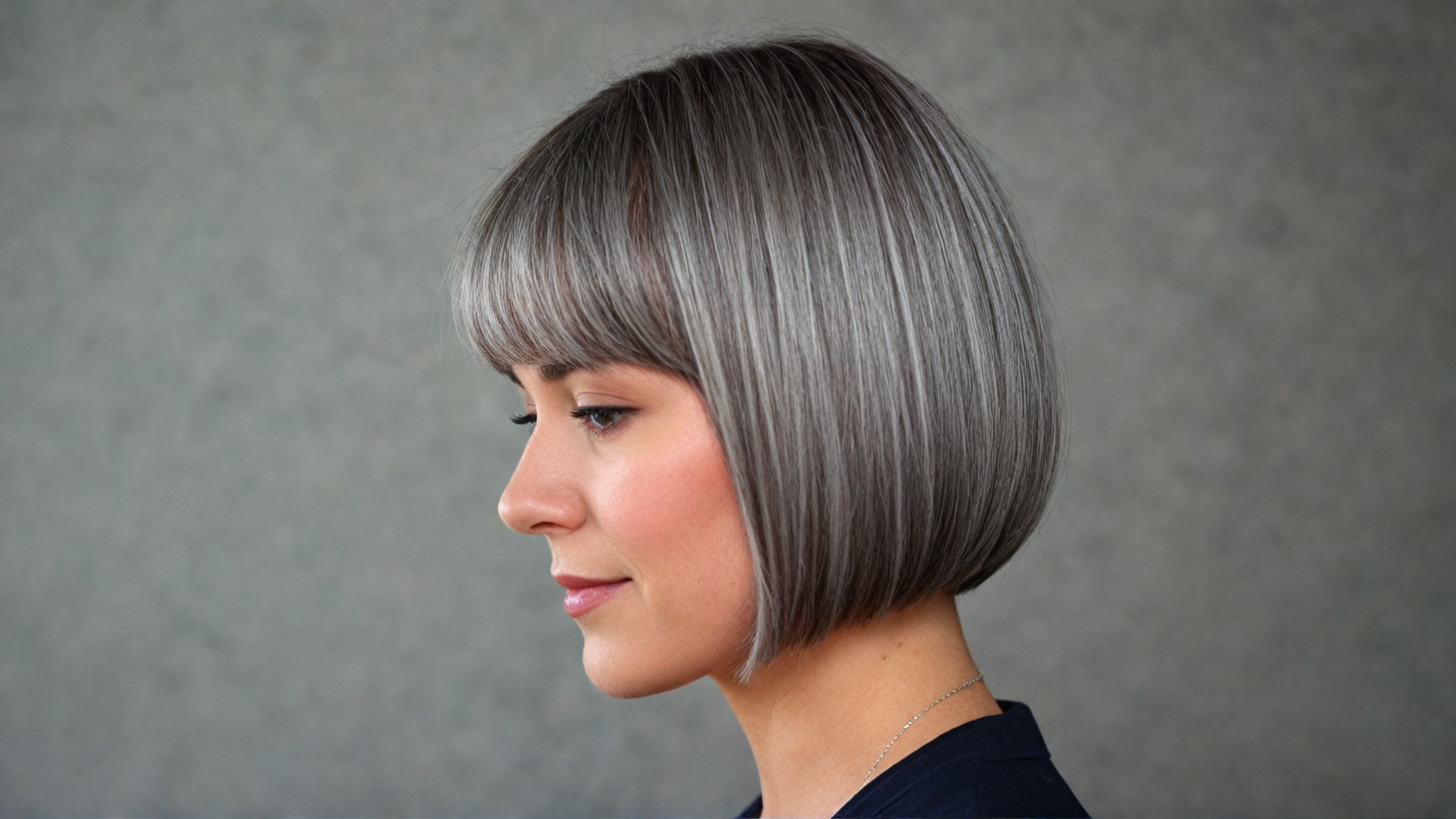
Looking for a fresh take on a classic haircut? The bob cut has been reinventing itself for over a century, yet somehow manages to feel completely current with each new interpretation. Today’s modern bob styles blend traditional elegance with contemporary edge, offering something for every woman who wants a sophisticated yet manageable haircut.
The beauty of the bob lies in its adaptability. While the basic concept remains unchanged – hair cut to somewhere between the ears and shoulders – today’s variations push creative boundaries in exciting ways. From razor-sharp lines to soft, textured edges, modern bobs reflect individual personality while maintaining the polished appearance that made this cut famous.
Ready to discover how this iconic haircut continues to evolve? In the following sections, we’ll explore the defining features of contemporary bob styles, help you find the perfect variation for your face shape, and share professional styling techniques that bring out the best in your cut. You’ll also learn about this year’s trending variations and essential maintenance tips to keep your bob looking salon-fresh between appointments.
What Defines a Modern Bob Cut Today
The transformation from classic to contemporary bob involves subtle yet significant changes that reflect current fashion sensibilities. Traditional bobs featured uniform length, blunt edges, and minimal layering. Today’s versions play with these elements, creating dynamic shapes that move naturally and photograph beautifully from every angle.
Classic versus contemporary elements
Modern bobs retain the foundation of their predecessors while incorporating fresh techniques. Where classic cuts emphasized precision and symmetry, contemporary versions often feature intentional asymmetry or graduated lengths. The strict one-length rule has given way to varied textures and strategic layering that adds dimension without sacrificing the bob’s characteristic shape.
Stylists now approach bob cuts with a more personalized perspective. Rather than following rigid guidelines, they consider individual hair texture, lifestyle, and maintenance preferences. This shift means your bob can be uniquely yours while still honoring the cut’s timeless appeal.
Key features of updated bob styles
Several elements distinguish modern bobs from their traditional counterparts. Texture takes center stage, with stylists using various cutting techniques to create movement and reduce bulk. Point cutting, slide cutting, and texturizing shears all contribute to the lived-in feel that defines contemporary styling.
The perimeter – or bottom edge – of modern bobs shows particular innovation. Instead of the ruler-straight lines of classic cuts, today’s bobs might feature soft graduation, subtle layers, or deliberately choppy ends. These variations allow for more versatility in styling and help the cut grow out more gracefully.
Face-framing also receives special attention in modern bob cuts. Strategic layering around the face creates a flattering effect that can be customized for different face shapes and features. This personalization wasn’t typically part of traditional bob cutting techniques.
Length variations that work this year
Current bob trends span a wider range of lengths than ever before. The micro bob sits just below the ears, making a bold statement that works particularly well with strong features. The chin-length bob remains popular for its versatility and flattering proportions. The lob – or long bob – extends to the collarbones, offering more styling options while maintaining the bob’s essential character.
Each length variation suits different lifestyles and preferences. Shorter versions require more frequent trims but offer easy morning routines. Longer variations provide flexibility for updos and braids while still delivering the polished look associated with bob cuts.
Within these length categories, stylists create further variations through graduation and layering:
Micro Bob Benefits: Minimal styling time required daily
Chin-Length Advantages: Frames the face beautifully without overwhelming features
Lob Flexibility: Can be worn straight, wavy, or pulled back easily
Graduated Options: Add volume where needed while maintaining sleek appearance
Texture techniques transforming traditional bobs
Modern cutting techniques revolutionize how bobs look and behave. Razor cutting creates soft, piece-y texture that moves naturally. Dry cutting allows stylists to see exactly how the hair will fall, resulting in more precise customization. Channel cutting removes weight from within the hair shaft, creating movement without sacrificing length.
These techniques work together to create bobs that look effortless rather than overly styled. The goal is hair that air-dries beautifully and responds well to minimal heat styling. This approach reflects current preferences for low-maintenance beauty routines that still deliver polished results.
Color placement also plays a role in modernizing bob cuts. Strategic highlights, lowlights, or creative color placement can enhance the cut’s shape and add visual interest. Stylists often collaborate with colorists to ensure the color complements the cut’s architecture.
How to Choose the Right Modern Bob for Your Face Shape
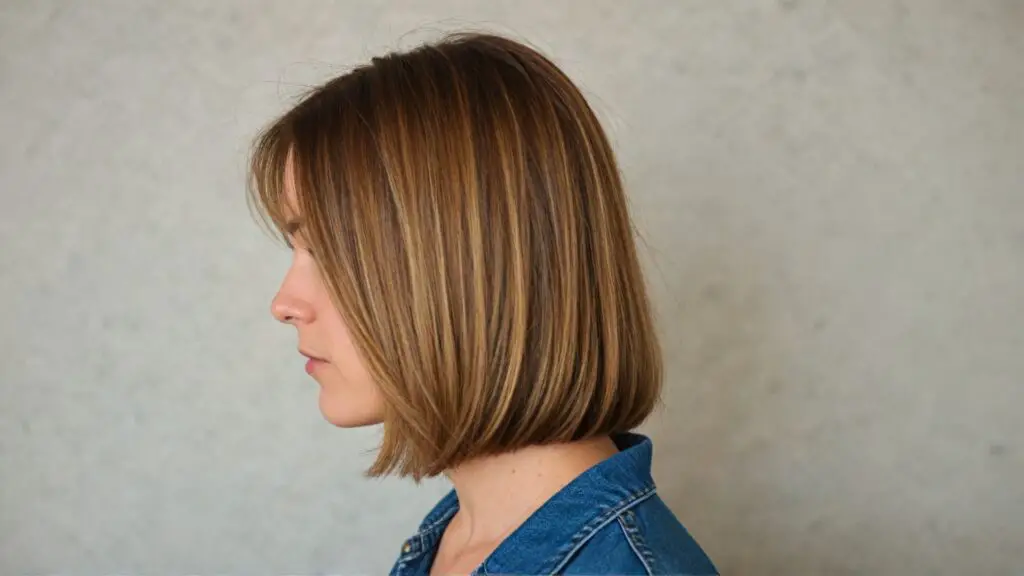
Finding your ideal bob variation starts with understanding your face shape and how different cutting techniques can enhance your natural features. Modern stylists move beyond strict rules, focusing instead on creating balance and highlighting your best attributes through strategic cutting and styling choices.
Round face considerations
Women with round faces benefit from bob styles that create the illusion of length and angles. A-line bobs work wonderfully, with the front pieces slightly longer than the back. This diagonal line draws the eye downward, creating a lengthening effect that complements rounder features.
Adding height at the crown also helps elongate round faces. Your stylist might incorporate subtle layers at the top while keeping sides sleeker. Avoid bobs that hit exactly at the widest part of your face – instead, opt for lengths either above or below this point.
Side parts work better than center parts for round faces, as they create asymmetry that breaks up the circular shape. Consider asking your stylist about incorporating subtle angles or graduation that adds definition without harsh lines.
Square face styling tips
Square faces shine with bob cuts that soften angular features. Textured, layered bobs with movement around the jawline help balance strong bone structure. The key lies in avoiding severe, blunt cuts that might emphasize squareness.
Length plays a crucial role for square faces. Bobs that fall just below the jawline or at the shoulders tend to be most flattering. These lengths draw attention away from the jaw while maintaining the sophisticated bob silhouette.
Stylists often recommend incorporating waves or curves into bobs for square faces. Whether achieved through cutting techniques or styling methods, these softer shapes create beautiful contrast with angular features. Face-framing layers that start below the cheekbones also help create a more oval appearance.
Oval face options
Oval faces enjoy the most flexibility with bob styles, as this face shape works with virtually any variation. From ultra-short pixie bobs to shoulder-grazing long bobs, the options are endless. This versatility allows you to choose based on personal style preferences rather than face shape limitations.
That said, certain bob styles particularly flatter oval faces. Blunt, one-length bobs showcase the balanced proportions beautifully. Asymmetrical bobs create visual interest without disrupting natural harmony. Even dramatic undercuts or bold color choices work well with oval face shapes.
When consulting with your stylist, focus on factors beyond face shape – consider your hair texture, lifestyle, and maintenance preferences. Oval faces can handle both high-maintenance precision cuts and low-key textured styles equally well.
Heart-shaped face adaptations
Heart-shaped faces look stunning with bob cuts that add width at the jaw while minimizing volume at the crown. Chin-length or slightly longer bobs create the ideal balance, especially when styled with subtle waves or texture at the ends.
Avoid excessive volume at the top of the head, which can emphasize the wider forehead characteristic of heart shapes. Instead, keep the crown area sleeker while adding fullness from the ears down. Side-swept bangs or longer face-framing pieces also help balance proportions.
Consider bobs with soft graduation or layers that kick out slightly at the bottom. These techniques add the illusion of width at the narrower part of the face while maintaining the classic bob shape. Your stylist might also suggest subtle asymmetry to create visual interest without overwhelming delicate features.
Long face balancing techniques
Long faces benefit from bob cuts that add horizontal lines and width. Chin-length bobs with strong, blunt lines work particularly well, as they create the illusion of width that balances length. Avoid very short or very long bobs that might elongate the face further.
Bangs make an excellent addition to bobs for long faces. Whether you choose blunt bangs, side-swept versions, or wispy fringe, they help shorten the vertical line of the face. Combined with a well-placed bob length, bangs create ideal proportions.
Your stylist might suggest adding waves or curls to your bob, as these create width and movement that complements longer face shapes. Even subtle bends achieved through blow-drying techniques can make a significant difference in overall balance.
Which Styling Methods Create Contemporary Bob Looks
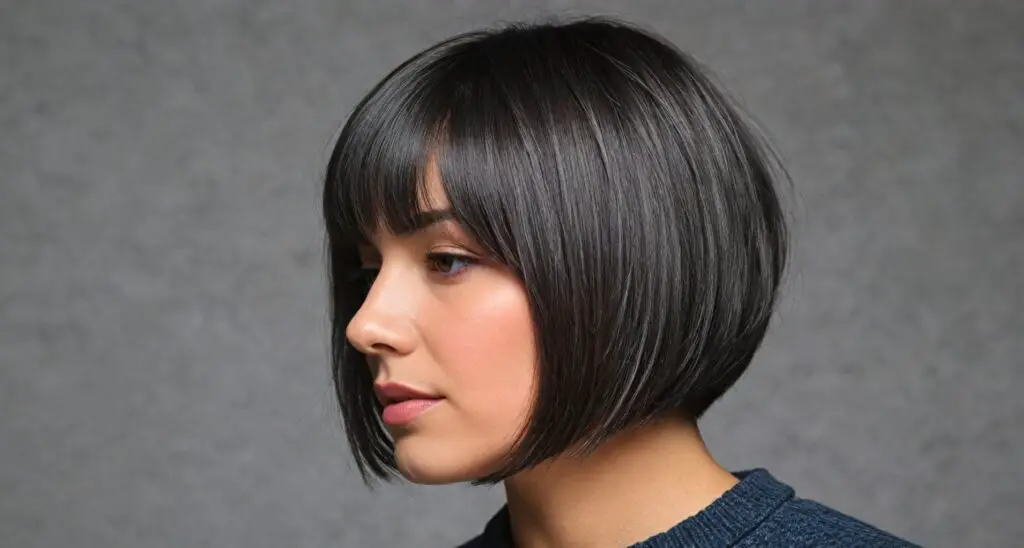
The right styling techniques transform a good bob cut into a great one. Modern approaches focus on enhancing your cut’s natural architecture while adding personal flair through texture, movement, and finish.
Professional stylists emphasize working with your hair’s natural tendencies rather than fighting against them. This philosophy results in styles that look polished yet effortless – the hallmark of contemporary bob styling. Understanding various techniques empowers you to recreate salon-worthy looks at home while maintaining your bob’s intended shape between appointments.
Heat-free techniques for everyday wear
Air-drying has become increasingly popular for modern bob styling, especially when combined with the right products and techniques. Start with damp hair and apply a lightweight styling cream or mousse from mid-length to ends. Scrunch gently to encourage natural texture, then allow hair to dry undisturbed.
For smoother results without heat, try the twist method. Section damp hair and twist each piece away from your face, securing with soft clips. Once completely dry, release the twists for subtle waves that add movement without frizz. This technique works particularly well for bobs with layered or textured cuts.
Braiding damp hair before bed creates beautiful waves by morning. Try different braid placements – a single low braid for uniform waves, or multiple smaller braids for more defined texture. The key lies in starting with slightly damp, not soaking wet, hair to ensure complete drying overnight.
Professional blow-dry approaches
When you do use heat styling, proper technique makes all the difference. Begin with a heat protectant spray applied to damp hair. Use a round brush to create tension while directing the dryer’s airflow down the hair shaft – this smooths the cuticle for shine and reduces frizz.
For volume at the roots, flip your head upside down during the initial drying phase. Once hair is about 80% dry, use your round brush to shape the style. Roll sections away from your face for a flattering effect, holding each section with cool air to set the shape.
The size of your round brush affects the final result. Smaller brushes create more curve and volume, while larger brushes produce smoother, sleeker finishes. For modern bob styles, medium-sized brushes often provide the perfect balance of smoothness and movement.
Product selection for modern finishes
Today’s bob styles rely on products that enhance texture without weighing hair down. Texturizing sprays add grip and definition to piece-y styles. Apply to dry hair and scrunch or tousle with your fingers for an undone effect that still looks intentional.
For sleek, polished bobs, smoothing serums or oils provide necessary control. Use sparingly – a pea-sized amount is usually sufficient for bob-length hair. Warm the product between your palms before smoothing over the surface of styled hair, focusing on ends where dryness is most visible.
Here’s how different products create specific finishes:
Sea Salt Spray: Creates beachy texture and enhances natural waves
Volumizing Mousse: Adds body without stiffness when applied to roots
Smoothing Cream: Tames frizz while maintaining movement
Dry Shampoo: Refreshes between washes and adds texture at roots
Finishing Oil: Provides shine and controls flyaways without heaviness
Quick morning styling routines
Busy mornings call for efficient styling methods that still deliver polished results. For most modern bobs, a quick refresh with a flat iron or curling wand takes less than ten minutes. Focus on face-framing pieces and any areas that need smoothing or reshaping.
The overnight pineapple method helps preserve your style while you sleep. Gather hair loosely at the very top of your head with a soft scrunchie, allowing the ends to fan out. This prevents creasing and maintains volume at the roots. In the morning, release and shake out for instantly refreshed hair.
Dry shampoo serves double duty for quick morning touch-ups. Besides absorbing oil, it adds texture and grip that makes styling easier. Spray at the roots, let it sit while you continue your morning routine, then massage in and style as desired.
For truly rushed mornings, a sleek low ponytail or half-up style works beautifully with bob lengths. These options look intentional rather than hurried, especially when you add a finishing touch like a decorative clip or subtle twist to the pulled-back section.
Modern Bob Trends Dominating This Year
Fashion-forward bob cuts this year push creative boundaries while maintaining wearable appeal. Current trends reflect a desire for personalization and self-expression through hair, with stylists offering innovative takes on traditional bob concepts.
Asymmetrical variations gaining popularity
Asymmetry adds instant edge to classic bob shapes. Subtle differences between sides – perhaps an inch variation in length – create visual interest without appearing extreme. More dramatic asymmetry makes a bold statement, with one side significantly shorter for an avant-garde effect.
These uneven cuts work particularly well with straight or slightly wavy textures where the length difference shows clearly. Stylists often incorporate graduated layers on the longer side to enhance movement and prevent the style from appearing too heavy or unbalanced.
The beauty of asymmetrical bobs lies in their versatility. You can style them sleek and professional for work, then tousle with texture spray for evening plans. The built-in drama means minimal styling effort still yields maximum impact.
Color techniques enhancing bob cuts
Strategic color placement revolutionizes how modern bobs look and move. Money piece highlights – bright frames around the face – add dimension while requiring less maintenance than all-over color. This technique particularly flatters bob cuts by emphasizing the face-framing nature of the style.
Shadow roots have become increasingly popular for their low-maintenance appeal. By keeping the roots darker and gradually lightening toward the ends, this technique creates depth while extending time between salon visits. The gradient effect also adds visual interest to one-length bobs.
Creative color placement goes beyond traditional highlights. Stylists now use color to accentuate specific aspects of the cut – perhaps lighter pieces where layers create movement, or darker tones underneath to add weight and shape. These artistic approaches turn the bob into a true work of art.
Hidden rainbow colors offer a playful option for those wanting creativity without full commitment. Bright colors placed underneath allow for peeks of vibrancy when hair moves, while maintaining a professional appearance when styled down. This trend particularly suits longer bob variations with enough length to conceal the color when needed.
Layering methods creating movement
Modern layering techniques for bobs focus on creating movement without sacrificing the overall shape. Internal layers remove weight while maintaining a strong perimeter, resulting in hair that moves naturally but still reads as a defined bob.
Soft, invisible layers work throughout the interior of the cut. Unlike traditional layering that creates obvious steps, these subtle graduations add movement and reduce bulk without changing the bob’s silhouette. This approach works especially well for thick hair that needs weight removal.
Point cutting and slice cutting create textured ends that move independently. Rather than one solid line at the bottom, these techniques produce a lived-in effect that softens the overall look. The result appears effortless and modern while maintaining the sophistication associated with bob cuts.
Fringe styles complementing modern bobs
Bangs have returned as a major trend, with various styles complementing different bob variations. Curtain bangs offer versatility and suit most face shapes, creating a soft frame that enhances bob cuts without overwhelming them. These longer, swept-aside pieces grow out gracefully and require minimal maintenance.
Micro bangs make a bold statement when paired with shorter bob lengths. This dramatic combination works best with confident personalities who appreciate high-fashion looks. The contrast between super-short fringe and a geometric bob creates striking visual impact.
Wispy, textured bangs provide a softer option that blends seamlessly with layered bobs. These piece-y fringes add movement around the face without the commitment of blunt bangs. They’re particularly flattering for those with finer hair or anyone wanting a low-maintenance fringe option.
Side-swept bangs remain a classic choice that never truly goes out of style. When integrated into a modern bob, they can be worn sleek for professional settings or tousled for casual occasions. The versatility makes them ideal for women who want options in their daily styling routine.
How to Maintain Your Modern Bob Between Salon Visits
Keeping your bob looking fresh requires consistent care and the right approach to at-home maintenance. The precision of bob cuts means they show growth and damage more obviously than longer styles, making proper care essential for maintaining your style’s integrity.
Regular maintenance goes beyond just booking salon appointments. Daily care routines, proper product use, and understanding your specific cut’s needs all contribute to keeping your bob looking professionally styled. With the right knowledge and tools, you can extend the life of your cut and keep it looking polished week after week.
Trimming schedules for optimal shape
Most bob cuts require trimming every 4-6 weeks to maintain their shape. Shorter, more precise styles like micro bobs or sharp-angled cuts may need attention every 3-4 weeks. Longer, more textured variations can sometimes stretch to 6-8 weeks between appointments.
Pay attention to how your specific cut grows out. Some women notice their bobs losing shape at the back first, while others see changes in the face-framing sections. Understanding your hair’s growth patterns helps you schedule appointments before the style loses its intended shape.
Between professional trims, resist the temptation to cut your own hair. Even small adjustments can throw off the balance of a well-cut bob. If you notice a few stray hairs, use styling products to blend them rather than reaching for scissors.
Home care routines preserving style
Your washing routine significantly impacts how your bob looks and behaves. Over-washing strips natural oils that help hair lie smoothly, while under-washing can leave hair limp and shapeless. Most women with bobs find washing every 2-3 days provides the right balance.
Choose shampoo and conditioner formulated for your hair type rather than generic options. Fine hair benefits from volumizing formulas, while coarse hair needs smoothing properties. Apply conditioner only from mid-length to ends to avoid weighing down roots.
The way you dry your hair affects its shape. Rough towel-drying creates frizz and disrupts the cuticle. Instead, squeeze out excess water gently, then wrap hair in a microfiber towel or soft t-shirt. This method reduces frizz while preserving your cut’s shape.
Tools worth investing in
Quality tools make a noticeable difference in maintaining your bob at home. A professional-grade hair dryer with multiple heat settings allows for proper styling without damage. Look for models with ionic technology to reduce frizz and enhance shine.
The right brush can transform your styling routine:
Paddle Brush: Smooths and detangles without creating too much volume
Round Brush: Creates shape and movement during blow-drying
Wet Brush: Detangles damp hair without breakage
Boar Bristle Brush: Distributes natural oils and adds shine
A good flat iron serves multiple purposes for bob maintenance. Beyond straightening, you can create flips, waves, and texture. Choose one with adjustable temperature settings to avoid heat damage. Ceramic or tourmaline plates provide even heat distribution.
Common mistakes to avoid
One frequent error is using too much product. Bobs require less product than longer hair, and overuse leads to limp, greasy-looking styles. Start with small amounts and add more only if needed. This approach saves money while achieving better results.
Sleeping on wet hair creates unexpected bends and shapes that are difficult to correct in the morning. Always ensure hair is completely dry before bed, or use protective styles like loose braids or silk scarves to minimize disruption to your cut’s shape.
Ignoring heat protection leads to damage that shows quickly on shorter hair. Every heat styling session should begin with a protective product. Look for lightweight sprays that won’t weigh down your bob while providing necessary protection.
Many women make the mistake of trying to force their bob into styles it wasn’t cut to achieve. Work with your cut’s natural tendencies rather than against them. If your stylist created a textured, piece-y bob, trying to make it perfectly smooth every day fights the cut’s design and creates frustration.
Final Thoughts on Your Modern Bob Journey
The modern bob continues to prove why it remains one of the most requested cuts in salons worldwide. Its ability to adapt to current trends while maintaining timeless appeal makes it a smart choice for women seeking style with manageable maintenance. Whether you prefer edgy asymmetry, soft texture, or sleek precision, there’s a contemporary bob variation that fits your lifestyle and personality.
Success with any bob cut comes from finding the right stylist who understands both classic technique and modern innovation. Take time to discuss your daily routine, styling abilities, and maintenance commitment before making the cut. Armed with the knowledge of different variations, styling methods, and care techniques, you’re ready to make an informed decision about your perfect modern bob. This iconic cut offers endless possibilities for personal expression while delivering the polished, put-together look that never goes out of style.
Frequently Asked Questions
Q: How often should I wash my bob cut to maintain its shape?
A: Washing every 2-3 days works best for most bob styles. This frequency maintains natural oils that help hair lie smoothly while preventing buildup that can make the style look limp.
Q: Can women with very thick hair successfully wear a bob cut?
A: Yes, thick hair works beautifully in bob cuts with proper layering techniques. Internal layers and texturizing remove bulk while maintaining the bob’s shape.
Q: What’s the main difference between a lob and a regular bob?
A: A lob (long bob) extends to the collarbones, while regular bobs typically fall between the ears and shoulders. Lobs offer more styling versatility and grow out more gradually.
Q: Will a bob cut make my face look rounder?
A: Not if cut properly. An A-line bob with longer front pieces or added height at the crown actually creates lengthening effects that complement round faces.
Q: How can I add volume to my fine-haired bob without making it look overdone?
A: Use volumizing mousse at the roots before blow-drying with a round brush. Dry shampoo also adds texture and lift without the stiff feeling of heavy products.
Q: Are bob cuts high-maintenance compared to longer hairstyles?
A: Bobs require more frequent trims (every 4-6 weeks) but often need less daily styling time. The trade-off is regular salon visits for quicker morning routines.
Q: What’s the best way to grow out a bob if I change my mind?
A: Regular trims during grow-out prevent awkward stages. Ask your stylist to gradually adjust the shape, perhaps transitioning through a lob phase for the smoothest growing process.
Q: Can I wear my bob in updos for special occasions?
A: Longer bobs offer more updo options, while shorter versions work well with half-up styles, decorative clips, or creative pinning techniques for formal events.

