

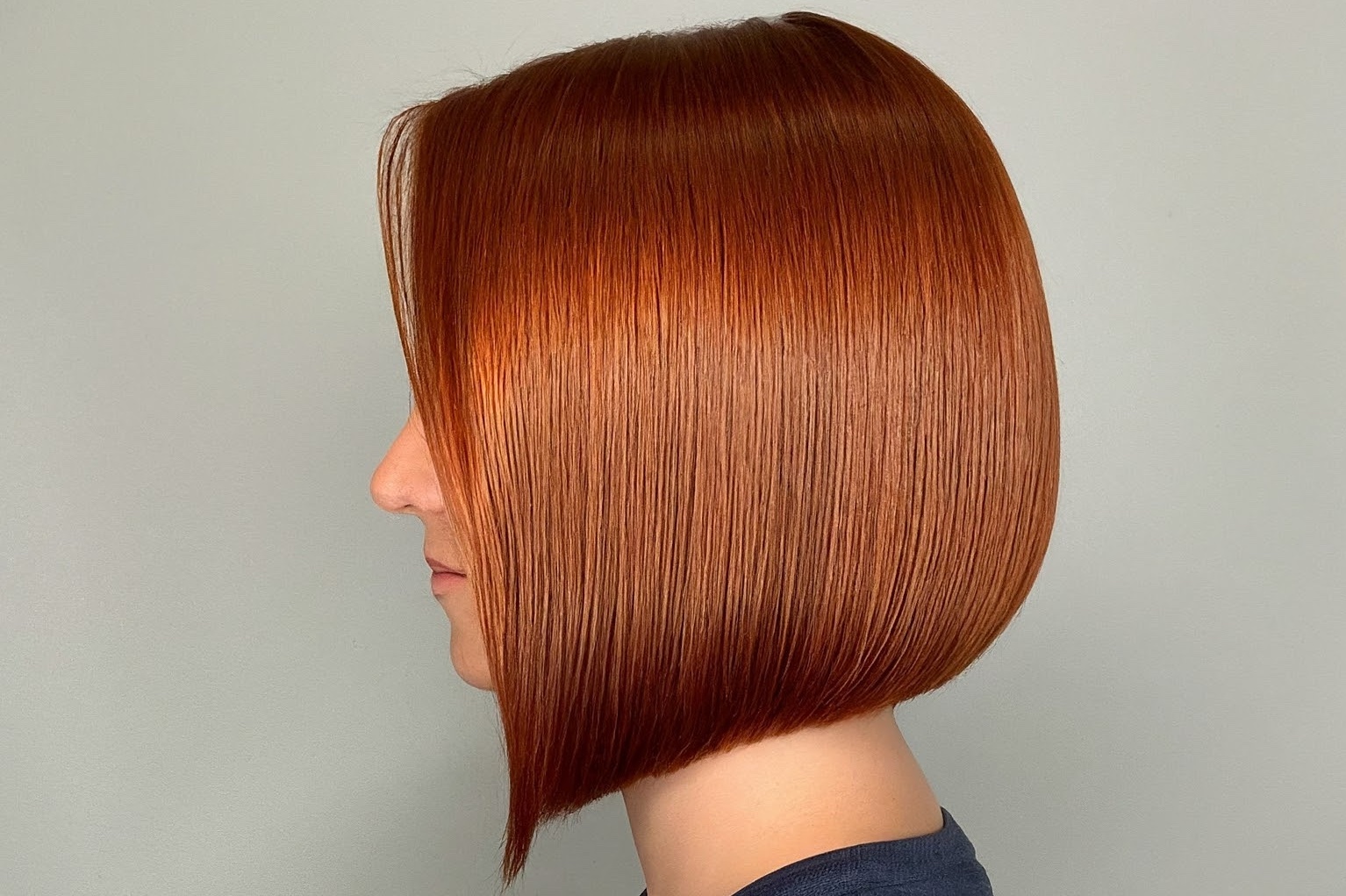
Medium bob haircuts have become the go-to choice for women seeking a fresh look without committing to dramatic length changes. This versatile style sits perfectly between the chin and shoulders, offering enough length to style in various ways while maintaining the clean, polished appearance that bobs are known for. The beauty of this particular cut lies in its ability to complement virtually any face shape, hair texture, and personal style preference.
Finding the right bob variation can transform your entire appearance and boost your confidence in ways you might not expect. Whether you have fine hair that needs volume, thick hair requiring weight removal, or anything in between, there’s a medium bob style designed specifically for your hair type. The key is understanding which variation will work best with your natural texture and lifestyle requirements.
In the following sections, we’ll explore seven stunning medium bob variations that have captured attention for their unique characteristics and adaptability. From textured waves that add movement to sleek asymmetrical cuts that make bold statements, each style offers something special. Let’s discover which of these contemporary cuts might become your next signature look.
- What Makes a Medium Bob Different from Other Bob Styles
- The Textured Waves Medium Bob for Added Movement
- The Sleek Asymmetrical Medium Bob
- The Choppy Layers Medium Bob with Edge
- The Blunt Cut Medium Bob for a Modern Look
- The Face-Framing Medium Bob with Curtain Bangs
- Final Thoughts on Choosing Your Perfect Medium Bob
- Frequently Asked Questions
What Makes a Medium Bob Different from Other Bob Styles
A medium bob occupies the sweet spot in bob haircuts, typically falling between the jawline and just above the shoulders. This specific length creates more styling possibilities than shorter bobs while remaining easier to manage than longer styles. The cut usually measures between 10 to 14 inches from the crown, giving you enough hair to pull back into a small ponytail or clip when needed.
Length specifications and cutting techniques
Professional stylists use various cutting techniques to achieve the perfect medium bob shape. Point cutting creates softer edges and movement, while razor cutting produces a more textured, lived-in appearance. The angle at which hair is cut determines whether you’ll have a graduated bob that’s shorter in back or a more uniform length throughout.
Hair density plays a crucial role in determining the best cutting approach. Women with thick hair often benefit from internal layering that removes bulk without sacrificing the overall shape. Those with finer textures might prefer a blunt cut that maintains maximum density at the ends.
Versatility compared to short and long bobs
Unlike pixie-length bobs that limit styling options, this mid-length version allows for curls, waves, straightening, and updos. You can wear it sleek for professional settings or add texture for casual weekends. The length provides enough weight to prevent excessive poofing in humid weather, a common concern with shorter cuts.
Face-framing capabilities
The way a medium bob frames your face depends largely on the cutting technique and styling method used. Side-swept versions soften angular features, while center parts create symmetry and elongate round faces. The hair naturally falls at a flattering point that doesn’t overwhelm petite features or get lost on longer face shapes.
Adding subtle layers around the face creates dimension without disrupting the clean bob line. These layers can be styled toward or away from the face depending on your mood and the occasion.
Styling flexibility
Morning routines become simpler with this length because you have multiple quick styling options. Air-drying with a texturizing spray creates effortless waves. A flat iron transforms the cut into a polished, professional style in minutes. Round brushing adds volume and movement for special occasions.
Maintenance requirements
Most women find they need trims every 6-8 weeks to maintain the shape, though this varies based on hair growth rate and desired precision. The beauty of this length is that growing it out doesn’t create awkward stages like shorter bobs might. You can gradually transition to longer styles or maintain the length indefinitely.
Regular conditioning treatments keep ends healthy and prevent the blunt edge from looking scraggly. Using heat protectants before styling preserves the cut’s integrity between salon visits.
The Textured Waves Medium Bob for Added Movement
Textured waves transform a standard medium bob into something dynamic and full of life. This style works particularly well for women who want volume without the commitment of daily curling. The secret lies in strategic layering that encourages natural movement while maintaining the bob’s distinctive shape.
Creating natural texture with layers
Your stylist will incorporate layers at varying lengths throughout the cut, focusing on the mid-lengths and ends. These layers shouldn’t be too dramatic – subtle graduation creates the most natural-looking waves. The goal is building in movement potential rather than removing too much weight.
Texturizing shears help create piece-y sections that move independently. This technique works especially well for hair that tends to lie flat against the head. By breaking up the solid weight line, each section can form its own wave pattern.
The placement of these layers matters significantly. Starting them too high can create unwanted volume at the crown, while beginning too low might not provide enough movement. Most stylists recommend starting layers around ear level for optimal results.
Best hair types for this style
While textured waves work with many hair types, certain textures see the best results. Women with naturally wavy hair find this cut enhances what they already have. The layers work with existing wave patterns, making styling nearly effortless. Straight-haired women can achieve this look too, though it requires more styling effort.
Styling techniques for waves
Creating waves in your medium bob doesn’t require complicated techniques. Start with damp hair and apply a volumizing mousse from roots to ends. Twist small sections around your finger while blow-drying with a diffuser attachment. This method encourages natural wave formation without excessive heat damage.
For more defined waves, try the twist and pin method. Section damp hair into 1-inch pieces, twist each tightly, and secure with bobby pins. Once completely dry, release the twists and gently separate with your fingers. A texturizing spray sets the style without stiffness.
Braiding slightly damp hair before bed creates gorgeous waves by morning. French braids produce waves from the roots, while regular braids start the texture lower. Sleeping on silk pillowcases reduces friction that might disturb the wave pattern overnight.
Products that enhance texture
The right products make all the difference in achieving and maintaining textured waves. Here are essential items for this style:
Sea Salt Spray: Creates beachy texture and enhances natural wave patterns without weighing hair down Curl Cream: Defines waves while controlling frizz and adding moisture to dry ends Texture Powder: Adds grip and volume at the roots for fuller-looking waves Light-Hold Mousse: Provides structure without the crunchiness associated with stronger products
Application technique matters as much as product selection. Scrunch products into damp hair using an upward motion to encourage wave formation. Avoid running fingers through styled waves, as this can separate the pattern and create frizz.
Weather significantly impacts textured styles. On humid days, anti-humidity sprays help maintain definition. During dry weather, leave-in conditioners prevent static and keep waves smooth. Adjusting your product routine seasonally ensures consistent results year-round.
The Sleek Asymmetrical Medium Bob
An asymmetrical medium bob makes a confident style statement through deliberate imbalance. One side extends noticeably longer than the other, creating visual interest and modern sophistication. This cut works as a subtle professional style or an edgy fashion-forward look, depending on the degree of asymmetry chosen.
Understanding asymmetrical cuts
The beauty of asymmetry lies in its customization potential. Some women prefer a gentle graduation with only an inch or two difference between sides. Others choose dramatic angles where one side grazes the shoulder while the other sits at the jawline. Your stylist will consider your face shape, lifestyle, and comfort level when determining the ideal angle.
Cutting techniques for asymmetrical bobs require precision and expertise. The graduation must appear intentional rather than accidental. Stylists often use a combination of scissors and razors to achieve clean lines while maintaining movement. The nape area needs careful attention to ensure the angle flows smoothly from back to front.
This style particularly flatters women with round or square face shapes. The diagonal line creates length and draws the eye downward, producing a slimming effect. Those with oval faces can wear any degree of asymmetry successfully.
How angles change your look
Steep angles project confidence and fashion awareness. They work wonderfully in creative professional environments or for women who enjoy making style statements. The dramatic difference between sides becomes a conversation starter and showcases your personality.
Gentle angles offer versatility for those who want something different without extreme change. You can style the longer side behind your ear for a more traditional appearance or showcase the asymmetry for special occasions. This flexibility makes it perfect for women balancing conservative work environments with personal style preferences.
Styling for maximum impact
Achieving the sleek finish that highlights your bob’s asymmetry starts with proper preparation. Apply a smoothing serum to damp hair, concentrating on the mid-lengths and ends. Use a paddle brush while blow-drying to create tension that smooths the cuticle. Direct the airflow downward to minimize frizz and enhance shine.
A flat iron perfects the sleek finish. Work in small sections, running the iron from roots to ends in one smooth motion. The temperature should be appropriate for your hair type – fine hair needs lower heat than coarse textures. Creating a slight bend at the ends, either inward or outward, adds polish to the overall look.
For extra shine and hold, finish with a lightweight gloss spray. Apply from several inches away to avoid weighing down the style. This final step also helps control flyaways that might disrupt the clean lines.
Who should consider this style
Asymmetrical bobs suit women ready to experiment with their look without drastically changing length. If you’ve worn traditional bobs before and want something fresh, this variation provides excitement while remaining familiar. The style photographs beautifully, making it popular among those active on social media.
Maintenance requirements should factor into your decision. Asymmetrical cuts need regular trims to maintain their shape – even slight growth can disrupt the intended angle. If you prefer low-maintenance styles or visit the salon infrequently, consider whether you’re ready for this commitment.
Your hair’s natural growth patterns also matter. Cowlicks or strong directional growth might fight against certain angles. A skilled stylist will work with these patterns rather than against them, but some textures simply cooperate better than others with asymmetrical styles.
Career considerations might influence your choice too. While many workplaces accept diverse hairstyles, some conservative environments might view dramatic asymmetry as too unconventional. Consider your professional context when deciding on the degree of angle that works for your life.
The Choppy Layers Medium Bob with Edge
Choppy layers bring an entirely different energy to the classic medium bob. Instead of smooth, blended layers that flow seamlessly together, this technique creates distinct, disconnected pieces that move independently. The result is an effortlessly cool style that looks amazing whether you’ve spent time styling it or just rolled out of bed.
Difference between choppy and regular layers
Regular layers blend gradually from one length to another, creating smooth transitions that add movement without obvious lines. Choppy layers, by contrast, feature deliberately uneven cuts that create visible texture and separation. Each piece maintains its own identity rather than flowing into neighboring sections.
The cutting technique involves point cutting at various angles to create irregular edges. Your stylist might use razors, texturizing shears, or standard scissors held vertically to achieve different textures throughout. Some sections might be significantly shorter than others, creating that signature piece-y appearance.
This technique removes weight differently than traditional layering. While standard layers thin out hair gradually, choppy cuts create pockets of fullness and areas of reduced density. This variation adds visual interest and prevents the style from looking too perfect or structured.
Face shape plays less of a role in determining suitability for choppy layers than with other cuts. The irregular nature of the style creates multiple lines and angles that work with various facial structures. Women with very fine hair should approach this style cautiously, as removing too much weight might result in stringy-looking ends.
Creating dimension and volume
Choppy layers excel at adding dimension to hair that tends to look flat or one-dimensional. The varying lengths catch light differently, creating shadows and highlights even in single-color hair. This visual texture makes hair appear thicker and more dynamic than it actually might be.
Strategic placement of the shortest layers determines where volume appears. Layers cut shorter at the crown create height and lift. Keeping the underneath sections longer provides weight that prevents the style from becoming too poufy. Side layers add width where needed or can be positioned to slim the face.
The disconnected nature of choppy layers means each section can be styled differently for maximum volume:
Root Lifting: Apply volumizing powder directly to roots before blow-drying sections upward Piece Separation: Use pomade or wax to define individual chunks for enhanced texture
Backcombing: Gently tease shorter layers at the crown for instant height Directional Drying: Blow-dry sections in opposite directions to their natural fall for added body
Styling options for different occasions
The versatility of choppy layers allows complete transformation between casual and formal looks. For everyday wear, scrunch in some texture cream and let hair air dry for an undone, effortless vibe. This works particularly well for women with natural wave or curl patterns.
Professional settings call for more polished styling. Use a round brush to smooth layers while maintaining their piece-y texture. A small amount of smoothing cream tames flyaways without eliminating the cut’s characteristic edge. Direct layers forward around the face for a softer appearance.
Evening events provide opportunities to maximize the drama of your choppy bob. Create defined pieces using a flat iron, bending some sections outward and others inward for dynamic movement. Texturizing spray adds grip and hold while maintaining flexibility. Pin back one side with decorative clips to showcase the layers’ varying lengths.
Maintenance tips for keeping the edge
Choppy bobs require regular maintenance to preserve their intentionally undone appearance. Without proper trimming, the layers grow out unevenly and lose their artistic disconnection. Schedule cuts every 5-7 weeks to maintain the style’s edgy character.
Between salon visits, proper product use maintains texture and separation. Dry shampoo extends time between washes while adding grip for styling. Apply it before bed so it fully absorbs overnight. This technique also provides volume at the roots without the weight of traditional volumizing products.
Avoid heavy conditioners that might weigh down the layers and eliminate texture. Instead, use lightweight leave-in treatments that moisturize without coating the hair shaft. Focus conditioning treatments on the ends rather than applying throughout the length.
Heat styling should be minimal to preserve hair health and maintain the cut’s natural texture. When you do use hot tools, always apply protectant products first. Consider investing in quality tools with adjustable temperature settings to minimize damage while achieving desired results.
Regular clarifying treatments remove product buildup that can make choppy layers appear limp and lifeless. Once monthly, use a clarifying shampoo to reset your hair’s texture. Follow with a light conditioning treatment to restore moisture without heaviness.
The Blunt Cut Medium Bob for a Modern Look
A blunt cut medium bob creates the ultimate in sophisticated simplicity. This style features hair cut to one precise length with no layers or graduation, resulting in a strong, geometric line that looks incredibly modern. The clean edge makes a powerful statement while remaining surprisingly versatile for different occasions and styling preferences.
Why blunt cuts are trending
Fashion cycles have brought blunt cuts back into prominence as women seek polished, put-together styles that require minimal daily effort. The precise line creates an expensive, salon-fresh appearance even weeks after cutting. This cut photographs exceptionally well, with the solid edge creating striking silhouettes in profile views.
Social media has amplified interest in blunt bobs as influencers showcase their graphic appeal. The style works beautifully with current minimalist fashion trends, complementing clean lines in clothing with equally crisp hair design. Women appreciate how this cut looks intentional and styled even when worn naturally.
The psychological impact of wearing such a definitive style shouldn’t be underestimated. Many women report feeling more confident and professional with a blunt bob. The precision required to maintain it suggests attention to detail that extends beyond appearance into other life areas.
Creating thickness and fullness
Blunt cuts excel at making hair appear thicker and fuller than it actually is. By maintaining all hair at the same length, you create a solid line of density at the bottom that gives the illusion of abundant hair. This optical effect works particularly well for women with fine or thinning hair who want to maximize their hair’s visual impact.
The cutting technique matters tremendously for achieving optimal fullness. Hair should be cut when wet and combed perfectly straight to ensure precision. Some stylists prefer cutting with the head tilted forward, allowing hair to fall naturally and ensuring the back maintains proper length relative to the sides.
Your natural hair texture influences how full a blunt bob appears. Straight hair showcases the precision of the cut most dramatically. Wavy textures add natural volume that enhances fullness. Curly hair creates a rounded, voluminous shape that might require additional shaping to maintain the blunt line.
Color placement can enhance the thickness illusion. Solid colors emphasize the density of the blunt edge. Subtle highlights placed strategically through the mid-lengths add dimension without disrupting the solid line. Avoid heavy highlighting at the ends, which can make the edge appear thin or wispy.
Styling for different textures
Straight hair requires minimal effort to showcase a blunt bob’s precision. Apply smoothing serum to damp hair and blow-dry using a paddle brush. The weight of the blunt cut naturally encourages hair to fall straight. A quick pass with a flat iron perfects any stubborn sections.
Wavy and curly textures need different approaches to maintain the blunt line while working with natural texture. For waves, scrunch in curl-enhancing cream and diffuse until 80% dry. Allow the remaining moisture to evaporate naturally. This method preserves wave pattern while maintaining the bob’s shape.
Women with curly hair might choose to wear their blunt bob in its natural texture or occasionally straighten for variety. When wearing curls, the blunt cut creates a gorgeous rounded shape. Regular trimming becomes even more important with curly hair to prevent the shape from becoming triangular as it grows.
Color options that complement blunt cuts
Solid, saturated colors showcase the precision of blunt cuts most effectively. Deep brunettes, rich auburns, and platinum blondes all create striking effects with this style. The monochromatic appearance emphasizes the geometric line and modern aesthetic.
For those wanting dimension, subtle techniques work better than dramatic contrasts. Consider these approaches:
Glossing Treatments: Add shine and depth without changing the base color significantly Shadow Roots: Create gentle dimension while maintaining the solid appearance at the ends Lived-in Color: Soft, blended highlights that don’t disrupt the blunt line Fashion Colors: Bold shades like rose gold or violet make dramatic statements with this cut
Maintenance between colorings impacts how your blunt bob looks. Toning treatments keep blondes bright and eliminate brassiness. Color-depositing conditioners refresh fashion shades without salon visits. Purple shampoos neutralize yellow tones that can make the precise line appear less crisp.
Regular glossing treatments every few weeks enhance shine and make the blunt edge appear even more precise. The light-reflecting properties of glossed hair emphasize the cut’s clean lines. This finishing touch elevates the entire style from simple to stunning.
The Face-Framing Medium Bob with Curtain Bangs
Curtain bangs paired with a medium bob create the perfect balance of structure and softness. This combination frames the face beautifully while maintaining the clean lines that make bobs so appealing. The bangs part naturally in the center or slightly off-center, sweeping away from the face like curtains framing a window.
How curtain bangs transform a bob
Adding curtain bangs to your medium bob instantly changes its entire character. The soft fringe creates movement around the face that contrasts beautifully with the bob’s defined perimeter. This addition works particularly well for women who love bobs but find them too severe or geometric for their personal style.
The transition from bangs to the rest of the bob should flow seamlessly. Skilled stylists blend the shortest parts of the bangs into the side sections gradually. This integration prevents the bangs from appearing like a separate element stuck onto the hairstyle. The result should be one cohesive look rather than two distinct parts.
Curtain bangs soften strong facial features without completely hiding them. Square jawlines appear less angular with the curved lines of the bangs drawing attention upward. Round faces benefit from the vertical lines created when the bangs part and sweep to the sides.
The length of curtain bangs varies based on preference and face shape. Shorter versions that hit at the cheekbones create a retro 70s vibe. Longer ones that blend into the bob’s length offer more versatility and require less frequent trimming. Most women find success with bangs that hit somewhere between the nose and lips.
Customizing for face shapes
Oval faces can wear virtually any curtain bang variation successfully. The balanced proportions of this face shape mean you can experiment with different lengths and partings without concern. Try changing your part position occasionally for variety.
Heart-shaped faces benefit from longer curtain bangs that start narrower at the forehead and widen as they descend. This creates balance with a narrower chin while softening the forehead’s width. Avoid very short curtain bangs that might emphasize the forehead’s prominence.
Round faces look best with curtain bangs that create vertical lines. Part them closer to the center and style them relatively straight down the sides rather than sweeping them dramatically outward. This elongates the face and creates a slimming effect.
For square faces, soft, wispy curtain bangs work wonders. The curved lines contrast with angular features, creating harmony. Style them with a slight wave or bend to enhance their softening effect. Avoid blunt-cut bangs that might emphasize the jaw’s squareness.
Styling curtain bangs properly
The key to perfect curtain bangs lies in the blow-drying technique. Start with damp bangs and use a small round brush. Position the brush under one section of bangs at the part, lift upward and away from the face while drying. This creates the characteristic swoop that defines curtain bangs.
Repeat on the other side, ensuring both sections curve away from the face symmetrically. For extra hold, blast with cool air for a few seconds after each section is dry. This sets the style and adds shine.
Some days call for different styling approaches:
Natural Texture: Let bangs air dry with a bit of texture cream for an effortless look Sleek and Polished: Use a flat iron to create a smooth curve away from the face Voluminous: Velcro rollers while getting ready add bounce and body Pinned Back: Bobby pins or small clips offer versatility when you want them out of the way
Growing and maintaining the look
Curtain bangs require regular maintenance to keep their shape and prevent them from becoming a shapeless fringe. Trim them every 3-4 weeks, or learn to do minor maintenance yourself between salon visits. Small trimming shears and YouTube tutorials can help you manage between professional cuts.
Growing out curtain bangs happens more gracefully than straight-across bangs. As they lengthen, they naturally blend into face-framing layers. This transition period actually creates beautiful variations of the style rather than awkward in-between phases.
If you decide to grow them out completely, the process integrates smoothly with your medium bob. Pin them back during the growing phase, or style them as side-swept bangs. Within a few months, they’ll match the rest of your bob’s length.
Daily maintenance keeps curtain bangs looking fresh. Dry shampoo at the roots prevents oiliness that can make them appear stringy. A small flat iron touched up in the morning refreshes their shape without complete restyling. Keep a travel-size texture spray in your bag for quick afternoon refreshers.
Training your bangs to part correctly takes patience initially. Sleep with them pinned in the desired position for the first few weeks. This helps establish the growth pattern and makes daily styling easier. Eventually, they’ll naturally fall into place with minimal effort.
Final Thoughts on Choosing Your Perfect Medium Bob
The journey to finding your ideal medium bob style involves considering multiple factors beyond just aesthetic appeal. Your hair’s natural texture, daily routine, maintenance commitment, and personal style all play crucial roles in determining which variation will truly work for your lifestyle. The seven styles explored here offer starting points for discussion with your stylist, who can further customize any of these cuts to suit your individual needs.
Making the decision to try a medium bob often marks a significant moment in a woman’s style evolution. Whether you’re transitioning from longer hair and want to maintain some length or growing out a shorter style, this versatile cut provides endless possibilities for personal expression. The key lies in selecting the variation that not only looks stunning but also makes you feel confident and authentic every single day.
Frequently Asked Questions
Q: How often should I trim my medium bob to maintain its shape? A: Most medium bob styles need trimming every 6-8 weeks to maintain their shape, though blunt cuts and asymmetrical styles may require appointments every 5-6 weeks for optimal appearance.
Q: Can I still put my hair in a ponytail with a medium bob? A: Yes, most medium bobs are long enough for a small ponytail or half-up styles, though the shortest layers might not reach and can be secured with bobby pins.
Q: Which medium bob style works best for thick hair? A: Textured and choppy layer bobs work excellently for thick hair as they remove bulk while maintaining movement, though any style can be adapted with proper thinning techniques.
Q: Will a medium bob make my round face look rounder? A: No, when cut properly with face-framing angles or asymmetry, a medium bob can actually elongate round faces and create a slimming effect.
Q: How do I know if curtain bangs will suit me? A: Curtain bangs are universally flattering when customized properly – shorter versions suit heart and oval faces while longer ones complement round and square face shapes.
Q: Can I achieve beachy waves with a blunt cut bob? A: Absolutely, though the waves will look more uniform and polished than piece-y due to the single-length cut – use texturizing spray and a curling iron for best results.
Q: What’s the main difference between a medium bob and a lob? A: A medium bob typically falls between the chin and shoulders (10-14 inches from crown), while a lob extends past the shoulders and is generally 15+ inches long.
Q: Which styling products are essential for maintaining a medium bob? A: The basics include a heat protectant, texturizing spray, and lightweight smoothing serum, with specific additions depending on your chosen style and hair texture.

