

Autumn brings a shift in everything around us – the air gets crisper, leaves transform into warm hues, and wardrobes transition to cozy layers. Your hair color can follow this seasonal transformation too, moving away from the sun-kissed highlights of summer toward richer, deeper tones that complement the changing landscape. This year’s autumn hair color trends offer something exciting for everyone, whether you prefer subtle changes or dramatic transformations.
The beauty of autumn hair colors lies in their versatility and depth. Unlike summer shades that often focus on brightness and lightness, fall colors bring dimension through richness and warmth. Professional colorists are seeing women request shades inspired by everything from spiced lattes to vintage burgundy wines, creating a palette that feels both fresh and timeless. These trending colors work beautifully with the season’s fashion trends and makeup palettes, creating cohesive looks that feel intentional and polished.
In the following sections, you’ll discover which autumn hair colors are dominating salons this season, from unexpected cool tones to classic warm shades with modern twists. You’ll learn how to select the perfect shade for your skin tone, understand maintenance requirements, and get insights into the techniques colorists use to achieve these stunning results. Let’s uncover the hair colors that will define this autumn season.
Why Autumn Hair Colors Are Different This Year
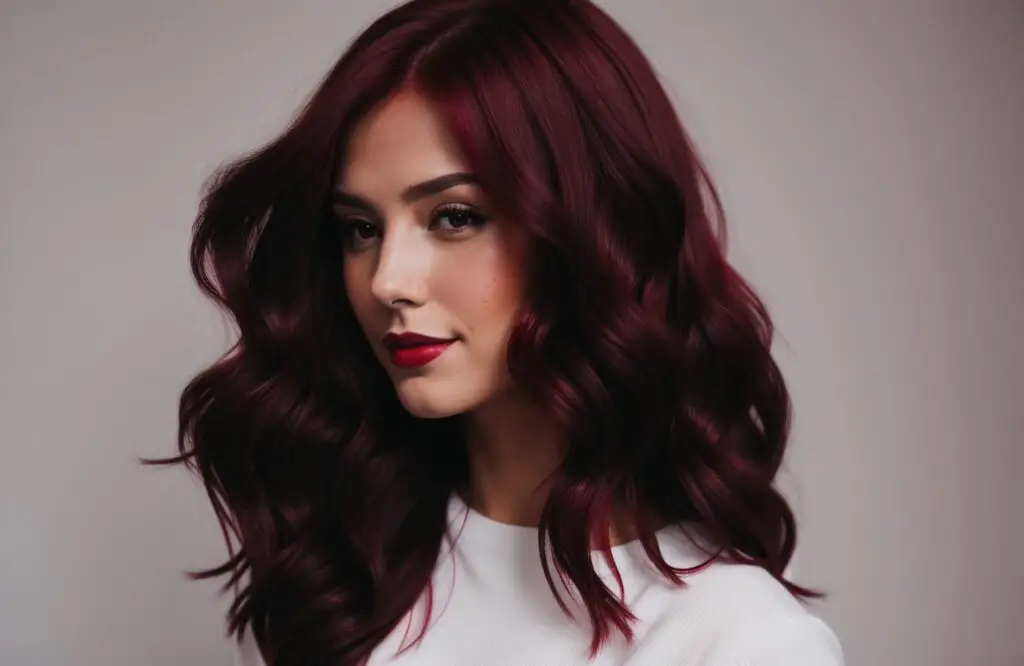
This autumn season brings a refreshing departure from the predictable reds and browns typically associated with fall hair color. Colorists across the country report seeing requests for shades that blend traditional autumn warmth with unexpected elements – think copper with violet undertones or chocolate brown with hints of rose gold. The shift represents a broader movement toward personalized color that reflects individual style rather than following strict seasonal rules.
Shift from Traditional Fall Palettes
Gone are the days when autumn automatically meant going darker and warmer without question. Women now want colors that transition seamlessly from their summer looks while still feeling seasonally appropriate. Instead of dramatic changes, many opt for dimensional color that adds depth without completely abandoning lighter pieces. This approach creates movement and interest while maintaining a natural appearance that doesn’t require constant touch-ups.
The traditional one-dimensional auburn or chestnut brown has evolved into multi-tonal masterpieces. Colorists layer different shades to create depth that catches light beautifully indoors and out. This technique allows for greater versatility – your hair might appear more golden in sunlight but reveal deeper bronze tones under artificial lighting.
Influence of Fashion Week Trends
Recent fashion weeks showcased models with hair colors that blur the lines between seasons. Designers paired jewel-toned clothing with hair featuring subtle metallic reflects, creating looks that feel both luxurious and wearable. These runway trends translate perfectly to everyday life, offering inspiration for women wanting to update their look without committing to anything too avant-garde.
Street style has also played a significant role in shaping this year’s color trends. Social media influencers and style bloggers showcase how these colors work in real life, not just under perfect studio lighting. Their documented experiences with various shades help women make informed decisions about which colors might work for their lifestyle and maintenance preferences.
New Coloring Techniques
Advanced coloring methods have revolutionized what’s possible with autumn shades. Colorists now use techniques that preserve hair health while achieving previously impossible color combinations. Air-touch highlighting, for instance, creates seamless blends between colors without harsh lines, perfect for achieving those sought-after dimensional autumn looks.
Root shadowing has become particularly popular for autumn colors, allowing natural roots to blend seamlessly with colored lengths. This technique reduces the appearance of regrowth while adding depth at the crown, creating an effortlessly lived-in look. Women appreciate this approach because it extends the time between salon visits while maintaining a polished appearance.
Color melting represents another game-changing technique for autumn shades. By blending multiple tones seamlessly from roots to ends, colorists create gradient effects that mimic the natural color variations found in autumn foliage. The result looks organic and multi-dimensional, moving beautifully as you style your hair different ways.
How Lighting Affects Autumn Shades
Understanding how different lighting conditions affect your chosen color helps set realistic expectations. Autumn colors often contain complex undertones that reveal themselves differently depending on the light source. That gorgeous copper might show golden reflects in natural daylight but appear more red-toned under warm indoor lighting.
Professional colorists now consider your typical environments when formulating custom colors. If you spend most time in office settings with fluorescent lighting, they might adjust the formula to prevent your color from appearing too cool or washed out. Similarly, those who work outdoors might need formulas that won’t fade quickly from sun exposure.
The shorter days of autumn mean artificial lighting plays a bigger role in how your hair color appears. Many salons now use various light sources during consultations to show clients how their chosen shade will look throughout their daily routine. This comprehensive approach prevents disappointment and ensures satisfaction with the final result.
Consider how your hair color will photograph under different conditions too. Autumn brings holiday gatherings and events where photos are inevitable. Colors with good light reflection photograph beautifully, while overly matte shades might appear flat in pictures. Your colorist can add subtle highlights or glossing treatments to ensure your color looks stunning both in person and on camera.
The Most Popular Warm Autumn Shades
Warm autumn shades continue to dominate salon requests, but this season’s interpretations feel fresh and modern. Rather than flat, single-process colors, women request multi-dimensional warm tones that create movement and interest. These shades complement the cozy aesthetics of fall fashion while maintaining enough brightness to prevent that heavy, winter-ready feeling until you’re actually ready for it.
Copper and Bronze Variations
Copper has evolved far beyond the typical penny-bright shade many associate with the color. This season’s copper variations range from soft peachy coppers with golden undertones to deep burnished coppers that border on auburn. The beauty of copper lies in its ability to complement various skin tones when the right variation is selected – cooler coppers work beautifully on fair skin, while deeper, more bronze-based coppers flatter olive and darker skin tones.
Bronze tones offer a sophisticated alternative for those who find pure copper too bold. These shades combine brown, gold, and copper elements to create a rich, metallic finish that catches light beautifully. Bronze works particularly well as a balayage or highlight color over a darker base, creating dimension without overwhelming your natural coloring.
The technique used to apply copper and bronze makes a significant difference in the final result. Hand-painted highlights create a more natural, sun-kissed effect, while foil highlights produce brighter, more defined copper streaks. Many women opt for a combination approach, using different techniques throughout their hair for maximum dimension.
Golden Caramel Tones
Caramel remains a perennial favorite, but this autumn’s versions lean heavily into golden territory. These shades work as beautiful transitions from summer highlights, maintaining warmth while deepening the overall color. Golden caramel particularly flatters women with warm or neutral undertones, creating a harmonious look that feels effortless.
Cinnamon Spice Colors
Inspired by everyone’s favorite autumn latte flavoring, cinnamon spice hair colors combine red, brown, and orange tones for a warm, inviting shade. This color family ranges from light cinnamon with blonde undertones to deep, rich versions that almost appear mahogany in certain lights. The versatility of cinnamon shades makes them accessible to women across the color spectrum.
What makes cinnamon special is its ability to add warmth without going fully red. Women who’ve always been curious about red hair but felt intimidated by the commitment find cinnamon shades offer the perfect compromise. The brown base keeps things wearable for professional settings while the red and orange reflects add personality and dimension.
Rich Chocolate Browns
Chocolate brown gets an upgrade this autumn with the addition of warm reflects and dimensional highlights. Rather than flat, single-process brown, colorists add ribbons of caramel, honey, or toffee throughout to create movement. These subtle variations prevent the color from appearing heavy or aging while maintaining the sophistication chocolate brown provides.
Deep chocolate with burgundy undertones represents another popular request. This combination creates richness and depth while the burgundy adds an unexpected element that sets it apart from standard browns. In natural light, the burgundy reflects create an almost jewel-like quality that feels perfectly suited to autumn’s luxurious aesthetic.
Consider the following benefits when choosing warm autumn shades:
Natural Harmony: Warm tones complement the changing foliage and seasonal wardrobes naturally
Skin Warming: These shades add warmth to complexions that might appear washed out in autumn’s dimmer light
Versatile Styling: Warm colors work beautifully with both casual and formal autumn looks
Growth Friendly: Many warm shades blend well with natural regrowth, extending time between appointments
Auburn and Rust Tones
Auburn experiences a renaissance this autumn with modern interpretations that feel fresh rather than dated. Today’s auburn incorporates multiple tones – perhaps a darker auburn base with brighter copper pieces around the face or subtle golden auburn highlights throughout. This dimensional approach prevents the flat, one-note appearance that gave auburn a dated reputation.
Rust tones offer an earthier alternative to traditional auburn. These shades pull inspiration from autumn leaves at their peak, combining orange, red, and brown in perfect harmony. Rust works particularly well on women with olive or golden skin tones, creating a natural warmth that feels authentic rather than artificial.
The key to wearing auburn or rust successfully lies in finding the right balance for your features. Those with very fair skin might choose auburn with more brown in the base to prevent washing out their complexion. Conversely, women with darker skin can handle deeper, more vibrant rust tones that would overwhelm lighter complexions.
Cool-Toned Colors Making Waves This Season
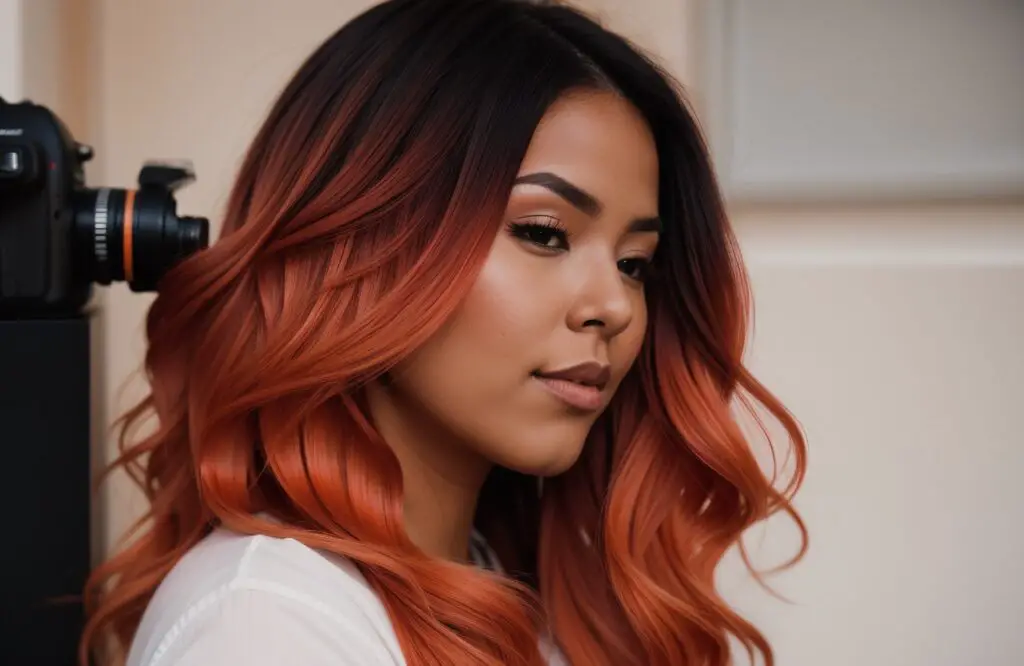
While warm tones traditionally dominate autumn, this season sees an unexpected rise in cool-toned hair colors. These shades offer a sophisticated alternative for women who don’t connect with typical fall warmth. Cool autumn colors provide drama and depth while maintaining the richness associated with the season, proving that fall hair doesn’t always need to be warm to be beautiful.
Deep Plum Undertones
Plum undertones in brunette bases create an unexpected twist on traditional fall colors. These shades appear brown in most lighting but reveal purple reflects when light hits them directly. The effect feels mysterious and sophisticated, perfect for women wanting something different without venturing into obviously unnatural territory.
The intensity of plum undertones can be adjusted based on personal preference and professional requirements. Subtle plum reflects might only be visible in direct sunlight, while more pronounced versions create a noticeable violet cast even indoors. Your colorist can customize the intensity to match your comfort level and lifestyle needs.
Working with plum undertones requires understanding which variation suits your skin. Cool-toned women with pink or blue undertones in their skin often find plum incredibly flattering, as it harmonizes with their natural coloring. However, warm-toned women can also wear plum successfully by choosing versions with more red in the purple, creating a burgundy-plum hybrid.
Smoky Brunette Shades
Smoky brunette represents the perfect marriage of cool and warm tones. These shades start with an ash brown base but incorporate subtle warm reflects to prevent the color from appearing flat or dull. The result is a sophisticated, multi-dimensional color that works year-round but feels particularly appropriate for autumn’s moody aesthetic.
This color trend works exceptionally well for women transitioning from lighter summer shades who aren’t ready for dramatic warmth. The cool base helps blend existing highlights while the smoky quality adds depth and interest. Many colorists achieve this look through a combination of lowlights and toning rather than completely covering existing color.
Ash-Based Colors with Warmth
Pure ash tones can sometimes appear too stark for autumn, but adding strategic warm pieces creates balance. Think ash brown base with face-framing caramel highlights or ash blonde with honey-toned babylights throughout. This combination prevents the overall look from feeling too cool while maintaining the sophistication ash tones provide.
The placement of warm pieces within an ash base requires skill and planning. Colorists often concentrate warmth around the face and through the mid-lengths while keeping ends cooler. This creates a natural gradient that mimics how hair naturally lightens from sun exposure while maintaining an overall cool-toned appearance.
Burgundy and Wine Tones
Burgundy and wine represent the ultimate cool-toned autumn colors. These shades combine the depth of brown with cool red and purple undertones, creating colors reminiscent of autumn’s finest wines. Unlike warm reds that contain orange, burgundy and wine tones lean purple, creating a completely different effect.
These shades particularly flatter women with cool or neutral undertones, creating harmony with their natural coloring. The depth of burgundy and wine tones also makes them excellent choices for women with darker natural hair, as they don’t require excessive lightening to achieve. This means less damage and easier maintenance throughout the season.
Application techniques for burgundy vary based on desired intensity. All-over color creates maximum impact, while burgundy highlights or balayage over a dark base offer a subtler approach. Some women choose burgundy specifically for the underlayer of their hair, creating a hidden pop of color that reveals itself when hair moves.
Midnight Browns with Hints of Blue
The boldest cool-toned trend this autumn involves midnight browns with blue reflects. These nearly-black shades contain subtle blue undertones that prevent them from appearing flat or harsh. In certain lights, the blue creates an almost iridescent quality that feels both edgy and sophisticated.
This trend originated in Asian hair color trends but has gained popularity globally. The blue undertones actually help neutralize unwanted warmth that often appears when attempting to achieve very dark colors on previously lightened hair. The result is a pure, rich brown that maintains dimension despite its depth.
Women considering midnight brown with blue should understand the commitment involved. These dark shades can be challenging to lift if you decide to go lighter later. However, for those ready to commit to the drama of near-black hair, this shade offers a unique alternative to standard dark browns.
Maintenance for cool-toned autumn colors differs from warm shades. These colors typically fade faster than warm tones, requiring specific care routines to maintain their intensity. Purple shampoos and masks help maintain cool undertones, while color-depositing treatments can refresh the shade between salon visits.
How to Choose Your Perfect Autumn Hair Color
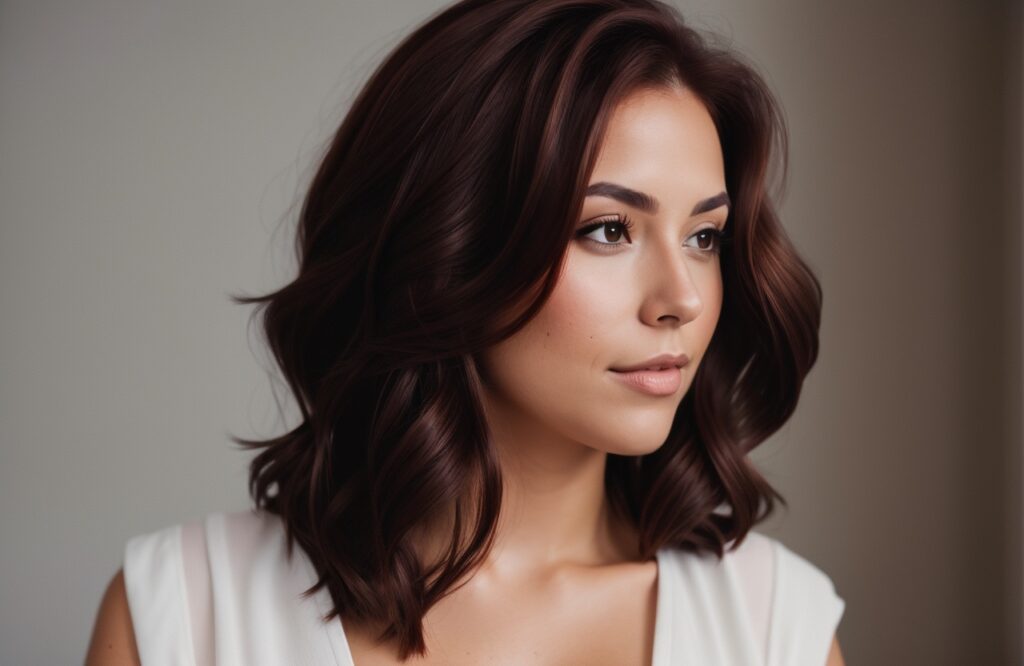
Selecting an autumn hair color involves more than picking a shade you find attractive in photos. Your perfect color depends on multiple factors working together harmoniously. Understanding these elements helps you make an informed decision that you’ll love throughout the season and beyond.
Matching with Skin Undertones
Your skin’s undertone plays the most crucial role in determining which autumn shades will flatter you. Warm undertones (golden or peachy) naturally harmonize with copper, golden browns, and auburn shades. Cool undertones (pink or blue) look stunning with burgundy, ash browns, and plum-based colors. Neutral undertones have the flexibility to wear both warm and cool shades successfully.
Determining your undertone requires looking beyond surface skin color. Check the veins on your inner wrist – green-appearing veins indicate warm undertones while blue or purple veins suggest cool undertones. If you see both equally, you likely have neutral undertones. Jewelry preference also provides clues: those who look better in gold typically have warm undertones while silver lovers often have cool undertones.
Sometimes the most flattering choice contradicts traditional undertone rules. A cool-toned woman might look incredible in the right warm shade if it contains enough depth or has cool reflects mixed in. This is why consultation with an experienced colorist proves invaluable – they can identify nuances in your coloring that simple undertone tests might miss.
Professional colorists often perform strand tests to show how different shades will actually look on your hair. This takes the guesswork out of color selection and prevents costly mistakes. Seeing actual color on your hair in various lighting helps make confident decisions about your autumn transformation.
Considering Eye Color
Eye color creates another important consideration when selecting autumn shades. Green eyes pop beautifully against copper and auburn tones, creating stunning contrast. Blue eyes often look striking with cooler browns and burgundy shades. Brown eyes have versatility but particularly shine with golden caramels and rich chocolates that echo their natural warmth.
The intensity of your eye color matters too. Pale blue eyes might get lost against very warm shades, while deep brown eyes can handle virtually any color intensity. Some women choose hair colors that contain flecks matching their eye color – for instance, choosing auburn with golden highlights to echo gold flecks in hazel eyes.
Don’t feel limited by traditional eye color guidelines though. Sometimes unexpected combinations create the most striking results. Cool-toned hair might make warm brown eyes appear even richer by contrast, while warm hair colors can make cool-toned eyes seem more vibrant.
Lifestyle and Maintenance Factors
Your daily routine and maintenance commitment significantly impact which autumn color works best. High-contrast colors like copper on a dark base require frequent touch-ups to maintain the look. If salon visits every 4-6 weeks aren’t realistic, consider lower-maintenance options like dimensional browns or colors closer to your natural shade.
Professional requirements might limit your color choices. While many workplaces have become more accepting of creative color, some industries still maintain conservative standards. Discuss your professional needs with your colorist – they can suggest ways to incorporate trendy autumn shades while maintaining workplace appropriateness.
Consider your styling routine too. Some colors require specific styling to look their best. Dimensional colors need movement to show their complexity, so if you typically wear your hair in a tight bun, you might not see the full benefit of multi-tonal color. Similarly, very shiny colors like copper look best with smooth styling, which requires more effort if you have naturally textured hair.
Budget represents another practical consideration. Fashion colors and high-maintenance shades cost more over time due to frequent touch-ups and specialized products. Factor in the cost of color-safe shampoos, masks, and treatments when deciding on your autumn shade. Sometimes choosing a slightly less trendy but lower-maintenance color provides better long-term satisfaction.
Working with Natural Base Colors
Your starting point dramatically affects what’s achievable in a single session. Previously colored hair, especially if it’s been lightened, offers different possibilities than virgin hair. Dark hair might require multiple sessions to achieve lighter autumn shades without causing damage. Understanding these limitations helps set realistic expectations.
Natural grey or white hair actually provides an excellent canvas for autumn colors. These shades can be transformed into stunning silver-based colors with purple or blue undertones, or warmed up with golden or copper tones. Many women find autumn the perfect time to stop covering grey and instead enhance their natural silver with toning or colorful reflects.
Your natural texture also influences how color appears. Curly and coily hair often appears darker than straight hair with the same color because light doesn’t reflect as directly off the curves. This means curly-haired women might need lighter placement or brighter tones to achieve the same visual effect as someone with straight hair.
Hair health status determines how ambitious you can be with color changes. Damaged or over-processed hair might not be able to handle the lightening required for certain autumn shades. In these cases, colorists might recommend a hair rehabilitation period before attempting dramatic color changes, or suggest alternatives that work with your hair’s current condition.
Maintaining Your Autumn Hair Color Throughout the Season
Beautiful autumn hair color requires ongoing care to maintain its vibrancy and dimension throughout the season. The cooler weather, indoor heating, and lifestyle changes that come with fall all impact how your color holds up. Understanding proper maintenance helps protect your investment and keeps your shade looking fresh until you’re ready for your next color adventure.
Color-Protecting Routines
Establishing a protective hair care routine immediately after coloring sets the foundation for long-lasting color. Wait at least 48 hours before your first wash to allow color molecules to fully set in the hair shaft. When you do wash, use lukewarm or cool water rather than hot, as heat opens the cuticle and allows color to escape more quickly.
The frequency of washing impacts color longevity significantly. If possible, extend time between washes to preserve your autumn shade. Dry shampoo becomes your best friend during this season, absorbing oils and adding volume between washes. When you do shampoo, concentrate the product on your scalp rather than the lengths, allowing the suds to cleanse the rest of your hair as they rinse through.
Your washing technique matters as much as frequency. Rough handling while shampooing can rough up the cuticle, leading to faster color fade. Instead, use gentle circular motions on the scalp and smooth product down the lengths without aggressive rubbing. This preserves both color and hair health.
Pre-shampoo treatments provide an extra layer of protection for colored hair. Applying oil or a protective treatment before washing creates a barrier that prevents color from washing out as quickly. Coconut oil, argan oil, or specialized pre-wash treatments all work well for this purpose. Leave the treatment on for 15-30 minutes before shampooing for maximum benefit.
Products that Preserve Vibrancy
The right products make an enormous difference in color maintenance. Sulfate-free shampoos clean without stripping color, though they might require an adjustment period if you’re used to traditional shampoos. Look for formulas specifically designed for color-treated hair, as these contain ingredients that help seal the cuticle and lock in color molecules.
Color-depositing products help refresh your shade between salon visits. These treatments contain temporary color pigments that adhere to the hair shaft, boosting vibrancy and correcting unwanted tones. Purple products neutralize brassiness in cool-toned colors, while golden or copper versions enhance warm autumn shades.
Here’s how different products support color maintenance:
Leave-In Treatments: Protect from environmental damage while smoothing the cuticle
Hair Masks: Deep condition weekly without weighing down color-treated hair
Heat Protectants: Shield color from fading caused by styling tool damage
UV Sprays: Prevent sun-related fading even during autumn’s weaker sunlight
Gloss Treatments: Add shine and seal the cuticle for improved color reflection
Weekly deep conditioning becomes even more important with colored hair. Choose masks formulated for color-treated hair that hydrate without depositing buildup. Protein treatments help maintain hair structure, but use them sparingly as too much protein can make hair brittle and prone to breakage.
Touch-Up Timing
Understanding when and how to schedule touch-ups keeps your autumn color looking intentional rather than grown-out. Root touch-ups typically need attention every 4-6 weeks, depending on how quickly your hair grows and the contrast between your natural and colored hair. Less contrast means you can stretch appointments longer.
Toner refreshers between full color appointments help maintain the perfect shade. These glossing treatments take less time and cost less than full color services while significantly improving how your color looks. Schedule these halfway between regular color appointments for optimal results.
Some autumn colors fade more gracefully than others. Dimensional colors with multiple tones tend to grow out more naturally than solid colors. If you choose a high-maintenance shade like copper or burgundy, budget for more frequent salon visits or learn to use color-depositing treatments at home effectively.
Communicate with your colorist about your maintenance reality. If you can only visit the salon every eight weeks, they can adjust your color formula or placement to grow out more gracefully. Root shadowing or money piece highlights concentrate color where it has the most impact while requiring less frequent maintenance.
Transitioning to Winter Shades
As autumn progresses toward winter, you might want to adjust your hair color accordingly. Planning this transition from the beginning makes the evolution feel intentional rather than accidental. Many colorists recommend going slightly deeper or richer as winter approaches, building on your autumn base.
The beauty of autumn colors lies in their natural evolution. Copper tones can deepen to auburn, caramels can shift toward chocolate, and burgundies can intensify to deeper wine shades. Working with your color’s natural fading pattern rather than against it creates seamless seasonal transitions.
Some women prefer maintaining their exact autumn shade throughout winter, while others enjoy the gradual change. Discuss your preferences with your colorist so they can formulate accordingly. They might adjust the base formula to fade toward your desired winter shade or recommend specific maintenance products to preserve the original color.
Winter weather presents different challenges than autumn. Increased indoor heating, static electricity, and harsh weather conditions all impact color differently. Adjusting your care routine as weather changes helps maintain color integrity. You might need richer moisturizers or more frequent treatments as conditions become more extreme.
Your Autumn Hair Color Journey
Choosing and maintaining an autumn hair color is more than a simple beauty decision – it’s an opportunity to refresh your look and align your appearance with the season’s natural beauty. Whether you opt for warm coppers and caramels or unexpected cool-toned burgundies and plums, this season’s trending shades offer endless possibilities for personal expression.
The key to autumn color success lies in thoughtful selection based on your unique features, lifestyle, and maintenance commitment. Working with a skilled colorist who understands both current trends and classic techniques ensures results that feel both fashionable and personally flattering. Take time to consider all factors – from your skin’s undertones to your weekly styling routine – before making your final color decision. This thoughtful approach leads to choices you’ll love wearing throughout the season and potentially beyond.
Frequently Asked Questions
Q: How long before autumn should I start transitioning my summer hair color?
A: Start planning your autumn color transition about 3-4 weeks before you want the final look. This gives time for any necessary pre-lightening or color correction, especially if you’re moving from very light summer highlights to deeper autumn shades.
Q: Can I achieve trendy autumn colors at home or should I visit a salon?
A: While some subtle changes can be done at home, achieving multi-dimensional autumn colors typically requires professional expertise. Colorists understand how to layer tones and use various techniques to create the depth and richness characteristic of this season’s trends.
Q: Will autumn hair colors damage my hair more than my current color?
A: Damage depends on how different the autumn shade is from your current color. Going darker usually causes minimal damage, while lightening or dramatic color changes require more processing. Your colorist can assess your hair’s health and recommend the gentlest approach.
Q: How do I prevent my autumn hair color from turning brassy?
A: Use color-safe shampoos, avoid excessive heat styling, and incorporate purple or blue toning products if you have cool-toned colors. Regular glossing treatments every 4-6 weeks also help maintain the intended tone and prevent unwanted warmth.
Q: What if I choose an autumn color but don’t like it?
A: Most autumn colors can be adjusted if you’re unhappy with the result. Toners can shift the tone, glosses can deepen or lighten slightly, and colorists can add highlights or lowlights to create more dimension. Discuss concerns with your colorist immediately for the best correction options.
Q: Do autumn hair colors work on all hair lengths?
A: Yes, autumn colors work beautifully on all lengths, though application techniques might vary. Short hair might feature all-over color or subtle highlights, while longer hair can showcase techniques like balayage or ombre that display multiple tones.
Q: How much should I budget for maintaining autumn hair color?
A: Budget for salon visits every 4-8 weeks depending on your chosen shade and natural hair color. Include the cost of professional color-safe products, which typically run $20-40 per item. High-maintenance colors like copper or fashion shades might cost $200-400 monthly including products and services.
Q: Can I swim with autumn-colored hair?
A: Yes, but take precautions. Wet your hair with clean water before swimming, apply a protective leave-in treatment, and wear a swim cap if possible. Rinse immediately after swimming and use a clarifying treatment weekly if you swim regularly.

