

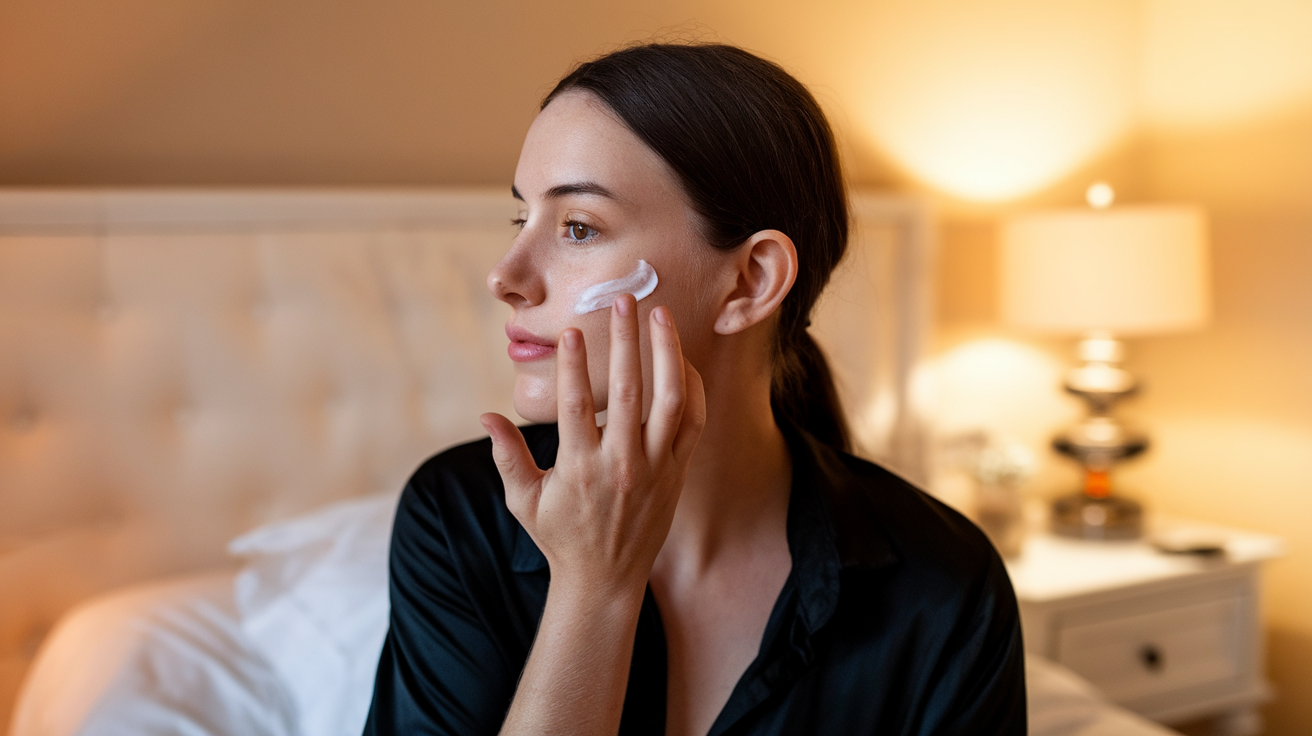
Your skin undergoes remarkable transformation processes while you sleep, working harder than at any other time to repair damage and regenerate cells. During these precious nighttime hours, blood flow to the skin increases, collagen production accelerates, and cell turnover reaches its peak. This natural restoration cycle presents a golden opportunity to supercharge your anti-aging efforts with targeted skincare that works in harmony with your body’s own repair mechanisms.
The quality of your sleep directly impacts how effectively your skin can fight signs of aging. Poor sleep disrupts the production of growth hormones essential for tissue repair, while adequate rest allows your skin to properly absorb and utilize the active ingredients in your skincare products. Research shows that skin temperature rises slightly during sleep, making it more permeable and receptive to treatments that might be too heavy or reactive for daytime use.
Throughout the following sections, we’ll guide you through building a comprehensive nighttime routine tailored to combat aging concerns. You’ll discover which ingredients work best overnight, learn the optimal order for product application, and understand how to customize your routine based on your specific skin needs. Let’s unlock the secret to waking up with visibly refreshed, younger-looking skin.
- Why Your Skin Needs a Different Routine at Night
- Essential Steps for Your Anti-Aging Night Routine
- Key Anti-Aging Ingredients That Work While You Sleep
- Creating Your Personalized Nighttime Routine
- How to Maximize Your Beauty Sleep for Better Skin
- Your Skin's Overnight Transformation Awaits
- Frequently Asked Questions
Why Your Skin Needs a Different Routine at Night
Your skin operates on a sophisticated internal clock that dictates when certain repair and maintenance functions occur. During daylight hours, your skin focuses primarily on protection – defending against UV rays, pollution, and environmental stressors. At night, this protective mode switches off, and your skin shifts into recovery mode, dedicating its energy to healing damage accumulated throughout the day.
The Science of Skin Repair During Sleep
Scientific studies reveal that skin cell regeneration peaks between 11 PM and 4 AM, with new cell production occurring up to eight times faster than during daytime hours. This accelerated renewal process helps replace damaged cells with fresh, healthy ones. Your skin also produces more collagen during these hours, the protein responsible for maintaining firmness and elasticity. Without adequate nighttime care, you miss out on optimizing this natural regeneration window.
The pH level of your skin changes at night too, becoming slightly more acidic. This shift creates an ideal environment for certain active ingredients to penetrate deeper and work more effectively. Your skin’s barrier function also becomes more permeable, allowing treatments to reach layers they couldn’t access during the day.
Circadian Rhythm and Skin Cell Regeneration
Your body’s circadian rhythm controls hormone production that directly affects skin health. Melatonin, released as darkness falls, acts as a powerful antioxidant that neutralizes free radicals accumulated from daily exposure to environmental stressors. Growth hormone secretion peaks during deep sleep phases, triggering tissue repair and cellular regeneration throughout your body, including your skin.
Cortisol levels, which spike in the morning to help you wake up, drop to their lowest point at night. Lower cortisol means reduced inflammation, allowing your skin to focus on repair rather than stress response. This hormonal environment creates perfect conditions for anti-aging treatments to deliver maximum results.
Differences Between Day and Night Skincare Needs
Daytime skincare priorities center on protection and maintenance. Your morning routine should shield skin from UV damage, pollution, and oxidative stress while providing lightweight hydration that works well under makeup. SPF becomes non-negotiable during daylight hours, and antioxidants like vitamin C help combat free radical damage as it occurs.
Nighttime skincare can focus purely on treatment and repair without worrying about sun sensitivity or makeup compatibility. Heavier textures that might feel greasy during the day become beneficial at night, creating an occlusive barrier that locks in active ingredients. Products with photosensitizing ingredients like retinol, which increase sun sensitivity, can safely work their magic while you sleep.
How Nighttime Products Work Differently
Night creams and treatments typically contain higher concentrations of active ingredients than their daytime counterparts. These formulations take advantage of your skin’s increased receptivity during sleep, delivering potent doses of anti-aging compounds when they can be most effective. Richer textures provide sustained hydration throughout the night, compensating for transepidermal water loss that naturally increases during sleep.
The absence of environmental stressors at night means ingredients can work uninterrupted. Retinoids can stimulate collagen production without UV interference, peptides can signal skin repair without competing with protective mechanisms, and acids can gently exfoliate without increasing photosensitivity concerns. This focused treatment time allows for more dramatic improvements in skin texture, tone, and firmness.
Your nighttime routine also benefits from the extended contact time – products remain on your skin for seven to nine hours, compared to daytime products that might be disrupted by touching your face, sweating, or reapplication of sunscreen. This prolonged exposure ensures deeper penetration and more complete absorption of beneficial ingredients.
Essential Steps for Your Anti-Aging Night Routine
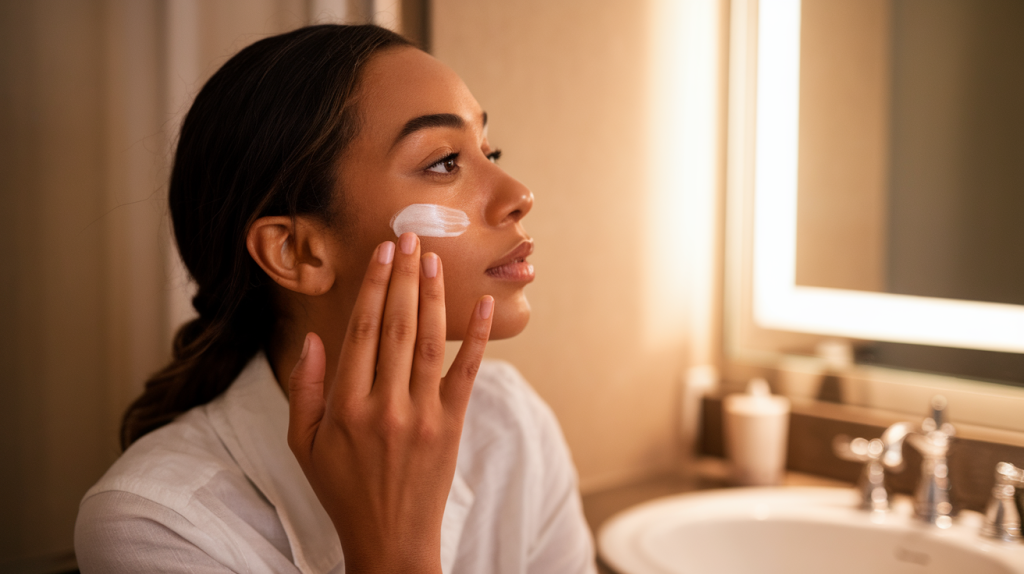
Building an effective nighttime routine requires more than just applying products randomly before bed. The sequence, timing, and technique of each step significantly impact how well your skin responds to treatment. A properly structured routine ensures each product can perform optimally while preparing your skin for the next step in the process.
Double Cleansing Method
The foundation of any successful nighttime routine starts with thorough cleansing. Throughout the day, your skin accumulates not just makeup and skincare products, but also environmental pollutants, dead skin cells, and excess sebum. Single cleansing often leaves behind residue that can block pores and prevent your treatment products from penetrating effectively.
Start with an oil-based cleanser or micellar water to dissolve makeup, sunscreen, and oil-soluble impurities. Massage it gently into dry skin for at least 60 seconds, paying special attention to areas where makeup tends to accumulate. This first step breaks down stubborn products that water-based cleansers struggle to remove.
Follow immediately with a gentle water-based cleanser suited to your skin type. This second cleanse removes any remaining residue and water-soluble debris, leaving your skin perfectly clean without stripping essential moisture. Look for pH-balanced formulas that maintain your skin’s natural acid mantle while preparing it for treatment products.
Exfoliation Timing and Frequency
Chemical exfoliation plays a crucial role in anti-aging by removing dead skin cells that can make skin look dull and accentuate fine lines. Unlike physical scrubs that can cause micro-tears, chemical exfoliants like AHAs and BHAs work gently to dissolve the bonds between dead cells, revealing fresher skin underneath.
The frequency of exfoliation depends on your skin’s tolerance and the strength of your chosen product. Start with once or twice weekly application, gradually increasing as your skin builds tolerance. Those with sensitive skin might benefit from gentler options like lactic acid or mandelic acid, while resilient skin types can handle stronger glycolic acid formulations.
Apply your exfoliant after cleansing but before other treatment products. Leave it on for the recommended time – usually 10-20 minutes for leave-on treatments – then continue with your routine. On nights when you exfoliate, you might skip other potent actives like retinoids to prevent irritation.
Toning and Preparing the Skin
Modern toners serve a different purpose than their astringent predecessors. Today’s formulations focus on balancing skin pH, adding an extra layer of hydration, and preparing skin to better absorb subsequent treatments. Choose alcohol-free options that complement your skin concerns – hydrating toners for dry skin, clarifying versions for oily types.
Pat your toner gently into skin using your palms or a cotton pad, working from the center of your face outward. Some women prefer the Korean “7-skin method,” applying multiple thin layers of hydrating toner to boost moisture levels. This technique works particularly well for dehydrated or mature skin that needs extra hydration support.
Treatment Application Order
The order of your treatment products matters significantly for both efficacy and tolerance. Apply products from thinnest to thickest consistency, allowing each layer to absorb before adding the next. This typically means serums first, followed by treatments, then moisturizers.
Water-based serums containing ingredients like hyaluronic acid or niacinamide go on first, directly after toning. These lightweight formulas penetrate quickly and prepare skin for heavier treatments. Next, apply your targeted anti-aging treatments – retinoids, peptide complexes, or growth factors. These potent actives need direct contact with skin to work effectively.
If using multiple serums or treatments, wait 30-60 seconds between applications. This prevents products from mixing on the skin’s surface, which can dilute their effectiveness or cause pilling. Pay attention to ingredient interactions too – some combinations, like retinol and vitamin C, work better when used on alternate nights rather than layered together.
Eye cream application requires special attention. The delicate eye area needs gentler formulations and lighter application techniques. Use your ring finger to tap product gently around the orbital bone, avoiding direct contact with the lash line. This area shows signs of aging first, making dedicated treatment essential.
Moisturizing and Sealing Techniques
Your final moisturizing step serves multiple purposes: it hydrates, helps seal in previous treatments, and provides a protective barrier overnight. Night moisturizers typically feature richer textures than day creams, taking advantage of your skin’s nighttime receptivity to deliver intensive hydration and nutrients.
Apply moisturizer using upward strokes, starting from your neck and working toward your forehead. Don’t forget often-neglected areas like your neck and décolletage, which show age just as readily as your face. These areas benefit from the same anti-aging treatments you use on your face.
For extra dry or mature skin, consider adding a facial oil as your final step. Oils create an occlusive layer that prevents water loss while you sleep. Choose non-comedogenic options like rosehip, argan, or squalane that won’t clog pores. Press a few drops between your palms and gently press onto your face, focusing on areas prone to dryness.
Some women benefit from “slugging” – applying a thin layer of petroleum-based occlusive over their moisturizer. This technique locks in all previous products and prevents transepidermal water loss, though it works best for dry skin types and should be avoided if you’re acne-prone.
Key Anti-Aging Ingredients That Work While You Sleep
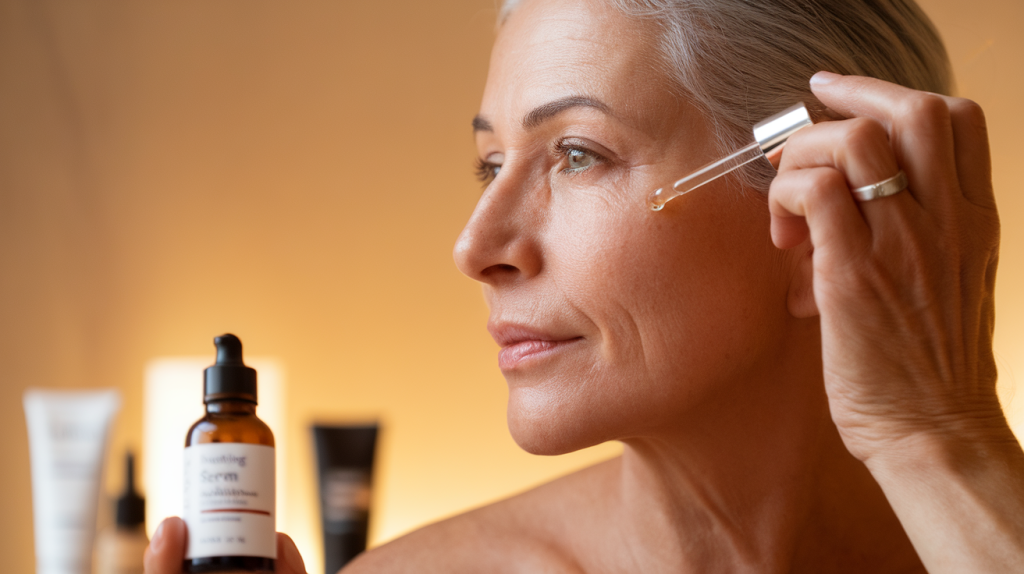
Understanding which ingredients deliver real anti-aging benefits helps you make informed choices about your nighttime products. Not all ingredients marketed for anti-aging actually have scientific backing, so focusing on proven performers ensures your routine delivers visible results. These powerhouse ingredients work synergistically with your skin’s natural nighttime repair processes.
Retinoids and Their Alternatives
Retinoids remain the gold standard in anti-aging skincare, with decades of research supporting their effectiveness. These vitamin A derivatives accelerate cell turnover, stimulate collagen production, and help fade hyperpigmentation. Prescription-strength tretinoin offers the most dramatic results, while over-the-counter retinol provides gentler benefits with less irritation potential.
Starting a retinoid requires patience and proper technique. Begin with applications twice weekly, gradually increasing frequency as your skin adjusts. The “retinization” period, where skin might experience dryness, flaking, or sensitivity, typically lasts 4-6 weeks. Buffering your retinoid with moisturizer can minimize irritation without significantly reducing effectiveness.
For those who cannot tolerate traditional retinoids, alternatives like bakuchiol offer similar benefits with less irritation. This plant-based ingredient stimulates collagen production and improves elasticity without the photosensitizing effects of retinol. Retinyl palmitate and retinaldehyde provide other gentler options within the retinoid family, offering anti-aging benefits with improved tolerance profiles.
Peptides and Growth Factors
Peptides function as cellular messengers, signaling skin to produce more collagen, elastin, and other structural proteins. Different peptides target specific concerns – copper peptides support wound healing and collagen synthesis, while palmitoyl peptides focus on reducing wrinkle depth. These ingredients work gently, making them suitable for sensitive skin that cannot tolerate stronger actives.
Growth factors represent cutting-edge anti-aging technology, using proteins that naturally regulate cellular growth and division. These ingredients can be derived from various sources, including plants and bioengineered human growth factors. They accelerate skin renewal, improve firmness, and support the skin’s natural repair mechanisms.
The molecular size of peptides and growth factors affects their penetration ability. Smaller molecules penetrate deeper, while larger ones work on the surface to improve texture and hydration. Many formulations combine multiple peptide types to address aging from different angles, creating comprehensive anti-aging effects.
Hyaluronic Acid and Ceramides
Hyaluronic acid holds up to 1,000 times its weight in water, making it exceptional for plumping skin and reducing the appearance of fine lines. Different molecular weights provide varying benefits – larger molecules hydrate the surface while smaller ones penetrate deeper for sustained moisture. Applying to damp skin and sealing with moisturizer maximizes its hydrating potential.
Ceramides comprise 50% of your skin’s barrier lipids, but their production decreases with age. Supplementing with topical ceramides helps restore barrier function, reducing water loss and improving skin resilience. Products containing ceramides 1, 3, and 6-II in the correct ratios most closely mimic your skin’s natural ceramide composition.
Consider the following benefits of consistent hyaluronic acid and ceramide use:
Immediate Plumping: Hyaluronic acid draws moisture to skin within hours of application
Barrier Repair: Ceramides strengthen skin’s protective barrier within 2-4 weeks
Long-term Hydration: Combined use maintains optimal moisture levels over time
Reduced Sensitivity: A stronger barrier means less reactive, calmer skin
Enhanced Product Absorption: Properly hydrated skin better absorbs other treatments
Antioxidants for Overnight Repair
While vitamin C typically belongs in morning routines, other antioxidants excel at nighttime repair. Vitamin E works synergistically with other ingredients to prevent oxidative damage and support skin healing. Resveratrol, derived from grapes, provides powerful anti-inflammatory benefits while protecting against environmental damage accumulated during the day.
Coenzyme Q10 levels naturally decline with age, making supplementation through skincare beneficial. This antioxidant supports cellular energy production and helps protect against oxidative stress. It works particularly well in combination with other antioxidants, creating a protective network that shields skin from free radical damage.
Green tea extract, rich in polyphenols, offers both antioxidant and anti-inflammatory properties. Its compounds help calm irritated skin while providing protection against cellular damage. This makes it an excellent addition for those using potentially irritating actives like retinoids or acids.
Acids and Their Benefits
Alpha hydroxy acids (AHAs) like glycolic and lactic acid excel at surface exfoliation, improving texture and brightening skin tone. These water-soluble acids work on the skin’s surface to dissolve dead cell buildup, revealing fresher skin underneath. Regular use helps minimize fine lines, fade dark spots, and improve overall radiance.
Beta hydroxy acids (BHAs), primarily salicylic acid, penetrate into pores due to their oil-soluble nature. This makes them ideal for preventing congestion while providing anti-aging benefits. BHAs also have anti-inflammatory properties, making them suitable for sensitive or rosacea-prone skin when used appropriately.
Polyhydroxy acids (PHAs) offer the gentlest exfoliation option, with larger molecular sizes that prevent deep penetration. Gluconolactone and lactobionic acid provide similar benefits to AHAs but with less irritation potential. They also offer humectant properties, attracting moisture while exfoliating.
The concentration and pH of acid products significantly impact their effectiveness. Professional-grade formulations might contain 10-20% AHA concentrations, while beginner-friendly options start around 5%. Lower pH levels increase potency but also irritation potential, so finding the right balance for your skin requires experimentation.
Creating Your Personalized Nighttime Routine
A one-size-fits-all approach rarely works in skincare, especially for anti-aging concerns. Your skin’s specific needs, lifestyle factors, and treatment goals all influence which products and techniques will deliver the best results. Building a customized routine ensures you address your primary concerns without overwhelming your skin with unnecessary products.
Identifying Your Skin Type and Concerns
Understanding your skin type forms the foundation of an effective routine, but skin behavior can change with age, seasons, and hormonal fluctuations. Dry skin might become oilier during menopause, while previously oily skin might experience increased dryness. Regular reassessment ensures your routine evolves with your skin’s changing needs.
Beyond basic skin types, consider your specific aging concerns. Fine lines around the eyes might require targeted peptide treatments, while loss of firmness benefits from retinoids and collagen-boosting ingredients. Hyperpigmentation responds well to ingredients like kojic acid or tranexamic acid combined with regular exfoliation. Identifying your top three concerns helps prioritize product selection without overcomplicating your routine.
Sensitivity levels also guide product choices. Those with reactive skin should introduce new products slowly, patch testing before full-face application. Building tolerance to active ingredients takes time – rushing the process often leads to irritation that sets back progress. Your skin’s response provides valuable feedback for adjusting your routine.
Building a Routine for Beginners
Starting a comprehensive nighttime routine can feel overwhelming, so begin with essentials and gradually add products. Your foundational routine should include a gentle cleanser, basic moisturizer, and one targeted treatment for your primary concern. This simple framework allows your skin to adjust without overwhelming it with multiple new products simultaneously.
After establishing this base routine for 2-3 weeks, introduce additional products one at a time. Add new items every two weeks, monitoring how your skin responds before incorporating the next product. This methodical approach helps identify which products truly benefit your skin versus those that might cause irritation or breakouts.
Budget considerations often influence routine building. Prioritize spending on treatment products with active ingredients – serums and targeted treatments – where quality significantly impacts results. Basic steps like cleansing and moisturizing can use more affordable options without compromising your routine’s effectiveness. Remember that consistency with fewer products often yields better results than sporadic use of numerous expensive items.
Advanced Routine Modifications
Once your skin tolerates a basic routine well, strategic modifications can enhance results. Alternating different actives on different nights prevents irritation while addressing multiple concerns. Monday might feature retinol, Wednesday focuses on exfoliating acids, and Friday introduces peptide treatments. This rotation allows intensive treatment without overwhelming skin.
Seasonal adjustments keep your routine optimized year-round. Winter’s dry air might require richer moisturizers and gentler exfoliation frequencies. Summer humidity could allow for lighter textures and increased use of clarifying ingredients. Listen to your skin’s changing needs rather than rigidly following the same routine regardless of environmental factors.
Advanced techniques like facial massage can amplify your routine’s benefits. Spending 2-3 minutes massaging products into skin improves circulation, reduces puffiness, and ensures thorough product distribution. Gua sha tools or jade rollers add luxury while providing practical benefits, though clean hands work just as effectively.
Timing and Application Techniques
The timing of your routine affects both convenience and efficacy. Starting your routine 30-60 minutes before bed allows products to absorb properly before your face touches the pillow. This prevents product transfer onto bedding while ensuring treatments have begun working before you sleep.
Application techniques significantly impact product performance. Warming products between your palms before application helps them spread more easily and absorb better. Patting rather than rubbing preserves product integrity and prevents unnecessary tugging on delicate skin. Always work upward and outward to counteract gravity’s effects.
The amount of product used matters too. Serums typically require only 2-3 drops for the entire face, while moisturizers need about a nickel-sized amount. Using more doesn’t accelerate results and might cause congestion or irritation. Eye creams need just a rice grain-sized amount for both eyes – excess product can migrate into eyes, causing irritation or puffiness.
Common Mistakes to Avoid
Over-exfoliation ranks among the most common nighttime routine errors. Combining multiple exfoliating products or using them too frequently damages the skin barrier, leading to sensitivity, redness, and accelerated aging. Signs of over-exfoliation include persistent redness, stinging with product application, and increased oiliness as skin overcompensates for barrier damage.
Neglecting the neck and chest area represents another missed opportunity. These areas age similarly to facial skin but often receive no treatment. Extending your routine to include these zones prevents the telltale disconnect between a well-maintained face and an aged neck. Any products you use on your face, except perhaps the strongest retinoids, can benefit these areas.
Product hoarding and constantly switching products prevents you from seeing real results. Most anti-aging ingredients require 6-12 weeks of consistent use to show improvement. Constantly introducing new products makes it impossible to determine what’s actually working. Maintain a consistent routine for at least two months before evaluating its effectiveness.
Ignoring expiration dates compromises both safety and efficacy. Active ingredients degrade over time, losing potency or potentially becoming irritating. Vitamin C serums are particularly prone to oxidation, turning yellow or brown when expired. Replace products according to their PAO (period after opening) symbols, typically 6-12 months for most skincare items.
How to Maximize Your Beauty Sleep for Better Skin
Your skincare routine represents only part of the equation for overnight skin transformation. Sleep quality, bedroom environment, and bedtime habits all influence how effectively your skin repairs itself. Optimizing these factors amplifies the benefits of your nighttime products while supporting your body’s natural regeneration processes.
Sleep Position and Its Impact
The way you position yourself during sleep directly affects facial aging patterns. Stomach sleeping presses your face against the pillow for hours, creating mechanical stress that can lead to permanent sleep wrinkles. These lines differ from expression wrinkles, appearing as vertical creases on cheeks and forehead that don’t correspond to muscle movement patterns.
Side sleeping, while better than stomach sleeping, still creates some facial compression. You might notice deeper nasolabial folds or more pronounced wrinkles on your preferred sleeping side. The constant pressure and friction can also cause volume loss in areas repeatedly compressed against the pillow.
Back sleeping provides optimal conditions for anti-aging, eliminating facial compression entirely. Your skincare products stay on your face rather than transferring to pillowcases, and gravity helps lymphatic drainage, reducing morning puffiness. Training yourself to sleep on your back takes persistence, but specialized pillows can help maintain this position throughout the night.
Pillowcase Materials and Benefits
Your choice of pillowcase material affects both your skin and hair health during sleep. Cotton pillowcases, while comfortable and breathable, can absorb moisture from your skin and create friction that tugs at delicate facial skin. This friction contributes to sleep wrinkles and can cause irritation for sensitive skin.
Silk pillowcases have gained popularity for good reason. The smooth surface creates less friction, allowing your face to glide across the surface rather than pulling. Silk’s protein structure also helps maintain skin’s moisture levels, preventing the absorption that occurs with cotton. Natural silk contains amino acids similar to those found in your skin, making it particularly compatible.
Satin pillowcases offer similar friction-reducing benefits at a lower price point than silk. While synthetic satin lacks silk’s natural proteins, it still provides the smooth surface that minimizes sleep wrinkles and helps preserve your hairstyle. Copper-infused pillowcases represent another option, with antimicrobial properties that may benefit acne-prone skin.
Room Environment Optimization
Temperature plays a crucial role in sleep quality and skin health. Cooler temperatures, around 65-68°F, promote deeper sleep and prevent excessive sweating that can clog pores and disturb your skincare products. Your body naturally cools during sleep, and a cooler room supports this process while preventing the dehydration that comes with overheating.
Humidity levels deserve equal attention, especially during winter when heating systems create desert-like conditions. Aim for 40-60% humidity to prevent skin dehydration overnight. A bedroom humidifier adds moisture to the air, reducing transepidermal water loss and helping your skin maintain optimal hydration levels throughout the night.
Darkness triggers melatonin production, which provides antioxidant benefits beyond promoting sleep. Blackout curtains or eye masks ensure complete darkness, supporting both sleep quality and skin repair. Even small amounts of light from electronics can disrupt melatonin production, so covering or removing light sources optimizes your sleep environment.
Air quality impacts skin health more than most people realize. Dust, allergens, and pollutants in bedroom air can trigger inflammation and accelerate aging. Regular washing of bedding, using air purifiers, and keeping windows closed during high pollution days creates a cleaner environment for skin repair.
Pre-Sleep Habits That Enhance Results
Your activities in the hour before bed influence both sleep quality and skin recovery. Screen time exposes you to blue light that disrupts circadian rhythms and potentially contributes to hyperpigmentation. Switching to night mode or wearing blue light blocking glasses minimizes this exposure, though avoiding screens entirely works best.
Consider these beneficial pre-sleep practices:
Gentle Stretching: Releases muscle tension and improves circulation
Herbal Tea: Chamomile or passionflower promotes relaxation without caffeine
Journaling: Clears mental clutter for more restful sleep
Meditation: Reduces cortisol levels that can trigger inflammation
Reading: Provides screen-free wind-down time
Avoiding certain substances improves both sleep and skin quality. Alcohol might make you drowsy initially but disrupts sleep cycles and dehydrates skin. Caffeine consumed within six hours of bedtime can interfere with deep sleep phases when skin repair peaks. Heavy meals close to bedtime divert blood flow to digestion rather than skin repair.
Consistency in sleep schedule supports your skin’s natural repair cycle. Going to bed and waking at similar times daily helps regulate hormones that influence skin health. Irregular sleep patterns disrupt cortisol rhythms, potentially increasing inflammation and slowing healing processes.
Morning Routine Connections
Your morning routine should complement your nighttime efforts rather than undo them. Gentle cleansing removes any residue from night treatments without stripping beneficial ingredients that continue working. A splash of cool water or very mild cleanser suffices unless your skin feels particularly oily.
Assessing your skin each morning provides feedback about your nighttime routine’s effectiveness. Persistent dryness might indicate need for richer moisturizers or fewer actives. Morning breakouts could suggest products that are too heavy or comedogenic for your skin type. This daily check-in helps you adjust your routine for optimal results.
Protection becomes crucial as you transition from repair mode to defense mode. Apply antioxidant serum immediately after cleansing to neutralize free radicals. Follow with moisturizer appropriate for your daytime activities, then never skip sunscreen. This protective foundation preserves the anti-aging benefits achieved overnight.
Your Skin’s Overnight Transformation Awaits
Creating an effective anti-aging nighttime routine transforms those hours of sleep into a powerful regeneration period for your skin. By working with your body’s natural repair cycles and using targeted ingredients at optimal times, you give your skin everything it needs to fight visible signs of aging. The key lies not in using every available product, but in selecting the right combination for your specific needs and applying them consistently with proper technique.
Remember that meaningful changes in skin appearance take time and patience. While you might notice improved hydration and radiance within days, deeper anti-aging benefits like reduced wrinkles and improved firmness develop over weeks and months. Stay consistent with your routine, make adjustments based on your skin’s feedback, and protect your investment with quality sleep and a supportive bedroom environment. Your commitment to this nightly ritual will reward you with healthier, younger-looking skin that glows from within.
Frequently Asked Questions
Q: How long should I wait between applying different products in my nighttime routine?
A: Wait 30-60 seconds between water-based products like serums, and 2-3 minutes after applying treatments with active ingredients like retinoids or acids before moving to your next step.
Q: Can I use retinol and vitamin C in the same nighttime routine?
A: It’s better to alternate these ingredients on different nights since combining them can cause irritation and reduce effectiveness. Use vitamin C in your morning routine and retinol at night, or alternate them on different evenings.
Q: What age should I start an anti-aging nighttime routine?
A: Prevention works better than correction, so starting basic anti-aging care in your mid-to-late twenties makes sense. Begin with antioxidants and good hydration, adding stronger actives like retinoids in your thirties.
Q: Should I apply eye cream before or after my face moisturizer?
A: Apply eye cream before face moisturizer since it’s typically lighter in texture. This follows the thin-to-thick rule and ensures the delicate eye area gets dedicated treatment without heavier creams migrating into it.
Q: How do I know if my nighttime routine is too harsh for my skin?
A: Signs of an overly aggressive routine include persistent redness, stinging when applying products, increased sensitivity, excessive dryness or oiliness, and frequent breakouts. Scale back on actives and focus on barrier repair if you experience these symptoms.
Q: Can I sleep immediately after applying my skincare products?
A: Wait at least 20-30 minutes before lying down to allow products to absorb properly. This prevents them from transferring to your pillow and ensures they stay on your skin where they can work effectively.
Q: What should I do if I miss my nighttime routine occasionally?
A: Don’t try to compensate by using extra products the next night. Simply resume your regular routine – consistency over time matters more than perfection every single night.
Q: Is it necessary to use a separate night cream if I have oily skin?
A: Oily skin still benefits from nighttime moisture, but choose lightweight, non-comedogenic formulas like gel-creams or water-based moisturizers instead of heavy night creams designed for dry skin.
Q: How often should I change my pillowcase when using anti-aging products?
A: Change your pillowcase at least twice weekly, or more frequently if you use heavy overnight treatments. This prevents product buildup and bacteria accumulation that could clog pores or cause irritation.

