

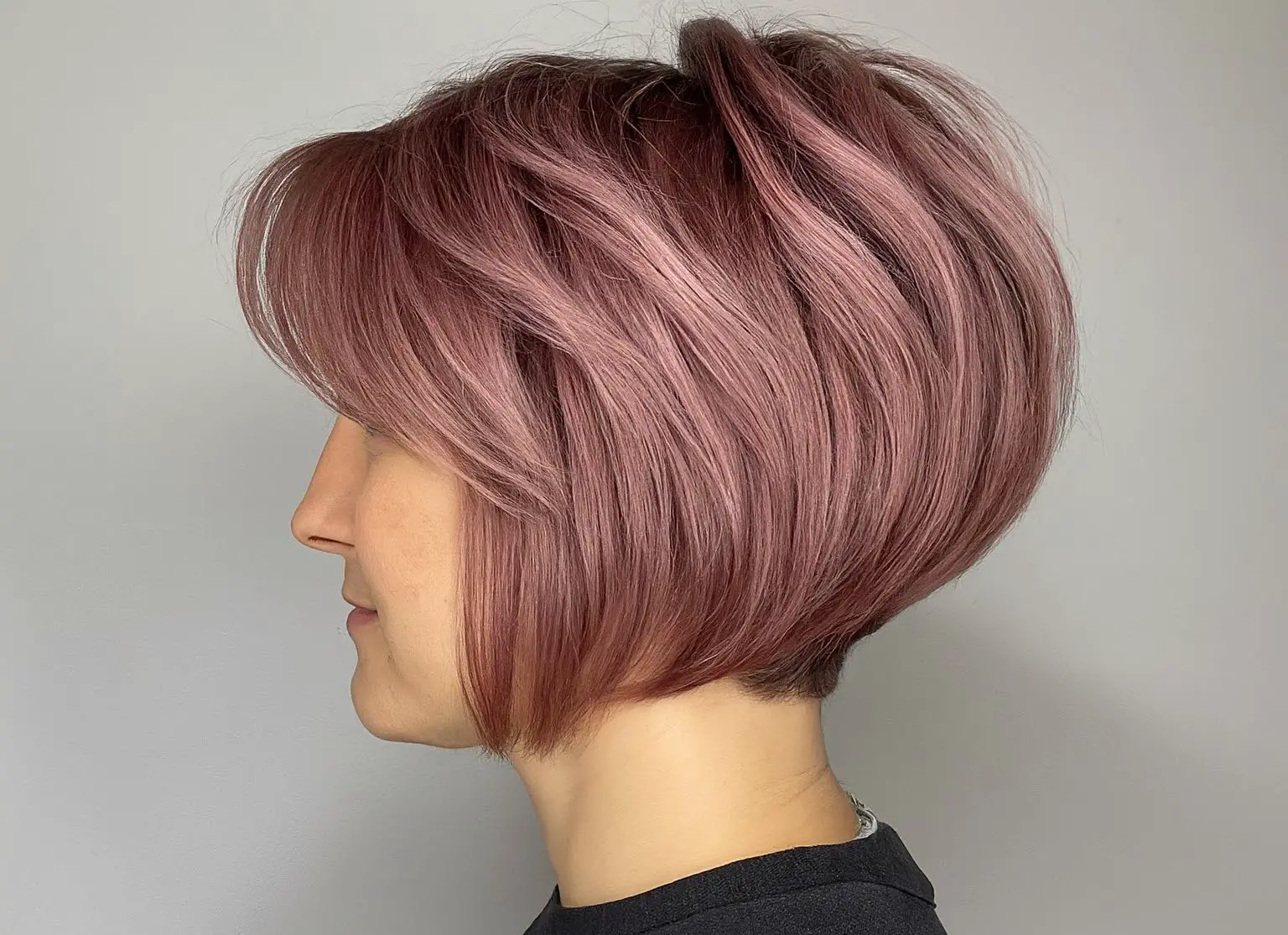
Hair holds memories, experiences, and sometimes burdens we carry without realizing their weight. That lengthy mane you’ve maintained for years might represent security, but it could also be holding you back from discovering a more confident, practical version of yourself. Many women find themselves at crossroads where change feels necessary, and often the simplest transformation starts with scissors and a skilled stylist’s vision.
The decision to cut your hair goes far beyond mere aesthetics. While a fresh cut certainly refreshes your appearance, the benefits extend into practical daily life, emotional wellbeing, and even financial savings. From healthier strands to simplified morning routines, shorter styles offer advantages that long-haired women might not have considered. The liberation that comes with releasing those extra inches can surprise even the most attached individuals.
Let’s explore the compelling reasons why taking the plunge might be exactly what you need right now. Whether you’re contemplating a dramatic chop or considering a more moderate trim, understanding these benefits will help you make an informed decision that aligns with your lifestyle and goals.
How Regular Haircuts Keep Your Hair Healthy
The health of your strands depends significantly on regular maintenance, regardless of your desired length. Split ends might seem like minor annoyances, but they actually travel upward through the hair shaft, causing progressive damage that weakens your entire mane. This upward progression creates a domino effect of breakage and thinning that no amount of conditioning treatments can fully reverse.
Preventing split ends from traveling up
Split ends begin as tiny fractures at the tips but quickly worsen without intervention. These damaged areas act like frayed rope, continuing to unravel higher and higher. Once a split reaches mid-shaft, the damage becomes irreversible, requiring you to cut much more length than if you’d addressed the problem early. Regular trims every 6-8 weeks catch these issues before they escalate, preserving the integrity of your strands from root to tip.
The texture of damaged hair changes noticeably too. What starts as silky, manageable strands becomes rough, tangled, and prone to matting. This textural change makes styling increasingly difficult and time-consuming. Your brush catches more frequently, causing additional breakage with each stroke.
Promoting stronger hair growth
Contrary to popular belief, regular cuts actually encourage healthier growth patterns. When you remove damaged portions, your scalp can focus its energy on producing strong new growth rather than trying to maintain already-compromised strands. This redirection of nutrients results in thicker, more resilient hair emerging from the roots.
The weight of excessively long, damaged hair can also stress follicles, potentially slowing growth rates. Removing this burden allows follicles to function optimally, often resulting in faster growth than you experienced while holding onto damaged length. Many women report their hair growing more quickly after adopting a regular trimming schedule.
Removing damaged sections
Environmental factors constantly assault your strands – sun exposure, pollution, chlorine, and styling tools all take their toll. These aggressors accumulate damage over time, particularly affecting the oldest parts of your hair (the ends). No treatment can fully restore chemically or physically damaged hair to its original state.
Heat styling creates particularly insidious damage. While the effects might not show immediately, repeated exposure to high temperatures alters the hair’s protein structure permanently. These weakened areas become brittle and prone to snapping, creating the appearance of thinning even when your scalp produces healthy new growth.
Chemical processing compounds these issues exponentially. Color treatments, relaxers, and perms alter the hair’s structure at a molecular level. While modern formulations minimize damage, they still compromise the hair’s integrity over time. Regular removal of the most processed sections maintains overall hair health.
Maintaining hair texture and shine
Healthy hair reflects light uniformly, creating that coveted shine we associate with vitality. Damaged cuticles, however, lift and separate, scattering light in multiple directions. This creates a dull, lifeless appearance that no amount of shine spray can genuinely fix. Fresh cuts remove these damaged cuticles, instantly restoring your hair’s natural luster.
The texture benefits extend beyond mere appearance. Properly maintained hair responds better to styling products and holds styles longer. You’ll find yourself using less product to achieve the same effects, as healthy hair doesn’t require heavy serums or creams to look presentable. This lighter product usage prevents buildup that can weigh down your style and necessitate more frequent washing.
Consider implementing these practices alongside regular cuts:
Protective Styling: Use silk pillowcases to reduce friction during sleep
Heat Reduction: Air-dry when possible and use heat protectants always
Gentle Handling: Use wide-tooth combs on wet hair to minimize breakage
Deep Conditioning: Weekly treatments help maintain moisture between cuts
Scalp Care: Regular massage promotes circulation and healthy growth
Professional stylists can assess your hair’s specific needs during each visit, adjusting their approach based on your lifestyle and damage patterns. They might recommend slightly different cutting schedules based on your hair’s thickness, texture, and processing history. This personalized approach ensures you’re removing damage efficiently without sacrificing more length than necessary.
When Hair Changes Signal It’s Time for Something New
Life rarely stands still, and neither should your hairstyle. Various signals – both internal and external – indicate when holding onto the same look might be holding you back. Recognizing these signs helps you make timely decisions that keep your appearance fresh and aligned with your current circumstances.
Life transitions and fresh starts
Major life events often trigger the desire for physical transformation. Divorce, career changes, milestone birthdays, or relocations naturally inspire reflection on all aspects of life, including appearance. Your hair serves as a visible marker of these transitions, and changing it can symbolize leaving the past behind while stepping confidently into new chapters.
The connection between external change and internal growth runs deep. Psychology research shows that altering our appearance can actually facilitate emotional healing and adaptation. That post-breakup haircut isn’t just a cliché – it represents taking control when other life elements feel chaotic. The act of deciding on and executing a new style exercises personal agency during vulnerable times.
Seasonal hair considerations
Your hair’s needs fluctuate dramatically with weather changes. Summer humidity might turn your carefully maintained long locks into an unmanageable frizz fest, while winter’s dry air could leave them static-prone and lifeless. Shorter styles often adapt more easily to seasonal challenges, requiring fewer products and less manipulation to look polished.
Spring particularly inspires fresh starts, and there’s biological reasoning behind this urge. As daylight increases and nature renews itself, our bodies respond with increased energy and openness to change. This natural rhythm makes spring an ideal time to shed excess weight – including hair weight – that might have provided comfort during darker months.
Fall brings its own considerations. As you transition from carefree summer styles to more structured autumn looks, evaluate whether your current length serves your lifestyle. Professional environments might require more polished styling that becomes tedious with excessive length.
Age-appropriate style updates
Hair naturally evolves with age, and styles that flattered you at 25 might work against you at 45. Thinning, texture changes, and graying all influence which cuts enhance your features. Stubbornly maintaining the same style decade after decade can actually age your appearance more than adapting to these natural changes.
Your face shape subtly shifts over time too. What once required length for balance might now benefit from strategic layers or shorter proportions. A skilled stylist can assess these changes objectively, suggesting modifications that flatter your current features rather than trying to recreate past looks.
Lifestyle changes often accompany different life stages. The low-maintenance ponytail that worked during your children’s toddler years might no longer suit your empty-nest activities. Similarly, entering the workforce after years at home might necessitate more professional styling options.
Texture changes over time
Hormonal fluctuations profoundly impact hair texture throughout life. Pregnancy, menopause, thyroid conditions, and even stress can transform stick-straight hair to wavy or cause curls to relax. Fighting these natural changes with excessive heat styling or chemical treatments often damages hair unnecessarily.
Many women discover their authentic texture only after cutting away years of accumulated damage. What you assumed was naturally frizzy might actually be hidden waves or curls begging for proper care. Shorter lengths often reveal and enhance natural texture patterns that longer weights pulled straight.
Medical treatments and medications can alter texture temporarily or permanently. Rather than struggling to maintain pre-treatment styles, working with these changes through strategic cutting creates more flattering, manageable results. Your stylist can suggest cuts that accommodate new growth patterns while you adjust to texture changes.
Noticing these texture shifts early allows for gradual style evolution rather than dramatic emergency changes. Pay attention to how your hair behaves differently during styling, how long styles last, and whether your usual products still work effectively. These subtle clues indicate when your current cut no longer serves your hair’s actual needs.
Environmental factors in your region also influence optimal styling choices. High humidity areas might necessitate shorter styles or specific cutting techniques that prevent excessive volume. Dry climates could allow for longer lengths that would be unmanageable elsewhere. Consider your local weather patterns when evaluating whether your current style truly works for your daily life.
Why Shorter Styles Save Time and Money
The financial and temporal investments required for long hair maintenance often go unexamined until you experience the freedom of shorter styles. Beyond the obvious reduction in shampoo usage, shorter cuts create a cascade of savings that impact both your budget and your daily schedule in surprisingly significant ways.
Daily styling routine reduction
Morning routines with shorter hair transform from lengthy ordeals into quick, manageable processes. Where long locks might require 30-45 minutes of washing, conditioning, detangling, and styling, shorter cuts often need just 10-15 minutes from start to finish. This time savings compounds daily – over a year, you could reclaim dozens of hours previously spent wrestling with hair tools.
The simplification extends beyond just drying time. Shorter styles often air-dry into acceptable shapes, eliminating the need for precise blow-drying techniques. Many women discover they can shower at night and wake up with hair that needs only minor touch-ups, revolutionizing their morning schedules. This flexibility proves invaluable during busy periods or when traveling.
Product usage decrease
Long hair consumes products voraciously. A palm-full of conditioner barely covers shoulder-length strands, while pixie cuts require mere dime-sized amounts. This dramatic reduction in product usage translates directly to financial savings. Premium hair care products that might last weeks with long hair can stretch for months with shorter styles.
The variety of products needed also shrinks considerably. Long hair often demands separate products for roots, mid-lengths, and ends – clarifying shampoos, deep conditioners, leave-in treatments, heat protectants, and finishing serums. Shorter styles typically thrive with just quality shampoo, conditioner, and perhaps one styling product. Your bathroom cabinet gains space while your budget breathes easier.
Beyond basic care products, styling tool investments decrease too. Long hair might require multiple brush sizes, various hot tools, and numerous accessories. Shorter cuts often style beautifully with just fingers or a single round brush, eliminating the need for extensive tool collections.
Fewer salon treatments needed
Professional maintenance for long hair adds up quickly. Color touch-ups become more expensive as stylists must work with greater hair volume. Deep conditioning treatments, glosses, and bond-building services that long hair requires monthly might become quarterly needs with shorter styles. The reduced chemical processing also means healthier hair that requires fewer corrective treatments.
Salon visits themselves become quicker and less costly. A long hair cut, color, and style can easily consume three to four hours and hundreds of dollars. The same services on shorter hair often complete in half the time with proportionally reduced costs. This efficiency means you can maintain your style more regularly without breaking your budget.
Heat styling damage prevention
The mathematics of heat exposure tell a compelling story. Long hair endures repeated heat application along its entire length, accumulating damage over months or years. The ends of waist-length hair might have experienced hundreds of styling sessions, while newly cut shorter styles expose hair to heat for far less time and frequency.
Many shorter cuts actually look better with minimal heat styling. Tousled bobs, textured pixies, and layered lobs often benefit from air-drying or quick diffusing rather than meticulous flat-ironing. This natural approach not only saves time but preserves hair health, creating a positive cycle where healthier hair requires even less manipulation to look good.
Simplified maintenance
Detangling sessions that once consumed entire evenings disappear with shorter lengths. No more working through knots section by section or dealing with matted underneath layers. Shorter styles rarely tangle significantly, and when they do, resolution takes moments rather than prolonged battles. This reduction in mechanical stress from brushing further preserves hair health.
Travel becomes remarkably easier with shorter hair. Packing involves fewer products, security checks move faster with smaller liquid containers, and hotel hair dryers actually suffice. You’ll find yourself saying yes to spontaneous plans without worrying about hair maintenance logistics. The mental load of planning around hair care virtually disappears.
Consider the cumulative financial impact:
Shampoo savings: Using 75% less product per wash
Conditioning costs: Reduced by similar percentages
Styling products: Minimal amounts needed
Tool replacement: Less frequent due to reduced use
Salon services: Lower costs per visit
Time value: Hours reclaimed for income-generating or enjoyable activities
Swimming, exercising, and other activities become more accessible when hair maintenance doesn’t create barriers. The freedom to be spontaneous, to sweat without ruining an elaborate style, or to jump in the ocean without hours of post-swim detangling opens up lifestyle possibilities that long hair might have inadvertently restricted.
What Psychological Benefits Come from Cutting Your Hair
The emotional impact of dramatically changing your hairstyle extends far beyond the mirror’s reflection. Psychologists have long recognized the profound connection between physical appearance changes and mental well-being, with hair transformations ranking among the most powerful tools for psychological renewal.
Confidence boost effects
The immediate surge of confidence following a successful haircut stems from multiple psychological factors. First, you’ve made a decisive choice about your appearance, exercising control in a world where many things feel beyond our influence. This act of self-determination reinforces your agency and decision-making capabilities, benefits that ripple into other life areas.
Fresh haircuts also trigger increased attention and compliments from others, providing external validation that reinforces internal confidence. This positive feedback loop creates lasting effects – you feel good, others respond positively, which makes you feel even better. Studies show that confidence gained from appearance improvements often translates into bolder behavior in professional and social settings.
The physical sensation of lightness after removing significant length creates an almost euphoric feeling. Many women report feeling literally unburdened, as if emotional weight departed along with the hair. This embodied experience of release can catalyze broader life changes.
Letting go of the past
Hair holds memories in ways we don’t always consciously recognize. Those strands grew during specific life periods – perhaps through a difficult relationship, a stressful job, or a challenging life phase. Cutting them away provides a tangible ritual for releasing those experiences and the emotions attached to them.
Different cultures throughout history have recognized hair cutting as a purification or transformation ritual. Modern psychology supports this ancient wisdom, acknowledging that physical acts of release can facilitate emotional processing. The deliberate choice to remove hair that grew during painful periods creates a clear demarcation between past and future.
This symbolic fresh start proves particularly powerful after major life transitions. Divorce, death of loved ones, career changes, or recovery from illness – these watershed moments often inspire dramatic hair changes. The external transformation mirrors and supports internal growth, providing a visible reminder of your resilience and capacity for renewal.
Taking control of appearance
In a world of constant external pressures and beauty standards, choosing a dramatic cut represents rebellion and self-assertion. You’re declaring that your preferences matter more than others’ expectations. This boundary-setting extends beyond hair, often inspiring women to assert themselves more confidently in other areas.
The decision-making process itself builds self-trust. Researching styles, consulting with stylists, and ultimately choosing a look exercises your aesthetic judgment and personal preferences. Each choice reinforces your ability to know what’s right for you, despite others’ opinions or societal pressures.
Social media and celebrity culture create endless comparison opportunities, but a bold hair choice breaks this cycle. Instead of trying to replicate someone else’s look, you’re creating something uniquely yours. This shift from imitation to innovation fosters authentic self-expression.
Fresh perspective impact
Dramatic appearance changes actually alter how we perceive ourselves and our capabilities. Research in embodied cognition shows that physical changes influence cognitive and emotional patterns. A new hairstyle can literally help you think differently about yourself and your possibilities.
The disruption of daily routines that comes with new hair maintenance requirements creates opportunities for broader habit changes. When your morning styling routine transforms, you might find yourself reconsidering other automatic patterns. This openness to change in one area facilitates flexibility in others.
Mirror encounters throughout the day provide repeated reminders of your capacity for transformation. Each glimpse reinforces the message: “I can change. I can make bold choices. I can reinvent myself.” These micro-affirmations accumulate into substantial self-concept shifts.
Professional environments often respond remarkably to deliberate appearance updates. Colleagues may perceive you as more dynamic, creative, or confident simply because you’ve demonstrated the courage to change. This shifted perception can open new opportunities and interactions.
The psychological benefits often surprise women who cut their hair primarily for practical reasons. What begins as a desire for easier maintenance transforms into profound personal growth. The external change catalyzes internal shifts that might have taken years of therapy to achieve through talk alone.
Risk-taking in one area builds courage for risks in others. Women who take the plunge with dramatic cuts often report feeling emboldened to pursue other long-deferred changes – career moves, relationship decisions, or creative pursuits. The successful navigation of one fear reduces anxiety about others.
Which Face-Flattering Cuts Transform Your Look
Strategic haircuts work like non-surgical facelifts, using angles, layers, and proportions to enhance your best features while minimizing areas of concern. Understanding how different cuts interact with facial structures empowers you to choose styles that make you look refreshed, balanced, and naturally beautiful.
Highlighting best features
Professional stylists analyze faces like artists studying canvases, identifying which features deserve spotlight treatment. High cheekbones might benefit from face-framing layers that draw attention upward. Beautiful eyes could shine with bangs that create a frame, while an elegant neck shows best with shorter styles that clear the shoulder line.
The key lies in creating visual pathways that guide observers’ eyes toward your assets. Side-swept bangs can emphasize one particularly striking eye, while asymmetrical cuts draw attention to good bone structure. Layers placed strategically around the face can highlight lips, emphasize jaw lines, or showcase cheekbones depending on their placement and angle.
Color placement within cuts adds another dimension to feature enhancement. Lighter pieces around the face brighten complexions and draw focus forward, while strategic lowlights create depth and dimension. This interplay of cut and color creates multidimensional enhancement that flat, single-length styles can’t achieve.
Creating balance and proportion
Face shapes respond predictably to certain cutting techniques, though individual features always require customization. Round faces benefit from height at the crown and longer layers that create vertical lines. Square faces soften with rounded layers and side-swept elements that counteract angular jaw lines. Oval faces enjoy the most flexibility but still benefit from cuts that maintain their natural balance.
Length placement profoundly impacts facial proportions. Chin-length cuts can emphasize or minimize jaw lines depending on whether they hit at, above, or below the chin’s widest point. Collar-bone length styles create elegance for longer faces while potentially overwhelming petite features. The difference of even an inch in length placement can transform how your face appears.
Volume distribution within cuts shapes perception dramatically. Fuller styles at crown areas elongate round faces, while volume at the sides can balance narrow faces. Strategic texturizing removes bulk where faces appear fuller while maintaining density where width benefits the overall proportion.
Working with natural texture
Fighting against your hair’s natural tendencies creates daily frustration and often unflattering results. Curly hair forced straight loses its vitality, while naturally straight hair permed into curls rarely looks authentic. The most transformative cuts work in harmony with what your hair wants to do naturally.
Wave patterns benefit from cuts that enhance rather than eliminate their movement. Layers placed correctly can transform undefined waves into gorgeous, beachy textures. The right length allows waves to spring up rather than being weighed down, revealing pattern and movement previously hidden.
Straight hair gains tremendous benefit from precision cutting techniques that create movement through graduation and layering. What might seem like boring, flat hair transforms into sleek, polished styles when cut to enhance its natural fall. Strategic texturizing adds just enough variation to prevent the helmet-like effect of overly blunt cuts.
Professional appearance enhancement
Workplace-appropriate styles no longer mean boring or severe cuts. Modern professional looks balance polish with personality, creating styles that photograph well for video calls while maintaining authority in boardrooms. The key lies in cuts that look intentional and maintained rather than grown-out or neglected.
Shorter professional styles often project more authority than longer ones, though this varies by industry and region. The psychological impact of a well-executed power bob or sophisticated pixie can shift how colleagues perceive your competence and leadership potential. These styles suggest attention to detail and decisive personality traits.
Maintenance requirements factor significantly into professional appropriateness. Cuts that look polished only immediately after salon visits create stress and inconsistent presentation. The best professional cuts grow out gracefully, maintaining their shape for weeks between appointments. This reliability ensures you always look put-together, regardless of your salon schedule.
Consider how different styling options work with your professional needs:
Low Manipulation: Cuts that air-dry professionally for rushed mornings
Versatile Styling: Options for casual Fridays versus formal presentations
Growth Patterns: Styles that maintain shape between appointments
Climate Appropriate: Cuts that withstand humidity or dry office air
Quick Refresh: Styles that recover quickly from commute or workout sessions
The transformation potential of a truly flattering cut extends beyond mere improvement – it can revolutionize how you present yourself to the world. When your hairstyle works in harmony with your features, lifestyle, and personality, daily confidence soars. You spend less time fighting with your hair and more time focusing on your goals, knowing your appearance enhances rather than distracts from your presence.
The Decision to Cut Your Hair
The decision to cut your hair represents far more than a simple style change – it’s an investment in your health, time, confidence, and overall well-being. From the practical benefits of easier maintenance and cost savings to the profound psychological impacts of transformation and renewal, shorter styles offer advantages that extend into every aspect of daily life. Whether you choose a dramatic pixie or a shoulder-grazing lob, the act of letting go of excess length often catalyzes positive changes that ripple throughout your life.
Your perfect cut awaits, tailored to enhance your unique features while simplifying your routine. The liberation that comes from releasing those extra inches – both physically and emotionally – might surprise you with its intensity. Take that first step toward transformation by booking a consultation with a skilled stylist who can guide you toward a cut that aligns with your lifestyle, personality, and goals. Your future self will thank you for the courage to change.
Frequently Asked Questions
Q: Will cutting my hair make it grow back thicker and faster?
A: While cutting doesn’t actually change your hair’s growth rate or thickness from the follicle, it creates the appearance of thicker, healthier hair by removing thin, damaged ends. Regular trims also prevent breakage, allowing you to retain more length over time.
Q: How do I know if a short haircut will suit my face?
A: Professional stylists can assess your face shape, features, and lifestyle to recommend flattering options. You can also try virtual makeover apps or hold your hair back in various ways to simulate shorter lengths before committing.
Q: What if I regret cutting my hair short?
A: Hair grows approximately half an inch per month, so even dramatic cuts aren’t permanent. Many women find that initial shock transforms into love for their new style within days. If you’re nervous, consider cutting incrementally rather than all at once.
Q: How often will I need to visit the salon with shorter hair?
A: Most shorter styles require trimming every 4-6 weeks to maintain their shape, compared to 8-12 weeks for longer hair. However, each visit typically costs less and takes less time than long hair appointments.
Q: Can I still style short hair for special occasions?
A: Absolutely! Short hair offers numerous styling options including waves, sleek looks, textured styles, and creative updos. Many special occasion styles actually work better with shorter lengths that hold shape more effectively.
Q: Will short hair make me look older or younger?
A: The right short cut can actually create a more youthful appearance by lifting facial features and adding movement around the face. The key lies in choosing a style that suits your specific features rather than following generic age-based rules.
Q: What’s the best season to cut my hair short?
A: While personal readiness matters most, many women find spring or early summer ideal for dramatic cuts. You’ll appreciate less hair during hot weather, and the timing allows you to adjust to styling before holiday photo seasons.
Q: How do I prepare for a major hair change?
A: Collect inspiration photos, schedule a consultation before the actual cut, and discuss your lifestyle honestly with your stylist. Consider your maintenance commitment and be realistic about styling time and skills.

