

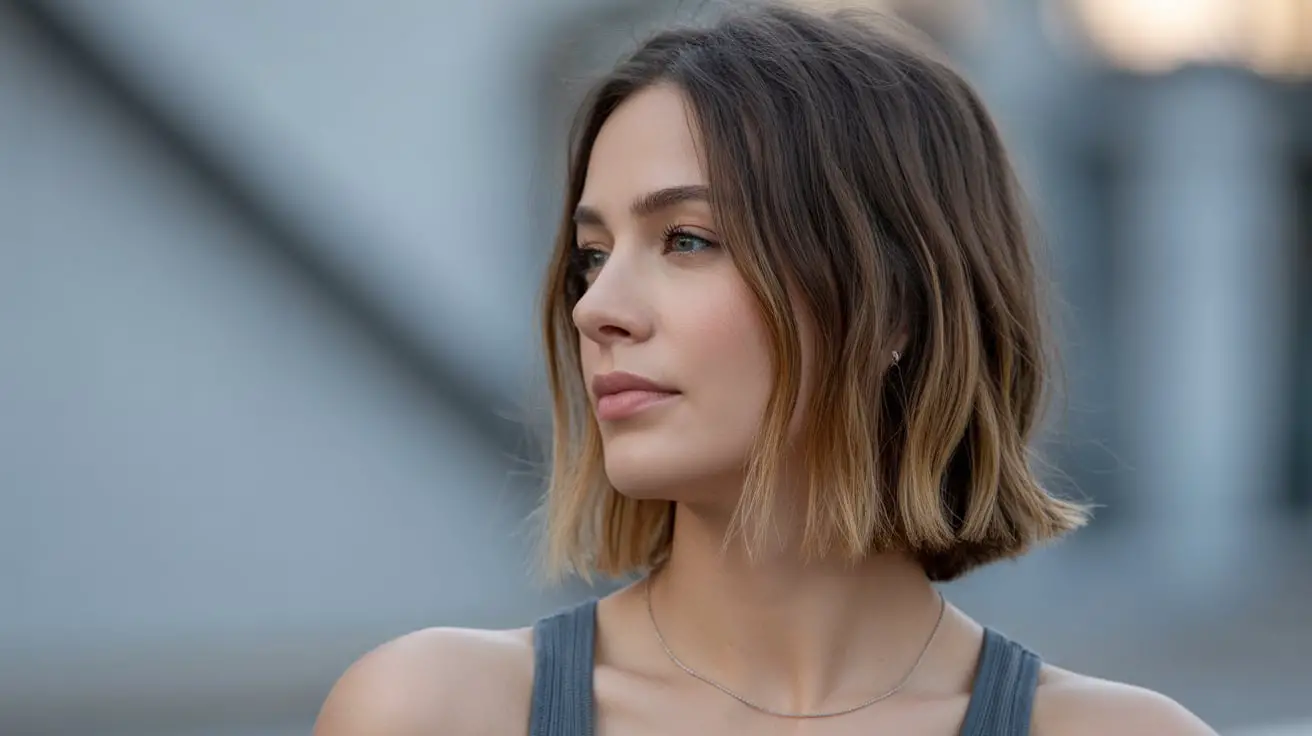
Medium length haircuts have become the sweet spot for women seeking both style and practicality. This particular length sits perfectly between short and long, offering enough hair to play with different styles while avoiding the high maintenance demands of longer locks. Women everywhere are discovering that medium length cuts provide the perfect canvas for creating looks that range from professional polish to weekend casual, all without spending hours in front of the mirror.
The beauty of medium length hair lies in its versatility and manageable nature. You get to experiment with updos, braids, and various textures without dealing with the weight and time commitment that comes with longer styles. Medium cuts also grow out more gracefully than shorter styles, meaning fewer trips to the salon and more flexibility in your styling routine. This length works wonderfully with most hair textures, whether you have naturally straight, wavy, or curly hair.
In the following sections, we’ll share five adorable medium length haircuts that have captured attention for all the right reasons. Each style offers its own personality and benefits, from low-maintenance options perfect for busy schedules to more dramatic cuts that make a statement. These haircuts prove that medium length doesn’t mean boring – instead, it opens up a world of cute, manageable styles that suit various face shapes, hair types, and personal preferences. Keep reading to discover which of these charming cuts might become your next signature look.
The Layered Lob: Your Gateway to Effortless Style
The layered lob stands as one of the most requested cuts in salons today, and for excellent reasons. This versatile style combines the sophistication of a long bob with strategically placed layers that add movement and dimension. The length typically falls somewhere between the chin and shoulders, creating a frame that flatters virtually every face shape while maintaining enough length for various styling options.
What defines a layered lob
A true layered lob features graduated lengths throughout the cut, with shorter pieces blending seamlessly into longer sections. Unlike a traditional bob that maintains one length, this style incorporates subtle or dramatic layering depending on your preference. The layers start higher up, usually around the crown area, and cascade down to create natural movement. Hair stylists often customize the layering pattern based on your hair’s natural texture and density, ensuring the cut works with your hair rather than against it.
The key difference between a regular lob and a layered version lies in the dimension created. While a standard lob can sometimes appear flat or heavy, especially on thicker hair, layers introduce lightness and bounce. These varying lengths catch light differently, creating visual interest and preventing that dreaded triangle shape that some medium-length cuts can produce.
Face shapes that benefit most
Round faces find particular magic in layered lobs, as the layers create vertical lines that elongate facial features. The graduated lengths draw the eye downward, creating an illusion of length that balances rounder proportions beautifully. Square faces benefit from layers that soften angular jawlines, especially when styled with gentle waves or curves.
Heart-shaped faces look stunning with this cut when layers concentrate around the chin area, balancing a narrower lower face with a wider forehead. The versatility of layer placement means your stylist can customize exactly where volume and movement occur, creating harmony with your natural face shape. Oval faces, already considered ideally proportioned, can experiment with any variation of the layered lob.
Styling techniques for different occasions
Morning routines become simpler with a well-cut layered lob. For everyday wear, a quick blow-dry with a round brush creates polished results in under ten minutes. Focus the brush at the roots for lift, then smooth through the lengths while turning the ends under slightly. This technique works whether you’re heading to the office or running errands.
Weekend styling calls for more relaxed approaches. Air-drying with a texturizing spray produces effortless, beachy waves that look intentionally undone. Simply scrunch the product through damp hair and let nature take its course. For special events, hot tools transform the cut into glamorous styles:
Flat Iron Techniques: Create sleek, straight styles or add subtle bends for modern texture Curling Wand Options: Wrap sections around the barrel for loose, romantic waves Braided Accents: Side braids or crown braids work beautifully with the varied lengths Half-Up Styles: The layers provide natural volume when portions are pulled back
Maintenance tips for keeping layers fresh
Regular trims every 6-8 weeks keep layers looking intentional rather than grown-out. Between salon visits, the right products make all the difference in maintaining the cut’s shape and movement. Lightweight leave-in conditioners prevent the ends from looking dry or stringy, while volumizing mousses applied at the roots maintain lift where you need it most.
Heat protection becomes crucial with frequent styling. Apply protective sprays before using any hot tools, focusing on the mid-lengths and ends where layers are most visible. Deep conditioning treatments once a week keep the hair healthy and prevent the shorter layers from becoming frizzy or unmanageable.
Sleeping habits affect how your layered lob looks each morning. Silk pillowcases reduce friction that can cause frizz and tangles, while loosely securing hair in a high, soft scrunchie prevents awkward bends and kinks. Some women find that gently twisting sections before bed helps maintain the layer pattern overnight.
The investment in quality styling tools pays off with this cut. A good blow dryer with multiple heat settings, a ceramic round brush, and versatile hot tools allow you to achieve salon-worthy results at home. The layered lob rewards those who take time to understand their hair’s natural tendencies and work with them rather than fighting against them.
The Textured Shag: Modern Take on a Classic
The textured shag has made a remarkable comeback, shedding its dated reputation and emerging as a fresh, contemporary choice for medium-length hair. This updated version maintains the signature choppy layers and feathered ends while incorporating modern cutting techniques that create a more refined, wearable style. Today’s shag cuts blend vintage inspiration with current trends, resulting in a look that feels both nostalgic and completely current.
Understanding the shag’s comeback
Fashion cycles bring back the best elements of past decades, and the shag’s return reflects our desire for low-maintenance styles with personality. Unlike the heavy, uniform cuts that dominated recent years, shags celebrate natural texture and movement. This revival speaks to women wanting haircuts that look great without excessive styling time or product buildup.
Modern shag cuts differ from their 1970s predecessors in several important ways. Contemporary versions feature more controlled layering, avoiding the extreme volume at the crown that characterized older styles. Stylists now use point cutting and razor techniques to create softer, more blended layers that move naturally. The overall silhouette remains flattering rather than overwhelming, making it suitable for professional settings as well as casual occasions.
What really distinguishes today’s shag is its adaptability. Whether your hair is pin-straight, wavy, or curly, skilled stylists can customize the cut to enhance your natural texture. The key lies in understanding how different layer patterns interact with various hair types, creating a personalized version that works specifically for you.
How texture transforms medium hair
Texture serves as the foundation of any successful shag cut. The layering technique creates natural separation between sections, allowing each piece to move independently. This movement prevents medium-length hair from appearing heavy or shapeless, instead creating dynamic dimension that changes with every turn of your head.
The magic happens through strategic placement of shorter and longer pieces throughout the cut. Rather than following uniform patterns, shag layers vary in length and angle, creating an organic flow. Some sections might be cut with a razor for wispy ends, while others maintain blunter edges for contrast. This variety in cutting techniques produces the signature “lived-in” appearance that makes shags so appealing.
Hair density plays a crucial role in determining layer placement. Thicker hair benefits from more aggressive layering to remove bulk and create movement. Those sections cut shorter help support the overall shape while preventing the dreaded pyramid effect. Finer hair requires a gentler approach, with layers focused on creating fullness rather than removing weight.
Products that enhance the shaggy look
The right products make the difference between a shag that looks intentionally tousled and one that appears unkempt. Start with a volumizing shampoo and conditioner that won’t weigh down the layers. Focus conditioner primarily on the ends, avoiding the roots where you want maximum lift and texture.
Styling products for shag cuts should enhance rather than mask natural texture. Sea salt sprays work wonderfully on damp hair, creating piece-y separation that defines individual layers. Apply from mid-length to ends, scrunching gently to encourage natural wave patterns. For those with straighter hair, texturizing creams provide grip and definition without stiffness.
The application technique matters as much as product selection. Work products through hair in sections, ensuring even distribution. Use your fingers to separate and define layers, creating the characteristic shaggy texture. Avoid brushing once products are applied, as this can blend layers together and eliminate the piece-y effect you’re trying to achieve.
Here’s a quick guide to essential products for different hair types:
Fine Hair: Volumizing mousse at roots, lightweight texture spray throughout Medium Hair: Sea salt spray for texture, light-hold cream for definition
Thick Hair: Smoothing serum to control frizz, texturizing paste for separation Curly Hair: Curl-enhancing cream, diffuser for natural texture
Who should consider this cut
The modern shag suits women seeking a style that looks effortlessly cool without high maintenance requirements. If you’re tired of spending extensive time styling your hair each morning, this cut offers a welcome alternative. The built-in texture means you can air-dry or quickly diffuse for a completed look that appears professionally styled.
Creative professionals and those in relaxed work environments often gravitate toward shag cuts. The style projects confidence and individuality while remaining appropriate for most settings. Women in more conservative fields can easily adapt the shag with sleeker styling when needed, proving its versatility extends beyond casual situations.
Age plays no factor in determining shag suitability. Younger women appreciate the edgy, fashion-forward aspect, while mature clients find the layers create flattering volume and movement. The cut’s ability to soften features and add dimension makes it particularly appealing for those noticing changes in hair density or texture over time.
Lifestyle considerations matter when choosing any haircut, and shags accommodate various activity levels. Active women appreciate how the cut maintains its shape even after workouts or outdoor activities. The textured nature means slight messiness actually enhances rather than detracts from the overall look. Those who travel frequently find shags ideal since they require minimal styling tools and products to look great.
Consider your personal style aesthetic too. Shags complement bohemian, artistic, and casual fashion choices naturally. However, they also provide interesting contrast when paired with more polished or minimalist wardrobes. This versatility in styling makes the textured shag an excellent choice for women who enjoy experimenting with different looks while maintaining a consistent haircut.
The Blunt Bob with Subtle Movement
The blunt bob with subtle movement represents the perfect marriage between classic precision and modern softness. This sophisticated cut maintains the clean lines and geometric shape of a traditional blunt bob while incorporating gentle movement that prevents the style from appearing too severe or rigid. The result is a polished look that works beautifully at medium length, offering structure without sacrificing femininity.
Why blunt cuts work for medium length
Blunt cutting techniques create a strong, defined perimeter that gives medium-length hair substantial visual weight and presence. This precision cutting method involves cutting all hair to the same length at the bottom, creating a solid line that makes even fine hair appear thicker and fuller. The technique particularly shines at medium length because it provides enough weight to maintain the shape without becoming too heavy or difficult to style.
The psychology behind blunt cuts speaks to confidence and decisiveness. Women who choose this style often appreciate clean lines in other aspects of their lives, from minimalist home decor to streamlined wardrobes. The cut’s architectural quality creates an instant polished appearance that requires minimal daily effort to maintain its sharp silhouette.
Medium length proves ideal for blunt cuts because it avoids the severity that can occur with shorter versions while preventing the heaviness associated with longer blunt styles. This length typically grazes the collarbone or sits just above the shoulders, creating a frame that enhances facial features without overwhelming them. The weight distribution at this length also helps the hair naturally fall into place, reducing styling time significantly.
Adding movement without losing structure
Creating movement within a blunt bob requires skilled technique and strategic approach. Rather than adding traditional layers that would destroy the blunt perimeter, stylists use alternative methods to introduce softness and flow. Internal layers, invisible to the eye but felt in the hair’s movement, remove bulk from within while maintaining the strong outline.
Point cutting along the perimeter creates micro-texture that softens the line without compromising its strength. This technique involves cutting into the ends at an angle, creating tiny variations in length that allow pieces to move independently. The overall shape remains intact, but the hair gains flexibility and natural swing that prevents the helmet-like appearance some fear with blunt cuts.
Another approach involves strategic thinning in specific areas. Using specialized shears, stylists can remove density from underneath while leaving the top layers full and smooth. This creates natural movement when you turn your head or walk, as the lighter interior allows the exterior to flow more freely. The key lies in restraint – too much thinning destroys the blunt effect, while too little leaves the cut looking heavy and static.
Subtle graduation near the nape can also introduce movement without sacrificing the overall blunt appearance. By creating a slight angle from back to front, the cut gains dimension and interest while maintaining its structured aesthetic. This variation works particularly well for those with thicker hair who need some weight removed without losing the style’s essential character.
Styling options for various hair textures
Straight hair showcases the precision of a blunt bob most dramatically. A simple blow-dry with a paddle brush creates a sleek, glossy finish that emphasizes the cut’s clean lines. For added polish, run a flat iron through sections, ensuring the ends turn slightly under to maintain the classic bob shape. This creates a timeless look suitable for any occasion.
Wavy hair brings natural movement to the blunt bob, softening its geometric nature. Work with your natural texture by applying curl-enhancing cream to damp hair and either air-drying or using a diffuser. The waves create organic movement within the structured cut, offering the best of both worlds. On days when you prefer a smoother look, blow-drying with a round brush easily transforms waves into sleek straightness.
Curly-haired women might assume blunt bobs won’t work for them, but the right approach proves otherwise. The key lies in cutting the hair while dry, allowing the stylist to see exactly how each curl will fall. The blunt line provides weight that helps elongate curls, preventing the dreaded triangle shape. When styled, the curls create their own movement pattern within the structured framework.
Professional vs. casual styling approaches
Professional settings call for polished perfection, which the blunt bob delivers effortlessly. Start with a smoothing serum applied to damp hair, then blow-dry using a round brush to create slight bend at the ends. This technique maintains the cut’s sophistication while adding just enough movement to appear approachable rather than severe. A light mist of shine spray completes the boardroom-ready look.
Casual styling allows for more experimentation and relaxed finishing. Texturizing products transform the sleek bob into something more playful and contemporary. Apply sea salt spray or texture cream to damp hair, then scrunch and air-dry for an undone finish that still maintains the cut’s essential shape. This approach works particularly well for weekend activities or creative environments.
Evening events provide opportunities to maximize the cut’s versatility. Deep side parts create asymmetrical interest, while tucking one side behind the ear offers elegant simplicity. For more dramatic transformations, hot tools create various effects:
Beach Waves: Use a 1.5-inch curling iron, wrapping sections away from the face Sleek and Straight: Flat iron with a comb for ultra-smooth results Textured Bends: Create random kinks with a flat iron for modern edge Retro Waves: Set with hot rollers for vintage Hollywood glamour
The transition between professional and casual styles happens quickly with this cut. A few spritzes of texture spray and some tousling with your fingers transforms a polished office look into something appropriate for after-work socializing. This adaptability makes the blunt bob with subtle movement an excellent choice for women with varied daily schedules.
Maintenance between styles requires minimal effort. The cut’s inherent structure means second-day hair often looks as good as freshly styled locks. A quick refresh with dry shampoo at the roots and a smoothing cream on the ends restores polish without complete restyling. This low-maintenance aspect appeals to busy women who need reliable style without constant attention.
The Asymmetrical Cut: Bold Yet Wearable
Asymmetrical cuts at medium length offer an exciting way to add edge and interest to your hairstyle without committing to drastic changes. This style features deliberately uneven lengths, typically longer on one side than the other, creating visual intrigue and modern appeal. The beauty of medium-length asymmetry lies in its ability to make a statement while remaining versatile enough for various lifestyles and occasions.
What makes asymmetry work at medium length
Medium length provides the perfect canvas for asymmetrical cuts because it offers enough hair to create noticeable contrast without extreme differences. The variation might be subtle – perhaps an inch difference from side to side – or more dramatic with several inches of contrast. This flexibility allows for personalization based on comfort level and lifestyle requirements.
The technical execution of asymmetrical cuts requires precision and vision. Stylists must consider how the hair naturally falls, the client’s part preference, and face shape to create flattering imbalance. Unlike shorter asymmetrical cuts that can appear severe, medium-length versions maintain softness through their additional length and weight. This creates movement that enhances rather than harshens facial features.
Balance becomes crucial in asymmetrical design. While one side remains longer, the shorter side shouldn’t appear accidentally chopped or unfinished. Professional stylists create intentional lines and angles that clearly communicate the asymmetry as a deliberate choice. The transition between lengths can be gradual or defined, depending on the desired impact and personal style.
Many women discover that asymmetrical cuts actually simplify their styling routine. The built-in interest means less need for elaborate styling techniques or accessories. The cut itself becomes the focal point, allowing for simpler clothing choices and minimal jewelry while still appearing put-together and fashionable.
Balancing edginess with practicality
Creating an asymmetrical cut that works for real life requires thoughtful consideration of daily activities and professional requirements. The key lies in choosing an asymmetry level that expresses personality without limiting versatility. Subtle variations offer a hint of edge while maintaining appropriateness for conservative environments.
Consider how the cut will behave during various activities. Athletic women need styles that can be secured for workouts – even asymmetrical cuts can be pulled back if enough length remains on the shorter side. Professional considerations might dictate more modest angles that can be styled to minimize the asymmetry when needed. The longer side can sweep across to cover the shorter section for more traditional appearances.
Styling products help control and enhance asymmetrical cuts based on the occasion. Smoothing serums and flat ironing create sleek, professional looks that emphasize the precise lines. Texturizing products and tousled styling bring out the cut’s edgier qualities for casual settings. This adaptability ensures the style works across different aspects of your life.
The growing-out phase requires advance planning. Unlike symmetrical cuts that grow evenly, asymmetrical styles need strategic trimming to maintain balance as hair lengthens. Discuss long-term plans with your stylist before committing to ensure you’re comfortable with the maintenance requirements and evolution of the style.
Customizing the angle for your features
Face shape plays a significant role in determining the most flattering asymmetrical angles. Round faces benefit from longer pieces that fall past the chin on one side, creating lengthening lines that slim the appearance. The shorter side can hit at the jawline to add structure and definition. This contrast helps create the illusion of a more oval face shape.
Square faces soften with asymmetry that includes curved rather than sharp lines. Instead of harsh angles, the transition between lengths can follow a gentle diagonal that counteracts angular features. Adding subtle layers within the asymmetry further softens the overall effect while maintaining the style’s modern edge.
Your natural part influences asymmetrical cut design. Those with strong side parts find it easiest to work with asymmetry that follows their natural hair growth patterns. The longer section typically falls on the same side as the natural part, allowing hair to flow comfortably into position. Fighting against natural growth patterns creates daily styling struggles.
Features you want to highlight or minimize also guide asymmetrical choices. Longer sections can draw attention to beautiful eyes or cheekbones while directing focus away from areas of concern. The shorter side often opens up the face, making it appear brighter and more youthful. Strategic asymmetry becomes a powerful tool for enhancing your best features.
Growing out an asymmetrical style gracefully
Planning the grow-out process begins before the first cut. Discuss with your stylist how the asymmetry will evolve and what intermediate stages you’ll experience. Some women choose to gradually reduce the angle difference over several appointments, slowly returning to symmetry. Others prefer maintaining some asymmetry indefinitely, simply adjusting the degree as hair grows.
Regular maintenance appointments every 4-6 weeks help control the growing process. These visits allow for minor adjustments that keep the style looking intentional rather than accidentally uneven. The shorter side typically needs more frequent attention to prevent it from reaching an awkward in-between length that lacks definition.
Embracing intermediate stages often leads to discovering new favorite styles. As asymmetrical cuts grow, they pass through various lengths that might inspire permanent changes. What starts as a dramatic angled bob might evolve into a softer asymmetrical lob that you prefer to the original cut. Staying open to these transitions makes the growing process more enjoyable.
Strategic styling disguises awkward growth phases. When length differences become less defined, styling techniques can either emphasize or minimize the remaining asymmetry. Consider these approaches for different stages:
Early Growth: Define the angle with straightening to maintain drama Mid-Growth: Add waves to blend lengths more naturally Later Stages: Use braids or twists to incorporate both lengths attractively Final Phase: Side-swept styles hide minimal asymmetry
Patience during the growing process pays off. Rather than rushing to even out lengths, allow the style to evolve naturally with professional guidance. Many women find they prefer their grown-out asymmetrical cut to their original symmetrical style, discovering new dimensions and movement they hadn’t anticipated. The journey from bold asymmetry back to balance often reveals the perfect personal style along the way.
The Choppy Layers: Playful and Youthful
Choppy layers bring an energetic, carefree quality to medium-length hair that instantly updates any look. This cutting technique creates distinct, piece-y sections throughout the hair rather than seamlessly blended layers. The result is a dynamic style full of movement and texture that catches light beautifully and adds visual interest from every angle. Women seeking a fresh, spirited appearance find choppy layers deliver personality without requiring complicated maintenance.
How choppy differs from traditional layers
Traditional layering focuses on creating smooth transitions between different lengths, with each layer flowing seamlessly into the next. Stylists typically use techniques that blend sections together, creating gradual changes in length that maintain a cohesive silhouette. This approach works beautifully for those seeking polished, refined looks with controlled movement.
Choppy layers take an entirely different approach. Instead of blending, this technique deliberately creates separation and definition between sections. Stylists use point cutting, razoring, and texturizing shears to craft distinct pieces that move independently. Each section maintains its own identity rather than melting into neighboring layers. This creates the signature piece-y, textured appearance that defines the style.
The cutting angle also distinguishes choppy from traditional layers. While conventional layering often follows the head’s natural curve, choppy techniques might include unexpected angles and varied lengths within the same section. Some pieces might be cut shorter than surrounding hair, creating pockets of volume and movement. This seemingly random approach actually requires careful planning to achieve balanced results.
Visual weight distribution varies significantly between these approaches. Traditional layers remove weight gradually and evenly, maintaining the hair’s overall density while adding movement. Choppy layers create more dramatic weight variations, with some areas maintaining fullness while others become significantly lighter. This contrast produces the textured, lived-in appearance that makes the style so appealing.
Creating volume with strategic cutting
Volume creation through choppy layering relies on understanding how hair responds to weight removal. By creating shorter pieces throughout the cut, stylists enable hair to lift away from the scalp naturally. These shorter sections act as support structures, pushing longer pieces outward and upward. The result is fullness that doesn’t rely on excessive teasing or product application.
The placement of choppy layers determines where volume appears. For those with flat crown areas, concentrated layering in this region creates natural lift. Women with fine hair benefit from choppy layers throughout, as the technique makes each strand appear thicker by preventing pieces from lying flat against each other. The separation between sections creates an illusion of density.
Root elevation happens naturally with properly executed choppy layers. The varying lengths mean hair can’t pack down as densely at the scalp, maintaining space between sections. This inherent lift reduces the need for volumizing products and heat styling. Many women find their morning routine simplified once their hair has built-in volume from the cut itself.
Strategic undercutting can enhance volume in choppy styles. By removing weight from underneath while maintaining length on top, stylists create a foundation that pushes surface layers upward. This technique works particularly well for those with thick hair who want the choppy texture without excessive bulk. The hidden shorter layers provide support without being visible in the finished style.
Best hair types for choppy styles
Fine to medium hair textures often achieve the most dramatic transformation with choppy layers. The technique adds much-needed body and movement to hair that might otherwise appear limp or lifeless. Each piece gains importance when separated from its neighbors, creating visual interest that fine hair sometimes lacks. The key lies in avoiding over-layering, which could make thin hair appear even sparser.
Thick hair benefits from choppy layering’s ability to remove bulk while maintaining style. The technique allows for aggressive weight removal without sacrificing length or creating unflattering shapes. Dense hair that might appear helmet-like with blunt cuts gains beautiful movement and lightness through strategic choppy layering. The piece-y texture prevents the heavy, triangular shape thick hair can develop at medium length.
Natural wave patterns enhance choppy layers beautifully. The existing texture combines with the cut’s inherent movement to create effortless style. Waves find their own rhythm within the varied lengths, producing organic patterns that look professionally styled with minimal effort. This natural partnership between cut and texture makes choppy layers particularly appealing for those with subtle to moderate waves.
Straight hair might seem unsuitable for choppy styles, but skilled cutting creates texture where none existed naturally. The varied lengths and angles force straight hair into new positions, creating bends and movement. Products designed for texture enhancement work particularly well with straight hair in choppy cuts, as the hair readily accepts styling direction without fighting natural patterns.
Styling tools that enhance the look
The right tools make choppy layers come alive with minimal effort. A quality blow dryer with a concentrator nozzle allows for precise directing of airflow, enhancing natural movement patterns. Focus on lifting roots while allowing ends to move freely. This technique emphasizes the cut’s piece-y nature while adding overall volume.
Texturizing tools deserve special attention for choppy styles. Consider these essential implements:
Texture Scissors: For quick touch-ups between salon visits Small Round Brush: Creates bend and movement in individual sections
Diffuser Attachment: Enhances natural texture without disrupting layer patterns Mini Flat Iron: Adds random bends and kinks for extra texture
Product application technique matters as much as tool selection. Work styling products through hair in small sections, ensuring each choppy piece receives attention. Scrunching, twisting, and piece-defining movements during application enhance the cut’s natural separation. Avoid running brushes through styled hair, as this blends the carefully crafted pieces together.
Heat-free styling methods work wonderfully with choppy layers. Braiding damp sections overnight creates waves that complement the cut’s texture. Pin curls in strategic locations add volume and movement without damage. These gentle techniques preserve hair health while maximizing the style’s potential.
The finishing touches make choppy layers truly shine. A light mist of texture spray adds grip between pieces, maintaining separation throughout the day. Dry shampoo at the roots provides extra lift while absorbing oils that might weigh down the style. Small amounts of pomade or wax on select pieces create additional definition and visual interest.
Embracing the inherent messiness of choppy layers often produces the best results. This style thrives on imperfection and movement rather than precise placement. Women who learn to work with rather than against the cut’s natural tendencies find styling becomes increasingly intuitive and enjoyable. The playful nature of choppy layers encourages experimentation and personal expression through ever-changing styling choices.
Your Perfect Medium-Length Match
Medium-length haircuts offer the ideal balance of versatility and manageability that busy women crave. These five styles – from the sophisticated layered lob to the spirited choppy layers – prove that shoulder-grazing lengths can be anything but boring. Each cut brings its own personality and benefits, whether you’re drawn to the polished structure of a blunt bob with movement or the carefree appeal of a modern shag.
The key to choosing your perfect medium-length cut lies in considering your lifestyle, hair texture, and personal style preferences. Remember that skilled stylists can adapt any of these cuts to flatter your specific features and work with your natural hair characteristics. Regular maintenance and the right styling products will keep your chosen style looking fresh and intentional, making your daily hair routine simpler while ensuring you always look put-together.
Frequently Asked Questions
Q: How often should I trim my medium-length haircut to maintain its shape? A: Most medium-length styles need trimming every 6-8 weeks to maintain their shape and prevent split ends. Cuts with precise lines like blunt bobs may need attention every 4-6 weeks, while textured styles like shags can go slightly longer between appointments.
Q: Which medium-length cut works best for fine hair that lacks volume? A: Choppy layers and textured shags work wonderfully for fine hair, as they create natural separation between strands that makes hair appear fuller. A blunt bob can also add the illusion of thickness by creating a solid line of density at the bottom.
Q: Can I style an asymmetrical cut to look symmetrical for conservative work events? A: Yes, you can minimize asymmetry by sweeping the longer side across your head and securing it with bobby pins behind the opposite ear. Straightening the hair and creating a deep side part also helps disguise the length difference for professional settings.
Q: What’s the main difference between a layered lob and a shag cut? A: A layered lob features subtle, blended layers that maintain a polished appearance, while a shag incorporates more dramatic, choppy layers throughout for a deliberately tousled, textured look. Lobs tend to be more refined, while shags embrace a rock-and-roll aesthetic.
Q: How do I prevent my medium-length hair from looking triangular or puffy? A: Strategic layering removes bulk from the right areas – typically through the middle sections where hair tends to expand. Using smoothing products and blow-drying with a round brush while directing hair downward also helps maintain a sleeker silhouette.
Q: Which styling products are essential for maintaining these medium-length cuts? A: A good heat protectant, texturizing spray, and lightweight smoothing serum cover most styling needs. Add a volumizing mousse for fine hair or a humidity-blocking spray for frizz-prone textures to complete your arsenal.
Q: Can women over 50 wear these medium-length styles without looking like they’re trying too hard? A: Absolutely! All five styles can be adapted for mature women by adjusting the level of texture and movement. Softer layers, subtle asymmetry, and refined shag cuts create youthful energy without appearing age-inappropriate.
Q: How long does it take to grow out a short haircut to achieve these medium lengths? A: Hair typically grows about half an inch per month, so reaching medium length from a short cut usually takes 6-12 months depending on your starting point. Regular trims during this process help maintain shape and health while growing.

