

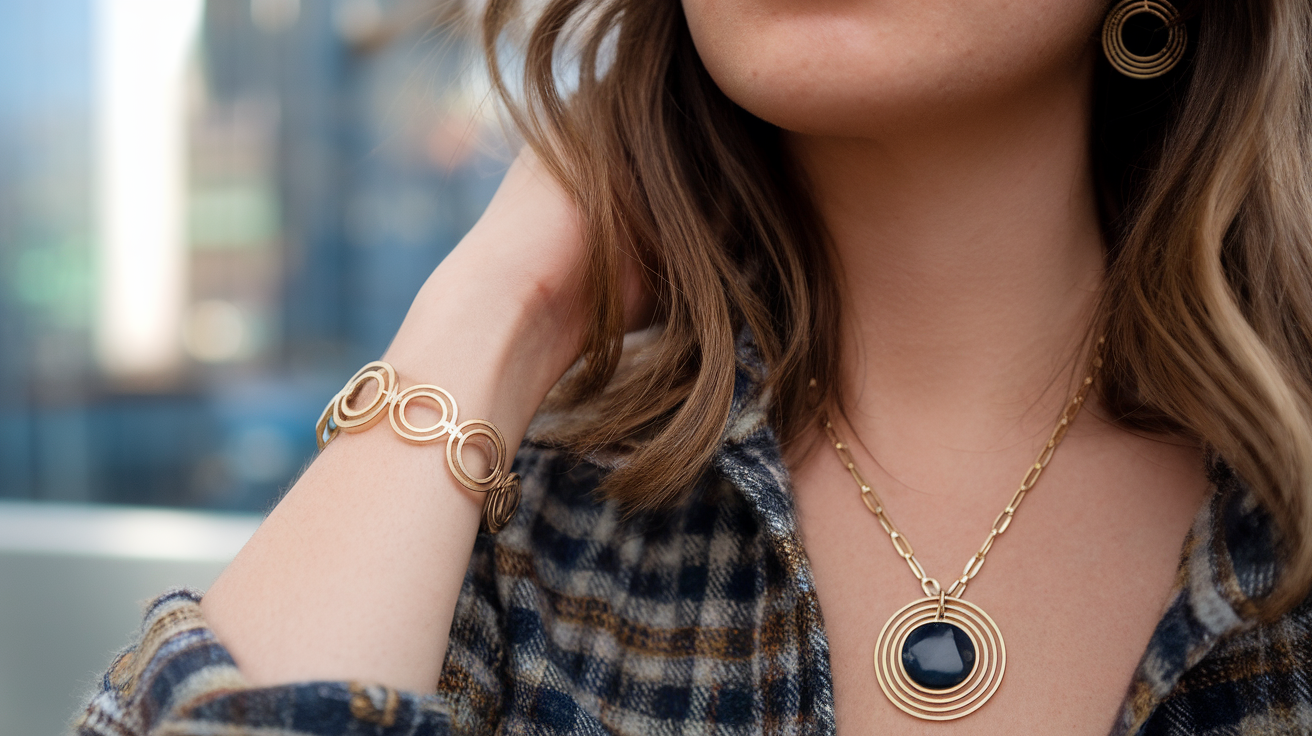
Accessories hold the secret to completely transforming any wardrobe without buying an entirely new closet of clothes. A simple dress becomes sophisticated with the right jewelry, while basic jeans and a white tee turn chic with carefully chosen additions. The magic lies in understanding which pieces work hardest in your collection and knowing exactly how to style them for maximum impact.
Women often underestimate the power these finishing touches bring to their daily outfits. Small investments in quality accessories deliver far greater returns than constantly purchasing new clothing. A well-chosen handbag, an interesting pair of sunglasses, or the perfect scarf can refresh tired outfits and create entirely new looks from pieces you already own. These strategic additions multiply your styling options exponentially while taking up minimal closet space.
The following sections reveal the ten most transformative accessory categories that deserve space in your collection. You’ll discover practical styling tips, learn which pieces offer the most versatility, and understand how to select accessories that genuinely elevate your personal style. Continue reading to unlock the full potential of your existing wardrobe through strategic accessorizing.
What Makes Accessories Essential for Your Style
Accessories serve as the punctuation marks of fashion, turning basic outfits into complete statements. They communicate personality, mood, and attention to detail in ways clothing alone cannot achieve. The right finishing touches distinguish someone who simply gets dressed from someone who creates intentional, polished looks every day.
How accessories define personal style
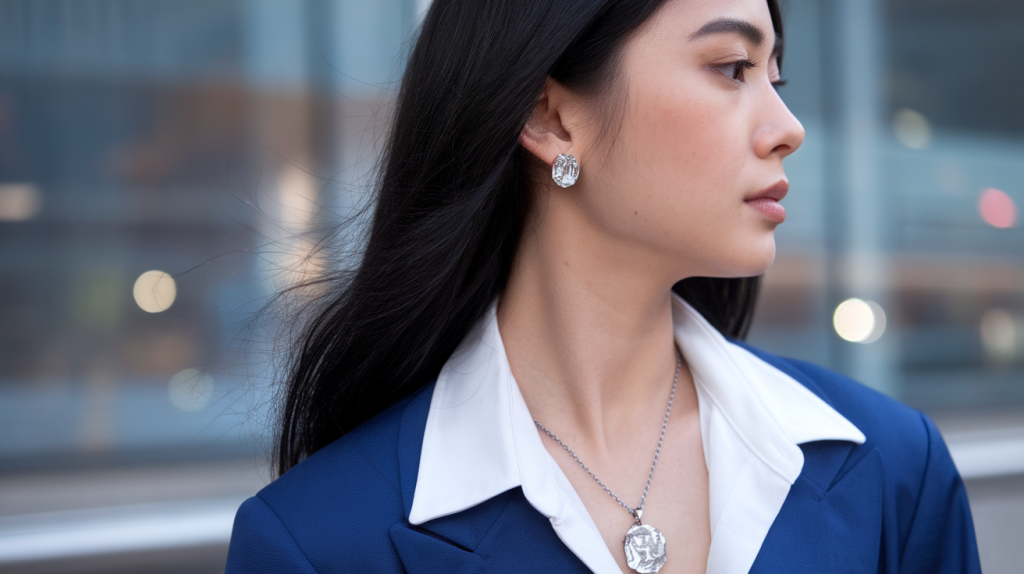
Your accessory choices reveal more about your style preferences than any single clothing item. A woman who consistently chooses minimalist gold jewelry sends different signals than one who favors chunky, colorful pieces. These selections become your signature, the elements people associate with your presence before noticing specific outfits.
Building a recognizable aesthetic through accessories requires less investment than overhauling your entire wardrobe. Start by identifying which pieces make you feel most confident. Do structured bags make you feel powerful? Does vintage jewelry spark joy? Pay attention to compliments you receive and patterns in your preferences.
Consistency in accessory choices creates visual cohesion across different outfits. Wearing similar metal tones, maintaining a specific color palette, or sticking to particular textures establishes your distinctive look. This approach simplifies morning decisions while ensuring you always appear thoughtfully dressed.
The psychology of accessorizing
Accessories affect both how others perceive you and how you feel about yourself. Research shows that wearing items you associate with success or confidence actually improves performance and mood. That favorite necklace becomes more than decoration – it functions as a personal talisman.
Color psychology plays a significant role in accessory impact. Red accessories convey energy and boldness, while navy pieces suggest reliability and professionalism. Understanding these associations helps you choose additions that support your goals for each day, whether you need to project authority in a meeting or approachability at a social event.
The act of selecting and putting on accessories creates mindful moments in your morning routine. This deliberate attention to appearance sets a positive tone, signaling to your brain that you’re prepared and capable. Even on difficult days, these small acts of self-care through styling maintain your sense of control and personal standards.
Building a signature look
Developing a signature accessory style requires experimentation followed by editing. Begin by trying different combinations without judgment, photographing looks you particularly enjoy. After several weeks, review these images to identify recurring elements that define your most successful outfits.
Some women discover their signature through a specific item worn daily – perhaps vintage brooches, silk scarves, or bold watches. Others develop signatures through consistent styling techniques, like always wearing three delicate necklaces layered together or stacking multiple rings on specific fingers. These personal trademarks become part of your identity.
Cost-effective wardrobe updates
Strategic accessory purchases stretch fashion budgets further than buying new clothes. A $50 statement necklace can refresh five different dresses, while a $50 dress serves a single purpose. This multiplication effect makes accessories the smartest investment for women wanting maximum style impact with limited spending.
Consider the cost-per-wear calculation when evaluating accessory purchases. A versatile leather bag used daily for a year costs pennies per wear, even at a higher initial price point. Quality pieces that withstand frequent use prove more economical than trendy items requiring constant replacement.
Seasonal updates through accessories keep wardrobes current without major expense. Adding this year’s trending color through a bag or scarf incorporates fashion-forward elements without committing to pieces that might feel dated next season. This approach maintains style relevance while preserving your clothing investment.
Statement Jewelry That Commands Attention
Statement jewelry transforms even the simplest outfit into something memorable and striking. These bold pieces serve as instant focal points, drawing eyes exactly where you want them while expressing creativity and confidence. Understanding how to select and style these powerful accessories maximizes their impact without overwhelming your overall look.
Bold necklaces and their impact
The right statement necklace can completely change the proportions and focus of an outfit. A substantial piece fills the neckline space of simple tops and dresses, creating visual interest where none existed before. This single addition often eliminates the need for other jewelry, simplifying your styling process while delivering maximum effect.
Neckline compatibility determines which statement styles work best with different outfits. V-necks pair beautifully with shorter statement pieces that follow the neckline’s angle. Crew necks benefit from collar-style necklaces that sit close to the neck, while off-shoulder tops call for longer, dramatic pendants that fill the exposed décolletage area. Strapless styles offer the most flexibility, accommodating everything from chunky chokers to cascading bibs.
Scale matters tremendously when selecting bold necklaces. Petite frames generally look best with statement pieces that are dramatic in design but moderate in actual size. Taller women can carry truly oversized pieces without being overwhelmed. The key lies in maintaining proportion between your body, your outfit’s silhouette, and the jewelry’s visual weight.
Oversized earrings for face framing
Large earrings create an instant frame for your face, drawing attention upward and highlighting your features. These pieces work particularly well for women who prefer simpler hairstyles or frequently wear their hair pulled back. The movement and sparkle of substantial earrings add dynamism to your overall appearance.
Face shape influences which oversized styles flatter most. Round faces benefit from longer, angular designs that create vertical lines. Square faces soften with curved, teardrop shapes. Heart-shaped faces look stunning in earrings that are wider at the bottom, while oval faces can successfully wear virtually any style. Understanding these guidelines helps you select pieces that enhance rather than compete with your natural features.
Weight becomes a practical consideration with larger earrings. Beautiful pieces that cause discomfort limit their wearability, reducing their value in your collection. Look for hollow construction, lightweight materials, or styles that distribute weight across the entire ear rather than pulling solely on the lobe.
Hair length and style affect how oversized earrings appear and function. Shorter hairstyles let earrings take center stage without competition. Longer hair might partially obscure or tangle with certain styles, making post-style or chandelier designs more practical than hoops or shapes that extend outward.
Stacked rings and bracelets
The art of stacking creates personalized jewelry statements that evolve with your mood and outfit needs. This technique allows you to combine simple pieces into complex, eye-catching arrangements. Starting with a few basic pieces, you can create dozens of different combinations.
Ring stacking works best when you vary the widths and styles while maintaining some unifying element:
Metal Consistency: Keep all pieces in the same metal family for cohesion
Mixed Textures: Combine smooth bands with textured or stone-set styles
Negative Space: Leave some fingers bare to prevent overwhelming the hand
Balance Both Hands: Distribute rings across both hands rather than loading one
Bracelet stacking follows similar principles but requires attention to movement and sound. Too many metal pieces create distracting noise, while mixing materials like leather, beads, and metal adds visual interest without the clanging. Start with odd numbers of bracelets – three, five, or seven – as these groupings appear more intentional than even numbers.
The placement of stacked pieces affects their impact. Concentrating rings on your dominant hand draws attention to your gestures during conversation. Stacking bracelets on the arm opposite your watch creates balance while preventing practical interference. These strategic decisions elevate stacking from random accumulation to thoughtful styling.
Mixing metals and textures
Gone are the days when jewelry needed to match perfectly. Modern styling celebrates the interplay of different metals and textures, creating more interesting and personal looks. This freedom expands your options, allowing you to wear all your favorite pieces regardless of their original metal.
Successful metal mixing requires intentional bridging pieces. A two-tone piece incorporating both silver and gold links different metal families naturally. Alternatively, choosing a dominant metal and adding small touches of another creates controlled contrast without chaos. Rose gold serves as an excellent bridge between yellow gold and silver, working harmoniously with both.
Texture variety adds dimension to jewelry combinations. Smooth, polished pieces gain interest when paired with hammered, matte, or oxidized finishes. This interplay creates visual depth that single-texture looks cannot achieve.
Bags That Balance Function and Fashion
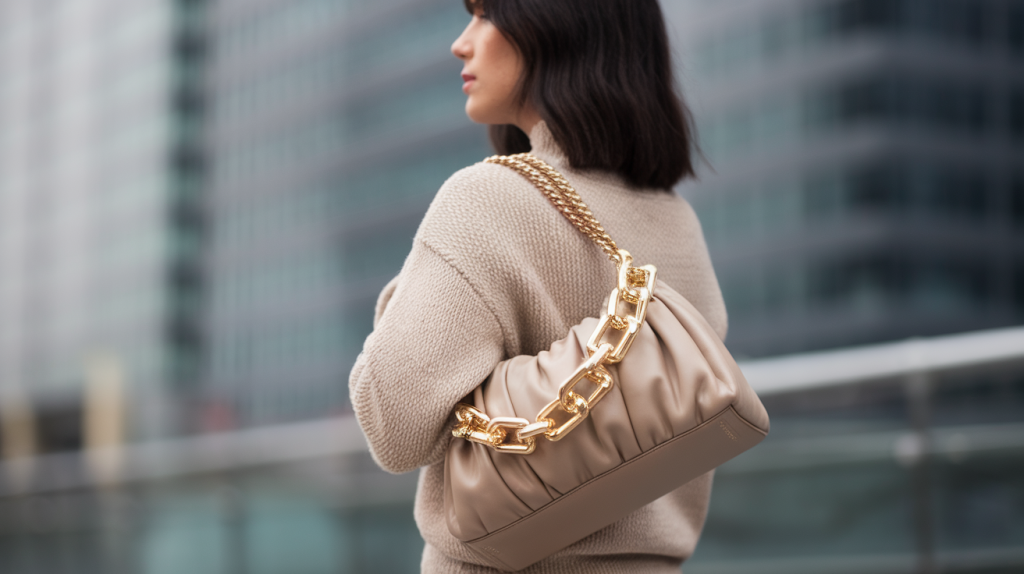
The perfect bag does more than carry your essentials – it completes your outfit while supporting your lifestyle needs. Smart bag selection means understanding which styles serve different purposes and how to choose pieces that work hardest in your specific routine. A well-edited bag collection provides options for every occasion without excess.
Structured handbags for professional settings
Professional environments demand bags that project competence and organization. Structured handbags with defined shapes and quality hardware communicate attention to detail and seriousness about your career. These pieces function as mobile offices, keeping documents pristine and devices protected while maintaining a polished appearance throughout long work days.
The internal organization of professional bags matters as much as external appearance. Look for designs with dedicated laptop sleeves, phone pockets, and pen holders that prevent frantic searching during meetings. Multiple compartments help separate personal items from work materials, maintaining boundaries even when both life aspects travel together.
Color choices for work bags require strategic thinking. While black remains the safest option, deep burgundy, navy, or rich brown offer sophistication with more personality. These alternatives coordinate with most professional wardrobes while providing subtle differentiation. Avoid overly trendy colors that might date quickly or clash with your established work wardrobe.
Size considerations go beyond simple capacity. Oversized bags can appear overwhelming and unprofessional, while too-small options force you to carry additional pieces. The ideal professional bag holds a laptop or tablet, essential documents, and personal items without bulging or losing its shape. Test bags with your actual daily carry before purchasing to verify practical fit.
Crossbody bags for hands-free style
Crossbody styles revolutionized how women navigate daily life, providing security and convenience without sacrificing style. These versatile pieces transition from errands to evening plans, adjusting to different needs through strap length changes and styling variations. The hands-free design proves invaluable for mothers, commuters, and anyone juggling multiple tasks.
Proportion rules for crossbody bags depend on your height and build. The bag should hit at hip level for most women, though petite frames might prefer slightly higher placement to avoid overwhelming their silhouette. Adjustable straps accommodate different outfit thicknesses and wearing preferences, from close-to-body security to relaxed, slouchy styling.
Modern crossbody designs range from minimal pouches to substantial satchels. Smaller versions work beautifully for evenings out or situations requiring just phone, cards, and keys. Medium sizes accommodate daily necessities without becoming cumbersome. Choose based on your actual needs rather than hypothetical situations – carrying excess space encourages unnecessary accumulation.
The strap itself deserves consideration beyond simple length. Wide straps distribute weight better for heavier bags, preventing shoulder dig. Chain straps add elegance but might prove uncomfortable with substantial contents. Decorative straps featuring prints, embroidery, or mixed materials transform basic bags into statement pieces. Some styles offer interchangeable straps, multiplying your styling options from a single bag purchase.
Clutches for evening sophistication
Evening clutches elevate special occasion outfits through their jewel-like presence and enforced minimalism. These pieces demand careful editing of contents, resulting in streamlined elegance. The physical act of holding a clutch also affects posture and movement, creating more graceful, deliberate gestures.
Clutch selection should complement, not compete with, your outfit’s existing details. Heavily embellished dresses pair best with simpler clutches, while minimal outfits can support elaborate beading, sequins, or metallic finishes. Consider the clutch as part of your overall accessory balance – if wearing statement earrings, choose a quieter bag, and vice versa.
Practical features shouldn’t be sacrificed for beauty in evening bags. A small wrist strap or chain prevents loss while allowing temporary hands-free moments. Internal pockets keep lipstick and phone from scratching each other. Some designs include hidden expansion panels for occasions when you need slightly more capacity without visible bulk.
Tote bags as everyday essentials
The humble tote serves as the workhorse of most bag collections, handling everything from gym clothes to grocery runs. Quality totes in neutral colors provide reliable support for countless daily activities. Their open construction allows quick access while generous proportions accommodate life’s unpredictable needs.
Material selection dramatically affects tote longevity and maintenance. Canvas options offer durability and machine washability but might appear too casual for some settings. Leather totes age beautifully and transition from day to evening but require protection from weather and regular conditioning. Synthetic materials provide weather resistance and easy cleaning but might not develop the character natural materials acquire over time.
Internal organization transforms chaotic totes into functional systems. Removable pouches or bag organizers create defined spaces within the open interior. This approach maintains the tote’s flexibility while preventing the dreaded “black hole” effect where items disappear into corners. Color-coding internal organizers speeds location of specific categories – red for cosmetics, blue for electronics, green for snacks.
The best everyday totes include thoughtful details that increase functionality. Exterior pockets provide phone access without diving into the main compartment. Reinforced bottoms prevent sagging and tearing from heavy loads. Comfortable shoulder straps that don’t slide prevent constant adjustment. These small features significantly impact daily usability, justifying investment in quality versions of this wardrobe staple.
Scarves and Wraps for Versatile Styling
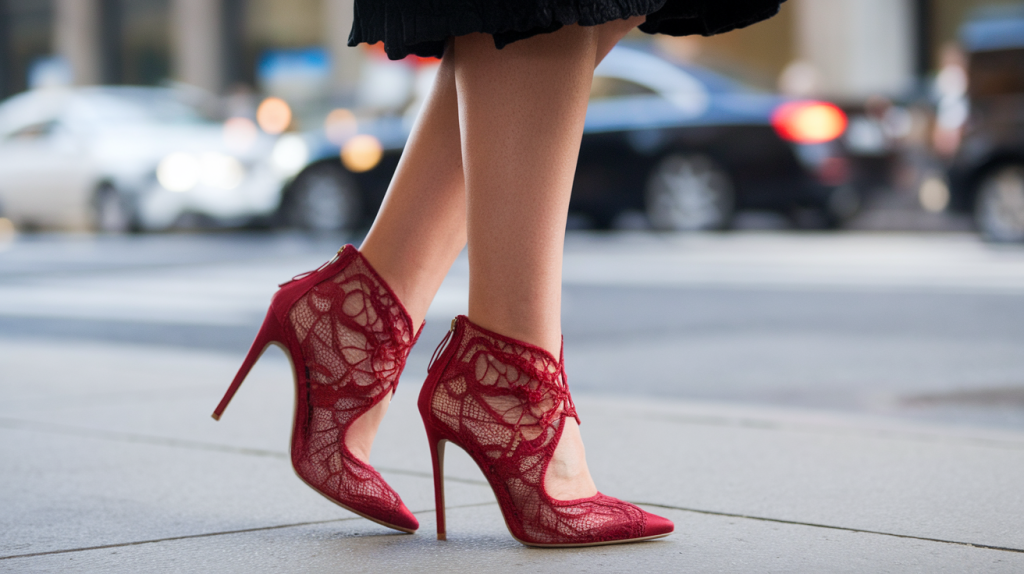
Scarves rank among the most transformative accessories in any wardrobe, offering countless styling possibilities from a single piece. These versatile textiles add color, pattern, texture, and warmth while requiring minimal storage space. Mastering various wearing techniques multiplies your outfit options exponentially.
Silk scarves as hair accessories
Hair scarves bring instant polish to any hairstyle while protecting strands from environmental damage. Silk’s smooth texture prevents breakage and frizz that rougher materials might cause. This gentle interaction with hair makes silk scarves particularly valuable for women with textured or chemically treated hair requiring extra protection.
The classic headband style works with virtually any hair length or texture. Fold a square scarf diagonally, then continue folding until you achieve your desired width. Position the center at your nape, bring the ends up and over your head, then tie at the crown or side. This technique controls flyaways while adding vintage charm to modern outfits.
Ponytail wrapping creates sophisticated alternatives to basic elastic bands. After securing your ponytail with a clear elastic, wrap a thin scarf around the base, allowing ends to flow freely or tucking them under for a cleaner finish. This simple addition transforms gym-ready hair into office-appropriate styling.
For protection and style simultaneously, the turban wrap offers elegance with practicality. This technique works particularly well with larger scarves, creating dramatic silhouettes that make statements while protecting hair from sun, wind, or humidity. Start with hair in a low bun, position the scarf’s center at your nape, bring sides up and cross at the forehead, then wrap back and tuck ends. The result looks intentional and chic rather than purely functional.
Oversized wraps as outerwear alternatives
Large wraps and blanket scarves function as lightweight jacket alternatives during transitional weather. These pieces provide warmth without the commitment or bulk of traditional outerwear. Their generous proportions allow for various draping styles that change your silhouette and outfit impact.
The waterfall drape creates elegant vertical lines that elongate the figure. Simply drape the wrap over your shoulders, allowing it to fall naturally open in front. This style works beautifully over dresses or with fitted bottoms, as the flowing fabric adds movement without overwhelming your frame. Secure with a striking brooch for added stability and visual interest.
Belted wrap styling transforms oversized scarves into structured garments. Center the wrap over your shoulders, then add a belt at your natural waist or slightly higher. This technique creates the illusion of a vest or light jacket while maintaining the softness of draped fabric. Wide belts make dramatic statements, while thin belts provide subtle definition.
The asymmetric toss adds artful casualness to polished outfits. Throw one end of your wrap over the opposite shoulder, creating diagonal lines across your body. This styling technique particularly flatters apple-shaped figures by drawing the eye along elongating angles rather than emphasizing horizontal width.
Belt scarves for waist definition
Scarves worn as belts offer creative alternatives to traditional leather or fabric belts. This technique adds pattern, color, and texture at the waist while providing adjustable fit that accommodates natural size fluctuations. Lightweight scarves work best for this purpose, as bulky materials create unflattering thickness at the midsection.
Threading scarves through belt loops requires attention to fabric choice and width. Silk or satin scarves slide smoothly without catching, while cotton might grip and bunch. Fold or roll scarves to approximately one to two inches wide for standard belt loops. Leave ends loose for casual styling or tuck them cleanly for professional settings.
Obi-style wrapping over dresses or long tops creates dramatic waist emphasis without traditional belts. Use a long rectangular scarf, wrapping twice around your waist before tying in front or to the side. This technique works particularly well with simple shift dresses or oversized shirts, adding shape and visual interest to undefined silhouettes.
Seasonal fabric choices
Fabric selection determines both practical function and seasonal appropriateness of scarves. Summer calls for lightweight materials that add style without warmth – silk, cotton voile, and linen provide coverage from sun while remaining breathable. These materials drape beautifully despite their light weight, creating elegant movement with every gesture.
Transitional seasons benefit from medium-weight options that provide actual warmth without winter bulk. Wool-silk blends offer the temperature regulation of wool with silk’s refined appearance. Modal and bamboo provide unexpected softness while maintaining structure. These materials layer well under jackets or over light sweaters as weather fluctuates.
Winter demands substantial fabrics that provide genuine insulation. Cashmere delivers luxury with practicality, though quality varies dramatically across price points. Merino wool offers excellent warmth-to-weight ratios without itchiness. Acrylic blends provide affordability and easy care while mimicking natural fiber appearance. Consider your climate’s actual demands rather than seasonal assumptions – mild winters might never require heavy scarves, while harsh climates demand serious protection regardless of fashion preferences.
The Power of the Perfect Belt
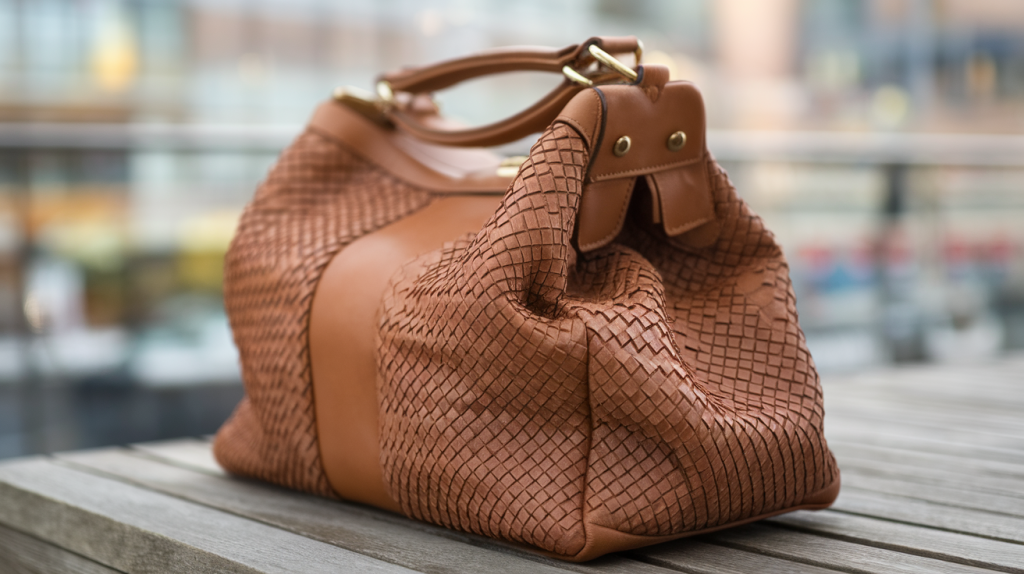
Belts do far more than hold up pants – they create focal points, define silhouettes, and transform the proportions of any outfit. Understanding how different belt styles affect your appearance helps you use these accessories strategically. The right belt can make inexpensive clothes look polished or completely change how a dress fits and flatters.
Wide belts for creating silhouettes
Wide belts measuring two inches or more dramatically alter body proportions by creating distinct sections. These substantial pieces work best with simpler garments that benefit from added structure and visual interest. The horizontal line created by a wide belt can either elongate or shorten your torso depending on placement and color choices.
Positioning affects the silhouette wide belts create. Wearing them at your natural waist emphasizes curves and creates an hourglass shape. Placing them slightly higher, empire-style, elongates the lower body while creating a romantic, flowing line. Hip-level placement works well with longer tops, preventing fabric from overwhelming your frame while maintaining a relaxed aesthetic.
Color contrast between belt and outfit determines visual impact. High contrast creates dramatic emphasis at the belt line – imagine a black belt over a white dress. Low contrast provides subtle shaping without harsh lines. Women wanting to minimize midsections should choose belts that blend with their outfits rather than stand out starkly.
Wide belts require confidence and proper fit to wear successfully. They should lie flat against your body without gaping or rolling. Elastic back panels provide flexibility while maintaining smooth front appearance. Test different widths to find what proportions work best with your body – not everyone needs the widest option to achieve the desired effect.
Chain belts for modern edge
Chain belts inject immediate modernity and edge into classic pieces. These metallic accessories bridge the gap between jewelry and functional accessories, adding shine and movement that leather cannot provide. From delicate designs that whisper sophistication to chunky statements that demand attention, chain belts offer versatility within their category.
Weight distribution becomes crucial with chain belts. Heavy chains can pull uncomfortably on certain fabrics or slide down throughout the day. Look for styles with adjustable fit or those that incorporate lighter materials alongside chain elements. Some designs feature leather backing or fabric threading that provides structure while maintaining the chain aesthetic.
Styling chain belts requires balance with other accessories. Too much metal throughout your outfit creates a harsh, armor-like effect. Pair chain belts with softer textures – flowing silk, cozy knits, or romantic lace. This juxtaposition highlights both elements rather than overwhelming with a single theme.
Obi belts for dramatic flair
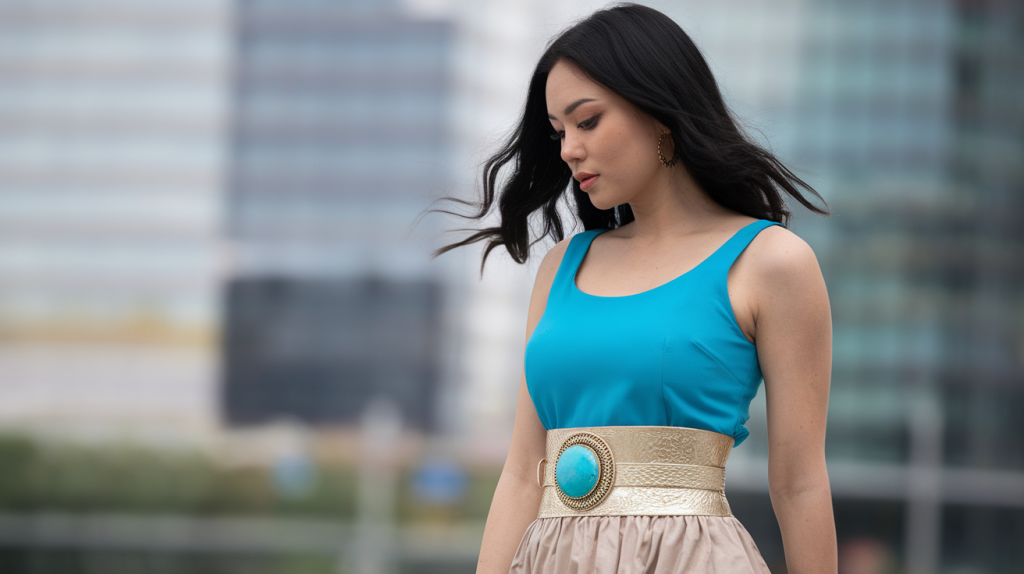
Obi-inspired belts bring architectural drama to Western wardrobes through their substantial width and wrapping style. These pieces completely transform simple dresses, oversized shirts, and even coats into structured, artistic statements. The wraparound design provides complete adjustability while creating a corset-like effect without rigid construction.
The key to wearing obi belts lies in proportion and fabric choice. Softer fabrics like leather or substantial cotton create the signature gathered effect at the waist without excessive bulk. Position them slightly higher than your natural waist to avoid shortening your torso unnecessarily. The ends can tie in front for traditional styling, to the side for asymmetrical interest, or in back for a cleaner front view.
Outfit pairing determines whether obi belts elevate or overwhelm. They work beautifully over:
Flowing Dresses: Add structure to shapeless silhouettes
Oversized Blazers: Create dramatic new proportions
Simple Shifts: Transform basic pieces into special occasion wear
Long Cardigans: Turn loungewear into legitimate outfits
Avoid combining obi belts with already complex outfits or those with defined waists. The drama these belts provide needs space to shine without competing elements. Similarly, very petite frames might find the proportions overwhelming unless they choose narrower interpretations of the style.
Classic leather for timeless appeal
Quality leather belts form the foundation of any accessory collection, providing reliable style that transcends trends. These investment pieces improve with age, developing patina and character that makes them uniquely yours. Understanding leather quality and construction helps you select pieces worth their higher price points.
Full-grain leather represents the highest quality, retaining the hide’s natural texture and grain patterns. These belts resist tearing and stretching while developing beautiful aging characteristics. Top-grain leather, while slightly less durable, offers uniformity and resistance to staining that some prefer. Genuine leather, despite its name, indicates lower quality composite materials that won’t age as gracefully.
Hardware quality matters as much as leather quality in determining belt longevity. Solid brass or stainless steel buckles maintain their appearance over years of use. Check that buckle prongs align properly with holes and that adjustment mechanisms work smoothly. Cheap hardware tarnishes, breaks, or damages the leather it’s attached to, ruining otherwise quality pieces.
Width versatility in leather belts expands their usefulness across different outfit types. A one-inch belt works with most pants and jeans, sliding easily through standard loops. Inch-and-a-half widths bridge casual and dressy, appropriate for both jeans and dress trousers. Two-inch or wider belts make statements when worn over dresses, tunics, or cardigans rather than through loops.
Final Thoughts on Accessorizing Your Wardrobe
Mastering the art of accessories transforms your relationship with your entire wardrobe, revealing possibilities you never knew existed within your closet. The ten categories explored here provide a comprehensive foundation for building a versatile accessory collection that serves every aspect of your lifestyle. Rather than viewing these pieces as extras or afterthoughts, consider them essential tools for expressing your evolving style and meeting various occasion demands.
The beauty of focusing on accessories lies in their ability to grow with you through different life phases, body changes, and style evolution. While clothing sizes fluctuate and silhouettes go in and out of fashion, a beautiful scarf, quality handbag, or striking piece of jewelry maintains its usefulness across decades. Start with the categories that most appeal to your current lifestyle and gradually expand your collection as you discover which pieces bring you joy and confidence. Your thoughtfully curated accessories will soon become the elements that make getting dressed each morning an opportunity for creativity rather than a chore.
Frequently Asked Questions
Q: How many accessories should I wear at once?
A: Generally, follow the rule of three – choose three focal accessories maximum for any outfit. This might mean statement earrings, a bold bag, and interesting shoes, or a scarf, belt, and delicate jewelry. Too many competing elements create visual chaos rather than intentional style.
Q: Should my accessories match my outfit colors exactly?
A: No, exact matching often looks dated and overly rigid. Instead, choose accessories that complement your outfit through color harmony. Metals, neutrals, or colors from the same temperature family (warm or cool) create cohesion without being matchy-matchy.
Q: What accessories should I invest in versus buy trendy?
A: Invest in classic leather goods (bags, belts), quality scarves, and timeless jewelry pieces in real metals. Purchase trendy items like seasonal colors, extreme proportions, or very specific styles at lower price points since their relevance is temporary.
Q: How do I know if an accessory is too young or too mature for me?
A: Age-appropriate accessories relate more to quality and styling than specific items. Focus on pieces that reflect your lifestyle and personal aesthetic rather than arbitrary age rules. If something makes you feel confident and authentic, it’s right for you regardless of age.
Q: Can I wear silver and gold jewelry together?
A: Yes, mixing metals is completely acceptable in modern styling. The key is doing it intentionally – use pieces that incorporate both metals, layer them thoughtfully, or choose one dominant metal with smaller touches of another for controlled contrast.
Q: How do I store accessories to keep them organized and protected?
A: Use drawer dividers for small items like rings and earrings, hang necklaces to prevent tangling, stuff bags with tissue to maintain shape, and store belts rolled or hung. Keep silver in anti-tarnish bags and rotate seasonal items to prevent overcrowding.
Q: What’s the best way to build an accessory collection on a budget?
A: Start with versatile neutrals that work with most of your wardrobe, shop end-of-season sales for quality pieces, check vintage and consignment stores for unique finds, and focus on one category at a time rather than trying to buy everything at once.
Q: How do I choose accessories that flatter my body type?
A: Focus on proportions rather than hiding or highlighting specific areas. Long necklaces elongate, horizontal lines widen, and placement draws attention. Choose accessories that balance your natural proportions and create harmony in your overall look.

