

Key Takeaways
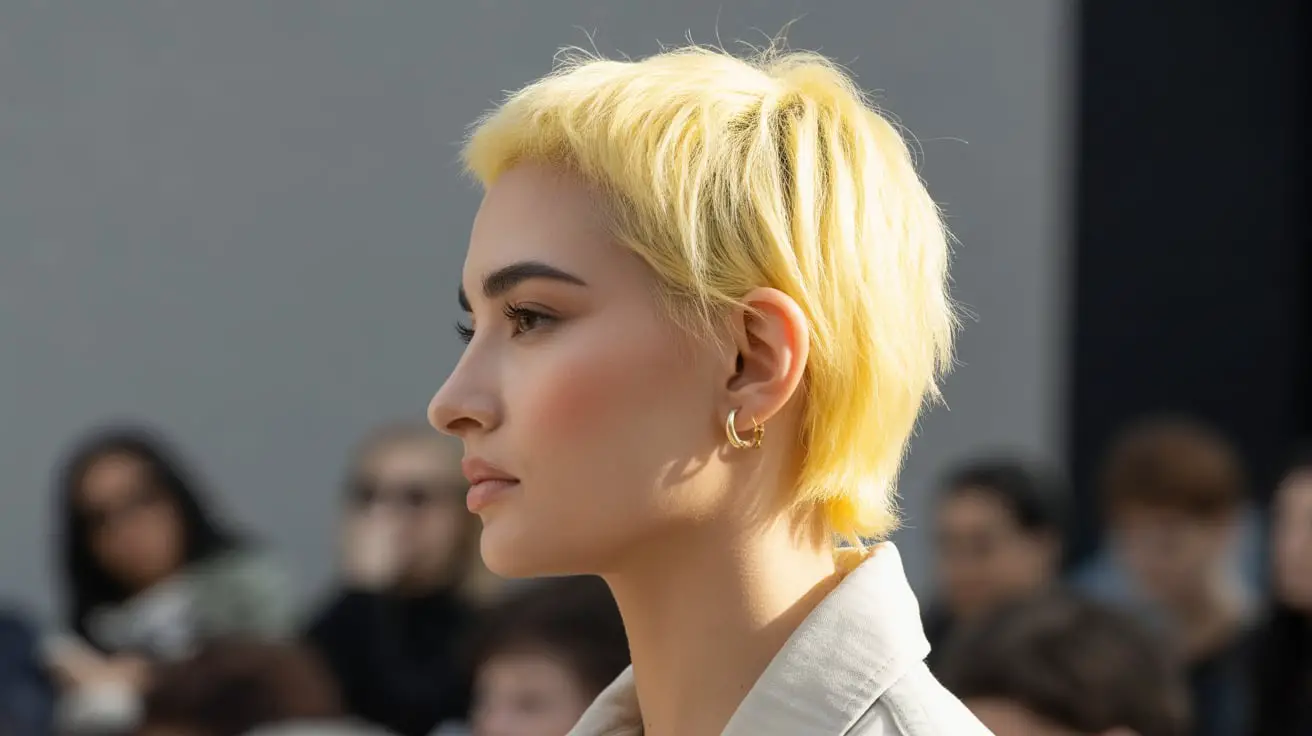
- Lemon platinum is a warm-toned platinum blonde with subtle yellow undertones that create a softer, more dimensional look compared to icy platinum shades, giving it a natural sun-kissed appearance.
- This shade works best for warm and neutral skin tones, though it can be adjusted for cooler complexions through professional color correction—consult with a colorist to determine if it complements your undertones.
- Achieving lemon platinum requires significant pre-lightening and a specialized toning process, making salon application highly recommended over DIY methods to avoid brassy results and hair damage.
- Maintain the color with purple shampoo and regular toning to prevent brassiness, while keeping washing frequency low and using deep conditioning treatments to protect the health of bleached hair.
- Style with warm makeup tones and neutral clothing colors to enhance the hair’s golden undertones, while avoiding overly cool or clashing colors that can make the shade appear dull.
- Plan for regular touch-ups every 4-6 weeks to keep roots fresh and maintain the vibrancy of the lemon platinum shade, as this high-maintenance color requires consistent upkeep.
Platinum blonde has dominated hair color trends for years, but a fresh variation has captured attention across salons and social media. Lemon platinum brings a warmer, more luminous twist to the classic icy blonde that many women know. This particular shade combines the brightness of traditional platinum with subtle yellow undertones that create a softer, more wearable finish.
The appeal lies in how this color catches light. Unlike stark white-blonde that can wash out certain complexions, this shade adds dimension and warmth to your overall appearance. The yellow base prevents the harsh, cold effect that sometimes comes with ultra-light hair. Many women find it more flattering than traditional platinum because it creates a glow rather than a stark contrast.
Let’s cover here everything you need to know about this trending shade. From understanding the color itself to achieving and maintaining it, plus styling tips that will help you get the most from your new look.
What Is Lemon Platinum Hair Color?
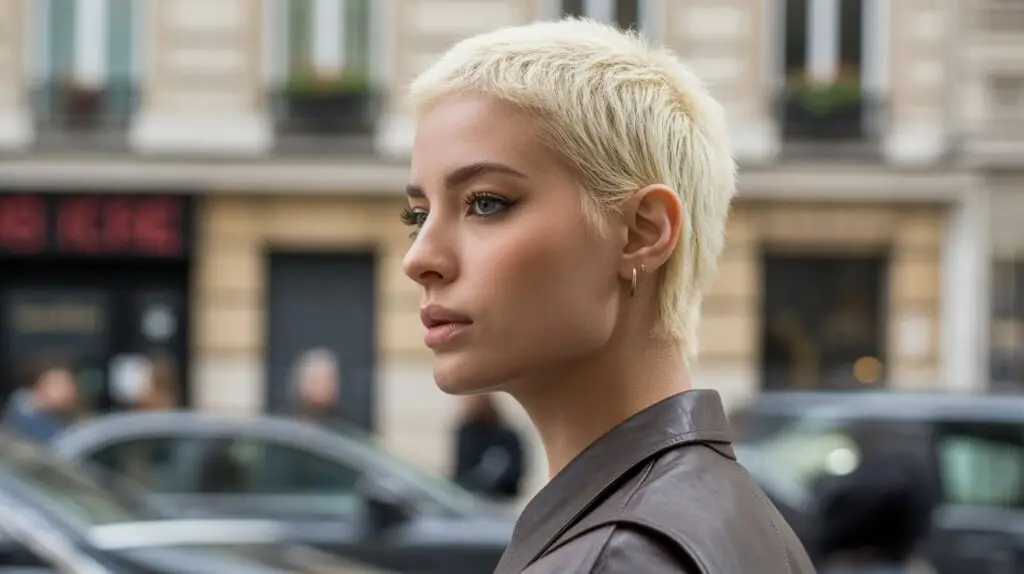
Just look in your mind the brightest, most reflective blonde you can imagine, then add just enough warmth to make it feel approachable. That’s what this shade delivers.
The Color Science Behind Lemon Platinum
This shade sits at level 10 or 11 on the hair color scale, meaning it’s extremely light. The difference from standard platinum comes from the toner used after bleaching. While traditional platinum uses violet or blue toners to neutralize warmth, this variation incorporates yellow-based toners. The result maintains the bright, reflective quality of platinum while introducing golden undertones that soften the overall effect.
How It Differs from Other Platinum Shades
Standard platinum aims for pure, cool-toned blonde with no trace of warmth. Ice blonde takes this even further, incorporating blue or silver tones. Lemon platinum deliberately preserves some warmth. Think of it as platinum with sunshine mixed in. The shade reads as bright blonde in most lighting but reveals its golden character in direct sunlight or under warm indoor lighting.
The Undertones That Make It Special
The magic happens in those yellow undertones. They prevent the color from looking flat or one-dimensional. Your hair reflects light differently throughout the day, creating natural variation without appearing uneven. These warm notes also mean the color works with a broader range of skin tones than strictly cool platinum shades.
Why It’s Called “Lemon” Platinum
The name comes from that citrus-like brightness. Fresh lemon peel has a vibrant yellow quality that’s both light and saturated. This shade captures that same energy in hair form. It’s not pastel yellow or golden blonde, but rather platinum blonde with a lemon twist. The color maintains serious brightness while reading as warm rather than icy.
Natural vs. Processed Appearance
Unlike some platinum shades that clearly signal heavy processing, this variation can appear surprisingly natural. The warmth tricks the eye into seeing it as a sun-lightened result rather than purely artificial. This makes it an excellent choice for women who want dramatic lightness without an obviously processed look. Your hair still makes a statement, but the warm undertones keep it grounded.
Is Lemon Platinum Right for Your Skin Tone?
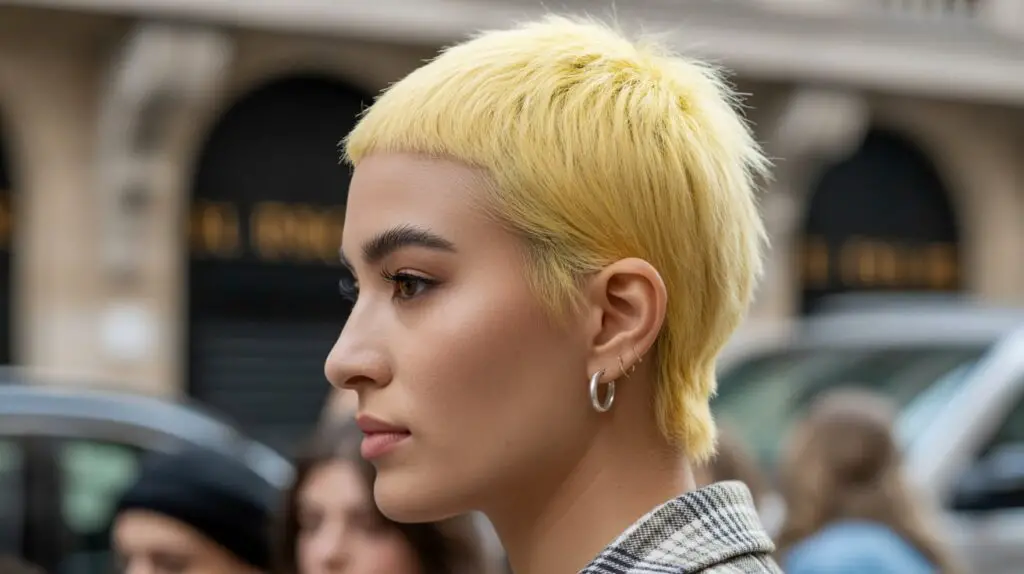
Not every shade flatters every complexion. Understanding how this color interacts with your skin helps avoid disappointment.
Best Skin Tones for Lemon Platinum
Women with warm or neutral undertones typically find this shade most flattering. If gold jewelry looks better on you than silver, you’re probably warm-toned. The yellow base in the color harmonizes with warm skin, creating a cohesive look. Fair skin with peachy or golden undertones glows next to this shade. Medium skin tones with yellow or olive bases also work beautifully, as the color provides striking contrast without clashing.
Cool-toned skin can wear this shade too, but it requires consideration. Very fair, pink-toned skin might find the warmth conflicts with their natural coloring. However, if you have cool-toned skin with some neutral qualities, the color can still work well.
How to Test if This Shade Suits You
Before committing to the full process, try holding up fabric or wigs in similar tones near your face. Notice whether your skin looks vibrant or washed out. Your eyes should appear brighter, and your complexion should seem to glow rather than appear sallow. Another method involves trying temporary color or wigs in bright blonde shades to gauge your comfort level with the intensity.
Adjusting the Shade for Different Complexions
Colorists can customize the warmth level to suit your specific undertones. More golden yellow works for very warm skin, while a lighter touch of warmth suits neutral complexions. Women with deeper skin tones might want additional dimension through lowlights or root shadows to create contrast and depth. The shade adapts through subtle toner adjustments that make significant differences in how it complements your face.
Color Correction Considerations
If you currently have darker hair or previous color, achieving this shade requires careful planning. Brassy orange tones from partial lifting will show through and muddy the final result. Your starting point determines how many sessions you’ll need. Previously colored hair often requires multiple lightening appointments spaced weeks apart to prevent damage. Virgin hair lifts more predictably but still demands professional assessment.
Professional Consultation Benefits
Booking a consultation before starting helps set realistic expectations. A colorist examines your current hair condition, color history, and natural undertones. They can show you exactly what shade of lemon platinum will work for your specific situation. This prevents costly mistakes and disappointment. The consultation also reveals whether your hair can handle the required processing or needs preparatory treatments first.
How to Achieve Lemon Platinum Hair
Getting to this level of lightness requires process, patience, and proper technique.
What happens in the salon might surprise you if you’ve never gone this light before. The transformation isn’t instant, and understanding each stage helps you prepare mentally and practically for the journey.
Pre-Lightening Requirements
Your hair must reach a pale yellow stage before toning can create the final shade. This typically requires bleaching, sometimes multiple sessions depending on your starting point. Dark brown or black hair needs the most work, often requiring three to five appointments spaced two to three weeks apart. Medium brown can sometimes reach the necessary lightness in two sessions. Light brown or dark blonde might achieve it in one session, though two is safer for hair health.
Each bleaching session lifts your hair several levels. Rushing this process causes severe damage, breakage, and uneven results. The goal is reaching level 9 or 10, where your hair appears very pale yellow or white-yellow.
The Toning Process Explained
Once properly lightened, toner creates the final color. For this specific shade, your colorist applies a yellow-based toner that neutralizes any remaining orange while depositing that signature lemon brightness. The toner typically processes for 15 to 20 minutes. This step is crucial because it transforms brassy, uneven blonde into smooth, cohesive platinum with warmth.
At-Home vs. Salon Application
Attempting this color at home rarely produces professional results. Box dyes cannot achieve this level of customization. Bleach requires precise application and timing that varies across your head. Professional products also differ significantly from retail versions in strength and quality. The cost of fixing at-home disasters usually exceeds the original salon price. Save yourself the heartbreak and book a qualified colorist.
Expected Processing Time
Plan to spend four to eight hours in the salon for your initial appointment, depending on your starting color. If you need multiple sessions, each subsequent visit takes three to five hours. These long appointments allow for proper processing, breaks for your scalp, and careful application. Rushing damages hair and creates poor results. Bring snacks, download entertainment, and prepare to commit the day.
Dealing with Brassy Tones
Brassiness happens when underlying warm pigments show through. Here’s what causes and fixes it:
Insufficient Lightening: Hair that hasn’t lifted enough shows orange or yellow-orange tones that overpower the toner.
Fading Toner: Toner doesn’t last forever. As it fades over weeks, underlying warmth resurfaces.
Hard Water Minerals: Mineral buildup prevents toner from depositing evenly and can create brassy patches.
Heat Damage: Excessive heat styling breaks down toner faster, revealing brass underneath.
Sun Exposure: UV rays fade toner while warming the underlying pigment, creating brassy results.
Maintaining Your Lemon Platinum Color
This shade requires commitment. Regular maintenance keeps it looking fresh and prevents damage.
Purple Shampoo and Toning Products
Purple shampoo becomes your best friend, but use it carefully with this shade. Since you want to preserve some warmth, you don’t want to neutralize all yellow tones. Use purple shampoo once or twice weekly, leaving it on for just one to two minutes. This prevents brassiness without removing the desirable lemon tones. Some women prefer alternating between purple shampoo and color-depositing yellow or gold shampoos to maintain the perfect balance.
Washing Frequency Recommendations
Wash your hair no more than twice weekly. Each washing strips some toner and dries your already-processed strands. Space out washes using dry shampoo, which also helps maintain volume. When you do wash, use lukewarm or cool water. Hot water opens the hair cuticle, allowing color to escape faster. This simple temperature adjustment significantly extends your color between salon visits.
Heat Protection Essentials
Never use heat tools without protection. Bleached hair is porous and vulnerable to damage. Apply heat protectant to damp hair before blow-drying, and reapply before using flat irons or curling tools. Keep tools at 300°F or below when possible. High heat not only damages your hair structure but also fades toner rapidly. Air-drying whenever possible extends both your color and your hair’s health.
Deep Conditioning Treatments
Schedule deep conditioning treatments weekly, not as an optional luxury but as a necessity. Bleached hair is stripped of natural oils and proteins. Without replacement, it becomes brittle, breaks easily, and loses shine. Look for treatments containing proteins and moisture. Apply them to damp hair, cover with a shower cap, and leave for 20 to 30 minutes. Some women even sleep in deep conditioning treatments once monthly for intensive repair.
Touch-Up Schedules
Your roots will show within three to four weeks as your natural color grows. Decide whether you want a root shadow for easier maintenance or prefer the full blonde extending to your scalp. Full blonde touch-ups are needed every four to six weeks. Root shadow applications can stretch to eight weeks. Factor this cost and time into your decision. Some months you’ll basically live at the salon, and that’s the reality of maintaining this look.
Styling Tips for Lemon Platinum Hair
The right styling, makeup, and wardrobe choices maximize your new color’s impact.
Hairstyles That Showcase the Color
Loose waves and textured styles work beautifully with this shade. The movement catches light and displays all the dimensional tones within the color. Sleek straight styles also look stunning, creating a glass-like shine that emphasizes the brightness. Updos show off how the color illuminates your face. Braids create interesting patterns as the light hits different sections.
Makeup Colors That Complement the Shade
Your makeup strategy might need adjustment. Warm-toned eyeshadows in bronze, copper, and gold harmonize with the yellow undertones. Peachy or coral blush looks natural and fresh. Nude or peachy-pink lips create a cohesive warm palette. Brown or bronze eyeliner softens your look compared to harsh black. Women with fair skin might try lighter, more neutral makeup tones to avoid competing with the hair color.
Clothing Colors to Enhance Your Look
Certain colors make this hair shade really pop. Earth tones like camel, rust, and olive green work beautifully. Jewel tones including emerald, sapphire, and ruby create striking contrast. Warm neutrals like cream and tan feel cohesive. Black provides dramatic contrast that emphasizes the hair’s brightness. Avoid muddy colors or very pale, cool-toned pastels that can wash you out.
Accessories That Work Well
Gold jewelry naturally complements the warm undertones. Tortoiseshell sunglasses and hair accessories tie into the warmth. Silk scarves in warm patterns add sophistication. Avoid silver or cool-toned metallics that clash with the yellow base unless you’re deliberately creating contrast. Even your phone case and bags can either complement or conflict with your new look.
Avoiding Color Clashes
Some colors actively fight with this shade. Very cool-toned purples and icy blues can make the hair look brassy by comparison. Dusty rose and mauve might create an unflattering effect against warm blonde. Pay attention to colors near your face especially. A top in the wrong shade affects your overall appearance more than pants or skirts. Notice which colors receive compliments and which seem to make people ask if you’re feeling well.
Your Platinum Transformation Awaits
This shade offers something traditional platinum doesn’t—warmth, dimension, and a softer approach to extreme blonde. You’re choosing a color that makes a statement while remaining surprisingly wearable. The warmth prevents that harsh, processed look while still delivering serious impact.
Yes, the maintenance demands commitment. You’ll invest time and money into keeping it fresh, bright, and healthy. But for women who want that Hollywood-worthy blonde with a twist, few colors deliver quite like this one. The way it catches light, the dimension it creates, and the warmth it brings to your complexion make it worth the effort for many women who take the leap.
Frequently Asked Questions
Q: How much damage will bleaching cause to my hair?
A: Damage depends on your starting color and hair condition. Going from dark to this shade causes more stress than lifting from medium blonde. A skilled colorist minimizes damage through proper spacing of sessions, bond-building treatments during processing, and stopping if hair shows excessive weakness. Expect some dryness and texture changes, but severe damage indicates improper technique.
Q: Can I swim with lemon platinum hair?
A: Swimming requires precautions. Chlorine can turn blonde hair greenish or brassy. Wet your hair with clean water before entering the pool so it absorbs less chlorinated water. Wear a swim cap when possible. Apply a leave-in conditioner as a barrier. Rinse immediately after swimming and use a clarifying shampoo to remove chemicals. Saltwater is less damaging but still necessitates thorough rinsing.
Q: How long does the color last before needing a refresh?
A: Toner typically lasts four to six weeks before fading noticeably. Your roots become visible in three to four weeks. Most women schedule full appointments every six weeks, with possible gloss treatments in between to refresh the tone without additional bleaching. Lifestyle factors like washing frequency and sun exposure affect longevity.
Q: Will this shade work on textured or curly hair?
A: Yes, but curly and textured hair requires extra care during bleaching. These hair types are naturally drier and more fragile. The bleaching process demands even more careful spacing of sessions, intensive conditioning, and possibly lower volumes of developer. Many women with curls find the color stunning but must commit to serious moisture treatments to maintain hair health.
Q: Can I achieve this color if I have previous box dye on my hair?
A: Previous box dye complicates the process. Box color often deposits unpredictably and resists lifting. Your colorist may need to use color remover before bleaching, adding extra time and cost. Sometimes the previous color never fully lifts, preventing you from reaching the necessary lightness. A consultation is essential to assess whether your specific situation allows for this color.
Q: What’s the typical cost for initial application?
A: Prices vary by location and salon prestige. Expect $250 to $500 for a single session, though dark hair requiring multiple appointments could total $800 to $1,500 for the complete transformation. Maintenance costs $150 to $300 every six weeks. Budget for professional products too, as drugstore options won’t maintain the color properly.
Q: How do I prevent my hair from breaking during the maintenance phase?
A: Prevention starts with proper care from day one. Use only sulfate-free shampoos designed for color-treated hair. Deep condition weekly without exception. Minimize heat styling. Sleep on a silk pillowcase to reduce friction. Trim ends every eight weeks to prevent splits from traveling up the shaft. Apply hair oils to ends daily. If breakage starts, schedule a protein treatment immediately.
Q: Can I go back to my natural color easily if I change my mind?
A: Returning to darker colors is physically easier than the bleaching process, but it rarely looks natural immediately. Your heavily lightened hair is porous and absorbs color differently. You might need color correction to avoid patchy results or unwanted tones. Growing out the blonde with a root shadow transition is often easier than trying to match your natural color exactly through dyeing.

