

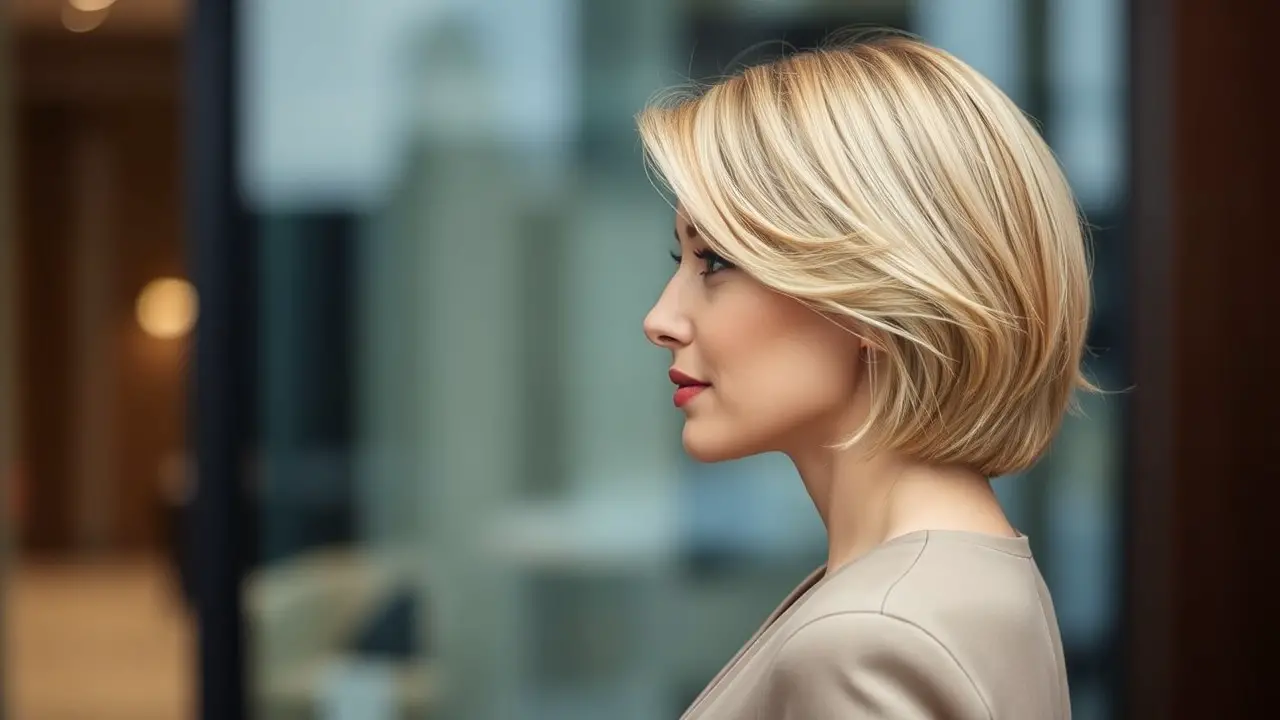
Short haircuts have a remarkable ability to transform your entire appearance, regardless of your age or lifestyle. These versatile styles offer a perfect blend of sophistication and practicality, allowing you to express your personality while simplifying your daily routine. From chic pixie cuts to elegant bobs, shorter lengths provide countless opportunities to refresh your look and boost your confidence.
Many women hesitate to cut their hair short, worried about losing styling options or appearing less feminine. However, modern short cuts offer incredible variety and can actually highlight your best features more effectively than longer styles. Professional stylists have developed techniques that adapt these cuts to suit different face shapes, hair textures, and personal preferences, ensuring everyone can find their perfect short style.
Ready to discover how a shorter cut could revolutionize your hair routine? The following sections will guide you through selecting the ideal style for your face shape, managing different hair types, and maintaining your new look with minimal effort. Let’s uncover the secrets to achieving a fresh, age-appropriate short haircut that makes you feel fabulous every single day.
Why Short Haircuts Work for Every Face Shape
Short haircuts possess an incredible adaptability that makes them suitable for women of all face shapes. The key lies in understanding how different lengths and angles interact with your facial features. A skilled stylist can customize any short cut to highlight your best attributes while creating balance and harmony. This versatility explains why shorter styles remain consistently popular across all age groups and demographics.
Round Faces and Short Cuts
Round faces benefit tremendously from short cuts that add height and elongate facial proportions. A layered pixie cut with volume at the crown creates the illusion of a longer face shape. Side-swept bangs or asymmetrical elements draw the eye vertically, counteracting the circular appearance.
The right short cut can actually make round faces appear more defined and structured. Graduated bobs that are slightly longer in front work particularly well, as they create diagonal lines that slim the face. Avoid cuts that add width at the cheekbone level, opting instead for styles that keep volume concentrated at the top of your head.
Oval Faces and Styling Options
Women with oval faces enjoy the greatest flexibility when choosing short haircuts. This balanced face shape works harmoniously with virtually any style, from super-short pixies to chin-length bobs. The natural proportions of an oval face mean you can experiment freely without worrying about creating imbalance.
Consider trying bold, fashion-forward cuts that might overwhelm other face shapes. A sleek, geometric bob showcases the symmetry of oval faces beautifully. Alternatively, a tousled pixie with lots of texture adds personality without disrupting facial harmony. The options truly are endless for this versatile face shape.
Square Faces and Softening Angles
Square faces feature strong jawlines and broad foreheads that benefit from softening techniques in short haircuts. Layered cuts with wispy edges help blur harsh angles, creating a more feminine appearance. Avoid blunt cuts that emphasize the jawline’s width.
A side-parted bob with gentle waves works wonders for square faces. The curved lines counteract angular features while maintaining a polished appearance. Textured pixie cuts with piece-y layers around the face also provide excellent results. Focus on creating movement and avoiding straight lines that might emphasize squareness.
Adding strategic layers around the temples and jaw creates shadows that slim these areas. Short cuts with longer pieces near the face provide flexibility for styling while maintaining the convenience of shorter lengths overall.
Heart-Shaped Faces and Balance
Heart-shaped faces typically feature wider foreheads and narrower chins, requiring cuts that create balance between these areas. Short styles that add fullness around the jawline work exceptionally well. A chin-length bob with subtle layers provides the perfect proportion.
Pixie cuts for heart-shaped faces should include side-swept bangs to minimize forehead width. Keeping some length around the ears and nape adds visual weight to the lower face. Avoid excessive volume at the crown, which can exacerbate the top-heavy appearance.
The goal is creating harmony between upper and lower facial features. Short cuts that achieve this balance often become signature styles for heart-shaped faces, requiring minimal styling to look polished and proportionate.
Low-Maintenance Short Styles That Save Time
Time-saving benefits represent one of the primary advantages of choosing a short haircut. Modern lifestyles demand efficiency, and shorter styles deliver exactly that without sacrificing style or sophistication. These cuts reduce morning preparation time dramatically while maintaining a polished appearance throughout the day.
The Practical Pixie Cut
Pixie cuts epitomize low-maintenance luxury in the hair world. These ultra-short styles require minimal styling products and tools, often looking best with just a quick finger-style after washing. The shortened length means faster drying times and less heat damage from styling tools.
Modern pixie variations offer surprising versatility despite their brevity. Textured pixies with choppy layers create natural movement that looks intentionally styled even without effort. Smooth, sleek pixies suit professional environments while requiring only a small amount of smoothing serum.
The beauty of pixie cuts lies in their ability to work with your natural hair patterns. Cowlicks and growth patterns that might cause problems in longer styles often add character to pixies. This cooperation with nature reduces daily styling struggles significantly.
Regular trims keep pixies looking sharp, but the short length means faster, less expensive salon visits. Many women find they can stretch appointments longer than with other styles since growth appears more gradual.
Effortless Bob Variations
Bob haircuts offer the perfect middle ground between super-short styles and longer lengths. Classic chin-length bobs require minimal styling while providing enough length for versatility. A well-cut bob falls into place naturally after washing, needing only a quick blow-dry or air-dry depending on your texture.
Graduated bobs, shorter in back and longer toward the face, create automatic shape without daily effort. This built-in structure means you wake up with a style rather than having to create one each morning. The angled nature of these cuts also grows out gracefully.
Textured bobs work particularly well for women seeking truly effortless style. Layers cut throughout create movement and body that looks intentional whether you style it or not. These cuts adapt beautifully to natural waves or can be enhanced with minimal product for added definition.
Wash-and-Go Textures
Certain short cuts excel at working with natural hair texture, eliminating the need for heat styling entirely. These wash-and-go styles save enormous amounts of time while protecting hair from damage. Understanding your natural texture helps identify which cuts will provide the best results.
For naturally wavy hair, short shag cuts enhance existing patterns beautifully. The layered structure supports waves while preventing the triangle shape that can occur with one-length cuts. A small amount of curl-enhancing product is all that’s needed for definition.
Women with straight hair benefit from textured crop cuts that add interest through strategic layering. These styles create movement through the cut itself rather than requiring curling irons or hot rollers. Air-drying produces an effortlessly chic result.
Quick Styling Techniques
Even low-maintenance cuts benefit from occasional styling for special events or variety. Short hair responds quickly to minimal effort, making it ideal for busy schedules. Learning a few key techniques maximizes your options while minimizing time investment:
Finger Styling: Work a small amount of texture paste through damp hair, then use fingers to create piece-y definition
Smooth and Sleek: Apply smoothing serum to damp hair, then use a flat brush while blow-drying for polish
Volume Boost: Use root-lifting spray at the crown, then blow-dry with your head upside down for instant lift
Texture Spray: Mist dry hair with texturizing spray, then scrunch for beachy waves
These techniques take minutes rather than hours, perfect for morning routines or quick touch-ups before evening plans.
Products That Simplify Routines
The right products make short hair even easier to manage. Unlike longer styles that might require multiple products for different sections, short cuts often need just one or two key items. Investing in quality products that multitask reduces bathroom clutter while improving results.
Lightweight styling creams provide hold without stiffness, perfect for pixies and short bobs. These products often include heat protection, eliminating the need for separate protectants. Look for formulas that enhance your natural texture rather than fighting against it.
Dry shampoo becomes particularly valuable for short styles, extending time between washes while adding texture and volume. A quick spray at the roots refreshes your style instantly. This single product can transform second-day hair into a deliberately textured look.
Sea salt sprays create effortless texture in short cuts without the crunchiness of traditional gels or mousses. These products work especially well for achieving that “just left the beach” appearance that looks naturally beautiful rather than overly styled.
How to Choose the Right Short Cut for Your Hair Type
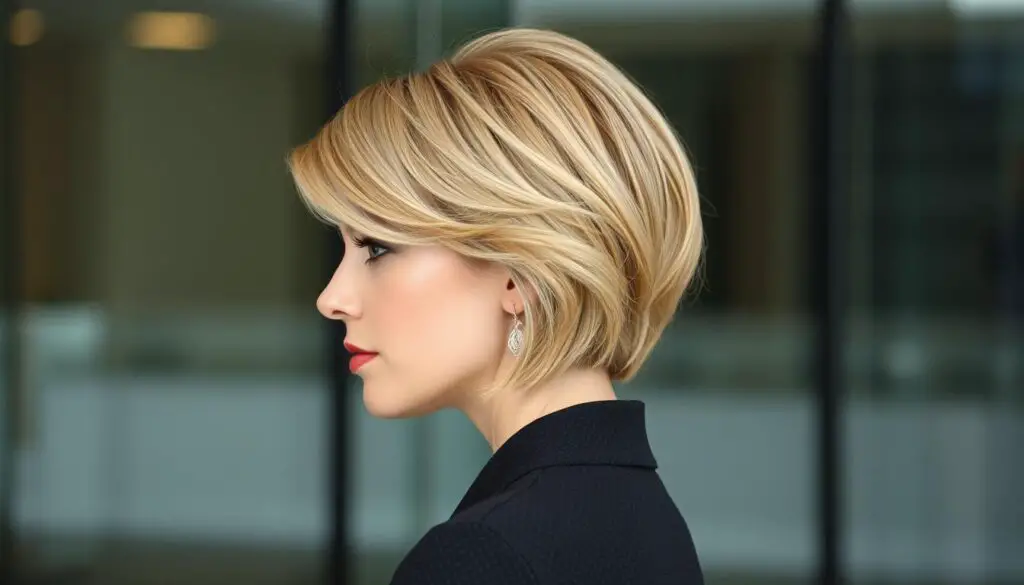
Understanding your hair type forms the foundation for selecting a short cut that works with your natural texture rather than against it. This knowledge prevents daily frustration and ensures your chosen style enhances your hair’s best qualities. Professional stylists emphasize the importance of realistic expectations based on hair type when considering shorter lengths.
Fine Hair Solutions
Fine hair often thrives in shorter lengths, as the reduced weight allows for more natural volume and movement. Pixie cuts and short bobs prevent the limp appearance that can plague fine hair at longer lengths. The key lies in choosing cuts that create the illusion of thickness through strategic layering.
Blunt cuts work wonderfully for fine hair, as they maintain density at the ends. A classic bob cut straight across creates a thick, healthy appearance. Adding subtle layers only at the crown provides lift without sacrificing the fullness that blunt ends provide.
Avoid over-layering fine hair, which can create wispy, thin-looking results. Instead, focus on cuts that maintain weight while incorporating minimal texturizing for movement. Your stylist should use techniques like point cutting rather than thinning shears to preserve precious density.
Color techniques can enhance the appearance of thickness in short, fine hair. Subtle highlights create dimension that makes hair appear fuller. Single-process colors in rich shades also add visual weight to fine strands.
Thick Hair Management
Thick hair presents different challenges in short cuts, primarily related to shape and bulk management. The goal becomes removing excess weight while maintaining a flattering silhouette. Skilled stylists use various techniques to create manageable styles that don’t appear too heavy or helmet-like.
Graduated cuts work exceptionally well for thick hair, as they remove bulk from underneath while maintaining length on top. This approach creates a sleek profile that grows out beautifully. The shorter underlayers also dry faster, reducing styling time despite the hair’s density.
Texturizing becomes crucial for thick hair in short styles. Strategic thinning creates movement and reduces the tendency toward triangular shapes. However, over-thinning can create frizz, so finding the right balance is essential.
Layered pixie cuts offer excellent options for thick hair, allowing for significant weight removal while maintaining style. The shortest layers at the nape reduce bulk where it tends to accumulate most. Longer layers on top provide styling versatility without overwhelming volume.
Curly Hair Considerations
Curly hair in short lengths requires special consideration to avoid unflattering shapes or excessive volume. The right cut works with curl patterns to create beautiful, defined styles that showcase texture. Understanding shrinkage becomes particularly important when determining the ideal length.
Curly pixies need strategic length placement to prevent the dreaded “mushroom” effect. Keeping sides and back shorter while maintaining length on top creates balance. This approach also allows curls to form properly without creating width where it’s not wanted.
Short curly cuts benefit from being cut dry or at least shaped when dry after the initial wet cut. This technique allows stylists to see exactly how curls will fall and adjust accordingly. The result is a shape that works with your specific curl pattern.
DevaCut techniques or similar curl-specific cutting methods produce excellent results for short curly styles. These approaches treat each curl individually, creating shapes that enhance natural patterns. The finished look appears effortless while actually being precisely crafted.
Straight Hair Versatility
Straight hair offers perhaps the most versatility in short cuts, as it readily accepts various styling techniques. Without natural texture to consider, the focus shifts to creating interest through cut structure and styling options. This flexibility allows for frequent style changes without major salon visits.
Geometric bobs showcase straight hair’s sleek nature beautifully. These precision cuts rely on straight hair’s ability to maintain clean lines. The mirror-like finish achievable with straight hair makes these modern cuts particularly striking.
Adding layers to straight hair creates movement that might otherwise be lacking. Choppy, piece-y layers throughout a pixie or bob provide texture that moves naturally. This approach prevents the flat appearance that can plague one-length cuts on straight hair.
Asymmetrical cuts work wonderfully on straight hair, as the precise lines remain visible. These creative cuts add interest through shape rather than texture, perfect for women wanting something unique. The clarity of straight hair ensures every angle appears intentional.
Combination Textures
Many women have combination textures that require customized cutting approaches. Perhaps your hair is straight on top but wavy underneath, or curly at the nape but straighter at the crown. Short cuts can actually minimize these inconsistencies by working with each area’s natural tendencies.
Strategic length placement addresses different textures effectively. Keeping curlier sections shorter prevents them from overwhelming the style, while maintaining length where hair is straighter provides balance. This targeted approach creates cohesion despite textural differences.
Product selection becomes particularly important for combination textures. Using different products on different sections allows each area to perform optimally. This might mean curl cream at the nape but smoothing serum on top, creating unified results.
Regular maintenance helps combination textures look their best in short cuts. As hair grows, textural differences can become more pronounced. Frequent trims maintain the balance your stylist initially created, preventing any one texture from dominating the overall look.
Styling Tips That Keep Short Hair Looking Fresh
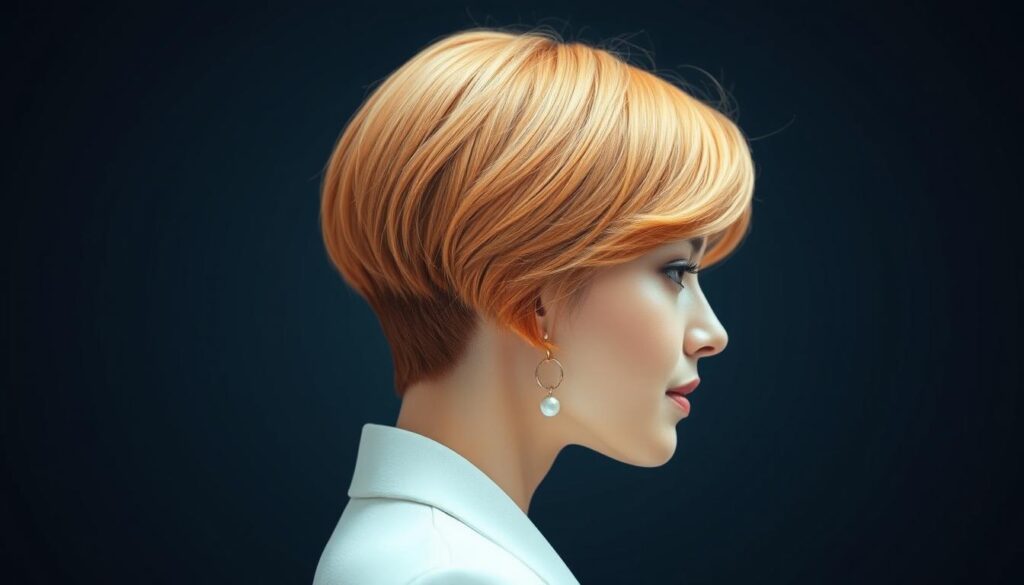
Maintaining a fresh appearance with short hair requires different strategies than longer styles. The visibility of every strand means that small efforts yield significant results. These professional techniques ensure your short cut looks salon-fresh between appointments.
Morning Refresh Techniques
Short hair often develops overnight compression patterns that require morning attention. Unlike longer hair that can be pulled back when uncooperative, short styles need quick refresh methods. Developing an efficient morning routine prevents frustration and ensures consistency.
A spray bottle filled with water becomes your best friend for morning styling. Lightly misting hair reactivates products from the previous day while allowing you to reshape compressed sections. This method works faster than completely rewetting hair and requires minimal drying time.
For stubborn cowlicks or flat spots, targeted dampening works better than overall wetting. Use a damp washcloth or your fingers to wet specific areas, then redirect hair as desired. This precision approach saves time while addressing problem areas effectively.
Dry texture spray offers another quick refresh option. A light mist followed by scrunching or tousling instantly revives short styles. This method works particularly well for second-day hair that needs volume without washing.
Volume-Building Methods
Creating volume in short hair requires different techniques than longer styles. Without length to weigh hair down, achieving lift becomes easier with the right approach. These methods work for various hair types and cut styles.
Root-lifting products applied to damp hair at the crown create lasting volume. Focus application where lift is most desired, typically at the crown and front sections. Use sparingly to avoid weighing down short lengths.
Blow-drying technique significantly impacts volume in short cuts. Direct air flow against the hair growth direction to maximize lift. A round brush isn’t always necessary – fingers can create excellent volume while maintaining a natural appearance.
Velcro rollers provide heat-free volume for special occasions. Even in short hair, strategic placement of 2-3 large rollers creates dramatic lift. Leave them in while applying makeup, then remove for instant glamour.
Backcombing works differently in short hair but remains effective. Gentle teasing at the roots of crown sections creates subtle lift without the ratted appearance possible in longer hair. A light mist of hairspray preserves the volume throughout the day.
Texture Enhancement Tricks
Texture adds visual interest to short cuts, preventing them from appearing flat or boring. Various techniques create different textural effects, allowing you to change your look without visiting the salon. These methods work whether enhancing natural texture or creating it from scratch.
Salt spray on damp hair creates beachy texture perfect for casual styles. Scrunch while air-drying or use a diffuser for more defined results. This technique works especially well for adding grip to fine, slippery hair.
Texture paste or clay provides piece-y definition ideal for pixies and choppy bobs. Warm a small amount between palms, then work through dry hair focusing on ends. This method creates separation and movement that photographs beautifully.
Braiding damp sections before bed creates waves in straight hair without heat. Even short bobs can accommodate tiny braids that produce subtle texture. Remove braids in the morning and finger-style for natural-looking waves.
Accessory Ideas
Accessories offer endless possibilities for varying short hairstyles without cutting or chemical processing. The right accessories can transform a simple cut into something special for any occasion. Short hair actually showcases accessories better than longer styles that might hide them.
Consider these accessory options for short hair:
Decorative Bobby Pins: Arrange metallic or embellished pins in patterns for instant glamour
Slim Headbands: Choose materials that complement your outfit while controlling any awkward growth stages
Statement Earrings: Short hair provides the perfect backdrop for bold earrings that might get lost in longer styles
Silk Scarves: Tie narrow scarves as headbands or wrap wider ones turban-style for vintage appeal
Hair Jewelry: Delicate chains, rings, or cuffs designed for short hair add unexpected elegance
Seasonal Adjustments
Short haircuts require minor adjustments throughout the year to accommodate weather changes and seasonal activities. Understanding these needs prevents frustration and keeps your style looking intentional regardless of conditions.
Summer humidity demands anti-frizz strategies for short cuts. Lightweight serums applied to damp hair create a barrier against moisture. Consider cuts that work with increased texture rather than fighting it during humid months.
Winter static requires different products and techniques. Leave-in conditioners combat dryness while reducing flyaways. Avoid over-washing during cold months when natural oils provide protection against harsh weather.
Spring often brings unpredictable weather requiring versatile styling options. Master both sleek and textured looks to adapt daily. Having multiple styling options prevents weather from dictating your appearance.
Fall’s drier air might necessitate richer products than summer’s humidity allowed. Adjust your product selection seasonally for optimal results. This flexibility ensures your short cut always looks its best regardless of environmental conditions.
Professional Maintenance Secrets for Short Cuts
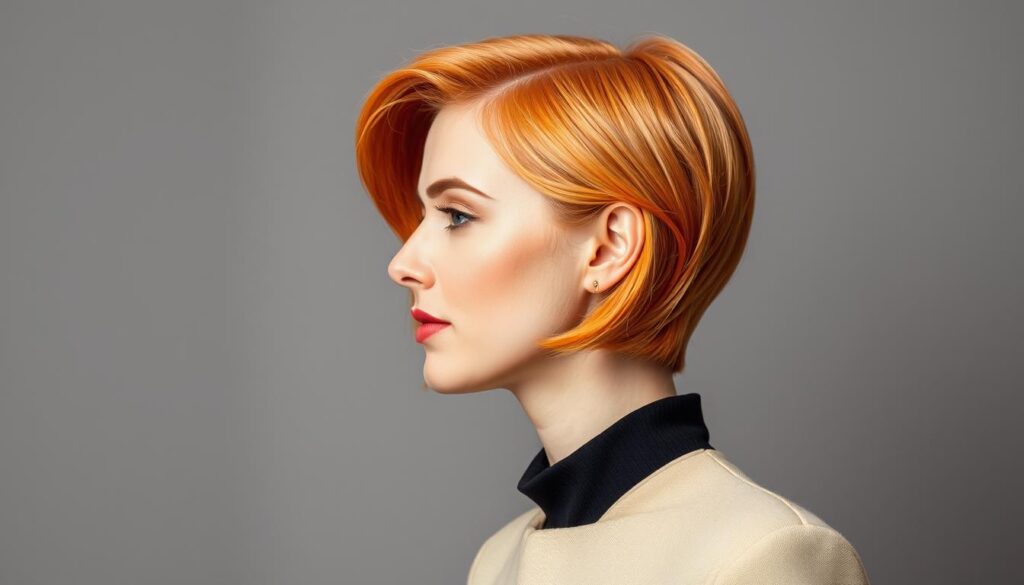
Professional maintenance keeps short haircuts looking sharp and stylish between salon visits. Understanding the unique needs of shorter styles helps establish routines that preserve your cut’s integrity. These insider secrets from top stylists ensure your investment in a great cut continues paying dividends.
Trimming Schedules
Short haircuts require more frequent maintenance than longer styles to maintain their shape. Growth becomes noticeable much faster when starting from shorter lengths. Establishing a regular trimming schedule prevents your style from losing its distinctive shape.
Most short cuts benefit from trimming every 4-6 weeks. Pixie cuts often need attention every 3-4 weeks to maintain their precise shape. Bobs can sometimes stretch to 6-8 weeks depending on the specific cut and your hair’s growth rate.
Watch for telltale signs that trimming is needed. When your style no longer falls into place naturally or requires significantly more styling effort, scheduling an appointment becomes necessary. Neck hair growing over collars or ears also signals maintenance time.
Budget for regular maintenance when choosing a short cut. While individual appointments might cost less due to reduced service time, the frequency adds up. Many salons offer maintenance packages for short cuts that provide savings for regular clients.
At-Home Touch-Ups
Between professional appointments, small touch-ups can extend your style’s lifespan. Learning basic maintenance techniques saves money while keeping you looking polished. These methods address common growth issues without risking major mistakes.
Neck hair cleanup makes the biggest difference in maintaining a fresh appearance. Using clippers with guards or small scissors, carefully trim obvious growth at the nape. Work conservatively, removing only clearly overgrown sections.
Bang trims require extra caution but can successfully extend time between cuts. Cut vertically rather than straight across for a professional appearance. Remove less than you think necessary – you can always cut more but can’t add back.
Texturizing scissors help maintain piece-y styles between appointments. Make small, vertical cuts into ends to refresh texture. This technique works particularly well for refreshing grown-out layers without altering overall length.
Color Maintenance
Short haircuts often showcase color beautifully but require specific maintenance strategies. Root growth appears more quickly due to frequent cutting of ends. Developing a color routine that complements your cut schedule maximizes both services.
Consider timing color appointments between cuts for budget efficiency. This approach means visiting the salon more frequently but for alternating services. Many stylists offer combination packages that provide savings for regular color and cut clients.
Toning treatments between full color services keep shades fresh. Purple shampoos for blondes or color-depositing conditioners for other shades extend vibrancy. These at-home treatments cost far less than frequent salon color.
Root touch-up products provide temporary coverage between appointments. Powder or spray formulas work well for short styles where precision matters. Apply sparingly for natural results that photograph well.
Growth Management
Managing growth phases prevents awkward stages that tempt drastic changes. Understanding how short cuts grow out helps you work with the process rather than against it. Strategic styling during transition periods maintains attractiveness.
Growth patterns affect different areas at varying rates. Typically, the nape and sides grow fastest, potentially creating mullet-like shapes. Regular cleanup of these areas maintains balance while allowing top sections to gain desired length.
Styling products help disguise awkward lengths during growth phases. Stronger hold products can train hair in new directions as length increases. This flexibility allows you to work with growth rather than constantly fighting it.
Communicate growth goals clearly with your stylist. They can adjust cuts to facilitate graceful transitions toward longer styles if desired. This might mean leaving certain sections slightly longer or creating shapes that grow out attractively.
Salon Communication Tips
Effective communication with your stylist ensures maintenance appointments achieve desired results. Short cuts require precision, making clear communication essential. These strategies help convey your needs accurately.
Bring photos of your favorite version of your current cut. These references help stylists understand exactly what you want recreated. Pictures from multiple angles provide comprehensive guidance.
Describe specific issues you’ve encountered since your last visit. Perhaps one section doesn’t style properly or grows faster than others. This feedback helps stylists make minor adjustments for improved results.
Ask about styling techniques during appointments. Watch carefully as your stylist works, requesting tips for recreating looks at home. Many clients leave salons looking perfect but struggle with daily styling simply due to technique differences.
Discuss product recommendations honestly, including budget constraints. Stylists can suggest alternatives or techniques that work with products you already own. This practical approach ensures you can maintain results between visits.
Finding Your Perfect Short Cut
The journey to finding your ideal short haircut combines personal preference with practical considerations. Age truly becomes irrelevant when you discover a short style that enhances your features and fits your lifestyle. These versatile cuts offer freedom from lengthy styling routines while delivering sophisticated, modern looks that boost confidence at every life stage. Whether you choose a daring pixie, classic bob, or something uniquely yours, the perfect short cut awaits – one that will refresh your appearance and simplify your daily routine.
The beauty of short haircuts lies not just in their aesthetic appeal but in their transformative power. They represent more than a simple style change; they symbolize embracing efficiency, modernity, and self-assurance. With proper selection based on face shape, hair type, and lifestyle needs, your short cut becomes a signature style that requires minimal effort while delivering maximum impact.
Frequently Asked Questions
Q: Will cutting my hair short make me look older or younger?
A: The right short cut can actually create a more youthful appearance by lifting facial features and adding energy to your overall look. The key lies in choosing a style that complements your face shape and features rather than focusing on length alone.
Q: How do I know if a short haircut will suit me before committing?
A: Try virtual makeover apps or websites that allow you to upload your photo and experiment with different short styles. Additionally, consult with a professional stylist who can assess your face shape, hair texture, and lifestyle to recommend suitable options.
Q: Can I still style short hair for formal events?
A: Absolutely! Short hair offers numerous elegant styling options for special occasions. Accessories, strategic curls, sleek styles, or textured looks can all create formal-appropriate appearances. Many women find short hair easier to style for events since it requires less time and holds styles better.
Q: What if I have a cowlick or difficult growth patterns?
A: Experienced stylists can work with growth patterns rather than against them, often incorporating cowlicks into the cut design. Short cuts can actually minimize cowlick issues by reducing the weight that might otherwise cause hair to separate or stick up.
Q: How much will maintaining a short haircut cost annually?
A: While short cuts require more frequent trims (every 4-6 weeks versus 8-12 for longer hair), individual appointments often cost less. Annual maintenance costs vary by location and salon but typically range from similar to slightly higher than longer styles, offset by savings on products and styling tools.
Q: Will I need to change my hair products when going short?
A: Short hair generally requires different products than longer styles – typically lighter formulations that won’t weigh hair down. You’ll likely need less product overall, and items like lightweight styling creams, texture sprays, and volumizers become more important than heavy conditioners or serums.
Q: Can short haircuts work with naturally gray or white hair?
A: Short cuts beautifully showcase silver, gray, and white hair, often making these colors appear more vibrant and intentional. The reduced length eliminates dull, damaged ends while creating a fresh, modern appearance that celebrates natural color.
Q: What’s the biggest mistake people make when going short?
A: The most common mistake is choosing a cut based solely on inspiration photos without considering personal hair texture and face shape. Always work with your stylist to adapt styles to your individual characteristics rather than expecting exact photo replication.

