

Key Takeaways
- Soft black isn’t true black – it contains subtle undertones that distinguish it from natural or jet black hair, and understanding the science behind the shade is crucial for achieving the right look for your specific hair type.
- Maintenance requires more commitment than stylists often reveal – the washing schedule, specific color-preserving products, and touch-up frequency are more demanding than traditional hair color to prevent premature fading.
- Brassiness happens due to oxidation and hidden culprits – your water quality, ingredient interactions in everyday hair products, and environmental factors all contribute to unwanted color changes that “color-safe” labels don’t always prevent.
- Professional application techniques make or break results – proper pre-color preparation, timing adjustments for different hair textures, and often-skipped post-color treatments are essential for even, long-lasting coverage.
- Transitioning away from soft black is challenging and costly – going lighter requires a realistic multi-step timeline, can reveal hidden damage months later, and involves significant expense that should factor into your initial color decision.
- Not everyone is an ideal candidate – certain hair types, lifestyles, and color histories work better with soft black than others, making a thorough consultation essential before committing to this shade.
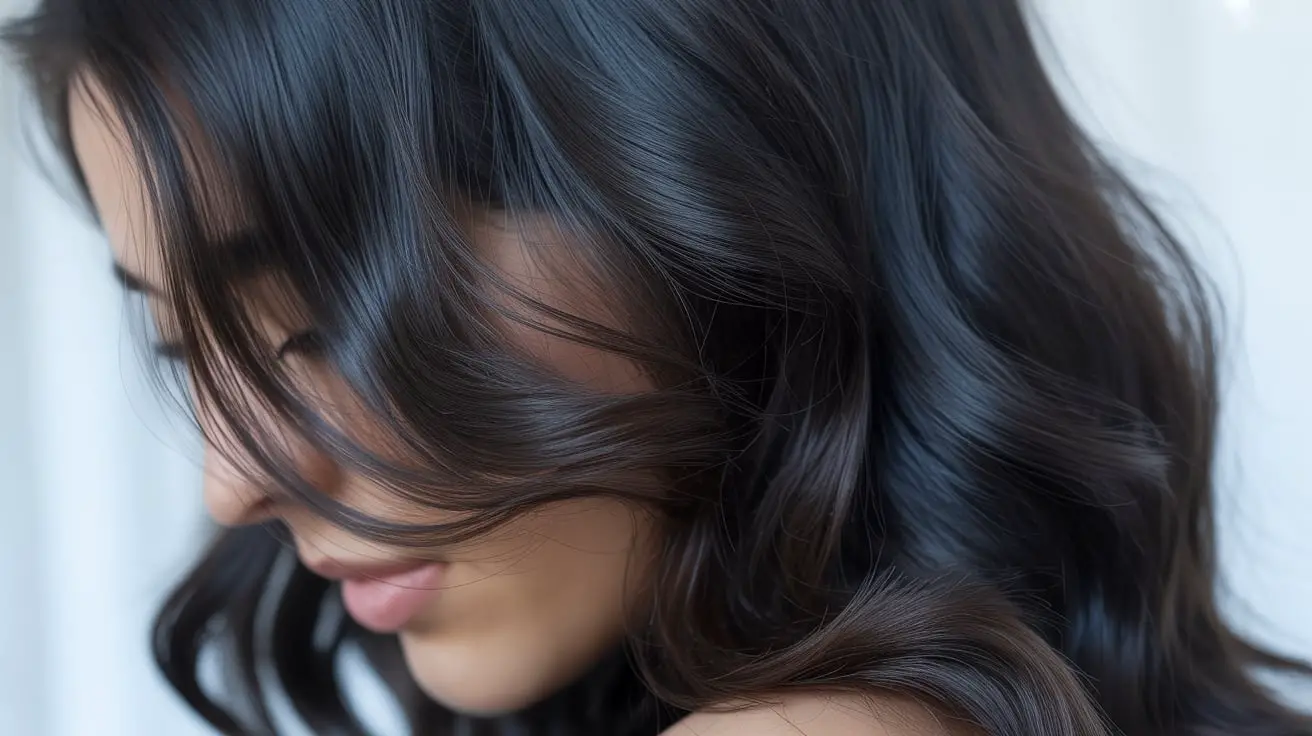
Soft black hair color sits somewhere between jet black and dark brown, offering a gentler alternative to traditional black dye. This shade has quietly become one of the most requested colors in salons across the country, though many stylists remain surprisingly quiet about its unique characteristics and maintenance requirements. The color delivers the drama of black hair without the harsh, flat appearance that pure black sometimes creates.
Professional colorists know certain truths about this particular shade that rarely make it into consultations. The chemistry behind achieving and maintaining soft black involves specific formulation techniques that differ significantly from standard black applications. Your natural hair texture, previous color history, and even your skin’s pH levels all play crucial roles in how this color will actually turn out and how long it will last on your hair.
Let’s uncover here what makes this hair color so different from regular black, the real maintenance involved, and the professional secrets that could save you time and money. Whether you’re considering this shade for the first time or wondering why your current color isn’t lasting, understanding these industry insights will help you make better decisions about your hair color journey.
- Key Takeaways
- What Soft Black Hair Color Actually Is (And Isn't)
- The Hidden Maintenance Requirements Nobody Discusses
- Why Your Soft Black Turns Brassy (The Science Stylists Skip)
- The Professional Techniques for Perfect Results Every Time
- What Happens When You Want to Change from Soft Black
- Your Hair Will Never Be the Same
- Frequently Asked Questions
What Soft Black Hair Color Actually Is (And Isn’t)
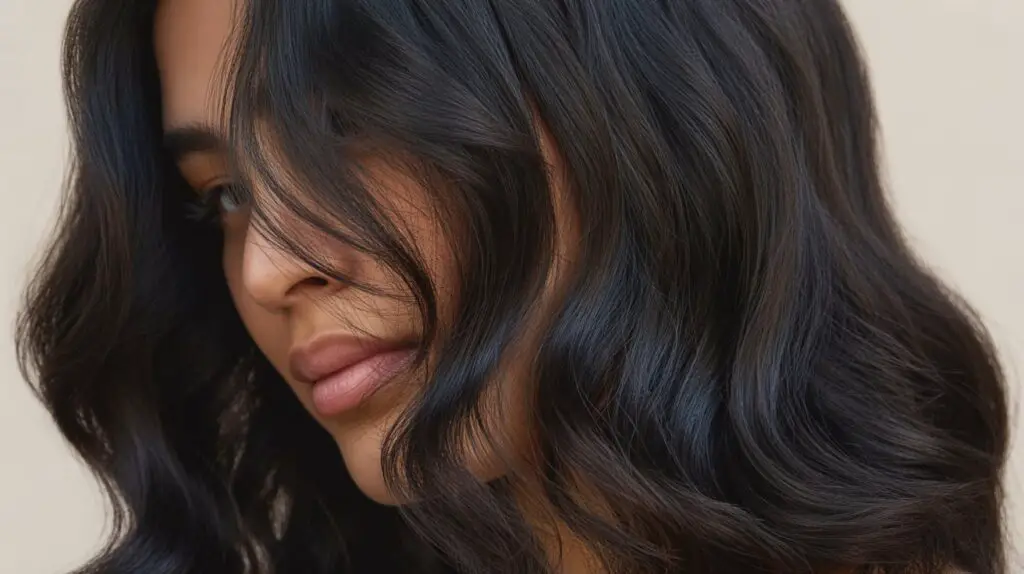
The term “soft black” confuses many people who assume it’s just another name for regular black hair dye. In reality, this shade contains brown undertones that prevent the flat, one-dimensional look of pure black. Colorists typically achieve this by mixing level 1 (black) with level 2 or 3 (darkest brown) formulas, creating depth and movement that pure black lacks.
The Science Behind the Shade
Professional hair color works through oxidation, and soft black formulas use smaller color molecules than traditional black dyes. These molecules penetrate the hair shaft differently, allowing some of your natural undertones to show through. The result looks more natural because light reflects off the strands in varied ways rather than being completely absorbed like with jet black color.
The pH balance of soft black formulas typically ranges between 9.5 and 10.5, slightly lower than standard black dyes. This difference affects how the cuticle opens during processing and ultimately influences the final color result. Your hair’s porosity level determines how much color it will absorb, with more porous hair often appearing darker than expected.
Common Misconceptions About This Color
Many women believe soft black will wash out to brown over time. While some fading occurs with any permanent color, properly formulated soft black maintains its dark base while the brown undertones become slightly more visible. The color doesn’t actually lighten; instead, the artificial pigments oxidize and shift slightly.
Another widespread myth suggests that this shade works only on certain hair types. The truth is that skilled colorists can adapt the formula for any texture or starting color. Fine hair might require a different developer strength than coarse hair, and previously colored hair needs different treatment than virgin hair, but these adjustments are standard practice.
How It Differs from Natural Black Hair
Natural black hair contains multiple pigment types that create subtle variations in different lighting. Soft black attempts to mimic this complexity through careful formulation. Natural hair also has red and gold undertones that become visible in sunlight, while colored hair relies on added reflects to achieve similar dimension.
The structure of naturally black hair differs from colored hair at a molecular level. Natural melanin sits within the cortex in specific patterns, while artificial color deposits somewhat randomly throughout the hair shaft. This difference becomes apparent when hair grows out, as the demarcation line between natural and colored hair shows distinct texture and light reflection differences.
Temperature also affects these two types differently. Natural black hair tends to look consistent in various lighting conditions, while colored soft black can appear slightly different under warm versus cool lighting. Fluorescent lights might bring out green undertones in poorly formulated colors, while natural light shows the truest representation of the shade.
Professional Formulation Secrets
Salon professionals rarely use single-tube formulas when creating this color. Most mix multiple shades to achieve the perfect balance of black and brown. A typical formula might include 60% level 1 black, 30% level 2 brown, and 10% blue or violet concentrate to counteract unwanted warm tones.
The developer choice significantly impacts the final result. While 20-volume developer is standard, some stylists prefer 30-volume for resistant gray hair or 10-volume for previously colored hair. The processing time varies based on these choices, with lower volumes requiring longer development but producing gentler results.
Here’s what goes into professional soft black formulation:
Base Color Selection: Choose between blue-black, violet-black, or neutral-black bases depending on underlying pigments
Filler Requirements: Red or orange fillers for previously lightened hair prevent muddy or green results
Toner Additions: Small amounts of silver or pearl toners add the “soft” quality to the final color
Developer Ratios: Adjust from standard 1:1 to 1:1.5 for more deposit or 1:2 for gentler processing
Processing Modifications: Heat application, extended timing, or room temperature processing based on hair condition
Who This Color Really Works For
Contrary to popular belief, soft black suits more people than pure black does. The brown undertones warm up the shade enough to flatter both cool and warm skin tones. Women with olive, golden, or neutral undertones particularly benefit from this color’s versatility.
The shade works differently on various starting colors. Those with naturally dark brown hair achieve the most seamless results, while lighter starting points require more careful formulation to avoid brassiness. Gray coverage with this color tends to look more natural than with pure black, as the softer tone blends better with silver strands.
The Hidden Maintenance Requirements Nobody Discusses
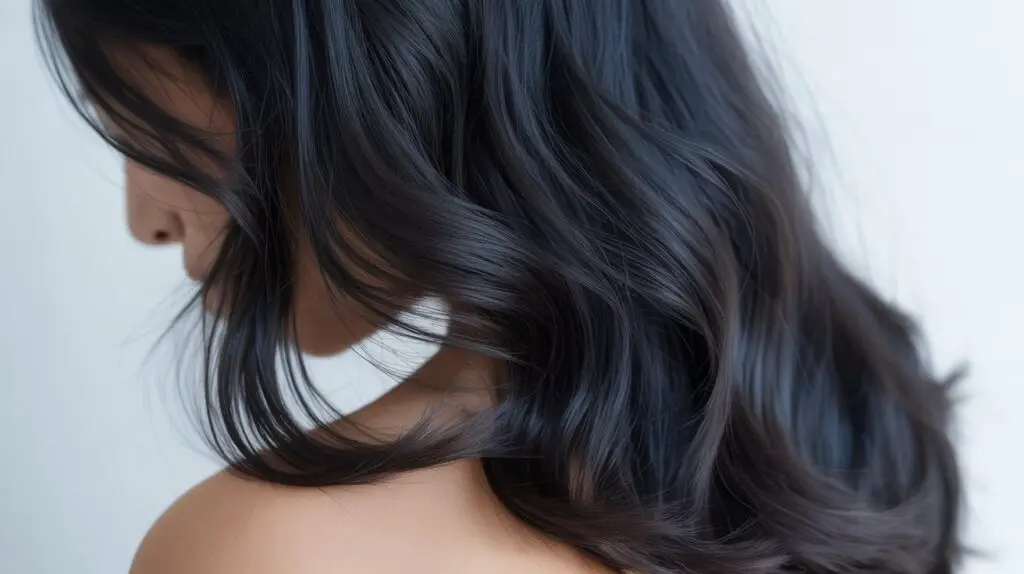
Stylists often downplay the upkeep involved with maintaining soft black hair color, but the reality involves specific care routines that differ from other dark shades. The unique formulation that creates this color’s signature softness also makes it more vulnerable to certain types of damage and fading.
The Real Washing Schedule
The washing frequency for soft black colored hair requires more thought than most realize. While stylists typically recommend washing every three to four days, the actual ideal schedule depends on your scalp’s oil production and lifestyle factors. Overwashing strips the color molecules from the hair shaft, but underwashing can lead to product buildup that dulls the color’s appearance.
Water temperature plays a bigger role than most people understand. Hot water opens the cuticle excessively, allowing color molecules to escape more quickly. Lukewarm water during shampooing and cold water for final rinsing helps seal the cuticle and lock in color. This temperature variation might feel uncomfortable initially, but it extends color longevity significantly.
The type of shampoo matters more for this shade than for others. Sulfate-free formulas are essential, but beyond that, pH-balanced products specifically formulated for color-treated hair make a substantial difference. Products with pH levels between 4.5 and 5.5 help keep the cuticle closed, preserving both color and shine.
Products That Actually Preserve the Color
Color-depositing treatments marketed for black hair often contain too much pigment for soft black, resulting in an unnaturally dark, flat appearance. Instead, products designed for dark brown hair work better at maintaining the subtle undertones. These treatments should be used every two to three weeks rather than weekly.
Professional stylists know that purple shampoo isn’t just for blondes. Using a diluted purple shampoo once every two weeks helps neutralize any red or orange tones that develop as the color oxidizes. Mix one part purple shampoo with three parts regular shampoo to avoid over-toning.
Leave-in treatments need careful selection for this color. Heavy oils and butters can create buildup that makes the hair appear dull and lifeless. Lightweight serums with UV protection preserve color while adding shine without weight. Silicone-based products should be used sparingly, as they can prevent color-refreshing treatments from penetrating properly.
Clarifying treatments present a particular challenge. While necessary to remove buildup, they can strip color faster than regular shampoos. Using a clarifying treatment once monthly, followed immediately by a color-depositing mask, maintains hair health without sacrificing color intensity.
Environmental Factors That Fade Soft Black
Sun exposure affects this shade differently than pure black. The brown undertones are particularly susceptible to UV damage, often developing a reddish cast after prolonged sun exposure. Hair SPF products aren’t just marketing gimmicks – they genuinely help preserve color integrity during outdoor activities.
Chlorinated water creates unique challenges for soft black hair. The chlorine doesn’t just fade the color; it can actually alter the undertones, creating a greenish tinge that’s difficult to correct. Pre-soaking hair with clean water and applying a protective leave-in treatment before swimming provides essential barrier protection.
Hard water minerals accumulate on soft black colored hair more visibly than on other shades. The mineral deposits create a film that dulls the color and prevents treatments from working effectively. Installing a shower filter or using a weekly chelating treatment removes these deposits and restores color vibrancy.
Air pollution in urban environments accelerates color fading through oxidative stress. Protective styling and regular use of antioxidant hair treatments help combat this often-overlooked factor. Even indoor heating and air conditioning can affect moisture levels, indirectly impacting how color appears.
Touch-Up Timing Truth
The standard six to eight week touch-up timeline doesn’t apply universally to soft black hair color. Growth rate, contrast with natural color, and desired maintenance level all factor into optimal timing. Some women need root touch-ups every four weeks, while others can stretch to ten weeks with strategic styling.
Root shadow techniques can extend the time between full applications. By intentionally keeping roots slightly lighter than the lengths, stylists create a gradient effect that grows out more gracefully. This approach requires initial planning but reduces long-term maintenance requirements.
Single-process touch-ups often aren’t enough to maintain color consistency. The previously colored hair continues to fade and shift, creating band demarcation even with regular root applications. Refreshing the entire head every third or fourth application prevents this accumulation of different tones.
The concept of “breaking the base” rarely gets discussed outside professional circles. This technique involves slightly lightening the natural hair at the root area before applying color, creating a softer grow-out line. While adding processing time, it significantly improves the appearance between appointments.
Why Your Soft Black Turns Brassy (The Science Stylists Skip)
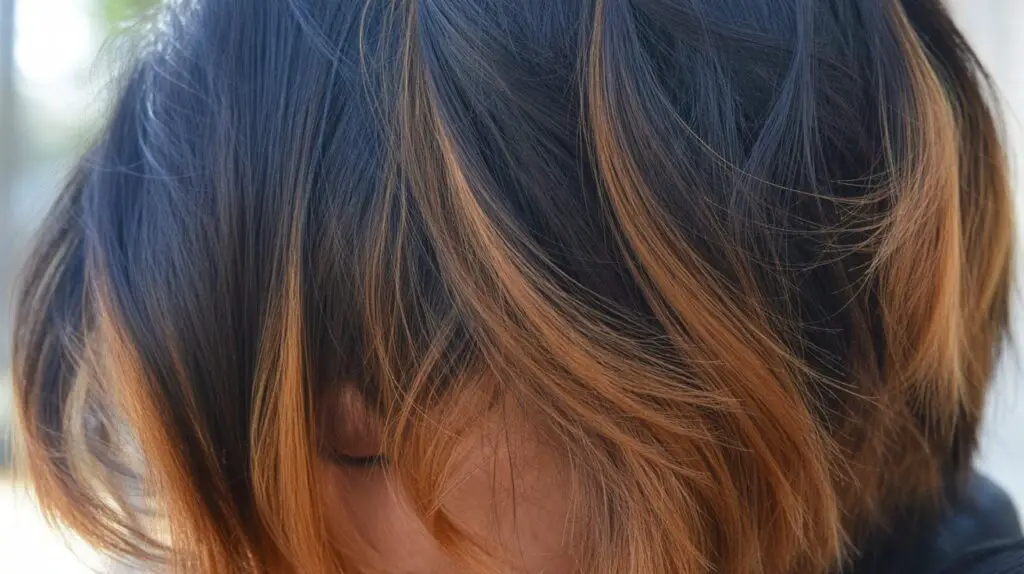
That unwanted warm tone appearing in your soft black hair after a few weeks isn’t random bad luck. The underlying chemistry of hair color involves complex interactions that most stylists don’t fully explain during consultations. Understanding these processes helps predict and prevent the dreaded brassiness that plagues so many people with this color.
The Oxidation Process Nobody Explains
Hair color molecules don’t simply sit unchanged inside your hair shaft after application. They undergo continuous oxidation from the moment they’re applied, slowly breaking down and revealing underlying pigments. With soft black, the brown undertones oxidize faster than the black pigments, exposing warm tones that were previously hidden.
Your hair’s natural underlying pigment contributes significantly to brassiness. Everyone has warm undertones at some level – ranging from pale yellow in naturally light hair to deep red-orange in dark hair. As artificial color fades, these natural warm pigments become increasingly visible, mixing with the remaining artificial color to create unwanted tones.
The type of developer used during initial coloring affects long-term oxidation rates. Higher volume developers create more lift, exposing more underlying warmth that eventually shows through. This explains why soft black achieved through high-lift coloring tends to turn brassy faster than color achieved through deposit-only processes.
External oxidizers accelerate this process beyond normal rates. Styling tools, especially flat irons and curling wands, speed up molecular breakdown through heat exposure. Even seemingly harmless activities like lengthy hot showers contribute to faster oxidation. The cumulative effect of these daily oxidizers often surprises people who expect their color to last longer.
Hidden Ingredients in Hair Products That Cause Fading
Alcohol appears in countless hair products, but not all alcohols affect color equally. Short-chain alcohols like ethanol and isopropyl alcohol aggressively strip color, while fatty alcohols like cetyl and stearyl alcohol actually help preserve it. Reading ingredient lists becomes crucial when most products don’t advertise their alcohol content clearly.
Sulfates receive plenty of negative attention, but other cleansing agents can be equally damaging to soft black color. Ingredients like sodium C14-16 olefin sulfonate and cocamidopropyl betaine, often found in “sulfate-free” shampoos, still open the cuticle enough to release color molecules. True color-safe cleansers use mild ingredients like decyl glucoside or sodium cocoyl isethionate.
Many people don’t realize that certain natural oils can fade hair color. Coconut oil, praised for its penetrating properties, can actually lift color molecules when used frequently. Olive oil and avocado oil have similar effects. Lighter oils like argan and jojoba work better for color-treated hair.
Protein treatments present a particular risk for soft black hair. While strengthening the hair structure, excessive protein can create a rigid cuticle that cracks and releases color. Balancing protein treatments with moisture treatments helps maintain both hair health and color integrity. Most people need protein treatments only monthly, not weekly as sometimes recommended.
Your Water Quality’s Secret Impact
Municipal water treatment adds various chemicals that interact with hair color in unexpected ways. Chloramine, increasingly used instead of chlorine, bonds more strongly to hair and causes different types of damage. Unlike chlorine, chloramine doesn’t evaporate and requires specific removal techniques.
Water hardness varies dramatically by location, with some areas having mineral content ten times higher than others. These minerals – primarily calcium and magnesium – form deposits on the hair shaft that interfere with color molecules. Soft black shows these deposits more obviously than lighter colors, appearing dull and sometimes taking on a subtle green or yellow cast.
The pH of tap water rarely matches the ideal pH for color-treated hair. Most tap water runs slightly alkaline, between 7.5 and 8.5, while colored hair maintains best at 4.5 to 5.5. This pH difference causes the cuticle to lift slightly with each wash, gradually releasing color molecules.
Well water presents additional challenges with iron content. Iron deposits create an orange cast that becomes particularly noticeable on soft black hair. Standard clarifying treatments don’t remove iron effectively – specialized treatments with ingredients like EDTA or citric acid work better for this specific issue.
Water temperature fluctuations during washing affect more than just comfort. Inconsistent temperatures cause the cuticle to repeatedly open and close, creating a pumping action that draws out color. Maintaining steady, lukewarm temperature throughout washing minimizes this effect.
The Truth About Color-Safe Claims
Product labels claiming “color-safe” follow no regulated standards. Manufacturers can make this claim based on their own criteria, which might mean anything from “won’t strip color immediately” to “tested on colored hair.” Without standardized testing, these claims offer little guarantee of actual color protection.
Independent testing reveals that many color-safe products still cause significant fading. In controlled studies, some products labeled color-safe caused nearly as much fading as regular formulas. The difference often lies in marketing rather than formulation. Price doesn’t correlate with effectiveness – some drugstore products outperform expensive salon brands.
True color protection requires specific ingredients that many “color-safe” products lack. UV filters, antioxidants, and pH adjusters all contribute to color longevity. Products missing these key ingredients might be gentle but don’t actively preserve color. Reading ingredient lists for components like benzophenone-4, tocopherol, and citric acid indicates genuine color protection.
The Professional Techniques for Perfect Results Every Time
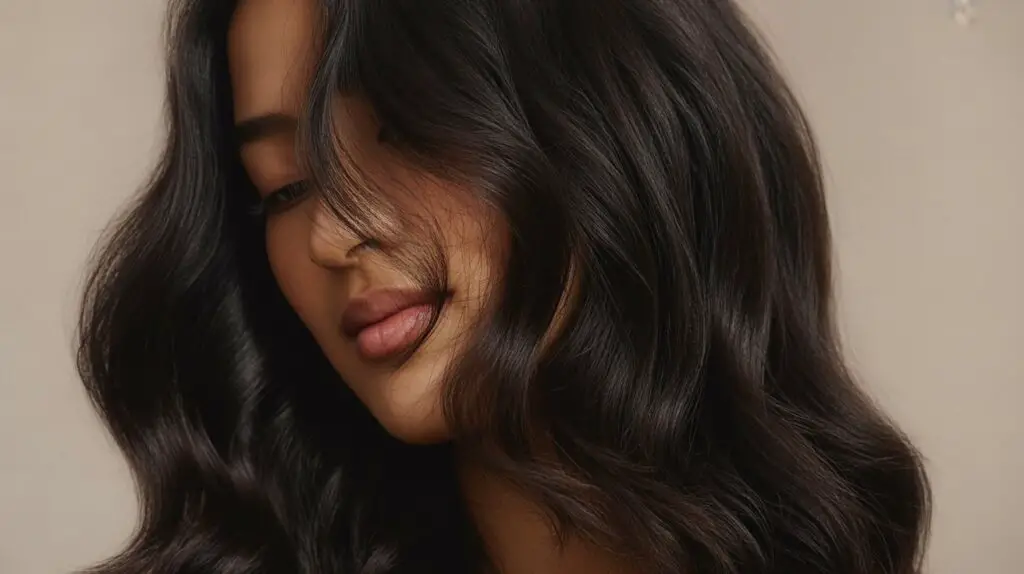
Achieving consistent soft black results requires techniques that go beyond basic color application. Salon professionals use specific methods developed through years of experience, most of which never get shared with clients. These approaches address common problems before they occur and create more predictable, longer-lasting results.
Pre-Color Preparation Steps
The condition of hair before coloring determines more about the final result than the actual color formula. Clarifying treatments one week before coloring remove buildup without over-stripping the hair. This timing allows natural oils to return while ensuring a clean canvas for color application.
Porosity problems cause most color inconsistencies, yet few stylists adequately address them beforehand. Hair with varied porosity – common after chemical treatments or heat damage – absorbs color unevenly. Porosity equalizing treatments, applied two days before coloring, create uniform absorption. These treatments use proteins and moisturizers to temporarily fill gaps in damaged areas.
Strand testing reveals crucial information but often gets skipped in busy salons. Testing on hair from different areas shows how the formula will perform across the entire head. The nape, crown, and hairline often process differently due to temperature and texture variations. Adjusting formulas based on strand test results prevents disappointing outcomes.
Metallic salt buildup from previous box dyes or gradual coloring products can cause severe reactions with professional color. These salts must be removed completely before applying soft black, or the hair might smoke, break, or turn unexpected colors. Professional removal treatments take time but prevent catastrophic results.
The often-ignored step of color filling makes the difference between muddy and vibrant results. Hair that’s been previously lightened lacks the warm pigments necessary for soft black to appear rich and dimensional. Adding red-orange filler before the black application creates the proper foundation. Skipping this step results in flat, grayish, or greenish tones.
Application Methods That Ensure Even Coverage
Sectioning patterns affect how evenly color processes, yet many stylists use the same basic four-section approach for everyone. Hair density, growth patterns, and head shape should determine sectioning. Horizontal sections work better for fine hair, while diagonal sections suit thick hair. Creating more, thinner sections ensures complete saturation.
Application order influences processing time and final color. Starting at the nape, where hair is typically more resistant, allows extra processing time for difficult areas. The hairline and crown, which process fastest due to body heat, should be colored last. This strategic timing prevents hot roots and ensures uniform color.
Product temperature significantly impacts processing speed and final results. Room-temperature color processes most predictably, while cold color processes slowly and warm color processes rapidly. Mixing color just before application and avoiding temperature extremes creates consistent results. Some stylists pre-warm their bowls in winter to maintain optimal temperature.
Double-processing techniques work better for achieving true soft black on certain hair types. Applying a dark brown base first, then layering black over it, creates more dimension than single-process application. This method takes longer but produces richer, longer-lasting results with better grow-out appearance.
The root-stretch technique prevents harsh demarcation lines as hair grows. Applying slightly lighter color at the roots for the first few minutes, then pulling the darker formula through, creates a subtle gradient. This professional secret significantly extends the time between necessary touch-ups.
Timing Secrets for Different Hair Types
Processing time isn’t one-size-fits-all, despite what product instructions suggest. Fine hair typically needs 25-30 minutes, medium hair requires 30-35 minutes, and coarse hair might need 40-45 minutes. These variations account for cuticle thickness and resistance levels.
Gray hair requires special timing considerations that standard formulas don’t address. Gray strands lack melanin, making them resistant to color absorption. Pre-softening gray areas with 20-volume developer alone for 10 minutes before color application improves coverage. This extra step prevents the persistent silver shimmer that shows through inadequate gray coverage.
Previously colored hair processes faster than virgin hair, sometimes in half the standard time. Overlapping color on previously treated lengths can cause progressive darkening and damage. Applying color to roots only until the last five minutes, then pulling through the lengths briefly, refreshes without over-processing.
Body temperature variations affect processing speed in ways rarely discussed. Women going through hormonal changes might experience faster processing due to increased body temperature. Cold medications, thyroid conditions, and even stress levels influence how quickly color develops.
Post-Color Treatments Stylists Don’t Always Mention
The first 48 hours after coloring determine long-term color stability. Avoiding washing during this period allows the cuticle to fully close and color molecules to properly set. Despite common advice to wait 24 hours, extending to 48 or even 72 hours significantly improves color longevity.
pH-balancing treatments immediately after coloring help close the cuticle and lock in color. These treatments, different from standard conditioners, use acids like citric or acetic acid to neutralize alkaline residues from color processing. Proper pH balancing can extend color life by several weeks.
Post-color glazing adds shine and seals the cuticle but isn’t routinely offered. These treatments use clear or tinted glosses to create a protective barrier over fresh color. Applied every four weeks, glazes refresh color appearance without additional chemical processing.
Here are the specific post-color treatments that make a difference:
Acidic Rinses: Apple cider vinegar or specialized acidic rinses restore pH and add shine
Protein Treatments: Light protein treatments one week post-color strengthen without stripping
Moisture Masks: Deep conditioning two weeks post-color replenishes without fading
Glossing Services: Monthly glossing maintains vibrancy between color appointments
Seal Treatments: Professional sealing treatments create protective barriers against environmental damage
Proper drying technique after the first wash impacts color retention. Rough towel drying disrupts the cuticle, allowing color to escape. Microfiber towels or old t-shirts absorb water without friction. Air drying preserves color better than heat styling, but when heat is necessary, cool settings minimize damage.
What Happens When You Want to Change from Soft Black
Transitioning away from soft black presents unique challenges that differ from changing other hair colors. The combination of black and brown pigments in this shade creates stubborn deposits that resist traditional lightening methods. Understanding the reality of this process helps set appropriate expectations and avoid serious damage.
The Realistic Timeline for Going Lighter
Moving from soft black to any lighter shade requires patience that most people don’t anticipate. Professional colorists know that safely lightening black color takes multiple sessions spread over several months. Attempting to achieve dramatic lightening in one appointment almost guarantees severe damage or breakage.
The first lightening session typically only removes one to two levels, revealing intense orange or red tones. These warm tones aren’t mistakes – they’re the natural underlying pigments exposed during the lightening process. Your hair must pass through these stages to reach lighter shades, and rushing causes irreversible damage.
Each subsequent lightening session can remove another one to two levels, assuming the hair remains healthy enough to process. Between appointments, hair needs four to six weeks minimum to recover. Protein and moisture treatments during this time rebuild the hair structure, preparing it for the next processing session.
The complete journey from soft black to medium blonde, for example, realistically takes six to twelve months. Factors affecting this timeline include hair health, desired final shade, and how well you maintain hair condition between appointments. Some people require even longer if their hair shows signs of damage during the process.
Hidden Damage That Shows Up Later
Chemical damage from removing black color often doesn’t appear immediately. The hair might look and feel acceptable right after processing, but problems develop over the following weeks. Elasticity loss becomes apparent when wet hair stretches without returning to its original length, eventually leading to breakage.
The cuticle damage from aggressive lightening creates permanent porosity issues. Highly porous hair absorbs moisture quickly but can’t retain it, leading to chronic dryness. This porosity also causes any new color applied to fade rapidly and unevenly, making it difficult to maintain consistent results.
Internal structural damage weakens hair at a molecular level. Disulfide bonds, which give hair its strength, break during lightening and don’t fully reform. This weakness accumulates with each processing session, eventually causing hair to snap at random points along the shaft.
Heat styling reveals hidden damage more quickly than other activities. Hair that seemed manageable might suddenly become impossible to smooth or curl. The damaged protein structure can’t hold styles, and using higher heat to compensate accelerates deterioration.
Color-corrective treatments themselves can mask damage temporarily. Glosses and toners make hair appear healthier than it actually is. Once these treatments fade, the true condition becomes evident. Many people experience shock when their seemingly recovered hair suddenly appears fried weeks after correction.
Alternative Options Nobody Suggests
Shadow rooting offers a gradual transition without aggressive lightening. By lightening only the mid-lengths and ends while maintaining dark roots, you avoid processing the newest, healthiest hair. This technique creates a lived-in look that grows out naturally.
Highlighting provides dimension without complete color removal. Strategic placement of lighter pieces breaks up the solid black while leaving most hair untouched. Face-framing highlights brighten your appearance without committing to all-over lightening. This approach preserves hair health while creating visual interest.
Color melting techniques blend soft black into lighter shades gradually. Rather than sharp demarcation lines, this method creates seamless transitions. Starting with subtle brown tones and gradually adding lighter pieces over time achieves change without drastic processing.
Growing out soft black naturally might be the healthiest option for some people. Strategic cutting every six to eight weeks removes colored ends while maintaining style. This process typically takes one to two years but results in completely healthy, virgin hair.
Fashion colors like deep purple or midnight blue can be applied over soft black without lightening. These shades add interest and change without damaging processes. They fade gradually back to the base color, allowing experimentation without commitment.
Cost Considerations You Should Know
Professional color correction from soft black is expensive, often costing five to ten times more than regular color services. Initial consultations alone might cost $50-100, with each correction session ranging from $200-500. The total investment for complete color change can exceed $2000.
Product costs for maintaining hair health during transition add up quickly. Professional bond-building treatments, deep conditioners, and protein treatments might total $50-100 monthly. Without these investments, hair damage necessitates cutting off length, defeating the purpose of careful transition.
Time investment goes beyond salon appointments. Home maintenance routines might require an extra hour weekly for treatments and special care. The opportunity cost of multiple long salon appointments over several months should factor into your decision.
Some salons require signing waivers before attempting significant lightening from black. These documents acknowledge the risk of damage and release stylists from liability. If a salon doesn’t discuss these risks openly, consider finding one that prioritizes honest communication.
Insurance rarely covers hair damage from chemical services, even when performed professionally. Some salons offer their own guarantee programs, but these typically cover only moderate corrections, not complete re-dos. Understanding financial risks helps make informed decisions about whether change is worth pursuing.
Your Hair Will Never Be the Same
Soft black hair color creates permanent changes to your hair structure that persist even after the color has completely grown out. The chemical processes involved in achieving and maintaining this shade fundamentally alter the hair’s protein structure, porosity, and ability to hold future colors. These changes extend beyond simple damage, affecting how your hair behaves for years afterward.
Many women discover that their hair texture changes after prolonged use of black color. Hair that was naturally straight might develop waves or frizz, while curly hair might lose its pattern. These textural changes result from chemical alteration of the hair’s protein bonds, which determine its natural shape and movement. Even after growing out all colored hair, some people find their virgin hair grows differently than before.
Frequently Asked Questions
Q: Can I achieve soft black hair color at home using box dye?
A: While box dyes labeled “soft black” exist, achieving salon-quality results at home is extremely difficult. Box dyes use one-size-fits-all formulas that can’t account for your hair’s unique porosity, texture, and color history. Professional colorists customize formulas specifically for your hair, mixing multiple shades and adjusting developer strengths for optimal results.
Q: How long does soft black hair color typically last before noticeable fading?
A: With proper care, soft black maintains its richness for 4-6 weeks before showing noticeable changes. The brown undertones tend to become more prominent around week 3-4, while significant fading usually appears by week 6-8. Your washing frequency, product choices, and environmental exposure significantly impact this timeline.
Q: Will soft black cover my gray hair completely?
A: Gray coverage with soft black is generally excellent, often better than with pure black. The brown undertones help blend resistant grays more naturally. However, very wiry or resistant gray hair might require pre-softening treatments or adjusted formulas for complete coverage. Some slight silver shimmer might remain visible in certain lighting.
Q: Is soft black less damaging than regular black hair dye?
A: Both colors cause similar levels of chemical processing damage since they use comparable developer strengths and processing times. The main difference lies in the pigment load – soft black sometimes uses slightly less pigment, but this doesn’t significantly reduce damage. The real factor is the application technique and hair’s starting condition.
Q: Can I swim in chlorinated pools with soft black hair?
A: Swimming requires serious precautions with this color. Chlorine can cause greenish discoloration and rapid fading. Always wet hair with clean water first, apply a protective leave-in conditioner or oil, and wear a swimming cap when possible. Rinse immediately after swimming and use a clarifying treatment weekly if you swim regularly.
Q: What’s the real difference between soft black and darkest brown?
A: Soft black contains more black pigment with brown undertones, while darkest brown is primarily brown with minimal black. In natural light, soft black appears nearly black with subtle warmth, while darkest brown shows obvious brown tones. The grow-out appearance also differs, with soft black creating more contrast against natural roots.
Q: How much should I expect to pay for professional soft black color?
A: Initial application at a professional salon typically ranges from $75-200, depending on your location and salon level. This includes consultation, color formulation, application, and basic styling. Root touch-ups cost $50-100 every 4-6 weeks. Additional treatments like glosses or color corrections increase costs significantly.
Q: Does soft black hair color make thin hair look thicker?
A: Dark colors like soft black can create an illusion of density by minimizing the contrast between hair and scalp. The solid color also helps hair strands appear more cohesive. However, the chemical processing can initially cause some hair loss or breakage, potentially making thin hair appear thinner before any benefits become visible.

