

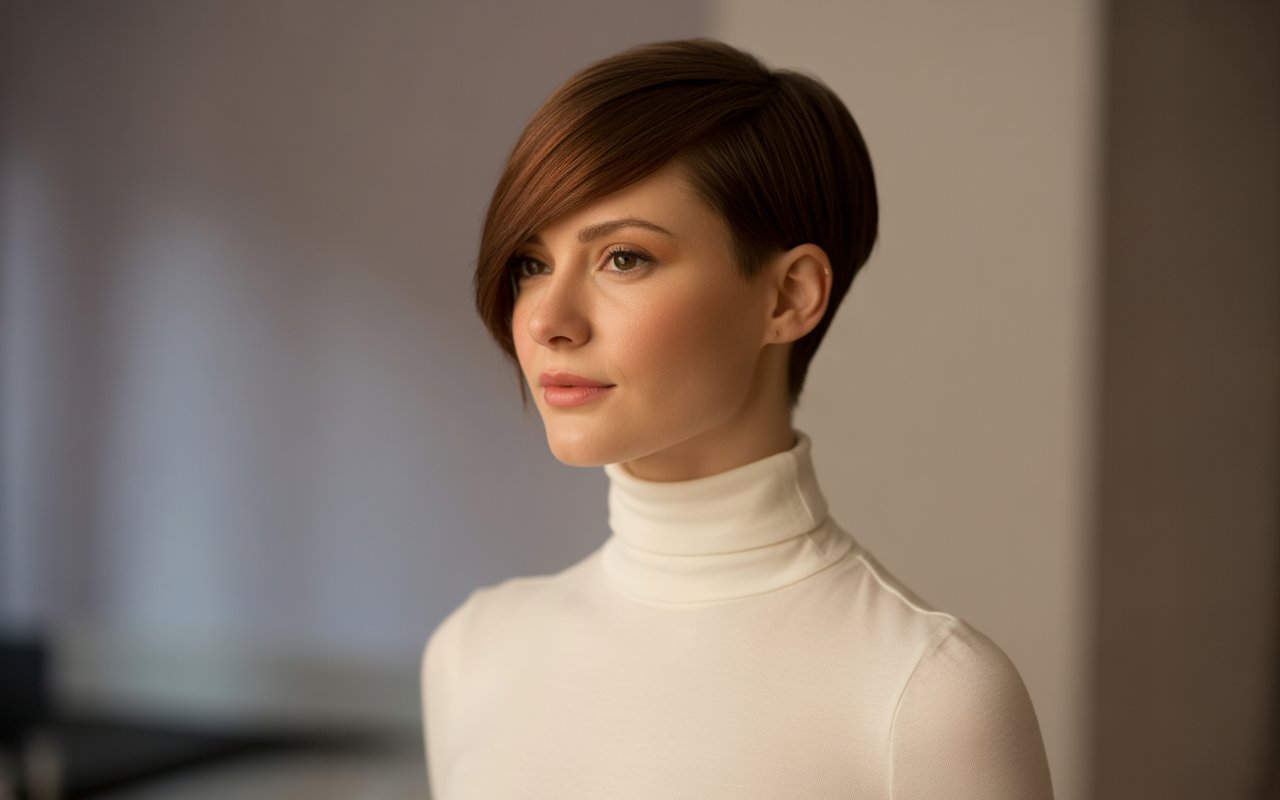
The pixie cut has undergone a spectacular transformation, evolving from its classic roots into something far more dynamic and sophisticated. Red carpet events across the globe showcase celebrities sporting a particular variation that commands attention through its sleek asymmetry and polished finish. This contemporary take on the traditional pixie incorporates a pronounced side sweep that adds movement, dimension, and undeniable glamour to what was once considered a simple, low-maintenance style.
Fashion weeks, award ceremonies, and premiere nights have become showcases for this particular hairstyle, with stylists perfecting techniques that create maximum visual impact. The style offers something that longer hairstyles often struggle to achieve – a perfect balance between edginess and elegance. Women who choose this cut find themselves with a versatile canvas that transitions seamlessly from boardroom meetings to black-tie events, requiring minimal adjustment yet delivering maximum sophistication.
The following sections will guide you through everything from understanding what makes this style so photogenic to practical maintenance tips that keep it looking professionally styled. You’ll discover face-shaping techniques, styling methods that create red carpet-worthy results at home, and honest assessments about whether this bold choice aligns with your lifestyle. Let’s uncover why this particular pixie variation has become the go-to choice for women seeking a hairstyle that makes a powerful impression.
- What Makes the Side-Swept Pixie Cut So Red Carpet Ready?
- How to Style Your Side-Swept Pixie for Maximum Impact
- Which Face Shapes Rock This Look Best?
- The Essential Maintenance Guide for Your Side-Swept Pixie
- Is This Style Right for Your Lifestyle?
- Final Thoughts on the Red Carpet Revolution
- Frequently Asked Questions
What Makes the Side-Swept Pixie Cut So Red Carpet Ready?
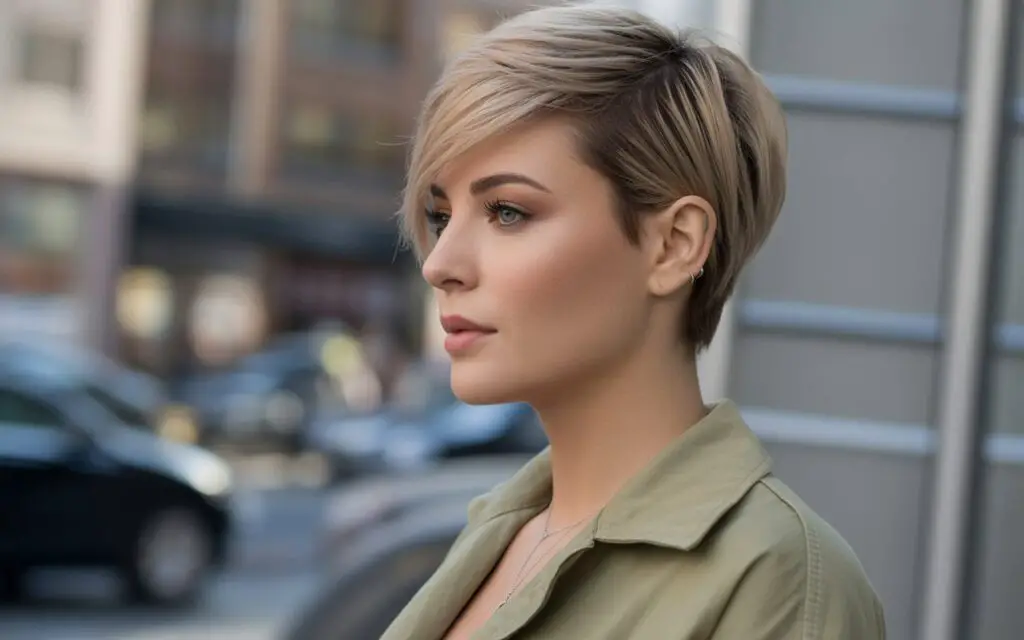
The magic of this hairstyle lies in its architectural precision combined with soft, sweeping lines that create visual interest from every angle. Unlike traditional pixie cuts that maintain uniform length around the head, this version features deliberate asymmetry that draws the eye and creates a focal point. The longer sections that sweep across the forehead or temple area provide styling flexibility while maintaining the clean, crisp edges that define a well-executed pixie.
The Dramatic Asymmetry
Asymmetrical cuts naturally command attention because they break conventional expectations of balance and symmetry. The side-swept element introduces movement into what might otherwise appear static, creating a sense of energy and modernity. This intentional imbalance works particularly well under bright lights and camera flashes, where the varying lengths catch light differently, creating depth and dimension that photographs beautifully.
The contrast between the shorter sections – typically around the ears and nape – and the longer swept portions creates a sculptural quality that fashion photographers adore. This dimensional aspect prevents the style from appearing flat or one-dimensional in photos, a common challenge with many short hairstyles. The sweep itself can range from subtle to dramatic, allowing for personalization based on individual preferences and facial features.
Versatility for Formal Events
Red carpet events demand hairstyles that maintain their shape through hours of photography, interviews, and mingling. The structured nature of this cut provides a reliable foundation that resists wilting or losing definition as the evening progresses. The side-swept portion offers numerous styling possibilities – it can be sleekly smoothed for minimalist elegance, textured for casual sophistication, or enhanced with accessories for added glamour.
What sets this style apart is its ability to complement rather than compete with statement jewelry and bold fashion choices. The clean lines around the neck and ears provide the perfect backdrop for chandelier earrings or dramatic necklaces. The swept section frames the face without obscuring it, ensuring that makeup artistry remains visible and impactful.
How It Photographs
Professional photographers consistently praise this hairstyle for its photogenic qualities. The side sweep creates natural shadowing that enhances facial contours, functioning almost like built-in contouring. From the front, the diagonal line of the sweep adds dynamism to portraits. Profile shots benefit from the graduated lengths that create interesting silhouettes. Even candid shots maintain visual appeal because the cut’s structure provides consistency from multiple angles.
The style works exceptionally well with various lighting conditions too. Studio lights highlight the texture and movement, while natural lighting brings out subtle color variations and dimensional highlights. Flash photography, often the enemy of elaborate updos that can cast unflattering shadows, actually enhances the sleek lines and polished finish of this cut.
Statement-Making Potential
Women choosing this style for high-profile events understand its power to convey confidence and sophistication. The deliberate nature of the cut – clearly not something that happens by accident – signals intention and attention to detail. It suggests a woman who makes bold choices and commits to them fully. The style manages to be both classic and contemporary, fitting seamlessly into formal settings while maintaining an edge that prevents it from appearing overly traditional.
Professional Styling Advantages
Celebrity stylists appreciate this cut because it provides a reliable foundation that responds predictably to professional techniques. The structured nature means that once styled, it tends to hold its shape throughout extended events. Quick touch-ups between photo opportunities require minimal product and time. The side-swept element can be adjusted easily to complement different outfits or adapt to changing lighting conditions throughout an evening.
Heat styling tools work efficiently on the shorter lengths, reducing preparation time compared to longer styles. This efficiency matters during packed schedules where multiple appearances might occur in a single day. The cut also transitions well between wet and dry styling methods, offering flexibility when time or circumstances demand different approaches.
How to Style Your Side-Swept Pixie for Maximum Impact
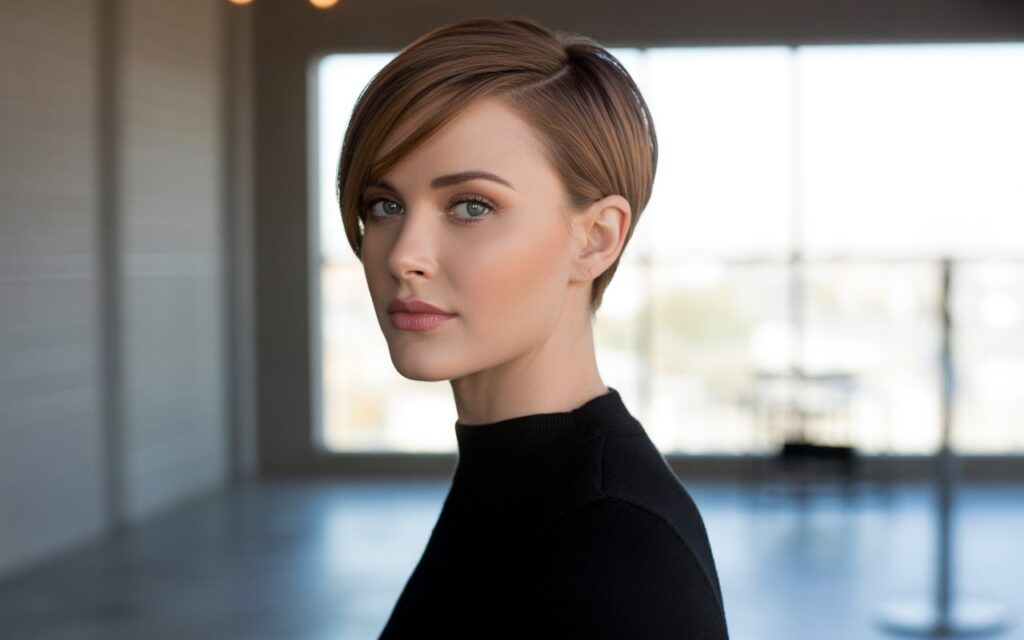
Creating that polished, camera-ready finish at home requires understanding both technique and product selection. The beauty of this cut lies in its potential for transformation through styling – the same haircut can appear sleek and professional or textured and playful depending on your approach. Mastering a few key techniques ensures you achieve salon-quality results without the professional price tag.
Product Selection
The foundation of any great style starts with choosing products that work with your hair’s natural characteristics rather than against them. Fine hair benefits from volumizing mousses or lightweight texturizing sprays that add body without weight. Thicker hair might require smoothing serums or control creams that tame while maintaining movement. The key lies in finding that sweet spot where control meets flexibility.
Start with less product than you think you need. Short hair requires surprisingly small amounts, and oversaturation leads to that dreaded helmet effect. A pea-sized amount of most products suffices for the entire head. Apply to damp, not soaking hair for better distribution and control. Focus application on the longer swept sections first, then distribute remaining product through shorter areas.
Your product arsenal should include these essentials for versatile styling options:
Heat Protectant: Guards against damage from daily styling tools
Texturizing Paste: Creates piece-y definition and flexible hold
Smoothing Serum: Tames flyaways and adds shine
Volumizing Powder: Lifts roots for added height and body
Flexible Hold Spray: Maintains style without stiffness
Blow-Drying Techniques
The blow-dry stage determines whether your style looks professionally done or hastily assembled. Begin with hair that’s been towel-dried to remove excess moisture. Apply your chosen products evenly through the hair, using a wide-tooth comb to ensure distribution. The direction you dry each section matters enormously – always work against the natural growth pattern initially to create lift, then smooth in the desired direction for polish.
For the signature side sweep, use a round brush to direct hair across the forehead while simultaneously lifting at the roots. The tension created by the brush combined with concentrated heat sets the direction and creates smooth curvature. Keep the dryer moving constantly to prevent heat damage and ensure even drying. The nozzle attachment isn’t optional – it concentrates airflow for precision styling that fingers alone cannot achieve.
Creating the Perfect Sweep
The swept portion requires special attention since it defines the entire look. After blow-drying, use a flat iron on the lowest effective temperature to refine the sweep’s shape. Rather than dragging the iron straight through, create a subtle curve that follows your desired line. This technique prevents the severe, poker-straight appearance that can look artificial and aging.
Work in small sections for maximum control, overlapping slightly to ensure seamless blending. The goal isn’t ruler-straight perfection but rather controlled direction with natural movement. Pay particular attention to the transition point where the sweep meets shorter sections. This junction should appear intentional yet organic, avoiding harsh lines that segment the style unnaturally.
Finishing Touches
Those final details separate amateur efforts from professional results. Use a small amount of pomade or wax warmed between your fingers to define individual pieces, particularly around the hairline and ears. These areas frame your face and deserve extra attention. Tuck one side behind the ear for asymmetrical interest, or leave both sides forward for a more dramatic sweep.
A light misting of flexible hold spray from about 10 inches away sets everything without creating stiffness. For evening events, consider adding subtle shimmer spray or temporary color chalk to the swept section for added visual interest. Small bobby pins in your hair color can secure any rebellious pieces invisibly, particularly useful for outdoor events where wind might disturb carefully crafted styles.
Day to Night Transitions
The versatility of this cut shines when transforming your look between day and evening commitments. Your morning’s sleek office style morphs into evening glamour with minimal effort. Simply rewetting the swept section allows for complete restyling without starting from scratch. Add texture with sea salt spray for a more relaxed dinner look, or increase sleekness with additional smoothing serum for formal occasions.
Accessories offer instant elevation too. A decorative clip positioned at the sweep’s highest point adds sparkle while serving the practical purpose of securing the style. Temporary extensions clipped into the longer section create dramatic length variation for special occasions. Even something as simple as changing your part slightly refreshes the entire appearance.
Keep a small styling kit in your bag containing travel-sized versions of your key products. A mini flat iron, compact hairspray, and small container of texturizing paste handle most quick fixes. This portable arsenal ensures you maintain that polished appearance regardless of weather, activity, or unexpected schedule changes.
Which Face Shapes Rock This Look Best?
The relationship between face shape and hairstyle determines whether a cut enhances or detracts from your natural features. While the side-swept pixie offers remarkable adaptability, understanding how it interacts with different facial structures helps you customize the style for optimal results. Professional stylists consider multiple factors beyond basic shape – things like jaw prominence, cheekbone position, and forehead proportions all influence the final outcome.
Oval Faces
Women with oval faces hit the genetic jackpot regarding this hairstyle’s compatibility. The balanced proportions of an oval face provide the perfect canvas for experimenting with various sweep angles and lengths. You can afford to play with dramatic asymmetry without worrying about exaggerating any particular feature. The natural harmony of your face shape means the cut’s inherent boldness won’t overwhelm your features.
The swept portion can start from either a deep side part or closer to center, depending on your mood and occasion. Shorter overall lengths work beautifully because they won’t elongate your face unnecessarily. Consider keeping the sides particularly short to showcase your cheekbones, allowing the sweep to create interesting shadows and highlights across your forehead and temple area.
Heart-Shaped Faces
Heart-shaped faces benefit enormously from the strategic placement of volume and length that this cut provides. The side sweep naturally balances a wider forehead by creating diagonal lines that draw attention away from the broadest point. Keeping slightly more length around the jaw area helps balance the narrower chin, creating an overall harmonious appearance that flatters from every angle.
The key for heart-shaped faces lies in avoiding excessive volume at the crown, which would emphasize forehead width. Instead, focus on creating width through the sweep itself, allowing it to extend slightly beyond your natural hairline. This horizontal element counteracts the vertical emphasis of a pointed chin. Soft, wispy edges around the face prove more flattering than severe, geometric lines.
Square Faces
Angular face shapes find an unexpected ally in this seemingly sharp-edged style. The secret lies in using the sweep to create diagonal lines that soften the strong horizontal and vertical elements of a square face. Rather than following the natural horizontal line of your forehead, angle the sweep dramatically to break up the geometric regularity. This creates visual interest while minimizing the appearance of a broad forehead or strong jawline.
Texture becomes your best friend with this face shape. While the cut’s structure provides the foundation, adding piece-y texture to the swept section prevents the style from appearing too severe. Consider incorporating subtle layers within the longer portion to create movement and softness. The contrast between structured short sections and more fluid swept areas creates balance without sacrificing the style’s inherent sophistication.
Positioning plays a crucial role too. Rather than sweeping hair directly across the forehead, try directing it at a diagonal that ends near the outer corner of one eye. This placement creates a flattering frame while avoiding the horizontal emphasis that might make a square face appear wider.
Round Faces
Round faces might seem challenging for such a short style, but strategic styling transforms potential concerns into assets. The vertical lift achieved through proper blow-drying and product application adds height that elongates the face. The asymmetrical nature of the sweep creates angles where none naturally exist, providing structure and definition that complements softer facial features.
Avoid sweeping hair too far across the face, which creates horizontal emphasis. Instead, style the sweep upward and over, creating height before allowing it to fall naturally. This technique adds valuable vertical dimension. Keep the sides relatively close to the head rather than allowing them to expand outward. The goal involves creating an oval silhouette through styling rather than accepting the natural circular shape.
How to Adapt for Any Shape
Regardless of your face shape, certain universal principles apply when customizing this cut. First, work with a stylist who understands both your facial structure and lifestyle needs. Bring multiple reference photos showing variations you find appealing, but remain open to professional recommendations based on your unique features.
Consider your profile as carefully as your front view. The cut looks different from various angles, and what flatters from the front might not work in profile. Ask your stylist to show you the planned shape from multiple angles before committing. Small adjustments in length or layering make significant differences in the final result.
Your hair’s natural texture influences how the cut behaves daily. Straight hair showcases the cut’s clean lines beautifully but might require more styling product to maintain the sweep. Wavy or curly hair adds natural volume and texture but might need straightening techniques to achieve that polished red carpet finish. Work with your hair’s tendencies rather than constantly fighting against them.
Personal style preferences matter as much as technical face shape considerations. Someone who prefers minimal maintenance might choose a variation that works well air-dried, while those who enjoy daily styling might opt for a cut that offers more versatility. The best version of this style feels authentic to who you are while flattering your unique features.
The Essential Maintenance Guide for Your Side-Swept Pixie
Short hairstyles paradoxically require more frequent maintenance than longer styles to maintain their shape and impact. The precision that makes this cut so striking also means that even small amounts of growth can alter its silhouette significantly. Understanding the maintenance requirements before committing helps you determine whether this style aligns with your schedule and budget.
Trimming Schedule
The non-negotiable aspect of maintaining this style involves regular trimming appointments. Most women find that scheduling cuts every 3-4 weeks keeps the shape crisp and defined. Waiting longer results in lost structure, particularly around the ears and neckline where growth becomes immediately noticeable. The swept section might maintain its appeal slightly longer, but the overall balance suffers when shorter sections grow out disproportionately.
Between professional appointments, you might need minor touch-ups around the ears and neckline. Some women invest in quality trimming scissors for these small adjustments, though this requires steady hands and decent technique. Never attempt to adjust the overall shape yourself – professional expertise ensures maintaining proper proportions and avoiding irreversible mistakes.
Budget considerations factor significantly into this style choice. Monthly salon visits add up quickly, especially if you’re visiting high-end salons. Research stylists who specialize in short cuts, as their expertise often translates to better results that last longer between appointments. Some salons offer maintenance packages that reduce per-visit costs for regular clients.
Daily Styling Routine
Your morning routine will change dramatically with this cut, though not necessarily becoming more time-consuming. While you lose the option of throwing hair into a ponytail on rushed mornings, the actual styling time often decreases. Most women report spending 10-15 minutes achieving a polished look, compared to potentially longer periods managing longer hair.
Develop a systematic approach that becomes second nature. Start with freshly washed or dampened hair, applying products in consistent amounts. The blow-dry process becomes almost meditative once you establish your technique. Many women find that styling this cut becomes so routine they can do it while multitasking with other morning preparations.
Night preparation impacts morning styling success significantly. Sleeping on silk or satin pillowcases reduces friction that causes frizz and disruption to your style. Some women wear silk bonnets or scarves to preserve their styling overnight, waking to hair that needs minimal adjustment. These preventive measures save precious morning minutes while extending the life of your styling efforts.
Product Recommendations
Building the right product collection takes experimentation, but certain categories prove universally helpful. Dry shampoo extends time between washes while adding texture and volume to the roots. Choose one specifically formulated for your hair color to avoid visible residue. Apply before bed rather than in the morning for better oil absorption and natural blending.
Texturizing products deserve investment since they’re used frequently. Higher-quality formulations provide better hold without stickiness or buildup. Look for products that offer memory, meaning they reactivate with heat or moisture for quick restyling. This feature proves invaluable for quick touch-ups after weather exposure or physical activity.
Multi-purpose products streamline your routine and travel needs. Many modern formulations combine heat protection with styling benefits, reducing the number of products needed. Weekly clarifying treatments remove product buildup that inevitably accumulates with daily styling. This maintenance keeps hair responsive to styling and prevents the dull, lifeless appearance that signals product oversaturation.
Common Styling Mistakes
Over-washing ranks among the most common errors with this style. Daily washing strips natural oils that provide shine and manageability. Most hair types benefit from washing every 2-3 days, using dry shampoo to refresh between washes. This schedule maintains scalp health while preserving color treatments and reducing styling damage from daily heat exposure.
Another frequent mistake involves using excessive heat during styling. The shorter lengths heat quickly, requiring lower temperatures than longer hair. Start with the lowest setting that achieves results, increasing only if necessary. Remember that damaged hair becomes increasingly difficult to style, creating a vicious cycle of using more heat to achieve diminishing results.
Product buildup creeps up gradually, making its effects easy to miss until styling becomes noticeably difficult. If your normally responsive hair suddenly seems uncooperative, buildup might be the culprit. Regular clarifying treatments prevent this issue, but avoid overuse which causes its own problems through excessive stripping of beneficial oils.
Professional vs. At-Home Care
While daily styling happens at home, certain treatments benefit from professional application. Color services particularly require expert handling on short hair where mistakes have nowhere to hide. The precise placement of highlights or lowlights enhances the cut’s dimension, requiring technical skill and artistic vision that most people cannot replicate at home.
Deep conditioning treatments at salons use professional-grade products and techniques that penetrate more effectively than home versions. These services prove especially valuable for hair damaged by frequent styling or color processing. The investment in occasional professional treatments extends the time between necessary cuts by maintaining hair health that allows for better styling.
Some women establish relationships with their stylists that include quick bang trims or minor adjustments between full appointments. These brief visits often cost less than full services while maintaining the style’s integrity. Building this relationship also means your stylist understands your preferences and can make subtle adjustments that keep the style fresh without dramatic changes.
The balance between professional and at-home care varies individually based on budget, skill level, and available time. Most women find their sweet spot through experimentation, perhaps starting with frequent salon visits that gradually decrease as confidence with home styling grows. The key lies in recognizing which aspects require professional expertise and which you can master independently.
Is This Style Right for Your Lifestyle?
Making such a dramatic change requires honest evaluation of how this cut fits into your daily reality. Beyond the aesthetic appeal and red carpet glamour, practical considerations determine whether you’ll love or regret this decision. The commitment extends beyond the initial cut to ongoing maintenance, styling requirements, and potential professional or social implications.
Time Commitment
Morning routines shift significantly with this style, though not always increasing in duration. You trade the flexibility of updos and ponytails for a style that demands daily attention. Skip styling, and you risk looking unkempt rather than casually tousled. This reality check helps determine whether your schedule accommodates non-negotiable styling time.
Consider your typical week realistically. Early morning gym sessions might mean arriving with wet hair that needs styling in locker rooms. Travel requires packing styling tools and products that might otherwise stay home. Spontaneous overnight trips become slightly more complicated when you can’t simply throw hair into a bun and go. These scenarios aren’t insurmountable but require planning and adjustment.
The learning curve deserves consideration too. Initial weeks involve mastering new techniques and finding your preferred styling methods. Expect some frustration as you develop muscle memory for blow-drying at new angles or using unfamiliar tools. Most women report feeling fully confident with their routine after about a month, though individual experiences vary based on previous styling experience.
Hair Texture Considerations
Your natural texture significantly impacts daily maintenance requirements and achievable styles. Straight hair typically requires less fighting against natural tendencies but might need more product to create and maintain volume. The swept effect comes naturally to straight hair, requiring mainly directional styling and smoothing rather than major restructuring.
Wavy and curly textures face different challenges and opportunities. The natural volume and movement can enhance the style’s dimension beautifully, but achieving that sleek red carpet finish requires heat styling and smoothing products. Some women embrace their natural texture, working with it to create a more relaxed interpretation of the style. Others commit to daily straightening, accepting the additional time and potential damage as worthwhile trade-offs.
Color-treated or chemically processed hair needs special consideration. The frequent styling required by this cut can exacerbate existing damage. If your hair already shows signs of stress from previous treatments, addressing these issues before cutting might prevent disappointment. Healthy hair styles more easily and maintains its shape better throughout the day.
Professional Requirements
Workplace culture influences whether this bold choice enhances or complicates your professional life. Creative industries often celebrate distinctive personal style, making this cut a potential asset. Conservative fields might view such a dramatic style differently, though changing attitudes make this less predictable than previously.
Client-facing roles add another dimension to consider. While many find that a polished, well-maintained pixie projects confidence and attention to detail, others might face unexpected reactions. Research your industry’s unwritten rules and observe how colleagues at various levels present themselves. Sometimes being memorable for your distinctive style opens doors, while other situations benefit from blending in.
Uniformed professions or those with specific grooming standards need careful consideration. Some regulations specify hair length or styling requirements that might conflict with this cut. Check employee handbooks or consult HR before making dramatic changes that might violate policies. Even without formal restrictions, understanding informal expectations helps you make informed decisions.
Activity Level Factors
Active lifestyles require special consideration with this maintenance-intensive style. Regular swimming means dealing with chlorine or salt water effects on carefully styled hair. The shorter length dries quickly, a definite advantage, but might require complete restyling afterward. Waterproof styling products exist but often compromise on hold or finish quality.
High-intensity exercise creates its own challenges. Sweat disrupts styling products and can leave hair looking flat or separated. Some women schedule workouts strategically, timing them before planned wash days. Others develop quick refresh techniques using dry shampoo and minimal heat styling. The key lies in finding sustainable solutions rather than avoiding activities you enjoy.
Outdoor enthusiasts face weather-related styling challenges. Wind wreaks havoc on carefully placed sweeps, while humidity might cause unexpected volume or frizz. Hats, once easy solutions for bad hair days, might not fit the same way or could cause awkward indentations in styled hair. These aren’t dealbreakers but require adaptation and possibly carrying emergency styling supplies.
Long-term Commitment
Growing out a pixie cut requires patience and potentially awkward phases that last months. If you’re someone who changes hairstyles frequently, understand that returning to longer lengths involves an extended transition period. The asymmetrical nature of this particular style can make growing out even more challenging than traditional pixies, requiring strategic trimming to maintain some style during the process.
Financial commitment extends beyond initial cutting costs. Monthly maintenance appointments, quality styling products, and potential tool investments add up significantly. Calculate realistic annual costs before committing. Some women find the expense worthwhile for the confidence and polish the style provides. Others discover that the financial burden creates stress that outweighs aesthetic benefits.
Consider major life events on your horizon too. Weddings, whether your own or as a participant, might influence timing decisions. Some women specifically choose this cut for such events, appreciating how it photographs and its elegance with formal wear. Others prefer longer hair’s versatility for special occasion styling. Neither choice is wrong, but planning ahead prevents regret.
The psychological adjustment to dramatically shorter hair affects people differently. Some women report feeling liberated and more authentically themselves. Others experience unexpected identity shifts that take time to process. Looking in the mirror and seeing a dramatically different reflection requires mental adjustment beyond the physical change. Give yourself grace during this transition period.
Final Thoughts on the Red Carpet Revolution
The side-swept pixie represents more than just another hairstyle trend cycling through the fashion world. Women who choose this cut make a deliberate statement about personal style, confidence, and willingness to stand out rather than blend in. The commitment required – both financial and temporal – ensures that those who maintain this style truly value its impact and have integrated its requirements into their routines.
Success with this cut depends less on having perfect features or ideal hair texture and more on understanding what the style demands and deciding those requirements align with your life. The women who wear this style most successfully aren’t necessarily those with the most time or money to devote to maintenance, but rather those who find joy in the ritual of styling and appreciate the polished results enough to prioritize the necessary care. Whether gracing actual red carpets or simply navigating daily life with extra confidence, this hairstyle offers a sophisticated option for women ready to make a bold change.
Frequently Asked Questions
Q: How much does maintaining a side-swept pixie typically cost per year?
A: Professional maintenance usually runs between $600-1500 annually, depending on your salon and location. This includes monthly trims at $50-125 per visit. Add another $200-400 for styling products and tools throughout the year.
Q: Can I achieve the side-swept look if my hair is naturally very curly?
A: Yes, but you’ll need to commit to regular heat styling or chemical straightening treatments. Some women with curly hair create beautiful variations by working with their natural texture for a softer, more romantic interpretation of the style.
Q: What’s the minimum hair length needed before cutting into this style?
A: You need at least 3-4 inches on top to create the signature sweep. If your hair is currently shorter, you might need to grow it out strategically while maintaining shorter sides and back.
Q: How do I know if my face shape will work with this cut before committing?
A: Try styling your current hair to mimic the silhouette using pins and styling products. Many salons also offer virtual consultations where stylists can digitally show you how different variations might look on your face.
Q: Will this style work for women over 50?
A: Absolutely. This sophisticated cut often looks particularly striking on mature women, offering a modern, youthful appearance without seeming age-inappropriate. The key lies in choosing the right variation for your features and lifestyle.
Q: What happens if I hate it after cutting?
A: While hair obviously needs time to grow back, skilled stylists can often adjust the cut to be more flattering immediately. Extensions can add length to specific sections if needed. Most women report an adjustment period of 2-3 weeks before feeling comfortable with such a dramatic change.
Q: Can I still wear hair accessories with such short hair?
A: Yes, though your options change. Decorative clips, small headbands, and bobby pins with embellishments work beautifully. The swept section provides an ideal placement for a statement hair accessory.
Q: How long does the awkward grow-out phase last?
A: Growing from pixie to bob length typically takes 6-9 months with regular shaping appointments. The most challenging period usually occurs around months 3-4 when length becomes uneven but isn’t quite long enough for new styling options.

