

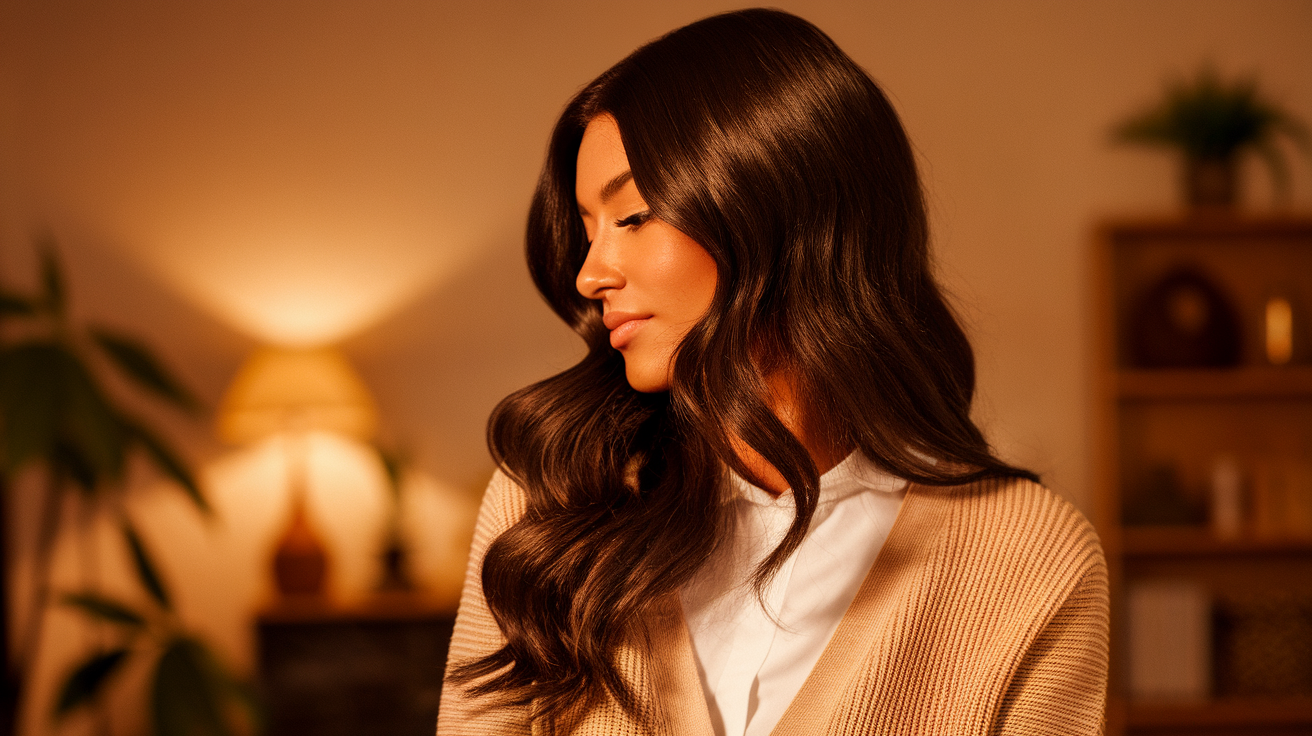
Hair that catches the light and reflects it back with a healthy gleam has always been a sign of vitality and good health. The quest for shiny hair spans cultures and generations, with women constantly searching for that perfect combination of products and techniques that will transform dull, lifeless strands into a glossy mane. Yet achieving genuinely luminous hair goes far beyond superficial treatments or temporary fixes – it requires understanding what creates shine at the most fundamental level.
The difference between hair that merely looks clean and hair that truly shines lies in the microscopic structure of each strand. Your hair’s ability to reflect light depends on how smooth and aligned the outermost layer of cells remains throughout daily wear and environmental exposure. Multiple factors influence this delicate balance, from the nutrients you consume to the way you handle your hair during styling. Understanding these elements helps you make informed choices that support long-term hair health rather than relying on quick fixes that might actually cause more damage over time.
Getting that coveted shine doesn’t have to remain a mystery reserved for salon visits or expensive treatments. The following sections will guide you through science-backed methods for achieving lustrous locks, from nourishing your hair from within to perfecting your daily care routine. You’ll discover practical tips, bust common myths, and learn sustainable habits that promote genuine, lasting shine. Whether your hair tends toward dryness, oiliness, or somewhere in between, these strategies will help you unlock your hair’s natural potential for brilliance.
What Makes Hair Shine From the Inside Out
Understanding the architecture of your hair provides the foundation for achieving genuine shine. Each strand consists of three layers, with the outermost cuticle layer determining how much light your hair reflects. When these cuticle cells lie flat and overlap smoothly, they create a mirror-like surface that bounces light back beautifully. Damaged or raised cuticles scatter light in different directions, resulting in that dull, lackluster appearance many women struggle with daily.
The role of hair structure and cuticles
The cuticle layer works like roof shingles, with each cell overlapping the next to protect the inner cortex. Healthy cuticles remain tightly sealed, creating a smooth pathway for light reflection. Various factors can cause these protective cells to lift, including harsh chemicals, excessive heat, and mechanical damage from rough brushing. Once cuticles become damaged or raised, they not only reduce shine but also allow moisture to escape, creating a cycle of dryness and dullness that becomes increasingly difficult to reverse.
How protein and moisture balance affects shine
Your hair needs the perfect equilibrium between protein and moisture to maintain its reflective properties. Protein provides structure and strength, filling in microscopic gaps in damaged cuticles, while moisture keeps strands flexible and smooth. Too much protein makes hair brittle and prone to breakage, while excess moisture leads to limp, lifeless strands. Finding your hair’s unique balance point requires paying attention to how it responds to different treatments and adjusting your routine accordingly.
Natural oils and their impact on hair luster
Sebum, the natural oil produced by your scalp, plays a crucial role in creating shine. This protective coating smooths down cuticles and provides a natural reflective surface. However, modern washing habits often strip away too much of this beneficial oil, leaving hair vulnerable and dull. The key lies in preserving enough natural oil to maintain shine while preventing buildup that can weigh hair down. Different hair textures require varying approaches – fine hair might need lighter touch while coarser textures can handle richer treatments.
The connection between scalp health and shiny hair
A healthy scalp forms the foundation for lustrous hair growth. Poor scalp circulation, product buildup, and inflammation all interfere with your hair’s ability to grow strong and shiny from the root. Regular scalp massage stimulates blood flow, bringing essential nutrients to hair follicles. Keeping your scalp clean but not stripped ensures optimal conditions for producing healthy sebum. Many women focus exclusively on their hair strands while neglecting scalp care, missing a crucial component of overall hair health.
The internal factors affecting shine extend beyond surface treatments. Hormonal fluctuations, stress levels, and overall health significantly impact your hair’s appearance. Thyroid imbalances, for instance, often manifest as dull, brittle hair before other symptoms appear. Chronic stress disrupts the hair growth cycle and can lead to increased shedding and decreased shine. Addressing these underlying factors through lifestyle modifications and, when necessary, medical intervention, creates lasting improvements in hair quality.
Essential Nutrients That Transform Dull Hair
The foods you eat directly influence your hair’s ability to shine. Unlike topical treatments that work temporarily from the outside, proper nutrition builds lustrous hair from within. Your body prioritizes vital organs when distributing nutrients, making hair one of the last areas to receive nourishment. This means even minor nutritional deficiencies often show up first in lackluster locks.
Vitamins for glossy hair growth
B-complex vitamins, particularly biotin and B12, support the cellular processes that create strong, shiny hair. These water-soluble vitamins help your body produce red blood cells, which carry oxygen and nutrients to hair follicles. Vitamin E acts as a powerful antioxidant, protecting hair from oxidative stress that dulls its appearance. Vitamin A helps produce sebum, though too much can actually increase hair loss. Most women benefit from a balanced approach rather than megadoses of single vitamins.
Vitamin C deserves special attention for its role in collagen production and iron absorption. Collagen strengthens the hair shaft structure, while proper iron levels prevent the dull, brittle texture associated with anemia. Many women unknowingly suffer from low iron stores, especially those with heavy menstrual periods or restricted diets. Including vitamin C-rich foods with iron sources maximizes absorption and supports overall hair health.
Minerals that boost natural shine
Iron, zinc, and selenium work together to maintain healthy hair growth and natural luster. Iron deficiency remains one of the most common causes of dull, thinning hair in women. Your hair follicles require adequate iron to produce strong strands with good light-reflecting properties. Zinc helps regulate oil production and supports protein synthesis, both crucial for maintaining shine. Selenium protects against oxidative damage while supporting healthy hair growth cycles.
Silica, often overlooked in hair health discussions, strengthens hair structure and improves its ability to reflect light. This trace mineral helps form the building blocks of healthy hair, skin, and nails. Natural sources include whole grains, leafy greens, and certain herbs. Many women notice improved hair texture and shine after adding silica-rich foods or supplements to their routine.
Omega fatty acids and hair health
Essential fatty acids, particularly omega-3s, nourish hair follicles and support scalp health. These healthy fats help maintain the lipid barrier that keeps moisture locked into each strand. Without adequate omega-3 intake, hair becomes dry, brittle, and prone to breakage. Fatty fish, walnuts, and flaxseeds provide these crucial nutrients. Women following plant-based diets should pay special attention to omega-3 intake, as plant sources require conversion in the body.
The ratio between omega-3 and omega-6 fatty acids also matters for hair health. Modern diets often contain excessive omega-6 fats from processed foods, creating inflammation that can dull hair’s appearance. Balancing these essential fats through whole food choices supports not just hair shine but overall health.
Hydration’s role in hair brilliance
Water forms the foundation of healthy, shiny hair. Dehydration shows up quickly in lackluster locks, as hair cells require adequate moisture to maintain their structure and flexibility. Proper hydration supports nutrient transport to hair follicles and helps flush out toxins that can interfere with healthy growth. Most women need at least eight glasses of water daily, more during exercise or hot weather.
Beyond plain water, hydrating foods contribute to hair moisture from within. Cucumbers, watermelon, and leafy greens provide water along with hair-healthy nutrients. Herbal teas offer hydration plus antioxidants that protect against damage. Creating a comprehensive hydration strategy goes beyond just drinking water – it involves choosing moisture-rich foods and beverages throughout the day.
Foods that promote lustrous locks
Building a hair-healthy diet doesn’t require exotic superfoods or expensive supplements. Simple, whole foods provide the best nutrition for shiny hair:
Eggs: Complete protein plus biotin and other B vitamins essential for hair structure
Spinach: Iron, vitamins A and C, and folate support healthy hair growth
Sweet potatoes: Beta-carotene converts to vitamin A for scalp health
Avocados: Healthy fats and vitamin E nourish hair from within
Berries: Antioxidants protect hair follicles from damage
Combining these foods creates synergistic effects that enhance nutrient absorption and utilization. A colorful, varied diet naturally provides the full spectrum of nutrients your hair needs to shine. Focus on whole foods rather than isolated supplements whenever possible, as food sources contain cofactors that enhance absorption and effectiveness.
The Right Hair Care Routine for Maximum Shine
Creating a hair care routine that promotes shine requires understanding your specific hair type and its unique needs. What works wonderfully for your friend might leave your hair looking worse, as factors like porosity, density, and natural oil production all influence how products and techniques affect your strands. Building an effective routine means experimenting thoughtfully and paying close attention to how your hair responds over time.
Washing techniques that preserve natural oils
The way you wash your hair impacts its shine potential more than any expensive product. Start by thoroughly wetting hair with lukewarm water to open cuticles gently. Apply shampoo only to your scalp, using fingertips (never nails) to massage in circular motions. Let the suds run through the lengths as you rinse – this cleanses without stripping essential oils from your strands. Most women use far too much shampoo and scrub too vigorously, disrupting the natural oil balance necessary for shine.
Frequency matters as much as technique. Fine hair might need washing every other day, while thicker, coarser textures often look best with weekly washing. Pay attention to your scalp’s oil production and adjust accordingly. Between washes, dry shampoo can refresh roots without disturbing the natural oils that create shine along your lengths. The goal is finding the sweet spot where your scalp feels clean but your hair retains enough natural conditioning to reflect light beautifully.
Temperature matters: hot vs cold water
Water temperature dramatically affects your hair’s ability to shine. Hot water feels relaxing but opens cuticles excessively, allowing moisture to escape and leaving hair vulnerable to damage. Lukewarm water cleanses effectively while being gentle on the hair structure. The game-changer comes at the end: a cool water rinse seals cuticles flat, locking in moisture and creating that coveted reflective surface.
Many women resist cold rinses, but the shine payoff makes this small discomfort worthwhile. You don’t need ice-cold water – just cool enough to feel refreshing. Focus the cool water on your hair lengths rather than your scalp if you find it too uncomfortable. This simple temperature adjustment often produces more noticeable shine improvement than switching to expensive products.
Choosing products for your hair type
Product selection can make or break your shine goals. Heavy, silicone-laden products might create temporary shine but often build up over time, actually dulling hair’s natural luster. Look for lightweight formulas that enhance rather than mask your hair’s texture. Fine hair benefits from volumizing products that don’t weigh down strands, while thick hair might need richer formulations to smooth and define.
Ingredients matter more than marketing claims. Seek out products with natural oils like argan or jojoba that mimic hair’s natural sebum. Avoid sulfates if your hair tends toward dryness, but don’t fear them entirely if you have oily roots that need thorough cleansing. Protein treatments help damaged hair regain shine, but use them sparingly to avoid overload. The best approach involves rotating products based on your hair’s changing needs rather than sticking rigidly to one line.
The proper way to dry hair for shine
How you dry your hair significantly impacts its final appearance. Rough towel drying creates friction that lifts cuticles and promotes frizz. Instead, gently squeeze excess water from your hair, then wrap it in a microfiber towel or soft t-shirt. These materials absorb water without roughing up the cuticle layer. Pat rather than rub, and avoid leaving hair wrapped too long, as prolonged wetness can actually damage the hair structure.
Air drying preserves hair health but doesn’t always yield the shiniest results. For maximum shine, use a blow dryer with a concentrator nozzle on medium heat, always pointing the airflow down the hair shaft. This technique smooths cuticles in the same direction, enhancing light reflection. Keep the dryer moving constantly and finish with a cool shot to set the cuticles. Yes, heat styling requires more effort, but proper technique creates shine that lasts between washes.
Weekly treatments that make a difference
Intensive weekly treatments address damage and boost shine in ways daily products cannot. Deep conditioning masks penetrate the hair shaft, delivering concentrated nutrients and moisture. Apply these treatments to damp, towel-dried hair for better absorption. Focus on mid-lengths to ends, where hair typically needs the most help. Use a shower cap or warm towel to create gentle heat that enhances penetration.
Different treatments serve various purposes in your shine-boosting arsenal:
Clarifying treatments: Remove product buildup that dulls shine, use monthly or as needed
Oil treatments: Nourish deeply and smooth cuticles, ideal for dry or damaged hair
Protein masks: Strengthen and fill in damage, use sparingly based on hair’s response
Glossing treatments: Deposit shine-enhancing ingredients and subtle color, great for monthly boost
Consistency with weekly treatments produces cumulative benefits. Track which treatments make your hair look and feel best, then incorporate them into a regular rotation. Remember that more isn’t always better – overtreatment can lead to buildup or imbalance that actually decreases shine.
Daily Habits That Keep Hair Glossy
Small daily actions accumulate into significant differences in your hair’s shine potential. These habits cost nothing extra but require mindfulness and consistency to become second nature. Women who maintain enviably shiny hair often credit their daily routines more than any particular product or treatment.
Brushing methods that distribute natural oils
Proper brushing does more than detangle – it distributes scalp oils along the hair shaft, creating natural shine. Start at the ends, gently working out tangles before moving upward. This approach prevents breakage that can make hair look dull and unhealthy. Once detangled, brush from roots to ends with smooth, deliberate strokes. This motion carries protective oils from your scalp throughout your lengths.
Choose your brush wisely for maximum shine benefits. Boar bristle brushes excel at oil distribution but might be too soft for thick hair. Mixed bristle brushes combine natural and synthetic fibers for versatility. Avoid metal bristles that can tear the hair cuticle. Clean your brush weekly to prevent redistributing dirt and old product back into clean hair. A clean brush on clean hair maximizes shine potential.
Protecting hair from environmental damage
Environmental factors constantly assault your hair’s shine. UV rays break down proteins and fade color, while pollution particles cling to strands, creating a dull film. Wind tangles hair and lifts cuticles, reducing light reflection. Simple protective measures preserve your hair’s luster throughout daily activities.
Wearing a hat or scarf provides physical protection during peak sun hours. Leave-in products with UV filters add an invisible shield against solar damage. On windy days, secure hair in a loose braid or bun to prevent tangling. After swimming, rinse immediately to remove chlorine or salt that strips natural oils. These preventive steps require minimal effort but significantly impact long-term shine retention.
Sleep positions and pillowcase choices
Your nighttime habits affect morning hair appearance more than you might realize. Cotton pillowcases create friction that roughens cuticles and causes tangles. Silk or satin pillowcases allow hair to glide smoothly, preserving style and shine. The investment in quality bedding pays dividends in reduced styling time and better hair health.
Sleep position matters too. Side sleepers often notice more damage on one side of their head from pillow friction. Try sleeping on your back when possible, or use a silk bonnet or wrap to protect hair regardless of position. Loosely braiding long hair or securing it in a high, loose bun prevents tangling without creating tension. These nighttime strategies mean waking up with hair that needs minimal intervention to shine.
Managing heat styling for healthy shine
Heat styling creates temporary shine but can compromise long-term hair health if misused. The key lies in smart heat management rather than complete avoidance. Always use a heat protectant spray that creates a barrier between styling tools and your hair. These products often contain ingredients that enhance shine while preventing damage.
Temperature settings matter enormously. Fine hair rarely needs temperatures above 300°F, while thicker hair might require up to 350°F. Higher temperatures don’t necessarily create better results – they just increase damage risk. Invest in quality tools with consistent heat distribution and multiple settings. Move tools continuously rather than holding them in one spot. Allow hair to cool completely before touching or brushing to set the style and maximize shine duration.
Quick fixes for instant radiance
Sometimes you need immediate shine for an important event or photos. These quick fixes provide temporary luster without long-term commitment:
Cool water rinse takes seconds but immediately smooths cuticles for enhanced shine. Simply run cool water over styled hair without disturbing the arrangement. Pat dry gently and watch the difference in light reflection.
A tiny drop of hair oil warmed between palms and smoothed over the surface creates instant gloss. Focus on areas where light naturally hits. Less is more – too much oil weighs hair down and looks greasy rather than glossy.
Shine sprays offer convenience but require careful application. Hold the can at least 10 inches away and mist lightly over the hair surface. These products work best on already-smooth hair rather than trying to tame frizz.
The ionic blow dryer’s cool setting provides a quick shine boost. Run it over styled hair for 30 seconds to seal cuticles and enhance reflection. This works particularly well after using hot tools, as the temperature contrast maximizes cuticle closure.
Common Mistakes That Steal Your Hair’s Shine
Even with the best intentions, certain habits sabotage your shine goals. Recognizing and correcting these common mistakes often produces dramatic improvements in hair appearance. Many women unknowingly engage in practices that gradually diminish their hair’s natural luster.
Over-washing and product buildup
The urge to wash hair daily stems from societal conditioning rather than actual need. Frequent washing strips natural oils faster than your scalp can replace them, creating a cycle of dryness and overproduction. This imbalance shows up as hair that looks greasy at the roots but dry at the ends – neither conducive to shine. Training your hair to need less frequent washing takes patience but yields lasting benefits.
Product buildup creates a different problem. Styling products, dry shampoos, and even some conditioners leave residue that accumulates over time. This invisible film prevents light reflection and weighs hair down. Regular clarifying treatments remove buildup, but prevention works better than correction. Use products sparingly and choose formulas designed to rinse clean. When you notice hair looking dull despite good care, suspect buildup as the culprit.
Chemical damage and how to avoid it
Chemical processes like coloring, perming, and straightening alter hair structure in ways that often reduce shine. The chemicals lift cuticles to penetrate the hair shaft, and these cuticles don’t always return to their flat, protective position. Multiple processes compound the damage, creating increasingly dull, fragile hair.
Minimizing chemical damage requires strategic choices rather than complete avoidance. Space out chemical treatments to allow recovery time between sessions. Choose gentler formulas when possible – demi-permanent color causes less damage than permanent options. Always follow chemical treatments with intensive conditioning to help restore cuticle smoothness. Consider whether the desired result justifies the potential shine loss, and explore less damaging alternatives when appropriate.
Rough handling and friction damage
Daily handling habits create cumulative damage that dulls hair over time. Aggressive towel drying, tight elastics, and rough brushing all lift and damage cuticles. Even seemingly harmless actions like rubbing hair while shampooing or gathering it too tightly contribute to shine loss.
Gentle handling requires retraining muscle memory. Use soft hair ties without metal clasps. Avoid styles that create tension at the roots. When removing tangles, support the hair above the knot to prevent pulling at the roots. These modifications feel awkward initially but become natural with practice. The payoff in improved hair health and shine makes the effort worthwhile.
Ignoring split ends and damage
Split ends represent more than cosmetic concerns – they actively prevent hair from achieving maximum shine. The frayed ends scatter light rather than reflecting it uniformly. Worse, splits travel upward if left untreated, creating increasingly dull, unhealthy-looking hair. No product can permanently repair split ends despite marketing claims.
Regular trims remain the only solution for split ends. Every 6-8 weeks works for most hair types, though slower-growing or less damaged hair might stretch to 12 weeks. Between trims, minimize further splitting by avoiding heat damage and rough handling. Temporary split end serums can improve appearance for special occasions but don’t replace the need for regular trimming.
Using the wrong tools and accessories
Your choice of hair tools directly impacts shine potential. Plastic combs create static that makes hair appear frizzy rather than smooth. Metal hair accessories can snag and break hair. Even your hair elastic choice matters – traditional rubber bands grip too tightly and break hair when removed.
Investing in quality tools pays long-term dividends for hair shine. These essentials support rather than sabotage your efforts:
Wide-tooth combs: Detangle gently without creating static or breakage
Natural bristle brushes: Distribute oils effectively while smoothing cuticles
Silk scrunchies: Hold hair securely without creating dents or damage
Microfiber towels: Absorb water without roughening cuticles
Ceramic or tourmaline tools: Provide even heat distribution for minimal damage
Quality tools last longer and perform better than cheap alternatives. Consider them investments in your hair’s long-term health and appearance. Replace worn tools promptly – a brush with bent bristles or a comb with rough edges causes more harm than good.
Unlocking Your Hair’s Natural Radiance
Achieving truly shiny hair requires patience, consistency, and a willingness to understand your hair’s unique needs. The journey from dull to dazzling involves nourishing your body with the right nutrients, developing care routines that work with your hair type, and avoiding common pitfalls that sabotage shine. Small changes in daily habits often produce more noticeable results than expensive treatments or products.
Your hair’s shine potential already exists – you simply need to create the right conditions for it to flourish. Whether you’re dealing with damage from past mistakes or starting fresh with healthy hair, these strategies provide a roadmap to lustrous locks. Focus on progress rather than perfection, celebrating small improvements along the way. With time and attention, that enviable shine you’ve always wanted can become your everyday reality.
Frequently Asked Questions
Q: How long does it take to see results when trying to improve hair shine?
A: Most women notice initial improvements within 2-3 weeks of consistent care, but significant changes typically take 6-8 weeks. Hair grows slowly, so patience is essential for seeing the full benefits of any new routine.
Q: Can I achieve shiny hair without using any heat styling tools?
A: Absolutely! Air-dried hair can be incredibly shiny with the right techniques. Use a leave-in conditioner, apply products to damp hair, and finish with a cold water rinse to seal cuticles naturally.
Q: Why does my hair look shiny at the salon but dull at home?
A: Stylists use professional techniques like proper tension during blow-drying, high-quality tools, and optimal product application. They also often finish with cool air and shine sprays that create temporary but impressive results.
Q: Does cutting hair more frequently actually make it shinier?
A: Regular trims remove damaged ends that scatter light, making the remaining hair appear shinier. Trimming doesn’t speed growth but maintains healthy ends that reflect light better.
Q: Which oils are best for adding shine without making hair greasy?
A: Lightweight oils like argan, jojoba, and grapeseed absorb well without heaviness. Apply sparingly to damp hair ends or use one drop on dry hair for instant shine.
Q: Can diet really make that much difference to hair shine?
A: Yes! Hair reflects your overall health, and nutrient deficiencies show up as dull, brittle strands. Adequate protein, iron, omega-3s, and hydration create noticeable improvements in hair quality and shine.
Q: Is it true that brushing 100 strokes a day makes hair shinier?
A: This old advice can actually cause damage through excessive friction. Brush only as needed to distribute oils and detangle, typically 10-20 strokes with a quality brush.
Q: Why does colored hair often look less shiny than natural hair?
A: Chemical processing lifts cuticles and can damage the hair structure. Color-treated hair needs extra moisture and protein treatments to maintain shine, plus products specifically designed for processed hair.

