

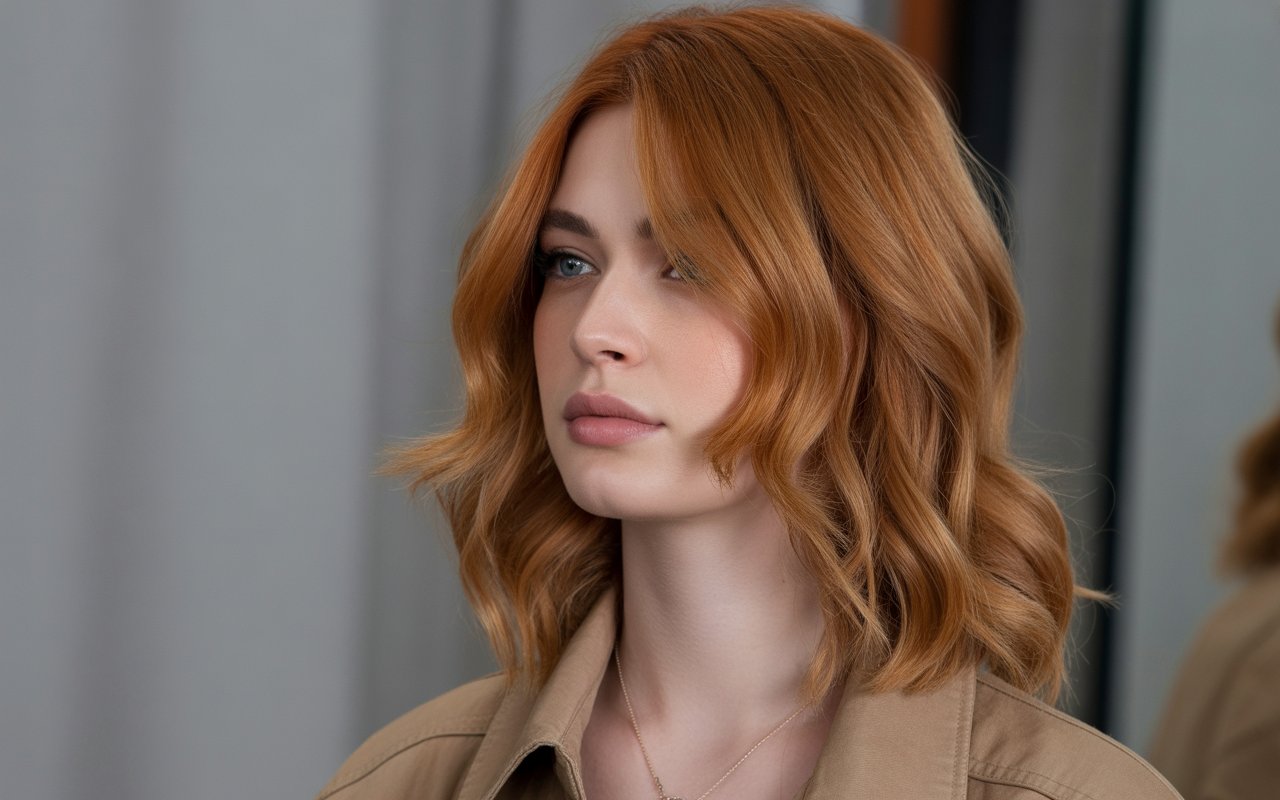
Looking for hair color that turns heads and catches light from every angle? Deep, dimensional copper hair offers something that flat, single-tone colors simply cannot match. This rich, multifaceted shade combines the warmth of red with the brightness of orange and the depth of brown, creating a color that seems to shift and change with movement.
The magic of dimensional copper lies in its ability to work with your natural hair’s movement and texture. Unlike flat copper that can appear one-dimensional and artificial, properly executed copper color incorporates multiple tones that blend seamlessly together. This creates visual interest that photographs beautifully and looks stunning in person, whether you’re in bright sunlight or soft indoor lighting.
In the following sections, we’ll uncover the techniques and knowledge needed to achieve this coveted color. From understanding which hair types showcase copper best to maintaining that fresh-from-the-salon vibrancy, you’ll discover everything needed to make dimensional copper work for you. Let’s explore how to create copper hair that looks naturally radiant rather than artificially colored.
- What Makes Copper Hair Truly Dimensional?
- Which Hair Types Showcase Copper Best?
- How Do You Achieve Professional-Level Copper Color?
- What Are the Best Copper Shade Variations This Year?
- How Can You Maintain Vibrant Copper Dimensions?
- Achieving and Maintaining Deep, Dimensional Copper Hair
- Frequently Asked Questions
What Makes Copper Hair Truly Dimensional?
Achieving truly dimensional copper requires understanding how multiple tones work together to create depth and movement. The secret lies not in applying a single copper shade but in carefully layering complementary tones that interact with light in different ways.
The role of light reflection in copper tones
Light plays a crucial role in how copper hair appears to the eye. When sunlight or artificial lighting hits properly dimensional copper, it reveals hidden gold, orange, and red undertones that aren’t visible in shadow. This interplay creates the illusion of movement and life within the color itself.
The way your hair’s cuticle reflects light also impacts how dimensional your copper appears. Smooth, healthy cuticles create mirror-like reflection that intensifies the multifaceted nature of the color. Damaged cuticles scatter light, making even the most carefully crafted copper appear dull and flat.
Professional colorists understand this principle and often incorporate glossing treatments into their copper formulations. These treatments smooth the cuticle while depositing translucent color that enhances light reflection without masking the underlying dimensional work.
Understanding warm vs cool copper undertones
Not all coppers are created equal, and understanding undertone variations helps create depth that complements your skin tone. Warm coppers lean toward orange and gold, creating a fiery, vibrant appearance that suits those with golden or olive skin tones particularly well.
Cool coppers incorporate more red and violet pigments, resulting in a sophisticated shade that flatters pink or neutral skin tones. These cooler variations often appear more burgundy in low light while still maintaining that characteristic copper glow in bright conditions.
The most dimensional copper colors actually combine both warm and cool tones strategically placed throughout the hair. Warmer pieces might frame the face for a brightening effect, while cooler tones add depth at the roots and underneath layers. This combination prevents the color from appearing too one-note or artificial.
How natural hair texture affects copper dimension
Your hair’s natural texture significantly influences how dimensional copper will appear. Straight hair showcases color variation through shine and light reflection, making subtle tonal differences more apparent. Each strand acts like a fiber optic cable, transmitting and reflecting the various copper hues.
Wavy hair creates natural shadows and highlights that enhance dimensional color. The curves and bends catch light differently, automatically creating visual interest even with less varied color application. This texture often requires less aggressive highlighting to achieve a dimensional effect.
Curly and coily textures diffuse light rather than reflecting it directly, which can make copper appear deeper and richer. These textures benefit from more dramatic color variation to ensure the dimension reads clearly. Strategically placed lighter copper pieces help define curl patterns while adding visual depth.
The science behind multi-tonal copper color
Creating dimensional copper involves understanding color theory and how different pigments interact. Red molecules are the largest in hair color, making them both vibrant and prone to fading. Orange molecules are smaller and more stable, while yellow molecules are the smallest and most resistant to fading.
Professional dimensional copper combines all three warm pigment families in varying concentrations. The base might contain dominant red molecules for depth, while highlights incorporate more orange and yellow for brightness. This variation in molecular size creates natural-looking fade patterns as the color ages.
Creating depth through strategic color placement
Placement techniques make the difference between amateur and professional-looking copper color. Root shadowing with a deeper copper or copper-brown prevents harsh regrowth lines while adding natural-looking depth. This technique also extends the time between necessary touch-ups.
Face-framing highlights in brighter copper tones draw attention to your features while creating the illusion of movement. These pieces should vary in width and intensity rather than following a uniform pattern. Random placement mimics how sun naturally lightens hair.
The underneath sections often receive less attention but contribute significantly to overall dimension. Deeper copper tones in these hidden areas create a beautiful contrast when hair moves, revealing unexpected color variation. This technique also helps the overall color appear fuller and more luxurious.
Money piece highlights – those bold, face-framing streaks – work beautifully with copper when executed in a slightly brighter shade than the overall color. Rather than stark contrast, aim for copper pieces that are just two to three levels lighter than your base for sophistication.
Babylights throughout the mid-lengths and ends add subtle dimension without overwhelming the overall copper tone. These ultra-fine highlights should vary in tone from golden copper to strawberry copper, creating a seamless blend that catches light beautifully.
Which Hair Types Showcase Copper Best?
Your natural hair characteristics play a vital role in determining how copper color will look and last. Understanding these factors helps set realistic expectations and allows for better color customization.
Fine hair and copper color dynamics
Fine hair presents both opportunities and challenges for achieving dimensional copper. The delicate structure of fine strands allows color to penetrate more easily, often resulting in more vibrant initial results. This same characteristic means color molecules can escape more quickly, potentially leading to faster fading.
The transparent nature of fine hair actually works to your advantage with copper tones. Light passes through the strands more readily, creating an almost luminous effect that makes the multiple tones within dimensional copper more apparent. This natural translucency eliminates the need for aggressive lightening to achieve brightness.
Volume concerns with fine hair can actually be addressed through strategic copper placement. Lighter copper pieces create the illusion of fullness, while darker copper at the roots prevents the scalp from showing through. This careful balance helps fine hair appear thicker and more substantial.
Processing times require careful monitoring with fine hair to prevent over-processing. The quick absorption rate means you’ll achieve your desired copper faster than with other hair types. Working with an experienced colorist who understands fine hair’s unique properties ensures optimal results without damage.
Thick hair’s advantage with copper shades
Thick hair provides an ideal canvas for complex dimensional copper due to its ability to showcase multiple tones simultaneously. The density allows for more aggressive sectioning and varied color placement without compromising the overall look.
The robust structure of thick hair strands means they can withstand the processing required for dramatic copper transformation. This durability allows for bolder dimensional techniques like balayage, foilyage, or creative color melting that might overwhelm finer textures.
Here’s what makes thick hair particularly suitable for copper dimension:
- Natural volume: Provides space for multiple color variations to be visible
- Strand strength: Handles bleaching and toning without significant damage
- Color longevity: Holds pigment longer due to larger cuticle structure
- Light play: Creates natural shadows that enhance dimensional effects
- Styling versatility: Maintains color vibrancy through various styling methods
Thick hair does require more product during the coloring process, which impacts both timing and cost. The investment pays off in longer-lasting, more dramatic results that maintain their dimensional quality between appointments.
Curly textures and copper highlights
Curly hair and copper create a stunning combination when approached with understanding of how texture affects color appearance. The natural variation in curl patterns automatically enhances any dimensional color work, making each spiral a showcase for different copper tones.
The porous nature common in curly hair means copper pigments absorb readily but may also fade more quickly without proper care. This characteristic requires colorists to adjust their formulations, often using demi-permanent or semi-permanent options for easier maintenance.
Highlighting techniques for curly hair differ from those used on straight textures. Pintura highlighting, where color is painted onto individual curls, creates natural-looking dimension that follows the hair’s movement. This method prevents the stripy appearance that traditional foil highlights can create on curls.
The spring factor in curly hair means color placement must account for how much the hair will shrink when dry. What appears to be perfect placement on stretched, wet hair might cluster differently once the curls reform. Experienced colorists work with the hair’s natural curl pattern for optimal results.
Previously colored hair considerations
Hair with existing color requires careful evaluation before attempting dimensional copper. The underlying pigments from previous colors will influence how new copper tones develop, potentially creating unexpected results without proper preparation.
Dark brunettes
transformed to copper need gradual lightening to prevent damage while achieving the necessary base for vibrant copper. This process might require multiple sessions, with each appointment bringing you closer to your dimensional copper goals. Patience during this transition ensures hair health remains intact.
Previously highlighted hair often provides an excellent starting point for dimensional copper. The existing variation in tone can be enhanced with copper glazes and toners, creating instant dimension without additional lightening. This approach minimizes processing time while maximizing results.
Color correction might be necessary if previous colors included ash or cool tones. These opposing pigments can muddy copper results, creating an unflattering khaki or greenish cast. Proper color correction removes these unwanted tones before introducing the warm copper palette.
Virgin hair as the perfect copper canvas
Untreated hair offers the most predictable results for dimensional copper color. The intact cuticle structure and consistent porosity throughout allow for even color absorption and true-to-swatch results.
Natural hair also provides authentic undertones that enhance copper’s warmth. Whether your virgin hair has golden, red, or neutral undertones, these natural pigments contribute to the final copper result in beautiful ways. Colorists can work with these undertones rather than against them.
The strength of virgin hair means it can handle the lifting required for lighter copper dimensions without compromising integrity. This durability allows for more dramatic transformations in a single session, though gradual lightening still produces the best long-term results.
Starting with virgin hair also means no color build-up or banding to work around. The clean slate allows for precise placement of different copper tones exactly where they’ll create the most flattering dimensional effect. This precision is harder to achieve with previously colored hair.
How Do You Achieve Professional-Level Copper Color?
Creating salon-quality dimensional copper at home requires understanding the technical aspects that professionals consider. While visiting a skilled colorist remains the gold standard, knowing these principles helps you make informed decisions about your copper transformation.
Pre-lightening requirements for different bases
The journey to dimensional copper begins with assessing your starting point. Natural level 1-4 (black to medium brown) hair requires significant lightening to achieve vibrant copper results. This process can’t be rushed – attempting to lift dark hair too quickly results in damage and uneven color.
Medium brown to dark blonde bases (levels 5-7) need moderate lifting to create the perfect copper canvas. These starting points often achieve beautiful results in one to two sessions, depending on the desired copper intensity. The existing warmth in these levels actually contributes to the final copper shade.
Lighter blondes (levels 8-10) might seem ideal for copper, but they present their own challenges. The lack of underlying pigment can make copper appear too bright or artificial. Adding depth back into blonde hair creates more believable, dimensional copper results.
The condition of your starting hair matters as much as its color. Damaged hair lifts unpredictably and holds color poorly. Investing in strengthening treatments before beginning your copper journey ensures better, longer-lasting results.
The importance of proper toner selection
Toner selection makes or breaks dimensional copper color. The wrong toner can turn carefully crafted highlights into a muddy mess or create an unflattering orange cast that screams “DIY disaster.”
Understanding the color wheel helps predict how different toners will perform. Copper sits between red and orange on the spectrum, meaning your toner needs the right balance of both pigments. Too much red creates burgundy; too much orange yields an unnatural carroty shade.
Professional toners designed specifically for copper contain complex pigment blends that create multifaceted results. These formulations include:
- Primary copper pigments: For the dominant tone
- Gold reflects: Adding warmth and shine
- Red undertones: Creating depth and richness
- Violet controllers: Preventing brassiness
- Brown modifiers: For natural-looking dimension
The pH level of your chosen toner affects how deeply pigments penetrate. Acidic toners (pH 6.5-7) deposit color on the cuticle surface for temporary results. Alkaline toners (pH 8-9) open the cuticle for longer-lasting color but require more careful application.
Processing time varies based on your hair’s porosity and the toner’s strength. Over-processing leads to flat, dull results that lack the translucency characteristic of beautiful copper. Under-processing creates patchy color that fades unevenly.
Layering techniques for dimensional results
Professional dimensional copper relies on layering different application techniques rather than using a single method throughout. This varied approach creates the natural-looking depth that distinguishes salon results from at-home attempts.
Balayage forms the foundation for many dimensional copper looks. This freehand painting technique creates soft, graduated lightness that provides the perfect base for copper tones. The irregular pattern mimics how sun naturally lightens hair, resulting in believable dimension.
Traditional foils still have their place in creating dimensional copper, particularly for achieving maximum brightness in specific sections. Combining foils for face-framing pieces with balayage through the lengths creates beautiful contrast and movement.
Color melting blends multiple copper shades seamlessly from roots to ends. This technique requires applying different formulas to various sections while the hair is wet, allowing the colors to merge naturally. The result is a gradual transition between copper tones that appears effortless.
Shadow rooting with a deeper copper-brown prevents harsh regrowth lines while adding sophistication to the overall look. This technique involves applying a darker formula to the first 1-2 inches of hair, creating depth that makes the lighter copper pieces pop.
Processing times that prevent flat color
Timing is everything in achieving dimensional copper that maintains its vibrancy. Under-processed color lacks intensity and fades quickly, while over-processing creates flat, lifeless results that no amount of styling can revive.
Different hair sections require varied processing times to achieve uniform results. The heat from your scalp accelerates processing at the roots, while mid-lengths and ends process more slowly. Staggering application accounts for these differences, ensuring even development throughout.
Room temperature affects processing speed significantly. Warmer environments accelerate chemical reactions, potentially leading to over-processing. Cooler temperatures slow development, requiring extended processing times. Most professional formulas are designed to work optimally at 70-75°F.
Visual checks every 5-10 minutes prevent processing mishaps. Copper develops gradually, and what might appear too light at 15 minutes could be perfect at 20. These checks also allow you to identify any sections processing faster than others.
Common mistakes that create brassy results
Brassiness remains the most common complaint with copper color, but understanding its causes helps prevent this unwanted outcome. The primary culprit is inadequate toning after lightening, leaving raw yellow pigments that read as harsh orange.
Skipping the filling step when going from blonde to copper creates another brassiness risk. Blonde hair lacks the red undertones necessary for rich copper, resulting in a flat, orange appearance. Adding these missing pigments before applying copper ensures proper color development.
Water temperature during rinsing impacts how copper settles into the hair. Hot water opens the cuticle, allowing carefully placed tones to escape. Cool water seals the cuticle, locking in the multidimensional copper you worked hard to achieve.
Using the wrong aftercare products accelerates brassiness development. Sulfate-containing shampoos strip copper pigments unevenly, leaving behind the stable yellow molecules that create unwanted warmth. Purple shampoos, while excellent for blondes, can muddy copper tones.
Environmental factors contribute to brassiness over time. Sun exposure, chlorinated water, and hard water minerals all affect how copper fades. Understanding these factors helps you protect your investment and maintain beautiful dimensional color longer.
What Are the Best Copper Shade Variations This Year?
Copper continues evolving with fresh interpretations that suit every skin tone and personal style. This year’s trending variations move beyond basic copper into sophisticated blends that offer something for everyone.
Rose gold copper for cool undertones
Rose gold copper has emerged as the perfect solution for those with cooler skin tones who previously felt excluded from the copper trend. This sophisticated blend incorporates pink and violet undertones that neutralize the orange aspects typically challenging for cool complexions.
The formulation for rose gold copper requires precise pigment balance. Too much pink creates a fantasy color that lacks copper’s characteristic warmth. Too little leaves the shade looking like standard copper with poor undertone matching. The sweet spot creates a blushing metal effect that flatters rather than clashes.
Styling rose gold copper benefits from cool-toned makeup choices. Berry lips and rosy cheeks enhance the pink reflects within the hair color. Silver jewelry complements the cool undertones better than gold, creating a cohesive appearance.
This variation fades differently than traditional copper, typically becoming a soft peachy-pink rather than brassy orange. This gentle fade pattern means touch-ups can be less frequent while still maintaining an attractive appearance between salon visits.
Burnt orange copper for warm skin
Those blessed with warm, golden skin tones find their perfect match in burnt orange copper. This rich, spicy variation intensifies copper’s natural warmth while adding depth that prevents the color from appearing too bright or artificial.
The burnt orange family ranges from subtle terracotta to vivid persimmon, offering options for various comfort levels. Subtle versions work beautifully in professional settings, while bolder interpretations make stunning statements for those ready to fully commit to copper life.
Creating authentic burnt orange copper requires building from a clean, warm base. Any coolness in the underlying hair will muddy the final result, creating an unflattering rust rather than the desired spicy copper. Proper preparation ensures the orange pigments develop true to intention.
Auburn copper for natural depth
Auburn copper bridges the gap between brunette and redhead, offering a sophisticated option for those seeking dimensional color without dramatic change. This deeper variation maintains copper’s warmth while incorporating enough brown to appear naturally occurring.
The complexity of auburn copper comes from its multiple undertones working in harmony. Red provides richness, orange adds warmth, and brown creates believability. The proportions of each determine whether the result leans more copper or more auburn.
This shade particularly flatters those with:
- Medium skin tones: Both warm and neutral undertones
- Hazel or brown eyes: The copper brings out golden flecks
- Natural brunettes: Requires less dramatic lightening
- Professional requirements: Appears polished in conservative settings
- Low-maintenance preferences: Grows out gracefully
Auburn copper’s versatility extends to styling options. It pairs equally well with casual and formal looks, transitioning seamlessly from office to evening. The depth prevents the color from appearing too playful or young, making it an excellent choice for sophisticated copper lovers.
Strawberry copper blonde combinations
The marriage of strawberry blonde and copper creates a unique hybrid that captures the best of both worlds. This variation offers the brightness associated with blonde while maintaining copper’s distinctive warmth and personality.
Achieving this delicate balance requires strategic placement of different tones. The strawberry elements typically concentrate around the face and surface layers, while deeper copper anchors the color with dimension. This distribution creates movement without sacrificing cohesion.
Fine hair particularly benefits from strawberry copper blonde due to the brightness creating volume illusions. The lighter pieces reflect maximum light, making thin hair appear fuller and more substantial. Combined with the warmth of copper, the effect is both brightening and volumizing.
Maintenance for this variation requires attention to both the blonde and copper elements. The lighter pieces may need purple toning to prevent yellowing, while the copper sections benefit from color-depositing treatments. Balancing these needs ensures both aspects remain vibrant.
Mahogany copper for darker bases
Mahogany copper offers a sophisticated option for those with naturally dark hair who want copper tones without extreme lightening. This deep, wine-tinted variation provides richness and dimension while maintaining the depth that complements darker skin tones beautifully.
The secret to successful mahogany copper lies in enhancing natural undertones rather than fighting them. Dark hair often contains hidden red pigments that, when activated properly, create stunning mahogany reflects. This approach minimizes damage while maximizing impact.
Creating dimension within mahogany copper requires subtle technique. The variation might only span two to three levels, but strategic placement makes this subtle difference impactful. Lighter mahogany pieces through the mid-lengths and concentrated warmth around the face create movement without harsh contrast.
This shade ages gracefully, fading to a rich auburn-brown that maintains sophistication between touch-ups. The deeper base means regrowth appears less dramatic, extending the time between necessary salon visits. This low-maintenance aspect makes mahogany copper perfect for busy lifestyles.
Styling mahogany copper benefits from products that enhance shine without adding weight. The deeper tone can appear flat without proper light reflection, making glossing treatments and shine sprays essential for showcasing the color’s full dimension.
How Can You Maintain Vibrant Copper Dimensions?
Maintaining dimensional copper requires dedication and the right approach to preserve both the color’s vibrancy and its multifaceted nature. The investment in achieving beautiful copper deserves equal investment in preservation.
Color-safe washing routines
The foundation of copper maintenance begins with reimagining your washing routine. Traditional daily washing strips copper pigments rapidly, leading to premature fading and loss of dimension. Extending time between washes preserves both color and hair health.
Water temperature plays a crucial role in color retention. While hot showers feel luxurious, they’re copper color’s enemy. Lukewarm water during washing and cold water for final rinsing helps seal the cuticle and lock in those carefully crafted copper tones.
Dry shampoo becomes your best friend when maintaining copper. Strategic use between washes absorbs excess oil without stripping color. Choose formulas specifically designed for colored hair, as some dry shampoos contain ingredients that can alter copper tones.
The technique matters as much as frequency when washing copper hair. Concentrate shampoo only on the scalp where oil accumulates, allowing the suds to cleanse lengths and ends as they rinse through. This method prevents over-cleansing the most porous, color-treated sections.
Pre-wash treatments add another layer of color protection. Applying a small amount of conditioner or oil to mid-lengths and ends before shampooing creates a barrier that prevents color molecules from escaping during the cleansing process.
Weekly treatments for copper longevity
Establishing a weekly treatment routine transforms how long your dimensional copper maintains its salon-fresh appearance. These intensive sessions replenish what daily styling and environmental exposure deplete.
Color-depositing masks designed for copper tones serve double duty by conditioning while refreshing color. These treatments contain temporary pigments that fill in where permanent color has faded, maintaining vibrancy between salon visits. Choose formulas that match your specific copper variation for best results.
Protein treatments address the structural damage that often accompanies the lightening process necessary for copper. Weekly protein masks strengthen the hair shaft, improving its ability to hold color molecules. Balance is key – too much protein creates brittleness that actually accelerates color loss.
Glossing treatments every 2-3 weeks revive copper’s characteristic shine while smoothing the cuticle for better color reflection. These can be professional treatments or at-home versions, both serving to enhance the dimensional quality of your color.
Heat styling without color fade
Heat styling poses particular challenges for maintaining copper color, but avoiding heat entirely isn’t realistic for most. Instead, adapting your heat styling routine protects color while achieving desired styles.
Always apply thermal protection before any heat exposure. Modern heat protectants do more than prevent damage – many contain UV filters and color-protecting ingredients that specifically benefit copper tones. Apply from mid-length to ends, where color is most vulnerable.
Lower temperatures achieve results without excessive color damage. Most styling can be accomplished at 300-350°F rather than the maximum settings. Copper-treated hair often styles more easily than virgin hair due to its altered texture, requiring less heat for the same effect.
Consider these heat-styling adjustments for copper hair:
- Air dry partially: Reduce blow-dry time by allowing hair to dry 60-70% naturally
- Use ionic tools: Negative ions seal the cuticle faster with less heat exposure
- Section precisely: Smaller sections require fewer passes with hot tools
- Invest in quality: Better tools distribute heat evenly, preventing hot spots
- Time your styling: Style less frequently but make it last with proper setting techniques
Alternative styling methods help reduce heat dependence. Overnight braids, twist-outs, and roller sets create beautiful styles without thermal damage. These methods often enhance copper’s dimension by creating varied light reflection through texture.
Sun protection for copper tones
UV exposure ranks among the top causes of premature copper fading. The sun’s rays break down color molecules while simultaneously lifting the hair, creating the perfect storm for color loss and brassiness development.
Hair SPF products have evolved beyond greasy sprays that weigh hair down. Modern formulations include lightweight serums, leave-in conditioners, and styling products with built-in UV protection. Apply these before sun exposure, just as you would protect your skin.
Physical barriers provide additional protection during extended outdoor time. Wide-brimmed hats, scarves, and protective styles like braids or buns minimize direct sun exposure to your copper investment. Swimming caps protect against both sun and chlorine when enjoying pool time.
Post-sun care matters as much as prevention. After sun exposure, use a clarifying treatment to remove any buildup of protective products, followed by an intensive moisture mask. This routine prevents the dryness that makes copper appear dull and lifeless.
Touch-up schedules for lasting dimension
Strategic touch-up scheduling maintains dimensional copper without over-processing. The goal isn’t maintaining perfection but rather working with how copper naturally evolves to keep it looking intentional and beautiful.
Root touch-ups typically need attention every 4-6 weeks, depending on growth rate and contrast between natural and copper color. These appointments focus solely on new growth, preserving the integrity of previously colored hair.
Toner refreshers between full color services revive faded copper without the commitment of permanent color. These 20-minute services every 3-4 weeks keep copper looking fresh while allowing the underlying permanent color to last longer.
The full dimensional service usually needs refreshing every 10-12 weeks. This timeline allows for natural fading that often creates beautiful lived-in color while preventing the extreme fading that requires aggressive correction.
Creating a relationship with a colorist who understands your specific copper formula ensures consistency across services. They can adjust the maintenance schedule based on how your particular hair holds color and your lifestyle factors that affect fading.
Achieving and Maintaining Deep, Dimensional Copper Hair
Achieving and maintaining deep, dimensional copper hair requires understanding the intricate balance between science and artistry. From selecting the perfect copper variation for your skin tone to establishing maintenance routines that preserve vibrancy, each step contributes to the overall success of your copper transformation. The techniques and knowledge shared throughout this guide provide the foundation for making informed decisions about your copper journey.
Whether you choose the sophisticated warmth of mahogany copper or the trendy brightness of rose gold variations, remember that beautiful dimensional copper is an investment in both time and care. The reward for this commitment is hair color that captures attention, reflects light beautifully, and expresses your personality in ways that flat, single-dimensional color simply cannot match. With proper technique and maintenance, your copper hair will continue turning heads and inspiring others to take their own copper color journey.
Frequently Asked Questions
Q: How long does dimensional copper color typically last before needing a refresh?
A: With proper maintenance, dimensional copper color maintains its vibrancy for 6-8 weeks, though the lived-in look can extend beautifully up to 10-12 weeks. The exact timeline depends on your hair’s porosity, washing frequency, and sun exposure.
Q: Can I achieve dimensional copper color on previously box-dyed black hair?
A: While possible, transforming box-dyed black hair to copper requires multiple sessions with a professional colorist. The process involves careful color removal and gradual lightening to prevent damage while achieving the necessary base for copper tones.
Q: Will purple shampoo help maintain my copper color?
A: Purple shampoo actually works against copper tones by neutralizing warm pigments. Instead, use color-safe shampoos designed for red tones or specific copper-enhancing formulas that deposit warm pigments while cleansing.
Q: What’s the difference between copper and auburn hair color?
A: Copper hair leans more toward orange with bright, metallic reflects, while auburn incorporates more brown and red tones for a deeper, more natural appearance. Copper tends to be more vibrant and attention-grabbing, while auburn offers subtle warmth.
Q: How much does professional dimensional copper color typically cost?
A: Professional dimensional copper services range from $150-$400+ depending on your starting point, hair length, and geographic location. This investment includes the expertise needed for proper formulation and application of multiple copper tones.
Q: Can I swim in chlorinated pools with copper hair?
A: Swimming with copper hair requires precautions. Wet your hair with clean water first, apply a protective leave-in conditioner, and wear a swim cap when possible. Always rinse immediately after swimming and follow with a clarifying treatment to prevent green tints.
Q: Which skin tones should avoid copper hair color?
A: No skin tone needs to completely avoid copper – it’s about finding the right variation. Cool undertones pair beautifully with rose gold copper, while warm undertones suit burnt orange varieties. The key lies in selecting the appropriate copper shade for your complexion.
Q: Does copper hair color require bleaching for brunettes?
A: Most brunettes need some lightening to achieve vibrant copper, though not always full bleaching. Darker copper variations like mahogany require minimal lightening, while bright copper-orange shades need more significant lift to develop properly.

