

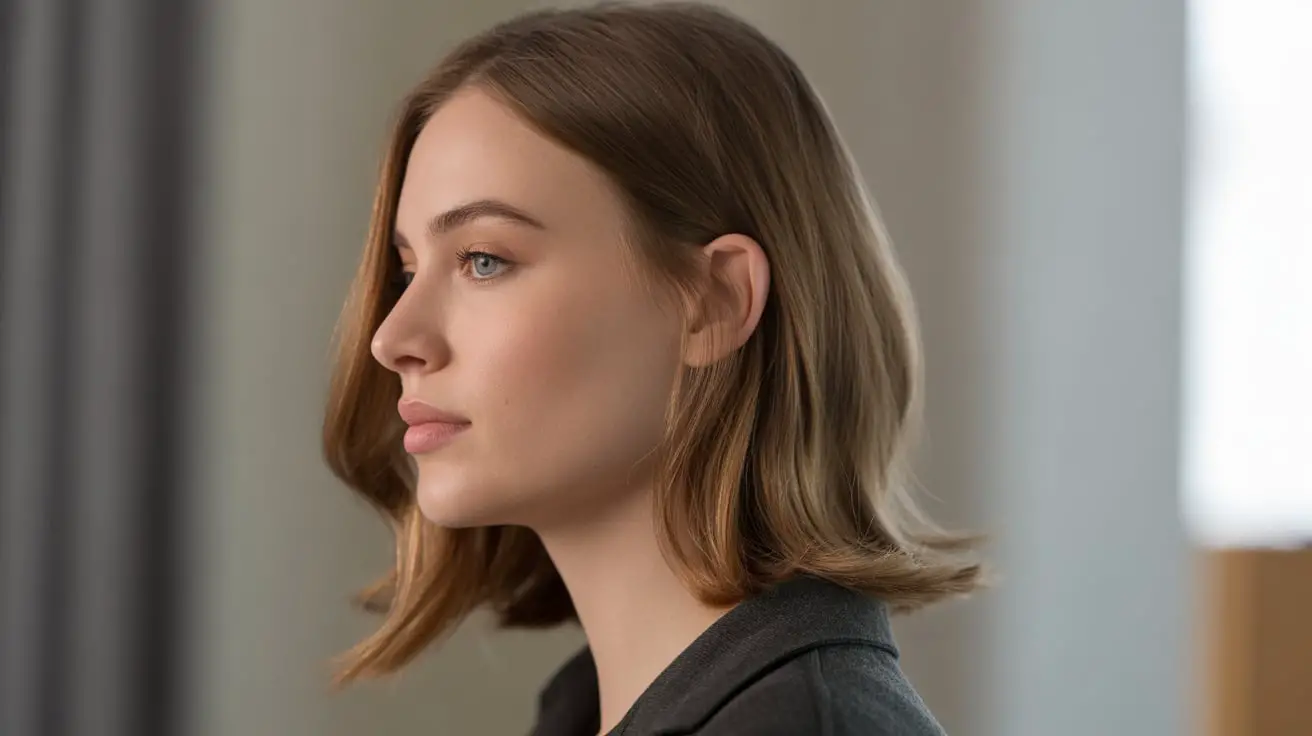
Finding the right light brown hair color can completely transform your appearance, but the secret lies in matching it to your skin tone. Light brown offers incredible versatility, ranging from cool ash tones to warm caramel hues, with countless variations in between. Each shade interacts differently with your natural coloring, either enhancing your features or potentially washing them out.
Your skin’s undertone plays the most crucial role in determining which light brown will make you glow. While surface color changes with sun exposure or seasonal shifts, undertones remain constant throughout your life. This permanent characteristic provides the foundation for selecting hair colors that harmonize with your natural beauty rather than competing against it.
The journey to discovering your ideal light brown shade starts with understanding these undertones and recognizing how different variations of this popular color family work with various skin tones. In the following sections, you’ll discover how to identify your undertone, which specific light brown shades complement each category, and professional techniques for achieving and maintaining your perfect color. Continue reading to unlock the full potential of light brown hair for your unique coloring.
Understanding Your Skin Undertone
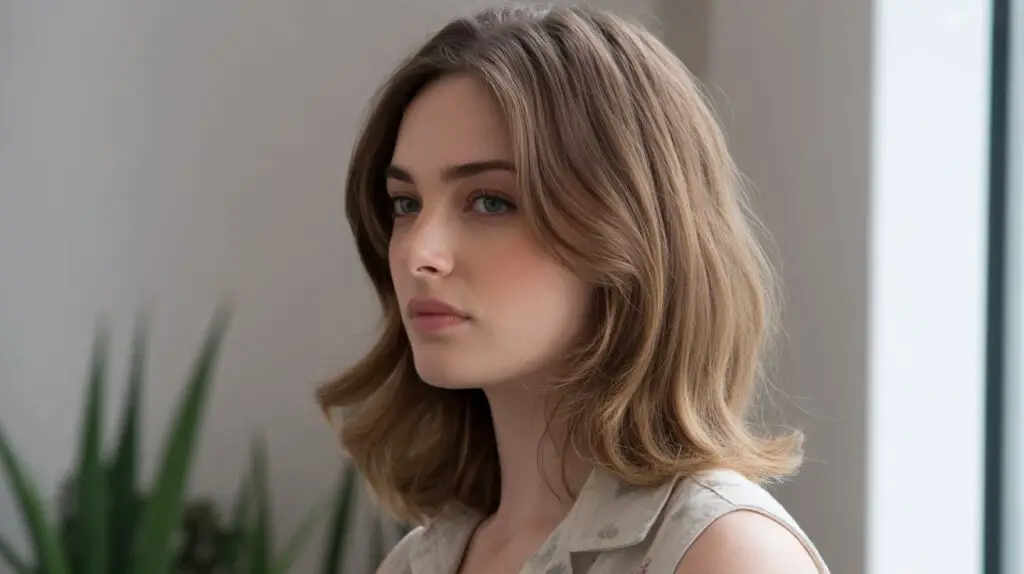
Determining your skin’s undertone forms the foundation for selecting any hair color, particularly within the nuanced light brown spectrum. Unlike your skin’s surface color, which varies with factors like sun exposure, undertones represent the permanent colors beneath your skin’s surface. These subtle hues influence how different hair colors appear against your complexion.
Cool Undertones Characteristics
Cool undertones appear as pink, red, or bluish hints beneath your skin’s surface. Your veins typically look blue or purple through your wrist skin, and silver jewelry tends to complement your complexion better than gold. You might burn easily in the sun before developing a tan, and your skin often has a rosy quality even without blushing.
Women with cool undertones often notice their skin looks best in jewel tones like sapphire blue, emerald green, or deep purple clothing. White fabrics make their complexion appear bright and fresh, while ivory or cream colors might make them look slightly yellow or dull. Foundation shopping becomes easier once you recognize these patterns – you’ll naturally gravitate toward products with pink or neutral bases rather than yellow ones.
Warm Undertones Characteristics
Warm undertones manifest as golden, yellow, or peachy colors beneath your skin. Looking at your wrist veins, they appear greenish rather than blue. Gold jewelry creates a harmonious glow against your skin, while silver might seem harsh or disconnected from your natural coloring.
Your skin likely tans easily, developing a golden or bronze tone rather than burning first. Earth tones like olive green, rust orange, and warm browns make your complexion appear vibrant and healthy. Cream and ivory fabrics suit you better than stark white, which might wash you out or create too much contrast.
Neutral Undertones Characteristics
Neutral undertones combine elements of both warm and cool, creating a balanced canvas that works with various colors. Your veins might appear blue-green, and both silver and gold jewelry look equally flattering. You tan gradually and evenly, neither burning excessively nor bronzing immediately.
This balanced undertone offers the most flexibility in color choices. Both warm and cool clothing colors can work, though you might notice certain shades within each category suit you better than others. Foundation matching often involves finding products labeled “neutral” or mixing warm and cool shades.
Testing Methods for Undertones
Several reliable methods help identify your undertone when visual assessment proves challenging. The white paper test involves holding pure white paper near your face in natural light – cool undertones make skin appear pink or rosy against white, warm undertones create a yellow or golden cast, while neutral undertones show no obvious lean either way.
Natural light provides the most accurate assessment conditions. Stand near a window during daylight hours, avoiding direct sunlight or artificial lighting that might skew color perception. Remove any makeup and pull your hair back to see your skin clearly. Consider asking a friend for their opinion, as others sometimes notice undertones more easily than we see them ourselves.
The jewelry test offers another simple approach: try on both silver and gold pieces, noting which metal makes your skin appear healthier and more vibrant. Some women find mixing metals looks best, indicating neutral undertones.
Pay attention to how your skin reacts to sun exposure over time. Quick burning followed by minimal tanning suggests cool undertones, easy tanning indicates warm undertones, while gradual, even tanning points to neutral undertones. These observations, combined with other testing methods, paint a comprehensive picture of your undertone category.
Light Brown Shades That Complement Cool Undertones
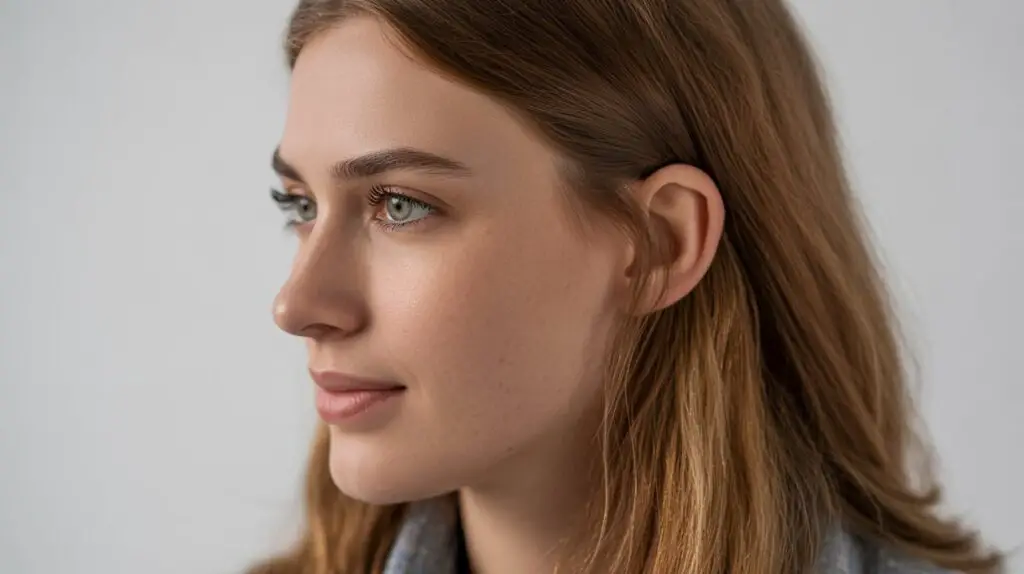
Cool-toned skin pairs beautifully with light brown shades that contain ash, violet, or blue-based pigments. These colors prevent the yellow or orange tones that can clash with pink or blue undertones, creating instead a sophisticated harmony between hair and complexion. The right cool-toned light brown enhances your natural coloring without overwhelming your delicate undertone balance.
Ash Light Brown Benefits
Ash light brown stands as the quintessential choice for cool undertones, offering a sophisticated blend of brown with gray or green hints. This shade eliminates any brassiness that might compete with your skin’s natural coolness. The subtle smokiness creates depth without warmth, allowing your skin’s natural pink or blue tones to shine through rather than fighting against conflicting warm pigments.
The versatility of ash tones means they work across various depths of cool-toned skin, from porcelain to deeper complexions with blue or red undertones. This particular shade photographs beautifully, maintaining its cool quality even under different lighting conditions. Unlike warmer browns that can appear orange or brassy over time, ash maintains its refined appearance longer between salon visits.
Professional colorists often recommend starting with a slightly darker ash brown than your target shade, as cool tones can fade faster than warm ones. The initial deeper color provides longevity while still achieving that desired cool-toned effect. Regular toning treatments help maintain the ash quality, preventing any unwanted warm tones from developing as the color oxidizes.
Mushroom Brown Advantages
Mushroom brown has gained popularity for its unique position between blonde and brunette, incorporating subtle gray tones that flatter cool complexions perfectly. This multidimensional color combines various cool brown shades with hints of ash blonde, creating movement and depth that prevents flatness. The complexity makes it particularly flattering for women whose cool undertones might otherwise appear washed out by single-process colors.
What makes mushroom brown special is its chameleon-like quality – appearing lighter in bright light while deepening to a richer brown in dimmer settings. This adaptability suits the varying intensity of cool undertones throughout different seasons and lighting situations. The built-in dimension also means less frequent touch-ups, as regrowth blends more naturally than with solid colors.
Cool Beige Brown Options
Cool beige brown offers a softer alternative to ash while maintaining the necessary cool base for pink and blue undertones. This shade combines the neutrality of beige with brown depth, avoiding both excessive warmth and harsh coolness. Think of it as the perfect middle ground – sophisticated enough for professional settings yet soft enough for everyday wear.
The beige element adds a creamy quality that prevents the sometimes flat appearance of straight ash browns. This creaminess works particularly well for women with fair to medium cool-toned skin, as it provides gentle contrast without creating harsh lines around the face. The shade also transitions beautifully into highlights or lowlights, offering options for adding further dimension.
Maintaining Cool Tones
Preserving cool-toned light brown requires specific care strategies, as these shades tend to fade or shift warm more quickly than their golden counterparts. Purple shampoos and conditioners become essential tools, neutralizing any yellow or orange tones that develop between salon visits. Using these products once or twice weekly helps maintain the intended cool quality.
Here are essential maintenance tips for cool-toned light brown:
Water Temperature: Use lukewarm or cool water for washing, as hot water opens the cuticle and releases cool pigments faster
Sun Protection: UV rays break down cool tones quickly, so use hair products with SPF protection
Chlorine Defense: Apply leave-in conditioner before swimming to create a barrier against pool chemicals
Toning Treatments: Schedule professional glossing services every 6-8 weeks to refresh cool pigments
Heat Styling: Always use heat protectant sprays, as high temperatures can alter cool tones
Product Recommendations
The right products make the difference between cool tones that last and those that fade within weeks. Professional-grade purple shampoos work more effectively than drugstore versions, depositing pigment while cleansing. Look for formulas specifically designed for brunettes rather than blondes, as these contain the appropriate pigment levels for brown hair.
Color-depositing masks provide intensive treatment for maintaining cool tones at home. These weekly treatments refresh color while conditioning, hitting two goals simultaneously. Choose masks labeled for ash or cool brown shades rather than generic “brown” options.
Leave-in treatments with UV protection serve double duty by preventing both color fade and hair damage. These lightweight formulas won’t weigh down fine hair while still providing necessary protection. Apply them before any sun exposure, reapplying after swimming or excessive sweating.
Selecting the right styling products also impacts color longevity. Avoid products containing sulfates, alcohols, or heavy oils that can strip or alter cool tones. Instead, choose color-safe formulas that specifically mention protection for processed hair.
Warm Light Brown Options for Warm Skin Tones
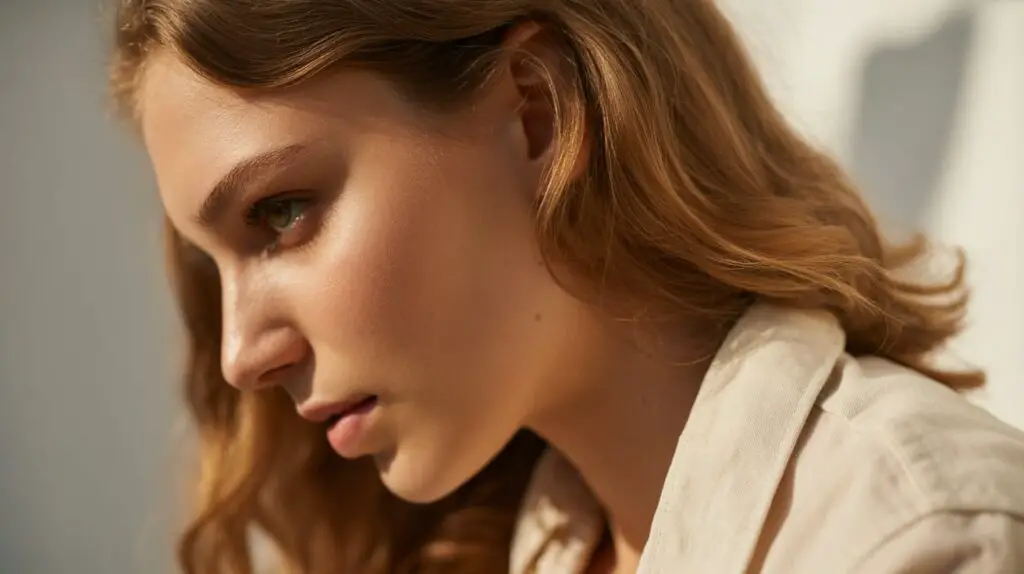
Warm-toned skin radiates when paired with light browns containing golden, copper, or red undertones. These harmonious combinations create a sun-kissed effect that looks natural and healthy year-round. The key lies in selecting shades that echo your skin’s inherent warmth without overwhelming your features or creating an overly monochromatic appearance.
Golden Light Brown Characteristics
Golden light brown delivers the perfect balance of brightness and depth for warm undertones. This shade incorporates yellow and gold reflects that catch light beautifully, creating luminous dimension throughout your hair. The golden elements mirror the natural warmth in your skin, producing a cohesive look that appears effortlessly coordinated.
The beauty of this shade lies in its ability to brighten your entire complexion without requiring the commitment or maintenance of blonde. Golden brown offers similar light-reflecting properties while maintaining the richness and coverage that brunettes often prefer. This makes it an ideal choice for women wanting to lighten their hair without sacrificing depth or dealing with extensive root maintenance.
Styling golden light brown becomes particularly enjoyable because the color responds beautifully to both straight and textured styles. Straight hair showcases the golden reflects like a mirror, while waves and curls create patches of light and shadow that emphasize the multi-tonal quality. The warmth in this shade also means it photographs exceptionally well in both natural and artificial light, maintaining its golden quality across various settings.
Caramel Brown Variations
Caramel brown spans a delicious range from light butterscotch to deeper toffee tones, all unified by their warm, sweet-looking quality. This shade family works especially well for women with medium to deep warm-toned skin, as the richness provides beautiful contrast while maintaining tonal harmony. The complexity within caramel shades means colorists can customize the exact variation to complement your specific skin tone.
Women with olive skin find caramel brown particularly flattering, as it brings out the golden aspects of their complexion while providing enough contrast to prevent looking washed out. The natural variation in caramel shades also mimics how hair lightens in the sun, creating an authentic, lived-in appearance that requires less frequent touch-ups than more uniform colors.
The versatility of caramel extends to its compatibility with various highlighting techniques. Babylights in lighter caramel tones create subtle dimension, while bolder highlights in butterscotch or honey tones add drama. This flexibility allows you to adjust your look seasonally or as your preferences change without completely changing your base color.
Honey-Tinted Browns
Honey-infused light browns offer a softer warmth than pure golden shades, incorporating subtle amber tones that flatter warm skin without appearing brassy. This shade reads as naturally sun-lightened hair, making it perfect for women seeking an enhanced version of their natural color rather than a dramatic change.
The amber undertones in honey brown work particularly well for warm-toned women with lighter eyes, as they create a beautiful echo between hair and eye color. Green, hazel, and light brown eyes appear especially vibrant against honey-tinted hair, as the warm reflects bring out similar tones in the iris.
What sets honey browns apart from other warm shades is their incredible shine factor. The translucent quality of honey tones creates an almost glossy finish that makes hair appear healthy and well-maintained even between salon visits. This natural shine reduces the need for glossing treatments or shine sprays, simplifying your hair care routine while maintaining a polished appearance.
Bronze Light Brown Shades
Bronze light brown incorporates subtle red undertones that add richness and depth to warm complexions. This sophisticated shade sits between traditional brown and auburn, offering the warmth of red without the full commitment to being a redhead. The metallic quality suggested by the name comes from how light plays across the various warm tones within the color.
For warm-toned women who find pure golden browns too yellow, bronze offers an excellent alternative. The red elements add complexity that prevents the flat, one-dimensional look that can sometimes occur with single-process warm browns. This makes bronze particularly suitable for women with warm undertones who also have some pink in their complexion.
The fade pattern of bronze brown tends to be more graceful than other warm shades. As the color processes and settles, it develops into beautiful copper and gold tones rather than turning brassy or orange. This natural evolution means you can extend time between color appointments while still maintaining an intentional, polished look.
Color Maintenance Tips
Warm light browns generally maintain their vibrancy longer than cool tones, but specific care helps preserve their golden beauty. Protecting against brassiness remains important, though the approach differs from cool-toned maintenance. Rather than purple-based products, warm browns benefit from gold-enhancing or color-depositing treatments that refresh warm pigments.
Choose shampoos and conditioners formulated for color-treated hair, focusing on sulfate-free options that won’t strip warm tones. Many brands offer products specifically for golden or warm browns that contain subtle color deposits to refresh your shade between salon visits. These work differently from purple shampoos, adding warmth rather than neutralizing it.
Heat styling actually helps warm tones appear more vibrant, as the warmth brings out golden reflects. However, protection remains crucial to prevent damage. Use heat protectants that also offer color protection, creating a barrier between your hair and styling tools while preserving pigment.
Consider professional glossing treatments every 8-10 weeks to revive warm tones that may have dulled. These treatments restore shine while depositing fresh pigment, essentially refreshing your color without the commitment of full processing. Many salons offer express glossing services that take less than an hour, making maintenance convenient.
Environmental factors affect warm tones differently than cool ones. While sun exposure can enhance golden reflects initially, prolonged exposure leads to unwanted brassiness. Balance sun exposure with protective products, using leave-in treatments with SPF during outdoor activities. Swimming in chlorinated pools requires pre-treatment with protective products, as chlorine can turn warm browns greenish.
Neutral Light Browns for Versatile Looks
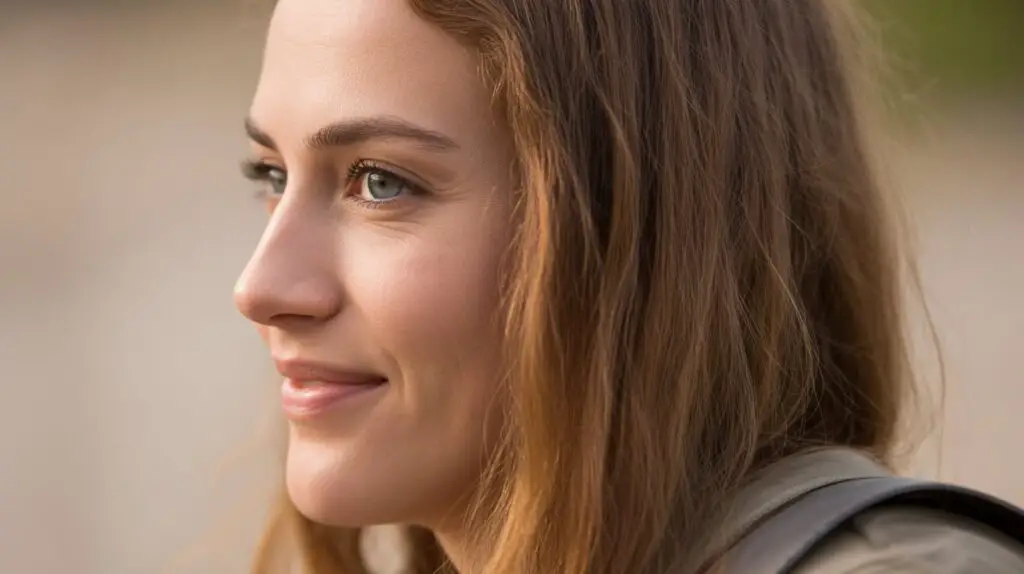
Neutral light browns offer the ultimate flexibility for women with balanced undertones, providing options that lean neither distinctly warm nor cool. These adaptable shades work harmoniously with your skin’s natural balance, allowing you to experiment with different styling approaches and complementary colors without the constraints of staying strictly warm or cool.
Natural Light Brown Benefits
Natural light brown mimics the authentic color many women had as children before environmental factors and aging altered their hair. This shade contains a balanced mix of warm and cool pigments that creates depth without pulling strongly in either direction. The result looks genuinely natural, as though you’ve simply enhanced what nature gave you rather than dramatically altering your appearance.
This balanced approach means natural light brown adapts to different lighting conditions more seamlessly than strongly warm or cool shades. In sunlight, subtle golden reflects might appear, while indoor lighting might reveal cooler, ashier tones. This chameleon quality prevents the color from looking flat or artificial in any setting.
The grow-out process with natural light brown proves particularly graceful. Since the color doesn’t lean heavily warm or cool, regrowth blends more easily with the colored lengths. This extends the time between necessary touch-ups, making it an economical choice for busy women who can’t commit to frequent salon visits.
Walnut Brown Options
Walnut brown combines the richness of chocolate with subtle red and gold undertones, creating a complex neutral that works beautifully with balanced skin tones. This sophisticated shade appears expensive and multi-dimensional without requiring extensive highlighting or lowlighting techniques.
The depth of walnut brown makes it particularly flattering for women with medium to deep neutral skin tones, providing enough contrast to define features without creating harsh lines. The subtle warmth prevents the color from appearing flat or dull, while the brown base keeps it from becoming too red or golden.
Professional colorists love working with walnut brown because it serves as an excellent base for additional dimension. Subtle highlights in either warm or cool tones integrate seamlessly, allowing you to shift your look seasonally without changing your base. This adaptability makes walnut brown an investment color that grows with your changing preferences.
Chestnut Variations
Chestnut light brown incorporates slightly more red than walnut while maintaining overall neutrality. These variations range from light chestnut with subtle copper reflects to deeper versions with mahogany hints. The red elements add vibrancy without committing to auburn, perfect for neutral-toned women wanting more excitement in their color.
The reflective quality of chestnut shades creates exceptional shine and movement. Light bounces off the various tones within the color, producing an almost three-dimensional effect that makes hair appear thicker and healthier. This optical illusion benefits women with fine or thinning hair who want to create the appearance of fuller locks.
Chestnut’s versatility extends to its compatibility with various skin tones within the neutral category. Lighter chestnut works beautifully with fair neutral skin, while deeper variations complement medium to deep neutral complexions. The key lies in selecting the right depth and intensity of chestnut to provide appropriate contrast with your skin tone.
Balayage Possibilities
Neutral light browns provide the perfect canvas for balayage techniques, as the balanced base allows for both warm and cool painted highlights. This hand-painted approach creates natural-looking dimension that mimics how hair naturally lightens from sun exposure. The technique particularly suits neutral undertones because you can incorporate both warm and cool pieces without creating discord.
The placement of balayage on neutral brown bases can be customized to enhance your features. Face-framing pieces might lean slightly warmer to brighten your complexion, while underneath sections could incorporate cooler tones for depth. This strategic placement creates a custom color that works specifically with your face shape and features.
Consider these balayage variations for neutral light brown:
Sun-Kissed Effect: Combines honey and beige highlights for a beachy, natural look
Dimensional Bronze: Incorporates copper and gold pieces for warmth and movement
Cool Contrast: Uses ash and mushroom tones for sophisticated depth
Neutral Blend: Mixes equal amounts of warm and cool highlights for balanced dimension
Maintenance for balayaged neutral brown proves less demanding than traditional highlights. The painted technique creates a soft grow-out that doesn’t produce obvious lines of demarcation. This means you can wait 12-16 weeks between appointments rather than the typical 6-8 weeks required for traditional foil highlights.
Styling Considerations
Neutral light browns shine differently depending on your styling choices, making technique selection important for achieving your desired look. Smooth, straight styles showcase the color’s uniformity and shine, perfect for professional settings or sleek evening looks. The neutral quality means you won’t get the brass or ash casts that can appear unflattering in office lighting.
Textured styles bring out the multi-dimensional aspects of neutral browns. Beach waves reveal hidden tones and reflects, creating visual interest through the interplay of light and shadow. Curls produce even more variation, with each spiral catching light differently to showcase the color’s complexity.
Product selection for neutral browns requires balance to avoid pushing the color too warm or cool. Choose styling products without color-enhancing properties that might alter your carefully balanced shade. Clear or white products work better than those with yellow or violet tints that could shift your neutral base.
The finishing touches matter significantly with neutral browns. Shine sprays and serums enhance the reflective quality without adding unwanted tones. Apply these products sparingly to avoid weighing hair down or creating an overly greasy appearance. Focus application on mid-lengths to ends where shine naturally concentrates.
Consider your wardrobe when styling neutral light brown hair. This versatile shade allows you to wear both warm and cool clothing colors, but certain combinations create more impact. Jewel tones make neutral brown appear richer, while pastels create a softer, more romantic effect. This flexibility means you won’t need to overhaul your closet after coloring your hair.
Professional Tips for Achieving Your Ideal Shade
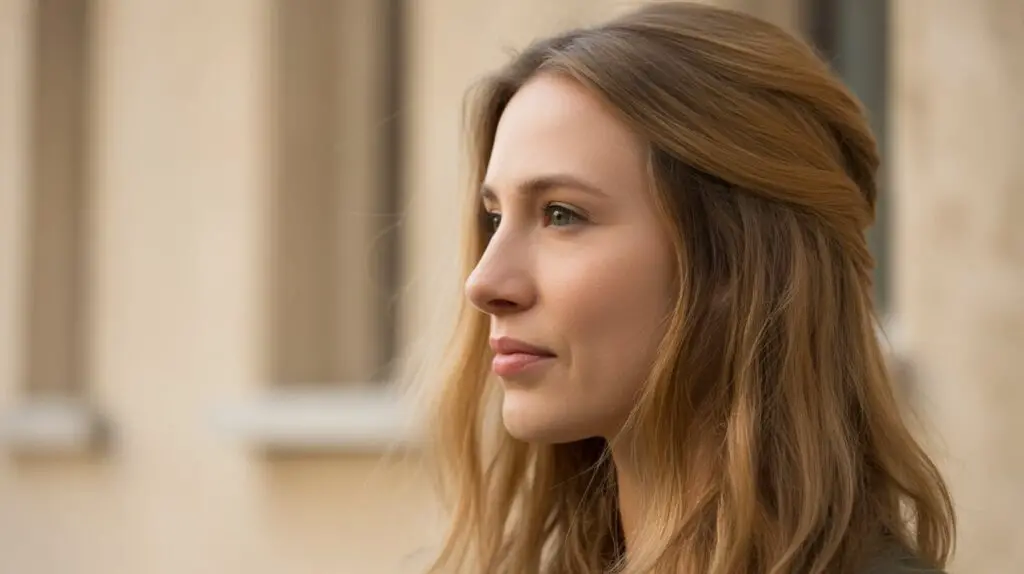
Successfully achieving your perfect light brown shade requires more than selecting the right color – it demands proper consultation, technique, and ongoing maintenance. Professional colorists bring expertise that helps navigate the complexities of hair coloring, from assessing your starting point to creating a long-term color strategy that maintains your hair’s health while achieving your aesthetic goals.
Consultation Importance
A thorough consultation forms the foundation of successful hair coloring, yet many women underestimate its significance. This conversation allows your colorist to assess not just your desired outcome but also your hair’s current condition, your lifestyle, and your maintenance commitment level. Bringing reference photos helps, but understanding that your hair’s unique characteristics might prevent exact replication proves equally important.
During consultations, colorists evaluate your hair’s porosity, density, and existing color to determine what’s achievable in one session versus what might require multiple appointments. Previously colored hair reacts differently than virgin hair, and your colorist needs this history to predict how your hair will respond to new color. Honesty about past chemical treatments, including relaxers or keratin treatments, prevents unexpected reactions or damage.
Your daily routine influences color recommendations too. Women who swim regularly need different formulations than those who rarely expose their hair to chlorine or salt water. Heat styling frequency, product use, and even your water quality at home affect how your color will fade and what maintenance it requires.
Color Processing Basics
Understanding the chemistry behind hair coloring helps set realistic expectations for your transformation. Lightening dark hair to achieve light brown requires lifting existing pigment, which takes time and potentially multiple sessions to achieve without damage. Your natural hair color determines how much warm pigment needs neutralization during the lifting process.
Single-process color works well when going darker or staying within two levels of your natural shade. This approach deposits color while minimally lifting natural pigment, resulting in less damage and more predictable results. However, achieving light brown on naturally dark hair often requires a double-process: first lightening, then toning to achieve the desired shade.
The developer strength your colorist chooses affects both the final result and your hair’s condition. Lower volume developers cause less damage but provide less lift, while higher volumes achieve more dramatic lightening at the cost of increased stress on your hair structure. Your colorist balances these factors based on your hair’s health and your desired outcome.
Processing time varies based on your hair’s characteristics and the technique being used. Fine hair typically processes faster than coarse hair, while porous hair might grab color quickly but also release it faster. Your colorist monitors the process, checking frequently to ensure even development without over-processing.
Home Maintenance Routines
Establishing a comprehensive home care routine extends the life of your professional color while maintaining your hair’s health. This routine should address cleansing, conditioning, and styling while protecting your investment in your new shade.
Your washing schedule significantly impacts color longevity – washing every 2-3 days rather than daily prevents premature fading. On non-wash days, dry shampoo absorbs oil without stripping color, though choosing the right formula matters. Tinted dry shampoos can deposit subtle color while refreshing your roots.
Weekly deep conditioning treatments restore moisture that coloring processes remove. Look for treatments specifically formulated for color-treated hair, as these contain ingredients that seal the cuticle and lock in pigment. Apply these treatments to damp hair, focusing on mid-lengths and ends where damage concentrates.
Consider this weekly maintenance schedule:
Monday: Regular wash with color-safe shampoo and conditioner
Wednesday: Co-wash (conditioner only) or dry shampoo application
Friday: Full wash followed by deep conditioning treatment
Sunday: Clarifying treatment (monthly) or regular wash
Daily: Leave-in protectant before any heat styling
Touch-Up Scheduling
Strategic touch-up scheduling maintains your color’s beauty while minimizing damage from repeated processing. Root touch-ups typically need attention every 4-6 weeks, though this varies based on your growth rate and the contrast between your natural and colored hair. Lighter shades against dark roots require more frequent attention than colors close to your natural shade.
All-over color refreshing happens less frequently – usually every 8-12 weeks depending on how well you maintain your color at home. This service revives faded color throughout your lengths while addressing roots, ensuring uniform color from root to tip. Alternating between root-only and all-over services reduces cumulative damage.
Glossing treatments between full color services refresh shine and tone without the commitment of permanent color. These demi-permanent treatments last 4-6 weeks, perfect for maintaining vibrancy between regular appointments. They also allow subtle adjustments if you want to shift slightly warmer or cooler without completely changing your base.
Planning your color schedule around major events or seasons helps maintain your best look year-round. Many women schedule significant color changes for fall and spring, with maintenance appointments between. Summer might require extra glossing services to combat sun damage, while winter’s harsh indoor heating might necessitate additional conditioning treatments.
Common Mistakes to Avoid
Box color temptation leads many women astray, particularly when root growth becomes noticeable between appointments. These one-size-fits-all formulas can’t account for your hair’s unique characteristics or existing color, often producing uneven results that require expensive correction. The temporary savings rarely justify the potential damage and disappointing outcomes.
Over-processing represents another frequent error, especially when attempting to achieve light brown from very dark hair in one session. Patience during the lightening process preserves hair integrity better than pushing for immediate results. Multiple sessions spaced weeks apart achieve beautiful color while maintaining healthy hair.
Neglecting strand tests before major color changes invites disaster. This simple precaution reveals how your hair will react to new formulas, preventing unpleasant surprises on your entire head. Your colorist should perform these tests, particularly when trying new techniques or making dramatic changes.
Using the wrong water temperature wreaks havoc on fresh color. Hot water opens the cuticle, allowing pigment to escape, while cool water seals it in place. That steamy shower feels wonderful but costs you color vibrancy and longevity. Lukewarm water cleans effectively without compromising your color investment.
Skipping professional consultations when changing colorists or salons creates continuity problems. Each colorist uses different product lines and techniques, so thorough communication about your color history prevents formula conflicts or unexpected results. Bring photos of your current color and any previous colors you’ve had for reference.
The Perfect Light Brown
Light brown hair offers endless possibilities for enhancing your natural beauty, but success depends on understanding the crucial relationship between hair color and skin undertones. Whether you possess cool undertones that shine with ash and mushroom browns, warm undertones that glow with golden and caramel shades, or neutral undertones that adapt to versatile walnut and chestnut tones, there’s a perfect light brown waiting to transform your look.
Taking time to identify your undertone through simple tests, consulting with professionals, and maintaining your chosen shade properly ensures your investment in beautiful color pays off long-term. The path to your ideal light brown might require patience, especially when lightening darker hair, but the stunning results justify the careful approach. Your perfect shade exists – it simply requires the knowledge and commitment to achieve and maintain it successfully.
Frequently Asked Questions
Q: How long does it take to go from black hair to light brown?
A: Achieving light brown from black hair typically requires 2-4 salon sessions spaced 4-6 weeks apart to prevent excessive damage. The exact timeline depends on your hair’s condition, desired shade, and how your hair responds to lightening.
Q: Will light brown hair make me look older or younger?
A: Light brown generally creates a softer, more youthful appearance than very dark or very light extremes. The key lies in choosing the right undertone for your skin – the correct match brightens your complexion and minimizes imperfections.
Q: Can I achieve light brown hair color at home?
A: While possible for minor changes, achieving light brown from significantly darker hair requires professional expertise to avoid damage and ensure even results. Home coloring works best when staying within 2 levels of your natural color.
Q: How much does professional light brown hair coloring cost?
A: Professional coloring ranges from $75-$300+ depending on your location, salon tier, starting color, and chosen technique. Complex corrections or multiple sessions for dramatic lightening increase costs significantly.
Q: Which light brown shade requires the least maintenance?
A: Natural light brown closest to your original color requires minimal maintenance, needing touch-ups every 6-8 weeks. Balayage techniques also reduce maintenance by creating soft regrowth lines.
Q: Does light brown hair fade quickly?
A: Cool-toned light browns fade faster than warm ones, typically requiring refresh treatments every 4-6 weeks. Proper home care, including color-safe products and cool water washing, significantly extends color life.
Q: Can I add highlights to light brown hair?
A: Light brown provides an excellent base for highlights in various tones. Warm bases suit honey or caramel highlights, cool bases work with ash or pearl tones, while neutral bases accommodate both warm and cool dimensions.
Q: Will purple shampoo work on light brown hair?
A: Purple shampoo benefits cool-toned light browns by neutralizing unwanted yellow or orange tones. Warm light browns should avoid purple shampoo, as it can dull intended golden reflects.
Q: How do I fix orange tones in my light brown hair?
A: Orange tones indicate insufficient lifting or wrong toner choice. Professional toning with blue or blue-violet based products neutralizes orange, though severe cases might require additional lightening first.

