

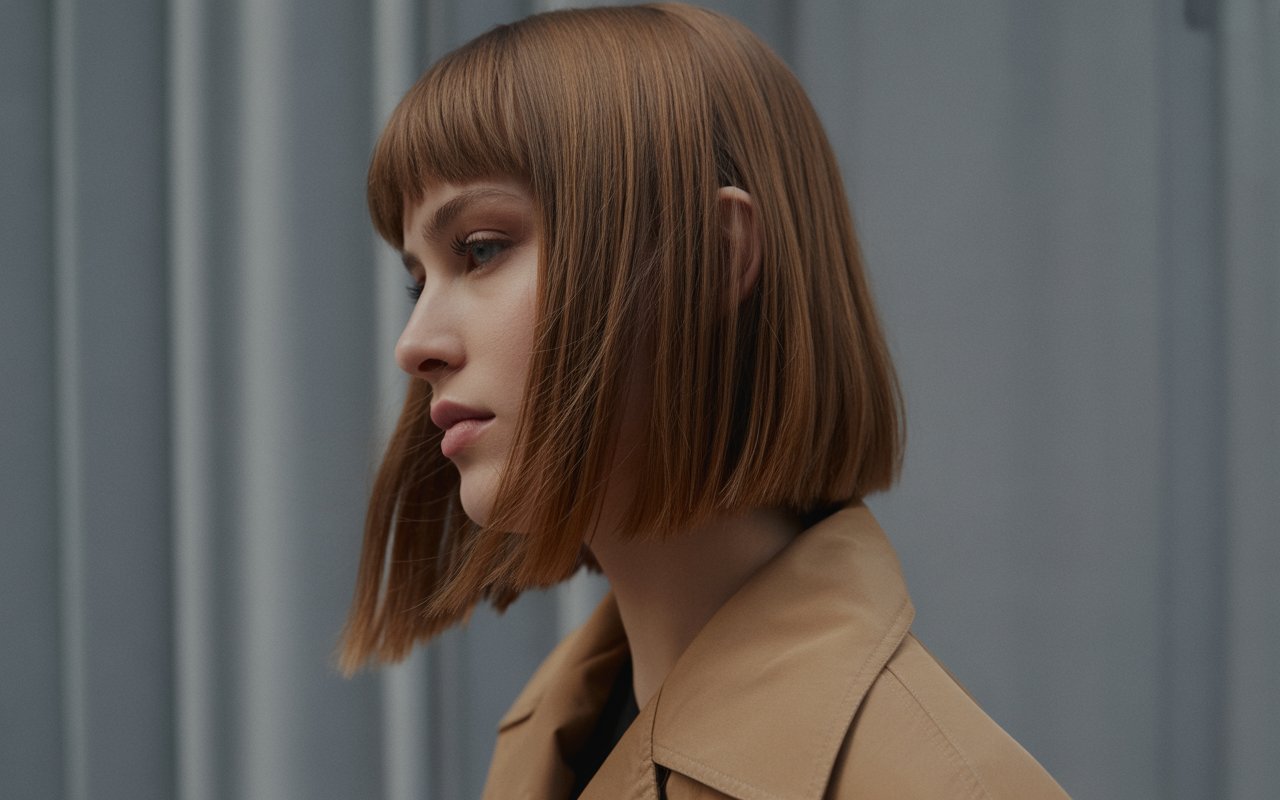
The lob haircut has become the go-to choice for women seeking a fresh, modern look that strikes the perfect balance between short and long hair. This versatile cut sits right at or just below the shoulders, offering endless styling possibilities while requiring minimal daily effort. Women everywhere are discovering that this particular length provides the freedom to experiment with different textures and finishes without committing to dramatic short hair or dealing with the maintenance of longer locks.
Fashion-forward salons report that lob requests have increased significantly, with stylists noting how this cut flatters virtually every face shape and hair texture. The beauty of this haircut lies in its adaptability – whether you prefer sleek and polished or tousled and casual, there’s a variation that suits your lifestyle. Professional women particularly appreciate how it transitions seamlessly from boardroom meetings to weekend brunches, maintaining its shape and style throughout busy schedules.
In the following sections, you’ll discover the most sought-after lob variations dominating salon chairs this year, along with expert styling techniques and maintenance tips. From understanding which variation complements your hair type to mastering quick styling methods, this comprehensive guide covers everything you need to know about joining the lob revolution. Let’s uncover why this haircut continues to reign supreme and how you can make it work for your unique style.
What Makes the Lob Haircut So Popular
The lob’s rise to prominence isn’t just another fleeting trend – it represents a fundamental shift in how women approach hair length and maintenance. This haircut offers something that few others can: the ability to look polished without hours of styling, while still providing enough length for versatility. Women who’ve made the switch often report feeling more confident and put-together, even on their busiest mornings.
Versatility for Different Face Shapes
One of the most compelling reasons for the lob’s widespread appeal is its universal flattery. Round faces benefit from the elongating effect of shoulder-length hair, while square faces soften with gentle layers around the jawline. Heart-shaped faces find balance with the weight distributed at the bottom, and oval faces can experiment with virtually any lob variation. This adaptability means you don’t need perfect proportions to rock this style – the right cut can enhance your natural features beautifully.
Your stylist can customize the cut to highlight your best features. Adding subtle angles can create the illusion of stronger cheekbones, while keeping the length uniform provides a classic, elegant silhouette. The key lies in understanding your face shape and working with, rather than against, your natural bone structure.
Low Maintenance Appeal
Modern life demands hairstyles that work as hard as we do, and this cut delivers exactly that. Unlike pixie cuts that require frequent trims or long hair that needs extensive styling, the lob maintains its shape for weeks. Most women find they can extend their salon visits to every 8-10 weeks without losing the cut’s integrity.
The beauty of this length is that it air-dries beautifully with minimal product. A quick blow-dry takes minutes rather than the half-hour required for longer hair. Even bed head often looks intentionally tousled rather than messy, making those rushed mornings considerably less stressful.
Professional Yet Trendy Look
Corporate environments often have unspoken rules about appropriate hairstyles, and the lob navigates these waters perfectly. It projects professionalism while avoiding the severity sometimes associated with very short cuts or the potential unprofessionalism of extremely long hair. This balance makes it ideal for women climbing career ladders who want to maintain their personal style.
The cut also photographs beautifully, an increasingly important consideration in our social media age. Whether you’re updating your LinkedIn profile or posting weekend selfies, this length frames the face attractively from every angle. It’s long enough to pull back for formal events yet short enough to wear down without overwhelming your features.
Length Flexibility
Perhaps the most liberating aspect of the lob is the styling freedom it provides. You can create updos for special occasions, though they’ll have a more relaxed, modern feel than traditional long-hair styles. Ponytails sit at the perfect height, avoiding the droopy look that longer hair sometimes creates. Half-up styles work beautifully, offering countless variations for different occasions.
This flexibility extends to texture choices too. Straight, wavy, curly – each texture transformation feels like a completely different hairstyle. Women report feeling like they have multiple haircuts in one, simply by changing their styling approach. This versatility justifies the investment in a quality cut, as you’re essentially getting several looks for the price of one.
The growing popularity also stems from its transitional nature. If you’re considering going shorter but feel nervous about a dramatic change, the lob serves as a perfect stepping stone. Conversely, if you’re growing out a shorter cut, this length provides a stylish checkpoint rather than an awkward in-between phase.
Classic Lob Variations Trending This Year
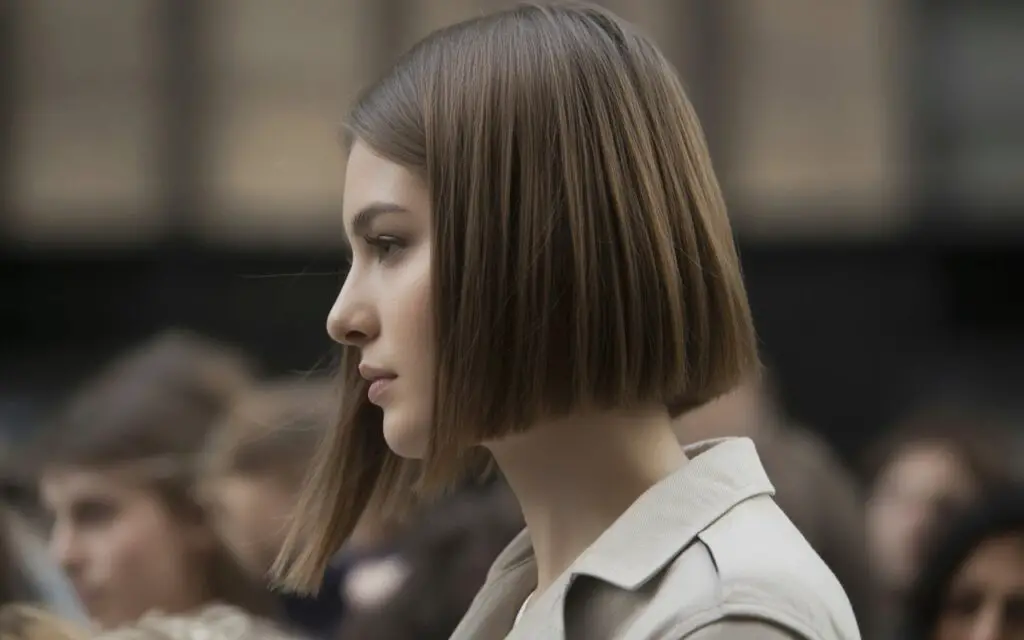
Salons across the country report certain lob styles dominating their appointment books, each offering distinct advantages for different hair types and personal preferences. These variations represent the evolution of the classic cut, incorporating modern techniques and styling approaches that reflect current fashion sensibilities. Understanding these options helps you communicate effectively with your stylist and choose the version that best suits your lifestyle.
Blunt Lob
The blunt lob makes a bold statement with its precise, even line that creates an impression of thickness and health. This variation works exceptionally well for women with fine to medium hair, as the uniform length creates an optical illusion of density. The clean edge gives off a sophisticated, editorial vibe that pairs beautifully with minimalist fashion choices.
Styling a blunt version requires attention to detail, as any unevenness becomes immediately apparent. A flat iron becomes your best friend, creating that glass-like finish that defines this style. However, you can also wear it with natural texture for a more relaxed interpretation. The contrast between the structured cut and casual styling creates an effortlessly chic aesthetic.
Women with naturally straight hair find this variation particularly manageable, often needing just a quick brush-through in the morning. Those with wavy or curly textures can achieve the look with proper heat styling, though it requires more commitment to daily maintenance.
Layered Lob
Layers breathe life and movement into the traditional cut, creating dimension that flatters virtually every hair type. This approach works magic on thick hair by removing bulk while maintaining length, and adds visual interest to fine hair through strategically placed graduation. The key lies in subtle layering – too many layers can make the cut appear dated or overly complicated.
Your stylist might incorporate face-framing layers that start around the cheekbones, creating a soft, flattering effect. These shorter pieces draw attention to your eyes and cheekbones while the longer layers maintain the overall silhouette. The result feels both structured and free-flowing, professional yet approachable.
The maintenance requirements for layered versions vary depending on your hair’s natural texture. Straight hair might need texturizing products to enhance the layers’ visibility, while wavy hair often showcases them naturally. Regular trims every 6-8 weeks keep the layers looking intentional rather than grown-out.
Asymmetrical Lob
For women seeking something slightly edgier, the asymmetrical variation offers personality without extreme commitment. One side sits slightly longer than the other, creating visual interest and modern appeal. This subtle difference – often just an inch or two – adds intrigue without venturing into avant-garde territory.
The asymmetry can be dramatic or barely noticeable, depending on your comfort level. Some women prefer a gentle graduation from one side to the other, while others opt for a more pronounced difference. This flexibility makes it accessible to both conservative and adventurous personalities.
Styling an asymmetrical cut requires some consideration of the longer side. You might tuck the shorter side behind your ear while letting the longer side sweep forward, or part your hair to emphasize the contrast. The uneven length also creates interesting silhouettes when pulled back, with pieces naturally falling at different lengths.
Textured Lob
The textured variation represents the most contemporary interpretation, incorporating choppy ends and piece-y layers that create an lived-in appearance. This style speaks to the current preference for undone, effortless beauty. Rather than seeking perfection, it celebrates controlled imperfection that feels authentic and approachable.
Creating texture involves various cutting techniques that your stylist might employ:
Point Cutting: Creates soft, feathered ends that move naturally
Razor Cutting: Produces wispy, lightweight pieces perfect for fine hair
Slide Cutting: Builds internal movement without removing length
Channel Cutting: Adds deep texture for thicker hair types
This variation particularly suits women who prefer air-drying their hair or want to minimize heat styling. The built-in texture means you can scrunch in some product and go, achieving that coveted “I woke up like this” look that actually requires zero effort. Beach waves, tousled finishes, and piece-y definition all come naturally to this cut.
The textured approach also ages gracefully between salon visits. As it grows, the intentionally imperfect edges maintain their character rather than looking unkempt. This makes it ideal for busy women who can’t commit to frequent touch-ups but still want to look polished.
Color plays beautifully with textured cuts too. Highlights and lowlights become more visible through the varied lengths, creating depth and dimension that enhances the overall effect. Even single-process color appears more dynamic when paired with textured cutting techniques.
Styling Techniques for Your Lob
Mastering the art of styling your lob opens up a world of possibilities, transforming one haircut into dozens of different looks. The techniques you choose depend on your hair’s natural texture, the time you have available, and the occasion you’re preparing for. Professional stylists emphasize that understanding your hair’s behavior at this length helps you work with it rather than against it, leading to better results with less effort.
Heat Styling Methods
Heat tools remain the quickest route to polished perfection, though modern approaches emphasize protection and efficiency over extreme temperatures. The key tool for lob styling is a medium-barrel curling iron or wand, typically 1.25 to 1.5 inches in diameter. This size creates waves that complement the length without overwhelming it.
Start with completely dry hair and apply a heat protectant from mid-length to ends. Section your hair horizontally, beginning at the bottom. Wrap sections around the barrel, leaving the ends out for a more modern finish. Hold for 5-8 seconds, then release and allow the curl to cool in your palm before letting it fall. This cooling period sets the shape, ensuring longer-lasting results.
For a sleeker look, a flat iron becomes invaluable. Run it through sections with a slight bend at the ends – either flipping under for a classic look or flicking out for a retro vibe. The trick lies in maintaining consistent tension and speed throughout each pass. Too slow and you risk heat damage; too fast and the style won’t hold.
Creating beach waves requires a different approach. Alternate the direction you wrap each section – toward your face, then away – for natural-looking variation. Once all sections are complete, run your fingers through to break up the pattern. This technique produces that effortless, vacation-hair effect that pairs perfectly with casual outfits.
Air-Dry Techniques
The modern woman doesn’t always have time for heat styling, making air-dry methods increasingly valuable. Success starts in the shower with the right products. A lightweight leave-in conditioner prevents frizz, while a volumizing mousse at the roots prevents flat, lifeless results.
After towel-drying, apply your chosen products and create your desired part. For natural waves, twist sections while damp and secure with small clips until dry. This method, called pin curls without the pins, creates gentle movement without heat damage. Remove the clips once fully dry and shake out the roots for volume.
If you prefer a straighter finish, the wrap method works wonders. Brush damp hair smooth, then wrap it around your head, securing with bobby pins. Think of it as creating a hair helmet. As it dries in this position, the hair takes on a smooth, straight shape with subtle body at the roots.
Product Recommendations
The right products make the difference between a good hair day and a great one. For fine hair, volumizing mousses and root lift sprays add body without weight. Apply these to damp hair, concentrating on the crown area where flatness typically occurs. Dry shampoo also becomes essential, refreshing your style and adding texture between washes.
Medium to thick hair benefits from smoothing serums and lightweight oils. These products tame frizz and add shine without the heaviness that longer hair might tolerate. Apply them to damp hair before styling, or use a tiny amount on dry hair to finish and polish your look.
Texturizing sprays work universally, adding grip and definition regardless of your hair type. Spray them on dry hair before styling for better hold, or after styling for piece-y separation. Salt sprays create beachy texture but can be drying, so use them sparingly and always follow with a hydrating treatment weekly.
Quick Styling Tips
Some mornings demand five-minute solutions, and these quick techniques deliver presentable results fast. The half-up twist takes seconds: gather the top section of hair, twist it once, and secure with a small elastic or decorative clip. This instantly polishes your look while keeping hair out of your face.
The low bun works beautifully with lob length. Gather hair at the nape, twist into a loose bun, and secure with bobby pins. Leave face-framing pieces out for softness. This style looks intentionally undone rather than rushed, perfect for both office and evening events.
For instant volume, flip your head upside down and blast the roots with cool air from your blow dryer. This technique lifts the hair away from the scalp without the time investment of a full blowout. Follow with a light mist of hairspray to maintain the lift throughout the day.
The overnight braid method requires zero morning effort. Before bed, apply a small amount of leave-in conditioner to damp hair, then create one or two loose braids. Sleep on a silk pillowcase to minimize frizz. In the morning, release the braids and finger-comb for effortless waves that last all day.
Choosing the Right Lob for Your Hair Type
Your hair’s natural characteristics play a crucial role in determining which lob variation will work best for you. Understanding your hair type helps set realistic expectations and guides both the cutting and styling process. Stylists often spend considerable time assessing texture, density, and growth patterns before making their first cut, knowing that these factors significantly impact the final result.
Fine Hair Considerations
Fine hair presents unique challenges and opportunities at lob length. The reduced weight compared to longer styles often results in increased volume and movement, making this an ideal length for those struggling with limp, lifeless hair. However, without proper cutting techniques, fine hair can appear stringy or sparse at the ends.
The most flattering approach for fine hair involves creating the illusion of thickness through strategic cutting. Blunt cuts work exceptionally well, as the uniform length makes hair appear denser. Your stylist might also incorporate subtle internal layers that add movement without removing precious density. These hidden layers create lift at the roots while maintaining fullness at the ends.
Color can significantly enhance fine hair at this length. Highlights and lowlights create visual depth, making hair appear thicker. Babylights – ultra-fine highlights that mimic natural sun-lightening – add dimension without the stark contrast that can emphasize thinness. Root shadowing, where the base color is slightly darker, creates the illusion of depth and fullness at the scalp.
Styling fine hair at lob length requires a gentle touch. Over-processing with heat or products weighs down delicate strands, eliminating any natural movement. Instead, focus on volumizing products at the roots and lightweight texturizers through the lengths. Dry shampoo becomes your secret weapon, adding grip and fullness even on freshly washed hair.
Thick Hair Options
Thick hair at lob length can feel liberating after dealing with the weight of longer styles. The shorter length reduces bulk while maintaining enough weight to prevent excessive volume. However, without proper shaping, thick hair can create an unflattering triangular silhouette at this length.
Layering becomes essential for managing thick hair. Your stylist will likely remove weight from the interior while maintaining the perimeter length. This technique, called undercutting or internal layering, reduces bulk without sacrificing the overall shape. The result is hair that moves freely rather than sitting heavy and static.
Texturizing techniques help thick hair behave at this length. Point cutting creates soft, moveable ends that prevent the blunt, heavy look that thick hair can develop. Your stylist might also use thinning shears strategically, though overuse can create frizz and flyaways. The goal is controlled reduction rather than aggressive thinning.
The styling approach for thick hair focuses on smoothing and controlling rather than adding volume. Leave-in conditioners and smoothing serums become essential, taming frizz while adding shine. Heat styling often works better on thick hair, as the density can handle higher temperatures without damage. However, always use heat protection to maintain hair health.
Curly Hair Adaptations
Curly hair at lob length offers stunning possibilities but requires specialized cutting techniques. The spring factor – how much your curls shrink when dry – must be carefully calculated to achieve the desired length. What appears as a lob when wet might bounce up to a shorter bob when dry, making precision crucial.
Dry cutting often produces better results for curly hair, allowing the stylist to see exactly how each curl falls. This technique, popularized by curl specialists, ensures that each section is cut at its optimal length. The result is a shape that works with your natural curl pattern rather than fighting against it.
Consider these factors when adapting a lob for curly hair:
Curl Pattern: Tighter curls require longer initial cutting to account for shrinkage
Density: Thick curls might need interior thinning to prevent pyramid shapes
Porosity: High-porosity curls benefit from moisture-rich styling products
Growth Direction: Natural growth patterns affect how curls fall at shorter lengths
Styling curly lobs centers on moisture and definition. Leave-in conditioners and curl creams provide hydration while defining individual curls. The “praying hands” method – smoothing product through sections with flat palms – helps reduce frizz while encouraging curl formation. Diffusing on low heat maintains curl integrity while speeding drying time.
Straight Hair Variations
Straight hair showcases the lob’s versatility perhaps better than any other texture, as every cut line and layer becomes visible. This clarity can be both an advantage and a challenge, as precision becomes paramount. Any unevenness or poor technique immediately shows, making the quality of the cut crucial.
The main consideration for straight hair is avoiding a flat, lifeless appearance. Without natural texture to provide movement, the cut itself must create interest. Subtle layers, carefully placed graduation, or asymmetrical elements add dynamism to otherwise static hair. Your stylist might suggest a slightly shorter layer underneath to create natural lift and prevent the hair from lying flat against your head.
Styling straight hair at this length offers endless possibilities. You can create temporary texture with heat tools, knowing that your hair will readily accept and hold curls or waves. Alternatively, you can enhance the natural sleekness with flat-ironing for a polished, professional look. The predictability of straight hair makes it ideal for women who like to change their style frequently.
Product selection for straight hair should focus on adding interest without weight. Volumizing mousses at the roots create lift, while texturizing sprays throughout add grip and movement. Avoid heavy creams or oils that can make straight hair appear greasy or limp. Instead, opt for lightweight serums that add shine without residue.
Maintenance Tips for Your Lob Haircut
Keeping your lob looking fresh requires attention to several factors beyond basic washing and styling. The investment you make in maintenance directly impacts how long your cut retains its shape and how healthy your hair remains. Professional stylists emphasize that proper maintenance can extend the time between cuts while ensuring your hair always looks intentional rather than grown-out.
Trimming Schedule
The optimal trimming schedule varies based on your hair’s growth rate and the specific lob style you’ve chosen. Blunt cuts require more frequent maintenance, typically every 6-8 weeks, to maintain that precise line. Even a quarter-inch of growth can disrupt the clean edge that defines this style. Textured or layered versions offer more flexibility, often looking good for 8-10 weeks between appointments.
Pay attention to how your hair grows rather than following a rigid schedule. Some women experience faster growth during certain seasons or life phases. The back often grows faster than the sides, creating an uneven hemline that needs addressing. Your stylist can perform quick “dusting” appointments between full cuts, removing just the minimum necessary to maintain shape.
Signs that indicate you need a trim include difficulty styling your hair as usual, ends that appear thin or wispy, or loss of the original shape. Don’t wait until your hair looks obviously overgrown – by then, you might need a more dramatic cut to restore the style. Regular small trims preserve length while keeping the cut looking fresh.
Daily Care Routine
Your daily routine significantly impacts your lob’s appearance and health. Start with choosing the right shampoo frequency for your hair type. Fine hair might need daily washing to avoid looking greasy, while thick or curly hair often benefits from washing every 3-4 days. This length tends to show oil more quickly than longer hair, as there’s less length to distribute natural oils.
Conditioning requires strategic application at lob length. Focus conditioner on the mid-lengths and ends, avoiding the roots which can become heavy and flat. Once weekly, substitute your regular conditioner with a deep treatment or mask. This intensive hydration prevents the dryness and damage that can make shorter hair look frizzy and unkempt.
Sleeping habits affect your morning styling routine. Silk or satin pillowcases reduce friction that causes tangles and frizz. If you prefer cotton pillowcases, consider wrapping your hair in a silk scarf or using a loose, high ponytail to minimize contact with the pillow. These small changes can mean the difference between quick morning touch-ups and complete restyling.
Brushing technique matters more than you might think. Use a wide-tooth comb on wet hair, starting from the ends and working upward to prevent breakage. When dry, a boar bristle brush distributes natural oils and adds shine. Avoid aggressive brushing that can cause static and frizz, especially in dry weather.
Color Maintenance
If you color your hair, the lob length presents both advantages and challenges. The shorter length means less surface area to cover, making at-home touch-ups more manageable. However, roots become more noticeable more quickly, as there’s less hair to distract from regrowth. Plan for root touch-ups every 4-6 weeks if you’re covering gray or maintaining a dramatically different color from your natural shade.
Color-protecting products become essential investments. Purple shampoo keeps blonde tones fresh and prevents brassiness. Color-depositing conditioners refresh your shade between salon visits. Heat protectants with UV filters prevent sun-related fading, particularly important for reds and fashion colors that fade quickly.
Consider your color choice carefully when committing to a lob. Root shadow or balayage techniques create a more forgiving grow-out process than solid color. These methods mean you can extend the time between appointments without obvious demarcation lines. Your colorist can recommend approaches that complement both your chosen cut and maintenance preferences.
Seasonal Adjustments
Each season brings specific challenges for maintaining your lob. Winter’s dry air and indoor heating can leave hair static-prone and brittle. Combat this with heavier conditioners and weekly hair masks. A humidifier in your bedroom adds moisture to the air, benefiting both your hair and skin.
Summer requires different strategies:
Sun Protection: Use leave-in conditioners with SPF to prevent color fading and dryness
Chlorine Defense: Wet hair thoroughly before swimming and apply protective oil
Humidity Control: Anti-frizz serums and setting sprays maintain your style
Sweat Management: Dry shampoo at the roots absorbs excess oil from increased perspiration
Spring and fall transitions often trigger increased shedding, which becomes more noticeable at shorter lengths. Don’t panic – this is normal. Support your hair with scalp massages to increase circulation and consider supplements if your diet lacks essential nutrients. These seasons also offer perfect opportunities to refresh your cut and adjust your color for the upcoming months.
Weather-appropriate styling also changes seasonally. Winter might call for sleeker styles that fit under hats without creating static. Summer favors textured, undone looks that work with humidity rather than against it. Adapting your approach to seasonal conditions ensures your lob always looks intentional and polished.
Finding Your Perfect Lob Style
Selecting and maintaining the ideal lob involves understanding your hair’s unique characteristics while considering your lifestyle and preferences. This versatile cut continues to dominate salons because it offers something for everyone – from the busy professional seeking polish without effort to the style-conscious woman wanting to make a statement. The key lies in customizing the cut to your individual needs rather than copying a generic template.
Success with a lob starts with honest communication with your stylist about your daily routine, styling abilities, and maintenance commitment. The most beautiful cut becomes frustrating if it requires more time or skill than you possess. By choosing variations that work with your natural texture and lifestyle, you’ll find yourself reaching for heat tools less often and enjoying your hair more. Whether you opt for a sleek blunt cut or a textured, lived-in style, the lob promises to deliver that perfect balance of sophistication and ease that modern women demand.
Frequently Asked Questions
Q: How do I know if a lob will suit my face shape?
A: The lob suits virtually every face shape when customized correctly. Round faces benefit from longer, angled versions that elongate, square faces soften with layers around the jaw, heart-shaped faces balance with fullness at the bottom, and oval faces can experiment with any variation.
Q: Will a lob make my fine hair look thinner?
A: Actually, the opposite often occurs. Removing length eliminates weight that pulls fine hair down, creating more volume and movement. Blunt cuts and strategic layering can make fine hair appear significantly thicker at lob length.
Q: How long does it take to style a lob in the morning?
A: Styling time varies from 5 minutes for air-dried, textured looks to 15-20 minutes for polished, heat-styled finishes. Most women find they spend less time styling a lob than they did with longer hair.
Q: Can I still put my hair up with a lob?
A: Yes, though styles will look different than with longer hair. Low ponytails, half-up styles, small buns, and creative pinning all work beautifully. The slightly undone look that results often appears more modern and relaxed.
Q: How often should I wash my lob?
A: Washing frequency depends on your hair type and lifestyle. Fine, oily hair might need daily washing, while thick or dry hair benefits from washing every 3-4 days. The shorter length often shows oil more quickly than longer styles.
Q: What’s the difference between a lob and a bob?
A: A bob typically sits at or above chin length, while a lob (long bob) reaches the shoulders or collarbone. The extra length of a lob provides more styling versatility while maintaining the ease of shorter hair.
Q: Will my curly hair work with a lob?
A: Curly hair looks stunning at lob length when cut properly. Dry cutting techniques ensure the length accounts for shrinkage, and the reduced weight often enhances curl formation. Find a stylist experienced with curly hair for best results.
Q: How much does maintaining a lob cost compared to longer hair?
A: While you’ll need trims slightly more frequently (every 6-10 weeks versus 12-16 weeks), you’ll save money on products and potentially color services due to less hair to cover. Overall costs typically balance out or decrease slightly.

