

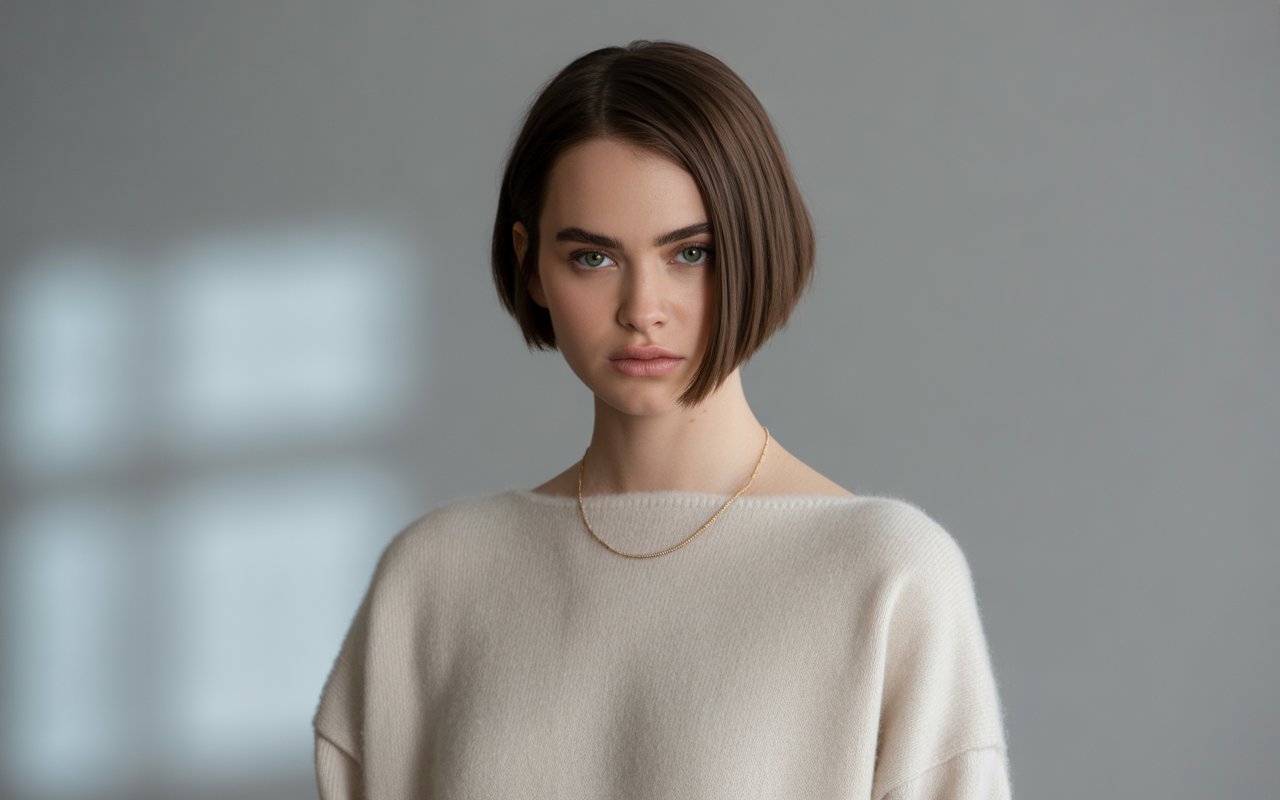
Looking for a fresh haircut that captures the spirit of modern style? Women today want more than just a trim – they’re seeking cuts that reflect their personality while keeping up with contemporary trends. The beauty of current hair trends lies in their versatility, offering options that work for busy professionals, creative spirits, and everyone in between.
Hair salons are buzzing with requests for cuts that balance sophistication with practicality. Modern haircuts aren’t about following rigid rules or copying exact styles from magazines. Instead, they focus on enhancing your natural features while incorporating elements that feel current and fresh. Whether you prefer short, medium, or long hair, there’s a contemporary cut waiting to transform your look.
The following sections will guide you through the most stylish haircuts dominating salons this year. From understanding what makes a cut modern to learning styling techniques that keep your hair looking fresh, you’ll discover everything needed to make an informed choice about your next salon visit. Let’s explore the exciting world of contemporary haircuts that are making women feel confident and stylish.
What Defines a Modern Haircut This Year?
Modern haircuts have evolved beyond simple shapes and standard techniques. Today’s styles incorporate subtle details that create movement, texture, and individuality. Understanding these elements helps you communicate better with your stylist and recognize which trends align with your personal aesthetic.
Clean Lines Versus Textured Edges
The debate between precise cuts and lived-in textures continues to shape salon conversations. Clean lines offer a polished, professional appearance that photographs beautifully and maintains its shape between appointments. Think of geometric bobs with razor-sharp edges or blunt cuts that make a bold statement. These styles work particularly well for women with naturally straight or slightly wavy hair who appreciate structure in their look.
Textured edges, on the other hand, create a softer, more relaxed appearance. Stylists achieve this effect through point cutting, slide cutting, or using texturizing shears. The result? Hair that moves naturally and requires minimal styling effort. Textured cuts excel at adding volume to fine hair and reducing bulk in thick hair, making them incredibly versatile.
Many contemporary cuts actually combine both approaches. You might see a bob with clean perimeter lines but textured internal layers, or long hair with precise face-framing pieces paired with feathered ends. This hybrid approach allows for versatility in styling – sleek and polished for work, tousled and casual for weekends.
Movement and Natural Flow
Static, heavily styled hair has given way to cuts designed for natural movement. Modern haircuts consider how hair behaves throughout the day, not just how it looks fresh from the salon. Stylists now cut with your hair’s natural patterns in mind, working with cowlicks and growth directions rather than against them.
Movement comes from strategic layering and thoughtful weight distribution. Rather than uniform layers throughout, contemporary cuts feature targeted layering that enhances your hair’s natural tendencies. This might mean keeping weight in certain areas to prevent unwanted volume while removing bulk where hair tends to look heavy.
The goal is hair that looks good even when you run your fingers through it or get caught in a breeze. Cuts with built-in movement transition seamlessly from day to night, requiring only minor adjustments rather than complete restyling.
Color Integration With Cuts
Modern haircuts are designed with color in mind, even if you’re keeping your natural shade. The way hair is cut affects how light reflects off different sections, creating dimension and visual interest. Strategic layering can enhance highlights, while certain cutting techniques make single-process color appear more dynamic.
For those who do color their hair, the cut becomes even more crucial. Balayage and other painting techniques look best with cuts that showcase the color placement. Similarly, bold fashion colors need cuts that allow the hues to be seen from multiple angles. Your stylist should consider your current or planned color when designing your cut.
Low-Maintenance Appeal
Perhaps the most defining characteristic of modern haircuts is their emphasis on easy maintenance. Women today want styles that look intentional without requiring hours of daily styling. This shift has influenced cutting techniques, with stylists focusing on cuts that air-dry beautifully and maintain their shape as they grow.
Low-maintenance doesn’t mean boring or shapeless. Instead, it means cuts designed to work with your natural texture and lifestyle. A well-executed modern cut should look good with minimal product and basic styling tools. Many can be refreshed with just fingers and perhaps some texturizing spray.
Face Shape Considerations
While the old rules about matching haircuts to face shapes have relaxed, modern stylists still consider facial features when creating a cut. The approach now focuses more on highlighting your best features rather than trying to create an oval illusion.
Current techniques involve:
Customized Framing: Creating pieces around the face that draw attention to eyes, cheekbones, or jawline
Strategic Length: Choosing where hair hits to balance proportions naturally
Texture Placement: Adding or removing volume in specific areas to enhance facial features
Asymmetrical Elements: Using slight imbalances to create visual interest and complement facial structure
The Most Requested Haircuts in Salons Right Now
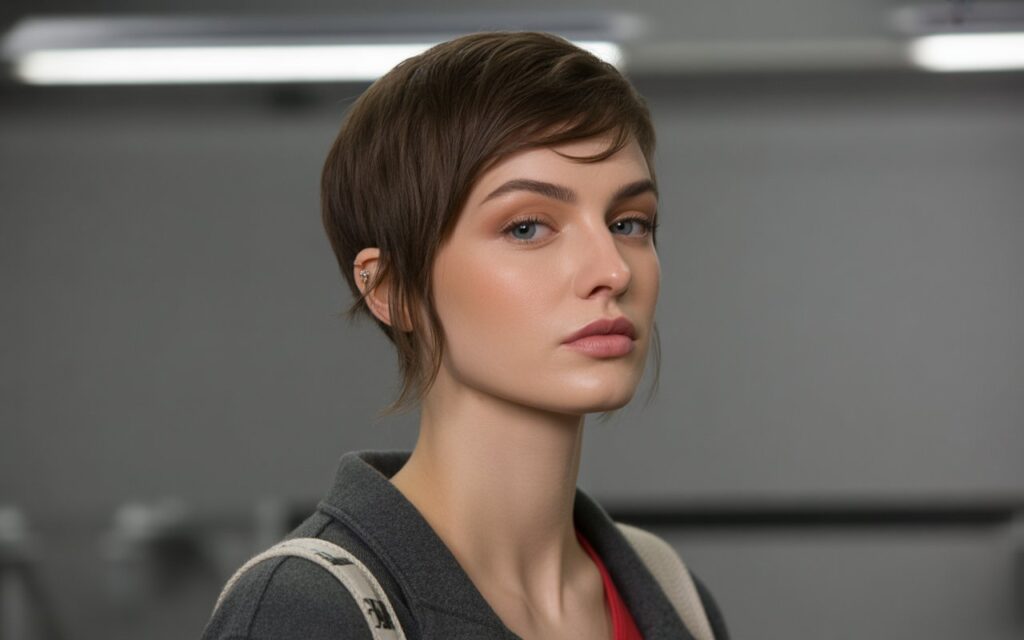
Salon chairs across the country are filled with women requesting specific styles that capture the current aesthetic. These cuts have earned their popularity through a combination of versatility, visual appeal, and adaptability to different hair types. Understanding what makes each style special helps you decide which might work for your hair and lifestyle.
The Modern Bob Variations
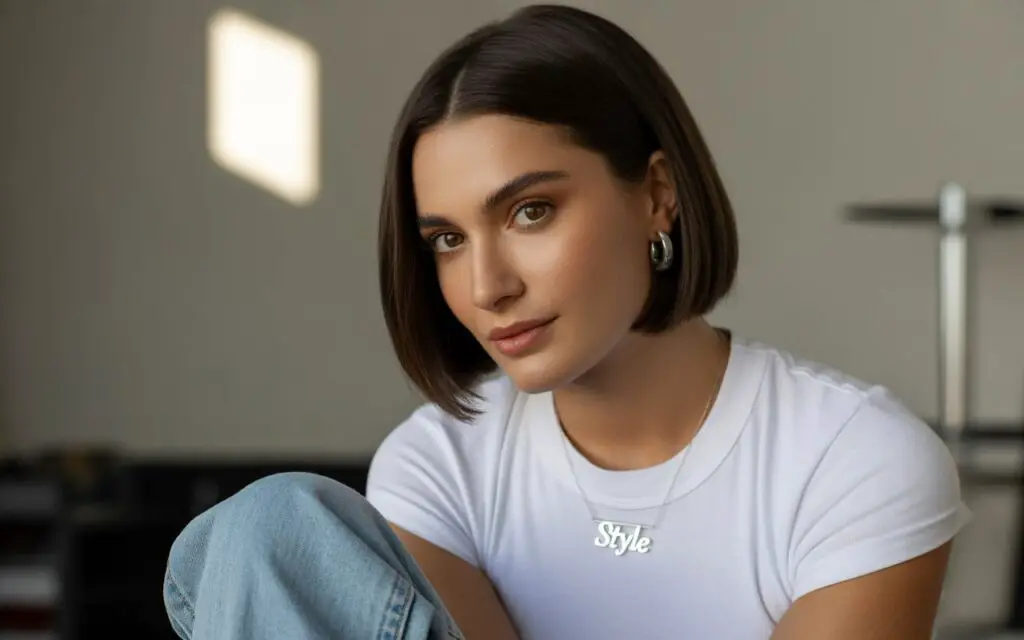
Bobs have completely reinvented themselves for contemporary tastes. Gone are the days of one-size-fits-all bowl cuts – today’s bobs come in countless variations, each with its own personality. The French bob sits just below the ears with a slightly curved shape and often features eyebrow-grazing fringe. Its effortless chic appeals to women wanting a dramatic change without extreme maintenance.
The textured bob has become incredibly popular for its versatility. Cut with invisible layers and plenty of movement, this style works beautifully on various hair textures. It can be worn sleek and straight for professional settings or tousled with sea salt spray for a beachy vibe. The beauty lies in its adaptability – the same cut can create multiple looks depending on styling choices.
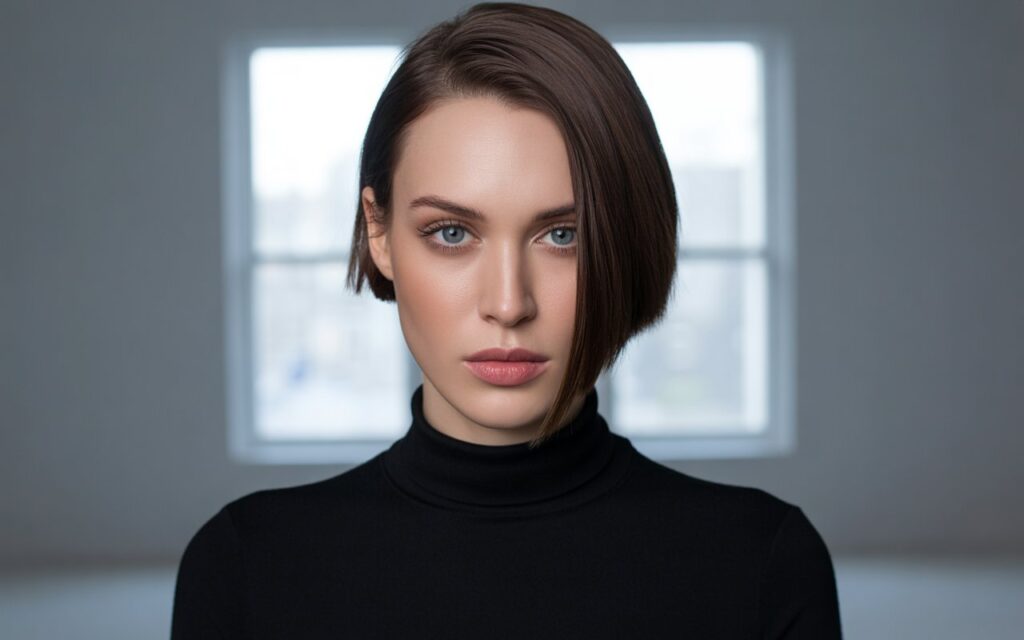
Asymmetrical bobs continue to attract attention for their modern edge. Whether subtly longer on one side or dramatically angled, these cuts make a statement while remaining sophisticated. They particularly flatter women with straight to wavy hair and add instant interest to any look.
The shaggy bob merges two classic styles into one contemporary cut. Incorporating the layered, lived-in texture of a shag with the shorter length of a bob creates a playful yet polished option. This style has gained traction among women wanting something fun but not too wild, professional but not boring.
Long Layers With Purpose
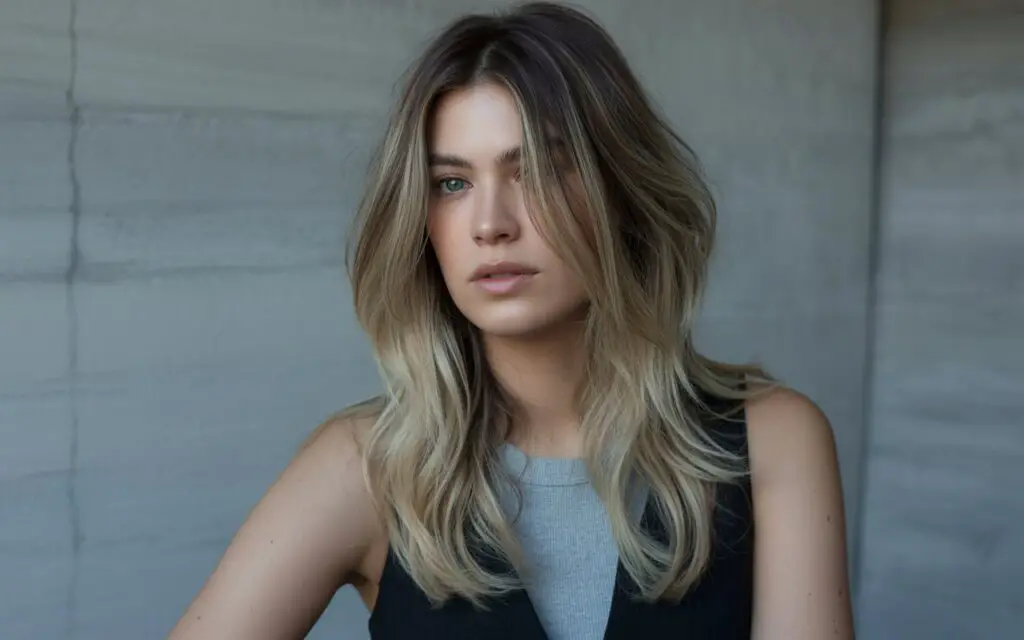
Long hair has evolved from simple all-one-length styles to carefully crafted shapes with intentional layering. Modern long cuts focus on creating movement without sacrificing length, using techniques that add life to hair without the choppy, dated layers of the past.
Invisible layers have become the go-to request for women wanting to maintain length while adding movement. These layers are cut in a way that blends seamlessly, creating movement from within rather than obvious steps. The technique works especially well for women with fine hair who want volume without losing density at the ends.
Face-framing layers have also evolved, moving away from the heavy side-swept bangs of previous decades. Today’s face-framing focuses on pieces that enhance bone structure while blending naturally with the rest of the cut. These layers can be subtle, just kissing the cheekbones, or more dramatic, creating curtain-like framing around the face.
Long cuts now often incorporate subtle graduation at the back, creating a waterfall effect that adds visual interest from behind. This technique prevents the flat, shapeless look that long hair can sometimes have while maintaining overall length.
Pixie Cuts Reimagined
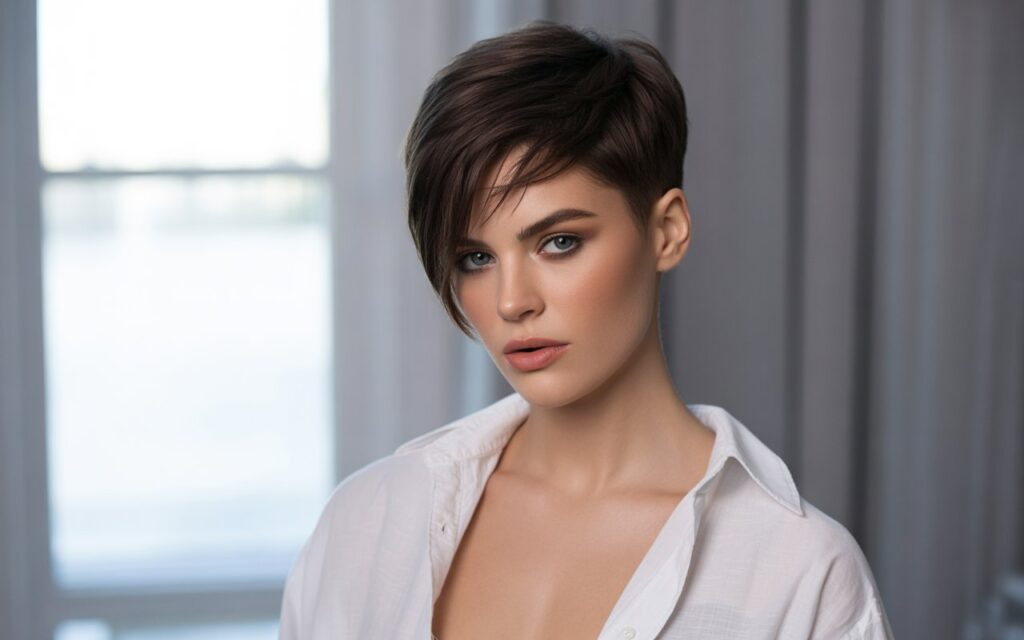
Short hair has shed its limitations and emerged as one of the most creative categories in modern hairdressing. Today’s pixie cuts range from ultra-feminine to boldly androgynous, with countless variations in between. The contemporary pixie often features longer pieces on top with closely cropped sides and back, allowing for styling versatility.
Textured pixies have gained popularity for their low-maintenance appeal and modern aesthetic. Rather than requiring precise styling, these cuts look best when simply tousled with a bit of product. The texture is built into the cut through various techniques, creating piece-y separation and movement.
Growing numbers of women are requesting pixies with longer fringe sections that can be styled multiple ways. These pieces might sweep to the side, push forward for an edgy look, or even pin back for a completely different style. This versatility makes the commitment to short hair less daunting.
The undercut pixie combines traditional pixie elements with modern barbering techniques. Featuring closely buzzed or faded sections underneath longer top pieces, this style offers dramatic contrast and excellent growth patterns. It’s particularly popular among women who want to make a bold statement while maintaining some length to play with.
Shoulder-Length Versatility

Shoulder-length cuts have emerged as the sweet spot for women wanting neither short nor long hair. This length offers maximum versatility – long enough for updos and braids, short enough to feel fresh and manageable. Modern shoulder-length cuts incorporate various techniques to prevent the dreaded triangle shape that medium-length hair can sometimes create.
The collarbone cut has become incredibly requested, hitting right at that flattering point where the neck meets the shoulders. This length works well with various textures and can be customized with layers, waves, or sleek styling. Many women find this length ideal because it doesn’t require the commitment of shorter styles but feels more modern than traditional long hair.
Shoulder-length shags bring retro inspiration into contemporary styling. Unlike their 1970s predecessors, modern shags at this length feature more controlled layering and purposeful texture. They work particularly well for women with natural wave or curl patterns, enhancing texture without creating too much volume.
The lob (long bob) continues its reign as a favorite among women of all ages. Sitting anywhere from just above to just below the shoulders, lobs offer the structure of a bob with extra length for versatility. They can be cut blunt for a strong look, layered for movement, or textured for a lived-in feel.
How to Choose the Right Haircut for Your Lifestyle?
Selecting a haircut goes beyond simply admiring a photo in a magazine or on social media. Your daily routine, professional requirements, and personal preferences all play crucial roles in determining which modern cut will truly work for you. Taking time to honestly assess your lifestyle before your salon appointment leads to better long-term satisfaction with your choice.
Time Commitment for Styling
Different cuts demand varying amounts of daily attention. Before falling in love with a particular style, consider your morning routine realistically. Do you have five minutes or thirty? Your answer significantly impacts which cuts will leave you frustrated versus satisfied.
Quick-styling cuts typically feature built-in texture and movement. Pixies with textured tops, tousled bobs, and layered medium-length cuts often look great with just a quick finger-style and some product. These cuts dry into shape naturally, requiring minimal tool use. They’re perfect for busy professionals, parents, or anyone who values extra sleep over elaborate styling routines.
High-maintenance cuts aren’t necessarily bad choices – they simply require honest commitment. Sleek bobs with razor-sharp lines need regular blow-drying and flat-ironing to maintain their polished appearance. Long, perfectly layered hair might need hot tools to achieve that salon-fresh look daily. If you enjoy the styling process and have time for it, these cuts can be incredibly rewarding.
Consider your skill level too. Some cuts require technique mastery that takes time to develop. A textured pixie might need just the right product application to avoid looking messy rather than intentionally tousled. Long layers might require round-brush skills to achieve smooth, bouncy results. Factor in your willingness to learn new techniques when choosing your cut.
Professional Versus Casual Needs
Your work environment significantly influences which modern cuts will serve you best. Corporate settings might have unspoken (or explicit) expectations about professional appearance, while creative fields often celebrate more adventurous choices. Finding the sweet spot between personal expression and professional appropriateness ensures your haircut enhances rather than hinders your career.
Versatile cuts that transition between professional and casual settings have become increasingly popular. A shoulder-length cut with subtle layers can be blown smooth for board meetings, then re-styled with texture spray for weekend activities. Modern bobs offer similar flexibility – sleek and polished with heat styling, relaxed and beachy with air-drying and sea salt spray.
If your workplace allows creative freedom, you might explore:
Asymmetrical cuts: Professional yet interesting, making subtle statements
Textured pixies: Short but not severe, modern without being extreme
Disconnected layers: Edgy when styled with texture, smooth when blown out
Hidden undercuts: Conservative on top with surprises underneath
Some careers require specific considerations. Healthcare workers might need hair that stays completely off the face and neck. Food service professionals often need styles that fit under required headwear. Athletes might prioritize cuts that stay put during activity. Let your stylist know about any specific requirements your lifestyle demands.
Hair Texture Compatibility
Working with your natural texture rather than against it creates the foundation for a successful modern haircut. Today’s best stylists understand that forcing hair into incompatible styles leads to frustration and damage. Instead, they recommend cuts that enhance what you naturally have.
Fine hair benefits from cuts that create illusion of density. Blunt lines, minimal layering in certain areas, and strategic length choices prevent thin, wispy appearances. Modern techniques like invisible layering add movement without sacrificing the fullness that fine hair needs. Shorter styles often work beautifully, as less weight allows natural volume to develop.
Thick hair requires thoughtful weight removal to prevent triangular shapes or overwhelming volume. Modern cutting techniques include internal layering that removes bulk without creating choppy, dated appearances. The goal is maintaining the beauty of abundant hair while creating manageable shapes. Medium to longer lengths often work well, as the weight helps control volume naturally.
Curly and wavy textures have specific needs that modern cutting techniques address beautifully. Dry cutting allows stylists to see exactly how each curl falls, creating shapes that work with natural patterns. The focus shifts from fighting curls to enhancing them, resulting in cuts that look great with minimal manipulation.
Maintenance Frequency
How often you’re willing to visit the salon impacts which cuts will keep you happy long-term. Some styles demand religious four-week appointments, while others grow out gracefully over months. Understanding these requirements prevents the frustration of a cut that looks great for two weeks then becomes unmanageable.
High-frequency maintenance cuts include precise bobs, especially those with exposed necklines or sharp angles. Pixies typically need refreshing every 4-6 weeks to maintain their shape. Any cut with precise lines or dramatic layers shows growth quickly. These styles suit women who enjoy regular salon visits or see them as valuable self-care time.
Low-maintenance options have gained popularity as salon visits became harder to schedule. Long layers grow out naturally, often looking better with some length. Textured cuts hide growth patterns well. Shoulder-length styles typically need trimming every 8-12 weeks. These cuts work well for busy lifestyles or those who prefer infrequent salon visits.
Seasonal Adaptability
Modern lifestyles often involve travel, seasonal activities, or climate changes that impact hair behavior. Choosing a cut that adapts to different conditions ensures year-round satisfaction. Consider how humidity affects your hair, whether you spend summers at the beach, or if winter hats are daily necessities.
Adaptable cuts feature built-in versatility. Medium-length layers can be worn natural and beachy in summer humidity, then smoothed for fall’s drier air. Pixies with slightly longer tops accommodate winter hat wear without complete destruction. Bobs with soft edges transition between seasons better than severe geometric cuts.
Think about your seasonal activity levels too. Summer might bring swimming, requiring styles that recover easily from chlorine or salt water. Winter might mean more indoor time, allowing for higher-maintenance styles. Spring allergies might make you want hair completely off your face. Discussing these patterns with your stylist leads to better year-round solutions.
Styling Techniques That Make Any Cut Look Fresh
A great haircut provides the foundation, but styling techniques bring it to life. Modern styling focuses on enhancing your cut’s best features while maintaining that effortless, lived-in look that defines contemporary hair. Understanding current techniques and having the right tools transforms a good haircut into a great daily style.
Essential Tools for Modern Looks
The right tools make achieving salon-quality results at home entirely possible. While you don’t need every gadget on the market, a few key pieces deserve investment. Quality tools last longer, work better, and actually save time in your daily routine.
A professional-grade hair dryer with multiple heat and speed settings provides the control needed for various styling options. Look for models with cool shot buttons to set styles and concentrator nozzles for precise drying. Ionic technology helps reduce frizz and static, particularly beneficial for those in dry climates.
For those who use heat styling, a versatile flat iron that can create both sleek looks and waves expands your options. Ceramic or tourmaline plates distribute heat evenly, reducing damage potential. Adjustable temperature settings let you customize heat to your hair’s needs – lower for fine or damaged hair, higher for thick or coarse textures.
Round brushes in various sizes create different effects. Smaller barrels add volume at roots and create tighter curves, while larger brushes smooth and add gentle bends. Natural bristle brushes grip hair better for tension, while synthetic options work well for detangling.
Don’t overlook basic tools either. A wide-tooth comb prevents breakage during detangling. Sectioning clips make styling easier and more precise. A good spray bottle helps reactivate products or dampen sections for better control. These simple items often make the biggest difference in achieving polished results.
Product Selection Basics
Modern styling relies less on heavy products and more on targeted formulas that enhance without weighing down. Understanding product categories and their purposes helps you build an effective routine without cluttering your bathroom with unnecessary bottles.
Start with a good heat protectant if you use any hot tools. These products shield hair from damage while often providing additional benefits like frizz control or shine enhancement. Apply to damp hair before blow-drying or to dry hair before using flat irons or curling tools.
Texturizing products have become essential for achieving modern, lived-in looks. Sea salt sprays add grit and enhance natural wave patterns. Texture powders provide volume and grip at roots. Dry texture sprays refresh styles between washes while adding the piece-y separation that defines contemporary cuts. Here’s how different texturizing products work:
Sea Salt Spray: Enhances natural texture, adds subtle hold and matte finish
Texture Powder: Creates volume at roots, provides grip for styling
Dry Texture Spray: Refreshes hair between washes, adds touchable hold
Texture Cream: Defines pieces without stiffness, controls frizz
Finishing products seal your style and add polish. Light-hold hairsprays maintain movement while preventing flyaways. Shine serums or oils (used sparingly) add gloss without greasiness. For shorter cuts, pomades or waxes provide definition and control.
Quick Morning Routines
Efficiency in morning styling comes from understanding your hair’s needs and having a systematic approach. Modern cuts are designed to work with quick routines, not against them. Developing a consistent method saves time while ensuring reliable results.
For wash-and-go styles, start with the right foundation. Use a lightweight leave-in conditioner or styling cream on damp hair. Scrunch products into waves and curls, smooth through straight styles. Let hair air-dry partially while you complete other morning tasks, then finish with a diffuser or quick blow-dry if needed.
The five-minute refresh works wonders for second or third-day hair. Dampen roots slightly with water or a refreshing spray. Use dry shampoo if needed, applying at roots and massaging through. Add texture spray to mid-lengths and ends, scrunching to reactivate yesterday’s style. Finish with fingers to separate pieces and create that perfectly imperfect look.
For polished styles in minimal time, section hair before starting. Work systematically from bottom to top, focusing heat and attention where needed most. Use your blow dryer’s cool shot to set each section before moving on. This methodical approach actually saves time by preventing the need to go over sections repeatedly.
Remember that modern styling embraces imperfection. Not every piece needs to be perfectly placed. Learning which areas need attention (usually around the face and crown) and which can be left natural speeds up routines considerably.
Heat-Free Styling Options
Protecting hair from heat damage while achieving stylish looks has become increasingly important. Modern cuts often look fantastic with heat-free methods, saving time and maintaining hair health. These techniques work especially well overnight or during lazy weekend mornings.
Braiding remains one of the most effective heat-free methods. Different braid types create various wave patterns – loose braids for gentle waves, tighter braids for more defined texture. Braiding slightly damp hair and leaving overnight produces lasting results. French braids create waves starting closer to roots, while regular braids begin lower.
Twist methods offer another approach. Two-strand twists on damp hair create spiral patterns when released. Flat twists along the scalp add interest at roots while lengths develop gentle waves. Pin curls, making a comeback from vintage styling, create defined curls without heat. Simply wrap sections around fingers, secure with bobby pins, and allow to dry completely.
Modern no-heat styling also includes strategic product use. Mousse applied to damp hair and scrunched creates natural texture as it dries. Leave-in conditioners with hold help maintain natural patterns. Even simple techniques like twisting hair into a high bun while damp can create volume and gentle waves when released.
The key to successful heat-free styling lies in timing and patience. Starting with slightly damp (not soaking) hair produces best results. Allowing adequate drying time prevents styles from falling flat. Using finishing products once hair is completely dry helps maintain the style throughout the day.
How Often Should You Update Your Haircut?
Maintaining a fresh, modern look requires more than just the initial salon visit. Understanding when and how to refresh your style keeps you looking polished between major changes. The frequency depends on various factors including your specific cut, hair growth rate, and personal standards for appearance.
Signs You Need a Refresh
Your hair often communicates when it’s time for a trim before you consciously realize it. Recognizing these signals helps maintain your style’s integrity and prevents that awkward growing-out phase that makes you want to hide under a hat.
Styling becomes noticeably more difficult when cuts lose their shape. If your normal routine suddenly takes longer or products don’t work as well, growth has likely altered the cut’s foundation. Blow-drying takes extra time because weight distribution has changed. Natural texture might fall differently, creating unflattering shapes.
Visual cues also indicate refresh needs. Split ends become visible even after conditioning treatments. The overall silhouette looks bottom-heavy or shapeless. For shorter cuts, the neckline appears fuzzy rather than clean. Layers that once blended seamlessly now show obvious lines. These signs suggest your cut has outgrown its original design.
Pay attention to how you feel about your hair too. Finding yourself constantly pulling it back, avoiding mirrors, or feeling generally dissatisfied often means it’s time for a salon visit. Sometimes the need is more psychological than physical – a fresh trim can boost confidence even if the growth is minimal.
Seasonal Adjustments
Hair behaves differently across seasons, and smart maintenance takes these changes into account. What works perfectly in spring might feel heavy in humid summer or lifeless in dry winter. Adjusting your cut seasonally keeps it working with environmental conditions rather than against them.
Summer often calls for slightly shorter lengths or additional layers to manage humidity-induced volume. Many women opt to remove extra weight before vacation season, making beach hair more manageable. Adding face-framing layers helps hair dry faster in heat while maintaining style.
Fall and winter might warrant keeping extra length for warmth and versatility. Harsh weather and indoor heating create static and dryness, which longer styles handle better than super-short cuts. However, maintaining shape through regular trims prevents winter hat hair from becoming completely unmanageable.
Spring refresh appointments often involve bigger changes. After months of growing out winter length, many women crave dramatic updates. This season also allows time for adjusting to new styles before summer activities begin. Color updates often accompany spring cuts, requiring coordination between services.
Growth Patterns to Watch
Individual growth patterns significantly impact maintenance schedules. Understanding your hair’s unique characteristics helps predict when appointments are needed and can even influence initial cut choices.
Average hair grows about half an inch monthly, but this varies considerably. Some women experience rapid growth requiring frequent trims, while others can extend between appointments. Growth rate often changes with age, health, and seasons. Tracking your personal patterns over several months provides valuable scheduling insight.
Uneven growth creates specific challenges. Hair might grow faster at the nape, creating mullet tendencies in shorter cuts. Temple areas often grow slower, affecting face-framing pieces. Cowlicks become more pronounced as hair lengthens. Discussing these patterns with your stylist leads to cuts designed to grow out more evenly.
Different areas of your cut grow out at varying visual speeds. Bangs show growth within two weeks. Precise bobs reveal growth at the neckline quickly. Layered cuts might maintain their general shape longer but develop a shaggy appearance. Understanding which aspects of your cut show growth first helps prioritize maintenance.
Maintaining Your Cut Between Visits
Professional maintenance extends far beyond salon appointments. Daily care and smart styling choices keep cuts looking fresh longer, potentially extending time between trims and maintaining style integrity throughout the growth cycle.
Product buildup affects how cuts perform over time. Regular clarifying treatments remove residue that weighs hair down and alters texture. This is particularly important for those using multiple styling products daily. Monthly clarifying (or more frequently for heavy product users) restores hair’s natural movement and allows cuts to function as designed.
Small styling adjustments accommodate growth between appointments. As face-framing pieces grow, sweep them slightly differently to maintain flattering angles. When layers lose definition, use texturizing products to recreate separation. Change part placement to refresh your look without cutting. These minor modifications extend the life of your style.
Between-appointment care includes:
Regular deep conditioning: Maintains hair health and manageability
Strategic trimming: Remove obvious split ends with professional shears
Style variation: Alternate between smooth and textured to prevent boredom
Tool maintenance: Clean brushes and tools for optimal performance
Product rotation: Switch between products to prevent buildup
Professional bang trims between full appointments keep styles looking fresh. Many salons offer complimentary or low-cost bang maintenance. Learning basic bang trimming techniques (with proper shears) can extend between professional visits, though major adjustments should always be left to professionals.
Final Thoughts on Modern Hair Trends
Today’s haircut options offer unprecedented freedom for personal expression while maintaining sophistication and style. The shift toward individualized cuts that work with natural texture and lifestyle needs has revolutionized how women approach their hair. Whether you choose a bold pixie, versatile shoulder-length cut, or flowing layers, the key lies in finding what makes you feel confident and authentic.
Never forget that the best haircut is one that fits seamlessly into your life while making you feel fantastic. Modern styles prioritize both form and function, proving that practical can absolutely be beautiful. Take time to consult with skilled stylists who understand current techniques and can translate trends into personalized solutions. Your perfect cut awaits – one that captures your personality while keeping you at the forefront of contemporary style.
Frequently Asked Questions
Q: How do I know if a trending haircut will actually suit me?
A: Consider your face shape, hair texture, and lifestyle honestly. Bring multiple reference photos to your stylist and discuss how each element might work with your specific features. A skilled stylist can adapt trending elements to flatter your individual characteristics rather than copying a style exactly.
Q: What’s the difference between a regular bob and all these modern bob variations?
A: Traditional bobs typically featured one uniform length and minimal layering. Modern variations incorporate texture, asymmetry, and strategic layering. Each variation serves different purposes – French bobs offer Parisian chic, textured bobs provide movement, and shaggy bobs blend retro influence with contemporary styling.
Q: Can I achieve salon-quality styling at home with drugstore products?
A: Absolutely. While professional products often have higher concentrations of active ingredients, many drugstore options perform excellently. Focus on finding products suited to your hair type and learning proper application techniques. The tools and methods matter as much as the products themselves.
Q: How do I communicate effectively with my stylist about the haircut I want?
A: Bring multiple photos showing different angles of styles you like. Explain what specifically appeals to you about each image. Be honest about your styling abilities and time commitment. Discuss your hair’s natural behavior and any challenges you face. Clear communication prevents misunderstandings and disappointment.
Q: Is it true that certain haircuts can make fine hair look thicker?
A: Yes, strategic cutting creates illusions of density. Blunt cuts make ends appear fuller. Subtle layers add movement without removing too much bulk. Shorter lengths often create more volume since there’s less weight pulling hair down. The right cut can significantly improve the appearance of fine hair.
Q: What’s the best way to grow out a haircut I don’t like?
A: Maintain regular trims to keep hair healthy while growing. Work with a stylist to reshape the cut gradually rather than just letting it grow wild. Use accessories and styling techniques to manage awkward phases. Consider temporary solutions like extensions if needed. Most importantly, be patient – hair grows approximately six inches yearly.
Q: How much should I tip my hairstylist for a haircut?
A: Industry standard suggests 15-20% of the service price, with 20% or more for exceptional service. For expensive services, some clients tip a flat rate rather than percentage. Consider tipping assistants who shampoo or blow-dry separately. Holiday tips or gifts show appreciation for year-round service.
Q: When should I wash my hair after getting a new haircut?
A: Unless your stylist specifies otherwise (such as after chemical services), you can wash your hair whenever you normally would. The cut itself doesn’t require waiting. However, pay attention to how your stylist styled your hair – this provides valuable insight into how to recreate the look at home.

