

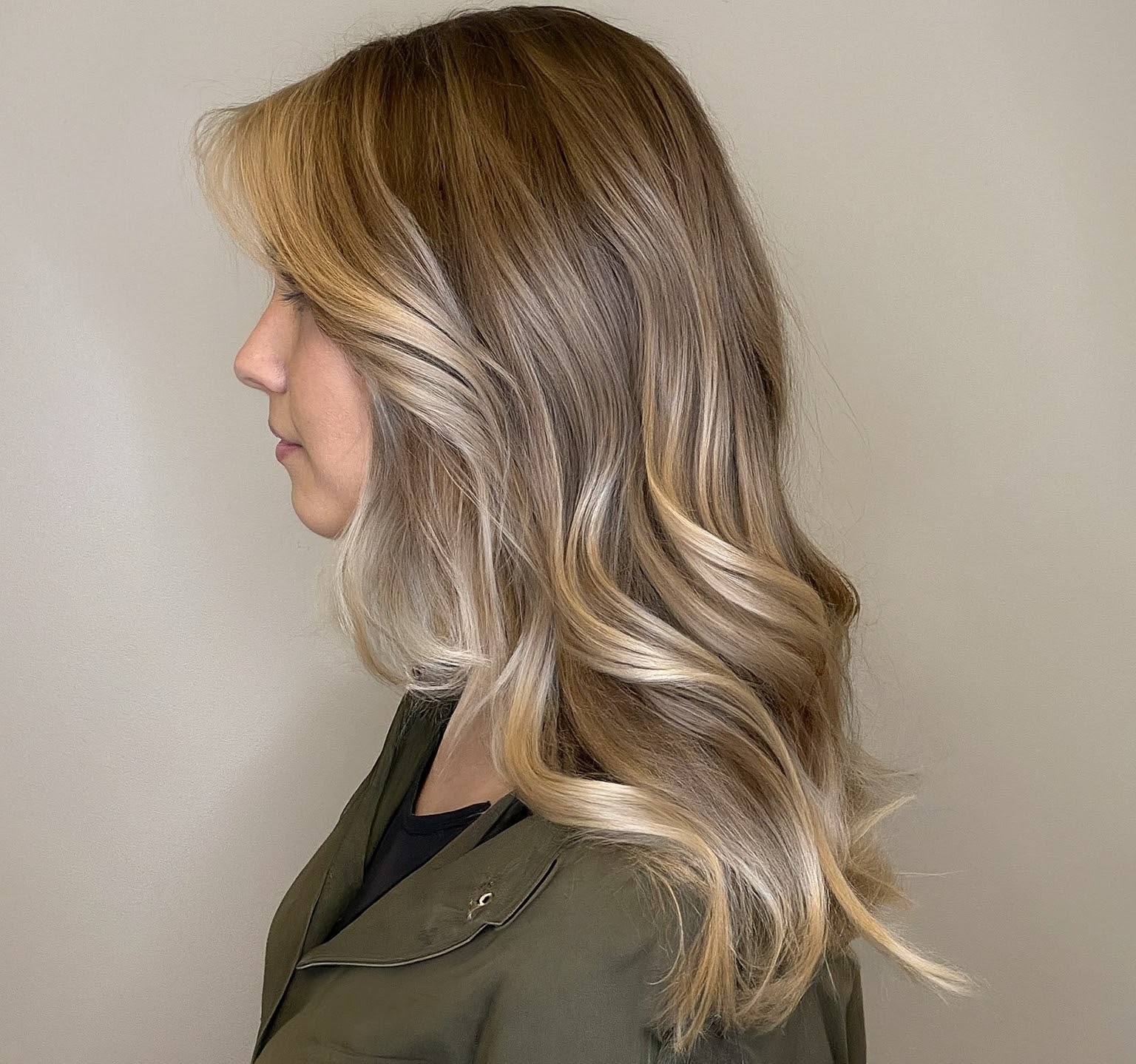
Loose hair offers endless possibilities for creating beautiful styles that range from effortlessly casual to elegantly sophisticated. The freedom to wear your hair down allows for versatility that updos simply cannot match, giving you the chance to showcase your hair’s natural beauty while adding personal touches that reflect your style. Whether your hair falls in gentle waves, cascades in straight sheets, or bounces with natural curls, wearing it loose provides opportunities to experiment with different looks that suit various occasions and moods.
The challenge many women face with loose hairstyles lies not in the lack of options but in achieving that polished, put-together appearance that lasts beyond the first hour of the day. Hair that starts the morning looking fabulous can quickly fall flat, become frizzy, or lose its shape, leaving you frustrated and reaching for a hair tie by noon. Finding the right techniques and products that work specifically for your hair type transforms this daily struggle into an enjoyable routine that consistently delivers stunning results.
Throughout the following sections, you’ll discover practical approaches to making your loose hair look absolutely impeccable, from understanding the fundamentals of hair preparation to mastering both classic and contemporary styles. Each technique builds upon simple principles that anyone can follow, regardless of skill level or hair type. The key lies in understanding what works for your specific hair and learning how to adapt these methods to create looks that feel authentically you. Let’s explore the hairstyles and techniques that will transform your loose hair into your most powerful accessory.
What Makes Loose Hair Look Its Best?
Creating impeccable loose hairstyles starts long before you pick up a styling tool. The foundation for any great hairstyle begins with understanding your hair’s unique characteristics and working with them rather than against them. Your hair has its own personality – whether it’s naturally straight, wavy, curly, or somewhere in between – and recognizing these traits helps you choose styling methods that enhance rather than fight your natural texture.
Understanding your hair texture and type
Hair texture refers to the thickness of individual strands, while hair type describes the pattern your hair naturally forms. Fine hair behaves differently than thick hair, just as wavy hair responds to products and techniques differently than pin-straight locks. Take time to really examine your hair when it’s clean and air-dried without any products. Notice how it falls, where it tends to frizz, and which areas need more attention. This knowledge becomes your roadmap for selecting the right approaches and products.
Essential preparation techniques for styling
Preparation makes the difference between hair that looks good for an hour versus hair that maintains its style all day. Start with clean hair, but not necessarily freshly washed – second-day hair often holds styles better due to natural oils that provide grip and texture. When you do wash, use a clarifying shampoo once weekly to remove product buildup that weighs hair down and prevents styles from holding properly.
The way you dry your hair sets the stage for everything that follows. Rough towel-drying creates frizz and disrupts the hair cuticle, making smooth styles nearly impossible to achieve. Instead, gently squeeze excess water with a microfiber towel or old t-shirt, which treats hair more gently. Apply heat protectant from mid-length to ends before using any hot tools, focusing on areas that tend to get the most damaged.
The role of hair health in achieving impeccable looks
Healthy hair styles better, holds its shape longer, and naturally looks more polished than damaged hair. Regular trims every 6-8 weeks prevent split ends from traveling up the hair shaft and creating that scraggly appearance that ruins even the best styling efforts. Deep conditioning treatments once or twice monthly restore moisture and improve hair’s ability to hold styles.
Your diet and hydration levels directly impact how your hair looks and behaves. Hair needs protein, vitamins, and minerals to maintain its structure and shine. Drinking adequate water keeps hair hydrated from the inside out, reducing static and flyaways that can make loose styles look messy. Consider adding biotin-rich foods or supplements if your hair seems particularly brittle or refuses to cooperate with styling.
Choosing the right products for your hair
Product selection can feel overwhelming with countless options promising miraculous results. Start with basics that address your primary concerns. Fine hair benefits from volumizing mousses and lightweight serums that won’t weigh it down. Thick hair often needs heavier creams or oils to maintain control and reduce bulk. Curly or wavy hair responds well to curl-enhancing products that define without creating crunchiness.
Apply products strategically rather than randomly. Roots typically need volume-boosting products, while mid-lengths benefit from smoothing formulas. Ends often require extra moisture or protection. Less is usually more – you can always add product, but removing excess requires starting over. Work products through damp hair with your fingers or a wide-tooth comb for even distribution.
Common mistakes that ruin loose hairstyles
Many women unknowingly sabotage their styling efforts through seemingly harmless habits. Using too much product creates buildup that makes hair look greasy and limp. Touching your hair throughout the day transfers oils from your hands and disrupts the style you worked to create. Setting hot tools at maximum temperature might seem time-efficient but causes damage that makes hair increasingly difficult to style over time.
Another frequent error involves neglecting the back sections of hair. What looks perfect from the front might be a completely different story from behind. Use two mirrors or ask someone to check the back, ensuring your style looks polished from every angle. Skipping heat protectant ranks among the most damaging mistakes, leading to dryness and breakage that makes achieving sleek styles nearly impossible.
Environmental factors play a larger role than many realize. Sleeping on cotton pillowcases creates friction that leads to tangles and frizz. Switching to silk or satin pillowcases reduces this friction, helping your style last longer. Similarly, using elastics with metal clasps or rough textures can create dents and breakage points in your hair.
Classic Loose Hairstyles That Never Go Out of Style
Some hairstyles transcend trends, remaining eternally elegant regardless of current fashion. These classic looks form the foundation of any well-rounded styling repertoire, offering reliability when you need to look polished without taking risks. Mastering these timeless styles gives you go-to options for any situation, from casual weekends to important meetings.
The timeless loose waves technique
Loose waves strike the perfect balance between effort and effortlessness, creating movement without appearing overdone. The secret lies in creating waves that look natural rather than uniform. Start by dividing hair into sections about two inches wide. Wrap each section around a curling iron or wand, leaving the ends out for a more modern finish. Alternate the direction you wrap each section – some toward your face, others away – creating variation that mimics natural wave patterns.
After curling all sections, let the curls cool completely before touching them. This cooling period allows the hair’s hydrogen bonds to set in their new formation. Once cool, gently run your fingers through the waves to break them up and create that lived-in texture. A light misting of flexible hold hairspray preserves the style without stiffness.
For those without heat styling tools or preferring to avoid heat damage, overnight techniques offer excellent alternatives. Twist damp hair into loose buns before bed, securing with soft scrunchies. In the morning, release the buns and finger-comb for effortless waves. Braiding damp hair creates tighter wave patterns, while twisting creates looser ones.
Straight and sleek: mastering the polished look
Perfectly straight hair makes a sophisticated statement when done correctly. This style requires patience and the right technique to avoid flat, lifeless results. Begin with completely dry hair – attempting to straighten damp hair causes damage and prevents achieving true sleekness. Section hair horizontally, starting at the nape of your neck and working upward.
Glide your flat iron slowly and steadily through each section just once or twice. Multiple passes create more damage than necessary and can actually make hair frizzier. The key is maintaining consistent tension and speed. Too fast and you won’t get results; too slow risks heat damage. A temperature between 300-350°F works for most hair types, though very thick or coarse hair might need slightly higher heat.
Creating sleekness without sacrificing body requires strategic technique adjustments. Lift sections at the root while straightening to maintain volume at the crown. Focus the iron primarily on mid-lengths and ends where smoothness matters most. Finish with a shine serum applied sparingly to add glossiness without greasiness.
Natural texture enhancement methods
Working with your natural texture rather than against it often yields the most flattering and sustainable results. This approach celebrates what makes your hair special while refining its appearance. For naturally wavy hair, scrunch in a sea salt spray while damp, then either air dry or diffuse on low heat. This technique enhances existing waves without creating artificial patterns.
Women with naturally straight hair can add subtle texture through strategic product application. Apply texturizing spray to dry hair, focusing on the mid-lengths. Twist small sections and hit them quickly with a blow dryer to create gentle bends and movement. This method adds interest without committing to full curls or waves.
Curly-haired women often struggle with maintaining definition in loose styles. The solution involves proper product layering. Here’s an effective routine:
Leave-in conditioner: Provides moisture base without heaviness
Curl cream: Defines curl pattern and reduces frizz
Light gel: Offers hold without crunchiness
Oil or serum: Seals the cuticle and adds shine
Volume-boosting styles for thin hair
Thin or fine hair presents unique styling challenges, often falling flat shortly after styling. Creating lasting volume requires building body from the roots up. Start by flipping hair upside down while blow-drying, directing airflow at the roots. This technique lifts hair away from the scalp, creating natural volume that lasts longer than teasing or backcombing.
Velcro rollers offer another excellent volume solution. After blow-drying hair until it’s 90% dry, wrap sections around large rollers, focusing on the crown area. Leave rollers in while you finish getting ready, then remove and gently brush through. The combination of lift and gentle heat setting creates volume that persists throughout the day.
Product placement matters enormously for fine hair. Concentrate volumizing products at the roots where lift is needed, avoiding the lengths where they might cause limpness. Dry shampoo applied before bed acts as a preventive measure, absorbing oils overnight and maintaining volume into the next day.
The art of the perfect middle or side part
Parting might seem like a minor detail, but it dramatically impacts your overall appearance. The right part can balance facial features, hide thinning areas, and completely change a hairstyle’s character. Finding your most flattering part requires experimentation and honest assessment.
Middle parts suit oval and heart-shaped faces particularly well, creating symmetry and drawing attention to the eyes. Side parts add instant sophistication and can minimize round face shapes by creating diagonal lines. Deep side parts add drama and volume, especially beneficial for those with thinning hair at the crown.
Creating a clean part requires precision. Use a rattail comb’s pointed end to draw your desired line from front to back. For a perfectly straight middle part, align the part with the center of your nose. Side parts typically look most natural when aligned with the arch of your eyebrow. Once established, train your hair to maintain this part by consistently styling it the same way and using a light hold product along the part line.
Modern Loose Hair Trends for This Year
Contemporary hairstyling has shifted toward looks that appear effortless yet intentional, celebrating individuality over perfection. Current trends favor texture, movement, and styles that look like enhanced versions of natural hair rather than obviously styled creations. These modern approaches offer fresh takes on loose hair that feel current without being overly trendy.
Beach waves with a contemporary twist
The beach wave has evolved beyond its original saltwater-inspired incarnation into something more refined yet equally relaxed. Today’s version maintains that tousled quality but with more polish and intention. Instead of uniform waves throughout, contemporary beach waves feature varied textures – some pieces wavier, others nearly straight, creating an organic appearance that suggests you woke up with perfect hair.
Achieving this updated beach wave look starts with texture spray applied to damp hair. Twist random sections while blow-drying with a diffuser, allowing some pieces to dry straighter. Once dry, use a flat iron to create subtle bends rather than full curls. Hold the iron horizontally and create gentle S-curves through random sections, leaving some pieces untouched. This inconsistency creates the most authentic beachy texture.
The finishing touches make all the difference in modernizing beach waves. Instead of traditional hairspray, opt for texture spray or sea salt mist applied after styling. Scrunch it through the hair, focusing on creating separation rather than uniform waves. Pull out a few face-framing pieces and style them slightly differently – perhaps straighter or more curved – to create that perfectly imperfect aesthetic.
The undone texture movement
“Undone” hair represents a deliberate departure from overly polished styles, celebrating hair that looks naturally gorgeous rather than meticulously styled. This movement acknowledges that real hair has different textures throughout and doesn’t always behave perfectly. The skill lies in enhancing these natural variations while maintaining an overall pulled-together appearance.
Creating undone texture begins with accepting your hair’s natural tendencies. If certain sections tend to flip out while others curve under, work with these patterns rather than forcing uniformity. Apply a lightweight styling cream to damp hair, then rough-dry with your fingers, encouraging natural movement. Avoid brushes during this process, as they create too much uniformity.
Once hair is dry, add intentional imperfection. Take random sections and either twist them around your finger or create loose bends with a flat iron. Leave other sections completely natural. The contrast between styled and unstyled pieces creates depth and interest. A texturizing powder applied at the roots adds grip and that lived-in quality that defines undone hair.
The key to making undone hair look intentional rather than messy lies in the details. Edges should look relatively smooth, even if the overall texture is piece-y. Face-framing sections need extra attention to ensure they fall flatteringly. While the style appears casual, achieving the right balance requires careful consideration of which areas to polish and which to leave natural.
Face-framing techniques that flatter
Strategic face-framing can transform any loose hairstyle, drawing attention to your best features while softening areas you’d prefer to minimize. Modern face-framing moves beyond traditional layers to incorporate varied lengths, textures, and styling techniques that create customized looks for each face shape.
For round faces, longer face-framing pieces that start below the chin create lengthening effects. Style these pieces with subtle waves that begin at cheekbone level, drawing the eye downward. Square faces benefit from softer, curved pieces that start around the jawline, with gentle waves or curls that contrast angular features. Heart-shaped faces look stunning with face-framing that begins at the cheekbones, adding width to the lower face.
The technique for cutting and styling face-framing pieces impacts their effectiveness. Pieces cut with a razor or point-cutting technique create softer edges that blend seamlessly with the rest of your hair. When styling, use a small round brush to create gentle curves that follow your face’s natural contours. Direct pieces slightly away from your face rather than plastered against it for the most flattering effect.
Hybrid styles mixing loose and structured elements
Innovation in hairstyling has produced interesting combinations that merge different techniques and textures within a single look. These hybrid styles might feature sleek roots with textured lengths, or combine pin-straight pieces with loose curls. The juxtaposition creates visual interest and allows for personalization based on hair type and preference.
One popular hybrid approach involves creating a smooth, polished crown while maintaining textured, wavy lengths. This style works particularly well for women with frizz-prone roots but naturally wavy hair. Use a flat iron to smooth the first few inches from the scalp, then transition to your natural texture or enhanced waves through the lengths. The contrast looks intentional and modern while solving practical styling challenges.
Another hybrid technique combines different curl patterns within the same style. Perhaps tighter curls frame the face while looser waves flow through the back, or straight pieces intermix with curled sections for an editorial effect. These combinations require strategic sectioning and varied styling tools but create incredibly unique results that feel fresh and personalized.
The success of hybrid styles depends on creating cohesion despite the contrasts. Use products that work across different textures – a lightweight serum that smooths straight sections while defining waves, for instance. Pay attention to the transition points between different textures, ensuring they blend rather than creating harsh lines. A final misting of shine spray unifies the overall look, making intentional contrasts appear harmonious.
How to Style Loose Hair for Different Occasions?
Life demands versatility from our appearance, and knowing how to adapt loose hairstyles for various settings ensures you always look appropriate and polished. The same basic haircut can transform from boardroom-ready to romantically soft to casually chic with the right styling approach. Understanding these adaptations saves time and frustration while expanding your styling options.
Professional looks for the workplace
Office-appropriate loose hairstyles balance polish with personality, projecting competence without appearing overly stiff or formal. The goal involves creating styles that stay neat throughout long workdays while avoiding anything too elaborate that might distract from your professional presence. Smooth, controlled styles typically work best in conservative environments, while creative fields often welcome more relaxed textures.
A low-maintenance professional style starts with a sleek blowout that maintains subtle movement. After washing, apply smoothing serum from mid-length to ends, then blow-dry using a paddle brush for straightening or a round brush for adding gentle curves. Keep the overall silhouette close to the head rather than voluminous, which can read as less professional in traditional settings. Tuck one side behind your ear for asymmetrical interest that still looks pulled-together.
For second or third-day hair in professional settings, refreshing becomes crucial. Dry shampoo applied the night before absorbs oils while you sleep, preventing that greasy appearance at the roots. In the morning, smooth any flyaways with a small amount of hair oil warmed between your palms, then lightly pressed over problem areas. A low ponytail or half-up style offers a quick fix when time runs short, maintaining professionalism while keeping hair out of your face during important presentations.
Romantic styles for date nights
Date night hair should make you feel confident and beautiful without appearing overdone. Soft, touchable styles that move naturally tend to be most appealing, suggesting approachability while still showing effort. The key lies in creating styles that photograph well under restaurant lighting and maintain their shape through dinner and beyond.
Loose, romantic curls created with a large barrel curling iron provide classic date night glamour. Wrap sections away from your face for the most flattering effect, allowing curls to cool completely before gently brushing through with your fingers. Apply a lightweight hair oil to add shine and reduce any potential frizz from humidity. This creates that soft-focus effect that looks stunning in candlelight.
Consider incorporating subtle accessories for extra romance without overwhelming your look. A delicate hair pin placed strategically above one ear, or a thin velvet ribbon woven loosely through a low ponytail adds interest. These small touches show attention to detail without competing with your overall appearance or outfit choice.
Casual everyday hairstyles
Daily styling should feel effortless while still looking intentional. The best everyday styles work with your hair’s natural tendencies, requiring minimal time and product while lasting throughout typical activities. These practical yet pretty options become your regular rotation, reliable styles you can execute even when running late.
Air-dried styles have gained popularity for their low-maintenance appeal and hair health benefits. Apply a curl-enhancing cream or texturizing spray to damp hair, then scrunch gently. Allow hair to dry naturally, scrunching periodically to encourage texture. This method works particularly well for wavy or curly hair types. Straight-haired women can create subtle waves by twisting sections while damp and allowing them to dry in these formations.
The half-up style offers versatility for everyday wear. Simply gather the top section of hair from temple to temple, securing with a small elastic that matches your hair color. Leave face-framing pieces loose for softness. This style keeps hair out of your eyes during daily tasks while maintaining the feminine appeal of loose hair. Add interest by incorporating a small braid into the pulled-back section or twisting the hair before securing.
Quick refresh techniques extend the life of everyday styles. A silk scarf wrapped around your hairline while applying makeup prevents products from transferring to your hair. Flip hair upside down and shake at the roots to revive volume. For waves that have fallen flat, rewet small sections with water from a spray bottle, then retwist or scrunch to reactivate the style.
Special event and formal styling
Formal events call for hairstyles that photograph beautifully and withstand hours of dancing, socializing, and celebration. These occasions merit extra time and attention to detail, possibly including professional products or techniques you wouldn’t use daily. The goal involves creating memorable styles that complement formal attire while remaining comfortable throughout extended wear.
Hollywood waves represent timeless formal elegance. This technique requires precision and patience but delivers stunning results. Set hair in uniform curls using hot rollers or a curling iron, all going in the same direction. Once cooled, brush through carefully with a paddle brush to merge curls into continuous waves. Use bobby pins to create deep waves at strategic points, then set with strong-hold hairspray. The result should be glossy, sculptural waves reminiscent of old Hollywood glamour.
For a more contemporary formal look, consider a deep side part with loose, voluminous curls cascading over one shoulder. This asymmetrical style creates drama while remaining soft and feminine. Use volumizing mousse at the roots before blow-drying, then create loose curls with a large barrel iron. Sweep all hair over one shoulder, securing discreetly behind the opposite ear with bobby pins that match your hair color.
Quick fixes for busy mornings
Reality dictates that not every morning allows for extensive styling routines. Having arsenal of quick techniques ensures you never have to sacrifice style for speed. These rapid solutions work best when you’ve maintained hair health through regular care, as healthy hair styles more easily and holds its shape better.
The twisted crown represents one of the fastest ways to elevate loose hair. Take sections from each temple, twist them back, and secure at the crown with bobby pins. This simple technique instantly makes hair look more polished while requiring less than a minute to execute. For added interest, gently pull at the twisted sections to create volume and texture.
Dry shampoo serves as the ultimate time-saving product for busy mornings. Beyond oil absorption, it adds texture and grip that makes styling easier. Spray it at the roots, wait thirty seconds, then massage in with your fingertips. The added texture helps create volume and makes simple styles like loose waves or casual updos hold better throughout the day.
Strategic use of hot tools can transform bed head into styled hair within minutes. Focus on problem areas rather than styling every section. Often, refreshing face-framing pieces and smoothing the crown creates enough polish to look put-together. Keep your flat iron or curling wand at a moderate temperature to reduce styling time while preventing damage from rushed technique.
Maintaining Your Loose Hairstyle Throughout the Day
Creating a beautiful hairstyle means little if it deteriorates within hours. The ability to maintain your look from morning through evening separates truly successful styling from temporary victories. Understanding how to preserve your style involves selecting the right products, mastering touch-up techniques, and protecting hair from environmental factors that threaten its appearance.
Products that provide lasting hold without stiffness
Modern hair products have evolved beyond the helmet-hair sprays of previous decades, offering flexible hold that maintains movement while preventing styles from falling flat. The key lies in layering products strategically rather than relying on a single strong-hold option. This approach creates a foundation that supports your style while allowing natural movement that keeps hair looking fresh rather than frozen.
Texturizing spray applied before styling creates grip between hair strands, helping styles hold their shape longer. Unlike traditional hairsprays that coat the hair’s surface, texturizing products work within the hair structure to provide invisible support. Apply to damp hair before heat styling, focusing on areas where your style typically falls first – often the crown and around the face.
Setting lotions and mousses offer another layer of hold that feels natural. These products work best when distributed evenly through damp hair with a wide-tooth comb. They provide memory to your style, helping curls bounce back and waves maintain their pattern even after being temporarily compressed. Choose formulations based on your hair type – lighter mousses for fine hair, creamier versions for thicker textures.
Finishing sprays should be applied strategically rather than as an all-over coat. Hold the can 10-12 inches from your hair and mist lightly, focusing on areas that need the most support. For loose waves, scrunch hair while spraying to maintain texture. For smoother styles, spray onto a brush and run through hair for even distribution without heaviness.
Touch-up techniques for on-the-go
Throughout the day, various factors conspire against your carefully crafted style. Wind, humidity, and natural oils all impact how hair looks and behaves. Knowing quick fixes for common problems keeps you looking polished without requiring complete restyling.
Carrying a small styling kit prevents minor issues from becoming major problems. Essential items include:
Travel-size dry shampoo: Refreshes roots and adds volume
Small paddle brush: Smooths flyaways and maintains shape
Bobby pins in your hair color: Secures problem pieces discreetly
Hair elastic: Creates quick updos when styles completely fail
Tiny hairspray: Sets touch-ups without starting over
For reviving flat roots, flip hair upside down and massage the scalp vigorously for thirty seconds. This stimulates blood flow and naturally lifts hair at the roots. A quick blast of cool air from a hand dryer (if available) while in this position sets the newfound volume. Return to an upright position and gently arrange hair with your fingers rather than brushing, which can destroy volume.
Curls and waves that have loosened benefit from the scrunch method. Lightly mist sections with water using a small spray bottle, then scrunch upward to reactivate the pattern. The moisture reengages styling products already in your hair while the scrunching motion encourages curl formation. This technique works particularly well for naturally textured hair that tends to straighten throughout the day.
Weather-proofing your style
Environmental conditions significantly impact how hairstyles hold up, making weather consideration essential for maintaining your look. Humidity, wind, rain, and extreme temperatures each present unique challenges requiring specific protective measures.
Humidity represents the nemesis of smooth styles, causing frizz and destroying carefully straightened hair. Anti-humidity products create a barrier on the hair shaft, preventing moisture from penetrating and disrupting your style. Apply these products as the final step in your routine, focusing on areas prone to frizzing. Silicone-based serums work particularly well, though use sparingly to avoid greasiness.
Wind creates tangles and destroys volume in unpredictable ways. Before heading out on windy days, apply a leave-in conditioner to create slip between strands, reducing tangling. Style hair slightly tighter than usual, knowing wind will loosen curls and waves. Consider styles that incorporate the windblown effect intentionally, working with nature rather than against it.
Cold weather creates static electricity that makes hair fly away and cling to scarves and coats. Combat static by running a dryer sheet lightly over your hair or spraying hairspray onto your brush before running it through. Moisturizing products also help, as dry hair develops more static. During winter months, deep condition weekly to maintain moisture levels that prevent static buildup.
Nighttime routines to preserve your look
How you treat your hair while sleeping dramatically impacts how it looks the next morning. Proper nighttime care can extend a style for several days, reducing the need for daily heat styling and saving precious morning time.
The pineapple method works wonderfully for preserving curls and waves overnight. Gather all hair at the very top of your head in a loose ponytail, using a silk scrunchie to avoid creating dents. This position prevents curls from being crushed while you sleep. In the morning, release the ponytail and shake out your roots, then refresh with water or curl refresher spray as needed.
For straight styles, wrapping hair provides protection while maintaining smoothness. Brush hair to one side, wrapping it around your head and securing with bobby pins. Cover with a silk scarf or bonnet to prevent friction. This technique maintains straightness while preventing tangles and frizz that typically develop overnight.
Silk or satin pillowcases deserve investment for anyone serious about hair care. These smooth fabrics create less friction than cotton, reducing frizz, tangles, and breakage. They also help maintain moisture in both skin and hair. If specialty pillowcases aren’t feasible, wrapping hair in a silk scarf achieves similar protection.
Braiding offers another preservation option, particularly for women with longer hair. A loose braid prevents tangling while maintaining some wave pattern. For straighter preservation, create a low, loose braid. For more texture, try multiple braids or position the braid higher. Always use snag-free elastics and avoid braiding too tightly, which can create unwanted dents and stress on the hair.
Your Journey to Impeccable Loose Hair
The path to consistently beautiful loose hair involves understanding your unique hair characteristics and building a repertoire of techniques that work specifically for you. Rather than chasing every trend or copying styles that look amazing on others, focus on discovering what makes your hair look and feel its absolute best. This personalized approach yields results that not only look impeccable but also feel authentic to who you are.
Success with loose hairstyles comes from practice, patience, and the willingness to experiment with different methods until you find your perfect combination. Start with one or two techniques that address your primary hair concerns, master those, then gradually expand your styling skills. Remember that even professional stylists didn’t achieve expertise overnight – every amazing hairstyle you create adds to your growing capability and confidence.
Frequently Asked Questions
Q: How often should I wash my hair to maintain loose hairstyles?
A: Most women find washing every 2-3 days optimal for maintaining loose styles. This schedule allows natural oils to provide hold and texture while preventing excess buildup that makes hair look greasy.
Q: Can I achieve nice loose hairstyles without using heat tools?
A: Absolutely! Overnight techniques like braiding, twisting, or using foam rollers create beautiful textures without heat damage. Air-drying with the right products also produces lovely natural styles.
Q: What’s the best way to add volume to flat, loose hair?
A: Focus on root-lifting techniques like blow-drying upside down, using volumizing products at the roots, and incorporating dry shampoo before styling. Velcro rollers at the crown also create lasting lift.
Q: How do I prevent my loose curls from falling flat after a few hours?
A: Layer products for better hold: start with mousse on damp hair, use heat protectant before curling, allow curls to cool completely before touching them, and finish with flexible-hold hairspray.
Q: Which type of brush works best for styling loose hair?
A: A paddle brush works well for smoothing straight styles, while a round brush creates volume and movement. For curly or wavy hair, use a wide-tooth comb or your fingers to maintain texture.
Q: How can I make my thin hair look fuller in loose styles?
A: Use volumizing products at the roots, incorporate texturizing sprays for grip, try the velcro roller technique, and consider strategic layering cuts that create the illusion of thickness.
Q: What’s the secret to achieving that perfectly imperfect undone look?
A: Focus on creating variation in texture – some pieces straighter, others wavier. Use texturizing products, avoid over-brushing, and intentionally leave some sections less styled than others.
Q: How do I keep my hair from getting tangled when wearing it loose?
A: Regular conditioning, using leave-in products for slip, avoiding touching your hair throughout the day, and brushing gently from ends upward all help prevent tangles in loose styles.

