

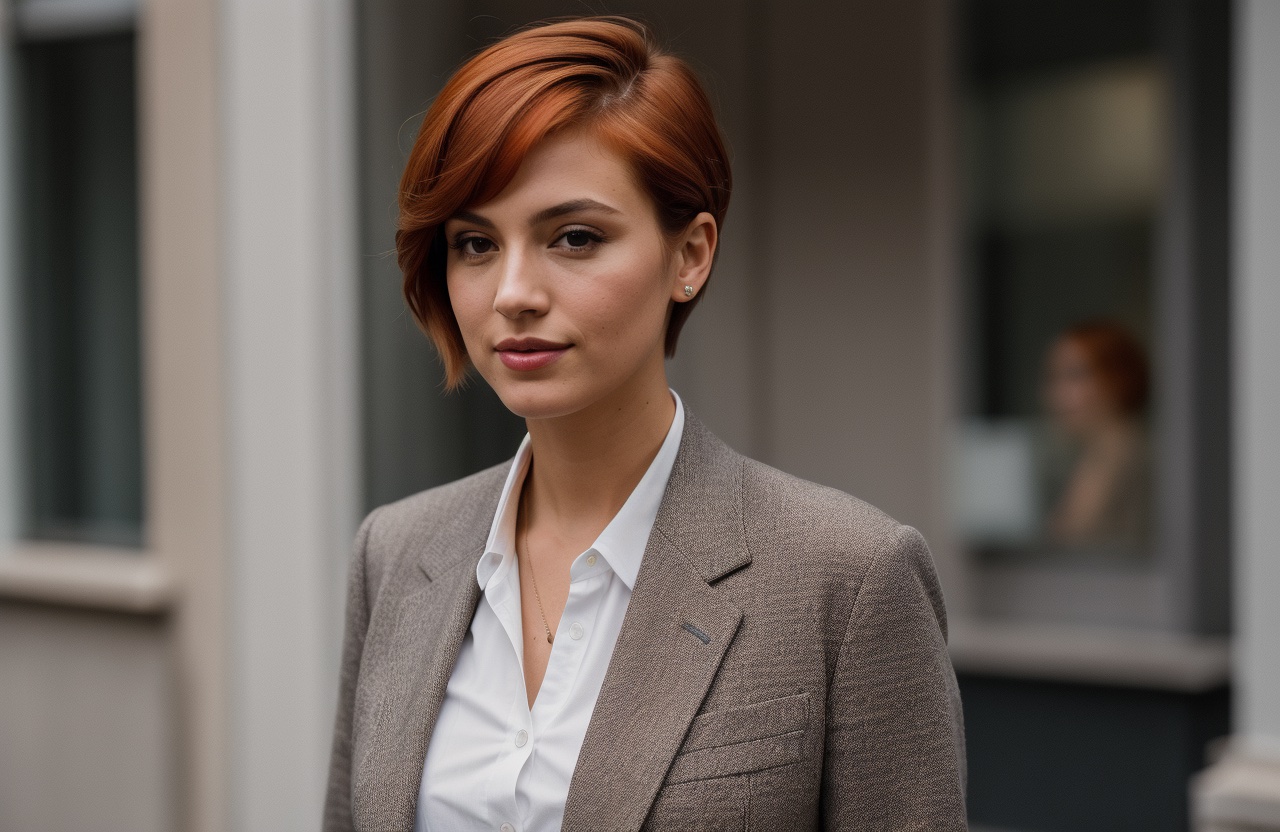
The hair salon chair has become a place of transformation this year, with fresh cuts that balance boldness and wearability taking the spotlight. From dramatic pixies to flowing layers, the trending haircuts offer something for every woman ready to refresh her look. These styles aren’t just about following fashion – they reflect a shift toward cuts that work with natural textures while requiring less daily maintenance.
Professional stylists have noticed a clear pattern in what women request most frequently. The trending cuts share common threads: they move beautifully, grow out gracefully, and adapt to different styling methods. Whether you prefer wash-and-go simplicity or enjoy spending time perfecting your look, this year’s popular cuts accommodate various approaches to hair care.
The following sections will guide you through the most requested haircuts making waves in salons everywhere. You’ll discover short, medium, and long options that stylists can’t stop creating, plus practical advice for selecting the right trendy cut for your lifestyle and features. Let’s explore what makes these particular styles worth considering for your next salon visit.
What Makes a Haircut Trendy This Year
Understanding why certain haircuts gain momentum helps you recognize which styles have staying power versus those that might quickly fade. This year’s trending cuts share specific characteristics that set them apart from previous popular styles. The focus has shifted from high-maintenance precision to lived-in textures that look intentionally effortless.
Texture and Movement Focus
Movement has become the primary goal in modern haircuts. Stylists create internal layers that allow hair to flow naturally rather than sitting flat against the head. This approach works particularly well for women with fine hair, as strategic layering creates the illusion of thickness and body. The cuts feature graduated lengths that interact with each other, producing dimension without requiring extensive styling.
Texture plays an equally important role in current trends. Rather than uniform lengths that create solid shapes, today’s cuts incorporate varied textures throughout. Stylists use techniques like point cutting, slide cutting, and razor work to build in natural-looking texture that enhances how hair naturally falls.
Low-Maintenance Appeal
The demand for cuts that look great with minimal effort has shaped this year’s trends significantly. Women want styles that air-dry beautifully, requiring only a quick tousle or simple product application. This shift reflects busy lifestyles and a move away from complicated styling routines.
Versatility Across Hair Types
Modern trending cuts work with various hair textures rather than fighting against them. A well-executed trendy cut should enhance your natural texture, whether you have pin-straight strands, gentle waves, or defined curls. Stylists now customize popular cuts to suit individual hair types, ensuring the style works with what you naturally have.
The adaptability extends to styling options too. Most trending cuts can be worn sleek and polished for professional settings, then transformed into casual, textured looks for weekends. This versatility makes them practical investments rather than limiting style choices.
Face-Framing Elements
Strategic face-framing has become essential in trending haircuts. Stylists carefully place layers and angles to highlight your best features while softening areas you might want to minimize. These thoughtful details make the difference between a generic cut and one that truly flatters your unique face shape.
Consider how face-framing works in practice:
- Soft Graduation: Layers that start around the cheekbones create gentle framing without harsh lines
- Angle Placement: Strategic angles draw attention to eyes or cheekbones while balancing facial proportions
- Length Variation: Mixing shorter pieces around the face with longer sections creates depth and interest
- Feathered Edges: Light, feathery ends around the face soften the overall look
Modern Takes on Classic Cuts
This year’s trends often reimagine familiar styles with contemporary updates. The bob isn’t just a bob anymore – it might feature invisible layers, textured ends, or unexpected asymmetry. These modern interpretations keep classic shapes feeling fresh and current.
Stylists draw inspiration from iconic cuts of past decades but adapt them for today’s preferences. A ’70s shag gets updated with softer layers and less dramatic contrast between lengths. A ’90s pixie receives modern texture techniques that create piece-y separation rather than sleek uniformity.
The evolution of classic cuts also reflects improved cutting techniques and tools. Today’s stylists have access to advanced education and precision instruments that allow them to create more sophisticated variations of traditional styles. This technical advancement shows in the intricate layering and seamless blending characteristic of current trends.
The Top Trending Short Haircuts
Short haircuts have gained remarkable popularity this year, with women of all ages requesting bold crops and chin-grazing styles. The appeal lies in their ability to make strong style statements while offering practical benefits like quick drying times and easy maintenance. These cuts prove that short hair can be incredibly feminine and versatile.
The Modern Pixie Evolution
The pixie cut has undergone significant transformation from its traditional form. Today’s versions feature longer sections on top that provide styling flexibility, while maintaining the signature short sides and back. This evolution allows for various styling options – swept to the side for elegance, pushed forward for edginess, or styled up for volume.
Texture defines the modern pixie more than precise lines. Stylists incorporate choppy layers throughout the top section, creating piece-y separation that adds interest and movement. This textured approach works particularly well for women with fine hair, as it creates the appearance of density and fullness.
Textured Bobs and Their Variations
The bob remains a cornerstone of short hair trends, but this year’s versions favor texture over the sharp, geometric lines of previous years. The textured bob features subtle layers that create movement without sacrificing the classic bob silhouette. These layers are often invisible when hair is styled smooth but reveal themselves when hair is worn with natural texture.
Length variations within the bob category offer options for different comfort levels. The micro bob sits above the chin, making a bold statement while requiring minimal styling time. The classic chin-length bob provides more versatility in styling options. The slightly longer “lob” bridges the gap between short and medium lengths, appealing to those wanting a significant change without going too short.
Stylists customize bob cuts based on individual features and preferences. Some women suit blunt ends that create a strong, modern line. Others benefit from softly textured ends that provide a gentler finish. The key lies in tailoring the cut to complement both face shape and hair texture.
Micro Bangs and Bold Fringes
Fringe styles have become defining elements in short haircuts this year. Micro bangs, sitting well above the eyebrows, create dramatic focal points that draw attention to the eyes. While not suitable for everyone, these bold fringes make powerful style statements when paired with pixies or short bobs.
More wearable fringe options include:
- Curtain Bangs: Shorter in the center, longer at the sides, creating a soft frame
- Textured Fringe: Piece-y bangs that blend seamlessly with layered cuts
- Side-Swept Bangs: Asymmetrical fringe that adds interest without commitment to straight-across styles
- Wispy Bangs: Light, airy fringe that provides subtle face-framing
The integration of bangs with short cuts requires careful consideration of proportions. Too-heavy bangs can overwhelm a pixie cut, while too-sparse fringe might look disconnected from a structured bob. Skilled stylists balance fringe weight with the overall cut density.
Asymmetrical Cuts Making Waves
Asymmetry has emerged as a defining trend in short haircuts. These cuts feature deliberately uneven lengths that create visual interest and modern edge. The asymmetry might be subtle – perhaps one side slightly longer than the other – or dramatic with significant length differences between sides.
The appeal of asymmetrical cuts extends beyond their visual impact. They offer unique styling possibilities, allowing you to emphasize different aspects of the cut depending on how you style it. Tucking the shorter side behind your ear creates one look, while wearing both sides forward produces an entirely different effect.
Asymmetrical cuts particularly suit women with angular face shapes, as the uneven lines can soften strong features. However, stylists can adapt these cuts for various face shapes by adjusting the degree of asymmetry and the placement of the longest and shortest points.
Medium-Length Cuts Taking Center Stage
Medium-length hair hits the sweet spot for many women, offering more styling options than short cuts while requiring less maintenance than long hair. This year’s medium-length trends focus on creating shape and movement through strategic layering and thoughtful detail work. These cuts typically fall between the chin and shoulders, providing versatility for both casual and formal styling.
The Collarbone Cut Phenomenon
The collarbone-grazing length has emerged as the most requested medium cut this year. This specific length flatters nearly every face shape and body type, creating an elongating effect that many women find appealing. The cut typically features subtle layers that add movement without removing too much bulk, maintaining enough weight for smooth styling when desired.
What makes this length particularly popular is its versatility in styling. You can create beachy waves for casual occasions, sleek straight looks for professional settings, or romantic curls for special events. The length provides enough hair to pull back into a low ponytail or bun when needed, offering practical options for active days.
Shag Haircuts Reimagined
The shag has returned with modern updates that make it more wearable than its predecessors. Today’s shag features softer layer transitions and less extreme length differences between sections. The result maintains the signature lived-in texture while looking intentionally styled rather than unkempt.
This contemporary shag works exceptionally well for women with natural wave or texture in their hair. The layers enhance natural movement, reducing the need for heat styling or extensive product use. For those with straight hair, the cut provides built-in texture that prevents hair from looking flat or lifeless.
Stylists create modern shags through careful layer placement that considers how hair naturally falls. The layers typically start around the crown, gradually increasing in length toward the perimeter. This technique creates volume at the roots while maintaining density through the ends, avoiding the thin, straggly appearance that plagued older shag styles.
Layered Lobs with Personality
The “lob” or long bob continues its reign as a go-to medium length, but this year’s versions feature more pronounced layering that adds character. Rather than the one-length lobs of previous years, current styles incorporate face-framing layers, internal texture, and varied lengths that create dimension.
These layered lobs offer multiple styling personalities. Smooth blow-drying reveals the precision of the cut, while air-drying with texture products brings out the layers’ natural movement. The adaptability makes this cut ideal for women who enjoy changing their look frequently without committing to a completely different haircut.
Curtain Bangs Integration
Curtain bangs have become almost synonymous with medium-length cuts this year. These face-framing pieces start shorter in the center and gradually lengthen toward the temples, creating a soft, flattering frame for the face. Unlike traditional straight-across bangs, curtain bangs grow out gracefully and require less frequent trimming.
The beauty of curtain bangs lies in their adaptability to different face shapes and hair textures. They can be styled dramatically swept to the sides for a retro feel, worn casually parted for effortless style, or blown out smooth for a polished appearance. This flexibility has made them the most requested bang style across all age groups.
Integration with medium-length cuts requires careful blending to avoid disconnection between the bangs and the rest of the hair. Stylists create seamless transitions by incorporating the curtain bang lengths into the overall layering pattern, ensuring cohesive movement throughout the entire cut.
Blunt Cuts with Subtle Twists
While textured cuts dominate trends, the blunt medium-length cut has found its place with subtle modern updates. These cuts maintain clean, precise lines but incorporate minimal internal layering or texturizing to prevent the heavy, helmet-like appearance of traditional blunt cuts.
The modern blunt cut often features barely-there graduation at the perimeter, creating slight movement while maintaining the strong line. Some versions include face-framing pieces cut slightly shorter than the overall length, softening the severity of the blunt edge without compromising the cut’s graphic nature.
This style particularly suits women with thick, coarse hair that benefits from the weight removal of internal layering while maintaining a strong perimeter. The cut also works beautifully for those seeking a polished, sophisticated look that requires minimal daily styling effort.
Long Hair Trends That Are Changing the Game
Long hair hasn’t been left behind in this year’s trend evolution. Rather than simply growing hair to maximum length, women request specific cutting techniques that add interest, movement, and shape to longer styles. These trends prove that long hair can be just as dynamic and fashion-forward as shorter cuts.
Strategic Layering Techniques
Modern long layering differs significantly from the heavily layered styles of previous decades. Today’s approach focuses on creating movement through strategic placement rather than removing bulk throughout. Stylists identify where each client needs movement or volume, then place layers accordingly rather than following a standard template.
The technique involves maintaining density through most of the hair’s length while incorporating shorter pieces in specific areas. This might mean adding layers around the crown for volume, creating movement through the mid-lengths, or texturizing the ends for a lighter feel. The result looks naturally full rather than thinned out.
Face-framing layers receive particular attention in long cuts. These shorter pieces around the face create softness and movement without affecting the overall length. Starting these layers at different points – perhaps cheekbone level for some, jaw-length for others – customizes the cut to individual face shapes.
Face-Framing Through Cut Design
Beyond traditional layers, stylists use innovative cutting techniques to create face-framing elements in long hair. This might involve creating subtle graduation around the face, incorporating disconnected shorter pieces, or using texturizing techniques that encourage hair to move away from the face naturally.
The “money piece” technique has gained popularity – creating lighter, shorter sections at the very front that frame the face beautifully. While often enhanced with color, the cut itself establishes these face-framing sections through careful length graduation and texturizing.
The Return of Specific Textures
Long hair trends this year celebrate specific textures rather than fighting against them. Curly-haired women request cuts that enhance their natural spiral patterns through careful layer placement. Those with straight hair seek cuts that add textural interest through various cutting techniques.
Consider these texture-specific approaches:
- Wave Enhancement: Layers placed to encourage natural S-patterns in wavy hair
- Curl Definition: Strategic length variations that allow curls to spring up naturally
- Volume Building: Hidden layers that create lift without visible lines
- Texture Addition: Point cutting and slicing techniques for naturally straight hair
Movement-Focused Long Styles
Static, one-length long hair has given way to cuts designed specifically for movement. Every aspect of these cuts – from initial sectioning to final detailing – considers how hair will move when walking, turning the head, or catching a breeze. This focus on movement creates more dynamic, interesting long styles.
Stylists achieve this movement through various techniques. Long layers cut at specific angles encourage hair to flow in particular directions. Texturizing through the ends prevents hair from clumping together in solid sheets. Strategic thinning in dense areas allows lighter sections to move independently from heavier ones.
The movement focus extends to how these cuts interact with styling. They’re designed to look beautiful whether blown out smooth, air-dried naturally, or styled with hot tools. This built-in movement reduces reliance on styling products and techniques to create interest in long hair.
Length Variations Creating Dimension
Rather than maintaining uniform length throughout, trending long cuts incorporate deliberate length variations that create visual interest. This might manifest as shorter layers through the crown contrasting with longer perimeter hair, or graduated lengths that create a cascading effect.
These variations serve both aesthetic and practical purposes. Aesthetically, they prevent long hair from looking flat or shapeless. Practically, they remove weight from areas where hair tends to look heavy while maintaining desired length elsewhere. This selective approach allows women to keep long hair without the common complaints of heaviness or lack of style.
The execution requires precise technique and clear communication between stylist and client. Understanding where length matters most – perhaps maintaining it through the back while allowing shorter pieces around the face – ensures satisfaction with the final result. This customized approach has replaced the one-size-fits-all long haircuts of the past.
How to Choose Your Perfect Trendy Cut
Selecting the right trendy haircut requires honest assessment of multiple factors beyond simply liking how a style looks in photos. Your face shape, hair texture, lifestyle, and maintenance preferences all play crucial roles in determining which trending cut will work best for you. Making an informed choice ensures you’ll love your new cut long after leaving the salon.
Analyzing Your Face Shape
While face shape shouldn’t dictate your haircut choices entirely, understanding your proportions helps identify which trending styles will be most flattering. The goal isn’t to follow rigid rules but to understand how different cuts interact with your features.
Oval faces enjoy the most flexibility, suiting nearly every trending cut this year. Round faces often benefit from cuts that add height at the crown or incorporate asymmetry to create the illusion of length. Square faces might soften angular features with layered cuts that create movement around the jawline. Heart-shaped faces can balance wider foreheads with cuts that add width through the lower portion.
Rather than avoiding certain cuts based on face shape alone, work with your stylist to adapt trending styles to flatter your specific features. A skilled professional can modify almost any cut to suit your face shape through subtle adjustments in length, layering, and styling techniques.
Hair Texture Considerations
Your natural hair texture significantly impacts how a trending cut will look and behave daily. Fine hair might not support heavily layered styles that remove too much density. Thick hair might require internal layering to prevent triangular shapes in certain cuts. Curly hair needs cuts that work with spiral patterns rather than fighting against them.
Discuss your texture honestly with your stylist, including any challenges you face. If your hair tends to go flat at the roots, certain trending cuts can address this through strategic layering. If frizz is your primary concern, some cuts minimize this issue better than others.
Lifestyle and Maintenance Factors
Your daily routine should heavily influence your haircut choice. If you have five minutes for morning hair styling, avoid cuts requiring extensive blow-drying or heat styling. If you exercise daily and need hair that pulls back easily, ensure your chosen cut allows for this.
Consider your professional requirements too. Some workplaces have specific grooming standards that might exclude certain trending styles. Others encourage creative expression through appearance. Understanding these parameters helps narrow your options to cuts that fit your life practically.
Travel frequency, humidity in your area, and your relationship with styling tools all factor into the equation. The perfect trending cut for someone who loves styling their hair might be a nightmare for someone who prefers wash-and-go simplicity.
Styling Time Reality Check
Most women underestimate the time they’re willing to spend on daily hair styling. That gorgeous textured bob might require 20 minutes of careful styling each morning – time you may not have or want to dedicate. Being realistic about your styling commitment prevents disappointment with your chosen cut.
Ask your stylist to demonstrate the styling process for any cut you’re considering. Watch carefully and assess whether you’re willing and able to replicate this routine regularly. If the styling seems too complex or time-consuming, discuss modifications that might reduce maintenance while maintaining the cut’s appeal.
Some trending cuts offer flexibility in styling time – looking good with minimal effort but offering the option for more elaborate styling when time allows. These versatile cuts often provide the best satisfaction for women with variable schedules.
Professional Consultation Tips
Maximizing your salon consultation ensures you and your stylist share the same vision for your new cut. Bring multiple photos showing different angles of cuts you like, but also be prepared to discuss what specifically appeals to you about each image. Is it the length, the texture, the way it frames the face?
Be honest about your hair history, including:
- Previous Cuts: What you’ve loved and hated about past styles
- Chemical Processing: Any coloring, straightening, or perming that might affect your hair’s behavior
- Problem Areas: Cowlicks, growth patterns, or areas where your hair misbehaves
- Maintenance History: How often you typically get trims and whether you’ll maintain this schedule
- Styling Skills: Your comfort level with various tools and techniques
Your stylist should explain how they’ll adapt your chosen trending cut to work with your specific hair and features. If they seem uncertain or suggest something completely different without explanation, consider seeking another opinion. The right stylist will work with you to create a personalized version of your desired trend.
Your Hair Transformation Awaits
The trending haircuts this year offer incredible diversity, ensuring every woman can find a style that resonates with her personality and lifestyle. From dramatic pixies to flowing long layers, these cuts share common threads of wearability, movement, and modern sophistication. The shift toward texture-focused, low-maintenance styles reflects our evolving relationship with beauty routines, prioritizing cuts that enhance natural beauty rather than requiring constant manipulation.
Finding your perfect cut from this year’s trends starts with honest self-assessment and clear communication with a skilled stylist. The most successful transformations happen when you choose a trending style that aligns with your hair’s natural tendencies, your daily routine, and your personal aesthetic. Whether you’re ready for a dramatic change or seeking subtle updates to your current style, this year’s haircut trends provide options that feel both current and personally authentic.
Frequently Asked Questions
Q: How often should I trim my hair to maintain these trendy cuts?
A: Most trending cuts need trimming every 6-8 weeks to maintain their shape, though some textured styles can go 10-12 weeks between appointments. Short pixies and precise bobs require more frequent maintenance than layered medium or long cuts.
Q: Can trendy haircuts work for women over 50?
A: Absolutely. This year’s trending cuts focus on enhancing natural beauty at any age. Many styles, particularly textured bobs and sophisticated medium-length cuts, look stunning on mature women.
Q: What if my hair is too thin for layered trending cuts?
A: Skilled stylists can adapt trending cuts for fine hair by using minimal layering, focusing on strategic placement rather than removing density. Blunt or barely-layered cuts often work better for very fine hair.
Q: How do I style these trendy cuts if I’m not good with hair tools?
A: Many trending cuts this year are designed for air-drying with minimal product. Ask your stylist for a cut that works with your natural texture and requires minimal heat styling.
Q: Will these trendy cuts still look good in a year?
A: This year’s trends focus on modern updates to classic shapes rather than extreme fashion statements, giving them longer-lasting appeal. Choose cuts that suit your features and lifestyle for the best longevity.
Q: Can I pull off short trending cuts with a round face?
A: Yes, with the right adaptation. Stylists can modify short cuts by adding height at the crown, incorporating asymmetry, or adjusting the length to flatter round face shapes.
Q: What’s the difference between curtain bangs and regular bangs?
A: Curtain bangs part in the center and gradually lengthen toward the sides, creating a soft frame. Regular bangs typically maintain consistent length across the forehead.
Q: How do I know if a trending haircut will suit my lifestyle?
A: Consider your daily routine, styling time, and maintenance commitment. Discuss these factors honestly with your stylist to find a trending cut that fits your life practically.

