

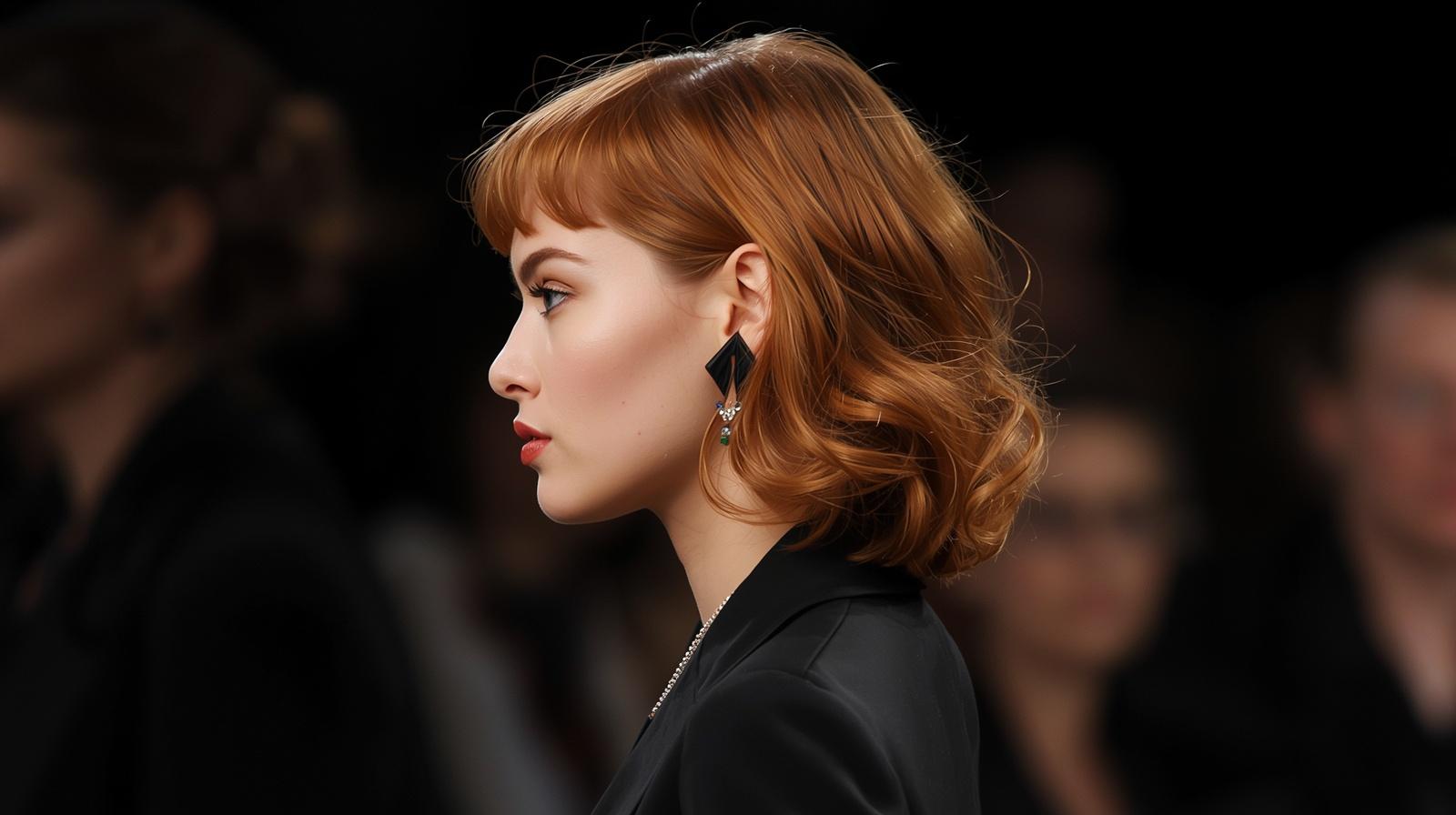
Most anti-aging conversations start with skincare — retinol, SPF, eye creams. But there’s one thing that can shift how old you look just as much as any serum, and it’s sitting right on top of your head. Your hair color plays a bigger role in how youthful your face looks than most women realize.
Here’s why: as skin matures, it loses some of its natural brightness. Certain hair shades pull light toward the face, which softens the appearance of fine lines and gives skin a fresher, more glowing look. Others do the opposite — they create harsh contrast or look flat, and that can add years instead of taking them away. A 2019 study in The Journal of Cosmetic Dermatology found that lighter, warmer hair colors can reduce perceived age by up to five years, simply because of the way they reflect light and soften facial shadows.
The eight shades below are backed by colorists and proven on real women. Whether you’re covering grays, refreshing a faded color, or just ready for a change, there’s an option here that can work for your skin tone and your life.
1. Honey Blonde
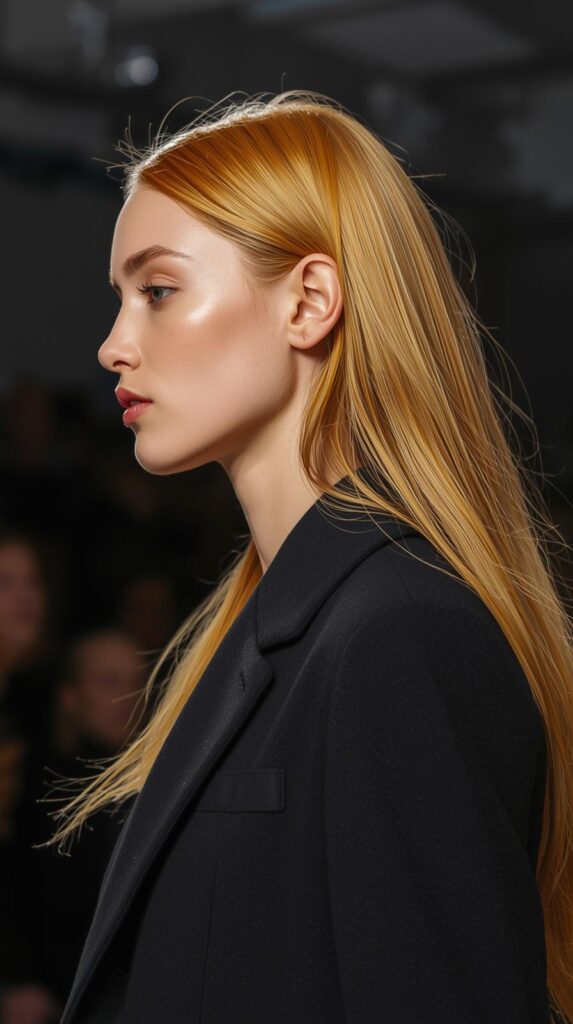
Honey blonde is one of the most reliably flattering shades for women who want a warmer, brighter look without going full platinum. It’s a mix of golden and caramel tones that mimics the natural sun-lightened color many women had in their younger years.
What makes it work is the warmth. Warm tones reflect light onto the face, which evens out the skin and softens the look of lines around the eyes and mouth. It’s not a stark, high-contrast blonde — it’s lived-in and natural, which is exactly what reads as youthful. This shade works especially well on women with fair to medium skin, but it’s adaptable enough for darker complexions when applied as highlights or a balayage rather than an all-over color.
Ask your colorist to concentrate the brightest pieces around your face. That placement is what does most of the lifting.
2. Warm Chocolate Brown
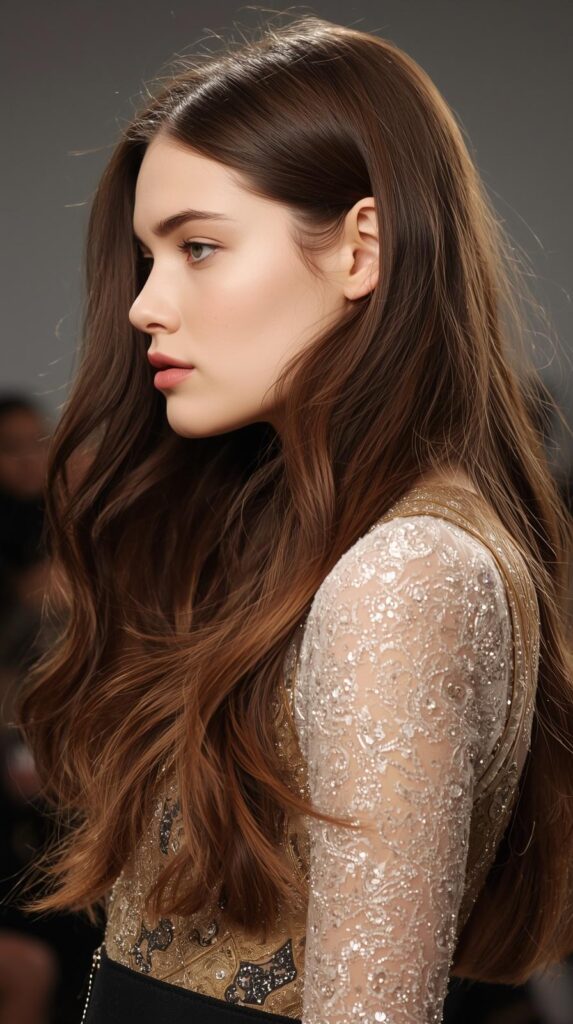
A lot of women default to a flat, cool brown when they go darker — and that’s usually where things go wrong. Flat, one-dimensional color can look dull on mature hair and actually pull attention to grays at the roots rather than away from them.
Warm chocolate brown, on the other hand, has depth and richness. The warm undertones in a good chocolate shade do the same thing honey blonde does — they bounce light and add radiance. Pair this color with a few caramel highlights woven through, and you have a multi-dimensional look that gives the impression of healthy, thick hair. Colorists often recommend this as one of the most age-friendly brunette options because it’s not trying too hard — it just looks really good.
3. Caramel Balayage
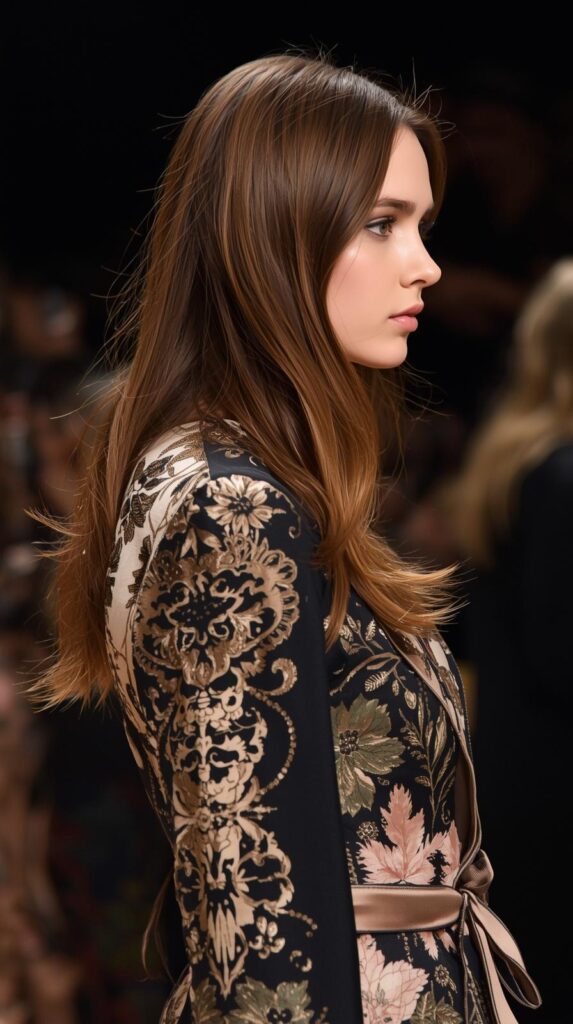
Balayage is a hand-painted technique where color is applied in soft, sweeping strokes rather than in neat foils. The result is a natural gradient that blends seamlessly — no hard lines, no obvious regrowth, and no harsh contrast.
Caramel balayage specifically adds warm, golden-brown tones to a darker base, and the effect is one of the most flattering available for women in their 30s, 40s, and beyond. The soft transition between dark roots and lighter ends mimics the way hair naturally lightens in the sun, which looks inherently youthful. Because the grow-out is gradual and blended, it’s also lower maintenance than traditional highlights — appointments every three to four months rather than every six weeks.
This is a great option for women who want a noticeable change without anything that looks obviously colored.
4. Strawberry Blonde
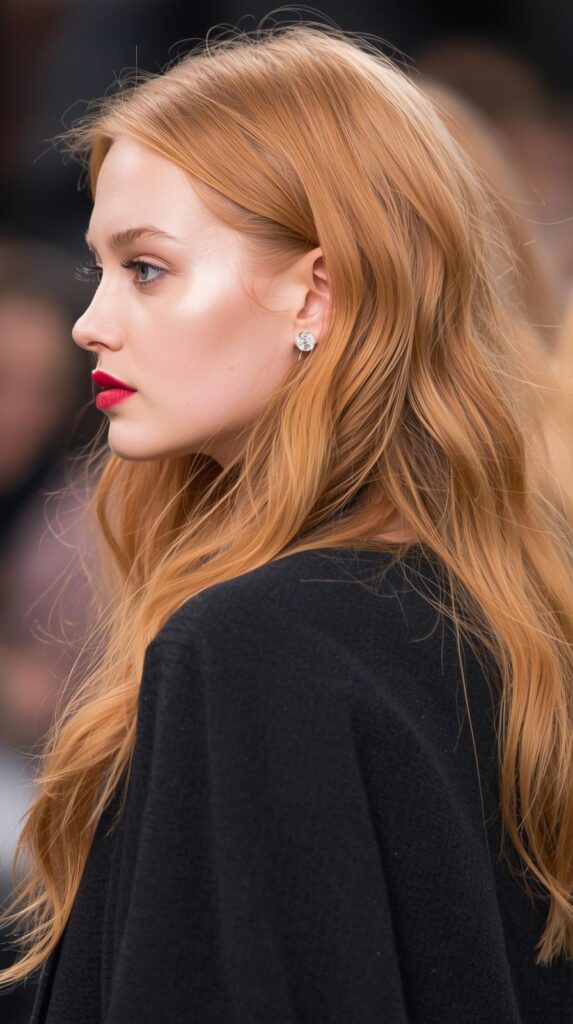
Strawberry blonde sits at the crossroads of red and blonde — warm, bright, and full of personality. It’s a shade that photographs beautifully and does remarkable things for the skin, adding warmth and a rosy flush that makes complexions look more even and alive.
Women with fair or light skin tend to get the most dramatic effect from strawberry blonde, but medium skin tones can carry it just as well with the right balance of red and gold. It works particularly well for women who have been blonde and want to add depth without going fully brunette, or for natural redheads looking to refresh a faded color. Adding golden highlights into the mix brightens the overall look even further.
Celebrities like Blake Lively and Emma Stone have made this shade iconic, and for good reason. It’s flattering, warm, and genuinely hard to pull off badly.
5. Soft Black
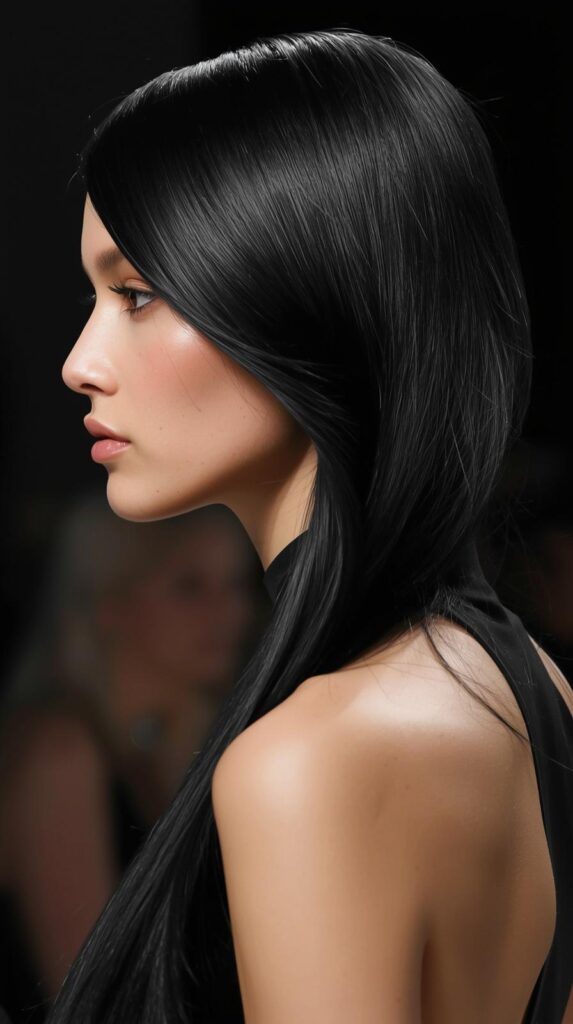
Jet black is a polarizing color on mature hair. At its darkest, it can look severe — sharp contrast against the skin can make lines more visible rather than less. But soft black, which sits right at the edge of black and deep brunette, is a completely different story.
Soft black has enough depth to look rich and polished, but it’s gentle enough not to create that harsh, stark effect. It softens facial features rather than sharpening them, and the slight warmth in the tone gives skin a more luminous appearance. This is a particularly strong choice for women with olive or deeper skin tones, where the contrast between hair and skin is naturally more flattering.
If you love dark hair but feel like your current shade is aging you, ask your colorist about going a shade or two softer. The difference is subtle but real.
6. Golden Blonde Ombré
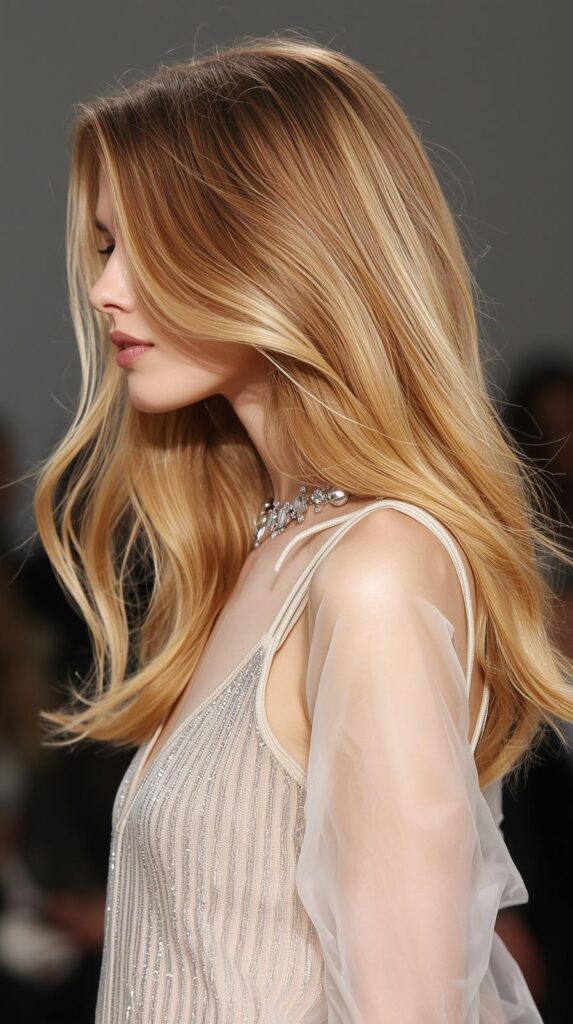
Ombré — where hair transitions from a darker root to a lighter end — creates natural-looking movement and dimension that flat color simply can’t. When the lighter end is a warm golden blonde rather than a pale or ashy shade, the result is a sun-kissed look that photographs well and reads as healthy and youthful.
Golden tones are key here. Cool or icy blonde ends can sometimes look washed out, especially on women with warm or neutral skin tones. The gold keeps everything warm and radiant, and the gradual transition makes the style feel intentional rather than grown-out. This works beautifully on medium to long hair, where the gradient has room to develop properly.
It’s also a relatively low-maintenance option — because the roots are dark, regrowth blends naturally and doesn’t require frequent touch-ups.
7. Warm Beige Blonde
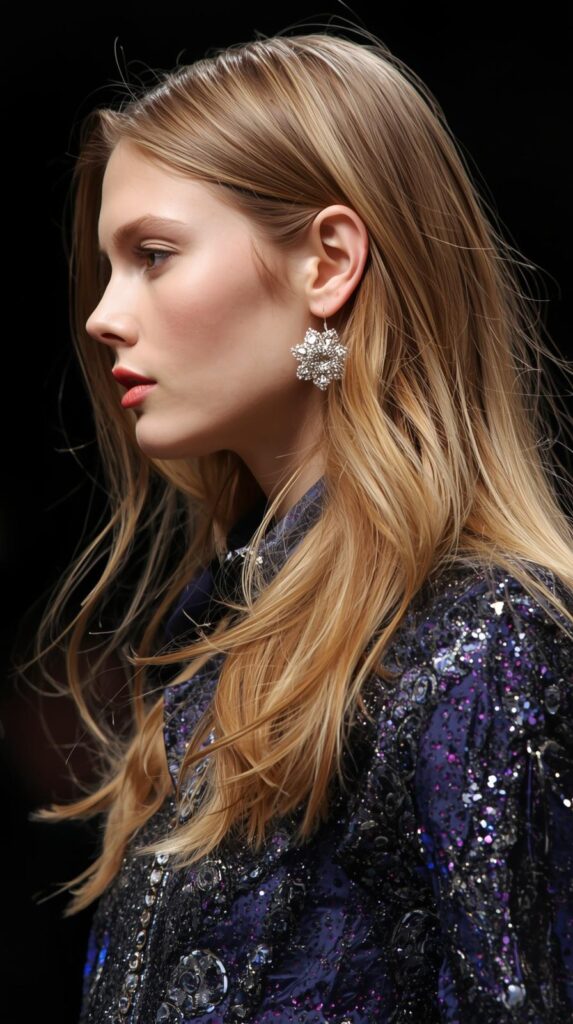
Beige blonde is what happens when you take a classic blonde and warm it up just enough to keep it from looking pale or flat. It’s not golden, it’s not honey — it’s softer and more neutral, with just enough warmth to keep skin looking bright.
This shade is a good middle ground for women who have been going lighter over the years but find that their current blonde is starting to wash them out. Sometimes all that’s needed is a slight shift toward warmer, beige tones rather than a full color overhaul. It looks especially good on women with wavy or shorter hair, where the light hits the texture and picks up the warmth in the color.
Beige blonde also tends to age gracefully as natural grays come in, since the lighter base blends more easily with silver strands than a darker shade would.
8. Chestnut Brown with Face-Framing Highlights
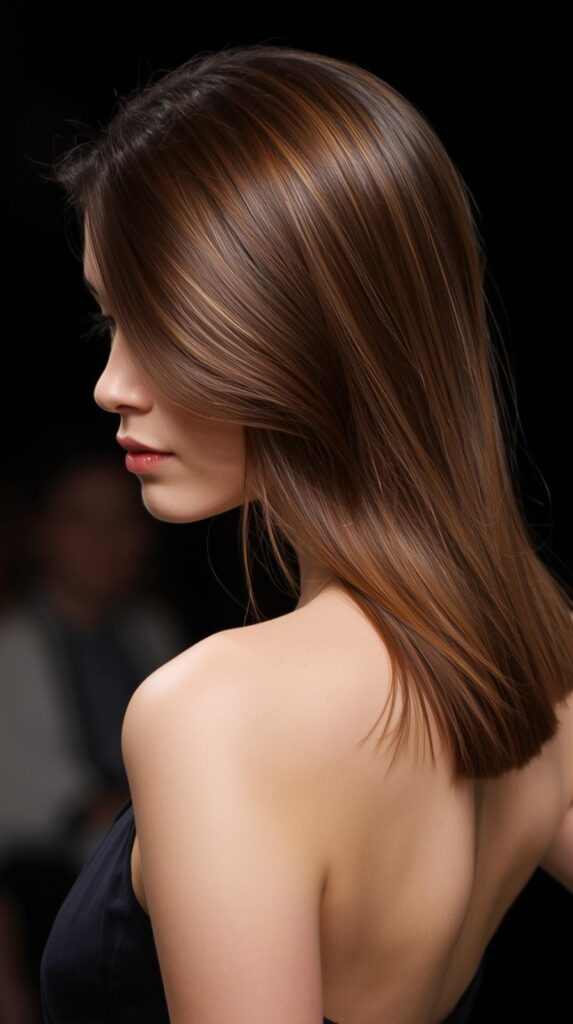
Chestnut brown is a medium brown with warm, reddish undertones — it’s the shade that manages to be both natural-looking and genuinely beautiful at the same time. On its own, it’s flattering. With face-framing highlights added in, it’s one of the most effective anti-aging color choices available.
Face-framing highlights are exactly what they sound like — lighter pieces placed specifically around the hairline and near the face. This placement does a lot of the same work that a good highlighter does in makeup: it draws light toward the center of the face, softens the area around the eyes, and creates the impression of a more even, glowing complexion. A few strategic lighter pieces can make a bigger difference than an all-over color change.
This approach is also adaptable. The highlights can be as subtle or as visible as you want, and the chestnut base gives enough warmth that almost any skin tone can wear it well.
A Few Things Worth Knowing Before You Book
Before you call your colorist, it helps to know your skin’s undertone. Women with cool undertones — pink or olive skin, blue veins at the wrist — tend to look best in shades that lean slightly cooler or neutral, like soft black or beige blonde. Women with warm undertones — golden or peachy skin, green veins — get the most out of warm shades like honey blonde, caramel, or chestnut. Neutral skin tones have the most flexibility and can pull off most of the shades on this list.
One general rule that colorists repeat often: avoid going too dark or too light all at once. Hair that’s dramatically darker than your natural color can look harsh and flat, while hair that’s dramatically lighter can wash out your complexion. The sweet spot is usually a few shades in either direction from where you naturally are, with added dimension through highlights or lowlights to keep things looking alive.
Also worth noting — hair condition matters as much as color. Color that’s applied to dry, brittle hair will look dull no matter how good the shade is. Using a nourishing shampoo and a weekly deep conditioning treatment will keep color looking fresh and vibrant between appointments.
The Right Shade Can Do More Than You Think
Hair color doesn’t get nearly enough credit as an anti-aging tool. The right shade brightens your complexion, softens your features, and gives your whole look a lift — sometimes more noticeably than a new skincare product would. The eight colors above aren’t about chasing a trend. They’re about finding what genuinely works for your face, your skin, and the way you want to look right now.
You don’t need a dramatic transformation. A shift in tone, a few well-placed highlights, or a softer version of what you already have might be all it takes. Talk to a colorist you trust, bring a few reference photos, and give yourself permission to refresh something that’s been sitting the same way for too long. A small change in the right direction can make a noticeable difference.
Frequently Asked Questions
Q: Does hair color really make a difference in how old you look?
A: Yes, genuinely. Color affects how light hits your face. Warm, dimensional shades reflect light toward the skin and soften fine lines, while flat or very dark shades can do the opposite and create harsh contrast that draws attention to aging rather than away from it.
Q: What’s the most universally flattering hair color for looking younger?
A: Warm tones tend to work for the widest range of women. Honey blonde, warm chocolate brown, and caramel balayage consistently get strong results across different skin tones and hair types. Ten out of ten colorists in a Madison Reed survey agreed that warm-toned shades read as more youthful than cool-toned ones.
Q: Should I go lighter or darker to look younger?
A: It depends on your starting point, but going a few shades lighter tends to have more of a brightening effect on the face. That said, the key is adding dimension — highlights, lowlights, or a balayage — rather than simply going lighter all over, which can sometimes wash out the complexion.
Q: How do I know which hair color suits my skin tone?
A: Look at the veins on the inside of your wrist. Blue or purple veins suggest cool undertones, which pair well with shades like soft black or beige blonde. Green veins point to warm undertones, which work beautifully with honey blonde, caramel, or chestnut brown. A mix of both means neutral undertones, and you have the most flexibility.
Q: Is balayage a good option for older women?
A: Yes — balayage is actually one of the best options for mature hair because it creates a soft, blended look with no harsh lines and natural-looking grow-out. It tends to be lower maintenance than traditional highlights and looks more natural overall.
Q: Can dark hair look youthful, or should I always go lighter?
A: Dark hair absolutely can look youthful, but the tone matters. Soft black and warm dark browns are much more flattering than flat, cool-toned black or very deep brown with no dimension. The goal is richness and warmth, not stark, opaque color.
Q: How often do I need to touch up my color to keep it looking fresh?
A: It depends on the technique. All-over color typically needs a refresh every four to six weeks. Balayage and ombré can go much longer — often three to four months — because the grow-out is intentionally blended. Face-framing highlights fall somewhere in between, usually every six to eight weeks.
Q: Does hair condition affect how color looks on mature hair?
A: Significantly. Dry or damaged hair absorbs color unevenly and loses vibrancy faster. Keeping hair moisturized with a good conditioning routine makes a real difference in how long color looks fresh and healthy. A weekly deep conditioning mask is worth adding if you color regularly.

