

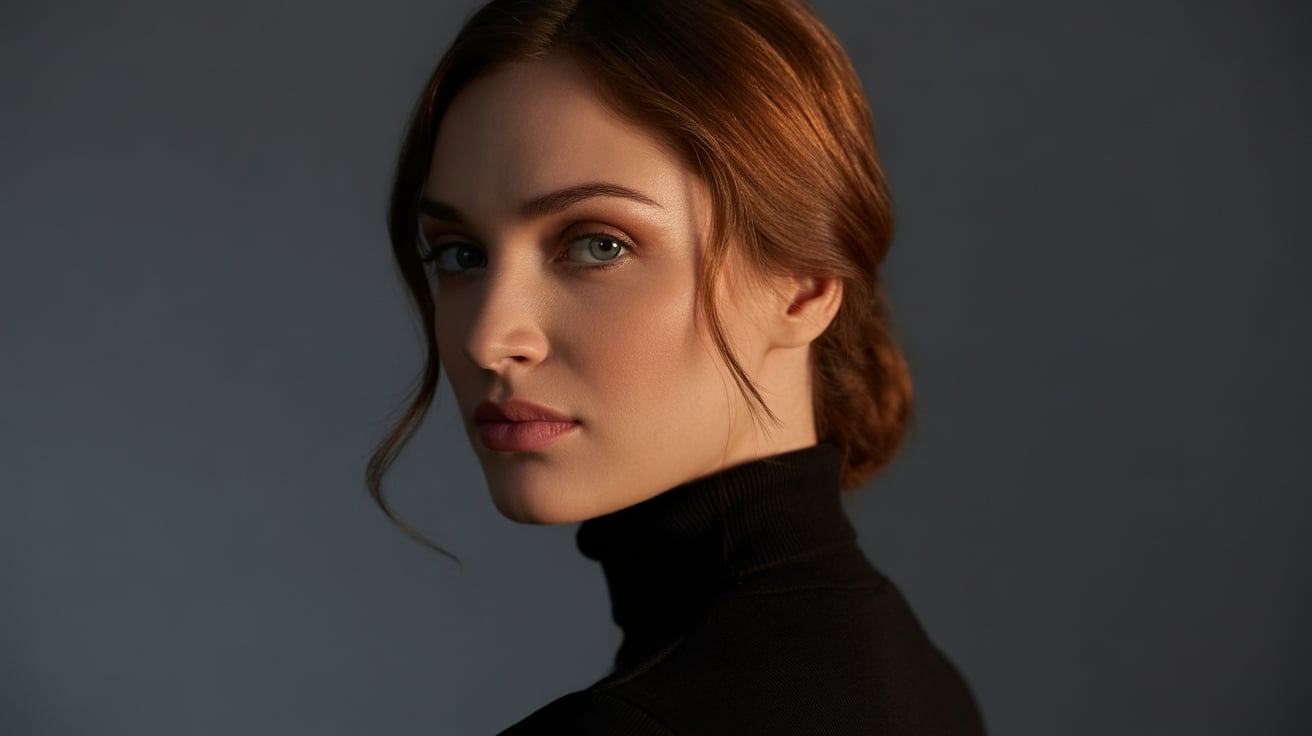
Caramel brown hair has captured attention across salons everywhere, becoming the most requested color transformation this year. This rich, multidimensional shade sits perfectly between blonde and brunette, offering warmth and sophistication that works beautifully across different skin tones and personal styles. The color brings together golden, honey, and chocolate notes in a way that looks both natural and luxurious.
Unlike stark color changes that require constant upkeep, this particular shade grows out gracefully while maintaining its appeal. The blend of warm tones creates depth that photographs beautifully in any lighting, from bright sunshine to soft indoor settings. Women who previously struggled to choose between going lighter or staying dark find this color offers the best qualities of both worlds.
The following sections will guide you through everything from selecting your ideal shade to maintaining that fresh-from-the-salon glow. You’ll discover the specific coloring techniques that create the most flattering results, learn about the maintenance requirements, and pick up styling tips that show off your new color’s dimension. Let’s uncover why this trending hair color has become such a phenomenon and how you can make it work for your unique look.
What Makes Caramel Brown Hair So Special
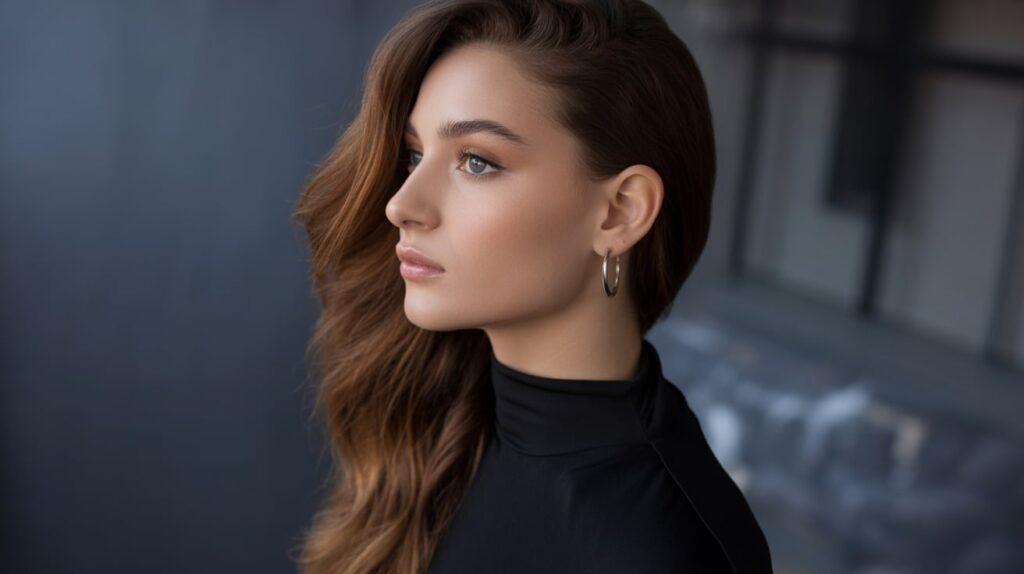
The magic of caramel brown lies in its ability to flatter virtually every woman who tries it. This color family encompasses a wide spectrum of shades, from light butterscotch tones to deeper toffee hues, each offering its own distinct appeal. The versatility means you can customize the exact tone to complement your natural coloring while achieving that coveted sun-kissed effect year-round.
The perfect balance between blonde and brunette
Finding the sweet spot between light and dark hair colors has challenged women for generations. Too blonde might wash out certain skin tones, while solid brunette can sometimes appear flat or one-dimensional. This trending shade solves both problems by incorporating the brightness of blonde highlights with the richness of a brown base.
The result creates movement and interest without the high-maintenance requirements of platinum or the potential heaviness of pure chocolate brown. Your hair appears lighter overall while maintaining depth at the roots, which means less frequent salon visits. The color transition happens so naturally that many women report receiving compliments weeks after their initial appointment, as the shade continues to settle and develop.
How light plays with the color
Natural and artificial lighting transforms caramel brown in fascinating ways throughout the day. Morning sunlight brings out golden undertones that make hair appear almost honeyed, while evening lighting emphasizes the deeper chocolate notes. This chameleon-like quality keeps the color interesting and dynamic rather than flat or predictable.
Indoor fluorescent lighting, which typically makes many hair colors look dull, actually enhances the warmth in this particular shade. The multiple tones woven throughout catch light at different angles, creating an almost three-dimensional effect. Photographers particularly love working with this hair color because it requires minimal editing to look stunning in photos.
Warmth and dimension it adds
The warm undertones in caramel brown create a healthy, vibrant appearance that cool-toned colors often lack. These golden and copper notes add life to your complexion, often making skin appear more radiant and eyes more vibrant. The warmth works like a built-in filter, softening facial features and creating a youthful glow.
Dimension comes from the careful placement of lighter and darker pieces throughout your hair. Rather than a single, solid color application, the technique involves weaving multiple shades together. This approach mimics the natural color variations that occur when hair lightens in the sun, resulting in an authentic, lived-in look that never appears artificial or overdone.
The strategic placement of highlights and lowlights creates the illusion of thicker, fuller hair. Fine or thin hair particularly benefits from this multidimensional approach, as the color variation tricks the eye into seeing more volume and movement than actually exists.
Versatility across skin tones
What sets this trending color apart is its remarkable ability to complement diverse skin tones. Fair-skinned women find that lighter variations add warmth without overwhelming their delicate coloring. The golden tones create a beautiful contrast that prevents the washed-out effect some experience with ash-toned colors.
Medium skin tones can experiment with the full range of caramel shades, from light honey to rich toffee. The warmth in the hair color echoes the natural warmth in their skin, creating a harmonious, balanced appearance. Women with olive undertones particularly benefit from the golden notes that enhance their Mediterranean coloring.
Darker skin tones look stunning with deeper caramel variations that incorporate more chocolate and bronze elements. These richer shades create gorgeous contrast while maintaining the multidimensional quality that makes the color so special. The warmth prevents the harsh line that can occur with lighter highlights on dark skin, instead creating a seamless blend that looks natural and sophisticated.
Women who frequently change their makeup looks appreciate how well this shade adapts to different styles. Bold, dramatic makeup doesn’t compete with the hair color, while natural, minimal makeup gets elevated by the hair’s inherent richness. The adaptability extends to wardrobe choices too – both warm and cool clothing tones pair beautifully with the balanced nature of caramel brown.
Finding Your Perfect Shade of Caramel Brown
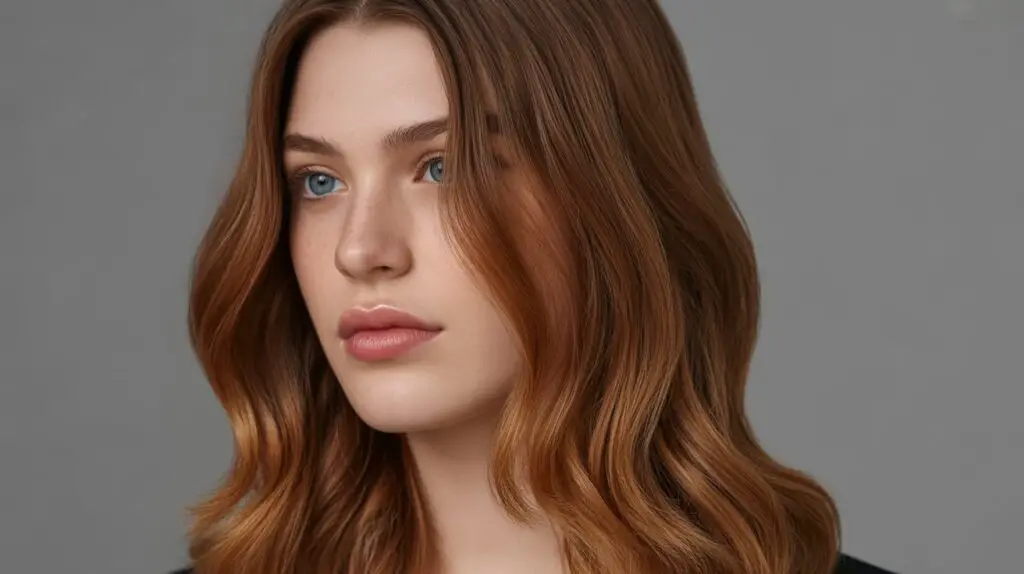
Selecting the right variation of caramel brown requires consideration of multiple factors beyond simple preference. Your natural base color, lifestyle, and maintenance willingness all play crucial roles in determining which specific tone will work best. Understanding these elements before your salon appointment helps ensure results that exceed expectations while fitting seamlessly into your routine.
Light caramel versus dark caramel options
The spectrum of caramel shades ranges from barely-there butterscotch to rich, molten toffee, with countless variations between. Lighter versions typically suit women starting with blonde or light brown hair who want to add warmth and dimension without dramatic change. These shades incorporate more golden and honey tones, creating an overall brighter appearance that catches light beautifully.
Darker variations work wonderfully for natural brunettes seeking subtle enhancement rather than complete transformation. These deeper tones maintain the integrity of your natural color while adding ribbons of warmth throughout. The contrast remains soft and natural-looking, avoiding the stark lines that can occur with traditional highlights on dark hair.
Consider your daily routine when choosing between light and dark options. Lighter shades generally require more frequent touch-ups to maintain their brightness, especially if your natural hair grows in significantly darker. Darker variations offer more forgiveness as roots grow out, blending more seamlessly with your natural color over time.
Matching undertones to your skin
Identifying your skin’s undertones helps narrow down which caramel variation will create the most flattering result. Cool undertones, characterized by pink or red hints in the skin, benefit from caramel shades with slightly ashier bases that prevent excessive warmth. These variations still maintain the characteristic golden notes but balance them with cooler browns to avoid appearing too orange or brassy.
Here’s how to identify and match your undertones effectively:
Vein Test: Check your wrist veins in natural light – blue or purple indicates cool undertones, green suggests warm
Jewelry Preference: Silver looking better suggests cool tones, while gold flattering you indicates warm
White Paper Test: Hold white paper near your face – yellow cast means warm, pink or blue means cool
Sun Reaction: Burning easily often indicates cool tones, tanning readily suggests warm undertones
Warm undertones pair beautifully with richer, more golden caramel shades. These variations can handle extra warmth without appearing unnatural, creating a sun-kissed effect that looks like you’ve spent weeks at the beach. The harmony between warm skin and warm hair color creates an overall glow that appears healthy and vibrant.
Neutral undertones offer the most flexibility, working well with virtually any caramel variation. If you fall into this category, base your decision more on personal preference and maintenance considerations rather than strict color theory rules.
Seasonal considerations for color depth
The time of year you choose to go caramel brown can influence which shade works best. Spring and summer naturally call for lighter, brighter variations that complement sundresses and beach days. These seasons also provide natural sun exposure that helps maintain and enhance golden tones, reducing the artificial appearance that sometimes occurs with warm colors in winter.
Fall and winter months suit deeper, richer caramel tones that pair beautifully with cozy sweaters and darker wardrobes. The lower light conditions of these seasons make subtle dimension more important than overall brightness. Deeper shades also transition more gracefully if you decide to go darker for the colder months.
Your geographic location matters too. Year-round sunny climates support lighter caramel shades that won’t appear out of place in December. Regions with distinct seasons might benefit from adjusting the depth seasonally, going lighter in summer and adding richness for winter months.
Professional colorists often recommend starting with a slightly deeper shade than your ultimate goal, especially if transitioning from very dark hair. This approach allows for gradual lightening over subsequent appointments, minimizing damage while achieving your desired result. The process might take longer, but the health and integrity of your hair remain protected throughout the transformation.
Working with your natural base color
Your starting point largely determines the process and timeline for achieving your ideal caramel shade. Natural blondes enjoy the easiest transition, often needing only strategic lowlights and toning to create the characteristic warmth and dimension. The process typically takes one session and causes minimal stress to hair structure.
Light brunettes require a bit more work but can usually achieve beautiful results in one or two sessions. The lifting process brings out natural warm undertones that blend perfectly with added caramel tones. Your colorist might use a combination of techniques including balayage, traditional highlights, or color melting to create seamless transitions.
Dark brunettes and those with black hair face a longer journey but can absolutely achieve stunning caramel results with patience. The process often involves multiple sessions to safely lift hair while maintaining its health. Your colorist might suggest starting with subtle caramel highlights that gradually increase in number and brightness over several appointments.
Previously colored hair adds another layer of complexity. Box dye, especially dark shades, can be particularly challenging to lift evenly. Professional color correction might be necessary before beginning the caramel transformation. This investment in proper preparation ensures even, beautiful results rather than patchy or orange tones.
Virgin hair responds most predictably to color treatments, making the process more straightforward. If you’ve been growing out previous color, waiting until most of the processed hair has been cut away simplifies achieving your desired caramel shade. The consistent canvas allows for more precise color placement and predictable results.
The Coloring Process: What to Expect at the Salon
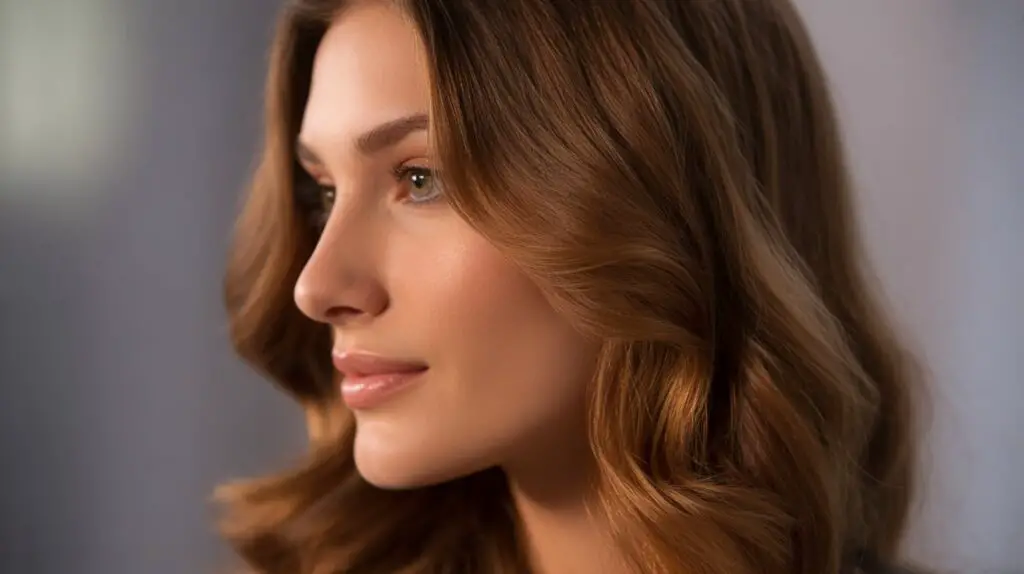
Walking into your salon appointment prepared with realistic expectations makes the entire experience more enjoyable and successful. The journey to achieving perfect caramel brown involves multiple steps, each carefully planned to protect your hair while delivering beautiful results. Understanding what happens during your appointment helps you communicate effectively with your stylist and ensures you leave thrilled with your new color.
Initial consultation importance
Your colorist needs comprehensive information to create your ideal shade, making the consultation phase crucial for success. This conversation should happen before any color touches your hair, either as a separate appointment or at the beginning of your color session. Bring photos showing variations you love, but also trust your stylist’s expertise about what will work with your specific hair type and condition.
During this discussion, complete honesty about your hair history prevents unwanted surprises. Previous chemical treatments, including relaxers, keratin treatments, or even chlorine exposure from swimming, affect how your hair responds to color. Something as seemingly minor as using henna years ago can impact current coloring results. Your stylist needs this information to select appropriate products and techniques.
The consultation also covers maintenance expectations and lifestyle factors. If you wash your hair daily, travel frequently, or swim regularly, these habits influence which formulation works best. Your colorist might recommend specific toning options or gloss treatments based on your routine. Budget discussions during this phase prevent disappointment later, as maintaining this multi-dimensional color requires regular investment.
Time requirements for different starting colors
Appointment length varies dramatically based on your starting point and desired result. Natural blondes transitioning to caramel brown might spend just two hours in the chair, as the process primarily involves adding depth and warmth rather than significant lifting. The relatively quick process makes it an ideal lunch-break transformation for those with compatible starting colors.
Medium brown hair typically requires three to four hours for full caramel transformation. This timeframe includes lifting sections to create dimension, toning to achieve the perfect warmth, and potentially glossing for extra shine. Your colorist works systematically through sections, ensuring even distribution and seamless blending throughout.
Dark hair demands the most patience, with initial appointments potentially lasting five to six hours. The careful lifting process can’t be rushed without risking serious damage. Your stylist might apply color in stages, processing some sections while working on others, maximizing efficiency while protecting hair integrity.
Multiple session transformations actually benefit overall hair health despite requiring more time investment. Spacing appointments two to four weeks apart allows hair to recover between processing sessions. This gradual approach might mean living with transitional colors temporarily, but the final result justifies the extended timeline.
Single-process versus highlighting techniques
Single-process color involves applying one color formula from roots to ends, creating uniform coverage that lacks the dimension characteristic of true caramel brown. While faster and typically less expensive, this approach rarely achieves the multi-tonal effect that makes this trending shade so appealing. Some stylists use single-process as a base before adding dimensional elements.
Traditional foil highlights create precise, controlled placement of lighter pieces throughout your hair. This technique offers maximum precision for achieving specific patterns and can create dramatic contrast when desired. The foils protect surrounding hair while allowing for stronger lifting of selected sections.
Balayage has become the preferred technique for achieving natural-looking caramel tones:
Hand-Painted Application: Color is swept onto hair freehand, creating soft, graduated lightness
Natural Growth Pattern: Placement mimics how sun naturally lightens hair, concentrating on pieces that would typically see more exposure
Soft Transitions: No harsh lines or obvious grow-out, making maintenance more flexible
Customizable Placement: Your colorist can concentrate color exactly where it flatters your face shape and features
Color melting blends multiple shades seamlessly from roots through ends, creating the ultimate dimensional effect. This advanced technique requires significant skill but delivers incredibly natural-looking results. The gradual transition between shades eliminates any harsh demarcation lines.
Many stylists combine techniques for optimal results. They might use foils near the hairline for brightness, balayage through the lengths for natural dimension, and glossing overall for cohesive shine. This hybrid approach maximizes the benefits of each technique while creating truly customized color.
Maintenance expectations from the start
Understanding maintenance requirements before committing helps you prepare financially and logistically for keeping your color fresh. Initial discussions should cover both professional maintenance schedules and at-home care requirements. Most caramel brown variations need refreshing every 8-12 weeks, though this varies based on how quickly your hair grows and your tolerance for visible roots.
Toning appointments between full color services keep warmth balanced and prevent brassiness. These quicker, less expensive appointments extend the life of your color while maintaining vibrancy. Purple shampoo might seem counterintuitive for warm tones, but strategic use prevents excessive brassiness while preserving golden notes.
Root touch-ups become necessary as your natural color grows in, though the soft transition created by proper technique makes timing flexible. Some women embrace the shadowed root trend, allowing natural color to show for added dimension. Others prefer seamless coverage, scheduling appointments the moment regrowth becomes visible.
Gloss treatments every 4-6 weeks amp up shine while depositing subtle color that refreshes your overall look. These treatments take under an hour and cost significantly less than full color services. Many salons offer gloss treatment packages that reduce per-service costs for regular clients.
Your colorist should provide specific product recommendations suited to your hair’s needs. Color-safe shampoo and conditioner form the foundation, but heat protectants, weekly masks, and leave-in treatments all contribute to maintaining healthy, vibrant color. Investing in quality products protects the larger investment you’ve made in professional coloring.
How to Keep Your Caramel Brown Hair Looking Fresh
Maintaining the vibrancy and dimension of your new color requires deliberate care that goes beyond basic washing and styling. The investment you’ve made in achieving the perfect shade deserves protection through proper maintenance routines. With the right approach, your caramel brown can look salon-fresh for weeks between appointments.
Color-safe washing routines
The way you wash your hair impacts color longevity more than any other daily habit. Water temperature makes a significant difference – lukewarm water preserves color molecules while hot water opens the hair cuticle, allowing color to escape. That steamy shower might feel amazing, but it’s washing your expensive color investment down the drain.
Washing frequency matters just as much as temperature. Every shampoo session removes some color, regardless of product quality. Extending time between washes preserves vibrancy while training your scalp to produce less oil over time. Start by adding one extra day between washes, using dry shampoo to manage any oiliness at the roots.
Your washing technique influences color retention too. Focus shampoo application on the scalp where oil accumulates, allowing suds to cleanse lengths and ends as they rinse away. This method prevents over-cleansing areas that tend toward dryness while ensuring thorough scalp cleaning. Conditioner should concentrate on mid-lengths and ends, avoiding roots that can appear greasy with too much moisture.
Pre-shower preparation protects vulnerable strands. Gently detangling before washing prevents aggressive manipulation of wet, fragile hair. Some women apply a small amount of coconut or argan oil to ends before shampooing, creating a barrier that prevents excessive moisture loss during cleansing.
The final rinse deserves special attention. Cool water seals the hair cuticle, locking in color and creating shine. While not necessarily comfortable, this 30-second cold rinse makes a noticeable difference in color retention and overall hair appearance. Think of it as setting your color, similar to how heat sets makeup.
Products that preserve warmth
Selecting products specifically formulated for color-treated hair prevents premature fading while maintaining the golden tones that define caramel brown. Sulfate-free shampoos have become standard recommendations, as sulfates strip both natural oils and color molecules. These gentler formulations clean effectively without harsh detergents that compromise color integrity.
Color-depositing products help maintain warmth between salon visits. These treatments contain tiny amounts of pigment that refresh your shade while conditioning. Golden or honey-toned versions work particularly well for caramel brown, preventing the cool, ashy tones that can develop as color fades. Use these weekly or bi-weekly depending on how quickly your particular hair tends to lose warmth.
Here are essential products for preserving your color’s warmth and dimension:
Purple Shampoo (Used Sparingly): Neutralizes unwanted orange tones while preserving golden warmth when used correctly
Hair Oils: Seal the cuticle and add shine without weighing down your multidimensional color
Leave-in Treatments: Provide ongoing protection between washes while maintaining moisture balance
Heat Protection Sprays: Shield color from fading caused by styling tool damage
Weekly Masks: Deep conditioning treatments that restore moisture without dulling color
UV protection often gets overlooked but plays a crucial role in maintaining color integrity. Sun exposure oxidizes color molecules, causing unwanted lightening and brassiness. Products containing UV filters act like sunscreen for your hair, preserving both color and hair health during outdoor activities.
Clarifying treatments deserve careful consideration. While necessary for removing product buildup, traditional clarifying shampoos strip color aggressively. Look for color-safe clarifying options or use apple cider vinegar rinses that remove residue without harsh chemicals. Limit clarifying to once monthly unless your stylist recommends otherwise.
Touch-up scheduling guidelines
Creating a maintenance calendar helps you budget both time and money while keeping your color consistently beautiful. Most women find that root touch-ups every 6-8 weeks maintain a polished appearance, though this varies based on growth rate and contrast between natural and colored hair.
Toning appointments between full color services refresh warmth and eliminate any unwanted tones developing as color oxidizes. These 30-minute appointments cost a fraction of full color services while significantly extending the time between major treatments. Schedule toning every 4 weeks if you notice rapid fading or every 6-8 weeks for more stable color.
Gloss treatments offer another maintenance option that enhances shine while depositing subtle color. These can alternate with toning appointments or replace them entirely, depending on your specific needs. The added benefit of incredible shine makes glossing particularly popular before special events or photo sessions.
Full highlight refreshers typically happen every 3-4 months, though balayage techniques often allow for longer intervals. The hand-painted application creates such natural growth patterns that some women stretch to 6 months between full services. Your lifestyle, hair growth rate, and personal preferences determine optimal timing.
Seasonal adjustments keep your color looking appropriate year-round. Adding warmth in fall, brightening for summer, or deepening for winter maintains visual harmony with changing wardrobes and natural lighting. These adjustments happen during regular maintenance appointments, requiring no additional salon visits.
Home care between appointments
Your daily habits between salon visits determine whether your color looks fresh at week six or faded at week three. Simple changes to your routine make significant differences in color longevity and hair health. Creating protective habits becomes second nature with practice.
Nighttime protection prevents friction damage that dulls color and causes frizz. Silk or satin pillowcases reduce friction compared to cotton, preserving both color and style. For additional protection, loosely braiding hair or using a silk bonnet prevents tangling while you sleep.
Swimming requires special precautions to prevent chlorine or salt damage. Wetting hair with clean water before swimming reduces absorption of pool chemicals. Follow with immediate rinsing and a chlorine-removing treatment if you swim regularly. Some dedicated swimmers apply a leave-in conditioner before swimming, creating a protective barrier.
Minimize heat styling when possible, as high temperatures accelerate color fading. When heat styling becomes necessary, always use protection sprays and keep tools at moderate temperatures. Air drying even once or twice weekly gives hair a break from thermal stress while maintaining color integrity.
Diet and hydration influence hair health and color vibrancy from the inside out. Adequate protein intake supports hair structure, while staying hydrated maintains moisture balance. Supplements like biotin or hair-specific vitamins can support overall hair health, though they won’t directly impact color retention.
Styling Tips That Make Caramel Brown Hair Shine
The multidimensional nature of caramel brown hair offers unique styling opportunities that showcase the color’s depth and warmth. Different techniques can emphasize various tones within your color, creating entirely different looks without any color change. Mastering these styling approaches ensures your investment in professional coloring delivers maximum impact.
Heat styling considerations
Temperature control becomes critical when styling color-treated hair, as excessive heat accelerates fading while potentially causing damage that makes color appear dull. Setting tools at medium heat, typically around 300-350 degrees Fahrenheit, achieves beautiful results without compromising color integrity. The slightly lower temperature might require an extra pass or two, but your color remains vibrant significantly longer.
Before any heat touches your hair, proper preparation makes all the difference. Apply heat protectant from mid-length to ends, using a lightweight formula that won’t weigh down your style. These products create a barrier between your hair and heating tools while often adding beneficial ingredients that enhance shine. Some formulations specifically designed for color-treated hair include UV filters and color-protecting technology.
Different heat tools showcase caramel dimensions differently. Flat ironing creates sleek styles that display color like liquid metal, with light reflecting evenly across smooth strands. The uniform surface particularly highlights the subtle variations in tone that make this shade special. For optimal results, work in small sections and move the iron steadily without pausing, which can create demarcation lines.
Curling techniques bring out warmth and dimension in spectacular ways. Loose waves created with a large barrel iron show off multiple tones as light hits curved surfaces at various angles. Beach waves achieved through flat iron techniques create lived-in texture that emphasizes the natural-looking color placement. Tighter curls produce dramatic shadow and light interplay that makes color appear even more multidimensional.
Texture techniques that show dimension
Creating texture in caramel brown hair transforms a beautiful color into a showstopping style. Various texturizing methods emphasize different aspects of your multitonal color, allowing you to customize your look based on occasion or mood. The key lies in understanding how different textures interact with light to showcase color dimension.
Braiding presents countless opportunities to display color variation. Simple three-strand braids reveal how different tones weave together, while fishtail braids create intricate patterns that highlight dimensional color. Pulling braids apart slightly, a technique called pancaking, emphasizes color variation even more dramatically. Dutch braids that sit on top of the head catch light differently than traditional braids, making lighter pieces pop against deeper base colors.
Scrunching techniques work particularly well for natural waves or curls. Apply a curl-enhancing cream or mousse to damp hair, then scrunch sections upward repeatedly. This method encourages natural texture while preventing uniform patterns that can make color appear flat. The irregular waves created through scrunching ensure light hits hair at multiple angles, maximizing dimension.
Creating volume at the roots lifts hair away from the scalp, allowing light to penetrate and illuminate various color tones:
Root Lifting Spray: Apply before blow-drying for lasting volume without stiffness
Velcro Rollers: Set the crown area while hair cools for dramatic lift
Teasing Carefully: Backcomb gently at roots only, smoothing the top layer to hide any disruption
Dry Texture Spray: Adds grip and volume without weight, perfect for fine hair
The popular lived-in texture trend perfectly complements caramel brown color. Achieve this by twisting small sections while blow-drying, creating natural-looking bends and movement. This effortless style makes color appear sun-kissed and natural, as if you’ve spent a day at the beach rather than hours in a salon chair.
Accessories that complement the color
Strategic accessory choices can enhance your caramel brown hair while adding personality to any style. Metallic tones particularly complement warm hair colors, with gold and rose gold creating beautiful harmony. These warm metals echo the golden threads running through your color, creating a cohesive, polished appearance.
Hair accessories have evolved beyond basic functionality to become style statements. Tortoiseshell pieces blend beautifully with caramel tones, appearing almost camouflaged while adding subtle detail. The brown and amber patterns in tortoiseshell echo the multidimensional nature of your color. For contrast, deep jewel tones like emerald or sapphire create striking combinations that make both hair color and accessory stand out.
Headbands offer versatile styling options that work with various hair textures and lengths. Padded headbands in silk or velvet add luxury while pushing hair back to reveal dimensional color around the face. Thin metallic bands create delicate accents without overwhelming your style. For casual looks, fabric headbands in complementary colors like cream, rust, or olive enhance the warmth in your hair.
Seasonal accessory swaps keep styles fresh while highlighting different aspects of your color. Summer calls for lighter accessories like shell clips or woven bands that enhance beachy, sun-kissed vibes. Winter accessories in rich fabrics like cashmere or wool complement the deeper tones within caramel brown while providing practical warmth.
Day versus evening styling options
Transitioning hairstyles from office-appropriate to evening-ready showcases the versatility of caramel brown color. Daytime styles often emphasize polish and professionalism, with smooth blowouts or low ponytails that display color’s richness without appearing overly styled. The warmth in caramel brown naturally creates an approachable, professional appearance suitable for any workplace.
A simple low bun during the day transforms easily for evening by loosening some pieces around the face and adding texture spray for a purposefully undone effect. The dimensional color prevents this relaxed style from looking messy, instead appearing effortlessly sophisticated. Strategic pin placement can create interesting shapes that catch light and show off color variation.
Evening styles can embrace more drama and movement. Deep side parts create asymmetry that emphasizes face shape while showing maximum color dimension. Hollywood waves, achieved with a large barrel curling iron and setting spray, create vintage glamour that makes caramel tones appear particularly luxurious. The interplay of light and shadow across structured waves produces an almost holographic effect.
Quick transformation tricks help you shift from day to night without starting over. Adding a texturizing product and scrunching can turn a sleek blowout into tousled waves. Pulling a neat ponytail to one side and wrapping a section of hair around the elastic instantly elevates the style. These simple changes take minutes but completely alter how your color presents.
For special occasions, consider styles that maximize color impact. Half-up styles with curled ends combine structure with movement, showing both smooth and textured elements of your color. Twisted sections that feed into low chignons create intricate patterns highlighting how different tones work together. The more variation in your style’s texture and direction, the more opportunity for your multidimensional color to shine.
The Caramel Brown Trend
The caramel brown trend offers more than just a hair color change – it provides a versatile, flattering transformation that enhances your natural beauty while remaining surprisingly manageable. This sophisticated shade bridges the gap between maintenance-heavy highlights and single-dimensional color, delivering the best of both worlds. The warmth and dimension built into every variation ensure you’ll find a personalized version that feels uniquely yours.
Taking the plunge into caramel brown means joining countless women who’ve discovered how this color simplifies their beauty routine while elevating their overall look. The shade’s forgiving grow-out pattern, ability to complement any skin tone, and chameleon-like quality in different lighting makes it an investment that continues paying dividends long after leaving the salon. With proper care and styling techniques, your caramel brown hair will maintain its fresh, dimensional appearance while requiring less frequent salon visits than many other trending colors.
Frequently Asked Questions
Q: How long does the caramel brown coloring process take at the salon?
A: The time varies significantly based on your starting hair color. Natural blondes might spend just 2 hours, while those with medium brown hair typically need 3-4 hours. Women with dark hair should plan for 5-6 hours for the initial appointment, or multiple shorter sessions spread over several weeks.
Q: Will caramel brown hair work if I have cool undertones?
A: Yes, caramel brown can absolutely work with cool undertones. Your colorist will simply adjust the formula to include slightly ashier base tones that prevent excessive warmth. The result still maintains those characteristic golden notes but balances them perfectly with your skin’s natural coolness.
Q: How often do I need to touch up my roots with caramel brown hair?
A: Most women schedule root touch-ups every 6-8 weeks, though this depends on your hair growth rate and the contrast between your natural and colored hair. The soft blending techniques used for this color often allow you to extend slightly longer between appointments compared to traditional highlights.
Q: Can I achieve caramel brown hair if I have previously colored black hair?
A: Yes, but it requires patience and potentially multiple sessions. Your colorist will need to gradually lift the dark color while maintaining hair health. Starting with subtle caramel highlights that increase over several appointments often produces the best results without damaging your hair.
Q: What’s the difference between balayage and traditional highlights for caramel brown?
A: Balayage involves hand-painting color onto hair for soft, natural-looking results with no harsh lines, making grow-out more graceful. Traditional foil highlights offer more precise placement and can achieve lighter results but may create more obvious regrowth lines. Many stylists combine both techniques for optimal caramel brown results.
Q: How can I prevent my caramel brown from turning brassy?
A: Use color-safe, sulfate-free shampoos and wash with lukewarm water instead of hot. Purple shampoo used sparingly (once weekly) can neutralize unwanted orange tones. Regular glossing treatments every 4-6 weeks at the salon also help maintain the perfect balance of warm tones without brassiness.
Q: Is caramel brown high-maintenance compared to other hair colors?
A: Caramel brown actually requires less maintenance than many trending colors. The multidimensional nature and soft blending techniques mean roots grow out naturally. You’ll need touch-ups every 6-8 weeks and should use color-safe products, but it’s more forgiving than platinum blonde or fashion colors.
Q: What’s the best way to add shine to caramel brown hair?
A: Regular gloss treatments every 4-6 weeks provide incredible shine while refreshing color. At home, use a weekly hair mask, finish styling with cool air or a cold water rinse, and apply a lightweight hair oil to ends. These steps seal the cuticle, maximizing light reflection and enhancing your color’s dimension.

