

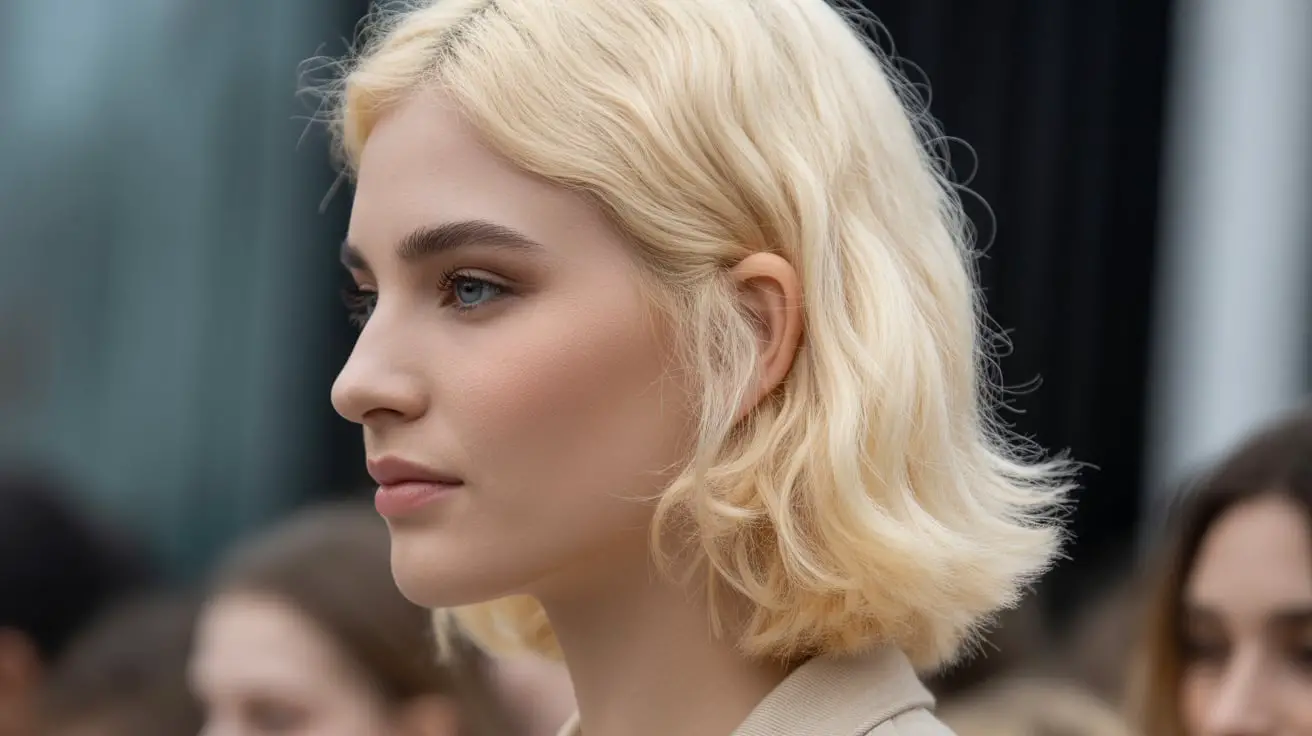
Finding a blonde shade that looks effortless yet refined can feel like searching for a needle in a haystack. Most blonde options either wash you out or look overly processed. That’s where this warm, dimensional color comes in. Think soft caramel ribbons mixed with honey tones that catch the light just right.
This particular shade takes inspiration from the fuzzy, comforting hues of a childhood stuffed animal. It blends multiple blonde tones together to create depth and movement. The result is hair that looks sun-kissed rather than salon-processed. You get highlights that grow out gracefully without harsh lines.
Let’s talk about what makes this color different from other blonde options, who it works best for, and how to get it. You’ll also learn maintenance tips and styling ideas to keep your hair looking fresh.
What is Teddy Bear Blonde Hair Color?
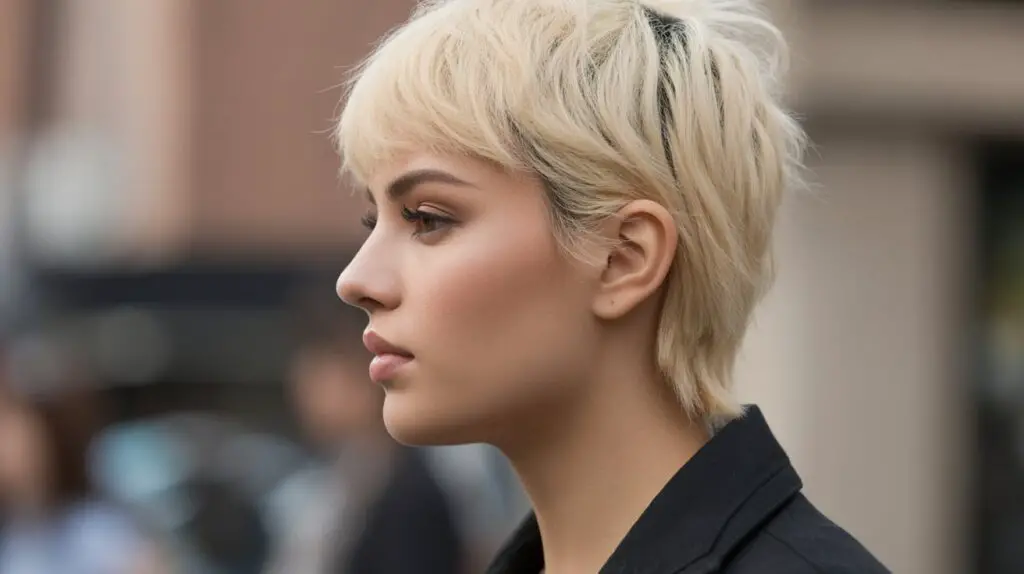
This blonde variation combines warm caramel, honey, and buttery tones to create a multi-dimensional look. The name comes from the soft, comforting brown-blonde mix you’d see on a plush toy. Unlike single-process blonde that can look flat, this approach uses multiple shades painted throughout your hair.
The Core Characteristics
The color sits somewhere between bronde and classic blonde. Your stylist will weave together lighter and darker tones, creating natural-looking contrast. The darker pieces typically fall around level 7 or 8 on the color scale, while the lighter sections reach level 9 or 10. This variation mimics how sun naturally lightens hair over time.
Temperature and Undertones
Warmth defines this color choice. Cool ashy blondes can make some complexions look washed out, but these golden undertones bring life to your face. The caramel and honey notes add richness without looking brassy or orange. Think buttered toast rather than copper penny.
Dimension Through Placement
Your colorist won’t apply color uniformly. Instead, they’ll paint highlights where sun would naturally hit – around your face, on the top layers, and through the mid-lengths. This strategic placement creates movement and depth. When you move your head, different tones catch the light.
How It Differs From Other Blondes
Platinum blonde requires heavy lifting and frequent touch-ups. Balayage can sometimes create too much contrast. This approach finds the middle ground. It’s brighter than bronde but warmer than sandy blonde. The color grows out softly, giving you more time between salon visits.
The Visual Effect
Your hair will look like you spent weeks at the beach. The multiple tones prevent that flat, one-dimensional appearance that some color treatments create. Photos will show different highlights depending on the lighting. Natural sunlight brings out the warmth, while indoor lighting showcases the depth.
Maintenance Level
This isn’t a high-maintenance color. The gradual blend of tones means roots don’t show as obviously as they would with all-over blonde. You can stretch appointments to 10-12 weeks without looking grown out. The warm tones also fade more gracefully than cool blondes, which can turn brassy.
Customization Options
No two applications look identical. Your stylist will adjust the ratio of light to dark based on your natural color and desired outcome. Some women prefer more caramel pieces for a subtle change. Others want brighter ribbons for maximum impact. The technique adapts to your preferences.
Color Depth Variations
If you have darker hair, your stylist might keep more lowlights. This prevents damage from over-processing while still achieving that sun-kissed effect. Lighter-haired women can go brighter overall since less lifting is required. The goal stays the same – natural-looking dimension that enhances rather than overwhelms.
Who Does Teddy Bear Blonde Work Best For?
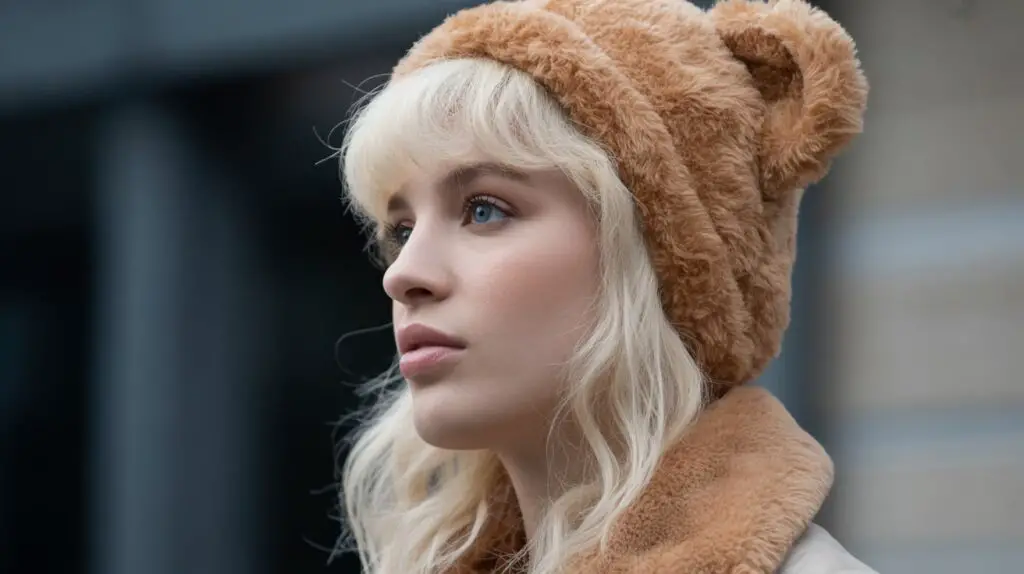
You don’t need specific hair to pull off this color, but some starting points make the transition easier. Understanding how it interacts with your natural features helps set realistic expectations.
Natural Base Color Matters
Women with light to medium brown hair find this transition smoothest. Your stylist won’t need to lift your color as dramatically, reducing potential damage. Dark brunettes can still achieve the look, but expect multiple sessions to reach the desired lightness safely. Redheads might need extra toning to neutralize orange undertones.
Starting with already-lightened hair? You’re ahead of the game. Your colorist can add dimension without starting from scratch. Previous highlights actually help create the multi-tonal effect faster.
Skin Tone Considerations
Warm and neutral skin tones pair beautifully with these golden hues. The caramel and honey notes complement peachy or olive undertones in your complexion. If you tan easily or have yellow-based skin, this color will enhance your natural warmth.
Cool skin tones can work with this shade too, but you’ll want more buttery pieces and fewer caramel sections. Your stylist can adjust the formula to prevent the color from looking too orange against pink-toned skin. The key is finding the right balance of warm and neutral tones.
Hair Texture and Type
Straight hair shows off the individual color ribbons clearly. You’ll see distinct separation between tones, creating obvious dimension. This works well if you want people to notice your color.
Wavy and curly textures blend the tones together naturally. The color shifts as your hair moves, creating a softer overall effect. Textured hair also hides regrowth better since the tones merge at the roots.
Fine hair benefits from the dimensional approach. Multiple tones trick the eye into seeing more volume and thickness. The contrast between light and dark sections creates the illusion of fuller hair.
Thick hair handles this color beautifully. Your stylist has more canvas to work with, allowing for more intricate placement. The various tones prevent your hair from looking like a solid, heavy block of color.
Face Shape Compatibility
This color technique uses lighter pieces around your face to brighten your features. Women with round faces can request more highlights near the cheekbones to create a slimming effect. The vertical color lines draw the eye up and down rather than across.
Square and rectangular faces benefit from softer placement. Your stylist can concentrate lighter pieces around your jawline to soften angular features. The warm tones also add a gentle, approachable quality.
Oval faces can handle any placement style. You have the flexibility to go bolder or more subtle based purely on preference. Heart-shaped faces look great with highlights concentrated through the mid-lengths rather than right at the roots.
Lifestyle Factors
Active women who spend time outdoors will love how naturally this color fades. Sun exposure won’t turn your hair brassy like some blonde shades. The warm base disguises slight color changes that happen with swimming or exercise.
Your styling routine matters too. If you rarely heat style, the color will last longer and maintain its richness. Women who straighten or curl daily should be prepared for slightly faster fading, though the warm tones still fade better than cool blondes.
Age Considerations
This color works across all age groups. Younger women appreciate the trendy, sun-kissed appearance. Mature women find it softens their look while covering gray hairs gradually. The multi-tonal approach camouflages grays better than solid color since the lighter pieces blend with silver strands.
How to Get Teddy Bear Blonde Highlights
Walking into your first color appointment can feel overwhelming. Knowing what to expect helps you communicate effectively with your stylist and ensures you’re both working toward the same goal.
The Consultation Process
Schedule a consultation before booking your color appointment. Bring photos showing the exact look you want – screenshots from social media work perfectly. Your stylist needs to see what you have in mind rather than guessing based on descriptions.
Be honest about your hair history. Previous color treatments, chemical relaxers, or keratin treatments all affect how your hair takes new color. Your stylist will examine your current condition and determine if any pre-treatment is needed.
Discuss your maintenance commitment. How often can you realistically return for touch-ups? What’s your budget for color upkeep? These practical considerations shape the color plan. If you can only visit every four months, your stylist might adjust the placement or tone to accommodate that schedule.
Understanding the Technique
Most stylists use balayage or hand-painting methods for this look. They’ll apply lightener to selected sections, painting it on freehand rather than using foils. This creates softer, more natural-looking results. Some colorists combine techniques, using foils for brighter pieces and balayage for softer sections.
Your stylist starts by sectioning your hair into manageable parts. They’ll paint lightener onto the mid-lengths and ends first, then blend it upward toward your roots. The key is creating a gradual transition rather than harsh lines. Different sections get different amounts of lightener based on your desired contrast.
Time Investment
Plan for your first appointment to take three to five hours. Your stylist needs time to carefully place each highlight and let the color process. Rushing leads to uneven results. Bring a book, download a podcast, or prepare to scroll through your phone for a while.
The lightener needs 30-45 minutes to lift your natural color. Your stylist will check it periodically to monitor progress. Once you’ve reached the right level of lightness, they’ll rinse it out and apply toner. Toning takes another 20-30 minutes and is crucial for achieving those warm, golden hues.
What Happens During Application
Your stylist might apply a bond-building treatment before coloring. This protects your hair from damage during the lightening process. It’s worth the extra cost if your hair is already compromised from previous coloring or heat styling.
The lightener will feel warm on your scalp as it processes. This is normal. Tell your stylist immediately if you feel burning or intense discomfort. They can add more product to buffer the sensation or rinse early if needed.
You’ll probably see your hair looking very light – almost white in some sections – before toning. Don’t panic. The toner transforms those pale pieces into the warm, golden tones you want. Trust the process and wait for the final result after toning and styling.
Follow-Up Appointments
Most women return every 8-12 weeks for touch-ups. Your second appointment will likely be shorter since your stylist is refreshing existing highlights rather than creating the look from scratch. They’ll add new highlights around your face and through the top layers where regrowth shows most.
Here’s what to expect at maintenance appointments:
Root Touch-Up: Lightener applied to new growth where previous highlights were placed, blending them seamlessly with existing color.
Glossing Treatment: A sheer color that refreshes tone and adds shine without dramatically changing your look.
Toner Refresh: Updates the warm tones that naturally fade between appointments, bringing back that golden glow.
Bond Treatment: Repairs any damage from the coloring process and strengthens hair structure for better long-term health.
Cost Considerations
Initial appointments typically run $200-400 depending on your location and stylist experience. Touch-ups cost less, usually $150-300. These prices vary significantly based on your hair length, thickness, and geographic area. Urban salons generally charge more than suburban or rural locations.
Factor in product costs too. Color-treated hair needs specific shampoos, conditioners, and treatments. Budget $50-100 every few months for maintenance products. These products prevent fading and keep your hair healthy between appointments.
Maintaining Your Teddy Bear Blonde Color
Getting the color is just the beginning. How you care for your hair at home determines how long it stays vibrant and how healthy it remains.
Washing Techniques That Preserve Color
Wait at least 48 hours after coloring before your first wash. This gives the color molecules time to fully settle into your hair shaft. When you do wash, use lukewarm or cool water. Hot water opens your hair cuticle, letting color escape faster.
Cut back on washing frequency. Every other day works for most women, though you might stretch it to every third day if your hair isn’t oily. Dry shampoo becomes your best friend between washes. It absorbs oil and adds volume without stripping color.
Purple or blue shampoo isn’t right for this color. Those products work for cool-toned blondes but can make warm colors look muddy. Instead, choose color-safe shampoos specifically formulated for warm or golden tones.
Product Selection
Your regular drugstore shampoo won’t cut it anymore. Color-treated hair needs sulfate-free formulas that clean gently without stripping. Look for products labeled “color-safe” or “color-protecting.” These contain ingredients that seal your cuticle and lock in color.
Deep conditioning treatments should happen weekly. The lightening process makes hair more porous, meaning it loses moisture faster. A good mask repairs damage and prevents breakage. Apply it from mid-lengths to ends, avoiding your roots unless they’re very dry.
Leave-in treatments add another layer of protection. Apply a small amount to damp hair before styling. These products shield your hair from heat damage while adding moisture. They also make hair more manageable and reduce frizz.
Heat Styling Adjustments
Lower your tool temperatures. Hair that’s been lightened is more fragile than virgin hair. Keep flat irons below 350°F and curling irons around 300°F. It might take slightly longer to style, but you’ll prevent damage that makes your color look dull.
Always apply heat protectant spray before using any hot tools. This creates a barrier between your hair and the heat. Don’t skip this step even if you’re in a hurry. The few seconds it takes could save you from significant damage.
Air drying when possible extends your color life and improves hair health. Let your hair dry naturally whenever your schedule allows. Use this time to apply a styling cream or mousse that enhances your natural texture while protecting color.
Touch-Up Schedule
Book your next appointment before leaving the salon. Life gets busy, and if you wait to schedule, you might end up going too long between visits. Most women need refreshing every 8-12 weeks, though this varies based on hair growth rate and desired look.
Watch for signs you need a touch-up. If the contrast between your highlights and base color has faded significantly, it’s time. When your roots start looking noticeably darker than the rest of your hair, schedule an appointment. Don’t wait until you’re unhappy with how it looks.
Between appointments, root concealer sprays can temporarily disguise regrowth. These wash out with your next shampoo but help you stretch appointments if needed. Choose a shade that matches your base color for the most natural look.
Environmental Protection
Sun exposure fades color faster. Wear a hat when you’ll be outside for extended periods. UV protection sprays designed for hair also help shield your color from sun damage. Apply these before heading out, especially during summer months.
Chlorine and salt water are color’s enemies. Wet your hair with clean water before swimming, then apply a leave-in conditioner. This prevents your hair from absorbing as much chlorinated or salt water. Wear a swim cap for maximum protection. Rinse immediately after swimming and apply a deep conditioning treatment that evening.
Hard water deposits minerals on your hair that can alter color over time. Consider installing a shower filter if you have particularly hard water. These filters remove minerals and chlorine, helping your color last longer and look brighter.
Lifestyle Adjustments
Your styling products might need updating. Hairsprays and gels containing alcohol can dry out color-treated hair and cause fading. Switch to alcohol-free formulas designed for colored hair. These provide hold without compromising your color investment.
Silk or satin pillowcases reduce friction while you sleep. Cotton pillowcases can rough up your hair cuticle, leading to dullness and frizz. The smoother fabric helps your hair maintain its shine and reduces overnight damage. This small change makes a noticeable difference over time.
Styling Tips for Teddy Bear Blonde Hair
Once you have your new color, you’ll want to show it off. The right styling choices make those golden tones really pop.
Hairstyles That Showcase Dimension
Loose waves are your best friend with this color. They create movement that lets different tones catch the light as you turn your head. Use a large-barrel curling iron or wand to create relaxed waves. Don’t make them too tight – you want that effortless, beachy texture.
Half-up styles display your color beautifully. Pull the top section back while leaving the rest down. This shows off the lighter pieces around your face while letting the dimensional color through your lengths be visible. Add some texture spray to separated the tones even more.
Braids create interesting patterns with multi-tonal hair. As you weave sections together, the different colors create a marbled effect. Try a loose side braid or fishtail to really show off the variation. Pull a few face-framing pieces out for a softer look.
High ponytails and buns might not be your best choice. These styles hide most of your hair, defeating the purpose of your expensive color. If you need your hair up for work or exercise, opt for a low ponytail that still shows the color along your crown and sides.
Makeup Coordination
Your makeup palette should complement those warm tones in your hair. Peachy and coral blushes harmonize with golden blonde shades. Skip cool pinks that might clash with the warmth. Bronze or terracotta tones on your cheeks and lids create a cohesive look.
Your lip color matters more than you might think. Nude lipsticks with warm undertones work beautifully. Try shades described as caramel, honey, or bronze. Avoid cool mauve or berry tones that fight against your hair color. Warm reds and orange-based pinks also pair well.
Eyebrow color should stay within a shade or two of your base color. If your brows are significantly darker than your new hair, consider having them lightened slightly. Brows that are too dark can look harsh against golden blonde. Your stylist might offer brow tinting services.
Bronze highlighter gives you that sun-kissed glow that matches your hair. Apply it to your cheekbones, bridge of your nose, and cupid’s bow. This creates the illusion that sun naturally lightened both your hair and skin. Skip silver or pearl highlighters that read too cool.
Wardrobe Choices
Warm colors in your clothing enhance your new hair. Rust, olive green, chocolate brown, and burnt orange all complement golden tones. These colors create a harmonious overall appearance. Camel and tan neutrals also work beautifully.
Cool jewel tones can still work if you balance them correctly. If you’re wearing emerald green or sapphire blue, add warm accessories or makeup to bridge the gap. A gold necklace or warm-toned scarf brings everything together. The goal is creating visual harmony rather than having colors compete.
White and cream both look fresh against this color. These neutrals let your hair be the star of your look. In summer, white denim and linen pieces create a bright, clean appearance. During cooler months, cream sweaters provide a soft contrast.
Black can look stark against warm blonde. If you love wearing black, soften it with gold jewelry or a warm-toned scarf near your face. This prevents the high contrast from overwhelming your features. Navy blue often works better than black for women with warm-colored hair.
Seasonal Adjustments
Summer calls for embraced texture and minimal styling. Let your hair air-dry into its natural pattern, enhanced with a sea salt spray. The casual vibe suits warm weather and shows off your color’s dimension. Add some dry texture spray to separate the tones even more.
Fall is perfect for deeper, richer styling. Try sleek blowouts that showcase the shine healthy color-treated hair should have. The smooth surface reflects light, making the warm tones glow. This polished look pairs well with autumn fashion.
Winter might mean dealing with static and dryness. Combat this with leave-in conditioners and anti-static sprays. Your color can look dull if your hair is damaged and frizzy. Keep moisture levels high to maintain that healthy appearance.
Spring invites playful styles. Try accessorizing with headbands or clips in warm metallic tones. Gold, copper, and rose gold accessories complement your hair color while adding interest to simple styles. Flowers in warm colors also create a fresh, seasonal look.
Enhancing Your Natural Texture
If you have naturally straight hair, add gentle bends with a large-barrel curling iron. Wrap sections away from your face to create an open, flattering shape. These loose waves catch light differently than straight hair, emphasizing your color’s dimension.
Wavy hair benefits from products that define without weighing down. Mousse applied to damp hair, then scrunched as it dries, creates volume and separation. This texture naturally showcases the various tones throughout your hair.
Curly hair should be styled to maximize definition. Use a curl-defining cream and scrunch your hair while it dries. Well-defined curls show off color placement better than frizzy, undefined texture. Each curl coil will catch light differently, making your color dance.
Your New Golden Glow
This warm, multi-dimensional color offers the perfect solution for women wanting natural-looking highlights. The blend of caramel, honey, and buttery tones creates depth that single-process color can’t match. You’ll love how the various shades catch light and create movement.
The best part? It grows out gracefully. No harsh lines appear at your roots as your hair grows. The color fades softly, maintaining a pleasant appearance even when you can’t make it to the salon exactly on schedule. This makes it practical for busy women who don’t want high-maintenance hair but still want something special.
Frequently Asked Questions
Q: How long does teddy bear blonde hair color last?
A: The color typically stays vibrant for 6-8 weeks. With proper care using color-safe products and limiting heat styling, you can extend this to 10-12 weeks before needing a full refresh. The warm tones fade more gracefully than cool blondes.
Q: Can I get teddy bear blonde if I have dark brown or black hair?
A: Yes, but it requires multiple sessions to achieve safely. Your stylist will gradually lighten your hair over 2-3 appointments to prevent damage. This process takes patience but protects your hair’s integrity while reaching your desired color.
Q: Will this color damage my hair?
A: Any lightening process affects hair structure, but proper technique and aftercare minimize damage. Use bond-building treatments during coloring and maintain hair with deep conditioning weekly. Many women find their hair stays healthy when they follow proper care routines.
Q: How much does teddy bear blonde cost?
A: Initial appointments range from $200-400 depending on location, salon, and hair length. Maintenance appointments every 8-12 weeks typically cost $150-300. Budget an additional $50-100 for color-safe products between visits.
Q: Do I need to use purple shampoo?
A: No, purple shampoo is designed for cool-toned blondes and can make warm colors look muddy or dull. Use regular color-safe shampoo or one specifically formulated for warm or golden tones instead.
Q: Can I color my hair at home to save money?
A: This multi-dimensional look requires professional placement to achieve natural results. Box dye applied at home will create flat, single-tone color rather than the blended effect you want. The investment in professional coloring is worth it for this particular style.
Q: How often should I wash my hair to maintain the color?
A: Aim for every 2-3 days. Frequent washing strips color faster. Use dry shampoo between washes to extend time between shampoos. When you do wash, use lukewarm water and color-safe products.
Q: Will the color cover gray hair?
A: Yes, the multi-tonal approach camouflages gray hair effectively. The lighter pieces blend with silver strands, making regrowth less obvious. Your stylist can adjust placement to ensure optimal gray coverage based on where your grays appear.
Q: What’s the difference between teddy bear blonde and bronde?
A: Teddy bear blonde is slightly lighter overall with more prominent golden tones. Bronde sits more in the brown family with subtle blonde pieces. This style has more contrast and dimension through warmer caramel and honey shades.
Q: Can I swim with teddy bear blonde hair?
A: Yes, but take precautions. Wet hair with clean water before entering the pool or ocean, then apply leave-in conditioner. This prevents absorption of chlorine or salt. Rinse immediately after swimming and deep condition that evening to maintain color vibrancy.

