

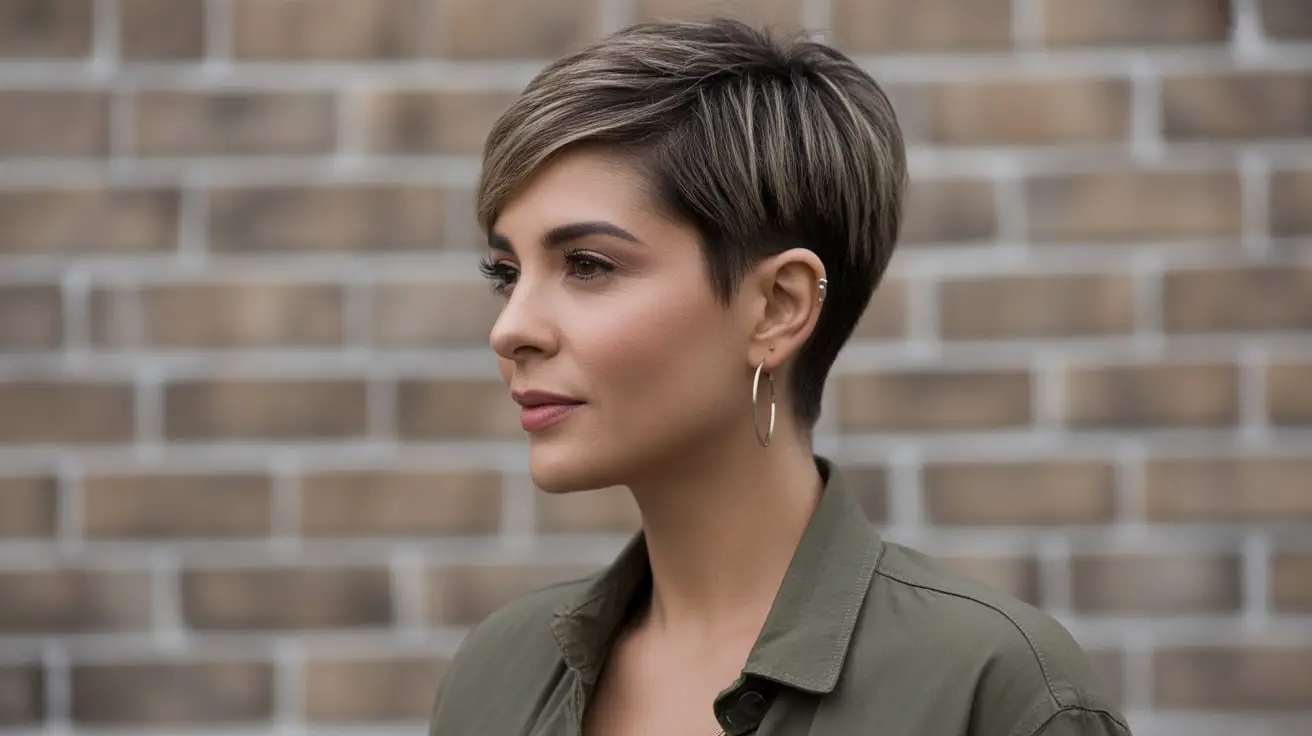
Tapered pixie cuts have become the secret weapon for women who value both style and sleep. These cleverly structured haircuts work with your natural hair patterns rather than against them, creating a polished look that practically styles itself. The strategic layering and graduated lengths mean you can roll out of bed, run your fingers through your hair, and head out the door looking intentionally chic rather than accidentally disheveled.
The beauty of this particular cut lies in its architectural precision. Unlike traditional pixie cuts that might require daily styling battles, tapered versions use carefully planned lengths that fall naturally into place. The shorter sides and back gradually blend into slightly longer top sections, creating dimension and movement without any effort on your part. This built-in structure means your hair maintains its shape throughout the day, resisting the flattening and separation that plague other short styles.
Morning routines become refreshingly simple with the right tapered pixie. You’ll discover how to select the perfect variation for your face shape and hair texture, learn maintenance tricks that actually save time rather than add to it, and master those quick fixes for the occasional uncooperative hair day. Let’s uncover the specific techniques and choices that transform a regular pixie into a truly effortless style that works harder than you do each morning.
- What Makes a Tapered Pixie Cut Perfect for Busy Mornings?
- How to Choose Your Ideal Zero-Effort Tapered Pixie
- Essential Maintenance Tips for Your Low-Maintenance Cut
- Styling Tricks When You Have 30 Seconds (Or Less)
- Common Mistakes That Add Morning Effort
- Your Effortless Morning Awaits
- Frequently Asked Questions
What Makes a Tapered Pixie Cut Perfect for Busy Mornings?

The magic of a tapered pixie cut starts with its graduated length structure. This specific cutting technique creates layers that naturally stack and support each other, forming a shape that holds without any intervention from you. The shorter lengths at the nape and sides gradually increase toward the crown, producing automatic lift and preventing that dreaded flat-against-the-head look that other short cuts often develop overnight.
The graduated length advantage
Think of your hair as a self-supporting structure. The shorter sections underneath prop up the longer pieces on top, creating volume that lasts all day. This graduated approach means gravity works with your style rather than against it. Your hair naturally falls into its intended shape, whether you’re stepping out of the shower or waking up from an afternoon nap.
Professional stylists often compare this cutting technique to architectural design. Each section has a specific purpose and supports the overall structure. The precision in the initial cut pays dividends every single morning when you don’t need to recreate that salon-fresh shape.
The taper specifically addresses common morning hair challenges. Cowlicks become less noticeable because the graduated lengths work around them rather than fighting them. Those stubborn pieces that typically stick up? They blend seamlessly into the overall texture when cut at the right length within the taper.
Natural shape retention
A well-executed tapered pixie maintains its silhouette for weeks after your salon visit. The strategic removal of bulk in specific areas means your hair can’t pile up in unflattering ways. This is particularly beneficial for women with thick or coarse hair who often struggle with pyramid-shaped styles as their hair grows.
Your hair’s natural growth patterns actually help maintain the style rather than destroy it. As the shortest sections grow, they push into the layer above, maintaining that graduated effect. This self-perpetuating structure extends the time between necessary trims while keeping your morning routine minimal.
Built-in volume and texture
Volume happens automatically with a tapered pixie because of the way layers interact. You don’t need root-lifting sprays or complicated blow-drying techniques. The cut itself creates spaces between hair sections that translate to natural body and movement.
Texture becomes your friend rather than an enemy with this cut. Whether your hair is naturally straight, wavy, or curly, the tapered lengths enhance what you already have. Straight hair gains interesting angles and dimension. Wavy hair forms soft, controlled patterns. Curly hair creates defined, bouncy shapes without the triangle effect that longer layers might produce.
Women often report that their hair feels thicker with a tapered pixie, even though they technically have less hair than before. This optical illusion comes from the way light hits the various lengths and the shadows created between layers.
Why styling products become optional
The structural integrity of a tapered pixie reduces or eliminates the need for styling products. Your hair holds its shape through the cut itself rather than through gels, mousses, or sprays. This means no sticky residue, no product buildup, and no need to wash your hair as frequently just to remove yesterday’s styling aids.
Some women find they can go completely product-free with this cut. Others might use a tiny amount of lightweight cream or oil for shine, but heavy-hold products become unnecessary. Your bathroom counter clears up, your morning speeds up, and your hair actually stays healthier without the constant product application.
How to Choose Your Ideal Zero-Effort Tapered Pixie
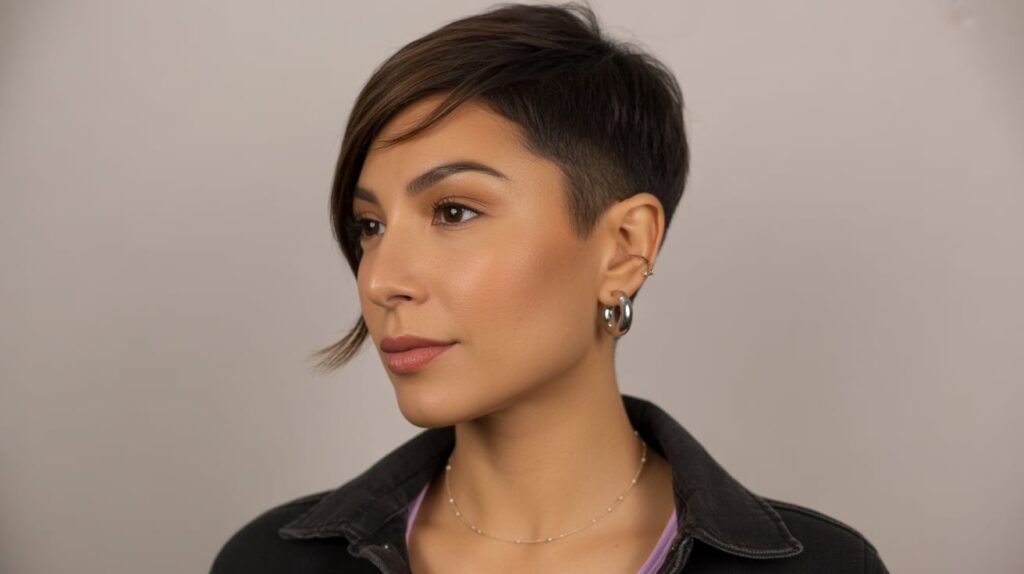
Finding your perfect tapered pixie requires honest assessment of several personal factors. Not all tapered cuts work the same way on different people, and understanding these variations helps you communicate effectively with your stylist for the best possible outcome.
Face shape considerations
Your face shape influences which type of taper will require the least morning effort while looking the most flattering. Round faces benefit from tapers that add height at the crown while keeping sides sleek and close. This creates an elongating effect without any styling needed – the cut does the work for you.
Square faces look fantastic with softer tapers that include some length around the ears and temples. These wisps of hair soften angular features naturally, eliminating the need for careful styling to achieve balance. The graduated lengths create curves where you want them most.
Oval faces can experiment with virtually any taper variation, but the most effortless option often includes slightly longer pieces in front that frame the face. These longer sections dry into place naturally and don’t require precise styling each morning. Heart-shaped faces benefit from tapers that maintain some width at the jaw level, which happens automatically with the right cut rather than through styling manipulation.
Hair texture matching
Your natural hair texture determines which taper techniques will give you that coveted wash-and-go lifestyle. Fine hair responds beautifully to tapers with lots of shorter layers underneath that push up the top sections. This creates fullness that fine hair typically lacks, and it happens without any teasing or volumizing products.
What works best for different textures:
Straight Hair: Benefits from aggressive tapering that creates sharp angles and geometric shapes
Wavy Hair: Needs gentler graduation to prevent pieces from springing up unexpectedly
Curly Hair: Requires careful length planning to work with curl patterns rather than against them
Coarse Hair: Responds well to significant bulk removal through tapering techniques
Understanding your texture helps predict how your hair will behave each morning. A stylist experienced with your specific hair type can create a taper that works with your natural patterns, turning potential morning frustrations into effortless style.
Lifestyle factors to consider
Your daily activities directly impact which taper variation will truly require zero morning effort. Active women who exercise regularly might prefer shorter tapers that don’t get sweaty or tangled during workouts. The shorter the taper, the quicker it dries after a post-gym shower.
Professional settings might call for slightly longer tapers that offer more versatility without requiring styling time. These cuts look polished straight from bed but can be dressed up quickly for important meetings if needed. The key lies in finding that sweet spot between professional appearance and minimal maintenance.
Consider your sleep habits too. Side sleepers often wake with one side flattened, but the right taper minimizes this effect. Back sleepers might prefer tapers that focus length at the crown where flattening typically occurs. Your stylist can adjust the cut to compensate for your specific sleep position.
Professional vs. casual variations
The beauty of tapered pixies lies in their adaptability to different environments without requiring different styling approaches. A professionally appropriate taper might include slightly longer pieces that can be smoothed down for a conservative look, yet these same pieces add personality and movement in casual settings.
Some women worry that super-short tapers appear too casual for corporate environments. However, the right execution creates a sophisticated, intentional look that reads as confident and put-together rather than casual. The precision of the cut itself communicates professionalism.
Length options for different comfort levels
Not everyone feels ready for an ultra-short taper immediately. Fortunately, these cuts exist on a spectrum from barely-there to almost-bob length. Starting with a longer taper lets you experience the low-maintenance benefits while maintaining some psychological comfort from having “more hair.”
Longer tapers might extend to mid-ear or even jaw level at their longest points while still maintaining short, supportive layers underneath. These versions offer the wash-and-go convenience of shorter styles with a bit more coverage for women concerned about exposed ears or necks.
As you become comfortable with the ease of your initial taper, you might find yourself requesting shorter versions at subsequent appointments. Many women report that once they experience the freedom of a truly low-maintenance cut, they never want to go back to lengthy styling routines.
Essential Maintenance Tips for Your Low-Maintenance Cut
A tapered pixie might be low-maintenance, but it’s not no-maintenance. The right care routine keeps your cut looking fresh between salon visits while still honoring your need for simplicity. These strategies focus on preserving your cut’s shape rather than daily styling.
The right washing routine
Washing frequency dramatically impacts how your tapered pixie behaves each morning. Over-washing strips natural oils that help your hair fall into place, while under-washing can leave hair limp and uncooperative. Most women with tapered pixies find their sweet spot at washing every two to three days.
Your washing technique matters as much as frequency. Concentrate shampoo at the scalp where oil accumulates, letting suds run through lengths naturally. This prevents over-drying of the tapered sections that need to maintain their texture and movement. Conditioner should focus on any longer pieces while avoiding the shortest sections that might become weighed down.
Water temperature affects how your hair dries and settles. Cooler water during your final rinse helps hair cuticles lay flat, reducing frizz and encouraging pieces to fall naturally into place. This simple adjustment can eliminate the need for smoothing products or heat styling.
The way you towel dry sets the stage for how your hair will look once fully dry. Aggressive rubbing creates chaos in the carefully planned layers of your taper. Instead, gently squeeze excess water out, then pat hair in the direction of your style. This small change makes a noticeable difference in morning manageability.
Quick drying techniques
Air drying remains the ultimate low-effort approach, but certain techniques help hair dry into its best shape. After towel drying, use your fingers to lift and separate sections at the crown where you want volume. These pieces will dry in that lifted position without any products or tools needed.
For rushed mornings, a quick blast of cool air from your blow dryer speeds things along without adding styling time. Hold the dryer above your head, pointing down, and keep it moving. This preserves your cut’s natural fall while removing moisture quickly. No brush needed, no sectioning required.
Some women discover their tapered pixie looks best when they sleep on slightly damp hair. The gentle pressure and warmth from your pillow can actually help set the style naturally. This technique works particularly well for those with wavy or curly textures that benefit from some compression while drying.
Trimming schedule that matters
Regular trims keep your tapered pixie truly effortless. As the cut grows, proportions shift and that self-styling magic diminishes. Most women need trims every four to six weeks to maintain the zero-effort benefit, though some can stretch to eight weeks depending on growth rate and initial cut precision.
Watch for these signs that a trim is overdue: morning styling time increases, certain sections start sticking up stubbornly, or the overall shape looks bottom-heavy rather than lifted. These indicators suggest the taper needs refreshing to restore its self-maintaining properties.
Between professional trims, you might notice a few rogue hairs that disrupt the clean lines of your taper. Small trimming scissors can handle these outliers without risking the overall shape. Focus only on obviously overgrown pieces rather than attempting to reshape sections yourself.
Night-time hair protection
How you treat your hair at night determines how it looks in the morning. Silk or satin pillowcases reduce friction that can create unexpected angles and frizz in your tapered sections. This investment pays off every morning when your hair requires minimal adjustment.
The position you sleep in affects different parts of your taper. If you consistently wake with problem areas, consider how you might adjust your sleep position or use a different pillow arrangement. Sometimes a flatter pillow prevents the aggressive angles that create morning chaos.
For women with longer tapered sections, a loose silk scarf or bonnet can maintain shape overnight. This might seem counterintuitive for a low-maintenance style, but spending ten seconds putting on a scarf at night saves five minutes of morning frustration.
Product minimalism approach
The goal with a tapered pixie is using as few products as possible while maintaining style. Start by eliminating everything and only adding back what truly makes a difference. You might discover you need nothing at all.
If you do use products, choose multi-purpose options:
Lightweight oil: Adds shine, tames flyaways, and provides moisture
Texture cream: Enhances natural patterns and provides light hold
Dry shampoo: Extends time between washes and adds volume at roots
Sea salt spray: Boosts texture without stiffness
Apply products sparingly to avoid buildup that necessitates more frequent washing. A pea-sized amount usually suffices for an entire tapered pixie. Focus application on longer sections that benefit from definition rather than shorter areas that maintain their shape naturally.
Styling Tricks When You Have 30 Seconds (Or Less)
Even the most low-maintenance tapered pixie occasionally needs a quick refresh. These techniques take literally seconds but can salvage those rare mornings when your hair doesn’t cooperate immediately. Master these moves and you’ll never stress about unexpected video calls or impromptu meetings again.
Sometimes you wake up and one section sits strangely. Rather than wetting your entire head or reaching for styling tools, try the targeted finger-twist method. Slightly dampen just your fingertips with water, twist the rebellious section in the direction you want it to go, and hold for five seconds. The isolated moisture and manipulation usually convince stubborn pieces to behave.
Finger-styling techniques
Your fingers become your best styling tools with a tapered pixie. Learn to use them strategically for maximum impact with minimal effort. The pinch-and-lift technique works wonders for adding instant volume at the crown. Simply pinch small sections between thumb and forefinger near the roots, lift slightly, and release.
Creating piece-y texture takes three seconds with the right finger motion. Rub a tiny amount of any oil or cream between your palms, then rake through longer sections with separated fingers. This breaks up any helmet-like appearance and adds modern, undone texture.
For those with naturally straight hair, the fingertip-scrunch method adds subtle wave and movement. Lightly mist hair with water, then use fingertips to scrunch sections upward. The varied lengths in your taper will create different wave patterns that look intentionally tousled rather than messy.
Strategic use of dry shampoo
Dry shampoo serves multiple purposes in a tapered pixie beyond oil absorption. Applied at night before bed, it creates texture and grip that helps hair stay in place while you sleep. Morning application at the roots of longer sections provides instant lift without the weight of traditional volumizing products.
The application method matters more than the product itself. Instead of spraying directly onto hair, spray onto your fingertips first, then work into specific areas. This prevents white residue on darker hair and gives you precise control over where volume appears.
Quick texture-boosting methods
Texture can transform a flat tapered pixie into a stylish, intentional look in seconds. The friction method involves rubbing sections of hair quickly between your palms to rough up the cuticle and create natural texture. This works particularly well on the longer top sections of your taper.
For an instant refresh without water or products, try the upside-down shake. Bend forward, letting gravity pull hair away from your scalp, and gently shake your head. When you flip back up, pieces settle with natural volume and separation. This technique redistributes natural oils and breaks up any compression from sleeping.
The strategic mess-up approach might seem counterintuitive, but it works. Deliberately tousle your entire style with both hands, really mixing things up, then smooth just the perimeter. This creates textured volume in the interior while maintaining a polished edge.
Emergency fixes for bad hair days
Occasionally, despite the low-maintenance nature of your cut, you might face a challenging hair morning. The wet-hands smoothing technique can tame an entire unruly pixie in ten seconds. Wet your hands, shake off excess water, then smooth over your entire head in the direction of your style.
Static becomes problematic in dry weather, causing tapered sections to stand at odd angles. A dryer sheet rubbed lightly over hair eliminates static instantly. Keep one in your bag for emergency touch-ups throughout the day. The same principle works with hand lotion – a tiny amount smoothed over the surface calms flyaways.
When multiple sections misbehave simultaneously, the reset method saves time. Instead of addressing each problem area individually, wet your entire head under the bathroom faucet for two seconds, towel quickly, and let your cut’s natural shape take over. This complete refresh often works better than spot-treating multiple issues.
Accessory shortcuts
Strategic accessory use can eliminate styling altogether on truly stubborn hair days. A well-placed headband pushes longer sections back while allowing shorter pieces to frame your face naturally. Choose thin, simple bands that complement rather than overpower your pixie’s proportions.
Decorative bobby pins solve specific problem areas while adding intentional style. Two or three metallic pins sweeping one side back creates an asymmetrical look that appears planned rather than problem-solving. Position pins following your taper’s natural lines for the most flattering effect.
Small scarves tied as headbands offer another instant solution. The fabric’s weight helps calm unruly sections while adding a style element that distracts from any imperfections. Fold scarves into thin bands for proportion balance with your short cut.
Common Mistakes That Add Morning Effort
Understanding what not to do protects the effortless nature of your tapered pixie. These common missteps can transform a wash-and-go style into a high-maintenance hassle. Avoiding these pitfalls keeps your morning routine refreshingly simple.
Over-washing pitfalls
Washing your hair daily might seem logical with a short cut, but it actually creates more work. Over-washing removes natural oils that help hair settle into place, leaving you with flyaway pieces that require products or styling tools to tame. Your scalp also overcompensates by producing more oil, creating a cycle of daily washing needs.
The texture of over-washed hair becomes problematic for tapered pixies. Clean hair lacks grip and weight, causing carefully cut layers to separate rather than blend. Those shorter supporting layers can’t do their job when hair is too clean and slippery. You end up needing products to recreate what your natural oils would provide for free.
Finding your optimal washing schedule might require experimentation. Start by extending your current routine by one day. If you wash daily, try every other day for two weeks. Your scalp needs time to adjust its oil production. Many women discover their perfect schedule is twice weekly, with dry shampoo extending freshness between washes.
Wrong product choices
Heavy products destroy the architectural integrity of a tapered pixie. Thick gels, waxy pomades, and creamy stylers weigh down the precise layers, eliminating the lift and movement that make these cuts special. What seems like a solution for unruly pieces actually creates more problems requiring more intervention.
Product buildup becomes particularly problematic with short, tapered cuts. Without length to distribute products, everything concentrates near the scalp and in the shorter layers. This buildup doesn’t just look bad – it actually prevents hair from falling naturally into place. You’ll need clarifying treatments and more frequent washing, adding steps to what should be a simple routine.
Sleeping positions that create problems
How you position your head on the pillow directly impacts your morning hair situation. Sleeping with your head tilted creates a pronounced dent on one side that no amount of finger-styling can quickly fix. Training yourself to sleep more centered on your pillow prevents these aggressive indentations.
Pillow height also matters more than you might expect. Too many pillows prop your head at an angle that flattens the back of your taper while pushing sides outward. A single, medium-height pillow maintains your cut’s natural angles while you sleep.
Some women inadvertently create problems by touching or playing with their hair before falling asleep. This unconscious habit can redirect hair growth patterns over time, creating cowlicks where none existed before. If you notice new problem areas developing, pay attention to any bedtime hair-touching habits.
The material of your pillowcase contributes to morning hair challenges. Cotton creates friction that roughens hair cuticles and generates static. This leads to pieces standing up unexpectedly and a general frizziness that requires morning intervention.
Skipping regular trims
Extending time between trims might save money initially but costs you time every morning. As a tapered pixie grows, weight distribution shifts. The supporting shorter layers become too long to provide lift, while longer sections become heavy enough to fall flat. Your zero-effort cut transforms into something requiring daily styling.
The precision of a taper means even small amounts of growth significantly impact the overall shape. What looks like barely noticeable growth actually represents a 20-30% length increase on the shortest sections. These proportional changes affect how pieces interact and whether they maintain their intended positions.
Attempting to extend time between trims with at-home maintenance often backfires. Trimming your own hair, even just obviously overgrown pieces, can disrupt the careful balance your stylist created. One wrongly cut section throws off surrounding areas, creating more problems than you solve.
Fighting your natural texture
The biggest morning time-waster involves fighting against what your hair naturally wants to do. If your hair has a natural wave, trying to force it completely straight every day adds unnecessary steps. The same applies to naturally straight hair you’re constantly trying to curl. Work with what you have for truly effortless mornings.
Your stylist should cut your taper to enhance natural patterns rather than requiring you to change them. Curly hair cut too short might spring up chaotically, while cut at the right length within the taper, those same curls create beautiful texture. Straight hair tapered at angles that complement its natural fall requires zero manipulation.
Some women request tapered styles they’ve seen on others without considering texture differences. That perfectly piece-y pixie on someone with thick, wavy hair won’t happen naturally on fine, straight hair without significant daily effort. Choose inspiration photos featuring hair similar to your own for realistic expectations.
Your Effortless Morning Awaits
The right tapered pixie cut transforms your entire morning experience, giving you back precious time while ensuring you look polished and put-together. This style investment pays dividends every single day through eliminated styling time, reduced product expenses, and the confidence that comes from consistently good hair days. Whether you’re a busy professional racing to morning meetings, a parent juggling multiple schedules, or simply someone who values those extra minutes of sleep, a properly executed taper works as hard as you do.
The journey to finding your perfect zero-maintenance taper might involve some experimentation with lengths and techniques, but once you discover your ideal variation, you’ll wonder how you ever managed lengthy morning styling routines. The freedom of running your fingers through your hair once and being ready to face the day changes not just your schedule but your entire relationship with your appearance. Your mornings become about possibilities rather than hair problems.
Frequently Asked Questions
Q: How often will I need to visit the salon with a tapered pixie cut?
A: Most women need professional trims every 4-6 weeks to maintain the effortless quality of their tapered pixie. Some can stretch appointments to 8 weeks, depending on how fast their hair grows and how precisely the initial cut was executed.
Q: Can a tapered pixie work with very thick hair?
A: Yes, thick hair actually benefits greatly from tapering techniques. The strategic removal of bulk in specific areas prevents the pyramid shape that thick hair often creates with other short cuts, while maintaining enough weight for pieces to lay properly.
Q: Will I need to use heat styling tools with this cut?
A: The entire point of a well-cut tapered pixie is eliminating the need for heat styling. Most women find they can air dry completely or use just a quick blast of cool air from a dryer without any brushes or styling techniques.
Q: What’s the growing-out process like if I change my mind?
A: Growing out a tapered pixie is actually easier than growing out other short cuts because the varied lengths provide more styling options during awkward phases. The longer top sections grow into bangs while sides gradually catch up, creating different looks along the way.
Q: Does this style work for formal events without extra styling?
A: A precisely cut tapered pixie looks inherently polished and sophisticated, making it appropriate for formal events without additional styling. You might add a small accessory or a touch of shine product, but the cut itself provides elegance.
Q: Can I achieve this cut with naturally curly hair?
A: Curly hair works beautifully with tapered pixies when cut by someone experienced with curly textures. The key lies in understanding your specific curl pattern and cutting lengths that allow curls to form properly within the tapered structure.
Q: What if I have cowlicks or difficult growth patterns?
A: A skilled stylist can actually use tapering techniques to work with cowlicks rather than against them. By adjusting lengths around these areas, problem spots become part of the natural texture and movement rather than something to fight each morning.
Q: Will this cut make my face look rounder or wider?
A: The right tapered pixie can actually slim and elongate face shapes through strategic length placement. Height at the crown and close-cut sides create vertical lines that counteract width, though your stylist should customize proportions for your specific features.

