

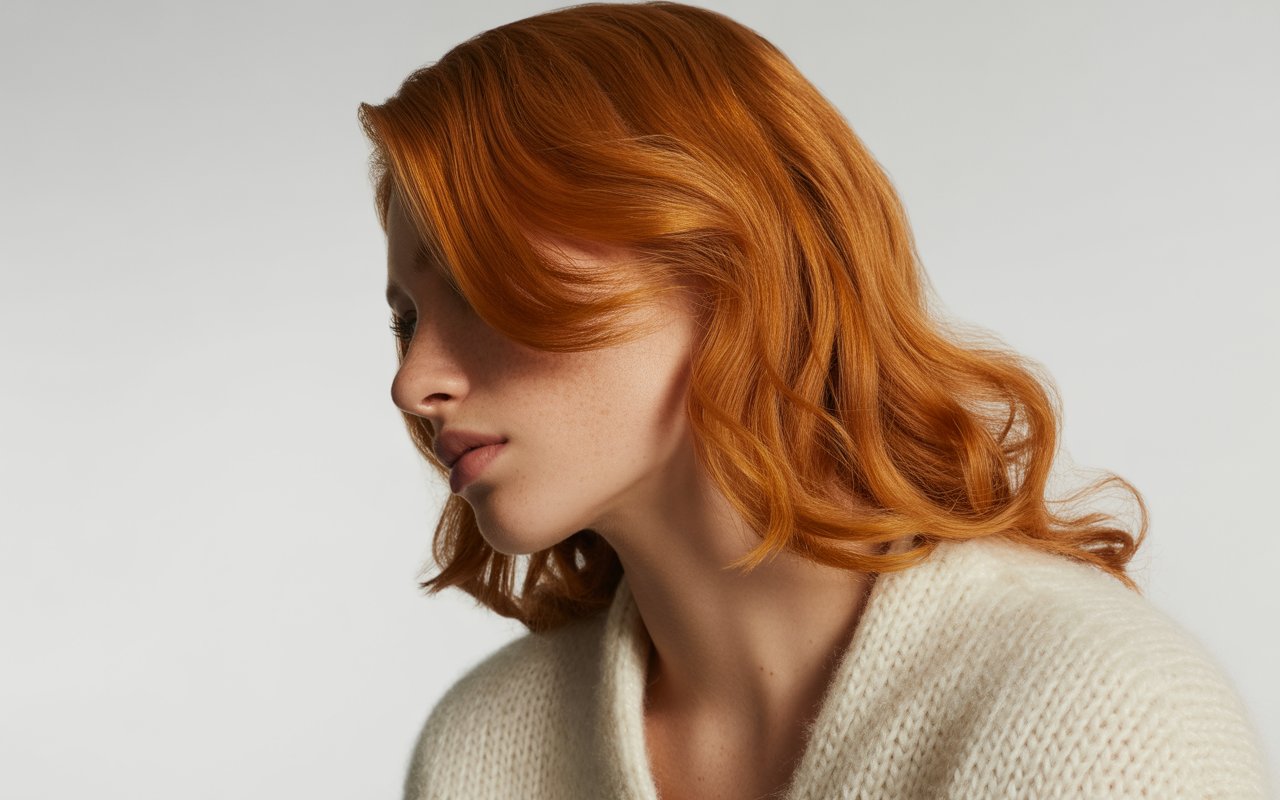
Ginger hair has become one of the most sought-after colors in hair salons across the country. This warm, fiery shade brings life and dimension to any look. The color ranges from soft strawberry tones to deep copper hues, offering options for every preference and style. What makes this particular shade so appealing is its ability to catch light and create natural-looking depth that flatters many different features.
The beauty of ginger tones lies in their versatility. You can go bold with bright copper or keep things soft with peachy undertones. Each variation brings its own character and mood. Some women choose vibrant orange-red shades while others prefer muted, natural-looking gingers that blend seamlessly with their features. The color works beautifully on various hair lengths and textures, from short pixie cuts to long flowing waves.
This guide will walk you through everything you need to know about this hair color trend. You’ll learn about different shade options, how to pick the right tone for your complexion, which products work best, and how to keep your color looking fresh. Whether you’re considering a complete transformation or just want to add some warmth to your current style, you’ll find practical information to help you make the best choice. Keep reading to discover which ginger shade might be perfect for you.
What Makes Ginger Hair Color Special?
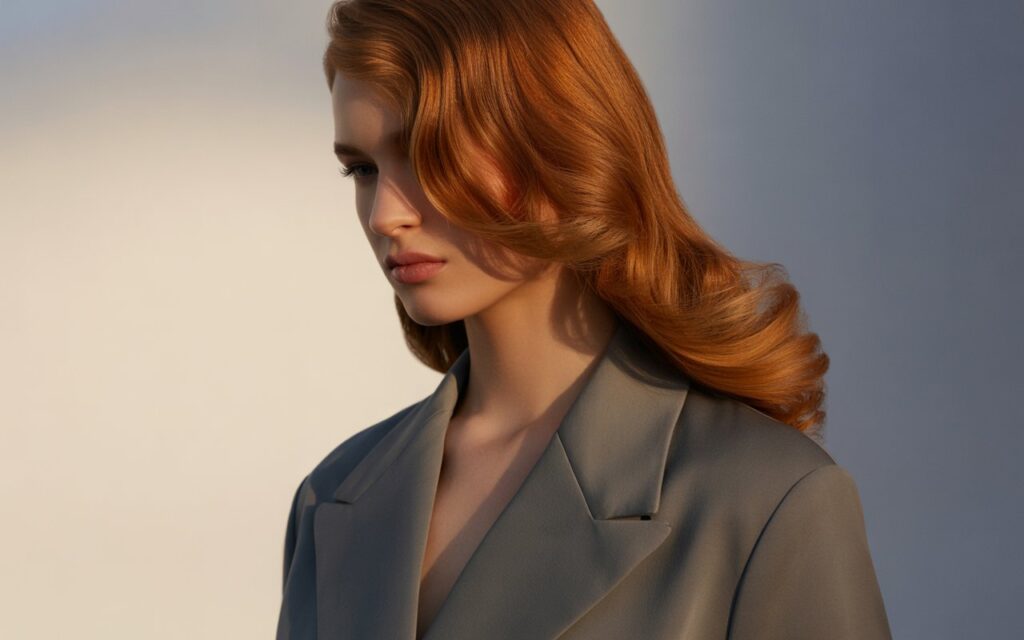
This vibrant shade has captured attention for good reason. The color sits in a space between red and orange, creating a warm spectrum that feels both natural and eye-catching. Unlike flat single-tone colors, ginger contains multiple dimensions that shift in different lighting conditions. This complexity gives hair movement and life that simpler shades can’t match.
Understanding the Spectrum of Ginger Tones
The range of available shades is surprisingly broad. On one end, you’ll find pale peachy gingers that lean toward blonde territory. These lighter versions work well for women who want warmth without going too bold. Mid-range copper tones offer classic ginger appeal with balanced vibrancy. Deeper auburn-ginger blends bring richness and sophistication. The darkest versions incorporate brown undertones while maintaining that signature warmth.
Each shade within this spectrum serves different purposes. Lighter gingers brighten your overall appearance and work well with fair complexions. Medium coppers provide the most traditional look people associate with natural redheads. Deeper shades add mystery and work beautifully on women with richer skin tones.
Why Ginger Suits Different Skin Tones
The adaptability of these shades makes them accessible to many women. Fair-skinned women often gravitate toward this color because it provides warmth without overwhelming delicate features. The peachy and strawberry versions particularly complement lighter complexions. Women with medium or olive skin find that deeper copper and auburn-ginger blends enhance their natural warmth beautifully.
Even women with deep skin tones can wear ginger successfully. The key lies in choosing richer, more saturated versions that provide enough contrast. Auburn-ginger combinations with brown undertones create stunning results on darker complexions. The warmth complements melanin-rich skin in ways that cooler colors simply can’t achieve.
The Warmth Factor
What sets this color apart from other hair trends is its inherent warmth. Cool-toned hair colors can sometimes appear harsh or artificial, but warm ginger shades tend to look more natural and approachable. This warmth softens facial features and creates a friendly, accessible appearance. The orange and red pigments reflect light in flattering ways that make skin appear more luminous.
This warmth also means the color tends to fade more gracefully than cool tones. As ginger shades lighten over time, they often develop pretty strawberry blonde or peachy tones rather than the brassy or muddy results that plague other colors.
Natural vs. Dyed Ginger Hair
Natural redheads make up only about two percent of the global population, making authentic ginger hair quite rare. This rarity contributes to the appeal of achieving the look through coloring. Modern hair dyes can recreate the multi-dimensional quality of natural ginger hair remarkably well. High-quality formulas layer different tones to mimic how natural pigment develops.
The advantage of dyed ginger hair is control. You can choose exactly which shade you want and adjust it over time. Natural redheads work with whatever genetics gave them, while women who color their hair can experiment with the full spectrum.
Current Popularity Trends
Social media has fueled the recent surge in ginger hair popularity. Images of vibrant copper tones perform well on visual platforms, inspiring women to try the look themselves. Celebrities and influencers sporting various ginger shades have normalized the color beyond its natural occurrence. The shade appears frequently in fashion editorials and beauty campaigns.
This trend shows no signs of slowing down. Salons report consistent requests for copper and auburn tones. The color has moved beyond trend status into classic territory, suggesting it will remain popular for years to come. Women appreciate how these warm tones photograph well and provide year-round appeal rather than being seasonal.
Popular Ginger Hair Color Shades This Year
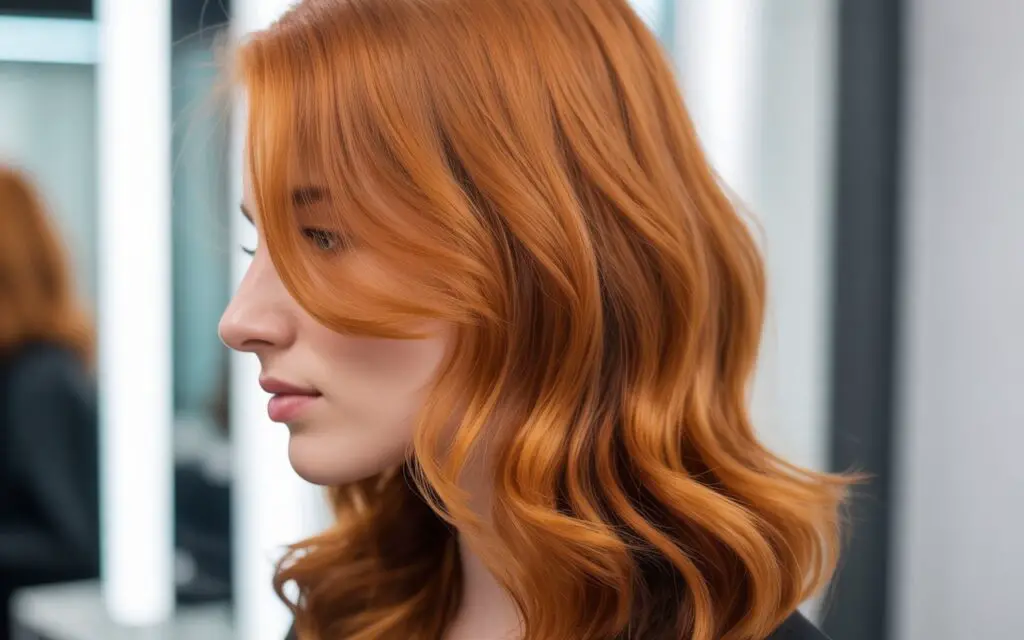
The current landscape of copper-toned hair offers more variety than ever before. Women aren’t limited to one standard shade anymore. Instead, colorists have developed numerous variations that cater to different preferences and lifestyles. Understanding these options helps you communicate effectively with your stylist about your desired result.
Copper Penny Tones
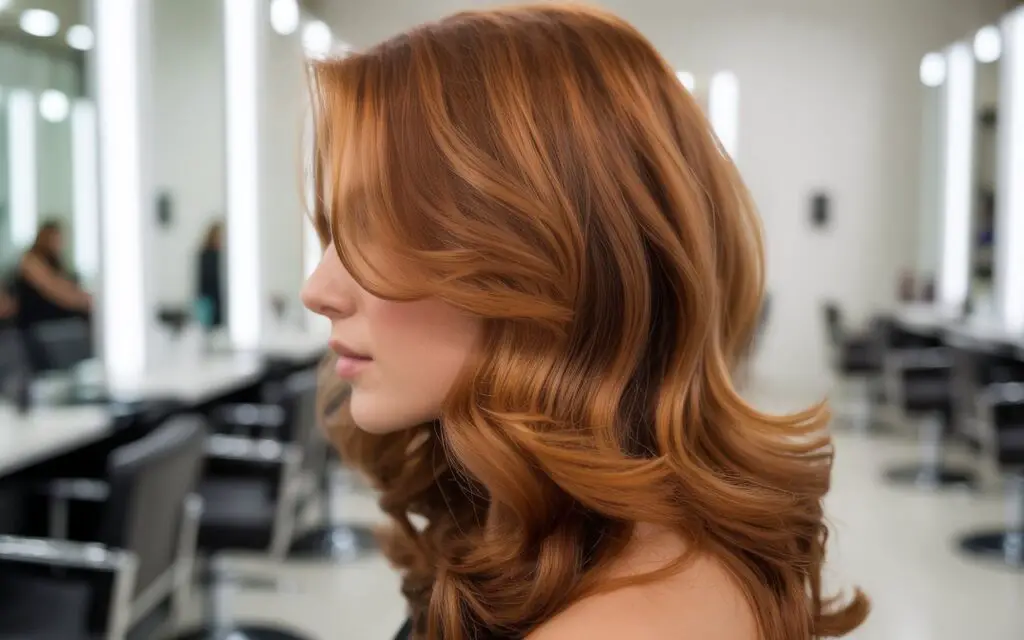
This bright, metallic shade catches light like actual copper metal. The color leans heavily orange with high saturation and vibrancy. Copper penny works best on women who want to make a statement and aren’t afraid of attention. This shade requires confidence because it definitely gets noticed.
The maintenance for this particular tone is higher than subtler options. The bright pigments fade relatively quickly, requiring frequent touch-ups to maintain intensity. Color-depositing shampoos help extend the vibrancy between salon visits. Despite the upkeep, many women find the striking appearance worth the extra effort.
Auburn Ginger
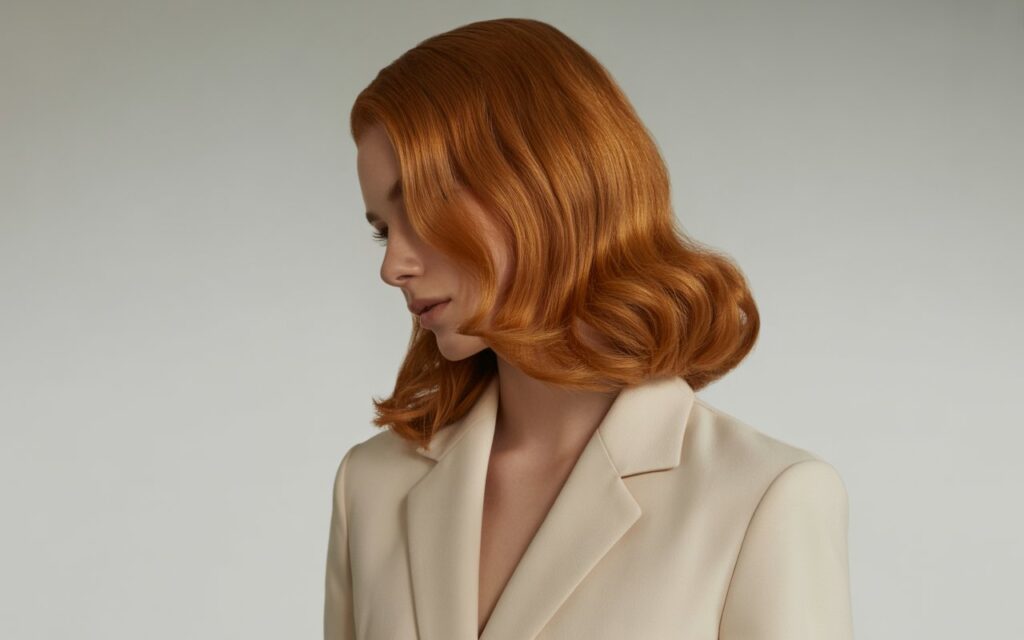
Auburn sits at the intersection of red, brown, and orange. This sophisticated blend offers depth while maintaining warmth. The brown undertones make this shade more universally flattering than pure orange-based gingers. Auburn works particularly well in professional settings where extremely bright hair might feel inappropriate.
This version ages gracefully as it fades. The brown base prevents the brassy tones that sometimes plague lighter gingers. Many women start with auburn as their first step into copper territory because it feels safer than jumping straight to bright copper. The color transitions well between seasons and complements most wardrobes easily.
Strawberry Ginger
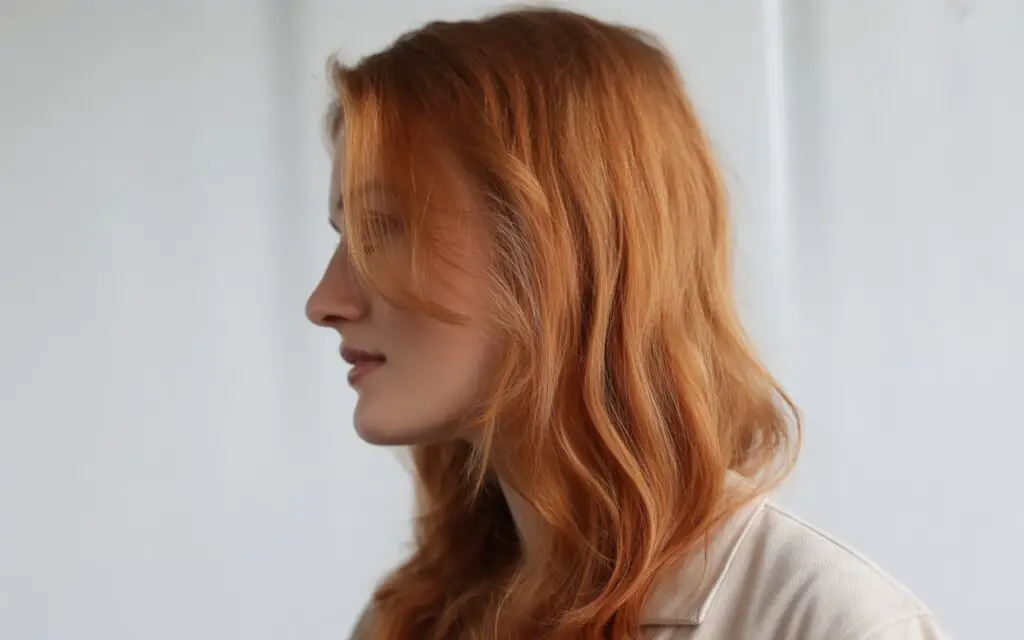
This soft, romantic shade blends peachy pink tones with light copper. The result appears delicate and feminine without being overly sweet. Strawberry ginger works beautifully on fair to medium skin tones. The color provides warmth without the intensity of traditional copper shades.
Women who want subtle change often choose this option. The shade reads as blonde from a distance but reveals its copper character up close. This makes it versatile for various occasions. The lighter pigment load means less damage than achieving darker, more saturated colors. However, maintaining the peachy tones requires purple shampoo to prevent the color from turning too yellow.
Deep Russet Shades
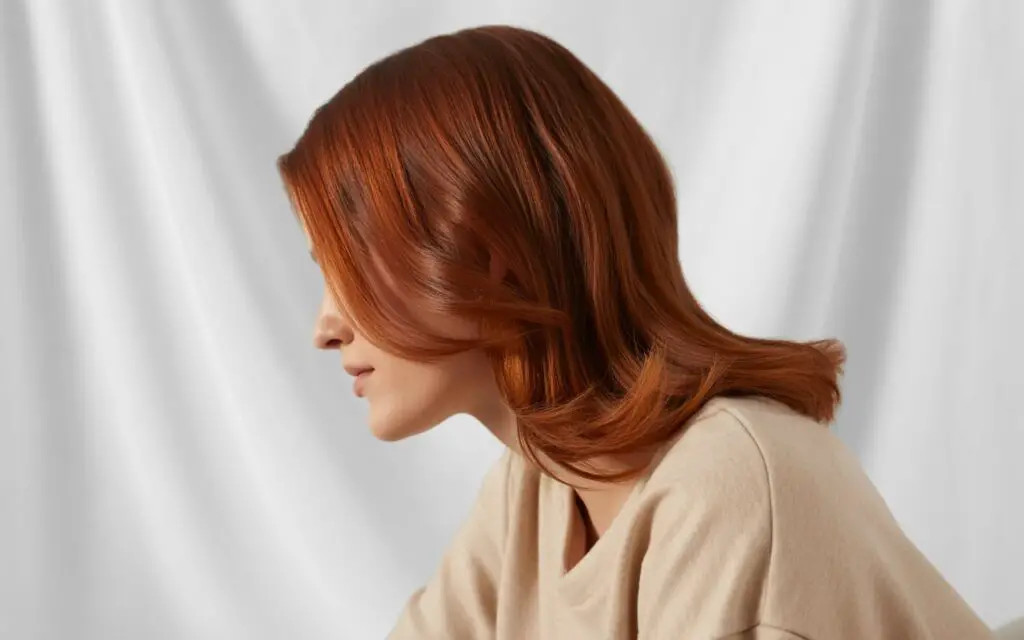
Russet represents the richest end of the ginger spectrum. These dark, burnished tones combine brown, red, and orange in nearly equal measures. The complexity creates depth that looks expensive and sophisticated. This shade particularly suits women with medium to deep skin tones.
The darker base means less frequent touch-ups than lighter versions. Russet also grows out more gracefully because the roots don’t create harsh contrast. Many women appreciate how this shade works for both casual and formal occasions. The depth adds richness without the maintenance burden of brighter options.
Light Ginger Blonde
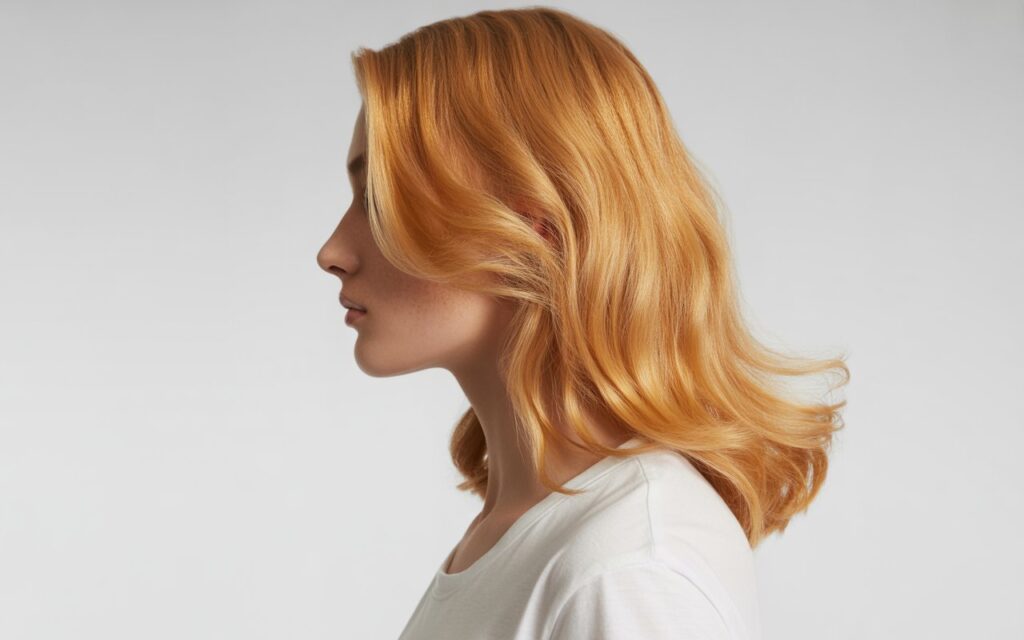
This shade pushes ginger as far toward blonde as possible while maintaining copper undertones. The result looks like sun-kissed strawberry blonde with peachy warmth. Women who love blonde hair but want something different often gravitate toward this option. The shade brightens overall appearance while adding unexpected dimension.
Achieving this color typically requires pre-lightening, especially on darker starting shades. The process can be more damaging than darker ginger options. However, the soft, flattering result makes it popular despite the extra processing. This shade requires vigilant toning to maintain the balance between blonde and copper without tipping into either brassy yellow or flat beige territory.
How to Choose the Right Ginger Shade for Your Skin Tone
Selecting the perfect copper variation depends largely on your complexion. The right match enhances your natural coloring while the wrong choice can appear harsh or muddy. Understanding how different shades interact with various skin tones helps narrow down options quickly. Most women can wear some version of this color family with the right customization.
Fair Skin Considerations
Light complexions have the most flexibility with ginger shades. Nearly any variation works, from pale strawberry to deep auburn. The key consideration is whether you want to create contrast or maintain a softer, more harmonious look. Bright copper penny shades create striking contrast against pale skin. This bold choice emphasizes the difference between skin and hair for dramatic effect.
For subtler results, strawberry ginger or light peachy coppers blend more gently with fair complexions. These softer versions still provide warmth without creating stark contrast. Women with cool undertones in their skin should lean toward copper shades with red influences. Those with warm undertones can handle more orange-based gingers successfully.
Very pale skin sometimes requires extra consideration for redness in the complexion. If you struggle with visible redness or rosacea, extremely bright ginger might emphasize these concerns. Medium auburn or russet shades often prove more flattering by providing warmth without amplifying facial redness.
Medium and Olive Skin Tones
Medium complexions offer a beautiful canvas for most copper variations. The natural warmth in these skin tones harmonizes with ginger pigments beautifully. Women with medium skin can wear both bright and subdued versions successfully. The choice depends more on personal preference than technical limitations.
Olive undertones particularly shine with auburn-ginger combinations. The brown influences in auburn complement the green undertones in olive skin. This creates a rich, cohesive appearance that looks naturally occurring. Avoid extremely pale gingers on olive skin as they can appear washed out or artificial.
For medium skin with golden undertones, bright copper penny shades create stunning results. The warmth-on-warmth combination appears cohesive while still providing color contrast. These complexions can handle the highest saturation levels without the color overwhelming their features.
Deep Skin Tones
Richer complexions require more saturated, deeper ginger variations for best results. Pale strawberry or light coppers don’t provide enough contrast and can appear muddy. Instead, focus on russet, deep auburn, and brown-copper blends. These richer shades complement melanin-rich skin beautifully while maintaining visibility.
The warmth in these tones enhances the natural glow of deep skin. Orange and copper undertones bring out golden notes in darker complexions. Many women with deep skin find that adding copper highlights to brown hair provides a beautiful compromise. This approach offers dimension and warmth without complete color transformation.
When going fully ginger on deep skin, work with a colorist experienced in coloring textured hair. The processing required to achieve vibrant copper on naturally dark hair needs careful handling to maintain hair health. The results, however, are absolutely worth the effort when done correctly.
Undertone Matching
Understanding your undertones proves crucial in shade selection. Hold different colored fabrics near your face in natural light. If gold, coral, and warm browns make you glow, you have warm undertones. If silver, blue, and cool pinks look better, you lean cool. Some women have neutral undertones and can wear both.
Warm undertones pair naturally with orange-based gingers and copper penny shades. The similar temperature creates harmony. Cool undertones work better with ginger shades that lean red rather than orange. Auburn and strawberry gingers with pink influences complement cool skin beautifully. Neutral undertones have the most flexibility and can experiment across the spectrum.
Best Products to Achieve Ginger Hair Color
Getting this color right requires quality products whether you visit a salon or color at home. The market offers numerous options at various price points and quality levels. Understanding what each type of product does helps you make informed choices. The right products make the difference between beautiful, lasting color and disappointing results.
Professional Salon Dyes
Salon-quality permanent color provides the most dramatic and lasting transformation. Professional lines offer superior pigment quality and staying power compared to drugstore options. Brands like Wella Koleston, Goldwell Topchic, and Schwarzkopf Igora create rich copper tones with excellent coverage. These formulas allow colorists to customize shades by mixing different tones together.
Salon dyes typically contain better conditioning agents that minimize damage during the coloring process. The higher pigment concentration means colors appear more vibrant and fade more slowly. Professional application also ensures even coverage and proper processing time. While more expensive than home kits, salon services often deliver superior results that last longer.
At-Home Color Kits
Drugstore and beauty supply store kits make ginger hair accessible for DIY coloring. Madison Reed, Garnier Nutrisse, and L’Oreal Excellence offer decent copper shades at affordable prices. These kits include everything needed for application: color, developer, gloves, and conditioner. The formulas are designed for easy application without professional training.
Home kits work best for single-process color on virgin or previously colored hair. They struggle with dramatic transformations or correcting previous color mistakes. Read reviews for specific shade outcomes as box colors sometimes appear different than the box photo suggests. Test a small section first if you’re unsure about the result.
For maintaining existing ginger color, home kits offer convenient touch-up options between salon visits. Root touch-up products specifically target regrowth areas without processing the entire head. This saves time and minimizes damage to previously colored hair.
Color-Depositing Products
These temporary color products refresh faded copper tones between permanent color applications. Overtone, Keracolor, and Viral Colourwash offer ginger and copper shades that deposit pigment without ammonia or peroxide. The products condition hair while adding color, making them gentler than permanent dyes.
Color-depositing conditioners work by coating the hair shaft with pigment. They’re particularly effective on pre-lightened or porous hair that grabs color easily. The results last several washes before fading. Weekly use maintains vibrancy and extends time between permanent color applications.
These products come in various intensities from subtle to vibrant. Start with less intense versions and build up if desired results don’t appear immediately. The color washes out gradually rather than growing out, making transitions less noticeable.
Toners and Glosses
Toners and glosses adjust the tone of existing color rather than adding significant color themselves. Redken Shades EQ and Wella Color Touch offer demi-permanent options that enhance shine while tweaking tone. These products work beautifully for adjusting ginger shades that pulled too orange or for adding depth to faded color.
Glosses coat the hair cuticle, creating smoothness and reflectivity. This makes hair appear healthier and more vibrant. The gentle formula causes minimal damage while refreshing color. Glosses typically last four to six weeks before fading.
Some toners specifically counteract unwanted tones. If your copper starts looking brassy or orange, toners with red or brown bases can neutralize the brassiness. Professional colorists often finish permanent color applications with toner to perfect the final shade.
Natural Henna Options
Pure henna provides a natural alternative to chemical dyes. The plant-based product creates orange-red tones that work beautifully for ginger looks. Henna permanently stains hair but contains no damaging chemicals. The color actually strengthens hair structure rather than weakening it.
Quality matters significantly with henna. Pure body art quality henna creates the best results. Avoid products labeled as “black henna” or anything containing metallic salts. These additives can cause green tones or react badly with chemical dyes later. Lush, Jamila, and Rajasthani henna are reliable sources.
Application requires more time and effort than conventional dyes. The paste must sit on hair for several hours to develop full color. Results vary based on starting shade, with lighter hair showing more dramatic change. Henna builds up over multiple applications, allowing gradual color intensification. Keep in mind that henna makes hair resistant to lightening, so choose carefully before applying.
Maintaining Your Ginger Hair Color
Keeping copper tones vibrant requires specific care routines. These warm shades fade faster than most other colors because the pigment molecules are relatively large and don’t penetrate deeply into the hair shaft. Proper maintenance extends color life and keeps it looking fresh. The extra effort proves worthwhile when your color stays beautiful for weeks longer than it would with generic hair care.
Washing and Conditioning Routines
Water temperature significantly impacts color longevity. Hot water opens the hair cuticle, allowing pigment to escape quickly. Switch to cool or lukewarm water for washing and rinsing. This one change alone can add weeks to your color’s lifespan. The cool water seals the cuticle, locking pigment inside where it belongs.
Frequency of washing also matters greatly. Every wash strips some color, so reducing wash days preserves vibrancy. Aim for two to three times weekly rather than daily washing. Dry shampoo becomes your best friend between washes. It absorbs oil and refreshes hair without water exposure.
When you do wash, use products specifically formulated for colored hair. These gentler formulas clean without harsh sulfates that strip color aggressively. Massage product into scalp rather than scrubbing the hair length. Rinse thoroughly but quickly to minimize water contact time.
Color-Safe Products
Invest in shampoo and conditioner designed for red or copper hair. These products contain color-depositing pigments that refresh your shade with each wash. Brands like Joico Color Infuse Copper, Celeb Luxury Viral Colorditioner, and Redken Color Extend Brownlights maintain warm tones while cleansing.
Deep conditioning treatments repair damage and seal the cuticle for better color retention. Use weekly masks or treatments formulated for colored hair. Look for products containing keratin, amino acids, or bond-building technology. These ingredients strengthen hair structure compromised by coloring processes.
Leave-in products create barriers against color-fading elements. Lightweight leave-in conditioners protect hair throughout the day without weighing it down. Apply to damp hair after washing, focusing on mid-lengths to ends where color tends to fade first.
Sun Protection
UV rays break down hair color molecules rapidly. Think of how fabric fades in sunlight – the same process happens to your hair. Sun protection becomes crucial for maintaining ginger vibrancy. UV-protectant hair products create a shield against damaging rays.
Wear hats or scarves when spending extended time outdoors. This physical barrier provides the most effective sun protection. Wide-brimmed hats offer both scalp and hair coverage. Silk scarves prevent friction damage while protecting color.
Swimming presents particular challenges because chlorine and salt water accelerate fading. Wet hair before entering pools or ocean water. This fills the hair shaft with clean water, leaving less room for chlorinated or salt water absorption. Apply leave-in conditioner as an additional barrier. Rinse hair immediately after swimming and use clarifying shampoo weekly to remove chemical buildup.
Touch-Up Timing
Permanent color regrowth becomes visible at different rates depending on hair growth speed and color contrast. Most women need root touch-ups every four to six weeks. Schedule appointments before regrowth becomes obvious rather than waiting until it bothers you. This prevents the temptation to stretch too long between colorings.
All-over color refreshing happens less frequently than root touch-ups. Every three to four months, apply color to the full length to restore vibrancy. More frequent all-over applications cause unnecessary damage to hair that already has color.
Semi-permanent color depositing products bridge the gap between permanent applications. Use these weekly or bi-weekly to keep color looking fresh. They’re particularly helpful for maintaining brightness in the weeks before your next salon appointment.
Preventing Fading
Heat styling accelerates color fade significantly. Air-dry hair whenever possible to minimize heat exposure. When heat styling is necessary, always use thermal protection products first. Set tools to the lowest effective temperature rather than maximum heat. High heat literally cooks pigment out of hair.
Hard water contains minerals that build up on hair and dull color. Install a shower filter to remove these minerals. The filter also benefits skin and creates better lather from shampoos. This small investment pays off in improved color longevity and overall hair health.
Avoid clarifying shampoos except when absolutely necessary. These powerful cleansers strip everything from hair, including color. Use them only monthly at most, and only if you have significant product buildup. Regular color-safe shampoo handles normal cleansing needs without aggressive stripping.
Your Path to Gorgeous Copper Locks
Getting the perfect shade involves careful consideration of your features and lifestyle. Think about maintenance commitment before taking the leap. This color requires more upkeep than many alternatives, but the stunning results justify the extra attention. Start with consultation at a reputable salon if you’re unsure about undertaking a major color change. Professional guidance prevents costly mistakes.
The right ginger shade transforms your entire appearance. It brightens your face, adds warmth to your complexion, and creates a striking look that stands out without appearing unnatural. Whether you choose subtle strawberry tones or bold copper penny, this color family offers options that suit various personalities and style preferences. Take time selecting your perfect shade, invest in quality products, and follow proper maintenance routines to enjoy gorgeous copper hair.
Frequently Asked Questions
Q: Does ginger hair color fade quickly?
A: Yes, warm copper tones typically fade faster than other colors because the pigment molecules are larger and don’t penetrate hair shafts as deeply. Using color-safe shampoo, washing in cool water, and minimizing heat styling help extend vibrancy. Color-depositing conditioners refresh the shade between permanent applications.
Q: Can I achieve ginger hair without bleaching?
A: It depends on your starting shade. Women with naturally light brown or blonde hair can often achieve ginger tones with permanent dye alone. Darker hair typically requires pre-lightening to allow copper pigments to show properly. Very dark hair may need multiple sessions to reach desired brightness safely.
Q: Will ginger hair suit my skin tone if I have cool undertones?
A: Yes, but choose ginger shades with red influences rather than pure orange tones. Auburn, strawberry ginger, and copper shades with pink undertones work better on cool-toned skin. Avoid bright orange-based coppers that may clash with cool complexions.
Q: How often should I touch up my roots?
A: Most women need root touch-ups every four to six weeks depending on hair growth rate and how much contrast exists between natural and colored hair. Regular touch-ups maintain a polished appearance and prevent obvious regrowth lines.
Q: Can I swim with ginger-colored hair?
A: Yes, but take precautions to minimize fading. Wet hair with clean water before swimming, apply leave-in conditioner as a barrier, and rinse immediately after swimming. Chlorine and salt water accelerate color fade, so weekly clarifying treatments help remove chemical buildup.
Q: What’s the difference between copper and auburn hair?
A: Copper leans more orange with bright, metallic tones while auburn combines red, brown, and orange for a richer, more subdued appearance. Auburn works better in professional settings and on women who want warmth without extreme brightness. Copper makes a bolder statement.
Q: How do I prevent my ginger hair from turning brassy?
A: Use color-depositing products specifically formulated for red or copper hair. These deposit fresh pigment that counteracts fading. Avoid hot water, minimize sun exposure, and use toners with red or brown bases if brassiness develops. Purple shampoo doesn’t work on copper hair the way it does on blonde.
Q: Can I go from ginger back to my natural color easily?
A: Transitioning away from copper tones takes time. You can gradually darken the color with brown tones or let it grow out naturally. Lightening ginger hair often creates unpredictable results because warm pigments resist removal. Consult a professional colorist for the safest transition plan.

