

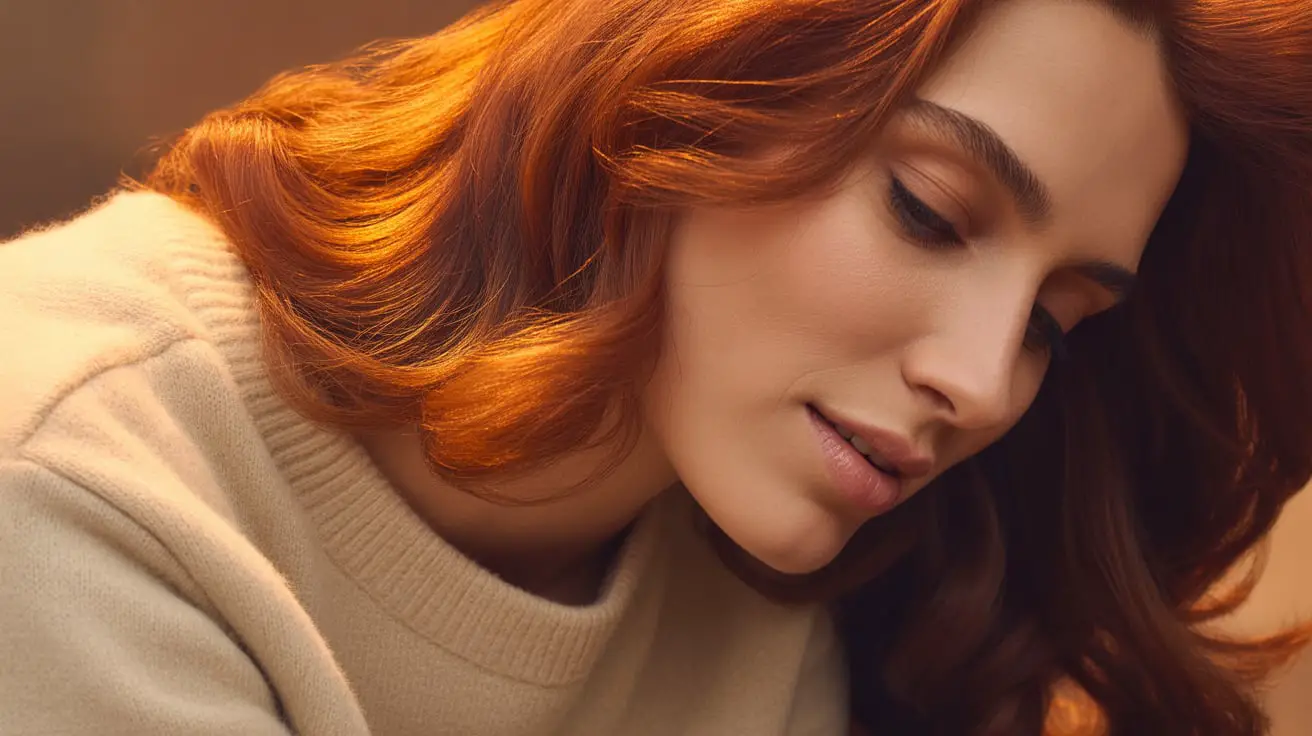
Hair color trends shift with the seasons, but some shades possess a timeless quality that transcends fleeting fads. Copper spice sits firmly in this category, offering a rich blend of warmth and sophistication that works across different ages, styles, and occasions. This particular shade captures the essence of autumn leaves and warm sunsets, creating a look that’s both bold and wearable.
The beauty of this color lies in its versatility. Whether you prefer a vibrant statement or something more understated, the spectrum of copper tones allows for personalization. From deep auburn bases to lighter peachy highlights, the range accommodates various preferences and skin tones. The color adds depth and dimension to your hair, creating movement that catches light in the most flattering ways.
In the following sections, we’ll share everything you need to know about this warm, radiant shade. You’ll learn what defines this color, who it suits best, how to achieve it, maintenance tips to keep it vibrant, and styling techniques that show off its beauty to full advantage.
What Is Copper Spice Hair Color?
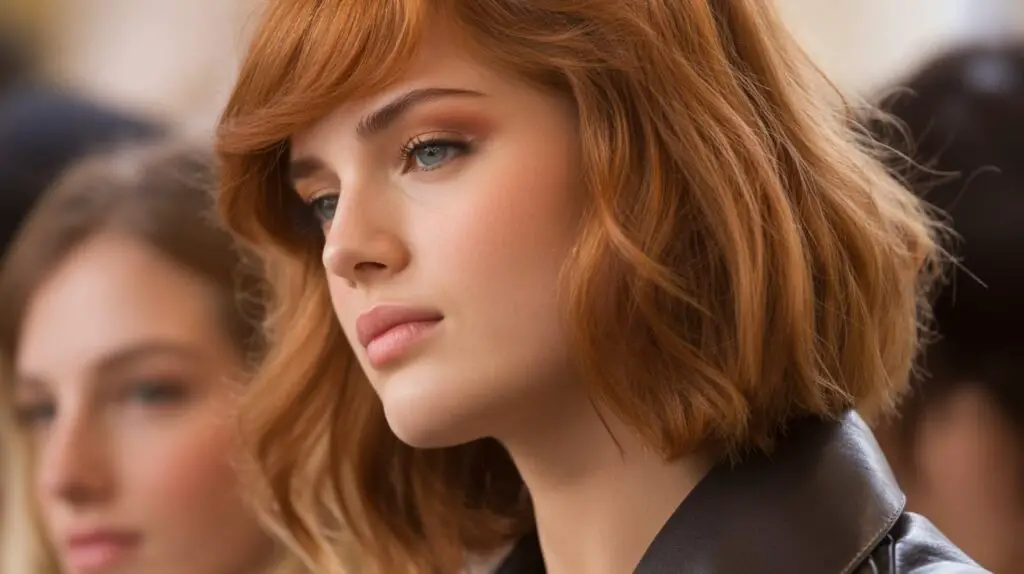
This shade represents a sophisticated blend of red, orange, and brown tones that creates a warm, spicy appearance. The color falls somewhere between traditional copper and deeper auburn shades, offering more complexity than a single-tone red. Think of it as the perfect middle ground that combines the vibrancy of copper with the richness of spice-inspired browns.
Defining the Copper Spice Shade
The color gets its name from its resemblance to ground cinnamon, paprika, and other warm spices found in your kitchen. It’s not a flat, one-dimensional red but rather a multi-tonal shade that shifts in different lighting. Indoors, it may appear as a deep auburn with subtle red undertones. In natural sunlight, those copper and orange notes come alive, creating a luminous effect that adds instant warmth to your complexion.
The Undertones That Make It Special
What sets this shade apart from other red-based colors is its golden undertones. While many reds lean cool or purple-toned, this variation stays firmly in warm territory. These golden undertones prevent the color from looking too harsh or artificial. They also make the shade more forgiving on a wider range of skin tones, particularly those with warm or neutral undertones.
How It Differs from Other Copper Tones
Standard copper hair often skews bright and can sometimes appear orange under certain lighting. This spiced variation incorporates brown pigments that add depth and prevent that overly bright appearance. The result is a more refined, sophisticated take on copper that works in professional settings while still making a statement. It’s also less prone to the brassy appearance that sometimes plagues lighter copper shades as they fade.
The Warmth Factor in This Color
Temperature is crucial in hair color, and this shade sits firmly on the warm end of the spectrum. The warmth comes from the red and orange pigments combined with those golden undertones. This creates a color that radiates brightness without looking artificial or overly processed. The warmth also means it pairs beautifully with gold jewelry, earth-tone clothing, and warm makeup palettes. Your hair becomes a natural extension of a warm color story that ties your whole look together.
The brown base prevents the color from becoming too fiery or intense. This makes it accessible for women who want to experiment with red tones but feel intimidated by more vivid shades. You get the benefit of warmth and richness without committing to a high-maintenance, super-bright color that demands constant attention.
Variations Within the Shade
Like any color family, this tone has variations. Some versions lean more auburn with deeper brown bases and subtle copper highlights. Others feature brighter copper as the dominant tone with spicy brown lowlights for dimension. The shade can also be customized with different intensities – from a soft, natural-looking tint to a more vibrant, statement-making version. Your colorist can adjust the formula to create the exact variation that suits your preferences and lifestyle.
Who Should Try Copper Spice Hair?
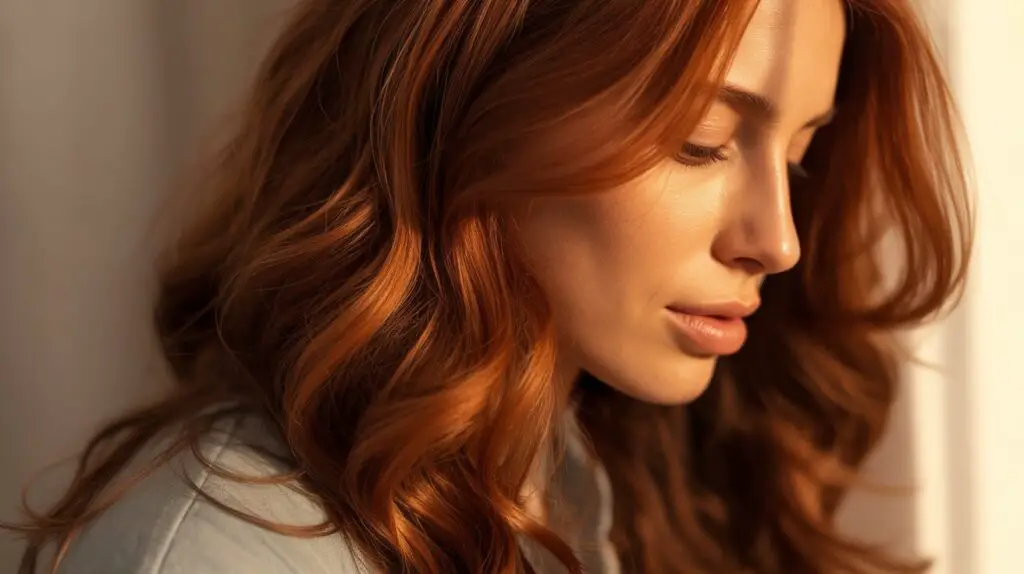
Not every hair color suits every person, and understanding whether this shade complements your natural features helps you make the right choice. Several factors determine how well this warm tone will work for you, from your skin’s undertones to your eye color.
Best Skin Tones for This Shade
Women with warm or neutral undertones typically see the most flattering results. If you have golden, peachy, or yellow undertones in your skin, this color will harmonize beautifully with your natural coloring. The warmth in the hair enhances the warmth in your complexion, creating a cohesive, radiant look.
Fair skin with warm undertones particularly shines with this color. The contrast between pale skin and rich copper creates a striking appearance without looking harsh. Medium skin tones also wear it well, as the color adds brightness without washing you out. Deeper skin tones can rock this shade too, especially when the color is adjusted to be rich and vibrant rather than pale.
Cool-toned skin requires more careful consideration. While not impossible, the warmth in this shade can clash with pink or blue undertones. If you have cool undertones but love the look, discuss options with your colorist for incorporating cooler copper tones or adding ashier highlights to balance the warmth.
Eye Colors That Complement the Shade
Green and hazel eyes create magic with this hair color. The warm copper tones make green eyes appear more vivid and bring out the gold flecks in hazel eyes. It’s one of the most complementary color combinations in hair and makeup.
Brown eyes gain depth and richness when paired with these warm tones. The color creates a harmonious, monochromatic effect that feels natural yet polished. Blue eyes create an interesting contrast – the warmth of the hair against cool-toned eyes can be quite striking, though it works best when your skin has warm undertones to tie everything together.
Hair Texture Considerations
This color looks stunning on all hair textures, but each texture showcases it differently. Straight hair displays the color clearly, with light reflecting off the smooth surface to highlight the various tones. The shine factor is particularly noticeable on straight strands.
Wavy hair adds dimension to the color naturally. The peaks and valleys of waves create shadows and highlights that make the multi-tonal nature of this shade really pop. Curly hair takes the dimensional effect even further. Each curl catches light differently, creating a dynamic, ever-changing appearance as you move. The color depth varies from curl to curl, preventing the look from appearing flat or boring.
Matching It to Your Personal Style
Your clothing choices and overall aesthetic matter too. If you gravitate toward warm colors – camel, rust, olive, gold, cream – this hair color integrates seamlessly into your existing style. It complements bohemian, natural, and classic styles particularly well.
Professional environments typically welcome this shade since it reads as a natural auburn rather than an obviously artificial color. It’s bold enough to express personality while remaining polished and appropriate. For edgier styles, the color can be applied more vibrantly or combined with unconventional cuts for added impact.
Natural Hair Color and How It Affects Results
Your starting point significantly impacts the process and final result. Dark brunettes need more lifting to achieve this shade, which may require multiple sessions to prevent damage. Medium brown hair lifts more easily, often achieving the color in one session with good results.
Light brown or dark blonde hair provides an ideal canvas. The natural warmth in these shades works with the color rather than against it, creating richer results. Natural redheads can enhance their existing color toward this spicier variation with minimal processing. Previously colored hair presents unique challenges – prior dye, especially cool tones or black, may need color correction before applying this warm shade successfully.
How to Achieve Copper Spice Hair Color
Getting this color right requires understanding the process, whether you’re visiting a salon or attempting it at home. The journey from your current shade to this warm, spicy tone varies based on your starting point and hair condition.
Starting from Dark Hair
Dark hair presents the biggest challenge because reaching this shade requires lifting several levels of pigment. You’ll likely need bleach or a high-lift color to remove enough natural pigment before depositing the copper tones. This process can take multiple sessions spaced weeks apart to maintain hair health.
Your colorist will typically start with a lightening service, bringing your base up to a medium brown or dark blonde level. Going too light in one session risks severe damage, so patience is essential. Once your hair reaches the right level, the copper tones can be applied. The entire process might take two to three appointments over several months for very dark hair.
Between appointments, deep conditioning treatments become non-negotiable. The lifting process strips moisture from your hair, and maintaining healthy strands ensures better color results and longevity.
Transitioning from Light Hair
Blonde or light brown hair has an easier path to this shade. You may not need lightening at all if your hair is already at the right level. Instead, the colorist applies the copper formula directly, depositing those warm tones onto your existing base.
One consideration for very light hair is that the color may appear more vivid than intended. Your colorist can adjust the formula to include more brown pigments, creating a deeper, more subtle result. Light hair also absorbs color quickly, so processing time is typically shorter than with darker bases.
The Role of Toner in Getting the Perfect Shade
Toner is the secret weapon for achieving the exact shade you want. After lightening, hair often has unwanted yellow or brassy tones. Toner neutralizes these while adding the desired copper tones. Think of it as the fine-tuning step that transforms acceptable color into perfect color.
Professional toners offer precision that box dyes can’t match. Your colorist can mix multiple toners to create a custom shade that complements your specific features. The toner also adds shine and smoothness, sealing the hair cuticle after the coloring process.
Some toners require just 5-10 minutes to work, while others need 20 minutes or more. The processing time depends on your hair’s porosity and the intensity of tone needed. Here’s what quality toner accomplishes:
Neutralizes Brassiness: Eliminates unwanted yellow or orange tones that compete with the copper.
Adds Dimension: Creates depth by depositing slightly different tones throughout your hair.
Enhances Shine: Smooths the cuticle for light-reflecting brilliance.
Adjusts Intensity: Makes the color brighter or more muted based on your preference.
Improves Longevity: Helps the color last longer by properly sealing the pigment.
Professional vs. At-Home Coloring
Salon application offers significant advantages for this particular shade. The complexity of creating the right copper tone with proper depth requires expertise. Colorists understand how to assess your base level, choose the right formula, and adjust processing time based on your hair’s response.
Professional color also uses higher-quality products with better pigments that last longer and fade more gracefully. The investment typically pays off in superior results and healthier hair. Your colorist can create a custom formula that accounts for your specific needs, something impossible with box dye.
At-home coloring can work if your hair is already light and in good condition. Choose products specifically formulated for copper or auburn shades, and follow instructions precisely. However, understand that results may vary significantly from the box photo. Your natural undertones and current hair color affect how the dye appears on you.
Expected Processing Time
Processing time varies based on your starting color and the formula used. Permanent color typically processes for 30-45 minutes. Semi-permanent formulas may need 20-40 minutes. Bleaching or lightening adds additional time – often 30-60 minutes depending on how much lift you need.
Your colorist monitors the process rather than relying solely on timers. Hair texture, porosity, and previous treatments all affect how quickly color develops. Checking the color every 10-15 minutes ensures the best results without over-processing. Plan for at least two hours in the salon for a complete color service from start to finish.
Maintaining Your Copper Spice Hair
Color-treated hair needs special care to stay vibrant and healthy. This warm shade requires specific maintenance strategies to prevent fading and keep it looking fresh between salon visits.
Color-Safe Shampoo and Conditioner Needs
Your regular shampoo and conditioner won’t cut it anymore. Color-safe formulas are specifically designed to be gentler, preventing premature color loss. Look for sulfate-free options, as sulfates strip color faster than anything else you can do to your hair.
Purple shampoo won’t help with this shade – that’s for cool blondes. Instead, seek out shampoos designed for red or copper tones. Some brands make color-depositing shampoos in copper shades that refresh your color every time you wash. These gradually deposit small amounts of pigment, keeping your hair vibrant between coloring appointments.
Conditioner matters just as much as shampoo. Color-treated hair tends toward dryness, and proper conditioning keeps it soft and manageable. Deep conditioning masks once or twice weekly provide intense moisture that regular conditioner can’t match. Well-hydrated hair holds color better and looks shinier.
Protecting Against Fading
All hair color fades over time, but reds and coppers fade faster than other shades. The molecules are smaller and wash out more easily. You can slow this process with smart habits.
Wash your hair less frequently. Every wash removes some color molecules, so spacing out wash days preserves vibrancy. Dry shampoo becomes your friend for extending time between washes. Cool or lukewarm water is better than hot – heat opens the hair cuticle, allowing color to escape.
Chlorine and salt water are enemies of colored hair. Both strip color aggressively. Wear a swimming cap or rinse your hair immediately after swimming. Before entering a pool, wet your hair with clean water first. This prevents it from absorbing as much chlorinated water.
Touch-Up Frequency
How often you need touch-ups depends on several factors. Root growth becomes visible faster on darker natural hair with lighter colored ends. Most women find they need root touch-ups every 4-6 weeks to maintain a polished look.
Full color refreshes might happen less frequently – every 8-12 weeks depending on how well your color holds. If you notice significant fading or dullness before this timeframe, discuss gloss treatments with your colorist. These quick services revive color between full applications without the commitment or cost of complete coloring.
Some women prefer the grown-out look, letting their roots show for a more natural appearance. This stretches time between appointments but works best when your natural color harmonizes with the copper tones rather than contrasting sharply.
Heat Styling Precautions
Heat styling damages all hair, but colored hair is particularly vulnerable. The coloring process already weakens strands somewhat, and adding heat stress increases brittleness and fading. Heat opens the hair cuticle, allowing color molecules to escape.
Always use heat protectant spray before using hot tools. These products create a barrier between your hair and the heat source, minimizing damage. Choose lower temperature settings whenever possible – you don’t always need maximum heat to achieve your desired style.
Air-drying is ideal when you can manage it. Your hair stays healthier, and color lasts longer. If you must heat style regularly, invest in quality tools with adjustable temperature settings and ceramic or tourmaline plates that distribute heat more evenly.
Sun Protection for Colored Hair
UV rays fade hair color just like they fade fabric. Extended sun exposure can turn your rich copper tones brassy or dull within weeks. Several strategies help protect your color from sun damage.
Hair-specific UV protection sprays create a shield against damaging rays. Apply them before outdoor activities just like you would sunscreen. Wide-brimmed hats provide physical protection while adding style to your outfit. Silk or satin scarves work well too, protecting your hair without causing the friction and frizz that some materials create.
If you swim outdoors frequently, consider a leave-in conditioner with UV filters. This provides dual protection against sun and chlorine while keeping your hair moisturized. The combination prevents the worst of both damaging elements from affecting your color.
Styling Ideas for Copper Spice Hair
The right styling showcases this color’s beauty and brings out its dimensional qualities. Different styling approaches highlight various aspects of the shade, from its warmth to its multi-tonal complexity.
Straight Styles That Showcase the Color
Sleek, straight hair acts like a mirror, reflecting light and making your color appear vibrant and glossy. This styling approach works particularly well for showing off the richness and depth of the shade. The smooth surface allows viewers to see the color clearly without texture interrupting the visual flow.
Achieving perfectly straight hair starts with proper blow-drying technique. Use a paddle brush to smooth sections as you dry, working from roots to ends. Follow with a flat iron on low to medium heat, taking small sections for the smoothest results. Finish with a shine serum or oil to enhance the reflective quality.
A middle part creates elegant symmetry that draws attention to the color itself rather than the styling. Side parts add volume and work well for everyday looks. For special occasions, try a super-sleek low ponytail that pulls hair back to reveal your face while still showcasing the color length.
Wavy Looks That Enhance Dimension
Waves add incredible dimension to this multi-tonal shade. The peaks and valleys create natural highlights and lowlights as light hits different angles. This movement brings the color to life in ways that straight styling can’t achieve.
Loose waves work beautifully for casual looks. Create them with a large-barrel curling iron or by braiding damp hair overnight. Beach waves give a relaxed, effortless vibe that suits the warm, approachable nature of this color. Tighter waves add more texture and volume, making the color appear even more dynamic.
The great thing about wavy styling for this shade is that it disguises any slight color variations or fading. The texture creates such visual interest that the eye focuses on the overall effect rather than analyzing every strand. This makes it a forgiving style between coloring appointments.
Updo Options for Special Occasions
Updos for formal events can still showcase your beautiful color even with hair off your shoulders. Textured updos work particularly well because they reveal different tones throughout the style. A messy bun with face-framing pieces allows glimpses of the color while keeping you elegant and polished.
Braided updos display the color magnificently. As strands weave together, the various tones create an intricate pattern of color that’s absolutely stunning. Low chignons with slightly pulled and loosened sections show off dimension while maintaining sophistication.
Half-up styles offer the best of both worlds. You get the elegance of an updo while still displaying length and color. Try a half-up twist or bun with loose, curled ends. This style works for everything from weddings to date nights.
Braided Styles That Highlight the Tones
Braids are made for multi-dimensional hair color. As strands cross over each other, all the different tones in your hair become visible. Simple three-strand braids showcase the color beautifully, but more complex braiding creates even more visual interest.
Fishtail braids display color particularly well. The smaller sections of hair in this braid type mean more color variation shows through. Dutch braids (inside-out French braids) create a raised effect that catches light differently than regular braids, adding another layer of dimension to your color.
Multiple smaller braids work wonderfully too. Two braids framing your face leave the rest of your hair down, creating a bohemian look that lets the color shine. Crown braids pull hair away from your face while creating a halo effect that draws attention to the warm tones.
Adding Highlights or Lowlights for Depth
While this shade already has beautiful dimension, strategic highlights or lowlights can enhance it further. Lighter copper or golden highlights around your face brighten your complexion and add sparkle. These face-framing pieces catch light and create the illusion of sun-kissed hair.
Deeper lowlights add richness and depth, preventing the color from looking flat. Auburn or chocolate brown lowlights woven throughout create shadow and movement. This technique is particularly effective if your hair is very thick or long, where single-dimension color might look too uniform.
Balayage application works beautifully with this color family. The hand-painted technique creates natural-looking variation that mimics how hair lightens in the sun. The color transitions seamlessly from roots to ends, creating sophisticated depth. Your colorist can adjust placement based on how you typically style your hair, ensuring the dimensional effect shows up where it matters most.
Your New Signature Look
This warm, spicy shade offers something special that few hair colors can match. It combines the boldness of red tones with the approachability of brown, creating a color that turns heads while remaining versatile enough for any setting. The dimensional quality means your hair looks interesting from every angle, never flat or boring.
Taking care of this color requires commitment, but the payoff is worth it. With proper maintenance and the right products, you’ll keep your hair looking vibrant and healthy for weeks between salon visits. The styling possibilities are endless, and experimenting with different looks keeps your appearance fresh and exciting. Whether you’re drawn to its warmth, its sophistication, or simply its beauty, this shade delivers on every level.
Frequently Asked Questions
Q: How long does copper spice hair color typically last before significant fading occurs?
A: This shade typically maintains its vibrancy for 4-6 weeks with proper care. Red and copper tones fade faster than other colors because the pigment molecules are smaller. Using color-safe shampoo, washing less frequently, and avoiding excessive heat styling helps extend the color life. You’ll likely notice gradual fading before needing a full refresh, at which point a gloss treatment can revive the color without complete re-application.
Q: Can I achieve this color if I have previously dyed black hair?
A: Yes, but it requires patience and multiple sessions. Black hair dye must be removed before applying this warm shade, which typically involves color correction treatments. Your colorist may need to lighten your hair gradually over several appointments to prevent damage. The process might take 2-3 months depending on your hair’s condition and how much black dye has been applied. Professional help is essential for this transition.
Q: Will this shade work if I have gray hair to cover?
A: This color can cover gray hair effectively, especially if you have up to 50% gray. The warm tones blend well with gray, creating a natural appearance. Hair with more than 50% gray may require additional techniques like pre-pigmentation to ensure even color coverage. Your colorist can adjust the formula to provide better gray coverage while maintaining the desired copper tones.
Q: How much does professional application of this color typically cost?
A: Prices vary significantly based on location and salon, but expect to pay $100-300 for full color application. Major cities and high-end salons charge more. The price increases if you need bleaching or color correction before applying the copper tones. Root touch-ups cost less, typically $75-150. Gloss treatments for refreshing color between full applications usually run $50-100.
Q: What makeup colors complement this hair shade best?
A: Warm makeup tones harmonize beautifully with this color. Bronze, gold, copper, and peach eyeshadows enhance the warmth. For lips, try coral, terracotta, nude pink, or warm red shades. Earth-tone blushes in peach or bronze work better than cool pinks. Avoid overly cool-toned makeup, which can clash with the warmth in your hair. Gold jewelry also complements this shade better than silver.
Q: Can I swim in chlorinated pools without ruining my color?
A: Chlorine strips hair color quickly, especially warm tones like copper. If you swim regularly, take precautions: wet your hair with clean water first so it absorbs less chlorine, wear a swim cap, and rinse immediately after swimming. Use a chlorine-removing shampoo after pool time. Consider UV and chlorine protection leave-in treatments if you swim frequently. These steps won’t completely prevent fading but will minimize damage.
Q: How should I prepare my hair before getting this color?
A: Start deep conditioning treatments 2-3 weeks before your appointment to ensure your hair is healthy. Avoid washing your hair for 1-2 days before coloring – natural oils protect your scalp during the chemical process. Don’t apply heavy styling products the day of your appointment. Bring photos showing the exact shade you want to help your colorist understand your goals. Come with realistic expectations based on your starting color and hair condition.
Q: What’s the difference between this shade and regular auburn hair?
A: Auburn typically leans more toward red-brown with cooler undertones, while this shade has more prominent copper and orange tones with golden undertones. This version appears warmer and spicier, catching more light and appearing brighter in sunlight. Auburn often looks more burgundy or mahogany, whereas this color resembles warm spices with its golden-red-brown blend. The difference is subtle but noticeable, especially in different lighting conditions.

