

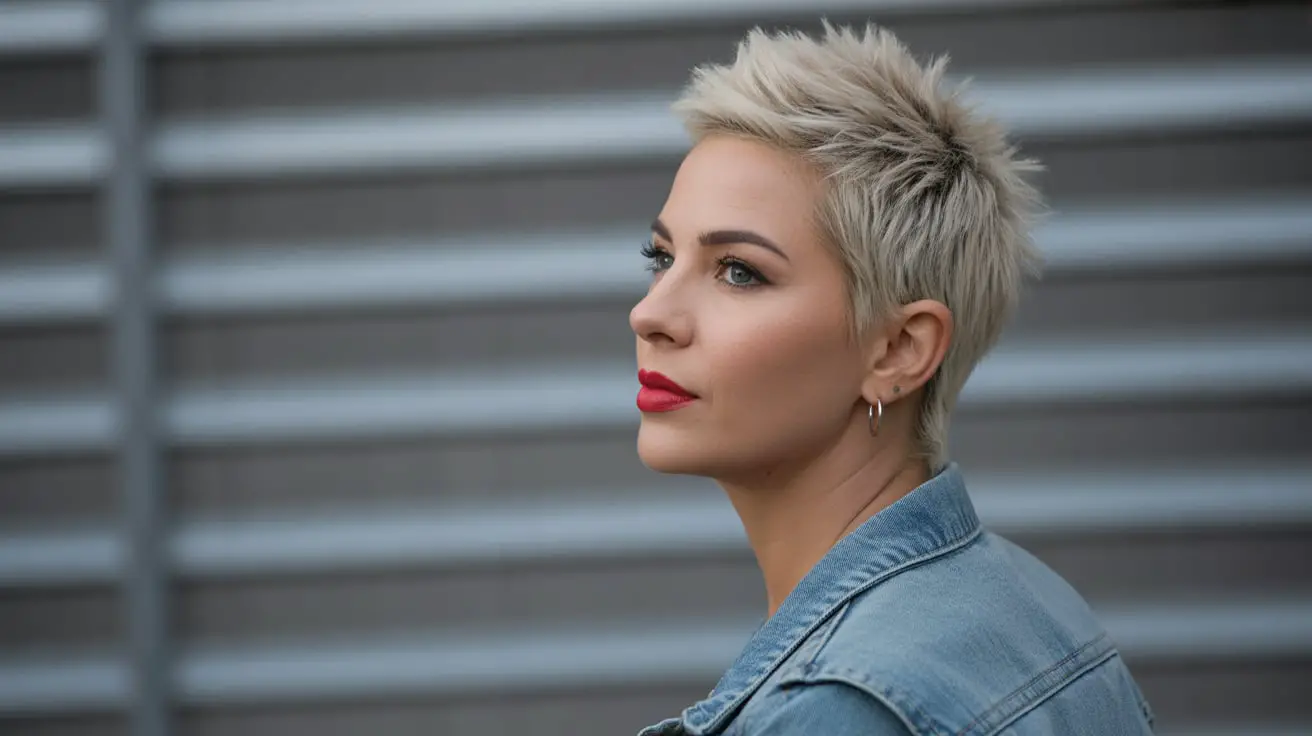
Short hair carries a certain power that longer styles sometimes struggle to match. Spiky pixie cuts take this power and amplify it, creating looks that command attention while requiring minimal daily fuss. Women who choose these bold cuts often report feeling more confident, more visible, and more authentically themselves than they ever felt with longer hair.
The transformation goes deeper than just appearance. Walking into a salon and asking for a spiky pixie represents a decision to prioritize your own preferences over conventional beauty standards. This particular style speaks volumes about personality – it suggests someone unafraid of standing out, comfortable with their features, and ready to show the world exactly who they are without hiding behind curtains of hair.
Throughout the following sections, we’ll examine what makes these cuts so special, from understanding the technical aspects that create that perfect spiky texture to finding variations that complement different face shapes. You’ll discover styling techniques that take minutes rather than hours, maintenance tips that keep your cut looking fresh, and color options that can transform your entire look. Continue reading to unlock the confidence-boosting potential of this transformative hairstyle.
What Makes a Pixie Cut Spiky and Confidence-Boosting
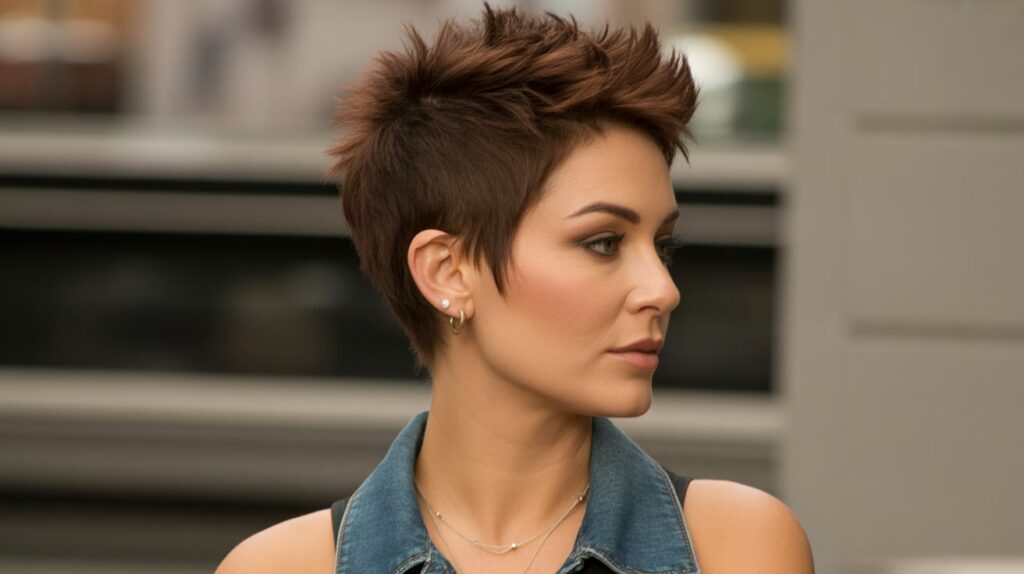
A spiky pixie differs from its smoother cousins through deliberate layering and texturizing techniques. The cut typically features shorter sides and back with longer pieces on top, creating natural lift and movement. Each section gets cut at different lengths and angles, allowing individual pieces to stand independently rather than lying flat against your head. This architectural approach to cutting produces that distinctive piecey texture that defines the style.
The key lies in how your stylist approaches the cutting technique. Point cutting and razor work create the necessary texture, while strategic layering provides the foundation for spikes to form naturally. Your hair’s natural growth patterns actually help rather than hinder this style – cowlicks and whorls that might cause problems with other cuts become assets here.
How texture creates the spiky effect
Texture transforms a simple short cut into something extraordinary. Your stylist creates this texture through various cutting methods that thin out bulk while leaving strategic weight in specific areas. The result allows individual sections to separate and spike without looking uniformly choppy.
Different hair types require different texturizing approaches. Fine hair benefits from minimal thinning to maintain body, while thick hair needs more aggressive texturizing to prevent a helmet-like appearance. The goal remains consistent across all hair types: creating pieces that can stand up and apart from each other.
Product application plays a crucial role in achieving and maintaining spiky texture. Wax, pomade, or texturizing paste worked through dry hair helps define individual pieces. The amount and type of product depend on your hair’s natural characteristics – less for fine hair, more for coarse textures.
Psychology behind confidence and short hair
Research consistently shows that dramatic hair changes often coincide with significant life transitions or personal growth periods. Short cuts like spiky pixies require a certain boldness to pursue, and wearing them successfully demands self-assurance. This creates a positive feedback loop – choosing the cut demonstrates confidence, which then reinforces itself through daily wear.
The practical aspects contribute significantly to confidence building. Spending less time on hair maintenance frees mental energy for other pursuits. You wake up looking essentially ready to face the day with minimal effort. This efficiency translates into reduced morning stress and increased punctuality, both of which positively impact self-perception.
Social reactions to bold haircuts tend to be more pronounced and generally positive. People notice and comment on striking styles, providing regular confidence boosts through compliments and attention.
Why spiky styles feel empowering
Spiky pixies reject traditional feminine hair expectations completely. They’re unapologetically bold, refusing to conform to soft, flowing stereotypes. This rejection of convention feels liberating for many women who’ve spent years trying to tame unruly hair into socially acceptable styles.
The style also emphasizes facial features rather than hiding them. Your eyes, cheekbones, and jawline become the focal points. This exposure might feel vulnerable initially, but most women quickly discover they love showcasing features previously hidden by hair. The vulnerability transforms into strength as you realize you don’t need hair as a security blanket.
Control represents another empowering aspect. Unlike longer styles subject to weather, static, and unpredictable behavior, spiky pixies stay exactly where you put them. You decide each morning how your hair looks, and it stays that way all day. This predictability and control extend beyond hair into a general sense of managing your appearance and, by extension, your life.
Choosing the Right Spiky Pixie for Your Face Shape
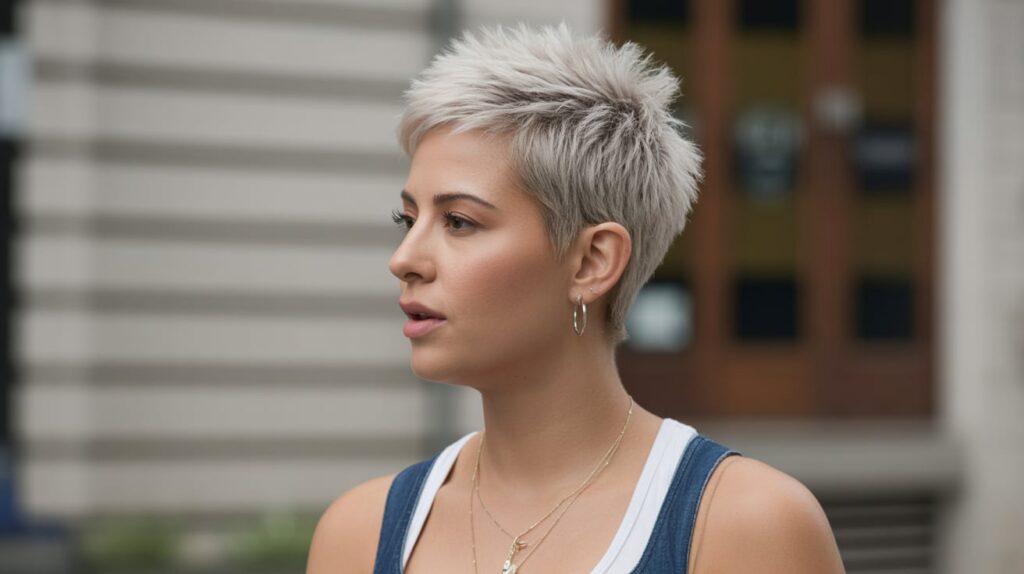
Different face shapes benefit from specific approaches to spiky pixie cuts. Understanding your facial structure helps you and your stylist create the most flattering version of this versatile style. The beauty of pixie cuts lies in their adaptability – with thoughtful customization, virtually anyone can wear one successfully.
Round face considerations
Round faces benefit from height and angular elements in their spiky pixies. Creating volume at the crown while keeping sides relatively close extends the face visually. Asymmetrical elements work particularly well – consider a deep side part with longer spikes swept dramatically to one side. This diagonal line breaks up facial roundness effectively.
The sides should stay sleek rather than voluminous to avoid adding width. Some stylists recommend an undercut or very short taper on one or both sides. This technique creates the illusion of a more oval face shape while maintaining the edgy aesthetic central to spiky styles.
Color placement can further enhance the lengthening effect. Lighter pieces on top draw the eye upward, while keeping sides darker creates shadow that slims the face. Even subtle highlighting concentrated at the crown makes a noticeable difference in how round faces appear with short cuts.
Oval face options
Oval faces enjoy the most flexibility with spiky pixies since almost any variation works well. This face shape can handle symmetrical or asymmetrical styles equally successfully. You might choose uniform spikes across the top for a punk-inspired look, or vary lengths for a more textured, tousled appearance.
Because proportion already favors oval faces, you can experiment with extremes. Very short, precise spikes create a refined look, while longer, choppier pieces offer a more rebellious aesthetic. The decision becomes less about flattery and more about personal style preference and lifestyle requirements.
Square jaw solutions
Square jaws paired with spiky pixies create striking, powerful looks. The key lies in softening angular features without completely eliminating the strong bone structure that makes square faces so photogenic:
Soft Spikes: Instead of sharp, defined points, opt for piece-y texture that’s more tousled than severe
Side-Swept Fringe: Diagonal lines across the forehead balance jaw squareness
Graduated Lengths: Varying spike heights creates movement that softens rigid angles
Wispy Edges: Keeping perimeter pieces slightly softer prevents the cut from appearing too harsh
Adding height through spiky texture on top elongates the face, preventing a boxy appearance. The contrast between soft, textured spikes and strong facial features creates an appealing balance that’s both feminine and edgy.
Heart-shaped face styling
Heart-shaped faces need careful consideration around the forehead area while maximizing the delicate chin. Spiky pixies for this face shape should avoid too much width at the temples while creating visual interest around the narrower lower face.
Side-swept spikes work wonderfully, drawing attention away from forehead width while adding movement around the jaw area. Consider keeping spikes slightly longer and less defined, creating a softer overall silhouette that complements rather than competes with your natural face shape.
The nape area deserves special attention for heart-shaped faces. Leaving slightly longer, wispy pieces at the neckline creates visual weight at the bottom of the style, balancing the wider forehead. These subtle details make significant differences in overall proportions.
Long face balancing techniques
Long faces require width rather than height from their spiky pixies. This means avoiding excessive volume on top while creating fullness at the sides. The spiky texture should move outward rather than upward, creating a broader silhouette that balances facial length.
Horizontal lines work magic on long faces. Consider spikes that stick out sideways rather than standing straight up. A choppy, piece-y fringe worn straight across the forehead also shortens facial appearance effectively. The combination of side volume and horizontal fringe creates ideal proportions for longer face shapes.
Avoid undercuts or very short sides that can exaggerate facial length. Instead, maintain some bulk around the ears and temples. This fuller silhouette through the middle of the style creates the width needed to balance proportions while still maintaining the edgy spiky aesthetic.
Styling Techniques for Maximum Impact
Your morning routine with a spiky pixie should take five minutes maximum. Start with slightly damp hair – either fresh from the shower or lightly misted with water. Dampness helps redistribute natural oils and reactivates any product residue from previous styling, giving you a fresh canvas without starting completely from scratch.
Work a small amount of product through your hair while it’s still damp. The type depends on your desired finish – matte clay for a natural look, or glossy pomade for more polish. Use less than you think you need initially; you can always add more. Distribute evenly by rubbing the product between your palms first, then running your hands through your hair in different directions to coat all sections.
Tools that make a difference
While spiky pixies don’t require extensive tool collections, a few key items make styling significantly easier. A good blow dryer with a concentrator nozzle helps direct hair into position while adding volume. Point the airflow upward at the roots to create lift, then forward to encourage spikes to form. Keep the dryer moving to avoid over-drying any single section.
A small flat iron might seem counterintuitive for spiky styles, but it’s invaluable for creating piece-y definition. Run it quickly over individual sections, twisting slightly as you pull through. This technique creates the separated, defined pieces that characterize great spiky styles. The heat also helps set the style for longer wear.
Your hands remain the most important tools. Fingers can separate, twist, and position individual spikes better than any brush or comb. Pinching small sections between thumb and forefinger while pulling upward and out creates perfect spike formation. This tactile approach lets you feel when each piece sits correctly.
Product selection guide
Product choice dramatically impacts your spiky pixie’s appearance and longevity. Different formulations suit different hair types and desired outcomes, making selection crucial for success.
Fine hair responds best to lightweight products that won’t weigh down delicate strands. Volumizing mousses or texture sprays applied to damp hair create a foundation for spikes without heaviness. Follow with a minimal amount of light-hold wax for definition. Avoid anything labeled “strong hold” as it typically proves too heavy for finer textures.
Thick or coarse hair requires stronger products to maintain style. Heavy-hold waxes, pomades, or fiber products provide the control needed to keep rebellious strands in place. These hair types can handle layering products – perhaps a mousse for volume followed by wax for definition and hold.
Quick styling methods
Some mornings demand speed over perfection. For these occasions, master the art of strategic messiness. Simply apply product to dry hair, tousle vigorously with your fingers, then pinch and twist a few prominent pieces for definition. The result looks intentionally disheveled rather than neglected.
The “wake and shake” method works well for second-day hair. Spray roots lightly with dry shampoo, wait thirty seconds, then massage vigorously. This refreshes the style while adding texture and volume. Follow by redefining a few key spikes with a tiny amount of product on your fingertips. This approach takes under two minutes but extends your style another day.
Hair accessories offer quick transformation options. A thin headband pushed back slightly creates instant volume and changes the entire silhouette. Small decorative clips can pin problematic sections while adding visual interest. These solutions work particularly well during awkward growing-out phases when certain sections refuse to cooperate.
Advanced texturizing tricks
Creating professional-level texture at home requires understanding how products interact with each other and with heat. Layering different formulations produces complex textures impossible with single products alone. Start with a salt spray on damp hair for grit, add mousse for volume, then finish with wax for definition. Each layer contributes different qualities to the final look.
The “twist and release” technique creates natural-looking spikes with movement. Take small sections of hair, twist them tightly from root to tip, then release. The hair springs back with inherent texture and direction. Apply product to your fingers between twists for varied texture throughout the style.
Backcombing isn’t just for bigger styles – it works brilliantly for creating fuller, more dramatic spikes. Tease gently at the roots of sections you want to stand up most prominently. Smooth the surface lightly with product-coated fingers. This hidden volume provides structure that lasts all day without visible teasing marks.
Maintenance Tips for Your Spiky Pixie
Maintaining a spiky pixie requires attention to detail and regular upkeep, but the effort pays off in consistently great hair days. The short length means any growth or damage becomes immediately visible, making proper care essential for keeping your style looking intentional rather than neglected.
Trimming schedule recommendations
Spiky pixies grow out faster than you might expect, with changes becoming noticeable within two to three weeks. Most women find that scheduling cuts every four to five weeks maintains the shape optimally. This frequency might seem excessive compared to longer styles, but short cuts lose their structure quickly as hair grows.
Pay attention to specific areas that change most noticeably. The neckline tends to lose its clean edge first, followed by the area around the ears. Some women maintain these sections between full cuts with careful trimming at home or quick cleanup appointments. This approach extends the time between full cuts while keeping the style looking fresh.
Daily care routines
Your daily routine impacts how well your spiky pixie maintains its shape between cuts. Sleeping on silk or satin pillowcases reduces friction that causes frizz and flattening. If you wake with significant bed head, a quick spritz of water and finger-styling usually suffices for correction.
Washing frequency depends on your hair type and lifestyle. Many women with spiky pixies find they can extend time between washes since shorter hair distributes oils less noticeably. Dry shampoo becomes your best friend, refreshing roots and adding texture simultaneously. Some discover that second or third-day hair actually styles better than freshly washed locks.
Product buildup happens quickly with daily styling product use. Clarifying treatments once weekly remove residue that makes hair dull and unresponsive. Use a clarifying shampoo or do an apple cider vinegar rinse. Follow with a lightweight conditioner to restore moisture without weight. This weekly reset keeps your hair responsive to styling products.
Product rotation strategies
Using the same products constantly can lead to diminishing results as hair becomes accustomed to specific formulations. Rotating between two or three different styling products prevents this adaptation while allowing you to achieve varied looks. Monday through Wednesday might feature matte clay for a natural finish, while Thursday and Friday use glossy pomade for more polished appearances.
Seasonal changes affect how products perform in your hair. Summer humidity might require stronger-hold formulations or anti-frizz ingredients. Winter’s dry air could necessitate products with added moisture. Pay attention to how your hair responds to weather changes and adjust your product arsenal accordingly.
Consider having products for different occasions readily available:
Daily Wear: Lightweight, natural-finish products that provide moderate hold
Special Events: Stronger-hold products with shine for polished looks
Workout Days: Minimal product or sweat-resistant formulations
Lazy Days: Dry shampoo and texturizing spray for quick refreshing
Dealing with grow-out phases
Every spiky pixie eventually faces grow-out phases, whether intentional or due to delayed appointments. These transitional periods challenge your styling skills but offer opportunities for experimentation. The key lies in working with the growth rather than fighting it.
When the top gets too long for traditional spikes, try slicking sections back or to the side for a different aesthetic. Pomade or gel provides the control needed for these sleeker styles. This approach maintains sophistication while you decide whether to cut back to original length or continue growing.
Accessories become invaluable during awkward growth stages. Decorative bobby pins can secure rebellious pieces while adding visual interest. Thin headbands control longer sections while maintaining an edgy appearance. These temporary solutions buy time between cuts or help transition to longer styles if you’re ready for change.
Color and Texture Variations That Amplify Your Look
Color transforms spiky pixies from simple short cuts into artistic expressions. The minimal length means any color choice becomes immediately impactful, making this style perfect for both subtle enhancements and dramatic statements.
Bold color choices
Vibrant colors look particularly striking on spiky pixies because the texture creates natural dimension even with single-process color. Platinum blonde spikes catch light differently than longer hair would, creating an almost three-dimensional effect. Deep burgundy or purple shades appear more intense against the short, textured backdrop.
The shorter length means less commitment to maintenance since you’re cutting away color regularly. This freedom allows for more adventurous choices. That electric blue or rose gold shade that seemed impossible with long hair becomes manageable when you’re trimming every month anyway. Fashion colors fade gracefully on textured cuts, creating interesting ombre effects as they wash out.
Subtle highlighting techniques
Not everyone wants dramatic color changes, and spiky pixies accommodate subtle approaches beautifully. Babylights – ultra-fine highlights – add dimension without obvious color contrast. These delicate touches of lightness create movement and depth that enhance the spiky texture.
Face-framing highlights concentrate color where it has maximum impact. Lighter pieces around your hairline and through the longer top sections brighten your complexion while adding visual interest. This targeted approach requires less maintenance than all-over color while still providing transformation.
Lowlights deserve consideration too, especially for women with lighter natural colors. Adding darker pieces underneath creates shadow and depth that make spikes appear more pronounced. This technique works particularly well for fine hair that needs visual thickness.
Working with natural texture
Your hair’s inherent texture influences how spikes form and hold throughout the day. Straight hair creates clean, defined spikes with clear separation between pieces. Wavy hair produces softer, more organic-looking spikes with natural movement. Curly textures create the most unique spiky styles, with coils and spirals adding unexpected dimension.
Rather than fighting natural texture, successful spiky pixies incorporate these characteristics into the overall design. A skilled stylist cuts with your growth patterns and texture, creating a style that practically styles itself. This harmony between cut and natural texture reduces styling time while improving longevity between cuts.
Some women discover entirely new aspects of their hair texture after going short. Hair that seemed unmanageably frizzy at longer lengths might reveal beautiful natural waves when weight gets removed. Stick-straight hair might show surprising volume capabilities when freed from length-related heaviness.
Creating contrast with color placement
Strategic color placement enhances the spiky silhouette while adding visual intrigue. Consider darker roots with lighter ends – this reverse ombre effect makes each spike more defined and visible. The contrast draws attention to the texture while creating an edgy, modern appearance.
Peek-a-boo colors hidden in lower layers provide surprise elements. These hidden sections become visible only when hair moves or gets styled certain ways. This playful approach lets you incorporate bold colors while maintaining a more conservative appearance when needed.
Panel coloring – where specific sections receive different colors – works brilliantly with spiky pixies. Perhaps one side features your natural color while the other showcases something bolder. Or create a colorful section just through the longer top pieces. These asymmetrical color applications complement the inherent edginess of spiky styles.
Seasonal color adjustments
Your spiky pixie color can evolve with the seasons, reflecting both natural light changes and fashion trends. Summer might call for sun-kissed highlights that mimic beach hair, achieved through balayage techniques adapted for short hair. These painted-on highlights look natural while adding warmth and dimension.
Fall and winter invite richer tones – deep chocolates, warm auburns, or cool ash tones. These colors provide striking contrast against pale winter skin while complementing seasonal wardrobes. The shorter style means you can transition between seasonal colors more easily than with long hair.
Spring offers opportunities for fresh starts with color. Perhaps lighten your base shade by a level or two, or add pastel tones for a playful touch. The renewal associated with spring makes it an ideal time for color experiments. Your monthly trim schedule means any color choice remains temporary enough for comfort while still providing adequate wear time.
Taking the Leap Into a Spiky Pixie
Taking the leap into a spiky pixie cut marks the beginning of a confidence journey that extends far beyond hair. Women who make this choice often report feeling more authentic, more visible, and surprisingly, more feminine than they did with longer styles. The daily reminder of your boldness – every glimpse in the mirror, every compliment from strangers – reinforces the courage it took to sit in that salon chair and request such a dramatic change.
The practical benefits merge seamlessly with the psychological ones. Those extra minutes each morning previously spent styling can go toward activities that truly matter to you. The money saved on products and lengthy salon appointments funds other pursuits. Most importantly, the confidence gained from wearing such an unapologetically bold style spreads into other life areas, encouraging further brave choices and authentic self-expression.
Frequently Asked Questions
Q: How do I know if a spiky pixie will suit my lifestyle?
A: Spiky pixies work best for women who value low-maintenance routines and don’t mind regular salon visits. If you currently spend over 20 minutes styling your hair daily, you’ll likely appreciate the time savings. Consider your professional environment too – while most workplaces accept these styles, very conservative fields might require softer variations.
Q: Will a spiky pixie make me look masculine?
A: Short hair actually emphasizes feminine features by showcasing your face, neck, and shoulders. The contrast between edgy hair and delicate features often creates a more striking feminine appearance than long hair provides. Adding earrings, makeup, or colorful clothing further reinforces feminine presentation if that’s your concern.
Q: How much will maintaining a spiky pixie cost annually?
A: Budget for haircuts every 4-5 weeks, which means 10-12 cuts yearly versus the 4-6 cuts typical for longer styles. However, you’ll save significantly on products, using perhaps one-tenth the shampoo, conditioner, and styling products. Many women find the costs balance out or even decrease overall.
Q: Can I grow out a spiky pixie if I change my mind?
A: Growing out any pixie requires patience but remains completely manageable. The process typically takes 6-9 months to reach a short bob length. Strategic trimming during growth maintains style while length increases. Many women discover transitional styles they love even more than their original cut or intended goal length.
Q: What if my hair is very fine or thin?
A: Fine and thin hair often looks fuller with spiky pixie cuts because removing length eliminates weight that pulls hair flat. The layering and texturizing techniques used for spiky styles create an illusion of thickness. Proper product selection ensures fine hair maintains texture without becoming weighed down or greasy-looking.
Q: How do I style a spiky pixie for formal events?
A: Formal styling simply means refining your everyday approach. Use a bit more product for sleeker definition, add shine serum for polish, or incorporate decorative accessories. Some women prefer smoothing spikes into a more sculptural shape for elegant occasions. The inherent sophistication of a well-cut pixie means minimal changes create formal-appropriate looks.
Q: Which hair types should avoid spiky pixies?
A: No hair type needs to avoid spiky pixies entirely, though some require more specialized cutting and styling techniques. Very tight curls might need relaxing for traditional spikes but can create amazing textured variations. Extremely damaged hair should undergo treatment first to handle the frequent cutting and styling. Consult with experienced stylists who understand your specific hair type.
Q: Do spiky pixies work at every age?
A: Age has nothing to do with your ability to wear a spiky pixie successfully. Women in their 20s through 80s rock these cuts with confidence. The key lies in adapting the style to complement your features and lifestyle rather than following rigid age-related rules. Gray hair actually looks particularly striking in spiky styles.

