

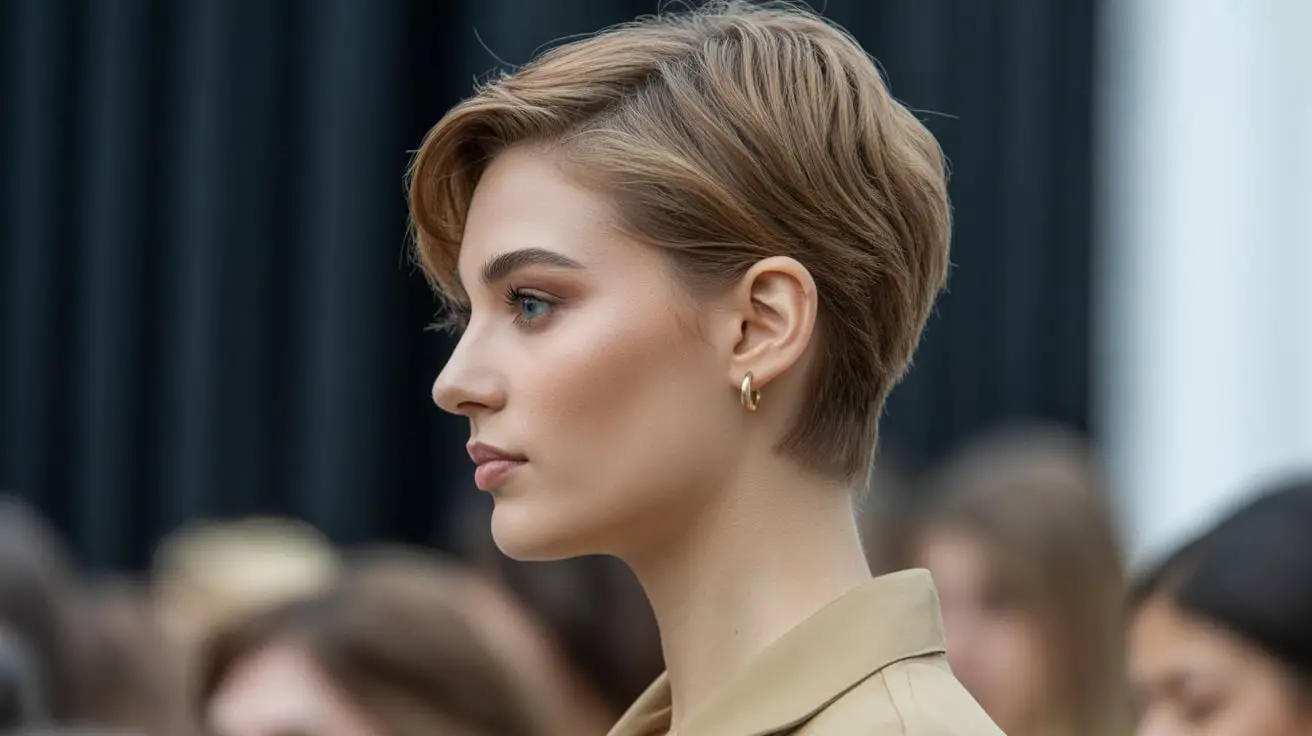
Short hair has a reputation for being bold and dramatic, but the soft pixie breaks that stereotype completely. This particular cut offers an easier approach to cropped hair, combining the convenience of short length with gentler, more feminine lines. Unlike sharp, angular pixie styles that demand constant precision, this version feels relaxed and approachable while still looking polished.
The beauty of this style lies in its adaptability. Women with various hair textures and face shapes can make it work for their features. The key difference from traditional pixie cuts comes down to the softness of the layers and the way the hair is shaped around your face. Rather than severe lines and dramatic contrast, you get a more gradual transition between lengths that flatters without overwhelming your features.
Let’s talk here about what makes this cut unique, how to style it properly, which variations work best for different preferences, and how to keep it looking fresh between salon visits. You’ll also find practical tips for daily maintenance and styling that won’t eat up your morning routine.
What is a Soft Pixie Cut?
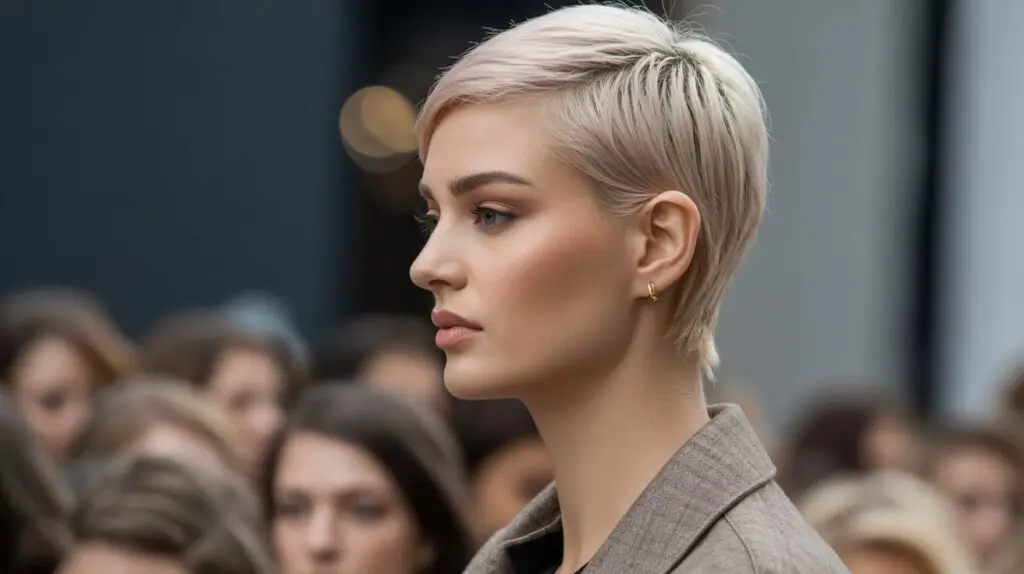
The term might sound vague at first, but this haircut has specific characteristics that set it apart from other short styles. Understanding these details helps you communicate exactly what you want to your stylist and ensures you get a cut that actually delivers that effortlessly chic look.
Defining Characteristics of the Style
This cut typically features longer pieces on top, usually between two to four inches, with gradually shorter sides and back. The length variation creates natural movement without requiring extensive styling. The hair isn’t buzzed close to the head like some pixie versions – instead, you’ll have enough length to run your fingers through and create different looks.
The edges are intentionally kept softer rather than sharply defined. Your stylist uses point-cutting techniques or texturizing scissors to create wispy ends instead of blunt lines. This approach prevents the cut from looking too severe or masculine.
How it Differs from Traditional Pixie Cuts
Traditional pixie cuts often feature stark contrast between very short sides and longer tops, creating a more dramatic silhouette. The soft version minimizes this contrast through gradual blending. You won’t see harsh lines where different sections meet.
The classic pixie can read as edgy or punk-inspired. This softer interpretation skews more romantic and approachable. Think less fashion runway, more everyday wearable. The difference might seem slight in description, but the overall impression changes significantly.
The Texture and Layering Approach
Layering makes or breaks this haircut. Your stylist should create multiple layers throughout, especially on top and around your face. These layers prevent the hair from lying flat and create natural lift without requiring much product or effort.
The layering also helps different hair types work with the cut. Fine hair gains volume and movement. Thick hair gets reduced bulk without losing shape. Wavy or curly hair finds better definition when properly layered. The technique adapts to what you’re working with rather than forcing your hair into a shape it naturally resists.
Face-Framing Elements That Matter
The pieces around your face deserve special attention. Slightly longer sections near your cheeks and temples soften your features and draw attention to your eyes. These face-framing layers can be customized based on your bone structure.
Some women prefer longer pieces that reach their jawline, while others keep everything above the ear. Your stylist should consider your face shape and features when determining these lengths. The goal is creating balance – if you have a longer face, shorter pieces on the sides help. Rounder faces benefit from slightly more length and height on top.
Why the Soft Pixie Makes You Look Effortlessly Chic
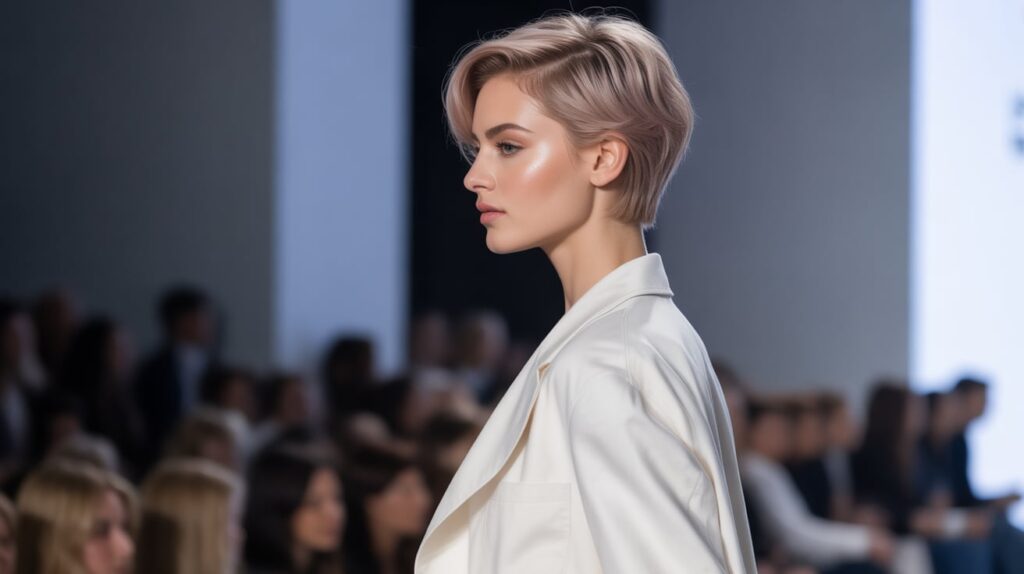
The magic of this haircut goes beyond just looking good in the mirror. Several factors combine to create that coveted low-effort, high-impact appearance that busy women appreciate.
The Low-Maintenance Appeal
Short hair naturally requires less daily care than longer styles. You’ll use less shampoo, conditioner, and styling products. Drying time drops dramatically – some women can air-dry their pixie in fifteen minutes. Morning routines simplify when you’re not wrestling with a foot of hair.
The style holds its shape between washes better than many cuts. Because the length is short and the layers are well-structured, you can often refresh your look with just damp hands and a bit of product. No heat tools required for basic styling.
Versatility in Styling Options
Despite the short length, you have more options than you might expect. Sleek and polished works for professional settings – just smooth down with a bit of pomade or cream. Add texture with sea salt spray or dry shampoo for a more casual, lived-in appearance. Pin back one side with a decorative clip for an instant update.
You can also play with your part. A deep side part creates drama and volume. A center part offers a more balanced, modern look. Simply changing where you part your hair transforms the entire style without any cutting required.
How it Complements Different Face Shapes
The customizable nature of this cut means it flatters various face structures. Oval faces have the easiest time since most styles work, but other shapes benefit too with proper adjustments.
Round faces gain definition from height on top and length that extends past the fullest part of the cheeks. Square faces soften with wispy, textured pieces around the temples and jaw. Heart-shaped faces balance with slightly more volume at the bottom and tapered sides. Long faces need width at the sides and minimal height to avoid elongating further.
The Modern, Polished Appearance
Something about well-cut short hair reads as current and intentional. You’re not hiding behind your hair or using length as a security blanket. The cut itself becomes a statement about confidence and personal style.
The polished look comes partly from the clean lines and partly from how the style frames your face. With hair off your neck and away from your features, your bone structure and facial features take center stage. Good skin care becomes more important, but so does that healthy glow you might have been covering up.
Confidence Boost from the Right Cut
Making the decision to cut your hair short often marks a turning point. Women frequently report feeling lighter, fresher, and more themselves after getting this cut. The physical weight of long hair disappears along with whatever emotional weight you might have been carrying.
The style also signals to the world that you’re not overly concerned with conventional beauty standards. It takes confidence to work a short cut, and that confidence becomes self-reinforcing. You feel good, you look good, and that positive feedback loop continues.
How to Style Your Soft Pixie for Maximum Impact
Getting the cut is only half the battle. Knowing how to style it properly ensures you actually achieve that effortlessly chic look every day, not just when leaving the salon.
Daily Styling Techniques
Start with damp hair for easiest styling. If you’ve slept on your pixie and it’s sticking up oddly, wet your hands and run them through the problem areas. The moisture reactivates your hair’s natural texture and makes it more cooperative.
Work product through from roots to ends using your fingers. Avoid brushes and combs for daily styling – they can smooth out the texture you want to maintain. Instead, use your fingertips to lift the roots and direct the hair where you want it. Scrunch any wavy or curly sections to encourage definition.
For a polished look, blow-dry with your fingers or a small round brush, directing hair away from your face. For something more relaxed, let it air-dry after applying product. The layers should create natural movement either way.
Products That Work Best
Less is more with short hair. You don’t need multiple products or complicated routines. Here’s what actually helps:
Texturizing Cream: Provides hold without stiffness, perfect for piecey, separated strands.
Light Pomade: Creates sleek, polished styles when smoothed over the surface.
Sea Salt Spray: Adds grit and volume to fine hair that tends to fall flat.
Dry Shampoo: Refreshes between washes and adds lift at the roots.
Choose products based on your desired finish. Matte products create a more natural, undone look. Products with shine give a groomed, polished appearance. Test small amounts first – short hair shows product buildup more obviously than long hair.
Creating Volume and Texture
Volume starts at the roots. When blow-drying, lift sections away from your scalp with your fingers or a brush and direct heat at the root area. Once cool, the hair holds that lifted position.
Texture comes from both the cut itself and your styling technique. Rub a small amount of product between your palms, then rake your fingers through your hair in different directions. This breaks up any uniformity and creates that perfectly imperfect finish.
Don’t overwork your hair. Style it, then leave it alone. Constantly touching and adjusting actually makes hair look less polished. Set it and forget it.
Transitioning from Day to Night
The versatility of this cut shines when you need to go from office to evening plans. Add a bit more product for extra definition and shine. Switch your part to the opposite side for an instant refresh. Smooth back the sides with gel or pomade for a sleeker, more dramatic look.
A bold lip and statement earrings also transform the vibe without touching your hair. Short hair makes accessories more visible, so use that to your advantage. The cut itself doesn’t need much adjustment when your clothes and makeup do the heavy lifting.
Managing Growth Stages
Short cuts grow out faster than you might expect. Plan for trims every four to six weeks to maintain the shape. Between appointments, you can extend the style by adjusting how you wear it.
As the top gets longer, try slicking it back or to the side. When the sides start creeping past your ears, tuck them behind your ears or use small clips. The key is working with the extra length rather than fighting it. Some women even enjoy the in-between stages and intentionally grow their pixie into a longer crop or bob.
Best Soft Pixie Variations to Consider
Not all soft pixies look identical. Several variations exist within this style category, each offering a slightly different vibe and requiring different maintenance levels.
Longer Top with Tapered Sides
This version keeps substantial length on top – often three to five inches – while the sides and back are cut much shorter. The contrast creates visual interest without being as severe as traditional undercut styles. You can sweep the longer top pieces to either side, slick them back, or let them fall naturally forward.
The longer top gives you more styling options and makes the cut feel less dramatic. Women who are nervous about going short often start with this variation because it offers some security of length while still giving that cropped hair freedom.
Maintenance requires regular trims on the sides to prevent them from getting shaggy. The top can grow longer between cuts without losing too much shape. Many women find this variation strikes the right balance between edgy and elegant.
Textured and Piecey Versions
Heavy texturizing creates a choppy, separated look where individual sections of hair are visible. Your stylist achieves this through point-cutting, razor-cutting, or heavy use of thinning shears throughout the cut.
This variation works beautifully for thick or coarse hair that might otherwise look too heavy in a pixie cut. The texturizing removes bulk while creating movement and dimension. It also gives the cut a more modern, editorial feel compared to softer, more uniform versions.
You’ll need the right products to maintain the piecey look – usually a texturizing paste or dry texture spray. The style embraces a slightly messy, bedhead aesthetic that actually takes some skill to perfect, despite looking casual.
Asymmetrical Soft Pixie Options
Asymmetry adds an unexpected twist to the standard pixie. One side might be cut shorter than the other, or the part might be dramatically swept to one side, creating uneven lengths across the head.
This variation suits women who want something distinctive without committing to extreme color or very short lengths. The asymmetry draws the eye and creates visual interest that makes the cut memorable.
Styling asymmetrical versions requires understanding which side is your “good side” and emphasizing that. The longer side typically gets more attention and styling, while the shorter side stays sleek and close to the head. Growth patterns matter more with asymmetrical cuts, so discuss this with your stylist.
Adding Bangs or Fringe
Bangs transform any pixie cut, including soft versions. Wispy, piecey bangs blend naturally with the rest of the cut and soften your forehead. Blunt, straight-across bangs create a more dramatic, fashion-forward statement. Side-swept bangs offer a classic, universally flattering option.
The type of bangs you choose should complement your face shape and the overall style of your cut. Bangs also require more maintenance – they grow faster than you notice and need trimming every few weeks to stay out of your eyes.
Consider starting with longer, side-swept bangs if you’re unsure. They’re easier to manage and less commitment than shorter, blunt versions. You can always cut them shorter later if you decide you want a bolder look.
Maintaining Your Soft Pixie Cut
The reality of short hair is that it requires regular professional maintenance. But between salon visits, you can do plenty to keep your cut looking fresh and intentional.
How Often to Trim
Most women need trims every four to six weeks to maintain the shape of a soft pixie. Unlike long hair where you might stretch it to eight or twelve weeks, short cuts lose their structure quickly as they grow out.
The back and sides are usually the first areas to look shaggy. If you’re budget-conscious, some women get just the back and sides cleaned up between full cuts. This extends the time between full appointments while keeping the overall silhouette clean.
Watch for when the cut stops lying the way it did when you first got it. When you’re fighting your hair every morning instead of quickly styling it, you’ve waited too long for a trim.
At-Home Maintenance Tips
Learn to do minor cleanups yourself between appointments. Small scissors designed for hair can clean up the hairline at your neck or around your ears. Be conservative – you can always cut more, but you can’t put it back.
Invest in good products and use them consistently. Your hair routine should take minutes, but those minutes matter. Skipping product or using the wrong types leads to frustration and bad hair days.
Protect your hair while sleeping with a silk or satin pillowcase. These materials create less friction than cotton, which means less frizz and distortion of your style overnight. Some women also find that a light spritz with water in the morning helps reset everything.
Color Considerations
Color can enhance a soft pixie beautifully, but it also adds maintenance. Highlights or balayage create dimension and movement in short hair. An all-over color can make a dramatic statement.
Short hair shows root growth faster than long hair since there’s less length to draw the eye away. Plan for color touch-ups every four to six weeks if you’re covering grays or maintaining a solid color far from your natural shade.
Ask your colorist about low-maintenance options like shadow roots or lived-in color techniques. These grow out more gracefully and require fewer touch-ups. Single-process color is also easier to maintain than complex highlighting patterns.
Keeping the Style Fresh
Between cuts, small adjustments keep your pixie interesting. Change your part, try a new product, or experiment with different styling techniques. Even simple changes prevent you from feeling bored with your cut.
Accessories also refresh your look. Headbands, decorative pins, and small clips can all work with short hair if placed thoughtfully. Don’t underestimate the power of a bold earring or fun sunglasses to update your entire appearance.
Pay attention to your clothing necklines too. Turtlenecks, collared shirts, and different necklines all interact with short hair differently than they do with long hair. Experiment to see what combinations you love most.
Making the Cut Work for You
The soft pixie offers something many women crave: a polished, put-together appearance that doesn’t demand significant time or effort. This cut respects your schedule while elevating your overall style. The key is finding a skilled stylist who understands the nuances of cutting short hair and can customize the style to your specific features and lifestyle.
Short hair isn’t for everyone, but if you’ve been curious about trying a pixie cut while worried it might be too severe or high-maintenance, this softer version bridges that gap perfectly. It gives you the freedom and lightness of short hair without the harsh edges or constant upkeep that intimidates many women. With the right cut, products, and minimal styling knowledge, you can achieve that effortlessly chic look that turns heads for all the right reasons.
Frequently Asked Questions
Q: How long does it take to style a soft pixie cut each morning?
A: Most women spend five to ten minutes styling their soft pixie once they learn the technique. If you’re just refreshing day-old hair, it might take only two or three minutes with damp hands and a bit of product.
Q: Will a soft pixie work with curly or wavy hair?
A: Yes, texture actually enhances this cut beautifully. Curly and wavy hair gains definition from the layering and often requires even less styling than straight hair. Just be sure your stylist has experience cutting textured hair.
Q: Can I pull off a soft pixie with a round face?
A: Absolutely. The key is customizing the cut with height on top and length that extends past the fullest part of your cheeks. This creates vertical lines that balance round features nicely.
Q: What’s the biggest mistake women make when styling their soft pixie?
A: Using too much product is the most common error. Short hair needs very little – start with a dime-sized amount and add more only if necessary. Over-application makes hair look greasy and heavy.
Q: How do I find a stylist who can cut a soft pixie properly?
A: Look for stylists who regularly post short hair cuts on their social media or portfolio. Book a consultation before committing to the cut to discuss your vision and assess whether they understand what you want.
Q: Will I need to use heat tools daily with this cut?
A: Not necessarily. Many women air-dry their soft pixie with just product. Others use a blow dryer for five minutes for extra volume. Flat irons and curling irons are optional based on your desired look.
Q: How quickly will my soft pixie grow out?
A: Hair grows about half an inch per month, so you’ll notice growth within three to four weeks. The cut typically maintains its basic shape for four to six weeks before needing professional attention.
Q: Can I still wear headbands and hair accessories with a pixie cut?
A: Yes, though you’ll need smaller accessories designed for short hair. Thin headbands, decorative bobby pins, and small clips all work well. Avoid accessories designed for long, thick hair as they’ll overwhelm your cut.
Q: What happens if I decide I don’t like my soft pixie after cutting it?
A: Hair grows back, though it takes patience. In the meantime, work with your stylist to adjust the cut into something you prefer. Sometimes small tweaks make a big difference in how you feel about the style.
Q: Do I need special products for a soft pixie, or will my regular hair products work?
A: Your regular products might work, but short hair often does better with lighter formulas. Heavy conditioners and thick styling creams can weigh down a pixie. Test what you have, but be prepared to invest in products specifically designed for short hair.

