

Summer heat can turn your hair routine into a daily battle against humidity, sweat, and frizz. Those carefully styled looks you perfected in spring suddenly fall flat before noon, leaving you frustrated and reaching for yet another hair tie. Dutch braids offer a practical solution that keeps you looking polished from sunrise to sunset, regardless of how high the mercury climbs.
This braiding technique works differently than traditional styles because it creates a raised pattern that sits on top of your hair rather than blending into it. The result is a style that naturally lifts hair away from your neck and shoulders, providing instant relief during those sweltering months. Women everywhere have discovered that this particular technique offers both function and fashion, transforming unruly summer hair into an intentional, put-together look.
In the following sections, you’ll discover why this braiding method works so well in hot weather, which tools and products make the process easier, and how to create various styles suitable for everything from beach days to office meetings. You’ll also learn maintenance tricks that keep your braids fresh through swimming, workouts, and outdoor adventures. Ready to master the art of summer braiding? Let’s get started.
- What Makes Dutch Braids Perfect for Summer Heat
- Essential Tools and Products for Hot Weather Dutch Braiding
- Step-by-Step Guide to Creating Heat-Proof Dutch Braids
- Creative Dutch Braid Variations for Different Summer Occasions
- Maintaining Your Dutch Braids Through Summer Activities
- Final Thoughts on Summer Dutch Braiding
- Frequently Asked Questions
What Makes Dutch Braids Perfect for Summer Heat
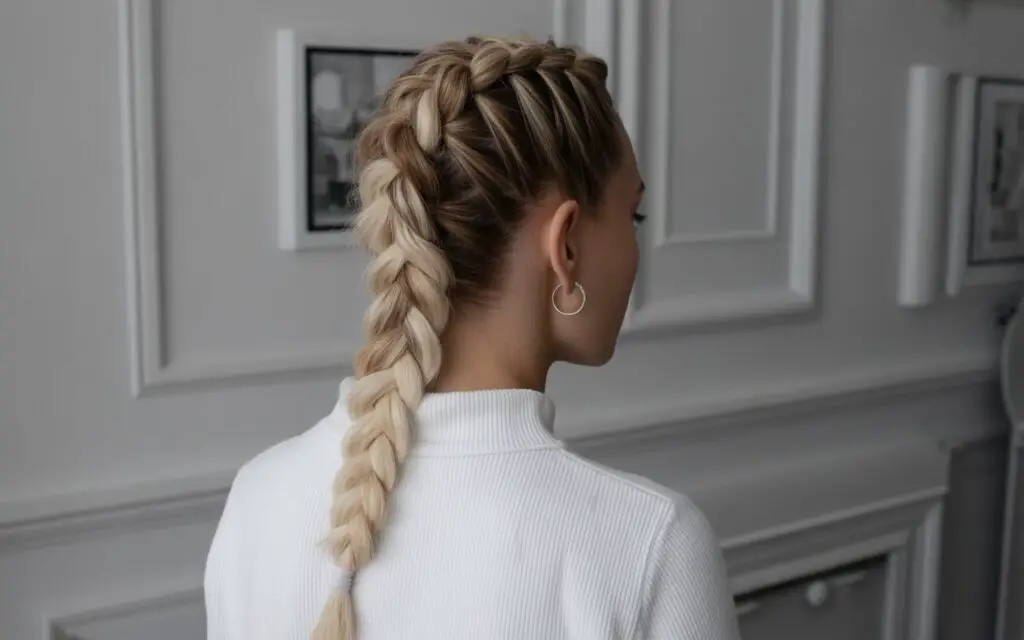
The science behind why this braiding technique excels in hot weather starts with airflow. Unlike loose hairstyles that trap heat against your scalp and neck, these raised plaits create natural ventilation channels. Your hair sits up and away from your skin, allowing air to circulate freely. This simple physics principle makes a noticeable difference in your comfort level during humid afternoons.
How Dutch Braids Keep Hair Off Neck and Face
The inverted weaving pattern pulls every strand securely into place, preventing those annoying wisps from sticking to your face when you start perspiring. Traditional ponytails and buns often loosen throughout the day, but properly executed plaits maintain their structure for hours. You won’t find yourself constantly tucking hair behind your ears or wiping strands from your forehead during outdoor activities.
This technique distributes weight evenly across your scalp rather than creating a single pressure point like ponytails do. The balanced distribution means less headache-inducing tension and more comfortable wear throughout long summer days. Women with thick or heavy hair particularly appreciate this benefit.
Why They’re Better Than Other Styles in Humidity
Humidity wreaks havoc on most hairstyles, but these braided patterns actually improve with a bit of moisture in the air. The slight expansion from humidity helps fill any gaps in the weave, creating a fuller, more voluminous appearance.
Other popular summer styles have significant drawbacks in comparison. Top knots become heavy and slip down, beach waves turn into undefined frizz, and straightened hair develops kinks within minutes of stepping outside. The structured nature of this braiding method resists these common humidity problems.
The Cooling Effect They Provide
Beyond just keeping hair off your skin, the raised design creates what hairstylists call a “chimney effect.” Hot air rises through the gaps between your scalp and the braid, drawing cooler air in to replace it. This natural convection keeps your head temperature more regulated than any other summer hairstyle option.
The exposed scalp areas between sections can also benefit from cooling products or even a light misting of water for instant relief. Unlike solid hairstyles that trap everything against your head, you have access points for quick cooling when needed.
How They Protect Hair from Sun Damage
UV rays cause significant damage to exposed hair strands, leading to dryness, color fading, and brittleness. The overlapping structure of these plaits shields inner hair sections from direct sun exposure. Only the outermost layer faces the elements, while the majority of your hair stays protected within the weave.
This protection extends to your scalp as well. The crisscross pattern provides partial shade to your part lines, reducing the risk of painful sunburn on exposed skin. Combined with a good SPF hair product, you’ve created an effective defense against summer sun damage.
Longevity in Hot Weather
While most hairstyles deteriorate quickly in heat and humidity, properly secured plaits can last multiple days with minimal touch-ups. The interwoven structure locks each section in place, preventing the gradual loosening that affects simpler styles. This durability means less time spent on hair each morning and more time enjoying summer activities. Some women report wearing the same braided style for three to four days, simply refreshing edges as needed.
Essential Tools and Products for Hot Weather Dutch Braiding

Success with summer braiding starts long before you section your first strand. Having the right tools and products transforms a potentially frustrating experience into a smooth, efficient process. The investment in quality supplies pays off through easier styling sessions and longer-lasting results.
Must-Have Hair Tools for Smooth Braiding
A rattail comb becomes your best friend for creating clean, straight parts that define your braid placement. The pointed end allows precise sectioning, while the comb teeth smooth each piece before incorporating it into your plait. Cheap plastic versions work, but a metal-tipped comb offers better control and durability.
Small, clear elastic bands specifically designed for hair prevent damage while securing your style. Avoid rubber bands that can break strands or create dents. Keep multiple sizes on hand – smaller ones for the ends of thin braids, larger ones for securing thicker sections or combining multiple plaits.
Heat-Resistant Products That Actually Work
Your product arsenal should focus on formulas that won’t melt or become sticky in high temperatures. Lightweight mousses provide grip without the heaviness of traditional gels. Apply them to damp hair before braiding for all-day hold that doesn’t feel crunchy or stiff. Water-based formulas perform better than oil-based options in summer heat.
Texturizing sprays designed for fine hair work wonderfully on all hair types when creating braided styles. They add just enough grit to prevent sections from slipping without leaving visible residue. Spray each section lightly before incorporating it into your plait for maximum control. The added texture also helps your style last longer between washes.
Edge control products have evolved significantly in recent years. Modern formulas offer strong hold without the greasy appearance that plagued earlier versions. Look for options containing natural ingredients like casava root or flaxseed extract. These provide excellent control while nourishing your hairline.
Setting Sprays That Withstand Sweat
Traditional hairsprays often fail in humid conditions, leaving you with sticky, deflated results. Instead, seek out humidity-blocking finishing sprays that create an invisible shield around each strand. These specialized formulas use polymer technology to repel moisture while maintaining flexibility.
The application technique matters as much as the product itself. Hold the spray at least 10 inches from your head and apply in light, sweeping motions. Heavy application creates buildup that actually attracts moisture and dirt. A light misting provides adequate hold without the helmet effect.
Consider these product application tips for maximum effectiveness:
Pre-braid prep: Apply leave-in conditioner to damp hair for slip and protection
Section by section: Add texturizing product to each piece right before braiding
Final seal: Mist with humidity-blocking spray once complete
Edge perfection: Smooth baby hairs with edge control using a soft brush
Overnight protection: Wrap with a silk scarf to maintain style while sleeping
Quick Fixes for On-the-Go Touch-Ups
Summer adventures don’t always allow for complete restyling, making portable touch-up products essential. Travel-sized bottles of dry shampoo refresh your roots without water, absorbing excess oil and adding volume to flattened areas. Choose formulas that match your hair color to avoid visible residue.
Bobby pins in various sizes handle emergency repairs when sections start escaping. Match them to your hair color and keep a small container in your bag, car, and desk drawer. The rippled variety offers better grip than smooth pins, especially in humid conditions.
Hair finishing sticks have become game-changers for controlling flyaways without disturbing your overall style. These mascara-like wands contain lightweight holding products that tame individual strands. Simply brush over problem areas for instant smoothing without the weight of traditional products.
A small spray bottle filled with water mixed with a drop of leave-in conditioner serves multiple purposes. Use it to rewet sections that need re-braiding, add moisture to dry ends, or refresh your style on particularly hot days. This simple mixture costs pennies but provides professional-looking results.
Step-by-Step Guide to Creating Heat-Proof Dutch Braids
Creating braids that withstand summer conditions requires more than just good technique. The preparation and execution methods you use determine whether your style lasts an hour or several days. Understanding each step’s purpose helps you adapt the process to your specific hair type and summer plans.
The foundation of any long-lasting braided style begins before you even section your hair. Starting with the right base makes every subsequent step easier and contributes to a final result that maintains its shape through heat, humidity, and activity.
Preparing Hair for Maximum Hold
Clean hair might seem ideal, but slightly dirty hair actually braids better. The natural oils provide grip that freshly washed strands lack. If you must start with clean hair, add texture through products rather than relying on your hair’s natural state. This preparation step cannot be skipped if you want your style to last.
Dampness level affects both the braiding process and final appearance. Hair that’s too wet stretches during braiding, then shrinks as it dries, creating loose, messy results. Conversely, completely dry hair can be difficult to control and may result in frizzy sections. Aim for hair that feels barely damp – just enough moisture to provide flexibility without dripping.
Before sectioning, brush through your entire head to remove tangles. Starting from the ends and working upward prevents painful pulling and reduces breakage. This initial detangling makes the actual braiding process significantly smoother and faster.
The Basic Dutch Braid Technique Simplified
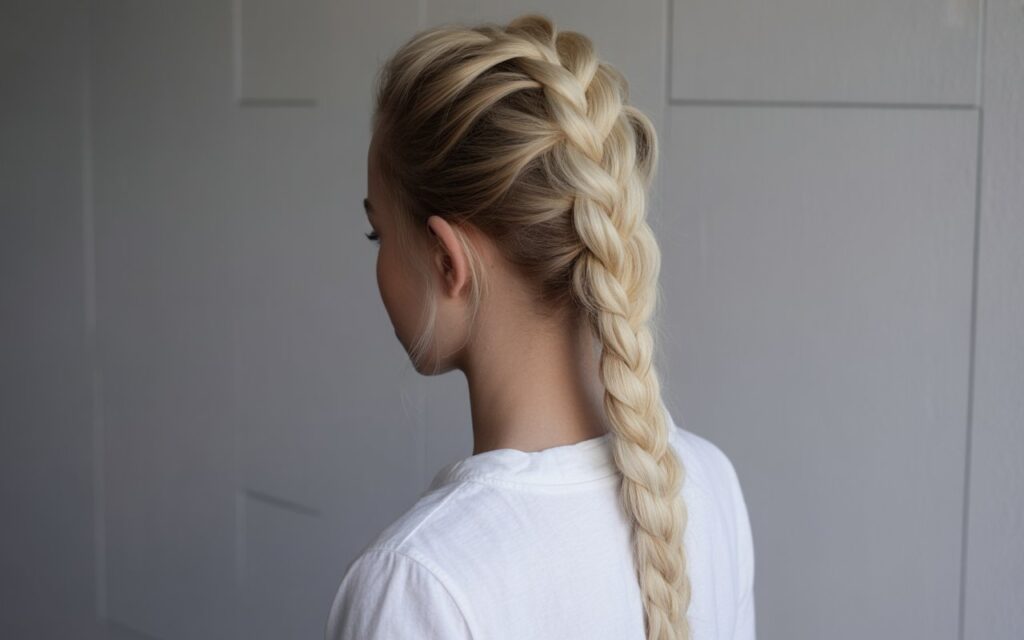
Begin by taking a section of hair at your crown – about two inches wide works well for most people. Divide this into three equal pieces, holding them between your fingers with moderate tension. The key difference from regular braiding happens next: instead of crossing sections over each other, you’ll cross them underneath.
Take your right section and pass it under the middle section. Then take your left section and pass it under what’s now the middle. This creates the signature raised effect. Continue this pattern while gradually adding hair from the sides of your head to each outer section before crossing it under.
The amount of hair you add with each cross determines your braid’s appearance. Smaller additions create a tighter, more intricate look, while larger sections produce a chunkier, more casual style. Consistency matters more than size – try to grab equal amounts each time for a professional appearance.
Maintaining even tension throughout prevents loose spots that can unravel later. Your grip should be firm enough to keep sections defined but not so tight that you cause discomfort. If your hands start cramping, you’re probably holding too tightly.
Securing Techniques That Last All Day
The finishing touches determine whether your hard work survives summer activities. When you reach the nape of your neck, continue braiding normally (without adding hair) until you have about two inches of loose ends. This traditional three-strand portion provides a stable base for securing.
Wrapping your elastic band requires strategy. Instead of simply looping it around once or twice, create a more secure hold by wrapping it multiple times, then on the final wrap, don’t pull the hair all the way through. This creates a small loop that locks everything in place.
Bobby pins offer additional security at strategic points. Slide them into the braid at angles rather than straight in, catching both the plait and underlying hair. Focus on areas where you feel looseness or where sections might pull free during activity.
Common Mistakes in Hot Weather Braiding
Using too much product creates a greasy appearance and actually attracts dirt and pollution. Your braids become heavy and lose their defined shape. Less is more when it comes to summer styling products – you can always add more if needed.
Sectioning hair when it’s still hot from blow-drying or hot tools causes problems. The heat makes hair more pliable temporarily, but as it cools in the braid, it tries to return to its natural state. This leads to loosening and frizz within hours. Always let hair cool completely before braiding.
Ignoring your hair’s natural growth patterns fights against biology. Hair grows in specific directions, and forcing it against these patterns creates tension and discomfort. Work with your natural part lines and growth direction for more comfortable, longer-lasting results.
Speed Tips for Morning Routines
Pre-sectioning your hair the night before saves precious morning minutes. Use small clips to divide your hair into the sections you’ll need, then simply unclip and braid each section when you wake up. This technique works especially well if you’re creating multiple braids or a complex pattern.
Keep your products organized in one location with everything easily accessible. Having to search for elastics or your texturizing spray breaks your rhythm and adds unnecessary time. A small basket or drawer organizer keeps everything within reach.
Practice the motions when you’re not rushed. Muscle memory develops through repetition, and practicing during relaxed moments helps you move more efficiently when time matters. Even five minutes of practice while watching TV improves your speed and consistency.
Setting realistic goals prevents morning frustration. If you’re new to this technique, start with a simple single braid down the back rather than attempting complex crown braids or multiple small plaits. Build your skills gradually, adding complexity as your speed and confidence increase.
Creative Dutch Braid Variations for Different Summer Occasions
Summer social calendars fill quickly with diverse events, each calling for a different hair approach. The versatility of this braiding technique means you can adapt your style to match any occasion without completely changing your routine. Understanding which variations work best for specific activities helps you plan your looks efficiently.
Beach-Ready Dutch Braid Styles
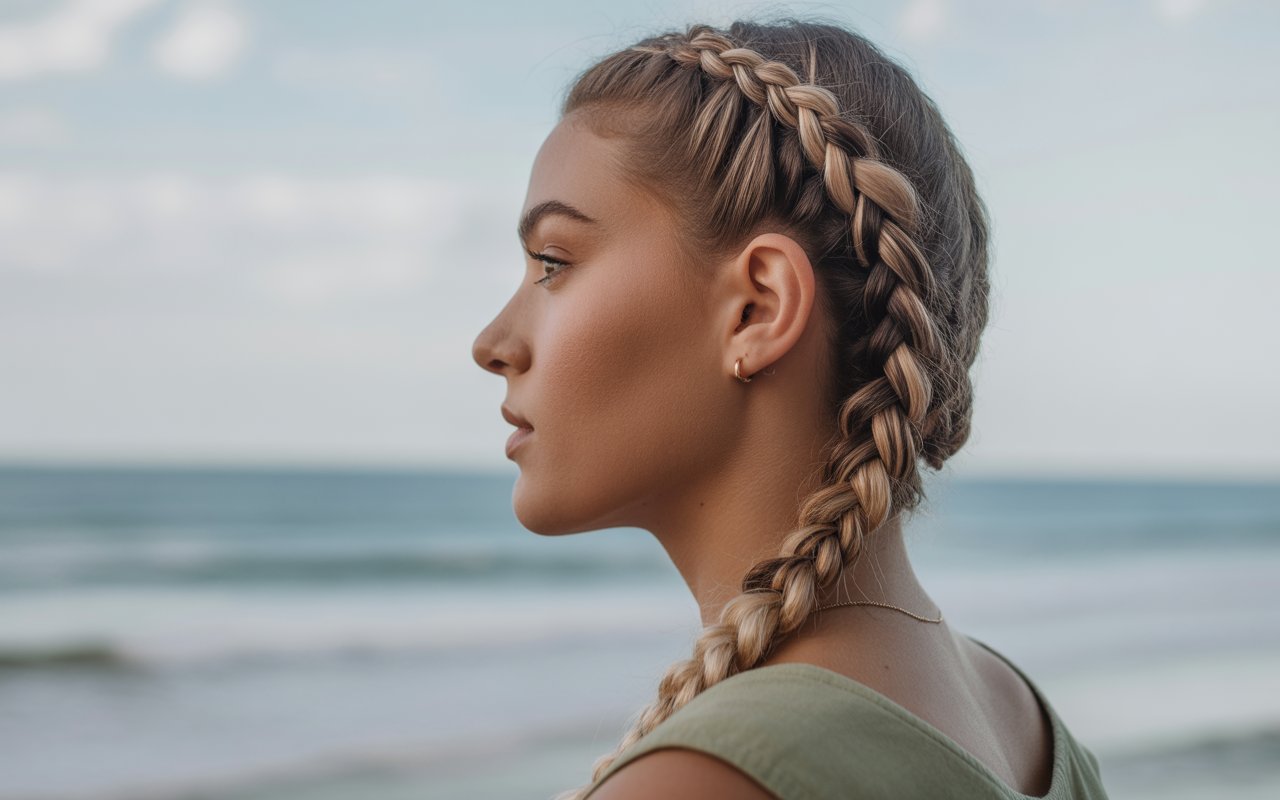
Double braids running from your crown to the nape of your neck offer maximum practicality for beach days. This style keeps every strand secure during swimming and doesn’t create awkward tan lines like single center braids might. The symmetrical design also photographs beautifully against ocean backdrops.
For a more relaxed beach vibe, start your braids lower on your head, beginning at ear level rather than the crown. This placement creates a casual, effortless appearance while still controlling your hair effectively. The lower starting point also reduces tension on your scalp during long beach days.
Incorporating small braids into a half-up style provides options throughout your day. You can release the lower portion for dinner after swimming, maintaining the braided crown as a decorative element. This flexibility means one morning styling session covers multiple beach day scenarios.
Adding colorful thread or thin ribbons woven through your plaits creates a festive beach atmosphere without permanent changes. These temporary additions wash out easily but provide that vacation feeling while they last. Choose colors that complement your swimsuit for coordinated beach photos.
Workout-Friendly Variations
High-intensity exercise demands hairstyles that won’t budge, and certain braided variations excel at staying put through burpees, running, and yoga inversions. A Dutch braid starting at your forehead and continuing into a high bun combines maximum security with the practical benefit of keeping hair completely off your neck.
For activities involving frequent position changes, like yoga or Pilates, avoid styles with loose ends that might whip around. Instead, pin the tail of your braid up and under, creating a tucked finish that won’t distract you during practice. This technique works especially well for shoulder-length hair that’s too short for a full bun.
Boxing braids – two tight Dutch braids running close to your scalp – have gained popularity beyond the ring for good reason. They withstand intense movement while preventing hair from blocking vision during exercise. The close-to-head style also fits comfortably under cycling helmets or baseball caps.
Festival and Outdoor Event Looks
Music festivals and outdoor gatherings call for styles that last multiple days with minimal maintenance. Creating a Dutch braid crown that connects to loose waves below offers both practicality and style. The braided portion survives camping conditions while the loose hair maintains a carefree festival aesthetic.
Combining multiple thin braids with loose sections creates texture and visual interest without requiring perfect execution. This forgiving style actually improves with a bit of messiness, making it ideal for multi-day events where daily restyling isn’t possible.
Space buns with Dutch braided bases elevate the trendy style while adding structural support. The braided foundation prevents the buns from sliding or falling, even during hours of dancing. This playful style suits the energetic atmosphere of summer concerts and outdoor parties.
Consider adding these decorative elements to enhance your festival braids:
Metallic hair rings: Thread onto small sections for subtle shine
Fresh flowers: Tuck into braids for a bohemian touch
Glitter roots: Apply biodegradable glitter with aloe gel
Colored extensions: Braid in temporary pieces for bold color
Hair jewelry: Clip decorative pieces at braid intersections
Professional Styles That Beat the Heat
Office-appropriate braided styles maintain professionalism while managing summer weather challenges. A low Dutch braid twisted into a bun creates a sophisticated silhouette suitable for any workplace. This style reads as an elegant updo from the front while benefiting from the security of braiding.
A single side braid swept across your crown and pinned behind the opposite ear offers a polished alternative to traditional styles. This asymmetrical approach adds visual interest to work outfits while keeping hair controlled during commutes and outdoor lunch breaks.
For important presentations or client meetings, consider a Dutch braided headband effect. Create a thin braid along your hairline from ear to ear, leaving the rest of your hair smooth and professional. This subtle detail adds sophistication while managing baby hairs that might otherwise frizz in humidity.
The “hidden braid” technique involves creating a Dutch braid underneath your top layer of hair. This provides structure and control without visible braiding, perfect for conservative work environments. The hidden support prevents your style from falling flat by afternoon while maintaining a traditional appearance.
Quick Transformations from Day to Night
Mastering transition techniques saves time when your day flows directly into evening plans. A tight workplace-appropriate braid can transform into romantic waves by simply loosening the plait and finger-combing through the sections. The built-in texture from hours of braiding creates effortless evening waves.
Strategic accessory placement changes your look instantly. Adding a decorative clip at the base of a simple braid elevates it for dinner plans. Wrapping a silk scarf around the base creates a sophisticated ponytail effect suitable for upscale venues.
The “pull and pin” method works wonders for last-minute upgrades. Gently pull small sections of hair from your braid to create a fuller, more relaxed silhouette. Pin these loosened pieces strategically to create an intentionally undone look perfect for casual evening gatherings.
Learning to partially undo and restyle your braids extends their lifespan while creating variety. Release the bottom third of a full braid for a half-up evening style, or undo side braids while leaving the crown intact for a romantic, face-framing effect. These quick adjustments take minutes but completely transform your appearance.
Maintaining Your Dutch Braids Through Summer Activities
The real test of any summer hairstyle comes not during creation but through the activities that follow. Your perfectly executed braids face challenges from chlorine, salt water, sweat, and general summer fun. Knowing how to protect and refresh your style extends its lifespan from a single day to nearly a week.
Swimming and Water Exposure Tips
Before diving into any pool or ocean, saturate your braided hair with clean water. Hair acts like a sponge, and pre-soaking with fresh water reduces how much chlorine or salt water it absorbs. This simple step significantly reduces damage and discoloration, especially for color-treated hair.
A leave-in conditioner applied before swimming creates an additional barrier against harsh chemicals. Focus application on the exposed portions of your braids rather than trying to coat every hidden strand. The conditioner also makes post-swim detangling easier if any sections loosen.
After swimming, rinse thoroughly with fresh water as soon as possible. Don’t wait until you get home hours later – use beach showers or bring a water bottle specifically for hair rinsing. The longer chlorine or salt sits on your hair, the more damage it causes.
Wearing a swim cap might seem extreme, but modern silicone versions designed for long hair accommodate braided styles comfortably. They’re particularly worthwhile for frequent swimmers or those with chemically treated hair. Choose a larger size than you think you need to prevent uncomfortable pressure on your braids.
Post-Workout Refresh Techniques
Sweat accumulation at your roots can create odor and oiliness without affecting the braided portions. Dry shampoo becomes essential for absorbing excess moisture and refreshing your scalp. Apply it before working out as a preventive measure, then add more afterward if needed.
A cooling scalp spray provides instant relief after intense exercise. Look for formulas containing peppermint or tea tree oil for their natural cooling properties. These sprays also help combat any bacterial growth from sweat accumulation.
Using a soft microfiber towel, gently blot sweat from your scalp and braid surface without rubbing. Rubbing creates frizz and can loosen your carefully placed sections. Pat dry instead, focusing on areas where sweat tends to pool.
If certain sections consistently loosen during workouts, reinforce them preemptively with bobby pins. Identifying your problem areas through experience lets you add extra security exactly where needed. This targeted approach maintains your style without over-pinning.
Overnight Preservation Methods
The way you position your braids during sleep significantly impacts their morning appearance. Loosely coiling longer braids on top of your head prevents painful pulling and reduces friction against your pillow. Secure with a soft scrunchie rather than tight elastics.
Silk or satin pillowcases reduce friction that causes frizz and loosening. If investing in special pillowcases isn’t possible, wrap your braids in a silk scarf or wear a satin bonnet. These materials allow your hair to glide rather than catch on cotton fibers.
Applying a light oil to the exposed portions of your braids before bed provides overnight conditioning. Focus on the ends and any areas showing dryness. Avoid the roots unless your scalp tends toward extreme dryness.
Morning maintenance takes just minutes when you’ve protected your style overnight. A quick spritz of water mixed with leave-in conditioner revives any flattened sections. Smooth any escaped pieces with edge control rather than attempting to rebraid entire sections.
When to Rebraid vs Touch Up
Understanding the difference between fixable issues and complete style failure saves time and frustration. Small loops or loosened ends can usually be fixed with strategic pinning or partial rebraiding of just the affected area.
However, certain signs indicate it’s time for complete restyling. If your scalp becomes painful from tension, multiple sections have loosened beyond repair, or you notice an unpleasant odor despite dry shampooing, it’s time to start fresh. Pushing a style past its prime causes more damage than benefit.
The “half-life rule” helps determine timing: if more than half your braid shows significant loosening or frizz, complete restyling provides better results than extensive touch-ups. This guideline prevents you from spending excessive time on repairs that won’t last.
Dealing with Frizz and Flyaways
Humidity-induced frizz affects even the tightest braids, but several techniques minimize its impact. Anti-humidity serums applied to finished braids create an invisible shield against moisture. Focus on the outer surface where frizz is most visible.
These targeted solutions address specific frizz problems:
Baby hair frizz: Edge control applied with a toothbrush
Mid-braid loosening: Bobby pins inserted at angles
End frizz: Small amount of oil worked through tips
Overall puffiness: Light hairspray applied from distance
Surface flyaways: Finishing stick smoothed over problem areas
The “wet and set” method works for major frizz issues. Lightly mist affected areas with water, smooth with your hands, then allow to air dry. This technique reactivates styling products already in your hair while taming rebellious sections. Avoid oversaturating, which can cause more problems than it solves.
Weather awareness helps you prepare appropriately. Check humidity levels before leaving home and apply extra anti-frizz products on high-humidity days. Being proactive prevents major frizz issues from developing throughout the day.
Final Thoughts on Summer Dutch Braiding
Mastering these versatile braiding techniques transforms your entire summer hair experience. No longer will you dread stepping outside on humid days or avoid outdoor activities because of hair concerns. With practice and the right approach, you can create styles that withstand whatever summer throws your way while keeping you comfortable and confident.
The journey from braiding beginner to summer hair expert happens gradually. Each attempt teaches you something new about your hair’s behavior in heat and humidity. Some days your braids might not turn out perfectly, and that’s completely normal. The skills you develop through consistent practice become second nature, eventually allowing you to create complex styles quickly and efficiently. Soon, you’ll find yourself experimenting with variations and developing signature looks that suit your lifestyle and preferences.
Frequently Asked Questions
Q: Can Dutch braids work on short hair?
A: Yes, hair that reaches at least to your chin can be Dutch braided. You might need to use more bobby pins and styling products to secure shorter pieces, and the braids will be smaller, but the technique works the same way.
Q: How many days can I keep the same Dutch braids in?
A: Most women can wear the same braided style for 3-4 days with proper maintenance. Fine hair might need restyling after 2 days, while thicker, coarser hair can sometimes last up to a week.
Q: Will Dutch braiding damage my hair?
A: When done correctly with appropriate tension, this technique actually protects hair from environmental damage. Problems only arise from braiding too tightly, keeping the same style too long, or using damaging elastics.
Q: What’s the best way to remove Dutch braids without creating tangles?
A: Start from the bottom and work slowly upward, gently separating each section with your fingers. Apply a detangling spray or oil before unbraiding if your hair tends to knot easily.
Q: Can I Dutch braid wet hair?
A: While possible, braiding soaking wet hair isn’t recommended as it stretches the hair shaft and can lead to breakage. Slightly damp hair works better and creates longer-lasting results.
Q: How do I prevent headaches from tight braiding?
A: Start with looser tension at the scalp and gradually increase firmness as you move down. Take breaks if you feel discomfort developing, and avoid sleeping with newly done tight braids the first night.
Q: Which products work best for different hair textures?
A: Fine hair benefits from volumizing mousse and texturizing spray, thick hair needs stronger hold gels and creams, while curly hair responds well to leave-in conditioners and curl-defining products applied before braiding.
Q: Should I braid my hair differently for formal events versus casual outings?
A: Formal occasions call for smoother, more precise braiding with careful attention to flyaways, while casual styles can be looser and more textured. The basic technique remains the same, but finishing touches differ.

