

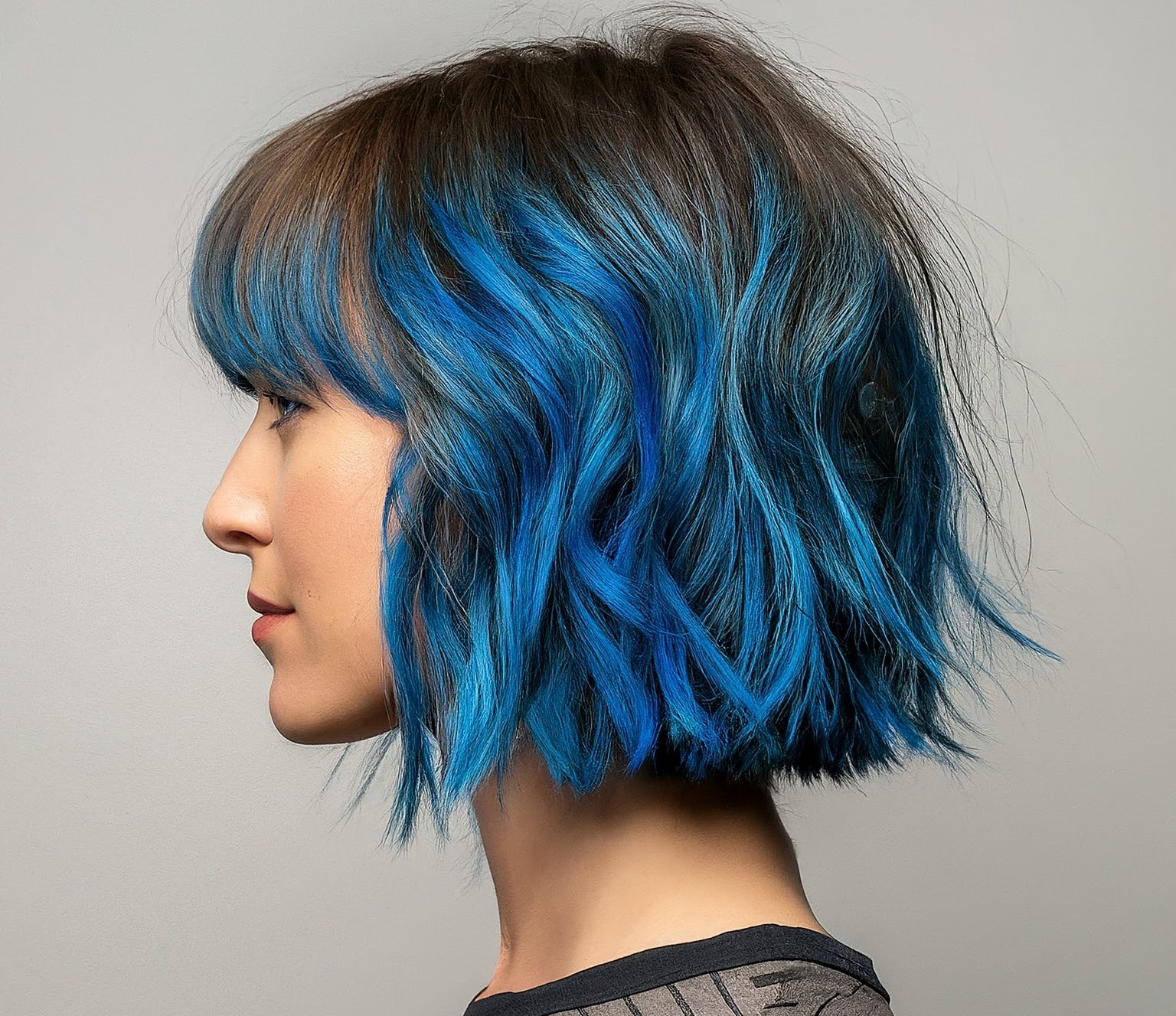
The shaggy bob has transformed from a retro throwback into one of the most requested cuts at salons everywhere. This playful yet sophisticated style strikes the perfect balance between effortless cool and polished professionalism, making it an ideal choice for women seeking something fresh without sacrificing versatility. Medium-length hair provides the perfect canvas for this cut, offering enough length to showcase the signature layers while maintaining easy manageability.
Unlike its shorter cousin or longer variations, the medium-length version sits at that sweet spot where styling options multiply exponentially. You get the movement and texture that define this particular style, plus the flexibility to dress it up for formal events or keep it casual for everyday wear. The cut’s forgiving nature means less time fighting with styling tools and more time enjoying hair that actually looks better with minimal effort.
We’ll guide you through everything from understanding what makes this cut special to mastering styling techniques that work with your specific hair type. You’ll discover which face shapes benefit most from the layers, learn professional maintenance tips, and explore trending variations that keep the look current. Whether you’re considering making the chop or already sporting this style and looking for fresh inspiration, the following sections will equip you with all the knowledge needed to make this modern classic work beautifully for you.
What Defines a Shaggy Bob for Medium Hair
A true shaggy bob for medium-length hair combines strategic layering with purposeful texture to create movement that feels both intentional and effortless. The foundation starts with a bob base that typically falls between the jawline and shoulders, though the exact length varies based on personal preference and face shape. What sets this style apart from traditional bobs lies in the deliberate disconnection between layers, creating that signature piece-y finish that moves naturally with every turn of your head.
The Signature Layering Technique
Professional stylists achieve the characteristic texture through point cutting and razoring techniques that remove weight while maintaining density where needed. Rather than uniform layers that blend seamlessly, this cut features varied lengths throughout that create depth and dimension. The shortest pieces often frame the face, gradually lengthening toward the back, though modern interpretations sometimes reverse this pattern for added drama. Your stylist will work with your hair’s natural growth patterns, ensuring the layers fall in ways that enhance rather than fight your texture.
Length Variations and Sweet Spots
Medium-length options typically range from chin-grazing to collarbone-skimming lengths, with most women finding their ideal spot somewhere around jaw or shoulder level. The beauty of working within this range means you avoid the high-maintenance nature of super short styles while steering clear of the weight that longer hair brings. Front pieces might hit at different points than the back, creating subtle asymmetry that adds visual interest without appearing unbalanced.
The perimeter line doesn’t follow strict rules either. Some versions feature a blunt baseline for contrast against the textured layers above, while others carry the choppy texture all the way through to the ends. Your face shape, neck length, and personal style all factor into determining which approach works best.
Texture and Movement Characteristics
Movement defines everything about this cut. Each layer should swing independently yet harmoniously with the others, creating an almost liquid quality when you walk or turn your head. The secret lies in removing just enough bulk to allow freedom of movement without sacrificing the volume that gives the style its body. Fine hair benefits from shorter, choppier layers that create the illusion of thickness, while thicker hair requires more aggressive texturing to prevent the dreaded triangle shape.
Natural texture plays beautifully with this cut’s inherent structure. Waves become more pronounced, straight hair gains unexpected body, and curls form distinct, separated spirals rather than one solid mass. The layering pattern essentially gives your natural texture permission to do what it wants, just with better direction and purpose.
How It Differs from Classic Bob Cuts
Traditional bobs prioritize clean lines, uniform weight distribution, and sleek finishes. They follow geometric principles with precision cutting that creates specific shapes. The shaggy variation throws those rules out the window in favor of controlled chaos. Where classic bobs might require daily blow-drying and flat ironing to achieve their intended look, this modern interpretation actually improves with less manipulation.
The growing-out phase presents another major difference. Classic bobs often go through awkward stages that require frequent trims to maintain their shape. Shaggy versions transition more gracefully because the intentionally uneven lengths mean new growth blends naturally with existing layers. This built-in forgiveness extends the time between salon visits without sacrificing style.
Weight distribution also varies significantly between the two approaches. Classic bobs concentrate weight at the bottom for that distinctive solid line. Shaggy interpretations remove weight throughout, creating airiness and movement from roots to ends. This fundamental difference affects everything from how the hair sits against your head to which products work best for styling.
Who Should Consider This Cut
The versatility of a medium-length shaggy bob means it works across a surprising range of face shapes, hair types, and lifestyles. Understanding how this cut interacts with your specific features and daily routine helps determine whether it’s the right choice for you.
Face Shapes That Work Best
Oval faces hit the jackpot with this style, as the varied lengths and textures complement balanced proportions without overwhelming delicate features. The layers can be customized to play up your best features while maintaining overall harmony. Round faces benefit tremendously from the added height at the crown and the face-framing pieces that create vertical lines, effectively elongating the appearance of the face.
Square jawlines soften beautifully when surrounded by textured layers that break up angular lines. The key lies in keeping the layers around the jaw slightly longer and more wispy, creating a gentle contrast to strong bone structure. Heart-shaped faces find balance through layers that add width at the jaw level while keeping volume controlled at the crown.
Long faces require careful consideration of where layers hit. Avoiding too much height at the crown while adding width through the sides creates better proportions. The medium length works particularly well here, as it doesn’t drag the face down like longer styles might.
Hair Textures and Density Considerations
Fine hair transforms with this cut’s strategic layering approach. The removed weight allows natural lift at the roots while the varied lengths create an optical illusion of fuller hair. The key lies in keeping layers closer together to maintain density while still achieving movement. Products become your best friend here, with volumizing mousses and texture sprays adding grip and hold without weighing down delicate strands.
Thick hair requires a different strategy altogether. Here, the focus shifts to removing bulk strategically while maintaining enough weight to prevent excessive volume. Thinning shears and razoring techniques help achieve the right balance. The natural weight of thicker hair actually helps the layers fall beautifully, creating that coveted lived-in texture with minimal effort.
Lifestyle and Maintenance Factors
Your daily routine should factor heavily into your decision. This cut suits busy women who want style without extensive morning routines. Air-drying becomes not just possible but preferable, with the layers creating natural texture as they dry. A quick scrunch with some product might be all you need before heading out the door.
Professional women appreciate how easily this style transitions from boardroom to happy hour. The controlled messiness reads as intentionally stylish rather than unkempt, striking that perfect balance between approachable and put-together. Weekend activities don’t require complete restyling either – the same cut that works for Monday meetings looks equally appropriate at Saturday brunch.
Consider your workout routine too. Medium length means hair stays out of your face with a simple ponytail or clip, unlike shorter bobs that might not reach. Post-gym styling remains minimal since the cut’s inherent texture means sweat-induced waves actually enhance rather than ruin the look.
Age-Appropriate Variations
Women in their twenties and thirties often opt for more dramatic layering with pronounced texture, creating an edgier interpretation that reflects youthful energy. The contrast between lengths can be more extreme, with shorter pieces mixed throughout longer sections for maximum movement and visual interest.
Those in their forties and fifties might prefer subtler layering that maintains sophistication while adding movement. The technique remains the same, but the execution becomes more refined. Layers blend more smoothly while still providing that essential texture. This approach offers a modern update without appearing like you’re trying too hard to look younger.
Women over sixty find this cut particularly flattering as it adds volume where age might have thinned hair while maintaining a contemporary feel. The layers can camouflage areas where hair has become finer while the overall shape remains age-appropriate and elegant. Gray hair looks especially stunning with this cut, as the layers showcase silver tones beautifully.
Professional vs. Casual Styling Options
The beauty of this cut lies in its chameleon-like ability to adapt to different settings. Professional environments call for slightly smoother styling that maintains the cut’s character while appearing polished. A quick blow-dry with a round brush, focusing on the ends to create subtle bends rather than perfect curls, achieves this balance. Some smoothing serum tames any excessive frizz while maintaining the piece-y texture.
Casual occasions invite more playful styling:
Beach Waves: Salt spray scrunched through damp hair creates effortless texture
Sleek and Straight: Flat iron just the very ends for an unexpected twist
Half-Up Styles: The layers create natural volume when portions are pulled back
Messy Bun: Shorter layers fall out naturally, framing the face perfectly
Evening events offer opportunities to maximize the cut’s potential. Hot rollers or a large curling iron can create glamorous waves that hold beautifully thanks to the layered structure. The varying lengths mean curls won’t form a uniform pattern, instead creating more interesting, dimensional styles that photograph beautifully.
Styling Techniques for Your Shaggy Bob
Mastering your medium-length shaggy bob means understanding which techniques bring out its best features while working with your hair’s natural tendencies. The right approach transforms good hair days from rare occurrences into your new normal.
Daily Wash-and-Go Methods
The foundation of any good hair day starts in the shower. Choose a lightweight shampoo that cleanses without stripping natural oils, as overly clean hair can become flyaway and difficult to style. Focus shampoo primarily on the scalp, letting suds run through lengths naturally rather than scrubbing the ends. Conditioner application requires more strategy – concentrate on mid-lengths to ends while avoiding roots that might become greasy or flat.
Towel-drying techniques matter more than most people realize. Aggressive rubbing creates frizz and disturbs the natural fall of your layers. Instead, squeeze excess water gently with a microfiber towel or old t-shirt, working in sections from top to bottom. This preserves the cut’s natural texture while preventing unnecessary tangles.
Product application while hair remains damp sets the stage for successful styling. Work a golf-ball-sized amount of mousse through the lengths, scrunching upward to encourage natural texture. For those with straighter hair, a texturizing spray applied at the roots and throughout creates grip and hold. Finger-combing helps distribute products evenly while maintaining the separation between layers that gives this cut its signature look.
Air-drying brings out the cut’s natural personality. Scrunch periodically as hair dries to encourage wave formation and prevent layers from clumping together. Once completely dry, shake your hair out at the roots with your fingers to add volume and separate any pieces that dried together. A tiny amount of lightweight oil or serum worked through the ends adds shine without sacrificing texture.
Heat Styling for Special Occasions
Sometimes you want a more polished look that heat styling provides. Start with a heat protectant spray applied generously throughout damp hair. These products form a barrier between your hair and hot tools while often providing additional hold and texture.
Blow-drying with a diffuser attachment preserves natural texture while speeding the drying process. Cup sections of hair in the diffuser, holding at each spot for 30 seconds before moving on. This method enhances waves and maintains volume without creating frizz. For straighter styles, a round brush helps smooth layers while the varied lengths prevent that too-perfect, helmet-like finish.
Curling irons or wands add glamour without sacrificing the cut’s inherent character. Work with the existing layers by curling sections in different directions – some toward the face, others away. This creates more natural-looking movement than uniform curls. Focus on the mid-lengths rather than curling from root to tip, which can create too much volume at the crown.
Product Recommendations by Hair Type
Fine hair thrives with volumizing products that add grip without weight. Foam or mousse provides lift at roots while helping layers maintain their shape throughout the day. Dry texture spray applied after styling adds piece-y definition and helps combat any limpness that develops. Avoid heavy creams or oils that might drag down delicate strands.
Medium-density hair offers the most flexibility in product choice. Lightweight styling creams provide control and definition while maintaining movement. Sea salt sprays create beachy texture that enhances the cut’s natural flow. For second-day hair, dry shampoo at the roots refreshes while adding texture that actually improves the style.
Thick or coarse hair benefits from products that provide moisture and control without creating stiffness. Leave-in conditioners or styling creams with anti-frizz properties help layers fall smoothly while maintaining separation. Finishing with a small amount of hair oil on the ends adds shine and prevents dry-looking tips. The weight of these products actually helps layers hang properly rather than springing out in unwanted directions.
Curly and wavy textures require products that enhance rather than fight natural patterns. Curl-defining creams or gels applied to soaking wet hair help layers form distinct sections. The key lies in not disturbing curls once they begin forming – excessive touching or combing breaks up the pattern and creates frizz.
Common Styling Mistakes to Avoid
Over-brushing ranks as the number one enemy of this cut’s success. Brushing disrupts the carefully crafted layers and creates a puffy, shapeless mass instead of defined texture. If you must brush, do so before washing, then rely on fingers or a wide-tooth comb for styling. Between washes, use your fingers to refresh and rearrange rather than reaching for a brush.
Using too much product creates heaviness that contradicts everything this cut represents. Start with less than you think you need – you can always add more. Build up gradually rather than trying to correct over-application, which usually requires starting over with another wash.
Fighting your natural texture wastes time and usually produces disappointing results. This cut works best when you work with what nature gave you, enhancing rather than completely changing your hair’s personality. Straight hair doesn’t need to be curled daily, just as curly hair doesn’t require constant straightening. The layers should make your natural texture look intentional and stylish.
Neglecting regular trims allows the carefully planned layers to lose their shape and purpose. While this cut grows out more gracefully than others, it still requires maintenance every 8-10 weeks to preserve the texture and movement. Trying to stretch appointments too long results in heavy, shapeless hair that no amount of styling can fix.
Maintenance and Growing Out Your Cut
Long-term success with your medium shaggy bob depends on understanding the maintenance requirements and having a plan for evolution. This style offers more flexibility than traditional cuts, but strategic care keeps it looking intentional rather than overgrown.
Trimming Schedule and What to Ask For
Most women find their sweet spot between 8-10 week appointments, though individual growth rates and hair texture influence optimal timing. The goal isn’t maintaining an exact shape but rather refreshing the texture and removing weight that accumulates as hair grows. Signs you need a trim include layers that no longer move independently, difficulty achieving volume at the roots, or ends that appear stringy rather than piece-y.
Communication with your stylist determines whether you leave satisfied or disappointed. Bring photos showing both the overall shape you want and close-ups of the texture you prefer. Discuss how much length you’re comfortable losing – remember that removing damaged ends actually makes hair appear healthier and longer. Request “dusting” if you want minimal length removed while refreshing the shape.
Specific terminology helps convey your needs clearly. Ask for “point cutting” to maintain texture, “weight removal” if hair feels heavy, or “disconnected layers” to enhance movement. Describe your styling routine honestly so your stylist can adjust the cut accordingly. Someone who air-dries daily needs different layering than someone who blow-dries religiously.
Between-Salon Care Tips
Home maintenance extends the life of your cut while keeping hair healthy between appointments. Weekly deep conditioning treatments prevent ends from becoming dry and brittle, which makes layers appear stringy rather than defined. Apply treatments primarily to mid-lengths and ends where damage accumulates, avoiding roots that don’t need extra moisture.
Regular clarifying helps products work effectively. Build-up from styling products and hard water minerals can weigh down layers and prevent proper movement. Use a clarifying shampoo every two weeks, following with a moisturizing treatment to restore hydration. This reset allows your hair to respond better to regular styling products.
Small adjustments at home can refresh the style between appointments. Carefully point-cut any obviously damaged ends with sharp scissors, working on dry hair so you can see exactly where problems exist. Never attempt to recreate professional layering techniques – focus only on removing obvious damage that affects the overall look.
Protecting hair during sleep preserves both the cut and hair health:
Silk Pillowcase: Reduces friction that causes tangles and frizz
Loose Scrunchie: Prevents dents while keeping hair controlled
Pineapple Method: Gathering hair loosely at the crown maintains volume
Satin Bonnet: Maximum protection for those who toss and turn
Color Options That Enhance the Cut
Strategic color placement amplifies the dimension created by layering. Highlights woven throughout create depth and make layers more visible, especially in darker hair where texture might otherwise disappear. Balayage techniques work particularly well, as the hand-painted approach allows colorists to place lighter pieces exactly where they’ll showcase movement best.
Single-process colors benefit from choosing shades with natural variation rather than flat, uniform tones. Rich browns with subtle red undertones catch light differently as layers move. Cool-toned blondes with shadowed roots create contrast that emphasizes the cut’s structure. Even naturally gray hair benefits from toning treatments that enhance silver’s reflective qualities.
Face-framing highlights draw attention to the shorter layers around the face while adding brightness that flatters skin tone. These don’t require full-head processing, making them a lower-maintenance option that still provides significant impact. The placement should follow the cut’s natural lines, enhancing rather than competing with the layering pattern.
Temporary color options let you experiment without commitment. Color-depositing conditioners add subtle tones that wash out gradually. Chalk or spray colors work for special events when you want dramatic impact. These temporary options also help you test whether a permanent change would complement your cut before committing.
Transitioning to Other Styles
The inherent flexibility of this cut means growing it out or changing direction happens relatively painlessly. Growing toward a longer shag simply requires patience and strategic trimming that maintains texture while allowing length to accumulate. Focus trims on removing damage rather than maintaining the exact original shape.
Transitioning to a more classic bob involves gradually reducing the texture and disconnection between layers. Over several appointments, your stylist can blend layers more smoothly while maintaining enough movement to prevent that awkward growing-out phase. This measured approach prevents the drastic change that might leave you with styling regret.
Moving toward a pixie cut requires planning the transition carefully. Start by shortening the back and sides while maintaining length through the top, creating an asymmetrical phase that still looks intentional. This gradual reduction helps you adjust psychologically to shorter hair while maintaining style throughout the process.
Seasonal Adjustments
Summer humidity calls for embracing natural texture rather than fighting frizz. Anti-humidity products create a barrier against moisture while lightweight leave-in conditioners prevent dryness from sun exposure. Consider going slightly shorter during summer months when hair tends to appear longer due to lack of volume.
Winter’s dry air requires extra moisture to prevent static and breakage. Heavier conditioning treatments and oil-based products that might be too rich for summer work perfectly in cold weather. The layered structure actually helps here, as natural oils distribute more easily through textured hair than through one-length styles.
Spring and fall transitions offer perfect timing for major adjustments. These moderate weather periods mean hair behaves more predictably, making it easier to assess what changes would improve your style. Color updates work particularly well during these seasons, as you’re not fighting extreme weather conditions that might affect processing.
Current Variations and Trends
This year’s interpretations of the medium shaggy bob push boundaries while maintaining the cut’s essential character. Stylists worldwide are experimenting with new techniques that add contemporary twists to this classic shape.
Popular Texturing Methods This Year
Invisible layers have gained momentum as stylists perfect techniques that create movement without obvious lines. This approach uses internal cutting methods that remove weight from within the hair mass rather than creating visible layers on the surface. The result looks effortlessly natural while maintaining all the movement that makes this style special. Your hair appears to have amazing natural texture rather than sporting an obviously crafted cut.
Lived-in texture remains highly requested, with stylists using specialized cutting techniques that mimic how hair naturally breaks and moves after months of wear. This involves studying natural growth patterns and working with them rather than imposing rigid structure. Point cutting at various angles creates irregular texture that looks like you’ve had the cut for months, even when it’s fresh from the salon.
The wet-look finish has emerged as an unexpected styling trend for this traditionally tousled cut. Heavy gels or styling creams applied to damp hair create a sleek, glossy finish that shows off the cut’s structure in a completely different way. This editorial approach works particularly well for evening events or when you want to make a statement.
Fringe and Bang Combinations
Curtain bangs integrate seamlessly with the layered structure, creating face-framing pieces that blend naturally into the overall cut. These longer, swept-aside bangs work with virtually every face shape while adding a soft, romantic element to the overall style. The key lies in cutting them with the same texturing techniques used throughout, ensuring they move cohesively with the rest of the hair.
Micro bangs create dramatic contrast against the softer layers, adding an edgy element that modernizes the entire look. This bold choice works best with oval or heart-shaped faces and requires confidence to pull off. The severe line of super-short bangs plays beautifully against the messy texture below.
Side-swept bangs offer a safer entry point for those hesitant about committing to full fringe. These blend naturally into face-framing layers while providing the option to pin back or style differently as desired. The versatility makes them ideal for anyone unsure about adding bangs to their shaggy bob.
Wispy, textured bangs mirror the overall cut’s aesthetic perfectly. Rather than a solid, blunt line, these feature the same point-cutting and texturing techniques used throughout the layers. They require minimal styling and actually look better slightly messy, making them perfect for the low-maintenance appeal of this cut.
Asymmetrical Options
Subtle asymmetry adds visual interest without appearing unbalanced. One side might be cut slightly shorter or feature more dramatic layering, creating movement that draws the eye. This approach works particularly well for those with very straight hair, as the uneven lengths create natural movement that might otherwise be lacking.
Dramatic diagonal lines push asymmetry to its limits, with length differences of several inches from one side to the other. This bold interpretation suits confident women who want their hair to make a statement. The key lies in ensuring the shorter side still maintains enough length to preserve the medium-length category while the longer side provides contrast.
Asymmetrical layering patterns offer another approach to creating imbalance. Rather than different lengths, the layers themselves might be concentrated more heavily on one side. This creates volume and movement that appears to shift as you move, adding dynamic interest to the overall style.
Color Placement Techniques
Money piece highlights focus brightness around the face where it has maximum impact. These face-framing highlights don’t require processing the entire head, making them a lower-maintenance option that still provides significant transformation. The placement should complement the shortest layers around the face, creating cohesion between cut and color.
Shadow roots have evolved beyond basic dark-to-light transitions. Stylists now create elaborate root patterns that add depth and dimension while extending time between touch-ups. This technique works particularly well with shaggy cuts, as the textured layers showcase the color graduation beautifully.
Hidden rainbow techniques place vivid colors beneath the top layers, revealing flashes of unexpected color as hair moves. This playful approach lets you experiment with bold colors while maintaining a professional appearance when hair lies flat. The peek-a-boo effect works especially well with the movement inherent in this layered cut.
Reverse balayage adds depth by painting darker tones into lighter hair, creating dimension that makes layers more visible. This technique works especially well for those with naturally light or heavily highlighted hair who want to add richness without going completely dark. The strategic placement of lowlights enhances the cut’s natural movement.
Finding Your Perfect Style Balance
The journey to nailing your ideal medium shaggy bob involves experimentation and patience as you discover what works with your unique combination of hair texture, lifestyle, and personal aesthetic. No two versions of this cut look exactly alike, which explains its enduring appeal across generations and hair types. The key lies in working with a stylist who understands both the technical aspects of creating beautiful layers and the artistry required to customize those techniques to flatter your individual features.
Your perfect interpretation might lean more polished or purposefully messy, feature subtle layers or dramatic disconnection, incorporate bangs or maintain a single length across the front. These choices aren’t right or wrong but rather personal preferences that reflect your style and maintenance comfort level. Pay attention to which styling techniques feel most natural in your hands and which variations make you feel most confident – these insights guide future adjustments and help you communicate effectively with your stylist about what you want to achieve with this versatile, modern cut that continues to reinvent itself while maintaining its essential free-spirited character.
Frequently Asked Questions
Q: How long does a shaggy bob for medium hair typically fall?
A: A medium-length shaggy bob usually ranges from jaw-length to collarbone level, with most falling somewhere between the chin and shoulders. The exact length varies based on face shape and personal preference.
Q: Will this cut work with naturally straight hair?
A: Yes, straight hair works beautifully with this cut. The layering technique adds movement and body that straight hair often lacks naturally, while texturizing products can enhance the piece-y finish.
Q: How often should I wash my hair with this style?
A: Most women find washing every 2-3 days ideal. The textured nature of the cut actually improves between washes as natural oils help define layers and add grip for styling.
Q: Can I still put my hair in a ponytail with this length?
A: Yes, medium-length versions typically allow for ponytails or buns. The shorter layers create natural face-framing pieces when hair is pulled back, adding interest to simple updos.
Q: What’s the biggest mistake people make when styling this cut?
A: Over-brushing ranks as the most common error. Brushing disrupts the carefully crafted layers and creates unwanted puffiness. Use fingers or a wide-tooth comb instead.
Q: How much does maintenance typically cost?
A: Plan for salon visits every 8-10 weeks. Costs vary by location and salon, but maintaining the texture and shape requires regular professional trimming to prevent the layers from becoming heavy and shapeless.
Q: Will this cut make thin hair look thicker?
A: Absolutely. The strategic layering creates an optical illusion of fuller hair while removing weight allows natural volume at the roots. It’s one of the best cuts for adding body to fine hair.
Q: Can I grow out this cut easily if I change my mind?
A: This cut grows out more gracefully than traditional bobs because the varied lengths mean new growth blends naturally with existing layers, avoiding obvious awkward phases.

