

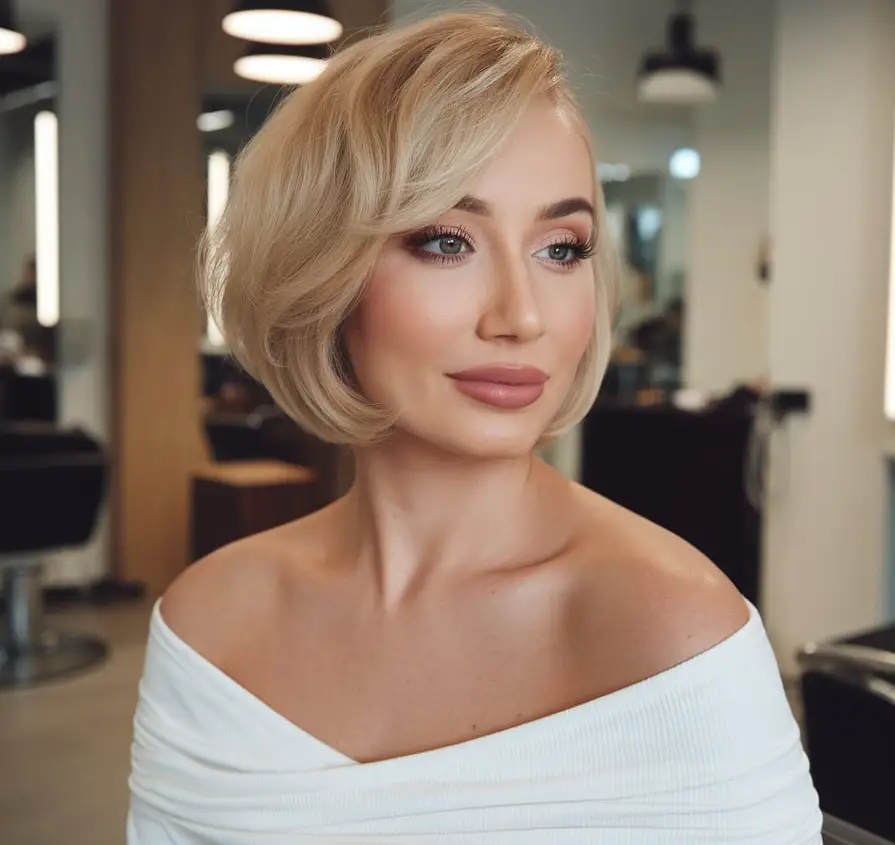
The old money aesthetic has captured attention across social media and fashion circles, yet its roots stretch back through generations of refined taste and understated elegance. This particular approach to hair styling speaks volumes without shouting, presenting a polished appearance that transcends seasonal trends. The philosophy centers on quality over quantity, maintenance over dramatic changes, and classic shapes that flatter rather than challenge conventional beauty standards.
Women searching for hairstyles that convey sophistication without obvious effort find themselves drawn to these timeless cuts. The appeal lies not in following what’s currently popular but in selecting styles that have proven their worth across decades. These haircuts work equally well in boardrooms, country clubs, gallery openings, or casual weekend gatherings, offering versatility through their refined simplicity.
Understanding the principles behind these classic styles opens doors to achieving that coveted polished look without appearing overdone. The following sections reveal the characteristics that define this aesthetic, specific cut options that embody the style, and practical techniques for maintaining that effortlessly groomed appearance. Whether you’re considering a complete transformation or subtle refinements to your current style, these insights guide you toward achieving that distinguished look associated with generational wealth and taste.
What Makes a Haircut “Old Money”?
The distinction between old money hair and other styles starts with intention rather than execution. Where contemporary cuts often aim for attention-grabbing shapes or colors, the old money approach prioritizes harmony and balance. The goal isn’t to make people notice your hair first but to create an overall impression of being well-groomed and put-together.
The philosophy behind understated luxury
True luxury whispers rather than shouts, and this principle guides every aspect of old money hair styling. The focus remains on healthy, glossy hair that moves naturally rather than stiff, overstyled looks. Investment goes into regular trims, quality products, and professional color services that maintain rather than transform. This approach values longevity over novelty, choosing cuts that look as appropriate at 25 as they do at 65.
Key characteristics of old money hair
Several defining features separate this aesthetic from other styling approaches. First, the length typically falls somewhere between chin and mid-back, avoiding both extremely short and excessively long styles. The cut itself features soft lines rather than harsh angles, with layers that blend seamlessly rather than create dramatic contrast.
Color choices lean toward natural or naturally enhanced shades. Think subtle highlights that mimic sun exposure rather than bold streaks or unconventional hues. The overall effect should suggest someone who spends summers sailing or winters skiing, not hours in a salon chair.
Texture plays a crucial role too. Whether naturally straight, wavy, or curly, the hair appears controlled without looking forced. Frizz gets tamed, but not to the point of appearing flat-ironed into submission. Volume exists but never ventures into big hair territory.
Difference between old money and trendy styles
Current trends often celebrate boldness – shag cuts with heavy layers, vivid color transformations, or asymmetrical shapes that demand attention. These styles make statements about personal expression and creativity. The old money approach takes an opposite path, favoring timelessness over trendiness.
Consider the difference between a trendy wolf cut and a classic layered bob. The wolf cut announces itself with its distinctive shaggy layers and piece-y texture. A well-executed bob, meanwhile, frames the face elegantly without calling attention to its technique. Both require skill to execute properly, but they communicate entirely different messages about the wearer.
The importance of healthy, well-maintained hair
Above all else, this aesthetic demands excellent hair condition. Split ends, visible roots, or damaged texture immediately undermine the entire effect. Regular conditioning treatments, protective styling methods, and consistent professional care form the foundation of this look.
The commitment to maintenance extends beyond salon visits. Daily care routines incorporate quality shampoos and conditioners suited to individual hair types. Heat styling gets minimized or carefully controlled with protective products. Environmental damage from sun, chlorine, or salt water receives immediate attention through appropriate treatments.
This dedication to hair health creates the shine and movement that characterize well-bred style. No amount of styling can compensate for poor hair condition, making this ongoing care non-negotiable for achieving the desired aesthetic.
Classic Old Money Haircut Styles
Several specific cuts embody the old money aesthetic particularly well, each offering its own advantages while maintaining that essential refined quality. These styles have remained relevant through changing fashion cycles precisely because they flatter a wide range of face shapes and ages while requiring minimal daily styling effort.
The polished bob and its variations
The bob stands as perhaps the most iconic old money cut, particularly in its chin-length to shoulder-length variations. This style works beautifully with straight or slightly wavy hair, creating a frame that enhances facial features without overwhelming them. The classic version features a subtle angle that’s slightly longer in front, though never dramatically so.
Variations include the blunt bob for those with thicker hair who want a strong, clean line, or the subtly layered version that adds movement without sacrificing the overall shape. The key lies in maintaining pristine edges through regular trims every 6-8 weeks. Without this maintenance, even the most expertly cut bob quickly loses its polished appearance.
Mid-length waves and how to achieve them
Shoulder to mid-back length hair styled in soft waves represents another quintessential old money look. This length offers versatility – it can be worn down for everyday elegance, pulled back for active pursuits, or styled up for formal occasions. The waves themselves should appear natural rather than obviously curled, suggesting hair that simply dries this way after a day at the beach.
Achieving this look requires the right cut foundation. Long layers starting around the collarbone create movement without sacrificing overall length or creating stringy ends. The stylist should focus on creating seamless transitions between lengths rather than choppy, disconnected layers that read as too casual or bohemian for this aesthetic.
Professional stylists often recommend specific techniques for different hair types:
Fine Hair: Add subtle layers throughout to create body without thinning the ends
Thick Hair: Use interior layers to remove bulk while maintaining a smooth surface
Curly Hair: Work with natural texture through strategic layering that prevents triangle shapes
Straight Hair: Incorporate minimal layering to avoid a flat, lifeless appearance
Long, sleek styles with minimal layers
For those preferring longer hair, the old money approach favors sleek, well-maintained lengths over the currently popular “mermaid hair” or heavily layered cuts. The hair typically extends no further than mid-back, as excessive length can appear unkempt rather than elegant. Layers remain minimal and long, starting no higher than the chest area.
This style requires exceptional hair health to look its best. Any damage becomes immediately apparent in longer hair, making regular trims and conditioning treatments essential. The overall shape should create a subtle U or V shape at the back rather than a harsh, straight-across line.
The sophisticated pixie cut option
While less common in old money circles, a well-executed pixie can absolutely fit within this aesthetic when done correctly. The key lies in avoiding anything too edgy or asymmetrical. Instead, think of styles reminiscent of classic Hollywood – slightly longer on top with smooth, tapered sides that maintain femininity.
This cut demands confidence and regular maintenance, requiring touch-ups every 3-4 weeks to maintain its shape. The styling should appear effortless, with piece-y texture achieved through pomade or wax rather than aggressive spiking or slicking. The overall effect suggests someone too busy with important matters to fuss with long hair, yet too refined to let their appearance slide.
Hair Texture and Color Choices
The relationship between color, texture, and cut determines whether a hairstyle successfully achieves that old money aesthetic. Making thoughtful choices in these areas ensures the overall look appears expensive and well-maintained rather than overdone or artificial.
Natural-looking color techniques
Hair color in this aesthetic serves to enhance rather than transform. Single-process color that exactly matches natural shade helps cover grays while maintaining authenticity. For those seeking dimension, techniques like balayage or subtle highlights create sun-kissed effects without obvious grow-out lines.
The most successful color choices stay within two to three shades of natural hair color. Blonde tones lean toward honey, wheat, or champagne rather than platinum or icy shades. Brunettes might incorporate caramel or chestnut tones for warmth. Even those with naturally gray or silver hair often choose to enhance their color with toning treatments that eliminate yellow tones while maintaining the sophisticated silver shade.
Professional colorists understand how to create dimension without obvious contrast. They paint highlights strategically around the face and through the mid-lengths, avoiding the scalp area where regrowth would quickly become apparent. This technique allows for longer periods between salon visits while maintaining a polished appearance.
Best hair textures for old money styles
While any texture can work within this aesthetic, certain approaches suit different hair types better than others. Straight hair benefits from subtle bends or waves that prevent a severe appearance. Wavy hair gets enhanced rather than straightened completely, working with natural movement rather than against it.
Curly and coily textures require specific consideration. Rather than attempting to force these textures into traditionally straight styles, the old money approach for textured hair focuses on definition and control. Well-defined curls that maintain their shape throughout the day project the same polished impression as a sleek blowout on straighter hair types.
The goal across all textures remains the same: hair that looks healthy, controlled, and intentional without appearing to require hours of daily styling. This often means working with your natural texture rather than constantly fighting against it through chemical or heat treatments.
How to work with your natural hair
Accepting and enhancing natural hair characteristics often yields better results than attempting complete transformations. Those with fine hair might focus on volumizing cuts and products rather than extensions. Women with thick hair could benefit from strategic thinning and smoothing treatments rather than excessive layering.
Natural wave patterns deserve particular attention. Rather than alternating between straightening and curling, finding products and techniques that enhance natural waves creates a more authentic, sustainable look. This might mean using a diffuser for curly hair, twist-outs for coily textures, or gentle wave-enhancing creams for those with subtle bends.
Avoiding overly processed looks
The enemy of old money hair is obvious processing. Bleach damage, heat damage, or chemical treatment gone wrong immediately signals poor judgment or insufficient resources for proper maintenance. This doesn’t mean avoiding all chemical treatments, but rather approaching them strategically and sparingly.
Color corrections should happen gradually over multiple appointments rather than dramatic single sessions. Keratin treatments might smooth frizz, but only when applied subtly to maintain some natural texture. Even styling should avoid the extremes – neither completely unstyled nor obviously overwrought with products and tools.
Regular protein and moisture treatments help maintain hair integrity when chemical processing is necessary. Deep conditioning masks, professional treatments, and careful home care routines prevent the brittle, damaged appearance that undermines the entire aesthetic. Prevention always proves more effective than attempting to repair severe damage after the fact.
Styling Techniques for That Effortless Polish
The daily execution of old money hairstyles relies on specific techniques and tools that create polish without obvious effort. Mastering these methods allows for consistent results that look professionally done even when styled at home.
Essential tools and products
Quality tools make an enormous difference in achieving and maintaining these styles. A high-end hair dryer with multiple heat settings and a cool shot button provides control over the drying process. Round brushes in various sizes – particularly boar bristle versions – create smooth, polished finishes without excessive heat styling.
For those who use heat tools, investing in ceramic or tourmaline flat irons and curling irons protects hair while providing consistent results. The temperature settings should be adjustable, as different hair types require different heat levels. Fine hair might need only 300 degrees, while coarse hair could require up to 400 degrees for effective styling.
Product selection focuses on enhancing rather than transforming. A lightweight heat protectant forms the foundation of any heat styling routine. Smoothing serums or oils applied to damp hair control frizz without weighing down the style. For hold, flexible hair sprays or texturizing products provide control without the helmet hair effect of stronger formulas.
Daily maintenance routines
Morning styling routines should take no more than 15-20 minutes once the proper cut is in place. The process typically begins with hair that’s been washed the previous evening and allowed to air dry partially before finishing with a blow dryer. This approach minimizes heat exposure while still achieving a polished result.
For straight styles, sectioning the hair and blow-drying with a round brush creates smooth results. The brush follows the dryer down each section, maintaining tension for sleekness. Wavy styles might involve twisting sections while drying or using a diffuser with the head tilted for natural-looking movement. The cool shot button sets each section once dry.
Second and third-day hair often looks better than freshly washed for this aesthetic, as natural oils provide hold and shine. Dry shampoo applied to roots the night before absorbs excess oil without the powdery appearance that can occur with morning application. A quick touch-up with a curling iron or flat iron refreshes the style without complete restyling.
Professional finishing touches
The difference between home styling and salon results often lies in the finishing details. Professional stylists know to smooth flyaways with a small amount of pomade on a toothbrush or spoolie. They understand how to create volume at the crown without teasing, using root-lifting products and strategic blow-drying angles instead.
These experts also master the art of imperfect perfection. Hair should look polished but not plastic, with subtle variations that suggest natural beauty rather than hours of styling. This might mean leaving a few pieces slightly less smooth or allowing some natural texture to show through rather than flattening every strand into submission.
Common styling mistakes to avoid
Several common errors can immediately undermine the old money aesthetic you’re trying to achieve. Over-application of products creates a greasy or crunchy appearance that reads as trying too hard. Start with less product than you think you need – you can always add more.
Excessive heat styling damages hair and creates an artificial appearance. If your style requires daily flat ironing or curling to look presentable, the cut itself needs adjustment. The right cut should air dry into a reasonably attractive shape, with heat styling only refining rather than completely creating the look.
Ignoring the importance of regular trims represents another critical mistake. Even the best cut loses its shape after 8-10 weeks. Attempting to stretch salon visits to save money ultimately costs more when corrective cutting becomes necessary. Schedule standing appointments every 6-8 weeks to maintain the precise shape that defines this aesthetic.
Overcomplicating the routine also works against achieving that effortless appearance. If maintaining your style requires multiple tools, numerous products, and complex techniques, it won’t look natural. Simplicity in both cut and styling choices creates the most authentic old money impression.
Finding the Right Stylist and Maintenance
Success with old money hairstyles depends heavily on finding a stylist who understands this aesthetic and committing to proper maintenance between appointments. The relationship with your stylist becomes a long-term partnership rather than occasional transactions.
What to ask for at the salon
Communication with your stylist requires specific language and clear expectations. Rather than requesting “an old money haircut,” bring several reference photos showing the exact length, layer placement, and overall shape you want. Discuss your hair’s natural characteristics and daily styling commitment to ensure the suggested cut aligns with reality.
Important points to cover during consultation include your comfort with length – some stylists cut more aggressively than others, so establishing clear boundaries prevents disappointment. Discuss how the cut will grow out, as styles requiring constant maintenance might not suit your lifestyle or budget. Ask about styling techniques and products the stylist recommends for recreating the salon look at home.
How often to trim and maintain
The maintenance schedule varies depending on the specific cut and how quickly your hair grows. Shorter styles like bobs and pixie cuts require touch-ups every 4-6 weeks to maintain their precise shape. Medium to long styles can stretch to 8-10 weeks between trims, though regular appointments every 6-8 weeks keep ends healthy and shapes defined.
Color maintenance follows its own timeline. Root touch-ups typically happen every 4-6 weeks for those covering gray or maintaining a shade significantly different from their natural color. Highlights or balayage can last 3-4 months before requiring refresh, though toning treatments every 6-8 weeks keep blonde shades from becoming brassy.
Beyond standard cuts and color, regular treatments enhance hair health and appearance. Monthly deep conditioning treatments, whether at the salon or at home, maintain the shine and manageability essential to this aesthetic. Clarifying treatments every few weeks remove product buildup that can weigh down styles and dull color.
At-home care between appointments
The weeks between salon visits determine whether your style maintains its polished appearance or deteriorates into something less refined. Establishing a consistent washing schedule – typically every 2-3 days for most hair types – prevents over-washing that strips natural oils while avoiding the greasy appearance of unwashed hair.
Your product routine should include:
Shampoo and Conditioner: Sulfate-free formulas that clean without stripping
Weekly Treatment: Deep conditioning mask or protein treatment based on hair needs
Leave-in Protection: Heat protectant or conditioning spray for daily styling
Styling Products: One or two products maximum for hold and finish
Finishing Touch: Light oil or serum for shine and frizz control
Night routines matter too. Silk or satin pillowcases reduce friction that causes frizz and breakage. Loosely gathered styles or soft scrunchies prevent creases that require morning heat styling to correct. Some find that loosely wrapping hair in a silk scarf maintains their style for multiple days.
Investment pieces worth buying
Certain tools and products justify their higher price tags through superior results and longevity. A professional-grade hair dryer costs significantly more than drugstore versions but provides years of reliable service while minimizing heat damage. Look for models with ionic technology, multiple heat settings, and powerful motors that reduce drying time.
Quality brushes represent another worthwhile investment. Natural bristle brushes distribute oils throughout the hair while creating smooth, shiny finishes. Having the right selection – a paddle brush for detangling, round brushes in various sizes for styling, and a tail comb for precise sectioning – makes daily styling more efficient and effective.
For products, investing in salon-quality shampoo and conditioner specifically formulated for your hair type yields better results than constantly switching between cheaper options. A single bottle might cost more initially, but concentrated formulas mean using less product per wash, often making the cost per use comparable to or less than drugstore alternatives.
Consider also investing in occasional professional treatments that maintain hair health long-term. Keratin treatments for frizz-prone hair, professional color services that minimize damage, or bond-building treatments for compromised hair can actually save money by preventing the need for corrective services later.
Your Path to Timeless Elegance
Achieving the old money aesthetic with your hair ultimately comes down to choosing quality over quantity in every aspect – from the initial cut selection to daily maintenance routines. The investment goes beyond money into time and attention, creating a look that appears effortless precisely because of the thought behind it. The styles discussed here have proven their staying power through decades of changing trends, offering a reliable path to polished, sophisticated hair that transcends momentary fashion.
The journey toward this refined look begins with honest assessment of your hair’s natural characteristics and your lifestyle requirements. Working with these realities rather than against them leads to sustainable styles that look consistently polished without excessive effort. Whether you choose a crisp bob, flowing waves, or another classic cut, the principles remain constant: healthy hair, regular maintenance, and subtle enhancement rather than dramatic transformation. These timeless approaches to hair styling offer more than just aesthetic appeal – they provide confidence that comes from knowing your appearance always meets a certain standard of refinement.
Frequently Asked Questions
Q: Can women with naturally curly or textured hair achieve the old money aesthetic?
A: Absolutely. The key lies in working with your natural texture through proper cutting techniques and styling products that define curls while maintaining a polished appearance. Focus on healthy, well-defined curls rather than attempting to straighten hair into submission.
Q: What’s the average cost of maintaining an old money hairstyle?
A: Budget approximately $150-300 monthly for cuts, color, and treatments, though this varies significantly by location and specific services. The investment in regular maintenance prevents more costly corrective procedures.
Q: How do I transition from a trendy haircut to a more classic style?
A: Start by growing out dramatic layers or colors gradually over several months. Work with a stylist to create a transition plan that maintains a polished appearance throughout the growing process.
Q: Which hair color shades best capture this aesthetic?
A: Natural or naturally enhanced shades work best – honey blondes, rich browns, and subtle auburns. Avoid extreme contrasts, unnatural tones, or obvious highlighting patterns that announce themselves as artificial.
Q: Can I achieve this look with limited styling skills?
A: Yes, the right cut should require minimal styling ability. Focus on finding a cut that works with your natural texture and invest in a few quality tools rather than complex techniques.
Q: What if my hair is very fine or thin?
A: Choose cuts that create the illusion of fullness without requiring excessive layering. Bobs, shorter lengths, and strategic color placement can add visual density. Quality volumizing products and proper cutting techniques make a significant difference.
Q: How do I maintain this style in humid weather?
A: Anti-humidity products, regular keratin or smoothing treatments, and working with rather than against your hair’s natural reaction to moisture help maintain polish. Consider styles that incorporate natural texture rather than fighting humidity constantly.
Q: Is it possible to achieve this aesthetic on a budget?
A: Focus on excellent maintenance of a simple cut rather than complex styles requiring frequent salon visits. Invest in a few quality tools and products, master at-home care, and stretch salon appointments as long as possible while maintaining shape.

