

Sometimes a new haircut feels like hitting the reset button on your entire appearance. The right style can transform not just how you look, but how you feel about yourself every morning. Among the countless options available, one particular cut continues to capture attention for its versatility and modern appeal.
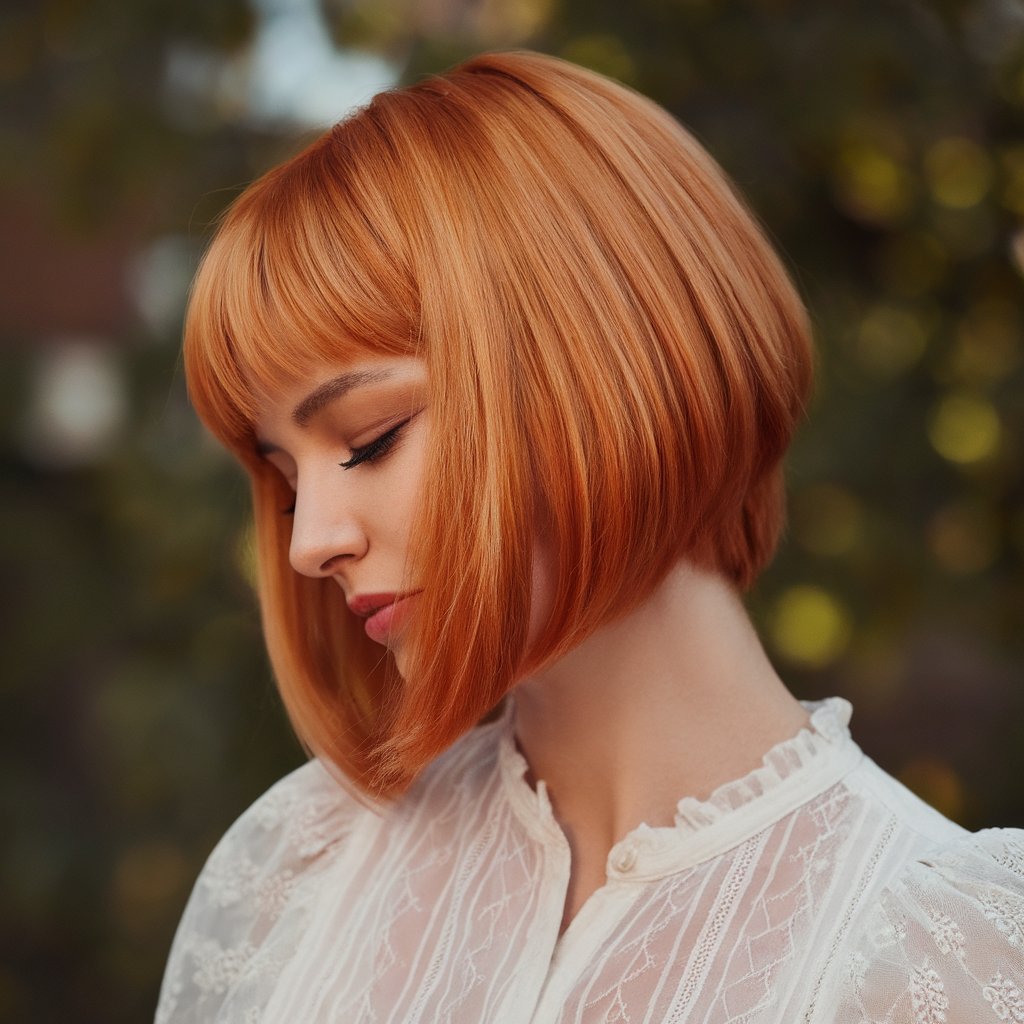
The stacked bob stands out as a hairstyle that manages to be both timeless and contemporary. This cut features shorter layers at the back that gradually lengthen toward the front, creating a distinctive graduated effect. The result is a shape that adds instant volume and movement, making it particularly appealing for women seeking a fresh update without sacrificing sophistication.
In the following sections, we’ll walk through everything you need to know about this popular hairstyle. From understanding what makes it special to learning styling techniques and maintenance tips, you’ll discover whether this cut might be your next favorite look. Ready to transform your hair? Let’s get started.
What Is a Stacked Bob and Why Choose It?
A stacked bob creates its signature look through precise layering techniques. The back sections are cut shorter and layered in a way that builds volume, while the front pieces remain longer. This graduated structure gives the style its characteristic “stacked” appearance, where layers appear to sit on top of each other.
Definition and characteristics of stacked bob
The technical aspects of this cut involve careful graduation from the nape of the neck upward. Your stylist cuts the hair at specific angles to create layers that build upon each other. Unlike traditional bobs that maintain one length throughout, this version incorporates multiple shorter layers at the back. The angle and degree of stacking can vary based on personal preference and face shape.
What sets this style apart from other bob variations? The answer lies in its dimensional quality. While a classic bob tends to lie flat against the head, the layered structure here creates natural lift and body. This built-in volume means less time spent with styling tools trying to achieve fullness.
Benefits for different face shapes
Round faces benefit from the added height at the crown that this cut provides. The graduation creates vertical lines that elongate facial features. Square faces find softness in the curved layers, while the angled front pieces can minimize strong jawlines.
Oval faces have the flexibility to experiment with various stacking heights and angles. Heart-shaped faces look wonderful with longer front pieces that balance a narrower chin. The versatility of this cut means adjustments can be made to flatter any face shape – your stylist simply modifies the angle and length of layers.
Volume and movement advantages
Hair that tends to fall flat finds new life with this structured cut. The layering technique naturally pushes hair outward, creating fullness without requiring extensive styling. Fine hair appears thicker thanks to the stacked layers, while thick hair becomes more manageable with strategic layer placement.
Movement comes naturally with this style. The varying lengths create texture that shifts and flows as you move. This dynamic quality prevents the static, helmet-like appearance some worry about with shorter cuts. Wind, head turns, and daily activities all contribute to the style’s lived-in appeal.
Low maintenance aspects
Busy schedules often dictate hairstyle choices, and this cut delivers on the convenience front. The built-in shape means you can air-dry and go on many days. A quick blow-dry with a round brush enhances the style, but isn’t always necessary.
The structured nature of the cut maintains its shape between salon visits better than many styles. While regular trims keep it looking sharp, the grow-out phase tends to be more forgiving than with blunt cuts. Morning styling typically takes just minutes, making it ideal for women juggling multiple responsibilities.
Product needs remain minimal with this style. A lightweight mousse or texturizing spray often provides enough hold and definition. Unlike elaborate updos or high-maintenance long layers, this cut works with your natural texture rather than against it.
How to Know if a Stacked Bob Suits You
Determining whether this haircut will work for you involves more than just admiring photos online. Several factors come into play when considering this style change. Understanding these elements helps you make an informed decision before sitting in the stylist’s chair.
Face shape considerations
Your face shape plays a significant role in how this cut will frame your features. Take a moment to assess your facial structure by pulling your hair back and looking in the mirror. Notice the widest part of your face and the shape of your jawline.
Women with longer faces might prefer a version with less dramatic stacking to avoid adding too much height. Those with rounder faces often love how the added volume on top creates a lengthening effect. The beauty of this cut lies in its adaptability – skilled stylists adjust the angles and lengths to complement your unique features.
Consider your best features and how this style might highlight them. High cheekbones become more prominent with shorter back sections. A graceful neck gets showcased beautifully. Strong jawlines can be softened or accentuated depending on the front length chosen.
Hair texture compatibility
Different hair textures respond uniquely to this cutting technique. Straight hair showcases the clean lines and precise graduation beautifully. The layers create movement in hair that might otherwise hang limp. Fine, straight hair gains body and fullness through the stacking process.
Wavy hair brings natural texture to the style, creating a tousled, effortless look. The layers work with your waves, enhancing their pattern rather than fighting it. Many women with wavy hair find this cut reduces styling time since the shape complements their natural texture.
Curly hair can absolutely rock this style, though it requires a stylist experienced with textured hair. The key lies in customizing the layer placement to work with your curl pattern. Properly executed, curly stacked bobs create gorgeous volume and shape without the dreaded triangle effect.
Lifestyle factors to consider
Your daily routine should factor into any hair decision. This cut suits active lifestyles well since it stays put during exercise and outdoor activities. The shorter back means no ponytail option, but headbands and clips work wonderfully for keeping hair off your face.
Professional settings welcome this polished style. It projects confidence and attention to detail without appearing overly trendy. The versatility allows you to style it sleek for important meetings or add texture for casual Fridays.
Consider your morning timeline too. If you have just five minutes for hair styling, this cut can work with a quick blow-dry or even air-drying. Those who enjoy spending time on their hair can experiment with various styling techniques for different looks.
Professional vs casual styling options
The same haircut can project different vibes based on styling choices. For professional environments, smooth, sleek styling creates a sophisticated appearance. A flat iron run through the layers produces clean lines and a polished finish. Adding a side part increases the formal feel.
Here are some quick styling variations:
Sleek and Professional: Use a smoothing serum and blow-dry with a paddle brush for shine
Textured and Casual: Apply sea salt spray and scrunch while air-drying
Voluminous and Bold: Use root lift spray and blow-dry with a round brush
Soft and Romantic: Create gentle waves with a curling wand on longer front sections
Weekend looks might feature more texture and movement. Texturizing products enhance the layers’ natural separation. Fingers run through the hair create a piecey, modern finish. The same cut transforms from boardroom-ready to beach-appropriate with simple styling changes.
Popular Stacked Bob Variations This Year
Fashion cycles bring fresh interpretations of classic styles, and the stacked bob continues evolving with current trends. This year sees several exciting variations gaining popularity among women seeking updated looks. Understanding these options helps you communicate your vision to your stylist.
Classic stacked bob
The traditional version remains a favorite for good reason. This timeless interpretation features moderate stacking at the back with a gentle graduation toward the face. The length typically falls between the chin and shoulders, creating a balanced silhouette that suits most women.
What defines the classic version? Clean lines and symmetrical shaping create its signature look. The layers blend seamlessly without dramatic angles or extreme graduation. This restraint makes it appropriate for various ages and settings. Many women choose this option as their entry point into shorter styles.
The classic interpretation works particularly well for first-timers. Its moderate approach feels less dramatic than heavily stacked versions while still providing the volume and movement benefits. You can always go shorter or more angled later if desired.
Professional women often gravitate toward this version. It maintains a conservative appearance while incorporating modern elements. The subtle stacking adds interest without making too bold a statement in traditional work environments.
Angled stacked bob
Drama enters the picture with angled variations. This style features a more pronounced difference between back and front lengths. The angle can range from subtle to extreme, depending on personal preference and face shape.
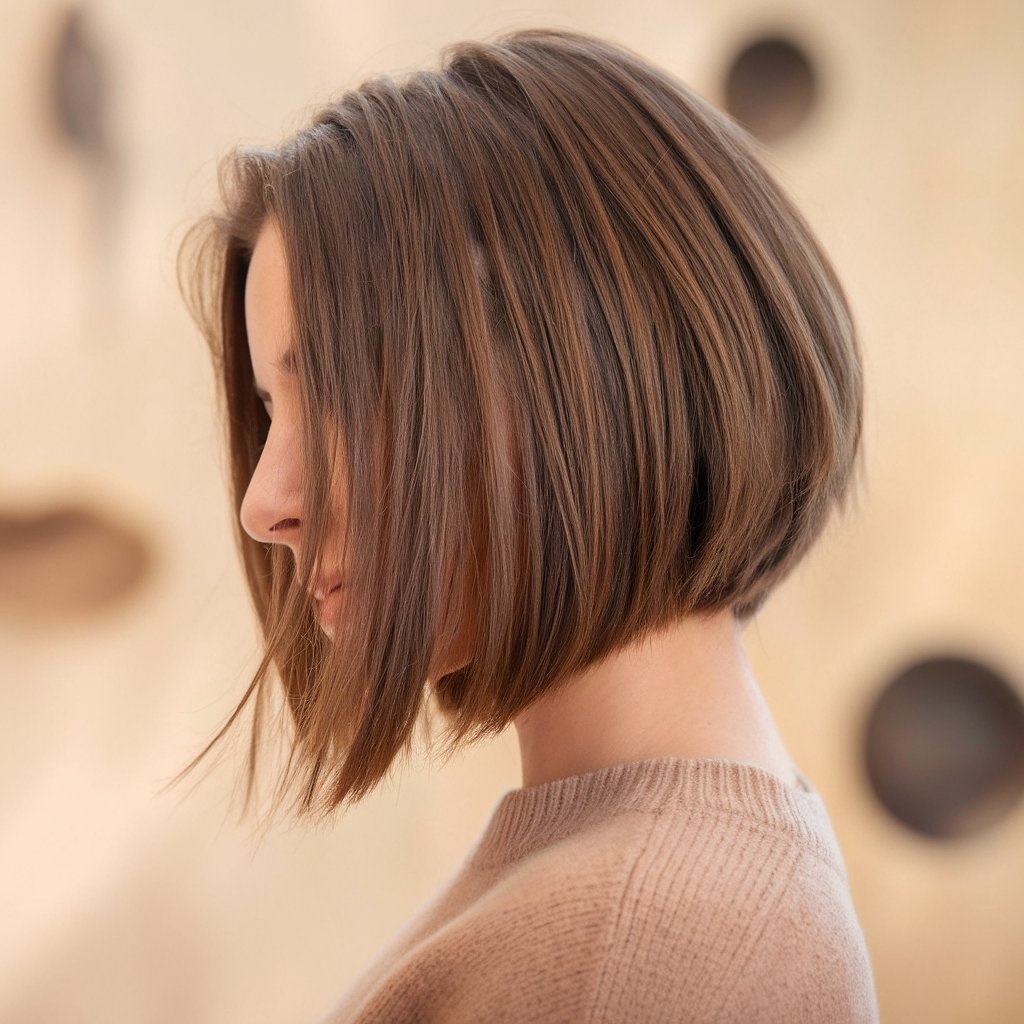
The sharp angle creates a striking profile view. From behind, the short stacked layers build volume and texture. As the cut moves forward, the length increases dramatically, sometimes reaching past the collarbones in front. This contrast makes a fashion-forward statement.
Angled versions particularly flatter women with round or square faces. The diagonal line created by the varying lengths adds visual interest and can minimize fuller cheeks or strong jawlines. The longer front pieces provide styling versatility – tuck them behind your ears for a different look or let them frame your face.
Maintenance for angled cuts requires more frequent salon visits. The precise lines need regular touching up to maintain their impact. Growing out an angled bob also requires patience as the lengths even out over time.
Textured stacked bob
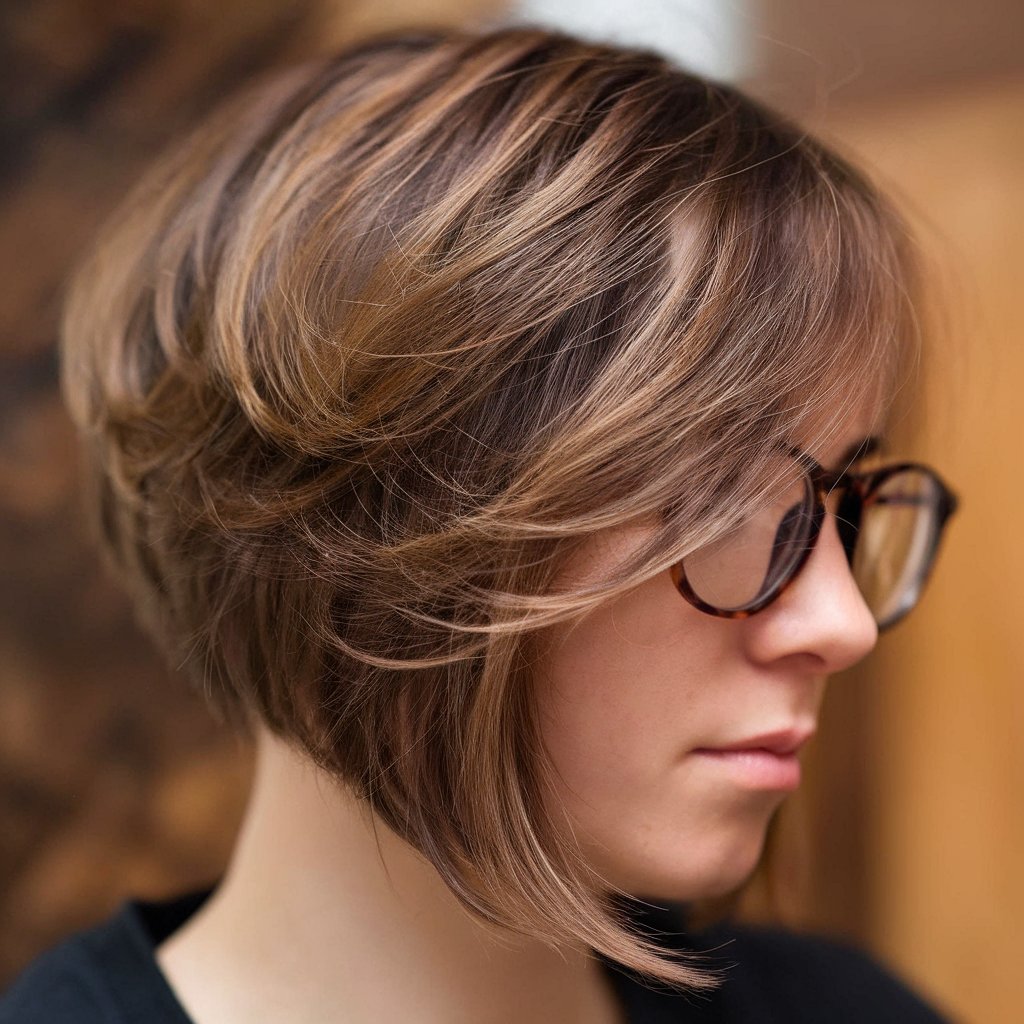
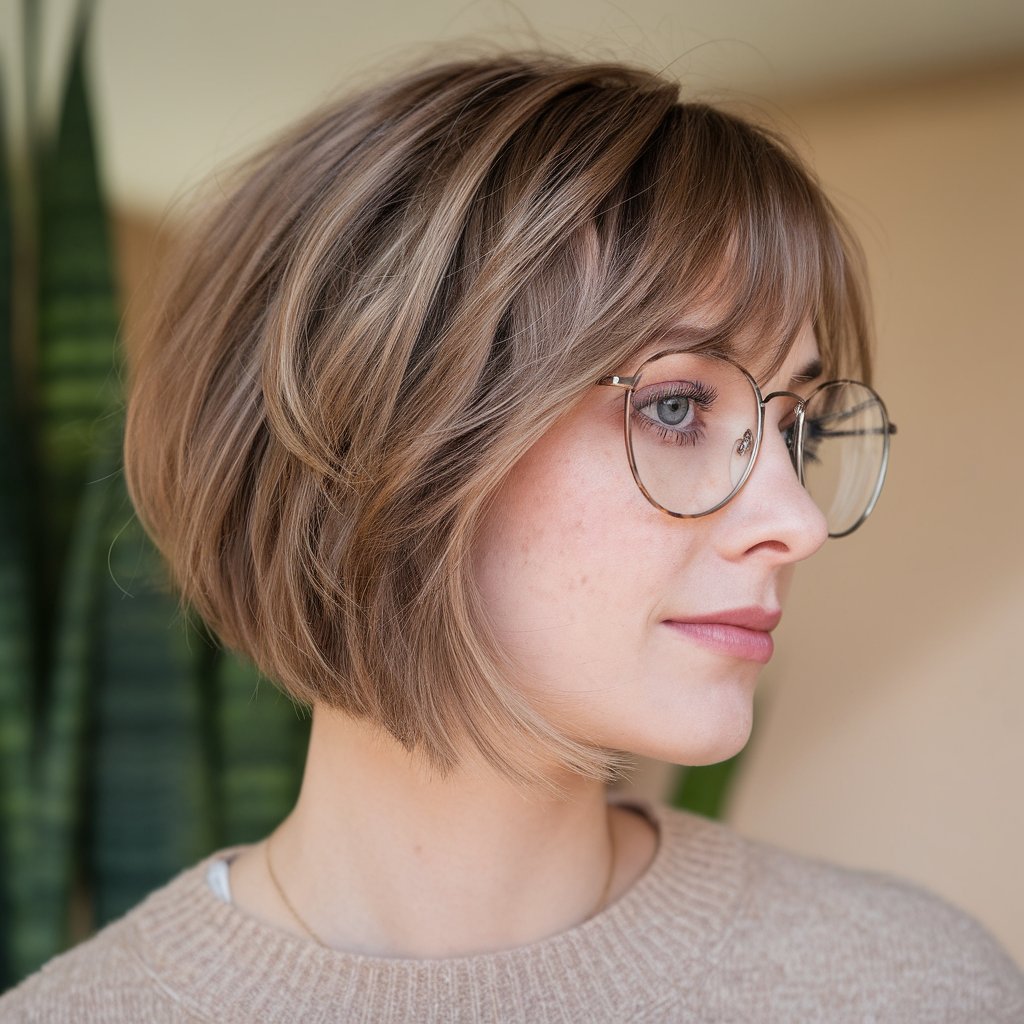
Modern styling trends favor undone, lived-in looks, and textured variations deliver exactly that. Rather than precise, smooth layers, this version incorporates choppy, piece-y elements throughout. The result feels fresh and contemporary.
Texturizing techniques vary widely. Some stylists use razors to create soft, feathered edges. Others employ point-cutting methods for a choppier finish. The goal remains consistent – creating separation and movement within the layers.
This variation suits various hair types beautifully. Straight hair gains instant personality through the textured cutting. Wavy and curly hair finds enhanced definition as the techniques work with natural texture patterns. The overall effect appears effortless despite the technical skill required.
Styling textured versions proves remarkably simple. Products that enhance piece-y separation work best – think texture sprays, dry shampoos, and light-hold waxes. The intentionally imperfect finish means you can’t really style it “wrong.”
Length variations
Personal preference and lifestyle needs determine ideal lengths. Mini stacked bobs sit high on the neck, exposing the nape completely. This bold choice makes a statement while requiring minimal styling time. The short length shows off facial features and neck jewelry beautifully.
Medium-length options hit around the middle of the neck in back. This versatile length provides substantial stacking opportunities while maintaining some coverage. Many women find this length strikes the perfect balance between short and manageable.
Longer stacked bobs reach shoulder length or slightly below in front. The extended length offers more styling possibilities while maintaining the volumizing benefits of stacked layers. This option works well for those hesitant about going too short.
Consider these factors when choosing length:
Neck Length: Longer necks can carry ultra-short versions beautifully
Hair Density: Thicker hair might need shorter lengths to prevent bulk
Comfort Level: Choose a length that feels authentic to your personality
Styling Time: Shorter versions typically require less daily maintenance
Each length variation brings its own advantages. Shorter cuts need more frequent trims but less daily styling. Longer versions offer more versatility but may require more product and styling effort to maintain shape.
How to Style Your Stacked Bob
Mastering the styling techniques for your new cut transforms a good haircut into a great look. The right methods and tools make daily styling quick and enjoyable rather than a chore. Different occasions call for different approaches, but the foundational techniques remain consistent.
Daily styling techniques
Your morning routine sets the tone for how your hair looks all day. Start with freshly washed or day-old hair – both work well with this style. Damp hair provides the best foundation for most styling methods.
A lightweight volumizing mousse applied to the roots creates lift without weighing down the layers. Work the product through with your fingers, focusing on the crown area where you want maximum height. For the stacked sections at the back, scrunch the mousse upward to enhance the layered effect.
The blow-drying technique makes a significant difference in your final result. Flip your head upside down initially to build volume at the roots. Use medium heat and keep the dryer moving to prevent damage. As you flip your head back up, use a round brush to smooth the front sections while maintaining the volume you’ve created.
For days when air-drying fits your schedule better, apply a texture-enhancing product to damp hair. Scrunch the back sections to encourage the layers to separate and stack properly. The front pieces can be smoothed down with your fingers or twisted around your finger for a gentle wave.
Tools and products needed
The right tools simplify your styling routine considerably. A medium-sized round brush proves most versatile for this cut. The barrel size allows you to create volume at the roots while smoothing the ends. Natural bristle brushes distribute oils from your scalp throughout the hair, adding shine.
Your blow dryer should have multiple heat settings and a concentrator nozzle. The nozzle directs airflow precisely where you need it, preventing frizz and creating smoother results. Cool shot buttons help set your style once you’ve achieved the desired shape.
Product selection depends on your hair type and desired finish. Fine hair benefits from volumizing mousses and root lift sprays. Medium to thick hair might need smoothing serums or light styling creams. Texturizing sprays work universally well for enhancing the layered structure.
Consider keeping these styling essentials on hand:
Basic Tools: Quality blow dryer with attachments, round brush, wide-tooth comb
Styling Products: Heat protectant spray, volumizing mousse, texturizing spray
Finishing Products: Light-hold hairspray, shine serum, dry shampoo
Optional Extras: Flat iron for sleek looks, small curling wand for adding waves
Quick styling tips for busy mornings
Some mornings demand speed without sacrificing style. Dry shampoo becomes your best friend on these days. Spray it at the roots the night before to absorb oils while you sleep. In the morning, massage it through and your hair gains instant volume and freshness.
The “twist and pin” method works wonderfully for second or third-day hair. Take small sections from each side, twist them back, and secure with bobby pins behind your ears. This creates an instantly polished look that takes under two minutes.
Headbands and accessories save time while adding style. A sleek headband pushes hair back from your face and can disguise roots that need touching up. Decorative clips placed strategically draw attention away from any styling imperfections.
For the absolute quickest option, spray dry texture spray throughout your hair and tousle with your fingers. The product enhances your cut’s natural shape while adding grip and definition to the layers. This method takes literally seconds but delivers presentable results.
Special occasion styling
Special events call for elevated styling that showcases your cut’s versatility. Sleek and sophisticated looks start with a good blow-dry followed by flat iron work. Run the iron through small sections, bending slightly at the ends to maintain the stacked shape.
Creating waves adds romantic appeal for weddings or date nights. Use a small barrel curling iron on the longer front sections, leaving the back layers with their natural texture. This contrast between smooth waves and textured layers creates visual interest. Set the curls with flexible hold hairspray, then gently brush through for soft waves rather than defined curls.
Updos might seem impossible with shorter hair, but creative pinning opens possibilities. Create a faux updo by pinning sections at the crown and leaving the front pieces loose. Add decorative pins or a small fascinator for formal events. The stacked back provides natural volume that enhances any updo attempt.
Braided elements work beautifully with this cut. A small braid along one side, secured behind the ear, adds detail without requiring significant length. Crown braids using just the top sections create a bohemian vibe perfect for outdoor events or casual gatherings.
Maintenance Tips for Your Stacked Bob
Keeping your haircut looking fresh between salon visits requires attention and the right approach. A well-maintained stacked bob continues looking sharp weeks after your initial cut. Understanding proper care techniques extends the life of your style and keeps you looking polished.
Trimming schedule
The frequency of salon visits depends on several factors, including your hair’s growth rate and the specific variation you’ve chosen. Most women find that scheduling trims every 4-6 weeks maintains the shape optimally. Faster-growing hair might need attention every 3-4 weeks, particularly if you’ve opted for a very short or dramatically angled version.
Pay attention to how your cut grows out. The stacked layers at the back typically show growth first, as the careful graduation begins to lose definition. When you notice the back sections starting to flip outward rather than curving inward, it’s time for a trim. The front sections can usually go slightly longer between cuts.
Some stylists offer “bang trims” or “maintenance cuts” between full appointments. These quick services focus on the areas that show growth most obviously – typically the back stacking and any fringe areas. This approach helps stretch the time between full cuts while keeping your style sharp.
Communicate with your stylist about your maintenance preferences. Some women prefer a cut that grows out gracefully, requiring less frequent visits. Others want maximum impact and don’t mind more regular appointments. Your stylist can adjust the cutting technique based on your lifestyle and preferences.
Home care between salon visits
Daily care makes a significant difference in how your style holds up over time. Gentle handling prevents damage that can make layers appear frizzy or unkempt. When shampooing, focus on the scalp rather than roughly scrubbing the lengths. This approach cleans effectively while preserving the cut’s shape.
The right products support your style between cuts. Lightweight leave-in conditioners keep ends healthy without weighing down the layers. Apply these products primarily to the longer front sections, avoiding the shorter stacked areas that need to maintain volume.
Regular deep conditioning treatments benefit any hair type but prove especially important for maintaining shaped cuts. Once weekly, apply a moisturizing mask focusing on the mid-lengths to ends. The shorter sections at the back need less conditioning to maintain their volume and texture.
Heat styling requires careful attention to prevent damage. Always use heat protectant products before blow-drying or using hot tools. Keep tools on medium heat settings rather than maximum. The shorter layers at the back dry quickly and can become damaged from excessive heat exposure.
Product recommendations
Selecting appropriate products enhances your style while protecting hair health. Volumizing shampoos and conditioners provide an excellent foundation. Look for sulfate-free formulas that clean without stripping natural oils. These gentler options help maintain the integrity of your layers.
Styling products should match your hair type and desired finish:
For Fine Hair: Volumizing mousse, root lift spray, dry texture spray
For Medium Hair: Light styling cream, texturizing paste, flexible hold hairspray
For Thick Hair: Smoothing serum, medium-hold gel, anti-humidity spray
For All Types: Heat protectant, dry shampoo, shine spray
Weekly treatments address specific concerns. Protein treatments strengthen damaged hair, while moisturizing masks combat dryness. Clarifying treatments remove product buildup that can weigh down layers. Rotate these treatments based on your hair’s changing needs.
Invest in quality products rather than using many mediocre ones. A good volumizing mousse and texturizing spray often provide everything needed for daily styling. Add specialized products only as specific needs arise.
Common mistakes to avoid
Several pitfalls can compromise your cut’s appearance between salon visits. Over-washing strips natural oils and can make layers appear flat and lifeless. Most women find washing every 2-3 days maintains freshness while preserving body and texture.
Heavy products weigh down the carefully crafted layers. Avoid thick creams, heavy oils, or excessive amounts of any product. The stacked sections particularly suffer from product overload, losing their characteristic lift and separation.
Aggressive brushing disrupts the layer pattern and can cause frizz. Use a wide-tooth comb on wet hair, starting from the ends and working upward. Once dry, use your fingers or a very gentle brushing technique to maintain the style without destroying the layer formation.
Sleeping habits affect your morning styling routine. Cotton pillowcases can rough up the cuticle and create tangles. Consider switching to silk or satin pillowcases that allow hair to glide smoothly. Loosely gathering longer front sections with a soft scrunchie prevents tangling while maintaining the cut’s shape.
Attempting to trim your own hair rarely ends well with layered cuts. The precise angles and graduation require professional expertise. Even “just cleaning up” the back sections can result in uneven layers that take months to correct. Save DIY trimming for simple bang touch-ups only, and even then, proceed with extreme caution.
A Stacked Bob Offers More than Just a New Hairstyle
A stacked bob offers more than just a new hairstyle – it provides an opportunity to reinvent your look while simplifying your daily routine. The versatility of this cut means you can adjust styling techniques to match your mood, schedule, or occasion. Whether you prefer polished and professional or textured and casual, the foundational shape supports multiple interpretations.
The journey to finding your perfect hairstyle often involves experimentation and adjustment. This particular cut’s adaptability makes it an excellent choice for women ready to try something fresh without committing to extreme changes. With proper maintenance and styling techniques, your stacked bob will continue delivering compliments and confidence boost long after leaving the salon chair.
Frequently Asked Questions
Q: How long does hair need to be to get a stacked bob?
A: Your hair should typically be at least chin-length or longer to achieve a proper stacked bob. Shorter starting lengths can work, but they limit the dramatic effect of the graduation.
Q: Will a stacked bob work with naturally curly hair?
A: Yes, curly hair can look fantastic in this style when cut by someone experienced with textured hair. The key is customizing the layer placement to work with your specific curl pattern.
Q: How much does styling a stacked bob take each morning?
A: Most women spend 5-10 minutes on daily styling. Air-drying with product takes virtually no time, while blow-drying and smoothing might take up to 15 minutes.
Q: Can you put a stacked bob in a ponytail?
A: The shorter back sections make traditional ponytails impossible. However, you can use clips, headbands, and partial updos to keep hair off your face when needed.
Q: What’s the grow-out process like for this haircut?
A: The grow-out phase tends to be fairly manageable. The layers blend together gradually, creating a more uniform length over 3-4 months. Regular trims during this phase help maintain a polished appearance.
Q: How do I explain what I want to my hairstylist?
A: Bring several photos showing different angles of the style you want. Discuss the amount of stacking, overall length, and whether you prefer dramatic or subtle angles.
Q: Is this cut suitable for older women?
A: Absolutely. This style works beautifully at any age. The volume at the crown and face-framing layers create a youthful, fresh appearance that many mature women love.
Q: What face shape looks best with a stacked bob?
A: While this cut can be adapted for any face shape, it particularly flatters round, square, and heart-shaped faces. Your stylist can adjust angles and lengths to complement your features.

