

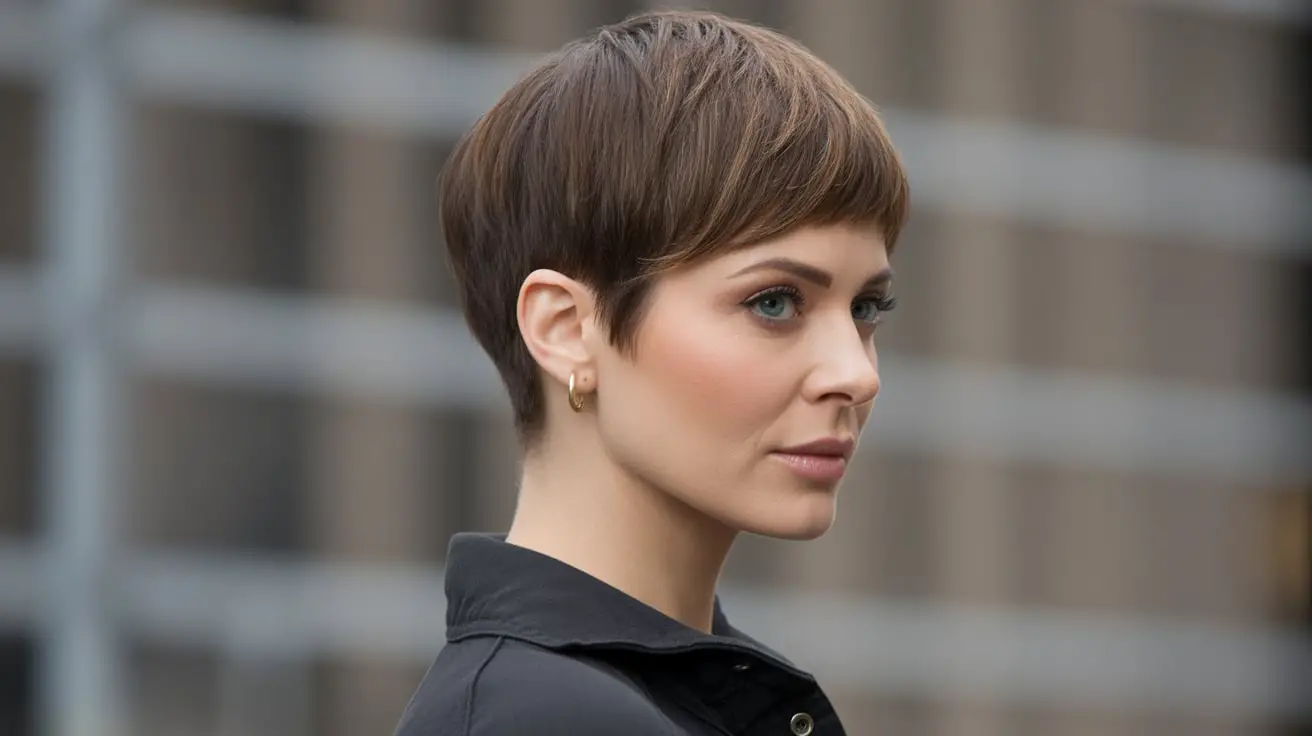
A pixie cut stands as one of the most liberating hairstyles a woman can choose. The razor-cut variation takes this classic short style and adds dimension, movement, and softness that regular scissor cuts simply cannot achieve. This technique uses a razor blade instead of scissors to slice through hair at an angle, creating feathered ends and beautiful texture throughout.
Age should never limit your hairstyle choices. The beauty of razor-cut pixies lies in their adaptability—they can be tailored to complement any stage of life. Whether you’re in your vibrant twenties or gracefully navigating your seventies, this style offers countless variations that flatter different face shapes, hair textures, and personal preferences.
We’ll explore how this cutting technique works, which styles suit different age groups, and how to maintain your look with minimal effort. You’ll discover face-framing options that soften features, bold variations for making statements, and practical styles that grow more beautiful with age. Read on to find your perfect match.
- What Makes Razor-Cut Pixie Cuts Different
- Razor-Cut Pixie Styles for Your 20s and 30s
- Flattering Razor-Cut Pixies for Women in Their 40s and 50s
- Timeless Razor-Cut Pixie Cuts for 60+ Women
- How to Style and Maintain Your Razor-Cut Pixie
- Choosing the Right Razor-Cut Pixie for Your Face Shape
- Your Perfect Cut Awaits
- Frequently Asked Questions
What Makes Razor-Cut Pixie Cuts Different
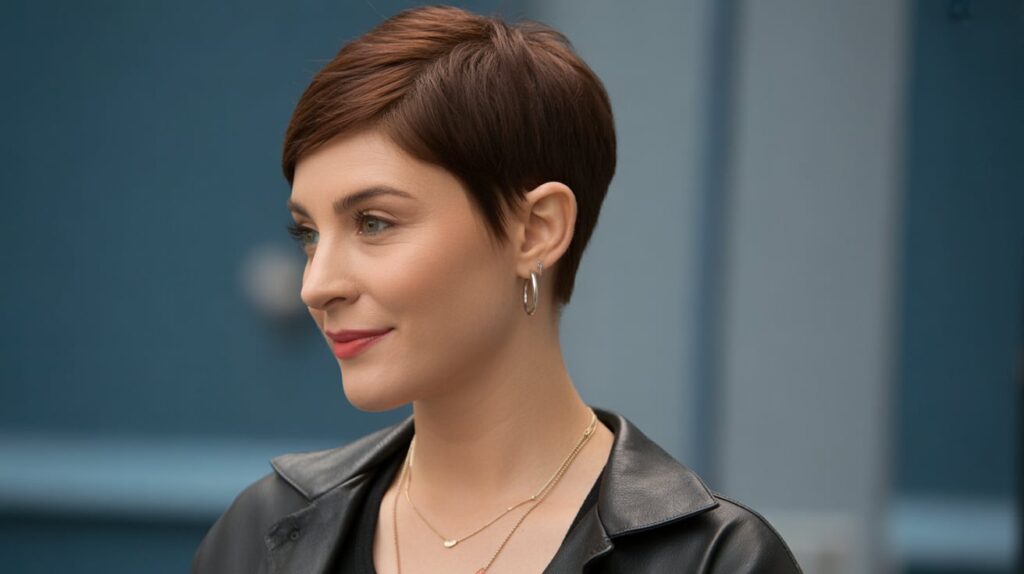
The cutting technique itself creates the magic behind these styles. Instead of blunt lines produced by scissors, razors slice through hair at angles, producing softer, more natural-looking ends. This approach generates incredible movement and allows hair to fall more organically around your face and head.
The Razor-Cutting Technique Explained
Stylists hold a specialized razor or razor comb at specific angles while cutting. They work through sections methodically, removing weight while creating texture simultaneously. The blade thins out bulk without creating harsh lines, which proves especially beneficial for thick or coarse hair types. Each strand receives an individualized cut, resulting in pieces of varying lengths that blend seamlessly together.
Texture and Movement Benefits
Hair cut with razors moves differently than traditionally cut hair. The tapered ends bend and curve more easily, creating natural-looking volume without requiring extensive styling. You’ll notice how the style seems to fall into place with minimal effort. This characteristic makes morning routines faster and reduces dependency on heat styling tools.
The technique also adds dimension that catches light beautifully. Different strand lengths create shadows and highlights naturally, giving your hair depth without artificial enhancement. Fine hair appears fuller, while thick hair loses heaviness without sacrificing body.
How It Differs from Scissor Cuts
Traditional scissor cuts create clean, blunt edges where all hair ends at approximately the same point. Razor cuts produce graduated, feathered ends with variation throughout. Think of the difference between a straight horizontal line and a series of small, overlapping brush strokes—that’s essentially what you get with razor versus scissor techniques.
Scissor cuts work well for precise geometric shapes and defined lines. Razor cuts excel at soft, textured, piece-y looks. Neither is superior; they simply serve different aesthetic goals. For pixies specifically, razor cutting often produces more forgiving, low-maintenance results.
Why It Creates Softer Edges
The angled cutting motion naturally softens perimeters. Instead of a hard line where your hair ends, you get a gradual taper that blends into skin or longer sections. This softness proves particularly flattering around faces, as it avoids harsh contrasts that can age or harden features.
Softer edges also mean more flexibility in styling. You can push hair forward, sweep it back, or leave it natural with equally attractive results. The forgiving nature of these edges means styles look good even as they grow out, extending time between salon visits.
Best Hair Types for This Technique
Most hair types benefit from razor cutting, though some respond better than others. Fine to medium hair gains body and apparent thickness from the layering effect. Thick, coarse hair sheds bulk while maintaining enough density to look full and healthy.
Wavy and slightly curly hair particularly loves razor cutting. The technique enhances natural texture rather than fighting against it. Straight hair also works beautifully, though extremely curly or coily hair may not be ideal—the razor can create frizz and disrupt curl patterns in tightly coiled textures.
Hair health matters more than type. Damaged, chemically over-processed, or extremely dry hair may split more easily with razor cutting. Healthy hair with good elasticity responds wonderfully to the technique regardless of texture.
Razor-Cut Pixie Styles for Your 20s and 30s

Your twenties and thirties offer perfect timing for experimenting with bolder variations. Energy levels run high, social calendars stay full, and confidence often peaks during these decades. This life stage accommodates styles that require more frequent maintenance or daring aesthetic choices.
Bold and Edgy Options
Consider asymmetrical designs where one side stays longer than the other. This creates visual interest and allows for multiple styling options—slick the long side back for drama, or sweep it forward across your forehead for mystery. The contrast between lengths adds modern edge without requiring outrageous colors or extreme shortness.
Undercuts paired with textured tops deliver maximum impact. Keep sides and back very short or even shaved, while the top section maintains length and heavy texture. This combination reads as contemporary and fashion-forward while remaining surprisingly versatile for different occasions.
Choppy, heavily layered versions create punk-inspired looks without going full mohawk. Razored pieces stick up at varying angles, producing controlled chaos that appears effortlessly cool. These styles work especially well with second or third-day hair when natural oils add separation and definition.
Professional-Friendly Variations
Not everyone works in creative fields that welcome avant-garde styling. Fortunately, razor-cut pixies easily adapt to conservative environments. Longer pixies that cover ears and the nape of the neck read as polished and appropriate for most workplaces.
Side-swept styles with smooth tops present professionally while maintaining personality. The razor-cut ends prevent the look from appearing too severe or masculine. Subtle layering throughout adds dimension without drawing excessive attention.
Request face-framing pieces that reach your cheekbones or jawline. These longer sections soften the overall look and provide something to tuck behind ears for variety. They also offer more styling flexibility for transitioning from desk to dinner plans.
Adding Color and Highlights
Short hair provides an excellent canvas for color experimentation since you’re working with less total hair. The financial and time investment shrinks compared to long hair coloring. Additionally, as it grows out, you’ll cut off the color relatively quickly if you decide you don’t like it.
Highlighting around the face brightens your complexion and draws attention to your best features. Razored texture makes highlights blend more naturally than blunt cuts. The varying lengths create natural-looking dimension as light and dark shades intermix.
All-over color changes make stronger statements. Deep jewel tones like burgundy or sapphire look stunning on pixies. Platinum blonde creates high-contrast drama, while pastels offer playful femininity. Consider your workplace environment and maintenance commitment before going radical.
Styling for Active Lifestyles
Gym-goers and outdoor enthusiasts appreciate how little maintenance these cuts require. After workouts, simply rinse, towel dry, and apply minimal product. The style falls naturally into place without blow-drying or elaborate routines.
Shorter versions eliminate concerns about ponytail dents or helmet hair. For cycling, running, or other activities requiring headgear, pixies remain unfazed. Sweat doesn’t create the limpness that plagues longer styles, and the quick drying time means you’re ready faster.
Swimming becomes simpler too. Chlorine affects less total hair, shampooing takes seconds, and air-drying happens almost instantly. Many active women report this alone justifies the cut.
Maintenance Requirements
Expect salon visits every 4-6 weeks to maintain shape and texture. Razor-cut styles grow out more gracefully than blunt cuts, but they still need regular attention. Missing appointments by a week or two won’t ruin your look, though you’ll notice reduced volume and changing proportions.
At-home maintenance requires quality products but not extensive collections. A good texturizing paste or pomade, lightweight hairspray, and volumizing dry shampoo cover most needs. Heat styling remains optional for many variations.
Consider your natural hair texture and growth patterns. Cowlicks, multiple hair whorls, or resistant growth directions may require extra styling effort. Discuss these factors with your stylist before committing to ensure realistic expectations about daily maintenance.
Flattering Razor-Cut Pixies for Women in Their 40s and 50s
These decades bring changing priorities and often changing hair texture. Many women notice increased dryness, changing thickness, or the arrival of gray strands. The right pixie addresses these shifts while maintaining youthful vibrancy without trying too hard.
Face-Framing Layers
Strategic layers around your face work wonders for minimizing signs of aging. Pieces that graze cheekbones or jawlines draw eyes toward your features rather than toward your hairline or temples where thinning may occur. The soft, razored ends avoid harsh lines that can emphasize wrinkles or sagging skin.
Longer bangs swept to the side create diagonal lines that lift and flatter. Avoid blunt, straight-across bangs that can shorten faces and emphasize horizontal lines in the forehead. Instead, request long, wispy, side-swept sections that move naturally and frame without overwhelming.
Layers that curl slightly toward your face provide subtle contouring. Hair that turns gently inward creates the illusion of higher cheekbones and a more defined jawline. This effect emerges naturally from razored ends that curve more easily than blunt-cut hair.
The key lies in placement rather than quantity. Too many layers create thinness; strategic layers enhance features. Work with an experienced stylist who understands mature hair and facial structures. Bring reference photos showing angles that appeal to you.
Softening Features Naturally
Harsh geometric cuts can emphasize angular features or skin changes. Razor-cutting produces the opposite effect—soft, flowing lines that blur rather than define. This quality becomes increasingly valuable as skin loses elasticity and facial contours shift.
Avoid extremely short crops that expose the entire face and neck. Slightly longer pixies that cover the tops of ears and extend past the nape provide more flattering coverage. The extra length offers styling versatility while maintaining the convenience of short hair.
Textured rather than sleek styling reads as more forgiving. Smooth, flat styles expose every bump and hollow, while textured volume creates visual softness. The razored pieces naturally produce this texture without requiring extensive manipulation.
Managing Changing Hair Texture
Hormonal shifts often bring texture changes. Previously straight hair may develop wave, while formerly thick hair becomes finer. Razor cutting adapts beautifully to these transitions by working with your current texture rather than against it.
If your hair grows drier, the feathered ends of razor cuts reduce the appearance of damage. Blunt cuts showcase every split end and dry patch. Textured, razored ends disguise minor imperfections while you work on improving overall hair health.
For thinning hair, razored layers create the illusion of fullness. By varying lengths throughout, you generate visual volume even with reduced density. The technique removes just enough weight to allow hair to lift away from the scalp rather than lying flat.
Volume-Boosting Techniques
Shorter length automatically produces more body at roots since you’re not fighting gravity with heavy hair pulling downward. Razor-cut layers amplify this effect by creating space between sections where air can flow and lift can occur.
Ask your stylist to concentrate layers at the crown and top areas. This placement maximizes height where you most need it. Keep sides and back slightly closer to the head for balance and to prevent an overly round silhouette.
Styling products become your friends during these years. Here are volume-enhancing options worth trying:
Volumizing Mousse: Apply to damp hair before drying for all-over lift and body.
Root-Lifting Spray: Target specific areas that need extra height, typically at the crown.
Texturizing Powder: Sprinkle on dry hair at roots, then massage in for instant volume.
Dry Shampoo: Beyond absorbing oil, it adds grip and texture that boost body.
Sea Salt Spray: Creates beachy texture and natural-looking volume throughout.
Low-Maintenance Options
Life often grows busier during your forties and fifties. Careers peak, family responsibilities continue, and personal time becomes precious. Choose variations that require minimal daily styling while still looking polished.
Very short pixies with subtle layering wash and wear beautifully. Apply light product while damp, let air dry or quickly blow dry, and you’re done. The cut does the work for you.
Longer pixies with movable parts offer versatility without complexity. Push hair different directions on different days for varied looks with zero additional effort. The razor-cut texture allows this flexibility naturally.
Discuss your actual morning routine with your stylist. Be honest about how much time and skill you’ll realistically devote to styling. They can adjust the cut to work within your parameters rather than requiring more effort than you’ll maintain.
Timeless Razor-Cut Pixie Cuts for 60+ Women
Far from limiting options, your sixties and beyond open doors to some of the most elegant pixie variations. Confidence, self-knowledge, and freedom from others’ opinions allow women in this stage to choose styles that genuinely suit them rather than following trends.
Classic and Sophisticated Styles
Simple elegance trumps trendy complexity during these years. Clean lines with subtle texture create refined looks that never appear dated. Think more Grace Kelly, less avant-garde fashion show.
Slightly longer pixies that cover the nape and ears present as timeless and polished. The length provides coverage while remaining emphatically short and manageable. This version suits virtually all face shapes and occasions from casual to formal.
Soft, side-swept bangs add femininity without appearing juvenile. The razored ends create movement that younger-looking blunt bangs cannot achieve. This detail makes all the difference between looking stylish and looking like you’re trying to appear younger.
Request layers that build subtle volume at the crown without creating height that reads as artificial. Natural-looking lift that gently frames your face beats obvious styling every time. The goal is polished, not perfect—real women, not mannequins.
Addressing Thinning Hair Concerns
Hair often continues thinning through these decades. Short styles actually minimize the appearance of sparse areas better than long hair, which reveals the scalp between strands more obviously. Less length means less weight pulling hair flat.
Razor-cutting becomes especially valuable for fine or thinning hair. The technique creates depth and dimension that disguise reduced density. Multiple lengths throughout generate shadows and highlights that the eye reads as fullness.
Strategic placement of slightly longer pieces can camouflage specific thinning areas. If temples recede, face-framing sections draw attention toward the center of your face. If the crown thins noticeably, concentrated layers there build compensating volume.
Avoid the temptation to keep hair longer in hopes of covering thin spots. This approach typically backfires, making sparse areas more obvious as long strands separate and expose scalp. Shorter is counterintuitively better for managing hair loss.
Easy-to-Manage Options
Energy levels and dexterity may change with age. Choose cuts that don’t require elaborate blow-drying or precise styling techniques. The best pixies for this life stage look good with minimal intervention.
Wash-and-wear cuts work wonderfully. Apply small amounts of product to damp hair, perhaps run fingers through it a few times, and let it air dry. The style should look intentional and polished regardless. If you cannot achieve this result, the cut needs adjustment.
Consider physical limitations honestly. Arthritis, reduced flexibility, or vision changes can make styling difficult. Discuss these factors with your stylist. They can modify cuts to work around limitations rather than requiring movements that cause pain or frustration.
Choose products that perform well without precision application. Sprays you can mist over your entire head work better than pomades requiring careful distribution through specific sections. Lightweight formulas feel more comfortable and look more natural than heavy products.
Enhancing Natural Gray
Gray, silver, and white hair looks absolutely stunning in pixie cuts. The short length showcases the color beautifully while the razored texture adds dimension that prevents the flatness sometimes associated with gray hair. Many women find they receive more compliments on their hair after going gray and cutting it short.
Silver hair actually becomes your crowning glory rather than something to hide. The architectural quality of well-cut pixies highlights the unique tones in your natural color. Razored layers prevent gray hair from looking severe or harsh by adding softness throughout.
If you’re transitioning from colored to natural gray, shorter styles make the process faster and less awkward. You’ll cut off most of the dyed hair within a few months. The textured nature of razor cuts helps blend the line between colors during the transition.
Comfort and Practicality
Physical comfort matters more with passing years. Heavy hair can strain necks already dealing with arthritis or other conditions. Short hair eliminates this weight entirely, potentially reducing headaches and neck pain.
Temperature regulation improves dramatically with less insulation on your head. Hot flashes become less miserable without heavy hair trapping heat. Cool air reaches your scalp easily, providing instant relief when you overheat.
Sleeping comfort increases too. No hair gets caught under shoulders or pulls when you roll over. Morning styling starts from a reasonable baseline rather than bed head that requires extensive correction. Many women report sleeping more soundly after cutting their hair short.
Showering and bathing become quicker and easier. Less hair means faster washing and shorter drying times. For women with reduced stamina or mobility issues, this efficiency matters significantly. Energy spent on hair care can be redirected toward activities you actually enjoy.
How to Style and Maintain Your Razor-Cut Pixie
Proper care extends the life and appearance of your cut between salon visits. The right products and techniques keep your style looking fresh while protecting hair health. Good maintenance also ensures your next appointment focuses on refinement rather than damage control.
Daily Styling Routine
Most razor-cut pixies require surprisingly little daily effort. Start with good foundation work and products do most of the heavy lifting. Your morning routine should take minutes, not hours.
Begin with clean or cleanish hair. You don’t need to shampoo daily—actually, you probably shouldn’t. Every 2-3 days works well for most women. Between washes, dry shampoo refreshes roots and adds texture that aids styling.
Apply styling product while hair remains damp for best results. Work a small amount of pomade, wax, or cream between your palms first to warm and distribute it evenly. Then run fingers through hair from roots to ends, making sure you cover everything.
Blow-drying takes mere minutes with short hair. Use your fingers to direct pieces where you want them rather than using a brush, which can remove the texture you want to keep. Dry at medium heat rather than high to prevent damage.
Final touches might include a bit of additional product on dry hair to define specific pieces or add extra texture. Less is more—you can always add product but removing excess requires rewashing.
Best Products for Razor-Cut Hair
Product needs vary based on hair type, but certain categories consistently work well. Focus on formulas that enhance texture without weighing hair down or making it stiff.
Texturizing pastes and pomades provide flexible hold with natural movement. They don’t create the crunch of traditional gels or the stiffness of maximum-hold products. Look for terms like “matte finish” or “medium hold” on labels.
Sea salt sprays add beachy texture and volume without product feel. Spray on damp hair before styling or on dry hair for additional grit and separation. These work particularly well for naturally wavy hair.
Lightweight hair oils prevent dryness without causing greasiness. Apply tiny amounts to ends only, never near roots where oil can make hair look unwashed. This step matters especially for color-treated or aging hair prone to dryness.
Avoid heavy waxes, thick creams, or anything labeled “maximum hold” or “sculpting.” These products overpower fine cuts and make hair look stiff and artificial. Razor-cut styles shine with natural movement, not frozen-in-place styling.
How Often to Trim
Plan salon visits every 4-6 weeks for optimal results. This schedule maintains shape and removes damaged ends before they progress into noticeable splits. Regular trims actually save money long-term by preventing major corrections.
Razor-cut pixies grow out more gracefully than scissor-cut versions, so slight extensions between appointments won’t ruin your look. However, going beyond 8 weeks typically requires more extensive cutting to restore proper shape and proportion.
Watch for specific signs that trimming time has arrived. If you spend increasing time styling to achieve your usual look, you’ve waited too long. If hair sticks out oddly in new places or won’t cooperate with your normal routine, schedule an appointment.
Different sections grow at different rates, throwing off the carefully balanced proportions of your cut. Your stylist doesn’t simply trim the same amount everywhere—they restore relationships between sections that growth has altered.
Preventing Damage
Short hair shows damage more obviously than long hair where imperfections hide in length and volume. Protect what you have through smart habits and quality products.
Heat styling at lower temperatures preserves hair health. Most blow-dryers and irons get hotter than necessary. Dial down the heat and take slightly longer rather than scorching hair for speed.
Color services can damage hair if done incorrectly or too frequently. Choose experienced colorists who understand chemical processes. Space appointments appropriately to allow hair recovery time between treatments.
Sun exposure fades color and dries hair just like it damages skin. Wear hats when spending extended time outdoors, or use UV-protectant hair products. This matters especially for highlighted or bleached hair.
Chemical straightening or perming adds unnecessary stress to hair that’s already shaped through cutting. Razor-cut texture provides plenty of visual interest without additional chemical alteration. Work with your natural texture rather than fighting it.
Growing It Out Gracefully
Sometimes you’ll want to grow your pixie into a longer style. Razor cuts transition more smoothly than blunt cuts as they grow. The textured ends blend naturally into developing length rather than creating awkward lines.
Continue regular trims during the growing-out phase. This seems counterintuitive but prevents damage from derailing your progress. Your stylist removes split ends while gradually adjusting proportions to maintain an intentional look throughout transition stages.
Focus trims on maintaining shape rather than achieving any particular length. Some sections will temporarily grow longer than others to keep overall balance. Trust your stylist’s expertise about which sections to trim versus which to leave alone.
Accessories become valuable friends during awkward in-between stages. Headbands, clips, and bobby pins help control pieces that aren’t quite long enough to stay put on their own. These tools keep you looking polished rather than messy.
Plan for roughly one year to grow a pixie to shoulder length. Growth rates average half an inch monthly, so moving from two-inch to ten-inch hair requires about sixteen months. Patience and regular maintenance make the journey much more pleasant than trying to rush it.
Choosing the Right Razor-Cut Pixie for Your Face Shape
Face shape influences which variations will flatter you most. Understanding your basic shape helps narrow infinite options to those most likely to succeed. That said, rules exist to guide rather than restrict—personal preference and individual features matter more than adhering rigidly to shape categories.
Round Faces
Height and angles counterbalance roundness effectively. Seek styles with volume at the crown that creates vertical lines, making faces appear longer and more oval. Flat tops or slicked-down styles emphasize width rather than length.
Longer pieces on top with shorter sides create beneficial contrast. This proportion draws eyes upward and adds length visually. Avoid equal length all around, which reinforces circular shapes rather than minimizing them.
Side parts work better than center parts for round faces. Diagonal lines created by off-center parts add asymmetry that slims. Combine this with side-swept bangs that angle across the forehead for maximum effect.
Face-framing pieces should be kept shorter, ideally ending above the jawline. Longer pieces that reach below the widest part of your face can actually emphasize roundness. Shorter frames create upward movement instead.
Oval Faces
Consider yourself fortunate—oval faces suit virtually every pixie variation. This shape’s balanced proportions work with experimental styles that other shapes cannot pull off as easily. Use this freedom to choose based on personal preference and lifestyle needs.
Play with extreme proportions that other shapes must avoid. Very short sides with substantial top length, dramatic asymmetry, or bold geometric shapes all work on oval faces. You can push boundaries without worry.
Both center and side parts look good, so choose based on your features and styling preference. Center parts work especially well on oval faces with symmetrical features. Side parts add interest to those who prefer less severe symmetry.
Don’t feel restricted to “safe” choices just because everything works. This versatility means you can select the most interesting, personality-expressing options rather than defaulting to conservative styles.
Square Faces
Softness and curve counterbalance angular features characteristic of square faces. Razor-cutting provides inherent advantage here since the technique naturally creates softer, less geometric lines. Avoid blunt, straight cuts that echo the squareness you want to minimize.
Longer, wispy bangs that sweep across the forehead reduce its squared appearance. These pieces should have movement and texture rather than hanging heavy and straight. Razored ends create the necessary softness automatically.
Keep sides slightly longer rather than going extremely short. Very short sides emphasize jaw width and angular jawlines. Covering the tops of ears with textured layers softens the overall look without adding bulk.
Volume at the crown draws attention upward, away from the strongest angles at the jawline. This doesn’t mean creating sky-high spikes, just ensuring the top section has more height and presence than lower sections.
Face-framing layers should curl or wave gently toward your face rather than away from it. Inward movement provides soft contouring that minimizes angular features. Pieces that flip outward emphasize width instead.
Heart-Shaped Faces
Width at cheekbones and a narrow chin characterize heart shapes. The goal is balancing a wider forehead and temples with a more delicate lower face. Concentrate volume and interest at ear level rather than at the crown.
Longer pieces at the nape add visual weight to the lower portion of your face, creating better proportion with a broad forehead. Very short backs can make the disproportion more noticeable rather than less.
Side-swept bangs that partially cover the forehead reduce its apparent width. Avoid straight-across or very short bangs that expose the full width of your forehead. Longer, textured bangs work far better.
Keep volume moderate at the top. Extreme height exaggerates the widest part of heart faces. Focus texture and interest at ear and jaw level instead, drawing attention to the middle of your face.
Layers that reach your jawline provide frames for narrow chins. These pieces create the illusion of width where you need it. They should be substantial enough to notice but textured enough to avoid looking heavy.
Long Faces
Width and horizontal lines balance faces that appear narrow or elongated. Concentrate volume at the sides rather than height at the crown, which lengthens faces further. Fuller sides create visual width.
Straight-across bangs reduce face length by covering some of your forehead. Keep them between eyebrow and mid-forehead length—not too short or too long. Textured rather than blunt bangs maintain the softness razor-cutting provides.
Avoid very short crops that expose your entire face and neck. Slight length that covers ears and the nape provides better proportion. Extra shortness emphasizes face length rather than minimizing it.
Layering should be distributed evenly rather than concentrated at one level. Avoid all-one-length cuts that can emphasize height. Multiple layers throughout create the horizontal visual breaks that flatter long faces.
Consider wider sideburns or longer pieces in front of ears. These elements add width exactly where long faces need it. They break up the vertical line from temple to jawline effectively.
Your Perfect Cut Awaits
Short hair offers freedom that long hair cannot match. Less time styling, more time living—this trade matters regardless of age. Razor-cut pixies deliver on the promise of effortless style while providing countless variations to suit individual preferences and features.
Finding the right version requires honest assessment of your lifestyle, hair type, and willingness to maintain a cut. Experiment within reason, but recognize that some variations suit your particular combination of features better than others. Work with experienced stylists who understand mature hair and face shapes. Bring reference photos showing angles and proportions you like, not just celebrity faces that may bear little resemblance to your own structure. The right cut exists for every woman willing to find it.
Frequently Asked Questions
Q: How often do I need to trim a razor-cut pixie?
A: Plan for salon visits every 4-6 weeks to maintain the shape and texture properly. Razor cuts grow out more gracefully than blunt scissors cuts, so you might stretch appointments to 8 weeks occasionally without disaster. However, regular trimming prevents the need for major corrections and keeps your style looking intentional rather than neglected.
Q: Will a razor cut damage my fine or thin hair?
A: No, razor cutting actually benefits fine or thinning hair when done correctly by an experienced stylist. The technique creates dimension and texture that makes hair appear fuller. The varying lengths generate visual volume even with reduced density. Avoid razor cuts only if your hair is severely damaged or extremely dry, as compromised hair can split more easily with any cutting method.
Q: Can I style a razor-cut pixie without heat tools?
A: Absolutely. Many variations look best with air-drying and minimal product. Apply texturizing paste or light pomade to damp hair, finger-style into place, and let it dry naturally. The razored texture creates natural movement that doesn’t require blow-dryers or flat irons. Heat styling remains optional for special occasions rather than being a daily requirement.
Q: What’s the best way to style my pixie for formal events?
A: Smooth it back with a small amount of pomade or gel for sleek elegance. Alternatively, enhance texture with styling paste and add a decorative headband or clip for interest. You can also create subtle finger waves by applying mousse and pinning sections while they dry. The key is working with your cut’s natural texture rather than fighting against it.
Q: How do I know if a pixie will suit my face shape?
A: Consult with an experienced stylist who can assess your features in person. Bring multiple reference photos showing angles you find attractive. Most faces suit some version of a pixie—the question is which variation. Be honest about your styling abilities and lifestyle so your stylist can recommend cuts that work for your specific situation rather than just looking good in photos.
Q: What products do I actually need for a razor-cut pixie?
A: Start with three basics: a texturizing paste or light pomade for styling, dry shampoo for refreshing between washes, and a light hairspray for hold when needed. Add a volumizing mousse if your hair is fine or flat, or a lightweight hair oil if your ends tend toward dryness. You don’t need extensive collections—quality matters more than quantity.
Q: Can I color my razor-cut pixie at home?
A: While possible, professional coloring produces better results on short hair. Pixies require precise application since mistakes show immediately with minimal length to hide errors. If you do color at home, choose semi-permanent formulas less likely to cause severe damage if something goes wrong. Touch-up roots between full colors rather than processing all your hair each time.
Q: How do I grow out a pixie without looking messy?
A: Continue regular trims every 6-8 weeks to maintain shape while gradually adjusting proportions. Your stylist will trim some sections more than others to keep an intentional look throughout the growing process. Use accessories like headbands and clips during awkward stages. Plan for about one year to reach shoulder length from a very short pixie.
Q: Does a pixie make you look older or younger?
A: Neither automatically. The specific variation, how well it suits your features, and styling determine the effect. Some pixies add sophistication that could read as aging, while others create youthful energy. Generally, well-maintained razor-cut pixies with textured, modern styling read as contemporary and age-appropriate regardless of your actual age.
Q: What should I tell my stylist at my first pixie appointment?
A: Bring clear photos showing the length, texture, and overall shape you want—front, back, and side views. Discuss your daily styling routine honestly, including time and skill level. Mention any hair concerns like thinning areas, cowlicks, or previous cuts you disliked. Ask about maintenance requirements and product recommendations. Be open to professional advice about modifications that might work better for your particular hair type and features.

