

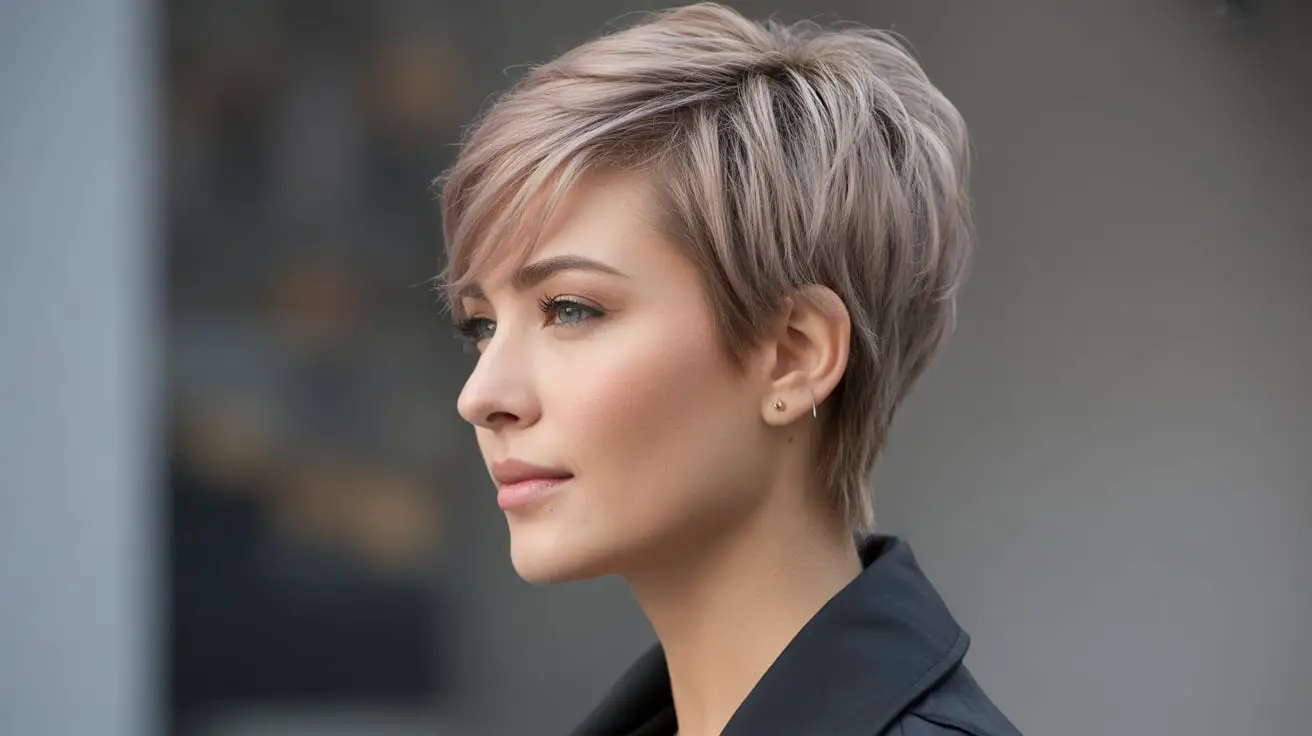
A layered pixie cut offers incredible versatility and style, but many women believe achieving that salon-fresh look requires professional hands. The truth is, with the right techniques and understanding of your hair’s behavior, you can create stunning results in your own bathroom. This modern cut combines shorter layers at the back and sides with slightly longer pieces on top, creating dimension and movement that frames your face beautifully.
Learning to style your pixie at home saves both time and money while giving you complete control over your daily look. You’ll discover which products work best for your specific hair type and develop techniques that become second nature with practice. The freedom of mastering your own styling routine means no more emergency salon visits or disappointing hair days when you can’t get an appointment.
In the following sections, you’ll learn professional techniques adapted for home use, discover the essential tools that make styling easier, and master step-by-step methods tailored to your face shape. Whether you’re new to pixie cuts or looking to elevate your current routine, these practical strategies will transform your morning styling experience.
- What Makes Professional Layered Pixie Styling Different?
- Essential Tools and Products for DIY Pixie Styling
- How Do You Style a Layered Pixie Cut Step by Step?
- Which Styling Techniques Work Best for Different Face Shapes?
- How to Maintain Your Styled Pixie Throughout the Day?
- Master Your Pixie with Confidence
- Frequently Asked Questions
What Makes Professional Layered Pixie Styling Different?
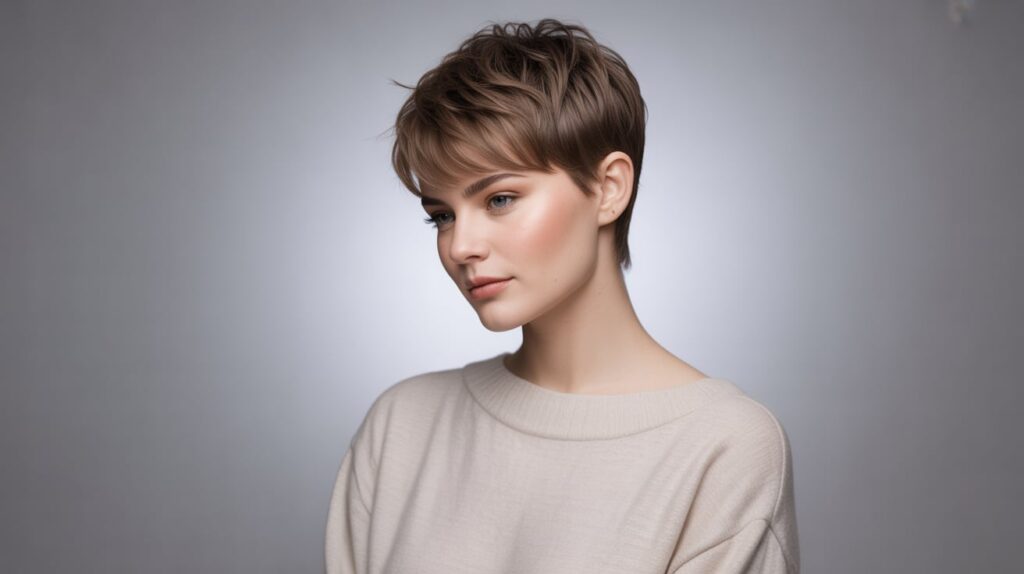
The distinction between salon results and home styling often comes down to understanding fundamental techniques rather than possessing magical skills. Professional stylists work with hair physics, using tension, heat distribution, and product placement to create lasting shapes and textures.
Professional Technique Basics
Your stylist’s approach relies on working in sections, a method that ensures every piece of hair receives attention. Starting from the nape and working upward creates a foundation that supports the entire style. This systematic approach prevents you from repeatedly going over the same areas, which can lead to over-styling and damage.
Heat control plays a crucial role in professional results. Stylists adjust temperatures based on hair thickness and condition, using lower heat for fine or damaged strands and slightly higher settings for coarser textures. They also maintain consistent distance between tools and hair, preventing hot spots that create frizz or damage.
Product application follows specific patterns too. Professionals apply styling products to damp, not soaking hair, using their fingers to distribute evenly from roots to tips. They understand that less product often yields better results, especially with shorter cuts where buildup becomes immediately visible.
Understanding Your Hair Texture
Your natural texture determines which styling methods will work most effectively. Fine hair responds differently to products and heat than thick, coarse strands. Recognizing these differences helps you adapt professional techniques to your specific needs.
Fine hair benefits from lightweight volumizing products applied primarily at the roots. Thick hair might need stronger hold products and more aggressive texturing techniques. Wavy or curly textures require different approaches than straight hair, often needing products that define rather than fight natural patterns.
Key Differences from Salon Results
Salons have advantages like powerful blow dryers and professional-grade tools, but understanding these differences helps you compensate. Their dryers produce concentrated airflow that lifts roots more effectively, but you can achieve similar results by working in smaller sections and using cool shots to set each area.
The viewing angle matters too. Stylists see your entire head from above and behind, perspectives you can’t easily achieve alone. Using multiple mirrors or recording yourself styling helps identify areas you might miss. Taking time to feel the shape with your hands also improves your spatial awareness of the cut.
Common Mistakes to Avoid
Over-washing strips natural oils that help maintain style and texture. Most pixie cuts look better with second or third-day hair, where natural oils provide grip and hold. If you must wash daily, use dry shampoo at the roots to restore texture.
Using too much product creates heaviness that flattens layers rather than enhancing them. Start with a pea-sized amount and add more only where needed. Fighting against your natural growth patterns wastes time and creates styles that won’t last. Instead, work with your hair’s natural tendencies, redirecting rather than forcing completely opposite directions.
Essential Tools and Products for DIY Pixie Styling
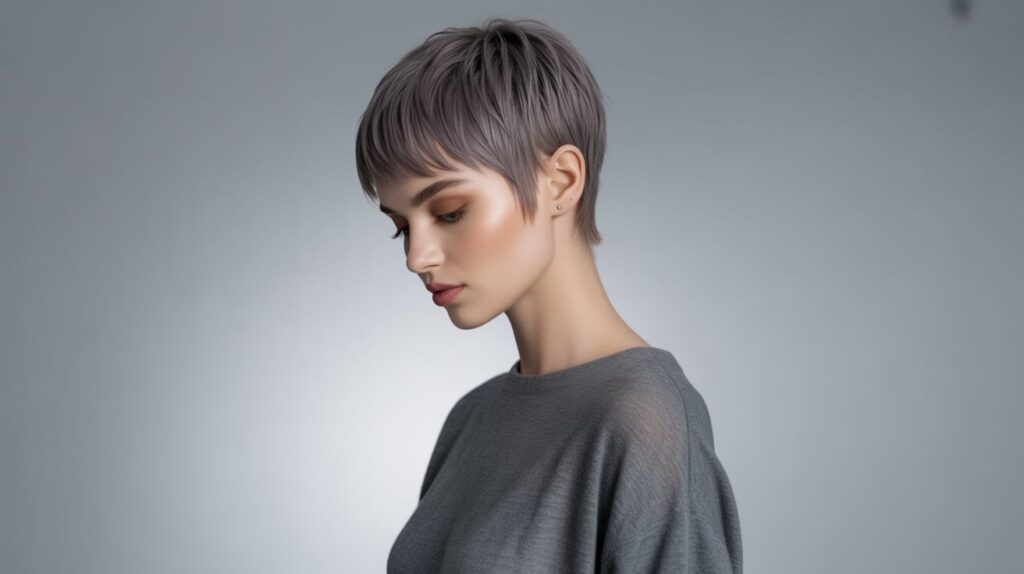
The right equipment transforms frustrating styling sessions into quick, successful routines. While you don’t need every tool professionals use, certain items make achieving polished results significantly easier. Building your toolkit gradually allows you to invest in quality pieces that last years rather than buying everything at once.
Must-Have Styling Tools
A quality blow dryer with multiple heat and speed settings forms the foundation of your styling arsenal. Look for models with concentrator nozzles that direct airflow precisely where needed. Ionic or ceramic technology helps reduce frizz and speeds drying time, particularly beneficial for rushed mornings.
Round brushes in different sizes create various effects – smaller barrels add tight curls and volume at the roots, while larger ones smooth and shape longer top sections. A flat paddle brush helps achieve sleek, polished looks when you want minimal texture. Natural bristle brushes grip hair better than synthetic options, giving you more control during styling.
Product Selection for Different Hair Types
Your hair type determines which products will enhance rather than weigh down your style. Understanding product categories helps you make informed choices:
Texturizing Products: Sea salt sprays, texture powders, and matte pastes add grip and definition
Volumizing Products: Root lifts, mousses, and volumizing sprays create fullness
Smoothing Products: Serums, creams, and oils control frizz and add shine
Holding Products: Hairsprays, gels, and pomades maintain your finished style
Budget-Friendly Alternatives
Professional results don’t require professional prices. Many drugstore brands offer excellent alternatives to high-end products. The key lies in understanding ingredients rather than focusing on brand names. Look for products with similar active ingredients to salon brands, often available at a fraction of the cost.
You can also create multi-use solutions. A lightweight leave-in conditioner doubles as a smoothing agent. Clear aloe vera gel provides hold without the crunch of traditional hair gel. Even simple tools like bobby pins and hair clips can substitute for expensive sectioning clips during styling. The goal remains achieving your desired look, not accumulating costly products.
Tool Maintenance Tips
Proper care extends your tools’ lifespan and maintains their effectiveness. Clean your blow dryer’s filter monthly – a clogged filter reduces airflow and causes overheating. Remove hair from brushes after each use and wash them weekly with gentle shampoo to prevent product buildup.
Store tools properly to prevent damage. Hang blow dryers by their cords or place them in drawers without wrapping cords too tightly. Keep brushes in holders where bristles won’t bend. Replace tools showing signs of wear – melted bristles, frayed cords, or inconsistent heat indicate it’s time for new equipment.
Heat protectant spray should become as automatic as brushing your teeth. Apply before any heat styling to prevent damage that accumulates over time. This simple step preserves your hair’s health, making daily styling easier and results longer-lasting.
How Do You Style a Layered Pixie Cut Step by Step?
Successful styling begins before you pick up any tools. The preparation phase sets the foundation for everything that follows, determining whether your style lasts hours or days.
Pre-Styling Preparation
Start with towel-dried hair that’s damp but not dripping. Squeeze out excess water gently without rubbing, which creates frizz and disrupts your hair’s cuticle. Apply any leave-in treatments or heat protectants at this stage, working them through with your fingers or a wide-tooth comb.
Section your hair mentally or physically with clips. Even though pixie cuts are short, working systematically prevents missed spots and over-styling. Begin with the lower layers at your nape, moving upward and forward. This approach builds volume from the bottom up rather than flattening everything with repeated passes.
Working with Natural Texture
Your hair’s natural patterns provide clues for styling success. Notice which direction different sections naturally fall and use this information to guide your approach. Hair growing forward from the crown might resist being pushed backward, so work with slight angles instead.
For straight hair, focus on creating movement through strategic lifting and bending. Direct the dryer upward at roots while pulling hair in the opposite direction with your brush. This tension creates lift that lasts. Wavy or curly textures benefit from scrunching while drying, encouraging natural patterns rather than straightening them completely.
The key lies in enhancing what you have rather than completely changing it. If your hair naturally parts on the left, trying to force a right part will require constant adjustment throughout the day. Small adjustments to natural tendencies yield better, longer-lasting results than dramatic redirections.
Creating Volume and Movement
Volume starts at the roots, not the ends. Direct your blow dryer at the roots while lifting sections with your brush or fingers. Work against gravity – if a section naturally falls forward, dry it backward temporarily, then let it fall into place with added lift.
Use your blow dryer’s cool setting to lock in volume after heating each section. This temperature change sets the style similarly to how curling irons work. Alternate between hot and cool as you work through sections, spending equal time with each temperature.
Movement comes from varying directions and techniques within the same style. Some pieces might be smoothed straight while others are bent or curled. This variety creates the professional, lived-in look that prevents your pixie from appearing helmet-like or too perfect. Consider these variation techniques:
Piece-y Texture: Pull small sections in different directions while drying
Soft Waves: Wrap sections around your brush while heating, then cool
Tousled Effect: Scrunch and twist while drying with diffused heat
Sleek Finish: Pull taut with brush while following with the dryer
Finishing Touches for Polish
The final steps separate amateur attempts from professional-looking results. Once your hair is completely dry and styled, assess the overall shape. Use your fingers to adjust individual pieces, breaking up any sections that look too uniform or connected.
A tiny amount of finishing product adds definition without weighing down your work. Warm a small amount of pomade or wax between your palms, then lightly run your hands over the surface, barely touching the hair. This technique adds subtle shine and tames flyaways without disturbing the volume you’ve created.
Set everything with a light mist of hairspray held at least 10 inches from your head. Spray in short bursts rather than continuous streams to avoid wet spots that can flatten your style. For extra hold in specific areas, spray onto your fingertips and apply precisely where needed.
Which Styling Techniques Work Best for Different Face Shapes?
Your face shape influences which styling approaches will flatter you most. Understanding these relationships helps you adapt basic techniques to enhance your best features while creating balanced proportions.
Round Face Styling Adjustments
Round faces benefit from height and asymmetry that creates the illusion of length. Focus your volume efforts on the crown area, using your blow dryer to lift roots upward rather than outward. This vertical emphasis elongates your face visually.
Create asymmetrical elements through styling choices. Sweep longer top layers to one side rather than styling them straight back or evenly distributed. This diagonal line breaks up the circular shape, adding angles that complement soft features. A deep side part works particularly well, especially when combined with height at the crown.
Avoid adding width at the widest part of your face. Keep the sides relatively flat or directed backward rather than outward. If your pixie includes sideburns or longer pieces near the ears, style them to follow your head’s curve rather than flipping them out. Texturizing the top while keeping sides sleek creates an elongating effect that flatters round face shapes.
Oval Face Enhancement Methods
Oval faces have the advantage of suiting almost any styling approach, but certain techniques particularly highlight this balanced shape. You can experiment freely with volume placement, adding height, width, or both depending on your mood and occasion.
Since oval faces already have ideal proportions, focus on enhancing your favorite features rather than correcting imbalances. If you love your cheekbones, add slight volume at the temples to draw attention there. Pretty eyes benefit from sweeping bangs or face-framing pieces styled forward.
The versatility of oval faces means you can change your styling dramatically without worrying about proportion. One day might feature a sleek, polished look with everything smoothed back. The next could showcase maximum volume and texture throughout. This freedom lets you match your styling to your outfit, occasion, or simply your morning mood.
Square Face Softening Techniques
Square faces look stunning with softness that balances strong jawlines and angular features. Instead of severe, geometric styling, create rounded shapes and fluid movement. Use your round brush to add subtle bends and curves rather than stick-straight lines.
Avoid harsh, blunt lines that emphasize angularity:
Soften the Perimeter: Style edges with slight bends inward
Add Diagonal Movement: Create sweeping lines across the forehead
Layer the Texture: Break up solid shapes with piece-y, separated texture
Round the Corners: Use your brush to create gentle curves at the temples
Volume at the crown helps elongate square faces, similar to round face techniques. However, you can also add some width at the temples without concern, as this softens the square shape rather than emphasizing it. The goal remains creating curves and movement that complement your natural angles rather than competing with them.
Heart-Shaped Face Balancing Tips
Heart-shaped faces, wider at the forehead and narrower at the chin, benefit from styling that adds visual weight to the lower portion. This doesn’t mean adding actual bulk around your chin, but rather creating lines and movement that draw the eye downward.
Keep volume at the crown minimal to avoid emphasizing the wider forehead. Instead, focus on creating width through the middle and lower portions of your style. If your pixie includes longer layers, style them to flick outward slightly at jaw level. This subtle flare balances the narrower chin area.
Side-swept styling works beautifully for heart-shaped faces. Sweep longer layers across the forehead at an angle, partially covering the widest point while creating diagonal lines that balance proportions. Avoid styles that pull everything straight back, as this exposes the full width of the forehead while offering nothing to balance the narrower chin.
Texture throughout the cut helps create visual balance. Rather than concentrating all texture in one area, distribute piece-y definition evenly. This prevents any one area from appearing too heavy or too sparse, creating harmony that flatters heart-shaped proportions.
How to Maintain Your Styled Pixie Throughout the Day?
A perfectly styled pixie can deteriorate quickly without proper maintenance strategies. Understanding how to preserve your morning work ensures you look polished from dawn to dusk.
Morning Touch-Up Strategies
Even the best overnight preservation sometimes needs minor morning adjustments. Rather than redoing your entire style, target specific areas that need attention. Usually, this means the crown area where sleeping flattens volume, or the back where bed head creates unwanted shapes.
Keep a small spray bottle filled with water nearby for quick refreshing. A light mist reactivates styling products without requiring complete rewetting. Focus on problem areas, then use your blow dryer on low heat to reshape. This targeted approach takes minutes rather than requiring full restyling.
Weather-Proofing Your Style
Different weather conditions demand different preparation strategies. Humidity threatens smooth styles with frizz, while wind can destroy carefully crafted shapes. Preparing for your local climate prevents weather-related hair disasters.
For humid conditions, apply anti-humidity products before styling. These create barriers that prevent moisture from penetrating hair shafts and causing frizz or curl reversion. Finish with a humidity-resistant hairspray that maintains hold despite moisture in the air. On particularly challenging days, work with your hair’s natural tendency to curl or wave rather than fighting it.
Wind requires strategic product placement and setting techniques. Use slightly more holding product than usual, concentrating on areas wind typically disturbs first – usually the front and top sections. Set your style with cool air longer than normal, and finish with a stronger hold hairspray. Consider carrying a small comb and travel-size hairspray for quick fixes after wind exposure.
Quick Fixes for Common Issues
Certain problems occur frequently enough to warrant ready solutions. Flat roots, the most common complaint, can be revived without water or heat. Simply flip your head upside down and massage the roots vigorously with your fingertips. This breaks up any product buildup and encourages natural lift. A quick blast of cool air from your dryer while upside down sets the renewed volume.
Oily roots that appear by afternoon respond well to dry shampoo or texturizing powder. Apply at the roots, wait a moment for absorption, then massage thoroughly. This not only absorbs oil but adds grip that helps maintain style. Baby powder works as an emergency substitute, though purpose-made products offer better results.
When individual pieces misbehave, resist the urge to repeatedly smooth them with your hands. This adds oils that make the problem worse. Instead, use a tiny amount of pomade or hairspray on your fingertips to coax wayward strands into place. Setting them with cool air from a travel dryer or even a fan helps them stay put.
Static, particularly problematic in winter, requires moisture rather than more product. Run a dryer sheet lightly over your hair, or apply a minimal amount of leave-in conditioner to your palms and smooth over the surface. Hand lotion works in emergencies – use sparingly on your hands first, then lightly touch problem areas.
Overnight Preservation Methods
How you treat your pixie before bed determines how much work you’ll face in the morning. Proper overnight care can mean the difference between quick touch-ups and complete restyling.
Silk or satin pillowcases reduce friction that causes frizz and flattening. If changing pillowcases isn’t feasible, a silk scarf or bonnet provides similar benefits. These smooth materials allow hair to move without catching and pulling, preserving your style’s shape.
Before bed, apply a tiny amount of light-hold product to help maintain shape overnight. Avoid heavy products that might transfer to your pillow or make morning hair greasy. If you have longer top layers, consider securing them loosely with a soft scrunchie or clip to prevent them from flattening completely.
Some women find success with strategic pin placement before sleep. Place bobby pins to lift the crown or direct certain sections, removing them in the morning to reveal maintained volume and direction. This technique requires experimentation to find positions that work without causing discomfort during sleep.
Master Your Pixie with Confidence
Professional-looking pixie styling becomes second nature once you understand your hair’s unique characteristics and develop personalized techniques. The journey from salon-dependent to self-sufficient requires patience and practice, but the reward of consistently great hair makes the effort worthwhile. Every morning becomes an opportunity to perfect your skills, and bad hair days become increasingly rare as you master the interplay between products, tools, and techniques suited to your specific needs.
Your newfound expertise extends beyond daily styling into making informed decisions about cuts, color, and long-term hair health. You’ll communicate more effectively with stylists, knowing exactly which elements of your cut work best and which might need adjustment. This knowledge empowers you to maintain your signature look anywhere, anytime, without depending on professional appointments or feeling helpless when traveling or pressed for time.
Frequently Asked Questions
Q: How often should I trim my layered pixie to maintain the style?
A: Most layered pixies need trimming every 4-6 weeks to maintain their shape. The exact timing depends on your hair growth rate and how precisely you want to maintain the original cut.
Q: Can I style a pixie cut without heat tools?
A: Yes, air-drying with the right products can create beautiful results. Use texturizing products, scrunch or twist sections while drying, and finish with light-hold products to define pieces once dry.
Q: What’s the best way to add volume to fine hair in a pixie cut?
A: Apply volumizing mousse or root lift spray to damp roots, blow-dry with your head flipped upside down, and finish with dry texture spray. Working in the opposite direction of natural growth patterns also creates lasting lift.
Q: How do I prevent my pixie from looking flat after sleeping?
A: Sleep on a silk pillowcase, apply light texturizing product before bed, and refresh problem areas in the morning with water and quick blow-drying rather than completely restyling.
Q: Which type of hairspray works best for pixie cuts?
A: Medium-hold, brushable hairsprays work best for pixies. They provide enough hold without creating stiffness, allowing you to reshape throughout the day if needed.
Q: How can I transition between different pixie styles for various occasions?
A: Master a sleek base style for professional settings, then add texture products for casual looks. Keep travel-sized products for quick transformations between work and evening events.
Q: What should I do if my pixie grows out unevenly between cuts?
A: Use extra product and styling techniques to disguise longer areas. Style overgrown sections backward or tuck them behind ears. Small amounts of pomade can help control pieces that won’t cooperate with your usual routine.
Q: Is it possible to curl or wave a pixie cut?
A: Absolutely! Use small barrel curling irons or hot rollers on longer top sections. Set with hairspray and break up curls with your fingers for modern texture rather than vintage-style tight curls.

