


Key Takeaways
Professional formulations matter — Salon-grade jet black dyes contain higher pigment concentrations, quality ingredients, and advanced color technology that outlasts box dyes.
Preparation is essential — Testing hair porosity, clarifying beforehand, assessing protein balance, and doing strand tests are critical steps professionals use before applying color.
Science drives results — Achieving perfect jet black coverage depends on understanding how hair cuticles absorb pigment, pH levels, and color molecule penetration—especially for gray coverage.
Technique affects outcome — Professional results come from proper sectioning, strategic root-to-tip application, correct processing times, and color sealing methods.
Maintenance extends vibrancy — Color-safe washing routines, weekly treatments, environmental protection, and scheduled touch-ups keep jet black hair looking rich and vibrant longer.
Achieving a truly rich, deep black hair color at home often feels like a guessing game. Many women have experienced the frustration of ending up with hair that looks dull, patchy, or even greenish after attempting to go dark. The difference between a salon-worthy result and a disappointing outcome usually comes down to techniques and knowledge that professionals use but rarely share openly.
This particular shade demands precision. Black hair dye contains the highest concentration of pigment compared to other colors, which means mistakes show up more obviously. A single wrong step in application, timing, or product selection can leave you with uneven color or damaged strands. Understanding what separates a flawless finish from a home-dye disaster makes all the difference.
From selecting the right formula for your hair type to mastering application methods that prevent blotchiness, professional colorists follow specific protocols that produce consistent results. The following sections break down everything from product recommendations to maintenance routines, common pitfalls to avoid, and the science behind why certain approaches work better than others. Keep reading to discover what the pros know about getting that perfect, glossy black.
- Key Takeaways
- What Makes Jet Black Hair Dye Different from Regular Black
- Professional Application Techniques for Flawless Results
- Best Professional-Grade Jet Black Hair Dye Products
- How to Maintain Jet Black Hair Color at Home
- Common Mistakes That Ruin Jet Black Hair Dye Results
- Your Path to Salon-Worthy Black Hair
- Frequently Asked Questions
What Makes Jet Black Hair Dye Different from Regular Black
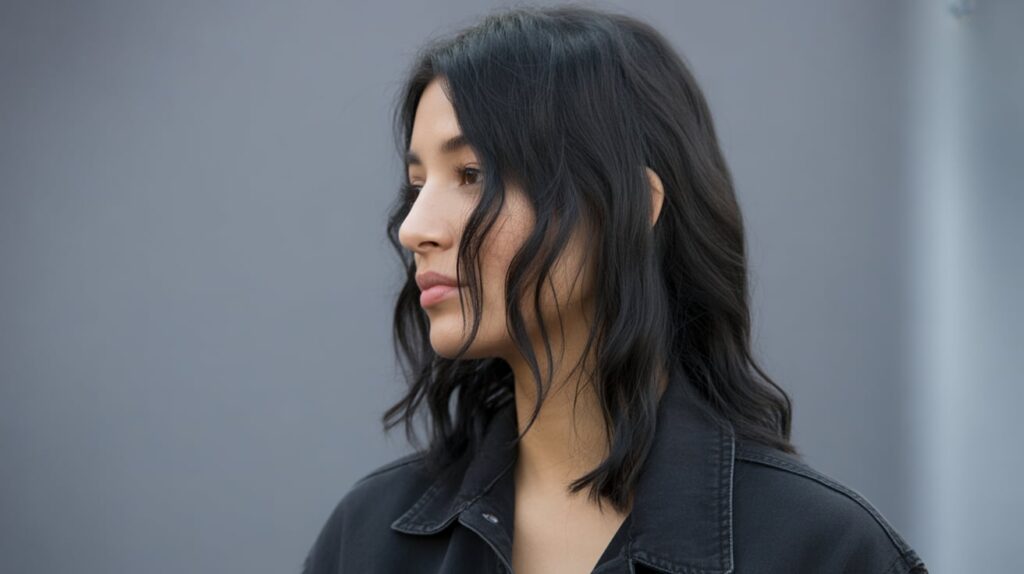
The deepest black shade available sits in a category of its own compared to standard black or natural black formulas. Many women assume all black dyes produce the same result, but the formulation differences are significant. Professional colorists understand these distinctions and select products accordingly, which explains why salon results often look noticeably different from at-home attempts.
Understanding Pigment Intensity and Formulation
Professional-grade formulas contain a higher concentration of direct dyes and pigment molecules. These molecules penetrate the hair shaft more effectively, creating that intense, inky finish. Drugstore versions often dilute their pigments or use fewer layers of color molecules, which leads to fading after just a few washes. The density of pigment in a professional formula also contributes to better gray coverage and more even saturation from root to tip.
Why Drugstore Black Often Looks Unnatural
Box dyes typically use a one-size-fits-all approach. They’re formulated to work on the widest range of hair types possible, which means they can’t account for your specific starting color, porosity, or texture. This generic formulation often results in hair that looks flat, overly matte, or even slightly blue-black in certain lighting. Professional formulas allow for customization, which creates a more natural-looking depth and dimension.
The Role of Undertones in Jet Black Shades
Not all black dyes are created with the same base undertones. Some lean cool with blue or violet bases, while others have warmer brown or red undertones. Choosing the wrong undertone for your skin tone can make your complexion look washed out or sallow.
Here are the main undertone categories to consider:
- Blue-Based Black: Creates a cool, almost midnight effect that complements pink or olive skin tones.
- Neutral Black: Works well on most skin tones and appears the most natural in various lighting conditions.
- Brown-Based Black: Adds subtle warmth and suits golden or yellow undertones in the skin.
- Violet-Based Black: Helps counteract any brassiness and gives hair extra shine.
How Professionals Assess Your Natural Hair First
Before applying any color, a professional examines the current state of your hair. They check for previous color treatments, damage levels, and porosity. Porosity refers to how well your hair absorbs and holds moisture and color. Highly porous hair (often from heat damage or chemical treatments) absorbs dye quickly but can also release it fast, leading to uneven results. Low porosity hair resists color absorption and may need longer processing times. This assessment determines which formula and developer strength will work best.
Choosing Between Permanent, Semi-Permanent, and Demi-Permanent Options
Each type of dye serves different purposes. Permanent color lifts the cuticle and deposits pigment inside the cortex, making it ideal for full gray coverage and long-lasting results. Semi-permanent formulas coat the outside of the hair shaft and wash out gradually over several weeks. Demi-permanent options fall in between, penetrating slightly into the cortex without ammonia.
For the deepest, most intense results, permanent formulas deliver the best outcome. However, if your hair is already damaged or you want to test the shade first, semi-permanent versions offer a lower-commitment option. The choice depends on your hair’s current condition and how long you want the color to last. Professional colorists often recommend starting with a demi-permanent formula if you’ve never gone this dark before, then transitioning to permanent once you’re confident in the shade.
Understanding these fundamental differences sets the foundation for everything that follows. The right product choice eliminates half the potential problems before you even open the bottle.
Professional Application Techniques for Flawless Results

Even the best hair dye formula can produce disappointing results with poor application technique. The way you apply color matters just as much as the product itself. Professional colorists spend years perfecting their methods, and many of these techniques translate directly to at-home use with practice and attention to detail.
Preparing Your Hair Before Dyeing
Preparation starts days before application. Avoid washing your hair for 24 to 48 hours before coloring. The natural oils on your scalp create a protective barrier that reduces irritation and helps the color process more evenly. However, skip heavy styling products during this time, as they can create a residue that blocks dye absorption.
If your hair has significant product buildup, use a clarifying shampoo three to four days before your color appointment. This removes residue without stripping away all the protective oils. Deep conditioning treatments should also happen several days prior rather than immediately before, as overly conditioned hair can become too slick for proper color penetration.
For those with previous color on their hair, a strand test is non-negotiable. Mix a small amount of your formula and apply it to an inconspicuous section. Process for the full recommended time, then rinse and dry to see the true result. This test reveals how your hair will react and whether adjustments are needed.
Sectioning Methods That Prevent Patchiness
Proper sectioning separates the amateurs from the professionals. Divide your hair into four main quadrants first: part down the center from forehead to nape, then from ear to ear across the crown. Clip each section securely out of the way.
Work with subsections no wider than half an inch. Larger sections lead to uneven saturation because the dye can’t reach all the strands equally. Starting at the nape and working upward keeps already-colored sections from dripping onto uncolored hair. This systematic approach also helps you track which areas you’ve completed.
Timing and Saturation Secrets
Professionals apply color generously. Skimping on product is one of the most common at-home mistakes. Each strand needs complete coverage for even results. If you can still see your natural hair color through the applied dye, you haven’t used enough product.
Timing depends on your starting point and hair type. The bottle instructions provide a baseline, but they don’t account for individual variables. Virgin hair (never colored) typically needs the full processing time. Previously colored hair or damaged strands may process faster and need reduced time to prevent over-processing. Check a small section at the minimum recommended time by wiping away the product and examining the color.
The Importance of Root-to-Tip Application Order
New growth and lengths require different approaches. For first-time applications on virgin hair, start at the mid-lengths and ends, leaving the roots for the last 10 to 15 minutes. The roots process faster due to heat from your scalp, so applying there first often results in roots that are darker than the rest of your hair.
For touch-ups on regrowth, the opposite approach works better. Apply only to the new growth first and process until nearly done. Then pull the remaining color through the lengths for just the final five to ten minutes to refresh the shade without over-depositing pigment on already-dark hair.
Rinsing and Sealing the Color Properly
Rinsing technique affects how long your color lasts and how shiny your hair looks. Start with lukewarm water and rinse until the water runs completely clear. Hot water opens the cuticle and allows color molecules to escape, while cold water helps seal everything in.
After rinsing out all the dye, apply a color-sealing conditioner and leave it on for the full recommended time. This step closes the cuticle layer, locking in pigment and adding shine. Some professionals add a few drops of apple cider vinegar to their final rinse to further flatten the cuticle and boost glossiness. Avoid shampooing for at least 48 hours after coloring to let the dye fully oxidize and set into the hair shaft.
Mastering these application techniques takes practice, but the results speak for themselves. Each step builds on the previous one, creating a process that minimizes errors and maximizes color payoff.
Best Professional-Grade Jet Black Hair Dye Products

Product selection can make or break your results. The formula you choose determines everything from color intensity to hair health after processing. Professional colorists rely on specific brands and ingredients that consistently deliver superior outcomes compared to mass-market alternatives.
Salon-Quality Brands Worth Investing In
Several professional lines stand out for their performance with the darkest shades. Wella Koleston Perfect offers rich, true-to-tone results with excellent gray coverage. The formulation includes conditioning agents that leave hair feeling soft rather than straw-like after processing. Redken Color Gels Lacquers provides a gel-based formula that clings to hair without dripping, making at-home application easier and less messy.
Schwarzkopf Igora Royal has a loyal following among professionals for its intense pigmentation and predictable results. The color payoff rivals what you’d get in a high-end salon. L’Oréal Professionnel Majirel provides another solid option with a creamy consistency that spreads evenly and a wide range of black shades with different undertones.
For those seeking ammonia-free alternatives, Madison Reed Radiant Hair Color delivers salon-quality results without harsh chemicals. Natulique Organic Hair Colour uses certified organic ingredients for those concerned about chemical exposure during frequent touch-ups.
Key Ingredients to Look For
Certain ingredients indicate a higher-quality formula:
- Hydrolyzed Proteins: Strengthen the hair shaft during processing and reduce breakage.
- Natural Oils: Ingredients like argan, coconut, or jojoba oil add moisture and shine.
- Ceramides: Help repair the cuticle layer and seal in color.
- Low Ammonia or Ammonia Alternatives: Reduce damage and unpleasant odors while still allowing proper color penetration.
- Antioxidants: Protect hair from oxidative stress during and after coloring.
Avoid formulas heavy in metallic salts, which can build up on the hair over time and cause unpredictable reactions with future color services.
Products That Minimize Damage
Color-depositing treatments with built-in bond builders offer protection during processing. Olaplex has become an industry standard for this purpose. Adding Olaplex No. 1 to your dye mixture and following with No. 2 after rinsing helps maintain hair integrity even with repeated coloring.
Pre-color treatments like Olaplex No. 0 or K18 Molecular Repair Service also prepare the hair by strengthening it before exposure to dye chemicals. These products work at a molecular level to repair broken bonds within the hair structure.
Post-color masks specifically formulated for color-treated hair help extend both the life of your color and the health of your strands. Look for products that combine protein and moisture, as colored hair needs both.
Developer Strength and What It Means for Your Hair
Developer, also called peroxide or activator, comes in different volumes: 10, 20, 30, and 40. Each serves a specific purpose. For deposit-only applications where you’re going darker without lifting, 10-volume works best. This lower strength opens the cuticle just enough to deposit pigment without causing unnecessary damage.
Twenty-volume developer lifts about one to two levels while depositing color, making it suitable when covering resistant grays or when your starting point is slightly lighter. Higher volumes (30 and 40) are rarely needed for black dye applications and can cause excessive damage without any benefit to the final color.
Mixing ratios also matter. Most professional colors use a 1:1 ratio (equal parts color and developer), but some brands specify different ratios. Always follow the manufacturer’s guidelines for the specific product you’re using.
Where to Purchase Professional Formulas
Beauty supply stores like Sally Beauty and CosmoProf carry professional lines without requiring a license. Online retailers including Amazon, Ulta, and brand-specific websites offer convenient access to salon-quality products. Some brands restrict certain items to licensed professionals, but many formulas are available to consumers.
When purchasing online, verify you’re buying from an authorized retailer. Counterfeit products or old stock can produce unpredictable results and may even damage your hair. Check expiration dates and batch numbers when possible.
Investing in professional-grade products costs more upfront but typically produces better results with less damage over time. The pigment quality, conditioning ingredients, and formulation precision justify the higher price point for anyone serious about achieving and maintaining truly beautiful black hair.
How to Maintain Jet Black Hair Color at Home

Getting the perfect shade is only half the battle. Maintaining that rich, glossy black requires ongoing effort and the right approach to daily hair care. The deepest black shows every flaw—fading, brassiness, dryness—more obviously than lighter colors, so consistent maintenance matters more than ever.
Washing Habits That Preserve Color
How often and how you wash your hair directly affects color longevity. Every shampoo strips away some color molecules along with oil and dirt. Washing every two to three days instead of daily helps the color last significantly longer. Dry shampoo becomes your best friend between washes, absorbing oil at the roots without requiring water.
Water temperature makes a difference too. Hot water opens the hair cuticle, allowing color to escape. Lukewarm water during shampooing and a cool or cold rinse at the end help keep the cuticle sealed. This simple adjustment can add an extra week or two to your color’s vibrancy.
When you do wash, focus shampoo on the scalp rather than the lengths. The suds running down during rinsing provide enough cleansing for the mid-lengths and ends without excessive color stripping. Apply conditioner from mid-shaft to ends, avoiding the roots to prevent limp, greasy-looking hair.
Products That Protect Against Fading
Color-safe shampoos and conditioners are non-negotiable. These formulas lack sulfates and harsh detergents that strip color quickly. Look for products specifically labeled for color-treated or dark hair.
Color-depositing conditioners and masks can refresh your shade between full dye applications. These products contain small amounts of direct dye that coat the hair and boost color intensity with each use. Brands like Overtone and Keracolor offer black options that maintain richness without commitment.
Leave-in treatments with UV protection prevent sun-induced fading. Just like skin, hair suffers from sun exposure. The UV rays break down color molecules and can cause black hair to develop reddish or brassy tones over time. Products containing UV filters or physical blockers like zinc oxide provide protection during outdoor activities.
Touch-Up Schedules and Techniques
Roots typically need attention every four to six weeks, depending on how fast your hair grows and how much contrast exists between your natural color and the dye. Gray hair at the temples or part line shows up especially fast against black and may need more frequent attention.
Root touch-up kits offer a convenient solution between full applications. These kits contain less product and focus on the regrowth area only. Applying color exclusively to the new growth prevents over-processing the previously colored lengths, which can lead to breakage and dullness.
Temporary root concealers—sprays, powders, or stick applicators—camouflage regrowth between dye sessions. These wash out with shampoo and cause no damage, making them perfect for extending time between touch-ups or covering stubborn grays before an event.
Protecting Your Hair from Sun and Heat Damage
Heat styling tools pose a double threat: they damage hair structure and accelerate color fading. Always use a heat protectant spray before flat ironing or blow drying. Look for products that specify protection up to at least 400 degrees Fahrenheit.
Lower heat settings get the job done without as much damage. Most hair types don’t need the highest temperature settings on styling tools. Experimenting with lower temperatures often produces the same results with less harm.
Swimming pools and salt water both wreak havoc on color-treated hair. Chlorine can turn black hair greenish, while salt water dries and dulls the cuticle. Wet your hair with fresh water before swimming—saturated hair absorbs less pool or ocean water. Follow up with a clarifying rinse and deep conditioning treatment after any water exposure.
Signs Your Color Needs Professional Attention
Sometimes at-home maintenance isn’t enough. Certain situations call for professional intervention:
- Multiple layers of old color causing buildup and unnatural darkness
- Uneven fading with visible bands of different shades
- Significant damage from over-processing
- Desire to change to a different shade or go lighter
- Allergic reactions or scalp irritation
A professional colorist can assess accumulated color and recommend corrective treatments. They have access to products and techniques that can safely remove excess pigment or repair damage without making things worse. Attempting color correction at home often leads to further problems that cost more to fix in the long run.
Maintaining this shade takes commitment, but the results reward the effort. That glossy, intense black that turns heads requires consistent care and attention to the small details that keep hair healthy and color fresh.
Common Mistakes That Ruin Jet Black Hair Dye Results
Even with quality products and good intentions, certain errors can sabotage your results. These mistakes range from skipping crucial preparation steps to misunderstanding how hair color chemistry works. Learning what to avoid saves time, money, and the health of your hair.
Skipping the Strand Test
Impatience causes this mistake more than anything else. A strand test takes about 30 extra minutes but provides invaluable information. This small investment of time shows you the exact result you’ll get—the final color, processing time needed, and how your hair reacts to the formula.
Without a strand test, you’re gambling. Your hair might grab color faster than expected, leaving you with a shade darker than intended. It might resist the dye and need longer processing. Previous color treatments or mineral deposits from hard water can cause unexpected reactions. The strand test reveals all of this on a small, hidden section rather than your entire head.
To perform the test correctly, mix a small amount of color and developer according to package directions. Apply to a half-inch section of hair behind your ear or at the nape. Process for the minimum recommended time, then check. If the color isn’t developed enough, continue checking every five minutes. Rinse, dry, and evaluate in natural light before proceeding with full application.
Using the Wrong Developer Volume
Choosing higher volume developer with the idea that it will produce more intense color is a common misconception. Higher volumes lift (lighten) more, not deposit more. For black dye, you want maximum deposit with minimal lift.
Using 30 or 40 volume with black dye causes unnecessary damage without improving results. It can also create a harsh, flat appearance rather than the dimensional depth that comes from proper formulation. Stick with 10 volume for deposit-only applications or 20 volume when covering resistant grays.
Overlapping Color on Previously Dyed Hair
Applying fresh dye over already-colored lengths during every touch-up causes progressive damage and color buildup. Each application opens and closes the cuticle, weakening the hair structure. Multiple layers of pigment also create an unnatural, oversaturated look that appears flat and lifeless.
The correct approach treats roots and lengths separately. Apply fresh color only to the new growth for most of the processing time. In the final five to ten minutes, dilute leftover color with conditioner or a color-safe shampoo and work it through the lengths just to refresh the shade. This method maintains color without the cumulative damage of repeated full applications.
Ignoring Your Hair’s Porosity
Porosity refers to your hair’s ability to absorb and retain moisture and color. High porosity hair has a raised, damaged cuticle layer that absorbs dye almost instantly but also releases it quickly. Low porosity hair has a tightly closed cuticle that resists absorption.
Processing hair without accounting for porosity leads to uneven results. Highly porous areas (usually the ends and any previously damaged sections) can turn almost blue-black while healthier areas remain lighter. Low porosity hair may need heat or longer processing time to achieve full saturation.
You can test porosity by placing a clean strand of hair in a glass of water. Hair that sinks quickly is highly porous. Hair that floats on top has low porosity. Hair that hovers in the middle has normal porosity. Adjust your technique based on results—more gentle handling and shorter times for high porosity, more product and patience for low porosity.
Not Protecting Your Skin and Clothing
Black dye stains intensely and lastingly. Without proper protection, you’ll end up with dark stains along your hairline, on your ears, and anywhere the product drips. These stains can take days to fade from skin and may permanently mark clothing, towels, and bathroom surfaces.
Apply a thick barrier cream (petroleum jelly works well) along your entire hairline, on your ears, and on the back of your neck before starting. Wear old clothes or a salon cape and use dark towels you don’t mind staining. Keep damp paper towels or cotton pads nearby to immediately wipe any drips on your skin before they set.
Stains on skin can be removed with rubbing alcohol, nail polish remover, or specialized color remover wipes. Act quickly—fresh stains come off much easier than ones that have had time to set. For stubborn stains, a paste of baking soda and dish soap gently exfoliates the affected area.
Avoiding these common pitfalls puts you ahead of most at-home colorists. Each mistake prevented means better color results and healthier hair long-term.
Your Path to Salon-Worthy Black Hair
The gap between professional results and at-home attempts comes down to knowledge and technique more than any special talent. Understanding the chemistry of black dye, selecting quality products with appropriate undertones, and following proven application methods puts salon-worthy results within reach for anyone willing to learn.
Proper preparation and maintenance extend the life of your color while protecting hair health. The darkest shade demands attention to detail—from developer strength to washing temperature—but rewards that effort with head-turning depth and shine. Small adjustments to your routine, like switching to color-safe products or lowering your water temperature, accumulate into significantly better results over time.
Frequently Asked Questions
Q: How long does professional-grade jet black hair dye last?
A: Professional formulas typically last six to eight weeks before significant fading occurs. Using color-safe products and washing less frequently can extend this timeframe by one to two additional weeks.
Q: Can I achieve jet black hair if my natural color is very light?
A: Yes, but the process requires extra care. Very light hair may need a filler application first to create a base for the black pigment to grab onto. Without this step, the color can fade quickly or turn greenish.
Q: Will black hair dye damage my hair?
A: All permanent color causes some structural change to the hair, but using professional products with conditioning ingredients and bond builders minimizes damage. Proper technique and avoiding over-processing also help maintain hair health.
Q: How often should I touch up my roots?
A: Most women need root touch-ups every four to six weeks, depending on growth rate and how much contrast exists between natural hair color and the dye. Gray coverage may require more frequent attention at the temples and part line.
Q: What undertone should I choose for my skin tone?
A: Cool pink or olive skin tones pair well with blue-based or neutral blacks. Warm golden or yellow undertones in the skin look best with brown-based or neutral black shades. Neutral black works on most skin tones.
Q: Can I go lighter after using jet black dye?
A: Going lighter from black requires a color removal or bleaching process that should be done professionally. At-home lightening attempts after black dye often result in orange tones, uneven results, and significant damage.
Q: Why does my black hair dye turn reddish after a few weeks?
A: Sun exposure, hard water minerals, and hot water washing can cause the top layer of pigment to fade, revealing warmer undertones beneath. Using UV protectant products and cooler water for rinsing helps prevent this issue.
Q: Is there a difference between jet black and natural black dye?
A: Yes. Jet black contains more blue or cool undertones and higher pigment concentration for an intense, inky result. Natural black has warmer undertones and slightly less pigment for a softer, more subdued appearance.
Q: How do I prevent black hair dye from staining my skin?
A: Apply petroleum jelly or a thick barrier cream along your hairline, ears, and neck before application. Wipe any drips immediately with a damp cloth. Remove set stains with rubbing alcohol or specialized color remover wipes.
Q: Can I mix jet black with another shade to customize my color?
A: Professional colorists frequently mix shades for customized results. You can add a small amount of a warmer or cooler black to adjust undertones. Keep ratios consistent with developer amounts when mixing multiple shades.

