

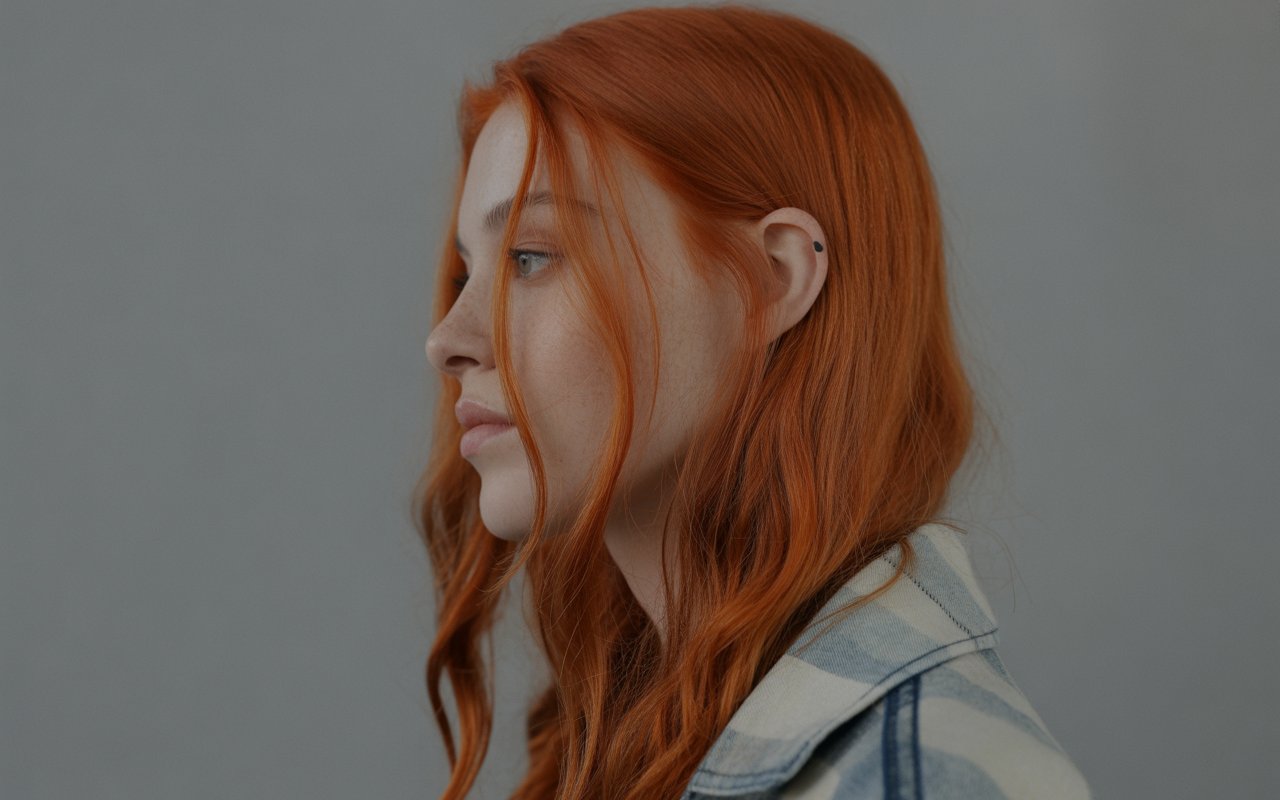
Natural red hair represents one of nature’s rarest gifts, occurring in only about two percent of the global population. This extraordinary hair color comes with its own unique set of characteristics that set it apart from every other shade on the spectrum. The distinctive copper undertones, varying from strawberry blonde to deep auburn, create a luminous quality that other hair colors simply cannot replicate. Yet with this beauty comes specific challenges that redheads face when styling their precious locks, challenges that mainstream hair care advice often overlooks entirely.
The texture of natural red hair tends to be coarser and more fragile than other hair types, requiring special attention and techniques to maintain its health and vibrancy. Many redheads struggle with common issues like rapid color fading, increased sensitivity to heat damage, and difficulty holding certain styles due to their hair’s unique protein structure. Environmental factors affect red hair differently too, with sun exposure and hard water causing more noticeable damage than they would to brunette or blonde strands. Understanding these distinctive qualities becomes essential for developing effective styling routines that work with, rather than against, your natural red hair’s inherent characteristics.
Throughout this comprehensive guide, you’ll discover professional styling secrets specifically tailored for natural redheads, from choosing the right products that preserve your color’s intensity to mastering heat-free techniques that protect your delicate strands. We’ll explore daily routines that maintain vibrancy, uncover the science behind why red hair behaves differently, and share insider tricks that hairstylists specializing in red hair use with their clients. Whether you’re blessed with fine, pin-straight copper strands or thick, curly auburn locks, these proven methods will transform how you approach styling your natural red hair, helping you achieve gorgeous results while keeping your unique color brilliant and your hair healthy.
Understanding Your Natural Red Hair’s Unique Texture
The science behind red hair texture
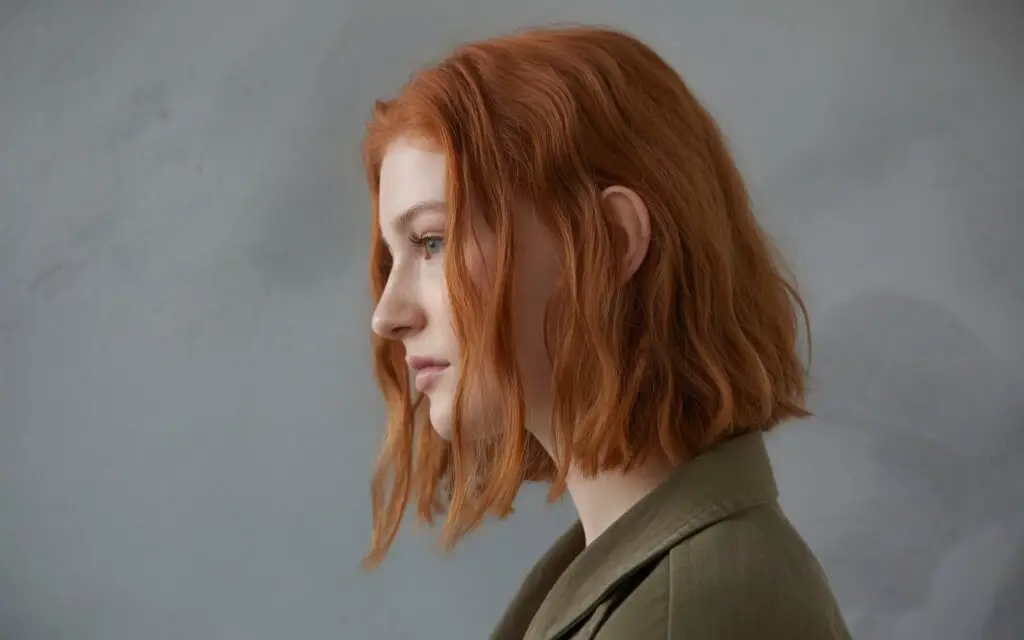
Natural red hair possesses a fundamentally different molecular structure compared to other hair colors, primarily due to variations in the MC1R gene that produces the distinctive red pigment called pheomelanin. This unique pigmentation affects not just the color but the entire composition of each strand, creating a hair shaft that’s typically thicker in diameter yet more prone to damage. The pheomelanin molecules are larger and more irregularly shaped than the eumelanin found in brown and black hair, causing the hair cuticle to lie differently and creating that characteristic texture that redheads know so well. Scientists have discovered that red hair contains fewer layers in the cuticle structure, which explains why it often feels coarser to the touch while simultaneously being more vulnerable to environmental damage.
Why red hair behaves differently
The behavioral differences in red hair extend far beyond simple aesthetics, affecting everything from how it responds to styling products to its reaction to humidity. Red hair typically contains less natural moisture than other hair colors because the irregular cuticle structure makes it harder for the hair shaft to retain hydration effectively. This explains why many redheads experience persistent dryness despite using moisturizing products that work wonderfully for their brunette friends. The unique protein bonds in red hair also mean it processes chemical treatments differently, often requiring adjusted processing times for perms, relaxers, or keratin treatments. Additionally, the lower density of hair follicles on redheaded scalps – averaging about 90,000 strands compared to 100,000 for brunettes and 120,000 for blondes – means each individual strand plays a more crucial role in creating overall volume and style.
Common texture variations in natural redheads
Natural redheads experience an impressive range of texture variations, from silky straight strands that refuse to hold a curl to tight spirals that seem to have a mind of their own. Fine-haired redheads often struggle with creating lasting volume, as their delicate strands tend to fall flat quickly despite their coarser feel. These individuals typically find their hair becomes weighed down easily by heavy products, requiring lightweight formulations specifically designed for fine hair. Medium-textured red hair, perhaps the most versatile category, can usually adapt to various styling methods but often experiences unpredictable behavior in different weather conditions. Thick, coarse red hair presents its own challenges, frequently appearing unruly or frizzy without proper management techniques. Curly redheads face the additional complexity of managing both their curl pattern and their color’s unique needs, often finding that products designed for curly hair don’t address the specific requirements of red pigments.
How to identify your specific hair type
Determining your exact red hair type requires careful observation of multiple factors beyond just thickness and curl pattern. Start by performing the strand test: take a single dry hair between your fingers and run them along its length – if you can barely feel it, you have fine hair; if it feels substantial but not wiry, you have medium hair; if it feels distinctly thick and textured, you have coarse hair. Next, assess your density by parting your hair and examining how much scalp is visible – less visible scalp indicates higher density. Porosity testing reveals how well your hair absorbs and retains moisture: place a clean, dry strand in a glass of water and observe whether it floats (low porosity), slowly sinks (normal porosity), or quickly sinks (high porosity). Understanding your curl pattern involves examining your natural, product-free hair when dry – straight red hair will have no discernible wave, while wavy patterns range from loose S-shapes to defined waves, and curly to coily patterns form spirals of varying tightness. Consider also your hair’s elasticity by gently stretching a wet strand – healthy elastic hair will stretch and return to its original length, while damaged hair will break or remain stretched.
Essential Styling Products That Protect Red Pigments
Color-safe heat protectants for redheads
Heat styling poses a particular threat to natural red hair, as the fragile pheomelanin molecules break down more rapidly under high temperatures than other hair pigments. Selecting the right heat protectant becomes crucial for maintaining both the health and vibrancy of red strands. Look for formulations containing silicones like cyclopentasiloxane or dimethicone, which create a protective barrier without leaving heavy residue that can dull red tones. Products enriched with UV filters provide dual protection against both heat damage and sun-induced fading, addressing two major concerns for redheads simultaneously. Natural ingredients like argan oil, grape seed extract, and green tea offer antioxidant benefits that help preserve color molecules while providing thermal protection up to 450 degrees Fahrenheit. Spray formulations work best for fine to medium red hair, distributing evenly without weighing down strands, while cream-based protectants suit thicker, coarser textures that need extra moisture alongside heat defense.
Moisturizers that prevent fading
The key to preventing color fade in natural red hair lies in maintaining optimal moisture levels, as dehydrated strands lose pigment molecules more rapidly through their compromised cuticle layer. Deep conditioning treatments containing ceramides and fatty acids help rebuild the hair’s natural lipid barrier, creating a seal that locks in both moisture and color molecules. Leave-in conditioners formulated with smaller molecular structures penetrate the coarse red hair shaft more effectively, providing continuous hydration throughout the day without creating buildup. Ingredients like shea butter, coconut oil, and glycerin attract and retain moisture, though redheads should use glycerin-based products sparingly in humid conditions to avoid frizz. Weekly moisture masks containing proteins like hydrolyzed keratin or silk amino acids strengthen the hair structure while delivering intensive hydration, preventing the brittleness that leads to color molecule loss. Consider rotating between protein-rich and moisture-rich treatments based on your hair’s current needs – over-proteinated hair becomes stiff and prone to breakage, while over-moisturized hair becomes limp and stretchy.
Styling creams that enhance natural shine
Red hair’s natural luminosity requires specific styling products that enhance rather than mask its inherent shine. Lightweight styling creams containing natural oils like jojoba or meadowfoam seed oil mimic the hair’s natural sebum, providing shine without the greasy appearance that heavier oils can create. Products with light-reflecting particles or mica can amplify red hair’s natural dimension, though these should be used sparingly to avoid an artificial appearance. Cream formulations with smoothing agents like cyclomethicone help lay the cuticle flat, increasing light reflection and reducing the fuzzy appearance that can diminish red hair’s brilliance. Anti-humidity ingredients like polyquaternium compounds create an invisible shield that maintains smoothness and shine even in challenging weather conditions. For styling versatility, choose creams that provide flexible hold rather than stiff control, allowing natural movement that showcases red hair’s unique color variations and undertones.
Setting products that won’t dull your color
Traditional hairsprays and gels often contain high levels of alcohol and polymers that create a film over hair strands, diminishing the natural vibrancy of red pigments. Modern setting products designed for color-treated hair use alternative holding agents that provide control without sacrificing shine or color intensity. Alcohol-free formulations prevent the drying effect that makes red hair appear dull and lifeless, while water-based gels offer hold without the crispy texture that obscures natural color variation. Sea salt sprays create texture and volume while maintaining the hair’s natural finish, though redheads should choose versions with added moisturizers to counteract salt’s drying effects. Mousse products formulated with conditioning agents provide volume and hold while actually enhancing shine, making them ideal for fine red hair that needs body without heaviness. Setting lotions containing botanical extracts and vitamins nourish hair while providing style memory, allowing red hair to maintain its shape without looking overstyled or artificial.
Heat-Free Styling Techniques That Preserve Your Color
Overnight styling methods for gorgeous waves
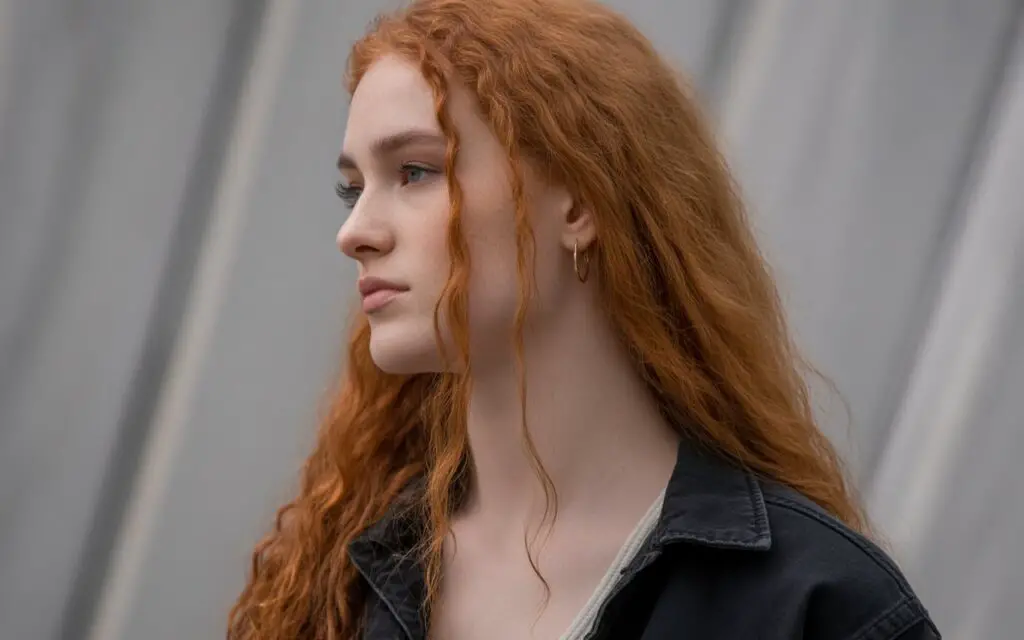
Creating beautiful waves without heat damage has become an art form that particularly benefits natural redheads seeking to preserve their delicate color. The classic overnight braid method works exceptionally well for red hair, as the coarser texture helps waves hold their shape longer than they would in finer hair types. Start with slightly damp hair treated with a lightweight mousse or curl-enhancing cream, then create loose braids positioned strategically based on where you want the waves to begin. For beachy, relaxed waves, try the twisted bun technique: divide damp hair into sections, twist each section tightly, then wrap into small buns secured with soft hair ties or bobby pins. The sock curl method delivers smooth, uniform waves by wrapping sections of hair around clean tube socks, starting at the ends and rolling up to the scalp before tying the sock ends together. Silk or satin pillowcases reduce friction during overnight styling, preventing frizz and maintaining the integrity of your wave pattern while you sleep. These methods not only eliminate heat damage but actually improve hair condition through gentle manipulation and extended moisture retention.
Braiding techniques for natural texture
Braiding offers endless possibilities for creating texture in red hair without compromising color vibrancy or hair health. The Dutch braid creates more defined waves than traditional braiding, as the inverted technique places more tension on the hair sections, resulting in crimped texture that starts closer to the scalp. Fishtail braids produce a unique zigzag pattern that looks particularly striking in red hair, where the color variations become more visible in the intricate weave pattern. Multiple small braids create tighter, more uniform waves, while fewer, larger braids produce looser, more natural-looking texture. The rope braid technique, involving twisting two sections of hair around each other, creates spiral-like waves that complement red hair’s natural tendency toward coarseness. Experiment with braid placement to achieve different effects: high braids create volume at the crown, side braids add asymmetrical interest, and low braids produce waves that start mid-length for a more sophisticated look.
Pin curl methods for vintage looks
Pin curls represent a timeless technique that works beautifully with red hair’s natural texture, creating everything from tight ringlets to soft, romantic waves. The traditional pin curl set involves wrapping small sections of damp hair around your fingers, then securing the resulting coil flat against your head with bobby pins or small clips. The direction you wrap determines the final look: clockwise creates curls that turn toward your face, while counterclockwise produces curls that flip away. Barrel curls, created by wrapping hair around foam rollers or even toilet paper tubes before pinning, produce larger, more uniform curls perfect for vintage Hollywood glamour. The standing pin curl technique, where curls are secured vertically rather than flat, creates incredible volume at the roots – particularly beneficial for fine-haired redheads seeking fuller styles. Setting pin curls with a light mist of setting lotion or diluted leave-in conditioner helps them last longer without the crunchiness associated with traditional setting products.
Twist-out styles for added volume
The twist-out method has gained popularity among redheads seeking to enhance their hair’s natural body and movement without heat styling tools. This technique involves twisting sections of damp hair tightly, allowing them to dry completely, then carefully unraveling for textured, voluminous results. Two-strand twists create defined S-shaped patterns that work particularly well for naturally wavy red hair, enhancing existing texture rather than fighting against it. Flat twists, positioned close to the scalp, generate impressive root lift while creating waves along the hair’s length – perfect for combating the flat roots that many redheads experience. The twist and pin method involves twisting sections away from the face and securing them temporarily, creating volume and gentle waves simultaneously. For maximum volume, try twisting hair in the opposite direction of its natural growth pattern, which forces strands to stand away from the scalp when released. Combining different twist sizes within one style creates natural-looking variation that mimics the dimensional quality of professionally styled hair.
Daily Styling Routines That Keep Red Hair Vibrant
Morning refresh techniques
Reviving red hair each morning without washing requires strategic techniques that restore style while preserving color and moisture. A homemade refresh spray combining distilled water with a few drops of leave-in conditioner and essential oils can revitalize second or third-day hair without adding product buildup. The scrunching method works wonders for bringing back wave and curl definition: lightly mist hair with refresh spray, then gently scrunch from ends to mid-length, avoiding the roots to prevent greasiness. For straight styles, the wrap method involves loosely wrapping hair around your head, securing with bobby pins for just five minutes while you complete your morning routine, resulting in smooth, refreshed strands. Dry shampoo specifically formulated for red hair – often tinted to avoid white cast – absorbs excess oil at the roots while adding volume and extending your style another day. The prayer hands method, where you smooth a tiny amount of serum between palms and gently press them over the hair surface, tames flyaways and restores shine without disturbing your style’s foundation.
Mid-day touch-up secrets
Red hair tends to lose its styled shape faster than other hair colors due to its unique texture, making mid-day maintenance essential for all-day polish. Carrying a small spray bottle filled with water and a drop of conditioner allows quick reactivation of styling products without adding more product weight. The finger coil technique revives individual curls or waves that have fallen flat: simply wrap the section around your finger, hold for a few seconds, then release for renewed definition. Static and frizz, common afternoon problems for redheads, respond well to running a dryer sheet lightly over the hair surface or using a metal comb to discharge static electricity. For volume revival, flip your head upside down and gently massage the scalp with your fingertips, then flip back up and smooth the top layer – this redistributes natural oils and lifts roots without disrupting your style. A tiny amount of hair oil applied only to the ends prevents the dry, frayed appearance that red hair can develop throughout the day, maintaining that fresh-styled look.
Evening care routines
Establishing an evening hair care routine protects red hair from overnight damage while preparing it for the next day’s styling. Gentle detangling with a wide-tooth comb or wet brush, starting from the ends and working upward, removes the day’s tangles without causing breakage that could lead to frizz. Applying a small amount of leave-in treatment or hair oil to the lengths and ends provides overnight nourishment, allowing you to wake up with softer, more manageable hair. The protective styling approach involves loosely securing hair in a high, soft bun or braid to prevent tangling and friction against your pillow, which can cause both damage and color fade. Silk or satin scrunchies prevent the creasing and breakage that elastic bands can cause, maintaining your hair’s integrity while you sleep. For those planning to style their hair the following morning, sectioning hair and applying specific products for your intended style – like curl cream for waves or smoothing serum for straight looks – allows products to penetrate overnight for better results.
Weekend deep treatment styling
Weekends provide the perfect opportunity for intensive treatments that restore red hair’s health and vibrancy while simultaneously styling. Hot oil treatments using color-safe oils like argan or marula penetrate deeply when left on for extended periods, and the treated hair can be braided or twisted to create heat-free waves while conditioning. Protein treatments followed by moisturizing masks address red hair’s dual needs for strength and hydration – apply the protein treatment first, rinse, then follow with moisture for balanced results. The steam treatment method involves applying a deep conditioner, covering with a shower cap, and wrapping with a warm towel, allowing the heat to open cuticles for maximum product penetration. During treatment time, hair can be styled in pin curls or braids, essentially multitasking by conditioning while setting your style for the week ahead. Clay masks designed for hair remove product buildup and environmental pollutants that dull red hair’s natural shine, leaving strands refreshed and ready for styling without the stripping effect of clarifying shampoos.
Professional Styling Tricks Adapted for Home Use
Salon blow-dry techniques at home
Mastering the salon-quality blow-dry at home transforms how red hair looks and feels, creating smooth, polished styles that last for days. The professional technique starts with properly sectioning damp hair into manageable portions using clips, working from the bottom layers upward to ensure every strand receives equal attention and heat distribution. The tension method involves pulling each section taut with a round brush while directing the airflow down the hair shaft, which smooths the cuticle and enhances red hair’s natural shine. Cool shot bursts after heating each section set the style and seal the cuticle, locking in smoothness and preventing humidity from causing frizz later. The root lift technique involves directing air at the roots while lifting sections perpendicular to the scalp, creating volume that lasts without teasing or damaging products. For red hair’s delicate nature, professionals recommend using medium heat with a concentrator nozzle attachment, which provides controlled airflow that styles effectively without excessive heat exposure.
Creating long-lasting curls
Professional stylists use specific techniques to ensure curls last in red hair, which often struggles to maintain curl due to its weight and texture. The foundation begins with proper prep using a volumizing mousse at the roots and curl-enhancing cream through the lengths, creating grip and memory in the hair structure. The direction alternation technique involves curling sections toward and away from the face in an alternating pattern, creating natural-looking movement that prevents curls from clumping together. Setting each curl immediately after curling by pinning it in a coiled position against the head allows it to cool completely in the curled shape, dramatically extending longevity. The barrel size variation method uses different sized curling tools throughout the head – smaller at the crown for volume, larger around the face for softer framing – creating dimension that looks effortlessly professional. Breaking up the curls properly involves waiting until hair is completely cool, then gently separating curls with fingers coated in a tiny amount of serum, maintaining definition while creating fuller, more natural-looking results.
Achieving sleek, straight styles
Creating glass-like straight hair requires techniques that work with red hair’s naturally coarse texture rather than against it. The chase method involves following a brush with the flat iron, maintaining consistent tension and speed for uniform results without repeatedly passing over sections. Professionals recommend using the flat iron at a 45-degree angle rather than perpendicular to the hair, which creates subtle bend at the roots that prevents the severe, flat appearance that can make red hair look lifeless. The single-pass rule protects red hair from excessive heat damage by ensuring each section receives only one careful pass with the iron, requiring lower temperatures and slower movement for effectiveness. The cool-down period between sections allows the hair’s hydrogen bonds to reset in their new formation, creating longer-lasting straightness without excessive heat exposure. Finishing techniques include running a wide-tooth comb through the completely cooled hair to blend sections seamlessly, then applying a lightweight shine spray from mid-length to ends for that glossy, professional finish.
Volume-boosting methods
Professional volume techniques adapted for home use can transform flat red hair into full, bouncy styles without damaging teasing or excessive product use. The reverse blow-dry method involves flipping hair upside down during the initial drying phase, lifting roots away from the scalp while they’re most malleable for natural, lasting volume. Root clipping techniques use small clips placed strategically at the crown while hair is still warm from styling, creating lift that remains after clips are removed and hair has cooled. The zigzag part method prevents hair from falling flat by creating an irregular part that forces hair to stand up rather than lie flat against the scalp. Velcro rollers placed just at the crown while you finish your makeup routine provide professional-level volume without the commitment of a full roller set. The backcombing alternative involves gently teasing only the underside of the top sections, preserving the smooth outer layer while creating invisible support structure that maintains volume throughout the day.
Conclusion
Mastering the art of styling natural red hair requires understanding and working with its unique characteristics rather than fighting against them. The techniques and secrets shared throughout this guide demonstrate that beautiful, healthy red hair styles don’t require expensive salon visits or damaging processes that fade your precious color. By choosing the right products designed to protect pheomelanin pigments, embracing heat-free styling methods, and establishing consistent care routines, you can achieve professional-looking results while maintaining your hair’s health and vibrancy. The key lies in patience, practice, and recognizing that red hair’s distinctive texture and behavior actually offer creative opportunities rather than limitations.
Your natural red hair represents a rare and beautiful feature that deserves specialized care and attention. Armed with these professional techniques adapted for home use, you now have the knowledge to create stunning styles that enhance your hair’s natural brilliance while protecting it from damage. Whether you prefer sleek and sophisticated looks or romantic waves and curls, these methods ensure your red hair remains vibrant, healthy, and absolutely gorgeous. Remember that finding the perfect routine for your specific hair type may take experimentation, but the results – lustrous, vibrant red hair that turns heads and defies fading – make the journey worthwhile. Embrace your unique red hair, celebrate its special qualities, and enjoy the confidence that comes from knowing exactly how to make it look its absolute best every single day.
Frequently Asked Questions
Q: How often should I wash my natural red hair to maintain its vibrancy and health?
A: Natural red hair typically benefits from washing just 2-3 times per week, as overwashing strips away natural oils that protect the hair and help maintain color vibrancy. The coarse texture of red hair actually allows it to go longer between washes without appearing greasy, and this reduced washing frequency helps preserve both the hair’s moisture and its distinctive color.
Q: Can I use purple shampoo on my natural red hair like blondes do?
A: Purple shampoo isn’t suitable for natural red hair as it’s designed to neutralize yellow tones, which could actually dull your red’s warmth and vibrancy. Instead, use color-depositing shampoos with red or copper tones, or stick to sulfate-free formulas designed specifically for color-treated hair to maintain your natural red’s brilliance.
Q: Why does my red hair lose its style faster than my friends with different hair colors?
A: Red hair typically has a coarser texture but lower density than other hair colors, meaning fewer strands must support the entire style. Additionally, the unique protein structure in red hair makes it less responsive to traditional holding products, requiring specialized techniques and products designed for coarse, color-treated hair to maintain styles effectively.
Q: What’s the maximum heat setting I should use on my styling tools for red hair?
A: Keep styling tools at or below 350°F (175°C) for red hair, as the fragile pheomelanin pigments break down more quickly under high heat than other hair pigments. Fine red hair may need even lower temperatures around 300°F (150°C), while thicker textures can handle up to 375°F (190°C) with proper heat protectant application.
Q: How can I add volume to my fine red hair without using damaging teasing techniques?
A: Use root-lifting sprays applied to damp hair, blow-dry with your head upside down, and try velcro rollers at the crown while your hair cools. Dry shampoo at the roots also adds texture and lift, while the reverse blow-dry technique and strategic placement of bobby pins can create lasting volume without the damage of backcombing.
Q: Is it true that red hair is more prone to becoming brassy or orange-toned?
A: Natural red hair doesn’t become brassy in the traditional sense since it already contains warm tones, but it can develop unwanted orange hues from sun exposure, hard water minerals, or wrong products. Combat this with clarifying treatments monthly, UV protection products, and avoiding purple-based toners that can muddy your natural red tones.
Q: Should I use different styling products in summer versus winter for my red hair?
A: Absolutely – summer requires lighter formulations with UV protection and anti-humidity properties to combat frizz and sun fade, while winter calls for richer, more moisturizing products to combat static and dryness from indoor heating. Adjust your product weights seasonally, using serums and light creams in summer, switching to heavier creams and oils in winter.
Q: What’s the best way to refresh my red curls without completely rewetting them?
A: Mix water with a small amount of leave-in conditioner in a spray bottle, lightly mist your curls, then scrunch gently to reactivate the curl pattern. The prayer hands method with a tiny amount of curl cream can also revive definition, while finger-coiling individual pieces that have lost their shape brings back bounce without disturbing the overall style.

