

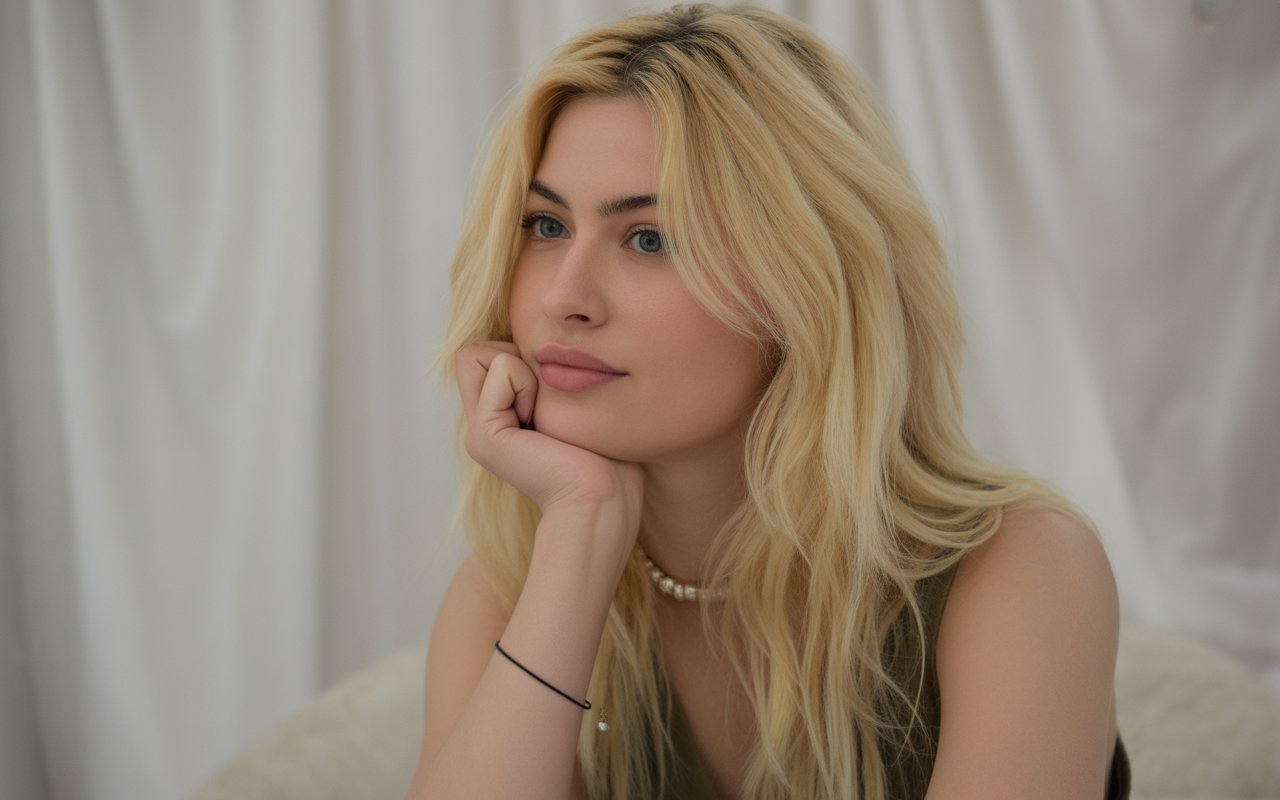
Natural blonde hair possesses a unique beauty that requires specialized care to maintain its luminous appearance and healthy texture. The delicate structure of blonde strands makes them more vulnerable to damage, dryness, and unwanted color changes than darker hair types. Understanding these specific needs transforms the difference between lifeless, brassy locks and the kind of gleaming blonde hair that turns heads wherever you go.
Many women with natural blonde hair struggle with common issues like dullness, breakage, and that dreaded yellow or orange tint that develops over time. These challenges stem from blonde hair’s naturally finer texture and lower melanin content, which provides less protection against environmental stressors. The good news is that with the right approach and consistent care, maintaining gorgeous natural blonde hair becomes surprisingly manageable.
Creating an effective blonde hair care routine doesn’t require expensive salon treatments or complicated procedures. The key lies in understanding what your hair truly needs and implementing targeted strategies that address blonde hair’s specific vulnerabilities. This comprehensive guide will walk you through proven methods, essential products, and practical techniques that actually deliver results for natural blonde hair.
Why Natural Blonde Hair Needs Special Care
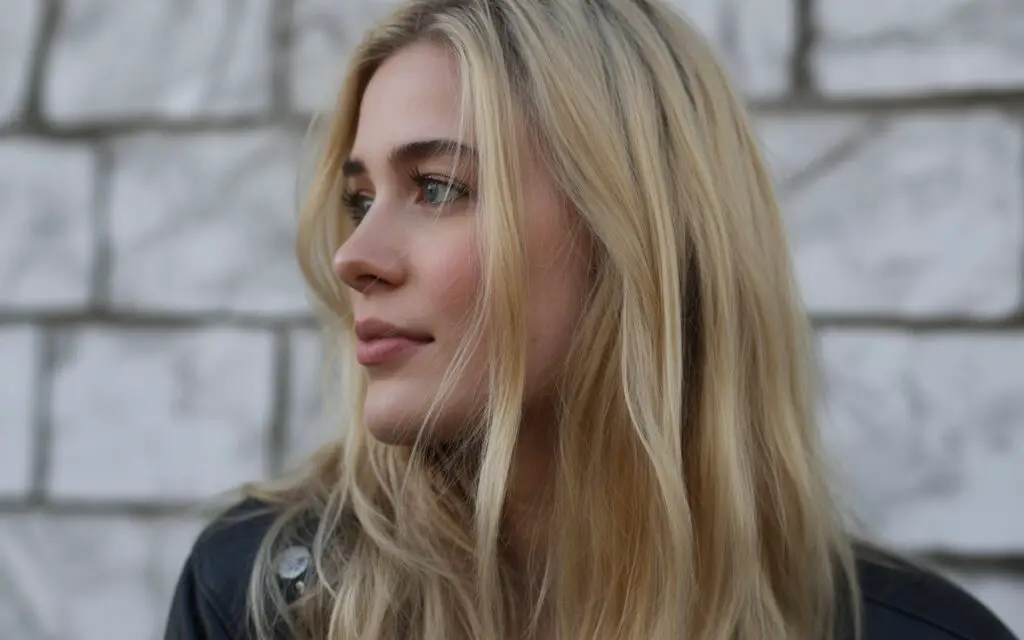
Natural blonde hair contains less melanin than darker shades, which fundamentally changes how it responds to environmental factors and daily styling. This lower pigment concentration means blonde strands have less natural protection against UV rays, pollution, and heat damage. The hair shaft itself tends to be finer and more porous, allowing moisture to escape more easily while also absorbing unwanted minerals and chemicals from water and the environment.
The delicate structure of blonde hair strands
Blonde hair strands typically measure smaller in diameter compared to darker hair, making them inherently more fragile. This finer texture creates beautiful movement and softness but also means each strand bends and breaks more easily under stress. The cuticle layer, which protects the inner hair structure, often lies flatter on blonde hair, contributing to its characteristic shine but also making it more susceptible to damage from friction and manipulation.
Environmental factors that affect blonde hair
Sun exposure affects blonde hair differently than darker shades, often causing it to become dry, brittle, and discolored. UV rays break down the hair’s protein structure while oxidizing any remaining pigments, leading to that unwanted brassy appearance. Hard water presents another challenge, as minerals like copper and iron readily bind to blonde hair’s porous structure, creating greenish or orange tints that seem impossible to remove.
How blonde hair differs from darker hair types
Beyond the obvious color difference, blonde hair processes products and treatments differently than brunette or black hair. The lower melanin content means blonde hair absorbs products more readily but also releases moisture faster. This creates a constant balancing act between providing enough hydration without weighing down the delicate strands. Blonde hair also shows damage more visibly, with split ends and breakage appearing more pronounced against the lighter background.
Signs your blonde hair needs better care
Pay attention when your blonde hair starts feeling rough or straw-like to the touch, as this indicates severe moisture loss. Increased tangling, especially when wet, suggests cuticle damage that requires immediate attention. If your hair appears dull even after washing or develops an unwanted warm tone despite no chemical processing, your current routine isn’t meeting your hair’s needs. Static electricity and excessive frizz also signal that your blonde locks desperately need more targeted care.
Essential Products for Natural Blonde Hair Care

Building an effective blonde hair care arsenal starts with understanding which products genuinely benefit lighter hair versus those that simply claim to. The market overflows with blonde-specific products, but knowing what actually works saves both money and hair health. Quality matters more than quantity when selecting products for delicate blonde strands.
Purple shampoos and their proper use
Purple shampoo serves as the cornerstone of blonde hair maintenance, neutralizing unwanted yellow and brassy tones through color theory principles. The violet pigments counteract warm tones, but using purple shampoo incorrectly can leave hair looking ashy or even slightly purple. Start with once-weekly use, leaving the product on for two to three minutes before thoroughly rinsing. Adjust frequency based on your hair’s response, but never use purple shampoo as your daily cleanser, as this strips essential oils and causes excessive dryness.
Moisturizing treatments specifically for blonde hair
Blonde hair requires lightweight yet intensive moisture treatments that hydrate without creating buildup or dulling shine. Look for leave-in treatments containing hyaluronic acid, which holds moisture without heaviness, or products with silk proteins that smooth the cuticle while adding strength. Weekly hair masks formulated with ceramides help rebuild the hair’s lipid barrier, essential for maintaining moisture in porous blonde strands. Avoid heavy oils like castor or olive oil, which can weigh down fine blonde hair and attract environmental pollutants.
Heat protectants tailored for lighter hair
Heat styling poses particular risks to blonde hair, making quality heat protection absolutely essential. Select thermal sprays containing silicones that create a protective barrier without yellowing or dulling blonde tones. Products with added UV filters provide dual protection against both styling tools and sun damage. Apply heat protectant to damp hair before blow-drying and again on dry hair before using hot tools, focusing on mid-lengths and ends where damage accumulates most.
Best ingredients to look for in blonde hair products
Seek out products containing violet or blue pigments for tone correction, alongside nourishing ingredients like keratin, collagen, and amino acids. Chamomile extract naturally brightens blonde tones while providing anti-inflammatory benefits to the scalp. Citric acid helps remove mineral buildup without stripping color, while panthenol strengthens hair structure and adds shine. Products with natural oils like argan or jojoba provide necessary moisture without the heaviness that weighs down fine blonde strands.
Products to avoid that can damage blonde hair
Steer clear of shampoos containing sulfates, which strip natural oils and fade blonde tones while increasing porosity. Products with high alcohol content cause severe dryness and brittleness in already delicate blonde hair. Avoid anything containing metallic salts or henna, which can react unpredictably with blonde hair and cause unwanted color changes. Heavy styling products with waxes or petroleum-based ingredients create buildup that dulls blonde hair’s natural luminosity and attracts dirt and pollution.
Daily and Weekly Care Routine Steps
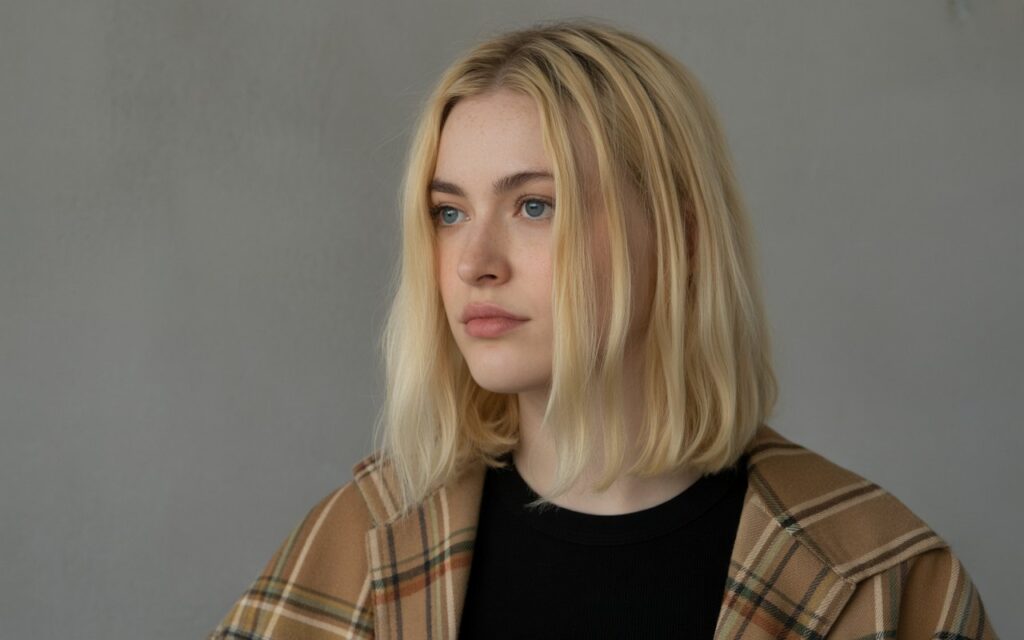
Establishing consistent daily and weekly routines creates the foundation for healthy, beautiful blonde hair. The key lies in balancing cleansing with protection while avoiding over-manipulation of delicate strands. Every step in your routine should serve a specific purpose in maintaining your blonde hair’s health and appearance.
Morning hair care routine for blondes
Start your morning routine by gently detangling hair with a wide-tooth comb, working from ends to roots to minimize breakage. Apply a lightweight leave-in conditioner or hair serum to damp or dry hair, focusing on mid-lengths and ends while avoiding roots to prevent greasiness. If heat styling, always apply thermal protection first and use the lowest effective temperature setting. For air-drying days, scrunch in a curl-enhancing cream or smoothing serum depending on your desired style, then allow hair to dry naturally whenever possible.
Evening maintenance practices
Night-time care prevents damage while you sleep and prepares hair for the next day. Gently brush hair with a boar bristle brush to distribute natural oils from scalp to ends, promoting shine and moisture retention. Switch to a silk or satin pillowcase to reduce friction and prevent tangles and breakage. For longer hair, loosely braid or twist hair into a soft bun secured with a silk scrunchie to prevent matting. Apply a few drops of hair oil to the very ends if they feel particularly dry, allowing overnight absorption.
Weekly deep conditioning treatments
Schedule a weekly deep conditioning session as non-negotiable blonde hair maintenance. After shampooing, apply a protein-moisture balanced mask from mid-lengths to ends, using a wide-tooth comb to ensure even distribution. Cover hair with a shower cap and apply gentle heat from a hair dryer for five minutes to enhance penetration. Leave the treatment on for 15-20 minutes before rinsing with cool water to seal the cuticle. This weekly ritual dramatically improves hair texture, shine, and manageability throughout the week.
How often to wash natural blonde hair
Blonde hair typically benefits from washing every three to four days, allowing natural oils to condition and protect the delicate strands. Over-washing strips essential moisture and can increase brassiness by exposing hair to minerals in tap water. On non-wash days, use dry shampoo specifically formulated for blonde hair to absorb excess oil without leaving white residue or dulling color. Extend time between washes by sleeping with hair in protective styles and avoiding touching hair throughout the day.
Proper techniques for drying and styling
Squeeze excess water from hair using a microfiber towel instead of rubbing, which causes friction and frizz. Apply products to damp, not soaking wet hair for better absorption and distribution. When blow-drying, use medium heat and keep the dryer moving constantly to prevent heat damage to any one section. Always direct airflow down the hair shaft to smooth cuticles and enhance shine. Finish with a blast of cool air to set your style and seal the cuticle for maximum glossiness.
Protecting Natural Blonde Hair from Damage
Prevention remains infinitely easier than repairing damaged blonde hair, making protective strategies essential to your routine. Environmental aggressors constantly threaten blonde hair’s integrity, but simple protective measures can dramatically reduce damage accumulation. Understanding what harms blonde hair allows you to create effective barriers against these threats.
Sun protection strategies for blonde hair
UV rays pose significant threats to blonde hair, breaking down proteins and oxidizing pigments into unwanted warm tones. Wear wide-brimmed hats during peak sun hours and apply leave-in products containing SPF specifically formulated for hair. Create your own protective spray by mixing water with a small amount of sunscreen in a spray bottle for beach days. Consider using hair products with antioxidants like vitamin E and green tea extract, which neutralize free radical damage from sun exposure.
Swimming and chlorine protection methods
Chlorine binds readily to blonde hair’s porous structure, creating that dreaded greenish tint swimmers know too well. Before swimming, thoroughly wet hair with fresh water and apply a protective leave-in conditioner to create a barrier. Wear a swimming cap when possible, or immediately rinse hair with fresh water after swimming. Keep a clarifying treatment specifically designed for removing chlorine and minerals in your routine if you swim regularly, using it within hours of pool exposure for best results.
Heat styling tips to prevent damage
Set all heat tools to the lowest effective temperature, typically no higher than 300°F for blonde hair’s delicate structure. Invest in quality tools with ceramic or tourmaline plates that distribute heat evenly and reduce hot spots. Never use heat tools on wet or damp hair unless specifically designed for wet styling, as this causes severe structural damage. Limit heat styling to three times per week maximum, embracing natural textures and heatless styling methods on alternate days.
Natural remedies for blonde hair health
Incorporate natural treatments that nourish blonde hair without unwanted color alterations or buildup. Rinse hair with cooled chamomile tea after shampooing to naturally brighten blonde tones while soothing the scalp. Create a monthly treatment with mashed avocado and honey for deep moisture without heaviness. Apple cider vinegar diluted in water makes an excellent clarifying rinse that removes buildup while sealing cuticles for enhanced shine. These gentle, natural approaches complement your regular routine without harsh chemicals.
Seasonal adjustments to your routine
Winter’s dry air requires increased moisture through heavier conditioners and weekly oil treatments to combat static and brittleness. Summer demands stronger UV protection and more frequent clarifying treatments to combat sun, salt, and chlorine exposure. Spring’s humidity calls for anti-frizz products and lighter formulations that won’t weigh hair down. Fall presents the perfect time for strengthening treatments to repair summer damage and prepare for winter’s harsh conditions. Adapting your routine to seasonal challenges ensures year-round blonde brilliance.
Maintaining Shine and Preventing Brassiness
The hallmark of healthy blonde hair lies in its luminous shine and pure, cool-toned color that catches light beautifully. Achieving and maintaining this requires understanding the science behind what causes dullness and discoloration in blonde hair. With targeted approaches, you can keep your blonde hair looking salon-fresh between appointments.
Understanding why blonde hair turns brassy
Brassiness develops when underlying warm pigments become visible through the blonde hair’s structure, often triggered by oxidation from environmental exposure. Minerals in tap water, particularly iron and copper, deposit on hair’s porous surface, creating orange and yellow tones. Heat styling accelerates this oxidation process, while sun exposure breaks down cool-toned molecules faster than warm ones. Product buildup can also create a yellowish cast by attracting and holding environmental pollutants against the hair shaft.
Natural ways to enhance blonde tones
Lemon juice, when used correctly, provides gentle, natural highlighting that enhances existing blonde tones without harsh chemicals. Mix fresh lemon juice with conditioner rather than applying it straight, which prevents excessive drying while still allowing gradual brightening. Honey contains trace amounts of hydrogen peroxide that subtly lighten hair while providing moisture and shine. Sun exposure after applying these natural lighteners amplifies their effects, but always follow with deep conditioning to counteract any drying effects.
DIY treatments for glossy blonde hair
Create a gloss-boosting rinse by mixing two tablespoons of apple cider vinegar with one cup of cool water, applying after shampooing for incredible shine. A weekly beer rinse might sound unusual, but the proteins and B vitamins strengthen hair while the natural sugars enhance shine. Mix equal parts coconut milk and aloe vera gel for a deeply moisturizing mask that doesn’t weigh down fine blonde hair. These kitchen remedies provide salon-worthy results without the salon price tag or harsh chemical exposure.
When and how to use toning treatments
Professional toning treatments every six to eight weeks help maintain optimal blonde color, but at-home maintenance between visits keeps brassiness at bay. Purple or blue-toned masks used weekly provide gentle, gradual toning without the commitment of permanent color. Time these treatments carefully – leaving them on too long creates an ashy or grayish cast that looks unnatural. Start with the manufacturer’s minimum recommended time and gradually increase if needed, always erring on the side of caution with blonde hair’s unpredictable absorption rate.
Diet and lifestyle factors for healthy blonde hair
Internal health significantly impacts blonde hair’s appearance, with proper nutrition providing the building blocks for strong, shiny strands. Increase protein intake through lean meats, eggs, and legumes to support keratin production essential for hair structure. Omega-3 fatty acids from fish, walnuts, and flaxseed enhance shine and reduce inflammation that can affect hair growth. Stay hydrated with at least eight glasses of water daily, as dehydration immediately shows in blonde hair through increased dullness and brittleness. B-vitamins, particularly biotin, support hair growth and strength, while vitamin C aids in collagen production crucial for hair health.
Conclusion
Mastering a natural blonde hair care routine requires patience, consistency, and understanding of your hair’s unique needs. The strategies outlined here provide a comprehensive approach to maintaining healthy, vibrant blonde hair without constant salon visits or expensive treatments. Remember that every blonde’s hair responds differently to products and techniques, so adjust these recommendations based on your individual results and preferences.
The journey to perfect blonde hair care becomes less overwhelming when you focus on prevention rather than correction. By implementing these daily practices, weekly treatments, and protective measures, you’ll notice significant improvements in your hair’s texture, shine, and overall health within just a few weeks. Your natural blonde hair deserves specialized attention, and with this routine, you’re equipped to give it exactly what it needs to thrive.
Frequently Asked Questions
Q: How long does it take to see results from a new blonde hair care routine?
A: Most people notice improvements in hair texture and manageability within 2-3 weeks of consistent routine application. Significant changes in shine, strength, and color tone typically become apparent after 4-6 weeks of dedicated care.
Q: Can I use regular shampoo instead of purple shampoo for my blonde hair?
A: Yes, you should primarily use a gentle, sulfate-free regular shampoo for daily washing. Purple shampoo should only be used once or twice weekly as a toning treatment, not as your primary cleanser.
Q: Why does my blonde hair feel dry no matter how much conditioner I use?
A: Blonde hair’s porous nature means it loses moisture quickly. You might be using products that are too heavy or not suited for your hair type. Focus on lightweight, hydrating products and ensure you’re not over-washing, which strips natural oils.
Q: Is it normal for blonde hair to change color throughout the year?
A: Absolutely. Natural blonde hair often appears lighter in summer due to sun exposure and darker in winter months. Environmental factors, water quality, and seasonal humidity changes all influence how your blonde hair looks throughout the year.
Q: Should I avoid heat styling completely to protect my blonde hair?
A: Complete avoidance isn’t necessary, but limiting heat styling to 2-3 times weekly significantly reduces damage. Always use heat protectant products and keep tools at 300°F or below for blonde hair.
Q: How can I tell if my blonde hair has too much protein or moisture?
A: Over-proteinated hair feels stiff, brittle, and breaks easily. Over-moisturized hair feels mushy, stretches excessively when wet, and lacks bounce. Blonde hair needs a careful balance between protein and moisture treatments.
Q: What’s the best way to grow out natural blonde hair without it looking brassy?
A: Regular toning treatments every 6-8 weeks, combined with purple shampoo maintenance and protective styling, keeps blonde hair looking fresh during the growing process. Focus on hair health through proper nutrition and minimal heat styling to encourage strong growth.
Q: Can swimming in the ocean damage blonde hair like chlorine does?
A: Salt water can dry out blonde hair and potentially lighten it further, but it doesn’t cause the green tint associated with chlorine. Always rinse hair immediately after ocean swimming and follow with a moisturizing treatment.

