

Key Takeaways
- Know your hair type and porosity before purchasing products, as understanding your specific hair characteristics (texture, density, and porosity) determines which products and techniques will work best for you.
- Build a product arsenal with essentials including a gentle cleanser, deep conditioner, leave-in moisturizer, oils for sealing, and styling products tailored to your hair’s needs.
- Establish a consistent wash day routine that includes pre-pooing (optional), proper shampooing, deep conditioning, gentle detangling, and setting your style for the week ahead.
- Protect your hair daily with morning refresh techniques, a nighttime routine using satin/silk materials, and low-manipulation protective styles that promote length retention.
- Avoid common beginner mistakes like product overload, excessive heat, ignoring moisture-protein balance, and over-manipulating your hair—patience and consistency are key to healthy hair growth.
- Less is often more when starting your natural hair journey; focus on mastering basic techniques and understanding your hair’s unique needs before experimenting with complex routines.
Starting your natural hair journey can feel overwhelming with countless products, techniques, and opinions flooding social media. Natural black hair, with its beautiful coils and kinks, requires specific care that differs significantly from other hair textures. The key lies in understanding your hair’s specific needs rather than following every trending routine you see online.
Many women transitioning to natural hair or just beginning their healthy hair journey struggle with dryness, breakage, and undefined curls. These challenges often stem from using incorrect products or techniques that worked for someone else but might not suit your particular hair characteristics. Your hair’s unique combination of texture, porosity, and density determines which methods will transform it from brittle and unmanageable to soft, defined, and thriving.
Let’s guide you through establishing a personalized routine that works for your lifestyle and hair needs. You’ll discover how to identify your hair type, select appropriate products, create manageable wash day routines, maintain your style throughout the week, and sidestep common pitfalls that derail many beginners’ progress. Let’s uncover the fundamentals that will set you up for natural hair success.
Understanding Your Natural Hair Type and Porosity
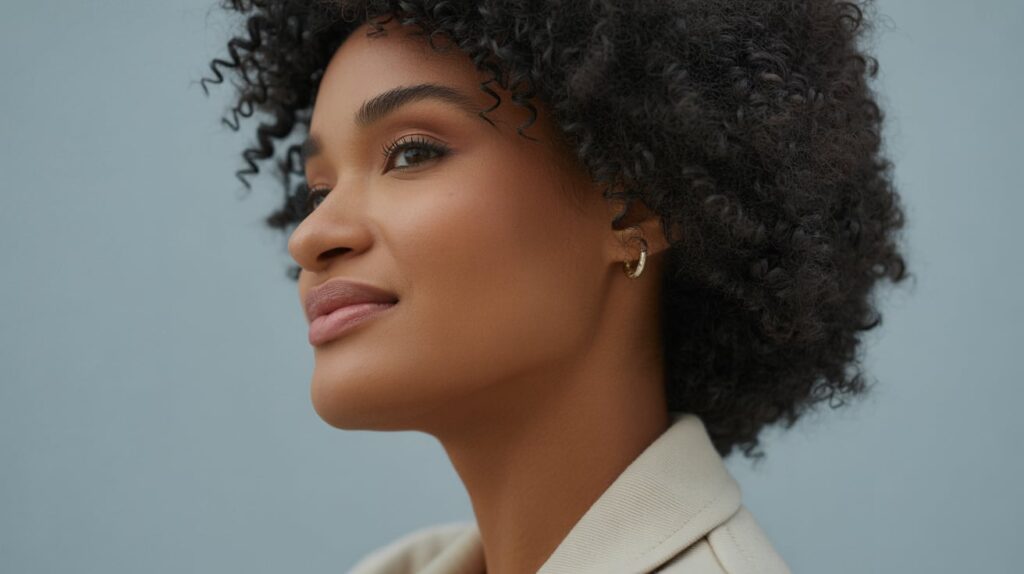
Natural black hair exists on a spectrum of textures, and identifying where yours falls helps determine which products and techniques will work best. The widely used hair typing system categorizes kinky and coily textures into three main groups: 4A, 4B, and 4C. Type 4A forms visible S-shaped coils about the size of a crochet needle, while 4B creates tighter zigzag patterns with less defined curls. Type 4C features the tightest coil pattern, often appearing more densely packed with strands that form sharp angles rather than curves.
How do you determine your hair porosity?
Porosity refers to your hair’s ability to absorb and retain moisture, and this characteristic impacts product selection more than curl pattern alone. The float test provides a simple way to check porosity levels. Place a clean strand of hair in a glass of room temperature water and observe its behavior over two to four minutes. Hair that sinks quickly has high porosity, floating hair indicates low porosity, and strands that sink slowly fall into the normal porosity category.
High porosity hair absorbs products quickly but struggles to retain moisture, requiring heavier creams and oils to seal the cuticle. Low porosity hair resists moisture absorption, needing lightweight products and heat to open the cuticle during conditioning treatments. Normal porosity hair maintains moisture balance relatively easily, responding well to most product formulations.
What role does hair density play?
Hair density – the number of strands on your scalp – affects how much product you’ll need and which styling methods work effectively. You can assess density by examining how visible your scalp is when your hair parts naturally. Minimal scalp visibility indicates high density, while easily visible scalp suggests lower density. This factor influences everything from the amount of conditioner needed to whether certain protective styles will look full or sparse.
Why texture variations matter
Most people have multiple textures throughout their head, with looser patterns around the edges and tighter coils at the crown. The back section often differs from the front, and one side might curl differently than the other. Recognizing these variations prevents frustration when different sections respond differently to the same treatment.
Finding your specific combination
Your hair’s behavior provides the most accurate guide for product selection and routine development. Notice how quickly your hair dries after washing – fast drying typically indicates high porosity or low density. Pay attention to whether products sit on top of your strands or absorb readily. Does your hair feel rough or smooth when you run your fingers along the shaft? These observations reveal more about your hair’s needs than any classification system.
Product buildup patterns also offer valuable insights. If your hair feels coated or heavy after just one wash cycle, you might have low porosity hair that doesn’t readily absorb products. Conversely, if products seem to disappear into your strands without providing lasting moisture, high porosity could be the culprit.
Understanding these characteristics takes time and observation. Document how your hair responds to different products and techniques through photos and notes. This record becomes invaluable for troubleshooting issues and refining your routine. Many women find their hair properties change with hormones, seasons, or chemical treatments, making ongoing assessment important.
Essential Products for Your Hair Care Arsenal

Building your product collection doesn’t require purchasing every item marketed to natural hair. A strategic selection of quality basics will serve you better than cabinets overflowing with half-used bottles. The foundation of any routine starts with cleansing, and you’ll need to decide between traditional shampoos and gentler alternatives.
Which cleansing options work best?
Sulfate-free shampoos clean without stripping natural oils, making them ideal for weekly or biweekly washing. Co-washing, using conditioner to cleanse, works well for mid-week refreshing or if your scalp doesn’t produce excess oil. Clay washes offer deep cleansing properties while adding minerals that strengthen strands. Apple cider vinegar rinses remove buildup without harsh detergents, though they shouldn’t replace regular cleansing entirely.
The cleansing product you choose depends on your lifestyle and scalp condition. Active women who exercise frequently might need stronger cleansers to remove sweat and bacteria. Those with dry scalps benefit from moisturizing cleansers with ingredients like aloe vera or glycerin. If you use heavy styling products, clarifying treatments once monthly prevent buildup that blocks moisture absorption.
Deep conditioning treatments that transform
Deep conditioners penetrate the hair shaft to repair damage and infuse moisture, making them non-negotiable for healthy natural hair. Protein treatments strengthen weak or damaged strands but should be balanced with moisturizing treatments to prevent brittleness. Look for deep conditioners containing ingredients like shea butter, coconut oil, or hydrolyzed proteins depending on your hair’s current needs.
What about leave-in products?
Leave-in conditioners provide ongoing moisture between wash days and create a base for styling products. Lighter formulations work for low porosity or fine hair, while thicker creams suit high porosity or coarse textures. Some women layer a liquid leave-in spray under cream products for maximum hydration – a technique called the LOC or LCO method.
Water-based moisturizers should be your go-to for refreshing curls between washes. These products reactivate styling products and restore moisture without heaviness. Avoid moisturizers with drying alcohols listed in the first five ingredients, as these can cause long-term damage despite temporary smoothing effects.
Oils and sealants explained
Natural oils serve multiple purposes in hair care routines. Light oils like argan or grapeseed penetrate the shaft for conditioning, while heavier options like castor oil or shea butter seal moisture inside. Some oils offer specific benefits – peppermint stimulates the scalp, tea tree fights dandruff, and rosemary may promote growth.
Styling products for definition
Your styling product arsenal should include:
Gel or Custard: Provides hold and definition for wash-and-go styles
Mousse or Foam: Adds volume without weight for fuller-looking styles
Edge Control: Smooths baby hairs and creates polished looks
Setting Lotion: Helps roller sets and twist-outs last longer
Heat Protectant: Essential if you occasionally use hot tools
Quality tools matter as much as products. Wide-tooth combs, denman brushes for defining curls, satin scrunchies, and microfiber towels prevent unnecessary breakage. Bobby pins without the protective tips snag hair, while seamless versions glide through without damage. Invest in tools that will last rather than repeatedly replacing cheap alternatives that harm your hair.
Building Your Weekly Wash Day Routine
Wash day might seem daunting initially, but establishing a consistent routine transforms this maintenance session into manageable self-care time. The process typically takes two to four hours depending on hair length and chosen styles. Planning your wash day when you won’t feel rushed allows you to be gentle with your hair and actually enjoy the process.
Should you pre-poo before washing?
Pre-pooing involves applying oils or conditioner before shampooing to protect strands from harsh cleansing. This step particularly benefits those with high porosity or damaged hair that tangles easily. Coconut oil, olive oil, or even your regular conditioner can serve as pre-poo treatments. Apply the product to dry hair, focusing on the ends, and let it sit for 15-30 minutes before washing.
Some women add heat during pre-pooing to increase penetration. Sitting under a hooded dryer or wrapping hair in a warm towel opens the cuticle for deeper conditioning. However, this step isn’t mandatory for everyone. If your hair doesn’t tangle severely or feel stripped after washing, you might skip pre-pooing without consequences.
Proper shampooing techniques matter
Section your hair into four to six parts before entering the shower. This approach prevents tangling and ensures thorough cleansing. Apply shampoo primarily to your scalp, massaging gently with fingertips rather than nails. The suds running down the length will clean your strands sufficiently without direct manipulation.
Rinse thoroughly with lukewarm water, as hot water raises the cuticle excessively while cold water might not remove all product residue. If your hair feels squeaky clean, you’ve likely stripped too much natural oil. Properly cleansed hair should feel clean but not rough or tangled.
Deep conditioning for maximum benefit
Apply deep conditioner to soaking wet hair for optimal absorption. Work the product through each section from ends to roots, using a wide-tooth comb or fingers to distribute evenly. The amount needed varies by density and length – start conservatively and add more if sections feel dry.
Heat amplifies deep conditioning benefits. Plastic caps trap body heat for mild warming, while hooded dryers or heat caps provide more intensive treatment. Even without special equipment, wrapping a warm towel around your plastic-covered hair helps. Leave the treatment on for the time specified on the product, usually 15-30 minutes.
Detangling without damage
Detangling works best on conditioned, wet hair with plenty of slip. Start from the ends, working upward in small sections. Finger detangling removes major knots gently before using tools. When you encounter a stubborn tangle, add more conditioner or water rather than forcing through it.
Hold the section above where you’re detangling to minimize pulling on the scalp. If you must detangle more frequently than wash day, use a spray bottle with water and conditioner to add slip. Never detangle completely dry hair, as this causes unnecessary breakage and pain.
Setting your style
The styling phase determines how your hair will look for the coming days or week. Apply leave-in conditioner to damp, not soaking hair for better product absorption. Section again for even distribution of styling products. Whether creating a wash-and-go, twist-out, or protective style, work methodically through each section.
For defined wash-and-go styles, apply gel in small sections using the praying hands method – smoothing product between palms down the length of hair. Twist-outs require slightly drier hair to prevent frizz, so let hair air dry partially before twisting. Protective styles like braids or twists should be installed on stretched hair to minimize shrinkage and tangling.
Drying methods significantly impact your final results. Air drying preserves moisture but takes hours and might leave roots damp. Hooded dryers speed the process while providing even heat distribution. Diffusing works for quick drying but requires low heat and careful technique to prevent frizz. Whatever method you choose, ensure hair is completely dry before sleeping to prevent mold or mildew.
Daily Maintenance and Protective Styling
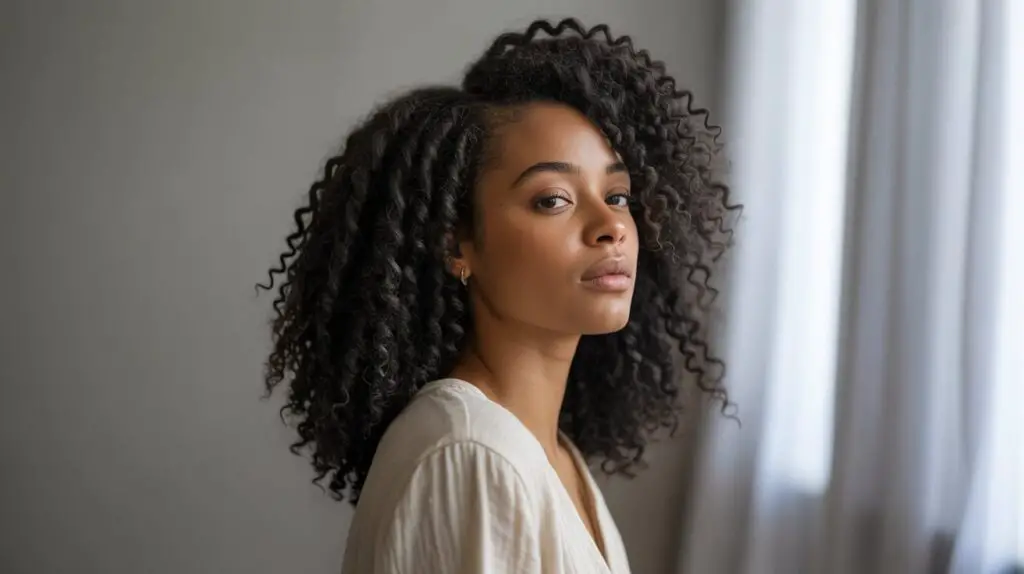
The days between washes determine whether your hair thrives or suffers setbacks. Daily maintenance doesn’t mean daily manipulation – in fact, the less you handle your hair, the better it typically responds. Creating simple routines for morning and night keeps your style fresh while protecting your strands from damage.
How do you refresh your hair each morning?
Morning refreshing depends on your current style and how your hair behaved overnight. For wash-and-go styles, lightly mist with water or a refresher spray to reactivate products. Avoid oversaturating, which causes frizz and extends drying time. Focus the spray on areas that need reshaping rather than dousing your entire head.
Twist-outs and braid-outs often need minimal morning attention if properly protected overnight. Simply fluff the roots with an afro pick or your fingers to restore volume. If certain sections have lost definition, you can retwist them with a small amount of gel or cream. The key is working with your hair’s current state rather than trying to completely restyle daily.
Protective styles require different morning care. Check that braids or twists haven’t loosened overnight, particularly around the edges where tension might cause breakage. Apply a light oil or braid spray to your scalp if it feels dry. Smooth edges with a soft brush and edge control if needed, but avoid excessive tension that stresses the hairline.
What’s the best nighttime routine?
Your nighttime routine preserves your style and prevents moisture loss while you sleep. The pineapple method – loosely gathering hair at the crown with a satin scrunchie – maintains curl definition for wash-and-go styles. For shorter hair that won’t pineapple, try medusa clipping, securing small sections around your head with small clips.
Satin or silk accessories are non-negotiable for natural hair preservation. These materials reduce friction that causes frizz and breakage. Bonnets offer complete coverage but might slip off during sleep. Scarves require proper tying technique but stay secure. Pillowcases provide protection even if your bonnet falls off but don’t replace direct hair coverage entirely.
Which protective styles actually protect?
True protective styling keeps your ends tucked away and minimizes daily manipulation. Popular options include:
Box Braids: Last 6-8 weeks with proper care
Senegalese Twists: Lighter than braids, lasting 4-6 weeks
Faux Locs: Provide complete end protection for 6-8 weeks
Wigs: Allow easy access to your hair for maintenance
Crochet Styles: Quick installation with versatile looks
Not all styles marketed as protective actually benefit your hair. Tight ponytails or buns strain edges and can cause traction alopecia. Styles requiring constant re-doing defeat the low-manipulation purpose. Any style causing pain during or after installation is too tight and will likely cause damage.
Managing shrinkage effectively
Shrinkage demonstrates healthy elasticity, but significant length reduction frustrates many naturals. Stretching techniques reveal more length without heat damage. Banding involves wrapping sections with elastic bands to elongate curls as they dry. Threading uses thread wrapped around sections for similar results. African threading provides the most dramatic stretch but requires practice to master.
Twist-outs and braid-outs offer stretched styles that last several days. Installing them on damp versus wet hair affects the amount of stretch achieved. Product choice also impacts shrinkage – heavier products weigh hair down for more length, while light products allow maximum shrinkage. Finding your preference takes experimentation.
Some women use heat occasionally for stretched styles. Blow-drying on cool or warm settings with a tension method causes less damage than flat ironing. If you choose heat styling, always use protectant and keep temperatures below 350°F. Limit heat use to special occasions rather than making it routine.
Length retention strategies
Retaining length requires protecting your oldest, most fragile hair – the ends. Trim every 3-4 months to remove splits before they travel up the shaft. Search and destroy missions between trims let you snip individual damaged strands without losing overall length. Keep ends moisturized and sealed, as dry ends break easily.
Protective styling helps, but taking breaks between installations prevents follicle fatigue. Your scalp needs time to breathe and recover from any tension. Use these breaks to assess your hair’s condition and address any issues before the next protective style. Document your length progress with photos to stay motivated when growth seems slow.
Common Mistakes to Avoid as a Beginner
Natural hair journeys often stall due to well-intentioned mistakes that seem helpful initially but cause long-term problems. Recognizing these pitfalls early saves time, money, and frustration while preventing damage that takes months to correct.
Why does product overload happen?
The excitement of going natural often leads to buying every recommended product without considering whether your hair actually needs them. Using too many products simultaneously prevents you from identifying what works and what doesn’t. Layering heavy butters on low porosity hair that can’t absorb them creates buildup without providing benefits. Start with basic products and add others only after establishing what your foundation products accomplish.
Product junkyism also stems from expecting immediate results. Natural hair responds gradually to consistent care, not overnight miracles. That deep conditioner won’t repair years of damage in one use. Growth oils don’t make hair grow faster than your genetic rate. Give products at least a month of consistent use before deciding they don’t work, unless they cause obvious negative reactions.
How can you prevent heat damage?
Heat damage permanently alters your curl pattern, creating straight sections that won’t revert regardless of treatments. The damage might not appear immediately – some women notice pattern changes weeks after heat styling. Prevention starts with accepting that no amount of heat protectant makes high heat completely safe for natural hair.
If you choose to use heat, invest in quality tools with adjustable temperatures. Ionic tools reduce frizz with less heat than traditional models. Never use heat on dirty hair, as product buildup literally fries onto strands. Always deep condition before and after heat styling to fortify hair against damage.
What is moisture-protein balance?
Your hair needs both moisture for flexibility and protein for structure. Too much moisture without protein causes mushy, limp hair that won’t hold styles. Excess protein without moisture creates brittle strands that snap easily. Finding balance requires paying attention to how your hair feels and responds to treatments.
Signs you need protein include excessive stretching before breaking, mushy texture when wet, and inability to hold curls. Moisture deficiency shows through rough texture, immediate snapping when stretched, and dull appearance. Most people need more moisture than protein, but damaged or high porosity hair often requires regular protein treatments.
Why less manipulation promotes growth?
Constant styling, combing, and touching weakens strands through mechanical damage. Every time you manipulate your hair, you risk breakage, especially at weak points. This doesn’t mean never touching your hair, but rather being intentional about when and how you handle it.
Low manipulation looks different for everyone based on lifestyle and preferences. Some women wash weekly but don’t restyle between washes. Others wash biweekly but refresh their style mid-week. Find a balance between maintaining neat appearance and giving your hair rest periods. Your ends will thank you through increased retention.
Setting realistic expectations
Social media creates unrealistic expectations about natural hair growth and appearance. Comparing your 4C hair to someone’s 3C texture sets you up for disappointment. Growth rates vary genetically – average growth is half an inch monthly, but yours might be slower or faster. Expecting waist-length hair in two years when you’re starting from a TWA ignores biological reality.
Your hair won’t look like your favorite influencer’s because you’re different people with different genetics, lifestyles, and environments. Focus on your hair’s health rather than achieving someone else’s aesthetic. Healthy hair grows and retains length naturally, while damaged hair breaks regardless of growth rate. Celebrate small victories like increased moisture, better definition, or fewer tangles rather than fixating solely on length.
Natural hair requires patience that our instant-gratification culture doesn’t encourage. You might not see dramatic changes for months. Styles that take others an hour might take you three while you’re learning. Products that transform others’ hair might do nothing for yours. This journey is uniquely yours, and comparing it to others only creates unnecessary frustration.
Taking Care of Natural Black Hair
Taking care of natural black hair becomes second nature once you establish routines that fit your lifestyle and hair’s specific needs. The techniques and products discussed throughout this guide provide a foundation, but your personal experience will reveal what truly works for your unique texture, porosity, and density combination. Success comes from consistency rather than perfection, so focus on gradual improvements rather than complete overnight transformation.
Your natural hair is unique and constantly evolving. What works during one season might need adjustment as weather changes or your hair grows longer. Stay flexible and willing to modify your approach based on what your hair tells you. The goal isn’t achieving someone else’s hair goals but nurturing your own crown to its healthiest, most beautiful state while maintaining a routine that feels sustainable rather than burdensome.
Frequently Asked Questions
Q: How often should beginners wash natural black hair?
A: Most beginners benefit from washing every 7-10 days, though this varies based on scalp oiliness, product usage, and lifestyle. Active women might need weekly washing, while others can stretch to biweekly. Pay attention to scalp itchiness and product buildup to determine your ideal frequency.
Q: Can you transition to natural hair without cutting all the relaxed ends?
A: Yes, long-term transitioning allows you to grow out natural hair while gradually trimming relaxed ends. This process typically takes 1-2 years but avoids the dramatic change of a big chop. Use protein treatments to strengthen the weak point where natural meets relaxed hair.
Q: What’s the minimum number of products needed to start a natural hair routine?
A: You need just four basics: cleanser (shampoo or co-wash), deep conditioner, leave-in conditioner, and oil or butter for sealing. Styling products can be added once you establish a foundation routine. Quality matters more than quantity when building your collection.
Q: How long before you see results from a new natural hair routine?
A: Visible improvements typically appear after 4-6 weeks of consistent care, though damaged hair might take several months to show significant change. Document progress with photos since gradual improvements are hard to notice daily. Patience and consistency yield the best results.
Q: Should protective styles hurt when first installed?
A: No, protective styles should never cause pain during or after installation. Tightness that causes headaches, bumps, or difficulty sleeping indicates excessive tension that will damage follicles. Speak up immediately if your stylist is braiding too tightly.
Q: Why does natural hair look shorter as it gets healthier?
A: Healthy hair exhibits more shrinkage because improved elasticity allows coils to spring back fully. Damaged hair might appear longer because broken bonds prevent proper coiling. Increased shrinkage actually indicates your hair’s improved condition, not length loss.
Q: Is it normal for different sections of hair to have different curl patterns?
A: Absolutely. Most people have multiple textures throughout their head, with variations in curl size, density, and porosity. This is completely normal and requires adjusting techniques for different sections rather than expecting uniform results across your entire head.
Q: How can you tell if a product has too much protein for your hair?
A: Hair that feels straw-like, rough, or brittle after using a product likely received too much protein. Look for ingredients like hydrolyzed proteins, keratin, amino acids, or silk protein in your products. If multiple products contain protein, you might be overdoing it without realizing.

