

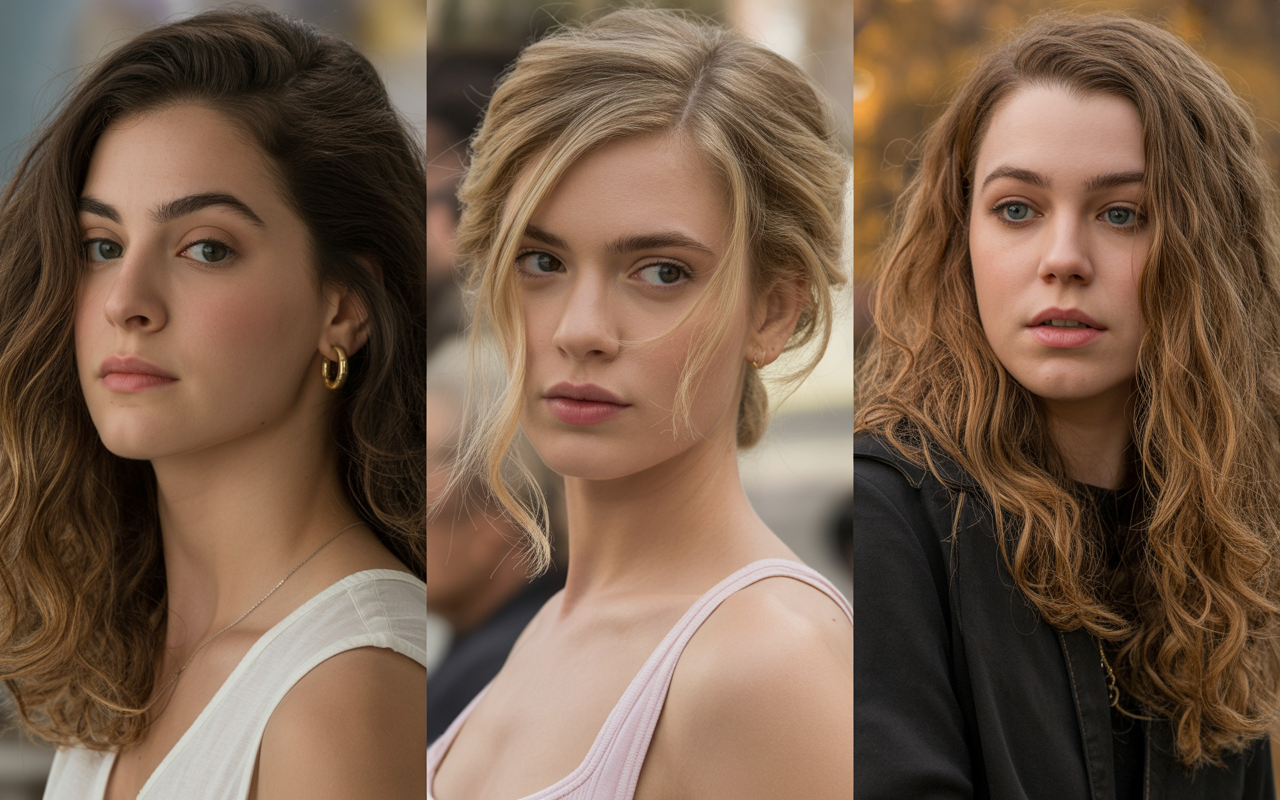
Finding a hairstyle that truly flatters your features can feel like searching for a needle in a haystack. Many women spend years trying different cuts and styles, only to feel disappointed when the results don’t match their expectations. The secret lies in understanding how your face shape influences which hairstyles will highlight your best features.
Your face shape acts as a blueprint for choosing cuts that enhance your natural beauty. Just as certain clothing styles suit different body types better than others, specific hairstyles work in harmony with particular facial structures. This knowledge transforms the often frustrating process of selecting a new hairstyle into an informed decision based on what actually works for you.
The following sections will guide you through identifying your face shape and discovering which hairstyles create the most flattering effect for each type. You’ll learn about length options, styling techniques, and specific cuts that complement your unique features. Ready to find your perfect match? Let’s explore how the right hairstyle can transform your entire look.
Understanding Your Face Shape
Face shape determination starts with a simple measurement process that anyone can do at home. You’ll need a flexible measuring tape and a mirror to get accurate results. The key measurements include the width of your forehead, cheekbones, and jawline, plus the length from your hairline to your chin.
How to determine your face shape
Stand directly in front of a mirror with your hair pulled back completely. Use the measuring tape to record the width of your forehead at its widest point, typically halfway between your eyebrows and hairline. Next, measure your cheekbones by placing the tape on the pointiest part below the outer corner of each eye. For your jawline, measure from the tip of your chin to below your ear at the point where your jaw angles upward, then multiply that number by two.
The length measurement runs from the center of your hairline straight down to the tip of your chin. Write down all these numbers and compare them to identify which measurement is largest and how they relate to each other.
Common face shape categories
Six primary face shapes dominate the classification system used by hairstylists worldwide. Round faces feature soft angles with the width and length being roughly equal. Oval faces measure about one and a half times longer than their width, with a forehead slightly wider than the chin. Square faces show strong jaw angles with the forehead, cheekbones, and jawline all measuring about the same width.
Heart-shaped faces display a wider forehead that tapers down to a narrower chin, often with a widow’s peak. Long or rectangular faces measure noticeably longer than they are wide, with the forehead, cheekbones, and jawline having similar widths. Diamond faces feature narrow foreheads and jawlines with wider cheekbones creating the widest point of the face.
Why face shape matters for hairstyles
Hairstyles create optical illusions that can balance facial proportions. The right cut adds width where needed or creates length to achieve more balanced proportions. Strategic placement of volume, layers, and length works like contouring with hair instead of makeup.
Professional stylists use this knowledge to recommend cuts that create harmony between your features. A round face benefits from styles that add height and minimize width, while a long face needs horizontal lines and width-adding techniques. This understanding prevents disappointment and ensures your hairstyle enhances rather than emphasizes features you might want to minimize.
Tools and techniques for accurate measurement
Beyond the basic measuring tape method, several digital tools now exist to help identify face shapes:
- Photo Analysis Apps: Upload a front-facing photo for instant shape analysis
- Virtual Makeover Tools: Test different hairstyles on your uploaded image
- Professional Consultation: Many salons offer complimentary face shape analysis
- Tracing Method: Use lipstick to trace your face outline on a mirror
- Comparison Charts: Visual guides showing celebrity examples of each shape
Some women fall between two categories or have combination shapes. If your measurements don’t clearly indicate one shape, you likely have a combination that can borrow flattering elements from multiple categories. The goal isn’t perfect categorization but understanding which styling principles will work best for your unique features.
Hairstyles for Round Faces
Round faces radiate youthful charm with their soft curves and balanced proportions. The key to flattering this face shape lies in creating the illusion of length while adding definition to your features. Strategic styling choices can transform your look dramatically.
Characteristics of round faces
A round face typically measures almost equal in width and length, with the widest point occurring at the cheeks. The jawline appears soft and curved rather than angular, and the hairline often follows a gentle, rounded curve as well. These faces tend to look fuller through the cheek area, creating that characteristic circular appearance.
Women with this face shape often appear younger than their actual age due to the soft, gentle contours. While this youthful appearance is certainly an advantage, the goal with hairstyling becomes adding structure and angles to create more defined features.
Best length options
Medium to long lengths work exceptionally well for round faces because they naturally elongate the face. Hairstyles that fall below the chin draw the eye downward, creating a lengthening effect. The ideal length typically ranges from just below the shoulders to mid-back, though personal preference and hair texture also play important roles in this decision.
Short styles can work beautifully too, but they require careful consideration. Pixie cuts with height at the crown or asymmetrical bobs that are longer in front create vertical lines that flatter round faces. The key lies in avoiding styles that end exactly at the widest part of your face, which would emphasize the roundness.
Styling techniques that flatter
Creating height at the crown stands out as one of the most effective techniques for round faces. Use a round brush while blow-drying to lift roots upward, or try velcro rollers on the top sections of your hair. This added volume on top elongates your face shape instantly.
Side parts work better than center parts for most round faces. A deep side part creates an asymmetrical look that breaks up the circular shape. Sweep hair across your forehead at an angle rather than straight across. This diagonal line adds the visual interest and angles that complement your soft features.
Incorporating waves or curls starting below the cheekbones adds texture without width at the widest part of your face. Use a curling iron to create loose waves from mid-length down, keeping the hair around your face relatively straight. This technique maintains a slimming effect while adding movement and body to your style.
Common mistakes to avoid
Certain styling choices can unintentionally emphasize roundness. Chin-length bobs with blunt cuts create a horizontal line that makes faces appear wider. Similarly, excessive volume at the sides of your head through the cheek area adds unwanted width.
Heavy, straight-across bangs typically don’t flatter round faces as they create another horizontal line. If you love bangs, opt for side-swept or wispy versions that maintain some forehead visibility. Tight curls or excessive volume throughout the entire hairstyle can also overwhelm your features and add to the circular appearance.
Avoid hairstyles that are completely slicked back without any height, as they eliminate the opportunity to create lengthening effects. Center parts with perfectly symmetrical styles on both sides can also emphasize the roundness rather than creating the desired angles and asymmetry.
Specific cut recommendations
Long layers starting at the collarbone create beautiful movement while maintaining a lengthening effect. Ask your stylist for face-framing layers that begin below your cheekbones and gradually increase in length. This creates a V-shape that naturally slims the face.
The “lob” or long bob works wonderfully when cut at an angle, longer in front than in back. This A-line shape creates diagonal lines that flatter round faces. Keep the front pieces at least two inches below your chin for the most flattering effect. Adding subtle layers throughout prevents the style from looking too heavy or blunt.
For those who prefer longer styles, consider adding long side-swept bangs that blend seamlessly into face-framing layers. Beach waves styled with a slight tousled texture add modern appeal while creating the vertical lines that flatter your face shape. A shag cut with lots of texture and movement also works well, especially when styled with height at the crown and smooth sides.
Hairstyles for Oval Faces
Oval faces enjoy the most versatility in hairstyle choices, often considered the ideal face shape by stylists. With balanced proportions and gently rounded edges, this shape provides a perfect canvas for experimenting with various cuts and styles.
What defines an oval face
An oval face measures about one and a half times longer than its width, with the forehead being slightly wider than the chin. The face gently narrows from the temples to a softly rounded chin, creating an egg-like shape. Cheekbones typically sit as the widest point, though the difference between measurements remains subtle.
This balanced proportion means you don’t need to create illusions of length or width. Instead, you can focus on highlighting your favorite features and expressing your personal style. The gentle curves of an oval face provide natural harmony that works with almost any hairstyle approach.
Versatility advantages
The balanced nature of oval faces means both short and long styles can look equally stunning. From pixie cuts to waist-length locks, the options remain virtually limitless. This freedom allows you to choose styles based on lifestyle, maintenance preferences, and personal taste rather than strict face-flattering rules.
You can pull off both sleek, straight styles and voluminous curly looks with equal success. Center parts and side parts both complement your proportions. Even typically challenging styles like blunt bangs or severe geometric cuts can work beautifully on oval faces. This versatility extends to updos and ponytails, which highlight your balanced features without creating unflattering proportions.
Hair texture also becomes less of a limiting factor. Whether you have fine, straight hair or thick, curly locks, stylists can create flattering looks that work with your natural texture. This adaptability saves time and money on extensive styling routines since your face shape doesn’t require specific techniques to look balanced.
Recommended styles and cuts
While virtually any style can work, certain cuts particularly highlight the natural beauty of oval faces. Shoulder-length cuts with soft layers create movement and frame the face beautifully. This length allows for versatility in styling – wear it straight for a polished look or add waves for a more relaxed vibe.
The classic bob, whether chin-length or longer, looks particularly elegant on oval faces. You can choose between a sleek, one-length bob for a sophisticated appearance or add layers for more texture and movement. An angled bob that’s slightly longer in front creates a modern twist on this timeless style.
Long hairstyles with face-framing layers showcase your proportions beautifully. Layers that start around the cheekbones and cascade downward create gorgeous movement:
- Long Layers: Start at the chest level for subtle movement
- Shag Cuts: Add texture throughout for an effortless look
- U-Shaped Cuts: Create fullness at the bottom while maintaining length
- V-Shaped Cuts: Add drama with longer center sections
- Graduated Layers: Build volume gradually from shortest to longest
Pixie cuts and other short styles also shine on oval faces. A textured pixie with slightly longer pieces on top creates a chic, modern look. For those wanting something between short and medium, a choppy bob with lots of texture offers easy maintenance with style.
Bangs and fringe options
Your face shape allows you to experiment with virtually any bang style. Straight-across bangs create a bold, fashion-forward look that draws attention to your eyes. Cut them just above the eyebrows for a classic appearance or go shorter for an edgier vibe.
Side-swept bangs offer a softer approach that works with any hair length. They can be worn sleek and polished or piecy and textured depending on your mood. Curtain bangs that part in the middle and sweep to each side create a romantic, effortless look that’s currently very popular.
Wispy bangs provide subtle face framing without the commitment of heavy fringe. They work particularly well if you’re new to bangs or prefer a lighter maintenance routine. For something different, try baby bangs cut well above the eyebrows for a bold statement, or go for longer, cheekbone-grazing fringe that blends into your layers.
Styling tips for maximum impact
Focus on enhancing your best features rather than correcting proportions. If you love your eyes, choose styles that draw attention upward. Beautiful cheekbones deserve to be highlighted with face-framing pieces. A great jawline can be showcased with an updo or pulled-back style.
Experiment with different textures to find what makes you feel most confident. Sleek, straight styles create a polished, professional appearance. Beach waves offer casual elegance perfect for both day and evening. Defined curls add drama and personality to any length.
Don’t be afraid to try trends that appeal to you. Your face shape gives you the freedom to experiment with fashion-forward cuts, bold colors, and creative styling techniques. Whether you’re drawn to retro-inspired looks or cutting-edge contemporary styles, your oval face provides the perfect foundation for personal expression through your hair.
Hairstyles for Square and Heart-Shaped Faces
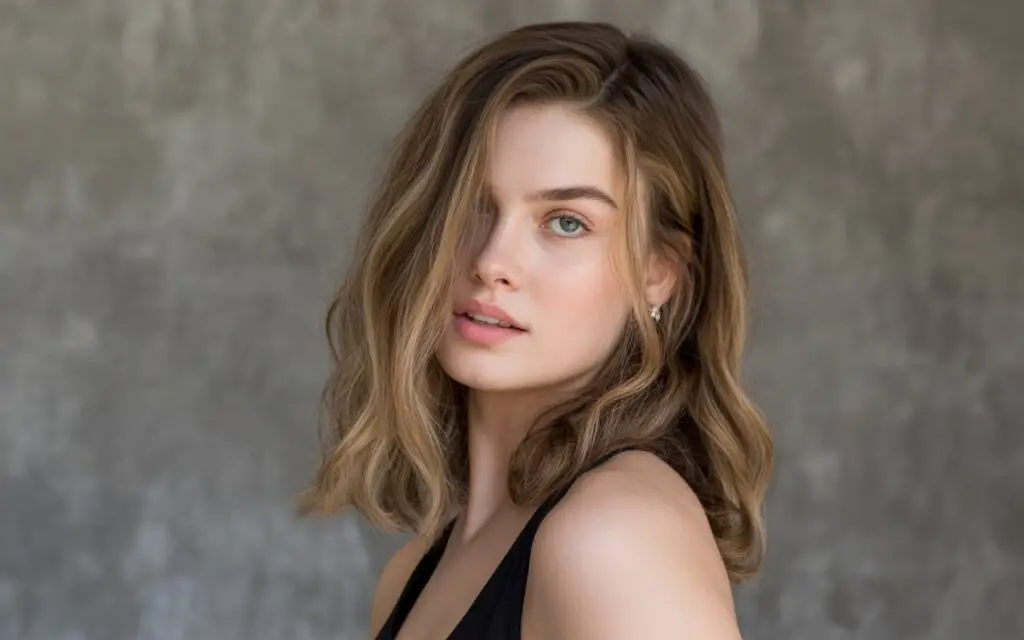
Square and heart-shaped faces share the characteristic of having more angular features that benefit from softening techniques. While these face shapes differ in their proportions, many hairstyling strategies work beautifully for both, creating softer lines and balanced proportions.
Square face characteristics and solutions
Square faces display strong, defined jawlines with the forehead, cheekbones, and jaw measuring roughly the same width. The overall appearance creates a strong, angular look that projects confidence and structure. These striking features benefit from hairstyles that add softness and curves.
The goal for square faces involves creating roundness and movement to balance the angular jaw. Soft layers, waves, and styles with movement work exceptionally well. Hair that falls below the jawline helps soften the strong horizontal line of the jaw. Side parts create asymmetry that breaks up the square shape, while layers that start at the jaw or below prevent emphasis on the widest part of the face.
Length plays a crucial role in flattering square faces. Medium to long styles provide the most options for creating soft, flowing lines. Short styles can work but require careful attention to avoid creating harsh lines that emphasize the angular features. Graduated bobs that are longer in front, reaching at least to the collarbone, create diagonal lines that beautifully complement square faces.
Heart-shaped face features
Heart-shaped faces feature a wider forehead that tapers to a narrower, often pointed chin. Some women with this face shape also have a widow’s peak that creates the characteristic heart outline. The challenge lies in balancing the wider upper portion with the narrower lower half.
Creating width at the jawline while minimizing volume at the forehead achieves the most flattering effect. Chin-length or longer styles work best, as they add fullness where the face narrows. Side-swept bangs or longer fringe help minimize a wider forehead without completely covering it.
The key is drawing attention away from the forehead while adding visual weight to the lower portion of the face. This creates balance and prevents the face from appearing top-heavy. Styles that flip out at the ends or have volume through the lower sections work particularly well.
Softening angular features
Both face shapes benefit from techniques that add curves and movement. Waves and curls starting at or below the cheekbones create beautiful S-curves that contrast with straight lines. Use a large barrel curling iron to create loose, flowing waves rather than tight curls.
Layering serves as one of the most effective tools for both face shapes. For square faces, layers that start below the jawline and increase in length create vertical movement. Heart-shaped faces benefit from layers that begin around the chin and add fullness through the lower sections.
Avoid severe, geometric cuts that mirror the angular features. Instead, opt for:
- Soft Graduation: Gentle transitions between lengths
- Textured Ends: Piece-y finishes that create movement
- Face-Framing Layers: Curved sections that soften the overall shape
- Wispy Elements: Light, airy pieces around the face
- Rounded Shapes: Curved lines in the overall silhouette
The way you style your hair matters as much as the cut itself. Blow-drying with a round brush while directing hair away from the face creates soft movement. Avoid stick-straight styles that emphasize angular features.
Volume placement strategies
Strategic volume placement can transform the appearance of both face shapes. Square faces benefit from height at the crown, which elongates the face and draws attention upward. Avoid excessive volume at the sides, which would emphasize the width.
For heart-shaped faces, concentrate volume from the ears down. This might mean using a volumizing mousse through the mid-lengths and ends while keeping the roots relatively flat. Curls or waves that begin at chin level and increase toward the ends create the ideal silhouette.
Both face shapes should avoid excessive volume at their widest points. For square faces, this means the jaw area; for heart shapes, the forehead and temple region. Instead, create volume in areas that need visual weight to achieve balance.
Cut and color combinations
Color placement can enhance the flattering effects of your chosen cut. For square faces, highlights around the face create dimension and soften harsh lines. Avoid severe, high-contrast color blocking that might emphasize angular features. Instead, choose blended highlights or balayage techniques that create fluid movement.
Heart-shaped faces benefit from darker tones at the roots with lighter pieces through the ends. This technique adds visual weight to the lower portion of the hairstyle. Side-swept bangs in a slightly lighter shade than the base color can help minimize a wider forehead without creating harsh lines.
Consider these popular combinations:
Shoulder-length waves with subtle highlights create gorgeous dimension for square faces. The movement softens angles while the color adds depth. A long bob with face-framing balayage works beautifully for heart shapes, adding light and dimension exactly where needed.
Long layers with strategic lowlights can create stunning effects for both face shapes. The key lies in placing darker tones where you want to minimize width and lighter tones where you want to add fullness. Work with a colorist who understands how placement affects the overall appearance of your face shape.
Hairstyles for Long and Diamond Faces
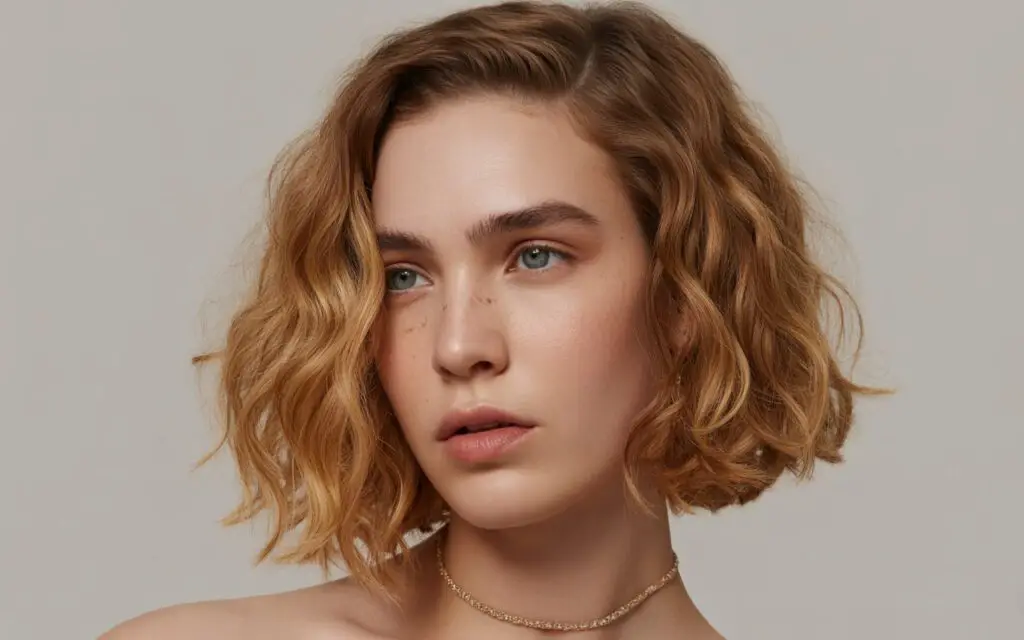
Long and diamond face shapes present unique styling opportunities that, when understood properly, lead to incredibly flattering results. These less common face shapes require specific techniques to achieve balanced, harmonious proportions through strategic hairstyling choices.
Identifying long face shapes
Long faces measure noticeably longer than they are wide, often with the forehead, cheekbones, and jawline maintaining similar widths. The vertical measurement typically exceeds the horizontal by a significant margin, creating an elongated appearance. Some women with this face shape also have high foreheads or longer chin areas that contribute to the overall length.
You might have a long face if your face appears narrow when you pull your hair back completely. The distance from your hairline to your chin significantly exceeds the width across your cheekbones. Unlike oval faces, which also have length, long faces lack the gentle tapering and maintain more consistent width throughout.
This face shape often gets mistaken for oval, but the proportions differ significantly. Where oval faces measure about one and a half times longer than wide, long faces exceed this ratio. The overall effect creates a rectangular appearance that benefits from width-adding techniques.
Diamond face unique features
Diamond faces feature narrow foreheads and jawlines with cheekbones forming the widest point. This creates an angular, geometric shape reminiscent of a diamond’s outline. The cheekbones are not just prominent but create a dramatic difference in width compared to the forehead and jaw.
Women with diamond faces often have striking bone structure that creates natural shadows and highlights. The temples and jaw appear notably narrower than the cheek area. Some also have pointed chins that enhance the diamond shape. These dramatic angles create stunning features that need the right hairstyle to achieve balance.
The rarity of this face shape means many women go years without realizing they have it. They might try styles recommended for other angular faces without achieving the desired results. Understanding these unique proportions unlocks the secret to finding truly flattering hairstyles.
Width-creating techniques
Both face shapes benefit from styles that add horizontal width to balance vertical length or create fullness where the face narrows. For long faces, the goal involves creating the illusion of width across the entire face. Diamond faces need width specifically at the forehead and jawline.
Waves and curls starting from the ears outward add crucial width. Create these using hot rollers or a curling iron, focusing on horizontal movement rather than vertical. Set curls by pinning them horizontally while they cool. This technique ensures they maintain their width-adding shape:
- Horizontal Waves: Use a flat iron to create S-waves that move outward
- Pin Curls: Set sideways for maximum width at the sides
- Finger Waves: Create vintage-inspired horizontal patterns
- Crimped Texture: Adds instant width through zigzag patterns
- Flipped Ends: Turn hair outward at jaw level for diamond faces
Bobs cut at chin length work wonderfully for both face shapes. The horizontal line creates width exactly where needed. For long faces, a blunt bob adds substantial width. Diamond faces benefit from bobs with slight graduation or layers that add fullness at the narrow points.
Layering strategies
Strategic layering can transform the appearance of both face shapes. Long faces need layers that add width without adding length. This means avoiding long, vertical layers that would elongate the face further. Instead, opt for shorter layers that create horizontal movement.
For diamond faces, layers should concentrate on adding fullness at the forehead and jaw while keeping the cheek area relatively smooth. Face-framing layers that start at the temples and jawline create width where the face narrows. Avoid layers that begin at the cheekbones, as they would emphasize the widest point.
The placement and angle of layers make a significant difference. Layers cut horizontally or with minimal angle add more width than steeply angled layers. Your stylist should use point cutting or texturizing techniques to create piece-y ends that move outward rather than lying flat.
Consider graduated layers that build width gradually. For long faces, these might start short at the sides and increase minimally in length. Diamond faces benefit from reverse layering, where the shortest layers frame the narrow areas while longer layers fall through the cheek region.
Styling methods for balance
The way you style your hair daily impacts how well it flatters your face shape. Both long and diamond faces should avoid styles that add height without width. High ponytails, top knots, and voluminous crown areas can exaggerate length or emphasize narrow points.
Side parts work better than center parts for both face shapes. A deep side part with hair swept across the forehead creates a diagonal line that breaks up length. For diamond faces, this technique also adds width to the narrow forehead area. Tuck hair behind one ear while leaving the other side full to create asymmetry.
Bangs offer excellent options for both face shapes. Long faces benefit tremendously from straight-across bangs that create a strong horizontal line. Side-swept bangs or curtain bangs also work well. Diamond faces look stunning with wispy, textured bangs that add width to the forehead without overwhelming the narrow area.
When blow-drying, focus on creating width rather than height. Use a round brush to direct hair outward at the sides. For long faces, this means the entire side area. Diamond faces should concentrate on the forehead and jaw areas. Finish with a light-hold product that maintains width without weighing hair down, as heavy products can cause styles to fall flat and lose their width-creating properties.
Your Perfect Hairstyle Match
Every woman deserves a hairstyle that makes her feel confident and beautiful. Understanding your face shape provides the foundation for making informed decisions about cuts, lengths, and styling techniques that truly flatter your unique features. The journey from uncertainty to finding your signature style becomes much clearer when you apply these face shape principles.
The beauty of this knowledge lies in its flexibility. While these guidelines offer valuable direction, your personal style, lifestyle needs, and hair texture all play important roles in your final choice. Use face shape as your starting point, then adjust based on what makes you feel most like yourself. The perfect hairstyle balances flattering proportions with authentic self-expression.
Frequently Asked Questions
Q: Can I have more than one face shape?
A: Yes, many women have combination face shapes that blend characteristics from two categories. If your measurements fall between shapes, you can use flattering techniques from both to create your ideal style.
Q: Should I avoid certain hairstyles completely based on my face shape?
A: While some styles are more flattering than others, skilled stylists can often adapt cuts to work with your features. The key lies in adjusting elements like length, layering, and styling techniques rather than avoiding styles entirely.
Q: How often should I reassess my face shape?
A: Your bone structure remains constant, but weight changes, aging, and different hairstyles can affect how your face shape appears. Reassess whenever you notice significant changes in your facial fullness or structure.
Q: Do these rules apply to all hair textures?
A: These principles work across all textures, though the execution varies. Curly hair naturally adds width, while straight hair might need styling techniques to create volume. Work with a stylist experienced in your hair texture.
Q: What if I want a hairstyle that supposedly doesn’t suit my face shape?
A: Go for it! These guidelines help maximize flattering effects, but confidence and happiness with your style matter most. A skilled stylist can often modify cuts to work better with your features while maintaining the overall style you want.
Q: Does hair color affect how my face shape appears?
A: Absolutely. Strategic color placement can enhance the effects of your cut. Highlights and lowlights create dimension that can add width, length, or draw attention to your best features.
Q: How do I find a stylist who understands face shapes?
A: Look for stylists who ask about your face shape during consultations or mention it when discussing options. Many salons list this as a specialty. Don’t hesitate to ask potential stylists about their experience with your specific face shape.
Q: Can accessories change how my face shape looks?
A: Yes, earrings, glasses, and hair accessories all influence the overall appearance. Long earrings can elongate round faces, while wider styles add breadth to long faces. Choose accessories that complement your hairstyle’s face-flattering goals.

