

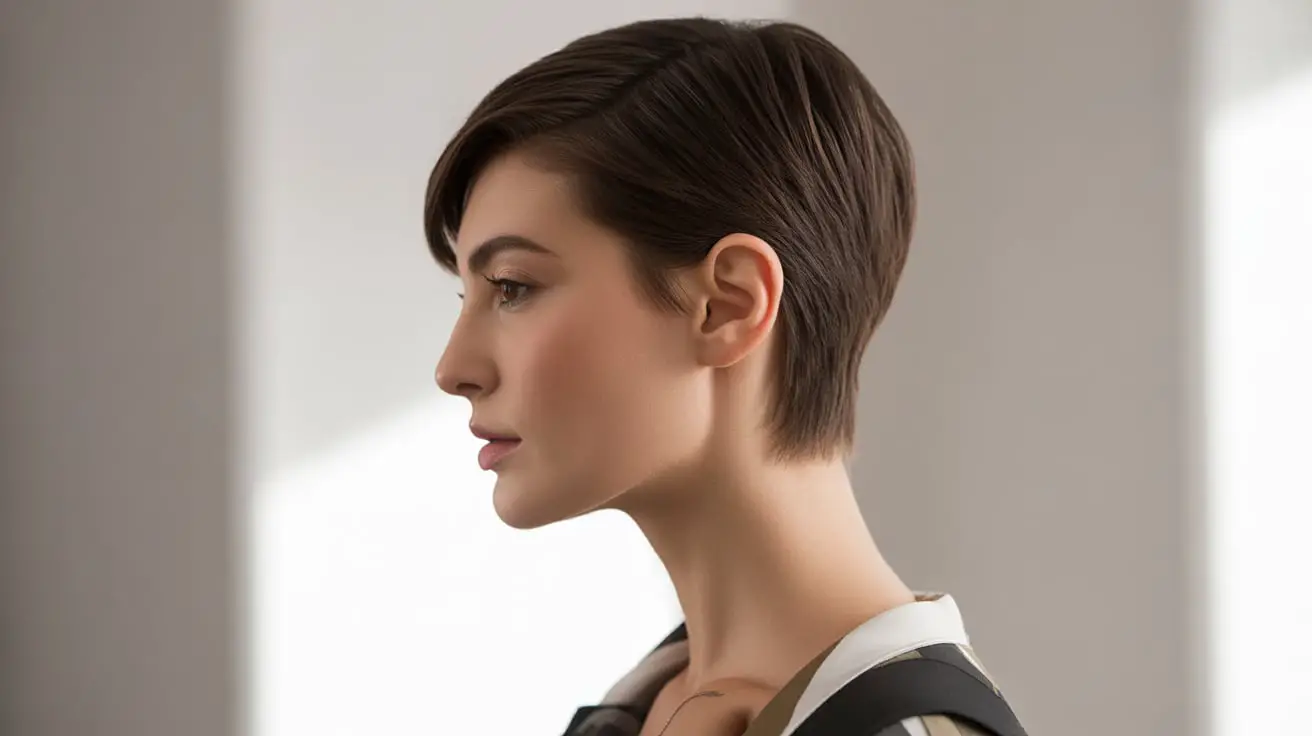
Short haircuts have surged in popularity over recent months, with one particular style leading the pack. The modern version of this classic cut offers something different from what you might remember from years past. It’s softer, more textured, and surprisingly versatile for different face shapes and hair types. Women across all age groups are booking appointments specifically to get this fresh take on a timeless look.
What sets this style apart from its predecessors? The answer lies in the updated approach to cutting and styling techniques. Traditional versions often felt severe or overly structured, but today’s interpretation focuses on movement, texture, and personalization. Each cut gets customized to work with your natural hair pattern rather than against it, creating a look that feels effortless even when you’ve put thought into styling it.
Let’s talk about what makes this haircut so appealing, who it works for, and how to maintain it once you take the leap. We’ll cover styling techniques that keep your look fresh, the maintenance schedule you’ll need to follow, and various adaptations you can consider based on your preferences.
What Makes a Pixie Cut Modern?
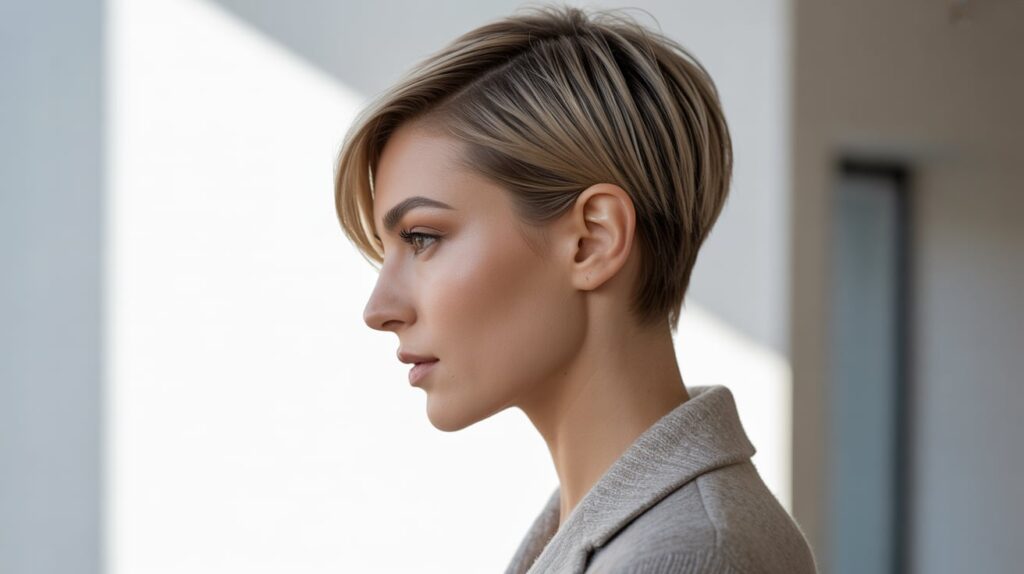
The contemporary version of this short haircut differs significantly from cuts you might have seen a decade ago. Understanding these differences helps you communicate better with your stylist and set realistic expectations for your new look.
Defining Today’s Interpretation
Modern versions prioritize softness over harsh lines. Where older cuts relied on geometric precision and uniform length, current techniques create dimension through varied layering. Your stylist will likely use point-cutting and texturizing methods that prevent the cut from looking too uniform or harsh. This approach means the hair falls more naturally, moving with you rather than staying rigidly in place.
The length varies more than traditional versions. While the back and sides stay short, the top section often retains enough length to allow for different styling options. This extra length on top provides versatility – you can sweep it forward, push it back, or create volume depending on your mood.
Key Characteristics That Set It Apart
Several specific features distinguish this style from older interpretations. The nape area typically stays very short but blends seamlessly into longer sections rather than creating a stark line. This graduated approach flatters more face shapes and prevents the “helmet” effect some shorter cuts can create.
Bangs play a crucial role in modernizing the look. Rather than blunt, straight-across fringe, contemporary versions feature piecey, textured bangs that can be styled multiple ways. You might wear them swept to the side one day and forward the next, giving you options without needing to change the actual cut.
Texture and Movement
The emphasis on texture represents perhaps the biggest shift from traditional approaches. Stylists now create internal layers that add body and prevent the cut from lying flat against your head. This layering technique works especially well for women with fine hair, as it creates the illusion of thickness and fullness.
Movement comes from strategic cutting angles and the way sections blend together. Your hair shouldn’t look static or frozen in place. Instead, it should shift naturally as you move, catching light differently from various angles. This dynamic quality makes the cut photograph well and look interesting in person.
Versatility in Styling
One common concern about short haircuts involves limited styling options. Modern versions address this issue directly. The length variation throughout the cut means you can create several distinct looks with the same haircut. Slick it back for a polished appearance, tousle it for texture, or add volume on top for drama.
Different products produce different results with the same cut. A light mousse creates soft, touchable texture. A pomade slicks everything back smoothly. Dry texture spray adds grit and separation. Having these options means your haircut doesn’t define your look – you can change your appearance based on the occasion or your mood.
Who Can Pull Off This Haircut?
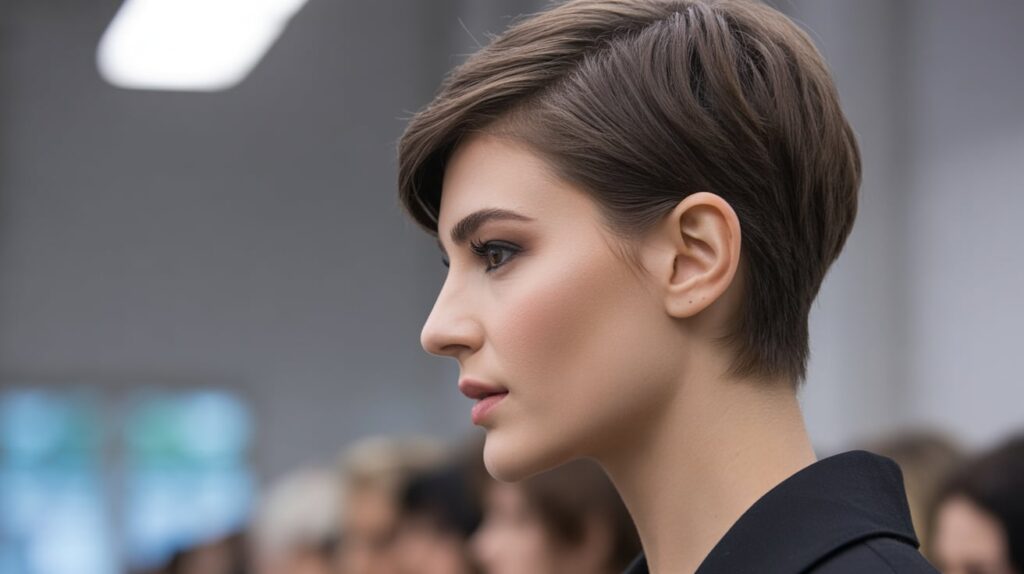
Many women hesitate to try short hair because they worry it won’t suit them. While certain considerations matter, this style works for more people than you might think.
Face Shapes That Work Best
Oval faces tend to suit almost any version of this cut. The balanced proportions of an oval shape mean you have freedom to choose shorter or longer variations without worrying about emphasizing certain features. You can go quite short without concerns.
Heart-shaped faces benefit from versions that add width around the jawline. If you have a wider forehead and narrower chin, ask your stylist to keep a bit more length around your jaw and incorporate side-swept bangs. This balances your proportions beautifully.
Round faces look great with this haircut when there’s height on top and length around the temples. The vertical emphasis elongates your face, while strategic length placement prevents the cut from widening your face further. Avoid versions that are very round or curved, as these can emphasize roundness.
Square faces pair well with softer, more textured versions. The femininity of textured layers counterbalances strong jawlines nicely. Avoid super-sleek versions that might make your face appear more angular than you’d like.
Long faces work with versions that add width through the sides rather than height on top. Your stylist can create fullness around your ears and temples, which balances your face’s length. Bangs also help by shortening the appearance of your face.
Hair Texture Considerations
Fine hair actually thrives with this cut. The shorter length means your hair doesn’t get weighed down, allowing natural body to show through. Layering techniques create the appearance of thickness that might be difficult to achieve with longer styles. You’ll likely find your hair looks fuller than it has in years.
Thick hair requires a skilled stylist who understands how to remove bulk without creating gaps. The cut needs internal layering to prevent it from looking too heavy or triangular. With proper technique, thick hair produces beautiful results – you’ll have plenty of texture and won’t need much product.
Wavy hair creates gorgeous movement in this style. The waves add natural texture that makes the cut look effortlessly undone. You can enhance the waves with styling products or straighten sections for a different look. The versatility here is excellent.
Curly hair needs a stylist experienced with cutting curls. The cut must account for how much your hair will spring up when dry. Done correctly, a short style on curly hair looks stunning and reduces styling time significantly. The curls create automatic texture and interest.
Age and Lifestyle Factors
This haircut transcends age boundaries. Women in their twenties wear it with an edgy, youthful vibe. Women in their forties and fifties find it sophisticated and age-appropriate. The key lies in customizing the cut to suit your lifestyle and preferences rather than following a one-size-fits-all approach.
Your daily routine matters when considering this style. If you enjoy spending time on your hair and trying different looks, you’ll love the styling possibilities. If you prefer wash-and-go simplicity, this cut can accommodate that too – just work with your natural texture and use minimal product.
Active lifestyles pair well with short hair. You don’t need to worry about ponytails or hair getting in your face during workouts. A quick rinse in the shower, some product, and you’re ready to go. The practicality appeals to women who prioritize efficiency.
Personality and Confidence
Short hair makes a statement, whether you intend it to or not. People notice when someone has a striking haircut, and you’ll likely receive comments. If you enjoy attention and feel confident standing out, you’ll love this aspect. If you prefer blending in, consider whether you’re comfortable with the visibility.
Your willingness to maintain regular trims affects whether this style suits you. Short cuts grow out noticeably and quickly. You’ll need salon visits every 4-6 weeks to keep the shape looking fresh. If you’re comfortable with this commitment, great. If not, you might want to reconsider.
How to Style Your Modern Pixie Cut
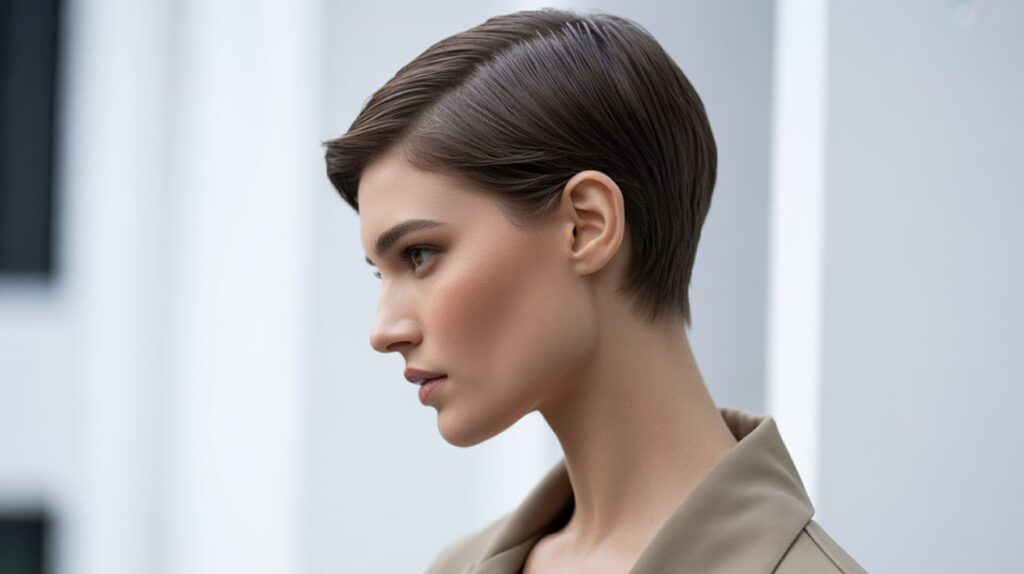
Getting the cut is just the beginning – styling determines how it looks daily. Learning a few key techniques ensures you make the most of your new haircut.
Daily Styling Basics
Start with damp hair for best results. Towel-dry gently to remove excess water without creating frizz. Your hair should be damp but not dripping. This moisture level allows products to distribute evenly and gives you control during styling.
Apply product while your hair is still damp. The type depends on your desired result, but generally less is more with short hair. Start with a small amount and add more if needed. Work the product through from roots to ends, making sure you don’t miss any sections.
Blow-drying technique matters significantly. Use a round brush to create volume at the roots if you want lift. A flat brush smooths things down for a sleeker look. Direct the air flow in the direction you want your hair to lie. Don’t forget to use the cool shot at the end to set everything in place.
Air-drying works beautifully for textured, casual looks. Scrunch in some product and let your natural texture do the work. This approach saves time and creates an effortlessly cool aesthetic. Your hair’s natural pattern will show through, giving you an individualized look.
Products That Work Best
Here are the essential products you’ll want to have on hand:
Light Mousse: Creates volume and hold without stiffness, perfect for fine hair that needs body.
Texturizing Paste: Adds definition and separation for piecey, modern looks with flexible hold.
Shine Serum: Smooths flyaways and adds gloss for sleek styles, use sparingly to avoid greasiness.
Dry Shampoo: Absorbs oil between washes and adds texture and volume at the roots.
Heat Protectant: Shields hair from blow-dryer and flat iron damage while smoothing the cuticle.
Experiment with different product combinations to find what works for your hair type. What works for your friend might not work for you, so give yourself time to discover your perfect routine.
Quick Morning Routines
Short hair excels at efficiency. Most mornings, you can be ready in under ten minutes. Mist your hair with water if it’s looking flat or misshapen from sleep. Add a small amount of product and finger-style into place. That’s often all you need for a polished look.
For extra volume, flip your head upside down while blow-drying the roots. This technique takes thirty seconds but makes a noticeable difference. Stand back upright, smooth the top layer if needed, and you’re done.
The “bedhead” look works particularly well with textured versions. If you wake up with tousled hair, work with it rather than against it. Add some texturizing spray, scrunch a bit, and go. This casual aesthetic looks intentional and cool.
Evening and Special Occasion Looks
Transform your daytime style for evening events with a few simple changes. Slick everything back with gel or pomade for an elegant, sophisticated look. This dramatic departure from your daily style takes minutes but creates major impact.
Add accessories for instant elevation. Statement earrings get noticed more with short hair. A decorative hair clip on one side creates asymmetry and interest. A thin headband pushes everything back off your face for a different silhouette.
Create extra volume for special occasions using hot rollers or a curling iron on the longer sections. This adds glamour and polish. Finish with hairspray to hold everything in place through the evening. You can achieve red-carpet looks with this supposedly “limiting” haircut.
Maintenance and Upkeep Requirements
Short haircuts require more frequent maintenance than longer styles. Understanding the commitment helps you plan accordingly and keeps your cut looking fresh.
How Often to Trim
Plan for salon visits every four to six weeks minimum. This schedule maintains the shape and prevents the cut from growing into an awkward in-between stage. Missing appointments means your carefully crafted style loses definition and starts looking unkempt.
The back and sides grow out fastest and most noticeably. These areas need regular attention to maintain the overall shape. Even if the top still looks acceptable, overgrown sides and back throw off the entire balance. Your stylist can do quick touch-ups between full cuts if your budget is tight.
Some women find they can stretch to eight weeks if they’re willing to accept some shape loss. This depends on how fast your hair grows and how particular you are about perfection. Faster-growing hair needs more frequent trims. Slower-growing hair might buy you an extra week or two.
Find a stylist you trust and book standing appointments. This ensures you get consistent results and don’t have scheduling issues. A stylist who understands your preferences and hair behavior will give you better results than someone new each time.
Growing Out Options
If you decide this style isn’t for you, growing it out takes patience. The transition period can feel awkward, but strategies help you manage it gracefully. Regular trims paradoxically help the growing-out process by keeping everything shaped even as it gets longer.
Let the top grow while keeping the back and sides trimmed. This gradual approach means you’ll move through a short bob phase rather than an undefined mess. Work with your stylist to create a growth plan that looks intentional at each stage.
Accessories become your best friends during the growing-out phase. Headbands keep everything off your face when length gets awkward. Bobby pins secure weird sections. Small clips add style while controlling unruly pieces. Think of this transition as an opportunity to experiment with different looks.
Hair extensions offer a shortcut if you’re desperate for length. While this might seem extreme, some women prefer this option over enduring months of awkward lengths. Discuss this possibility with your stylist if you’re struggling with the process.
Color Maintenance
Colored hair shows roots faster with short styles. Your new growth becomes obvious within a few weeks because there’s less hair to distract from it. If you color your hair, factor in touch-ups every three to four weeks for optimal results.
Highlights and lowlights require less frequent maintenance than all-over color. The grown-out look appears more intentional with dimensional color. Balayage techniques work particularly well with short hair, creating natural-looking depth that doesn’t show harsh regrowth lines.
Silver or gray hair looks stunning with this cut. Many women use this style change as an opportunity to stop coloring and display their natural gray. The short length means you can transition faster than with long hair – you’re essentially cutting off the colored hair and starting fresh.
Fantasy colors require significant upkeep. Vibrant pinks, blues, and purples fade quickly and need frequent refreshing. The short length means less product use, which saves money, but you’ll still visit the salon often to maintain brightness.
Between-Salon Care
Invest in quality scissors for home touch-ups. While you shouldn’t attempt to cut your own hair significantly, you can carefully trim a few stray pieces between appointments. Be conservative – it’s better to leave something than cut too much.
Your pillowcase affects how your hair looks in the morning. Silk or satin pillowcases reduce friction and prevent your hair from getting mashed into strange shapes overnight. This small investment improves your daily styling experience considerably.
Weekly deep conditioning keeps your hair healthy and manageable. Even though your hair is short, it still benefits from moisture and treatment. Apply a mask once a week, leave it on for the recommended time, and rinse thoroughly. Your hair will feel softer and look shinier.
Different Variations to Consider
This haircut isn’t a single, rigid style. Numerous variations let you customize the look to suit your preferences and features.
Textured and Choppy Versions
Textured cuts create movement through choppy layers and piece-y ends. This edgy approach works beautifully for women who want something fashion-forward. The intentionally messy quality looks modern and cool without appearing unkempt.
Your stylist achieves this texture through razor cutting or point-cutting techniques. These methods create irregular edges that catch light interestingly and move freely. The result feels soft rather than severe, even though the overall length stays quite short.
This variation works especially well for thick or coarse hair. The texturizing removes bulk and prevents the cut from looking too heavy. You’ll find styling easier because the built-in texture does much of the work for you. A bit of product enhances what’s already there.
Maintenance for textured versions is slightly more forgiving than sleek styles. The intentional messiness means a little growth doesn’t ruin the look. You can sometimes stretch your salon visits by a week or two without obvious shape loss.
Sleek and Polished Styles
Smooth, glossy versions create sophisticated elegance. This approach emphasizes precision cutting and careful styling. Every hair lies in place, creating a refined aesthetic that works beautifully for professional environments or formal occasions.
Achieving this look requires the right products and tools. A flat iron smooths any natural texture. Shine serum adds glossy finish. Strong-hold products keep everything in place throughout the day. The maintenance level is higher, but the dramatic results justify the effort for many women.
This variation demands more frequent trims. Precision cuts show growth and loss of shape more obviously than textured versions. Budget for appointments every four weeks if you want to maintain the sleek aesthetic consistently.
Fine, straight hair excels with this approach. Your natural texture works with rather than against the style. Women with wavy or curly hair can achieve this look but will spend more time fighting their natural pattern.
Asymmetrical Options
Asymmetry creates drama and visual interest. One side stays longer than the other, creating an edgy, fashion-forward statement. This variation photographs beautifully and always looks intentional and styled.
The longer side typically falls somewhere between chin-length and just below the ear. The shorter side reveals more scalp, creating strong contrast. This bold difference makes the cut distinctive and memorable. You’ll stand out in a crowd.
Styling asymmetrical cuts emphasizes the length difference. Sweep the longer side forward and down. Keep the short side tucked behind your ear. This creates the maximum visual impact and shows off the cut’s design. The styling takes minimal effort once you learn the basic technique.
Growing out an asymmetrical cut presents challenges. The two sides are significantly different lengths, making the transition period potentially awkward. Discuss this with your stylist before committing if you’re not absolutely sure about the style.
Adding Color or Highlights
Color transforms the cut into something entirely different. Platinum blonde creates a high-impact, statement look. Rich brunettes appear sophisticated and classic. Bright fashion colors make the cut even more attention-grabbing.
Highlights add dimension without the commitment of all-over color. Subtle lightened pieces around the face brighten your complexion. Chunky highlights create a bolder, more dramatic effect. Work with your colorist to determine what suits your skin tone and maintenance preferences.
Undercuts offer hidden color surprises. The underneath sections that normally stay covered can be dyed bright colors. When you wear your hair down, the color barely shows. Tuck sections behind your ears or style everything back to reveal the hidden brightness.
Balayage works beautifully on short hair. The hand-painted technique creates natural-looking dimension that grows out gracefully. You can go longer between color appointments compared to traditional highlights. This reduces maintenance while still giving you the benefits of multidimensional color.
Making the Cut Work for You
Taking the leap into short hair feels significant, and it is. This style choice communicates confidence and an adventurous spirit. You’re choosing to step away from conventional beauty standards that often emphasize long hair as the feminine ideal.
The practical benefits extend beyond aesthetics. You’ll use less shampoo and conditioner. Your morning routine gets faster. You’ll feel cooler in warm weather. Hair ties and clips become unnecessary. These small conveniences add up to meaningful quality-of-life improvements.
Frequently Asked Questions
Q: How quickly does a pixie cut grow out?
A: Hair grows approximately half an inch per month on average. You’ll notice significant growth in 4-6 weeks, which is why regular trims are necessary. Growing from a very short cut to shoulder-length typically takes 12-18 months with regular shaping trims along the way.
Q: Can I still wear headbands and accessories with short hair?
A: Yes, accessories actually work beautifully with this style. Thin headbands, decorative clips, and statement earrings all complement short haircuts well. You have more accessory options than you might think, and they show up more prominently than with long hair.
Q: Will this haircut make my face look rounder?
A: Not if cut correctly for your face shape. A skilled stylist creates height on top and keeps strategic length around your temples to elongate rather than widen your face. The right version actually makes round faces appear slimmer.
Q: How much time does styling take each morning?
A: Most women spend 5-15 minutes styling their short hair daily. This is significantly less time than many long hairstyles require. You can achieve polished looks quickly, and casual tousled styles take even less time.
Q: Is this haircut appropriate for professional work environments?
A: Absolutely. Short haircuts appear polished and professional when maintained well. Many successful businesswomen wear their hair short. The key is regular trims to keep the shape clean and neat styling for work days.
Q: What happens if I don’t like it after cutting?
A: Hair grows back, though it takes time. In the short term, you can try different styling techniques to change the look. Hats and accessories help during the growing-out phase. Most women find they actually love their short hair once they adjust.
Q: Does thick hair work with this style?
A: Yes, thick hair can look amazing with proper cutting techniques. Your stylist needs to remove bulk strategically through internal layering. This prevents the cut from looking too heavy while maintaining enough hair for texture and movement.
Q: How do I find a stylist experienced with short haircuts?
A: Look for stylists who showcase short hair cuts in their portfolios on social media. Read reviews mentioning short haircuts specifically. Schedule a consultation before booking the actual cut to discuss your goals and assess their understanding of short hair techniques.
Q: Can I achieve different looks with the same cut?
A: Yes, this is one of the style’s biggest advantages. You can create sleek, polished looks, tousled casual styles, and everything in between using different products and techniques. The same haircut gives you multiple aesthetic options.
Q: Will I need special products I don’t currently own?
A: You might want to add a few items to your collection. A good texturizing product, light-hold mousse, and shine serum cover most styling needs. You probably won’t need heavy styling creams or products designed for long hair anymore.

